113,756 people live in Parker, where the median age is 38.5 and the average individual income is $62,396. Data provided by the U.S. Census Bureau.
Total Population
Median Age
Population Density Population Density This is the number of people per square mile in a neighborhood.
Average individual Income
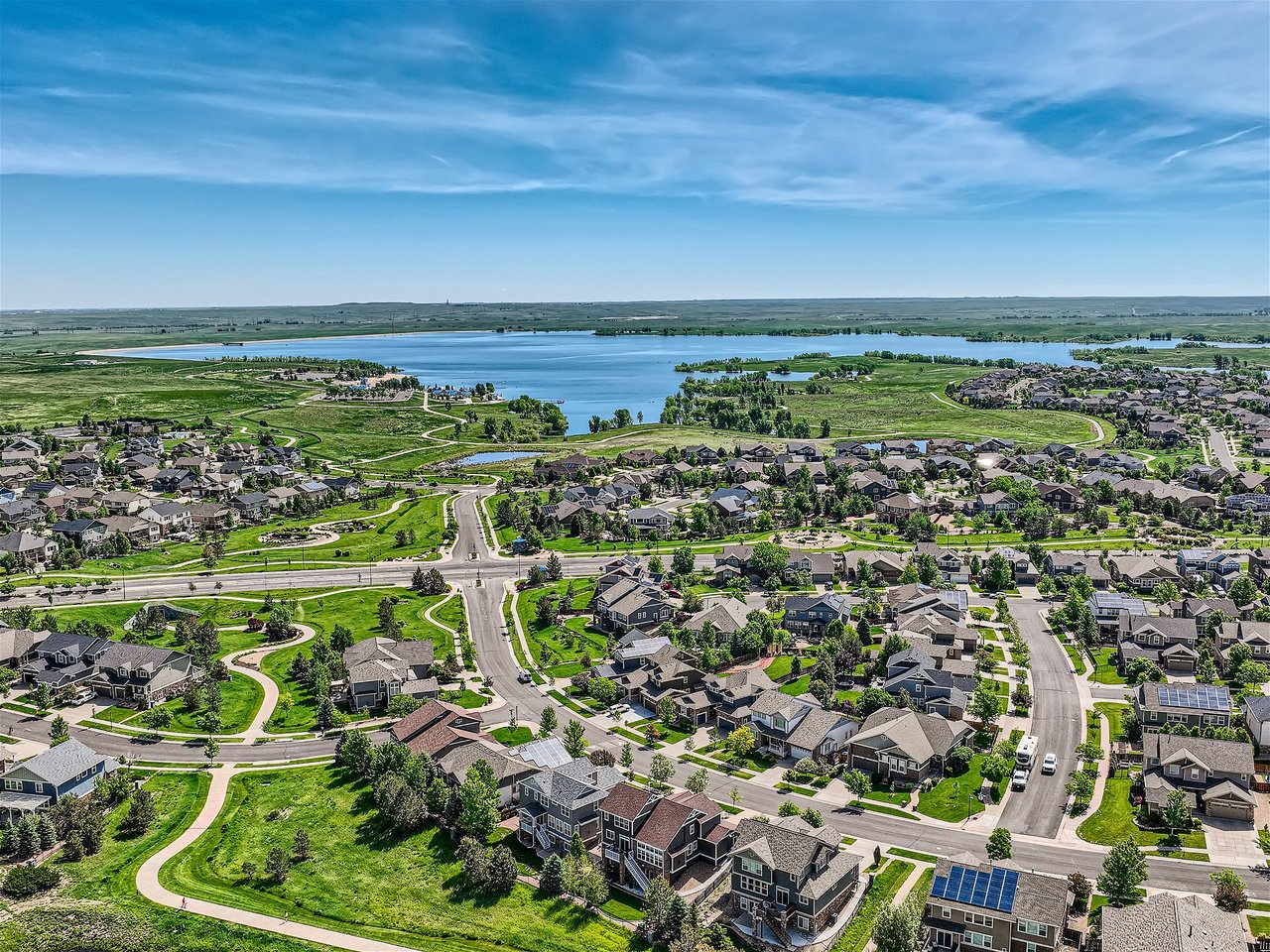
Tucked into the southeastern corner of Douglas County, Parker occupies a distinct niche in the Denver metro landscape: close enough to the city's employment corridors to make a daily commute reasonable, yet far enough out to hold onto the open sky, big lots, and small-town rhythm that pull people here in the first place. It's a place where you can catch a symphony performance on a Friday night, walk a stretch of Ponderosa-lined trail on Saturday morning, and still be at your desk in the Denver Tech Center in under twenty minutes on Monday.
What sets Parker apart from the sea of Front Range suburbs is that it never fully surrendered its identity to strip malls and cul-de-sacs. A genuine historic downtown anchors the community, a nationally recognized school district draws families from across the region, and the surrounding terrain shifts from tidy master-planned neighborhoods to forested acreage where deer wander through backyards. For buyers weighing space, schools, and quality of life against commute time, Parker consistently lands in the sweet spot.
Parker sits roughly 20 to 25 miles southeast of downtown Denver, positioned so that the major arterials—E-470, I-25, and Parker Road (CO-83)—all feed into the region's biggest job centers. Where you land within Parker matters a great deal for your commute, and it's one of the first things I talk through with buyers who work north or west.
The Denver Tech Center is the most common destination, and it's an easy reach: 12 to 18 miles depending on your neighborhood, which translates to 15 to 20 minutes off-peak and 25 to 40 minutes during rush hour. Northern subdivisions like Stonegate and Cottonwood have the shortest run, usually via E-470 west to I-25 or up Parker Road to I-225 and Arapahoe. Downtown Denver is a longer haul—23 to 27 miles, closer to 30 to 35 minutes off-peak and often 45 minutes or more when traffic thickens.
For frequent flyers, one of Parker's underrated advantages is its shot straight to Denver International Airport. Via E-470, you're at the terminals in 25 to 35 minutes, bypassing the congestion that snarls other parts of the metro. Colorado Springs, meanwhile, is about a 45- to 55-minute drive south down I-25, which makes Parker workable for households split between the two cities.
A couple of practical notes I always raise. E-470 is an express toll road, and while it saves real time and adds predictability, heavy daily use can add anywhere from $150 to $300 or more to a monthly commuting budget—worth folding into your cost-of-living math. For those who prefer not to drive the whole way, RTD runs regional bus service from Parker's park-and-ride lots that connects to the Lincoln Station light rail (the E-Line) for train access into the Tech Center and downtown.
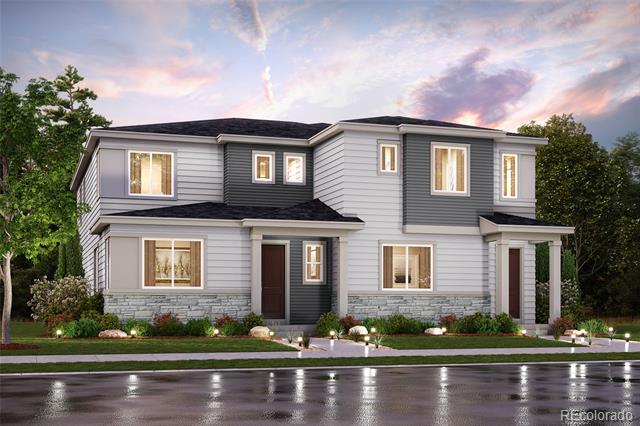
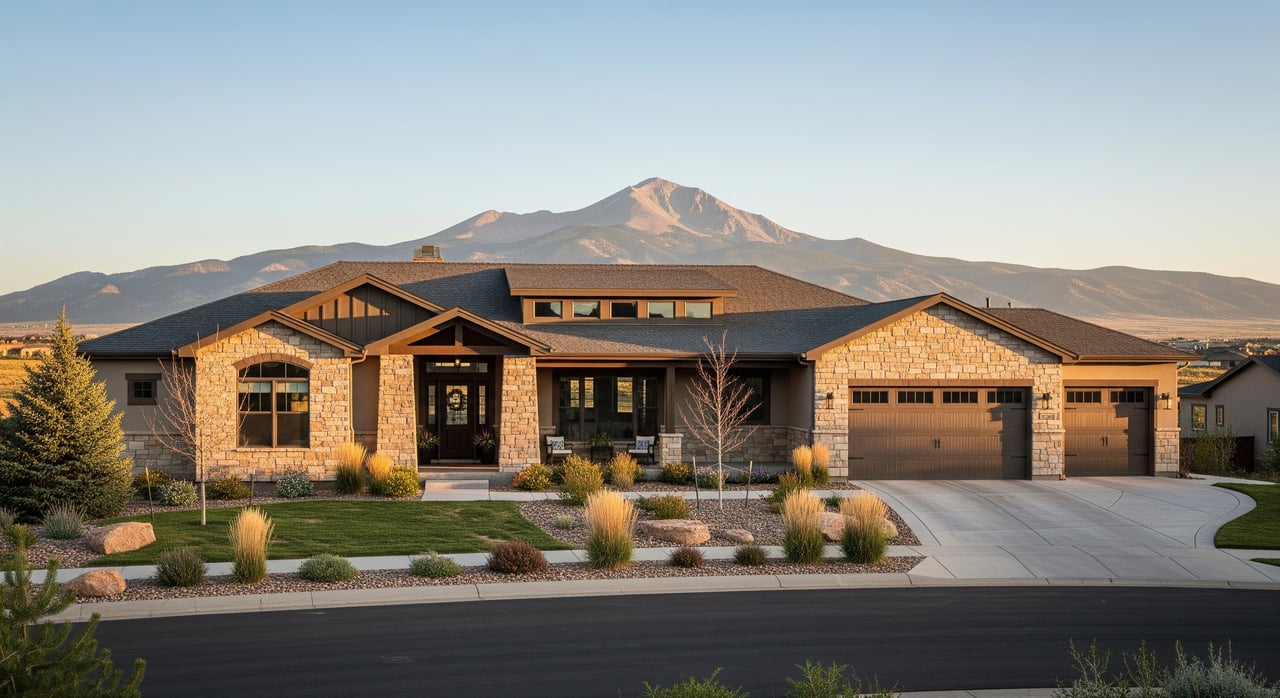
Parker's housing stock is genuinely varied, which is part of what keeps demand strong across price points. You'll find low-maintenance townhomes, spacious single-family homes on generous suburban lots, newer master-planned communities still filling in, and, on the wooded southern edges, luxury custom homes and equestrian estates.
As of the current market, the median sold price sits roughly in the $660,000 to $685,000 range, with list prices trending a bit higher, around $725,000. Homes move quickly here—typically 15 to 30 days on market—and the sale-to-list ratio hovers near 99.4% to 100%, which tells you that well-priced homes tend to sell close to asking. This isn't a market where lowball offers get far on desirable properties.
Here's how the price tiers generally break down across Parker:
Tier | Price Range | Typical Profile & Neighborhoods |
|---|---|---|
Entry-Level / Condo | $340K–$480K | 1–3 bed condos and townhomes (Hunters Chase, Prairie Walk) |
Mid-Tier Single-Family | $530K–$750K | 3–5 bed homes in established subdivisions (Stroh Ranch, Clarke Farms, Bradbury Ranch, Trails at Crowfoot) |
Executive / Large Lot | $850K–$1.3M | Larger square footage, custom finishes, tree cover (Idyllwilde, The Pinery) |
Luxury & Estates | $1.5M–$2.5M+ | Gated golf communities and equestrian estates (Pinery West, Reata South, Pradera) |
Three things I want every buyer to understand before they start comparing listings. First, many newer developments sit inside Metropolitan Districts, which push property tax rates meaningfully higher than older parts of town—something I'll break down in detail below. Second, most single-family neighborhoods carry active HOAs that fund pools, clubhouses, and trail upkeep. And third, the fundamental Parker trade-off: compared to closer-in suburbs like Greenwood Village or Centennial, you get more house, newer construction, and a bigger yard for the same dollar—you're simply trading a few minutes of drive time for that space.
Choosing the right Parker neighborhood usually comes down to four levers: yard size, HOA amenities, tree cover, and how close you want to be to the major roads. The town runs on a rough spectrum, with fast-commute suburban communities on the northern end and forested, large-lot luxury enclaves to the south.
On the suburban and master-planned side, Stonegate is one of Parker's largest and most established communities, with multiple pools, tennis courts, trails, and an elementary school inside its boundaries. Its far-northern position gives it the quickest access to the DTC and E-470, which is exactly why commuters gravitate to it. Stroh Ranch (and its Anthology section) is a popular mid-tier choice strung along the Cherry Creek Trail, anchored by a well-loved recreation center with indoor and outdoor pools; the standard lot sizes of a quarter-acre or so make it a strong starter-to-trade-up option. Canterberry Crossing wraps around the Black Bear Golf Club on Parker's east side, offering rolling terrain, scenic views, and floor plans ranging from townhomes to executive homes. And Clarke Farms, a classic 1990s neighborhood just west of downtown, wins people over with its mature trees, community pool, more approachable pricing, and walkable proximity to Mainstreet.
The wooded and luxury communities have an entirely different character. The Pinery feels like a mountain town that somehow landed in the suburbs—dense Ponderosa pines, winding roads, lots ranging from a third of an acre to well over an acre, and a genuine architectural mix, all built around a 27-hole country club and Bingham Lake. Pradera, out toward the Franktown border, is the high-end play: semi-custom and custom homes on half-acre-plus lots, organized around a private golf course, with open views and premium finishes throughout.
This is the single most important financial concept for anyone buying in Parker, and it's the one that surprises transplants most. Colorado has relatively low statewide property tax assessment rates, but your actual tax bill in Parker can vary dramatically depending on whether your home sits inside a Metropolitan District.
A Metro District is a quasi-governmental entity that Colorado law allows developers to create. To fund the upfront cost of building a new neighborhood—streets, water and sewer lines, parks, clubhouses—the district issues municipal bonds. That bond debt is then repaid by the homeowners through an additional mill levy tacked onto their annual property tax bill. In practice, this means two homes with identical list prices can carry wildly different monthly costs.
The contrast plays out like this:
That gap is not trivial. Between two homes both listed at $700,000, the Metro District home can cost $250 to $400 more per month in escrowed taxes. My standing advice to every client: pull the specific parcel's mill levy from the Douglas County Assessor before you write an offer. It's a five-minute check that can reshape your entire budget.
Beyond taxes, plan for HOA dues ranging from around $50 a month in older subdivisions to $150–$250+ in amenity-rich communities. Utilities swing seasonally—heating in winter, irrigation in summer—and Parker Water & Sanitation uses conservation-based tiered pricing, so large lawns cost more to keep green in July and August.
For families, the Douglas County School District (DCSD RE-1) is frequently the deciding factor, and for good reason. It's the third-largest district in Colorado and posts a 93.6% graduation rate—the highest among the large Denver-metro districts—with neighborhood schools that routinely test well above state averages in reading and math.
Three high schools serve Parker, each with its own personality. Legend High School on the east side is well regarded for academics, STEM pathways, and athletics. Chaparral High School, up near Stonegate on the north side, is known for a deep Advanced Placement catalog and strong performing arts. And Ponderosa High School in southern Parker has long community roots and robust career and technical education programs.
Parker also has an unusually dense cluster of high-performing public charter schools authorized by DCSD—all tuition-free, each with a distinct model. Parker Core Knowledge (PK–8) consistently ranks among Colorado's top public elementary and middle schools, built on E.D. Hirsch's sequenced curriculum. Challenge to Excellence (K–8) leans into STEAM with heavy technology integration, and North Star Academy (K–8) emphasizes character development within a traditional structure.
One thing worth knowing: Colorado is an open-enrollment state, so you aren't locked into your neighborhood school. Through DCSD's open enrollment window—typically November through January for the following year—families can apply to schools outside their boundary, space permitting. That flexibility is a real asset when you're weighing a home purchase against a specific school fit.
If there's one feature that separates Parker from the sprawl-and-strip-mall pattern of so many Denver suburbs, it's Historic Mainstreet. Rather than a generic commercial corridor, Parker has a walkable, Victorian-flavored downtown with wide brick-accented sidewalks, patio dining, boutique retail, and free public parking—the kind of place people actually stroll after dinner.
The dining scene punches above its weight. Longtime favorites include Hickory & Ash for modern American, Indochine for Southeast Asian, and Tailgate Tavern, a local staple dating back over a century, alongside a rotating cast of coffee houses and ice cream parlors. The retail skews independent and local, which keeps the district feeling like Parker rather than Anywhere, USA.
The cultural and community anchors are what give downtown its pulse. The PACE Center—Parker Arts, Culture & Events—is a modern facility with a 536-seat theater, art galleries, and event space that hosts touring acts, symphony performances, local theater, and year-round classes. Just up the street, O'Brien Park sits at the corner of Mainstreet and Parker Road with a summer splash pad, a gazebo, and a winter ice-skating ribbon. The Parker Farmers' Market runs Sunday mornings from Mother's Day through October and ranks among the largest in the metro, and every June the Parker Days Festival draws tens of thousands for carnival rides, live music, and vendors.
Parker's outdoor infrastructure is one of its strongest quality-of-life selling points, and the Cherry Creek Regional Trail is the backbone of it all. The full trail stretches more than 40 miles from downtown Denver south toward Castlewood Canyon State Park; the roughly 8-mile stretch running through Parker features a 10-foot-wide paved multi-use path alongside a parallel unpaved equestrian path. Major trailheads with parking, restrooms, and shade—McCabe Meadows, Bar CCC Park, and Cottonwood Trailhead Park—make it easy to hop on, and the paved path sees constant use from cyclists, runners, and dog walkers linking neighborhoods to downtown.
Beyond the main trail, a few standout facilities round out the recreation picture. Rueter-Hess Reservoir, just west of town, is a 1,170-acre water-supply reservoir with expanding recreational access—paddleboarding, kayaking, hiking, and the popular Rosie Rueter Trail and its 132-step incline challenge. The Sulphur Gulch and Tallman Gulch trails run east–west through the eastern subdivisions, stitching together schools, neighborhood parks, and downtown. And the Parker Fieldhouse, a 100,000-square-foot indoor complex, packs in inline hockey rinks, turf fields, batting cages, climbing walls, and multi-purpose courts for the days when the weather won't cooperate.
Parker gives residents enough retail and dining variety that you rarely need to drive into Denver for everyday needs, and the town's commercial life splits neatly into a few distinct zones.
Downtown Mainstreet and Pikes Peak Drive are where the local, chef-driven, boutique side of Parker lives. Poulette Bakeshop, a James Beard–nominated French bakery, draws weekend crowds; Parker Garage serves upscale Colorado farm-to-table dining in a restored historic building; and spots like West Main Taproom fill out the scene. Shops like The LOCAL at Parker showcase Colorado-made products, crafts, and packaged foods.
For the practical, everyday errands, the Twenty Mile Road corridor running parallel to Parker Road is the town's retail engine—Target, Home Depot, Trader Joe's, Sprouts, Kohl's, King Soopers, and Safeway all cluster here, along with the FlatAcres MarketCenter and Parker Crossroads for home goods, fitness, and quick-casual dining. And when you want expanded, higher-end retail, two regional destinations sit 10 to 15 minutes out: Park Meadows Mall in Lone Tree, Colorado's largest indoor shopping center with Nordstrom, Apple, and luxury fashion, and the open-air Southlands Shopping Center in Aurora, with its main-street plaza, theater, and national retailers.
Parker's cultural life is genuinely robust for a town its size, and most of it flows through Parker Arts, the organization that runs the town's venues and programming. The crown jewel is the PACE Center, whose 536-seat main stage hosts regional theater, touring musicians, comedy, and performances by the Parker Symphony Orchestra and Parker Chorus. For something more intimate, The Schoolhouse—a lovingly renovated 1915 building in the heart of Mainstreet—serves as a 200-seat venue for acoustic sets, lectures, art classes, and community theater. And in the warmer months, Discovery Park's outdoor amphitheater hosts a free summer concert series and family movie nights.
The community calendar carries its own traditions. Parker Days in June is the marquee event, a three-day festival that pulls in more than 100,000 visitors for rides, vendors, and live music. The Discovery Park Summer Concert Series runs free Thursday-evening shows from June through August, the Parker Honey Festival in August celebrates local beekeeping and agriculture, and the holidays bring the Mayor's Holiday Lighting and Winter Wonderlights, when Mainstreet and O'Brien Park fill with ice sculptures, carolers, and carriage rides.
Parker sits at roughly 5,850 feet—a touch higher than Denver's mile—in a classic semi-arid high-plains climate. That means around 242 sunny days a year, low humidity, four genuine seasons, and weather that can shift fast.
Summers run warm but manageable, with highs in the mid-80s to low 90s that drop into the upper 50s after sunset thanks to the dry air; brief afternoon thunderstorms are common in July and August. Fall is widely considered the best season here—warm 60s and 70s under clear "bluebird" skies with little rain. Winters are cold but sunny, highs in the 40s and crisp nights, with snow arriving in periodic storms rather than constant gray. And spring, counterintuitively, brings Parker's snowiest stretch: March and April deliver heavy, wet storms, though the high-altitude sun usually clears roads and driveways within a day or two.
Living at altitude carries a few practical realities worth flagging for anyone relocating from lower elevations. You'll want to increase your water intake to adjust and stay comfortable in the dry air, and the thinner atmosphere means UV exposure is significantly stronger—sunscreen and sunglasses become year-round habits. Finally, like much of the Front Range, Parker is prone to afternoon hail from late May through July, which is exactly why covered parking and garages are so highly valued by local homeowners.
Parker isn't a sleepy exurb, and it isn't a dense inner-ring suburb—it lives in between, which is precisely why it appeals so strongly to a few specific kinds of buyers.
Families are the most obvious fit. Between the top-rated DCSD public schools, elite charter options, the 100,000-square-foot Fieldhouse, extensive youth sports leagues, and a town that consistently ranks among Colorado's safest, Parker delivers the classic kids-in-the-cul-de-sac environment that's genuinely hard to find. Commuters are the second group: professionals who want a quick weekday drive without giving up suburban space. Living in the northern subdivisions puts you 15 to 20 minutes from the tech and corporate hubs of Greenwood Village and Centennial, and E-470 makes DIA a sub-30-minute run—a major draw for frequent flyers and airport employees.
The third group is move-up buyers, and this is where Parker's value proposition really shines. Households outgrowing a starter home in Denver, Lakewood, or Aurora find that their dollar stretches noticeably further here. The move-up homes in Parker routinely include finished basements, three-car garages, dedicated home offices, and real outdoor living space—covered patios, fire pits, and yards you can actually use—for prices that would buy far less in Littleton or Greenwood Village.
Parker offers a high quality of life, but a few local mechanics deserve careful attention before you make an offer. I walk every client through these because they're the details that catch people off guard.
The first is the HOA-versus-Metro-District distinction, especially in newer developments like Trails at Crowfoot or Anthology North. These are two separate things. Your HOA governs day-to-day rules, architectural approvals, and amenity upkeep, with dues paid monthly or quarterly. The Metro District, by contrast, is a special tax district added to your annual county tax bill to pay off the neighborhood's construction bonds. Some master-planned communities layer sub-HOAs under a master HOA, so before you calculate your true monthly cost, verify the combined HOA dues and the parcel's specific mill levy.
Water is the second consideration, and it's a long-term one across all of Douglas County. Parker Water & Sanitation District serves most of the town and has invested heavily in renewable supply—most visibly the Rueter-Hess Reservoir—shifting its reliance from about 90% non-renewable groundwater down toward 60%, with a goal of a 75%+ renewable portfolio. Funding that infrastructure means aggressive tiered water rates, so homes with large bluegrass lawns pay a premium during peak summer irrigation. Many local owners respond by installing xeriscaping or drip irrigation to keep summer bills in check.
The third is new construction, which remains active across southern Douglas County. A builder's advertised "starting price" rarely reflects the finished cost—budget an extra 10% to 15% for lot premiums, structural options, and design-center upgrades. New homes here typically don't include full rear landscaping or window coverings, so reserve $10,000 to $25,000+ for post-closing exterior work. And because parts of Parker sit on expansive bentonite clay soils, builders use engineered post-tension slabs or deep pier foundations; an independent structural inspection before drywall goes up is money well spent on a new build.
Buying or selling in a market like Parker—where a single parcel's mill levy can swing your monthly budget by hundreds of dollars, and where the right neighborhood depends on everything from your commute to your kids' schools—is exactly the kind of decision that benefits from someone who knows the ground. That's where Pulse Real Estate Group, LLC comes in. Led by broker and owner Scott Coddington, a third-generation agent and Colorado native serving the state's communities since 1997, the team brings deep local expertise to buyers and sellers across the Front Range, from Colorado Springs and Pueblo up through Denver and into the mountains. Whether you're a first-time buyer learning the ropes, a family relocating for the schools, a military household navigating a VA assumable loan, or a seller aiming for top dollar, the focus stays on your goals rather than the transaction. Reach out to Scott directly at (719) 399-0000 or [email protected] to start a conversation about making your move to Parker—there's no substitute for having a trusted local expert in your corner.
There's plenty to do around Parker, including shopping, dining, nightlife, parks, and more. Data provided by Walk Score and Yelp.
Explore popular things to do in the area, including 7-Eleven, Poke Cafe, and Playa Bowls.
| Name | Category | Distance | Reviews |
Ratings by
Yelp
|
|---|---|---|---|---|
| Dining · $ | 2.05 miles | 14 reviews | 2/5 stars | |
| Dining | 2.07 miles | 0 reviews | 0/5 stars | |
| Dining | 2.3 miles | 9 reviews | 4.3/5 stars | |
| Shopping | 2.01 miles | 5 reviews | 3.2/5 stars | |
| Shopping | 2.25 miles | 6 reviews | 4.2/5 stars | |
| Active | 1.29 miles | 2 reviews | 5/5 stars | |
| Active | 1.55 miles | 0 reviews | 0/5 stars | |
| Active | 1.99 miles | 0 reviews | 0/5 stars | |
| Active | 2.03 miles | 0 reviews | 0/5 stars | |
| Active | 2.14 miles | 0 reviews | 0/5 stars | |
| Active | 2.28 miles | 0 reviews | 0/5 stars | |
| Beauty | 0.75 miles | 1 review | 5/5 stars | |
| Beauty | 1.46 miles | 0 reviews | 0/5 stars | |
| Beauty | 1.82 miles | 0 reviews | 0/5 stars | |
| Beauty | 1.97 miles | 36 reviews | 3.5/5 stars | |
| Beauty | 2.15 miles | 1 review | 4/5 stars | |
| Beauty | 2.15 miles | 1 review | 5/5 stars | |
| Beauty | 2.15 miles | 0 reviews | 0/5 stars | |
| Beauty | 2.15 miles | 1 review | 5/5 stars | |
| Beauty | 2.21 miles | 2 reviews | 5/5 stars | |
| Beauty | 2.23 miles | 1 review | 1/5 stars | |
| Beauty | 2.24 miles | 1 review | 5/5 stars | |
| Beauty | 2.24 miles | 0 reviews | 0/5 stars | |
| Beauty | 2.24 miles | 0 reviews | 0/5 stars | |
|
|
||||
|
|
||||
|
|
||||
|
|
||||
|
|
||||
|
|
Parker has 40,294 households, with an average household size of 2.845. Data provided by the U.S. Census Bureau. Here’s what the people living in Parker do for work — and how long it takes them to get there. Data provided by the U.S. Census Bureau. 113,756 people call Parker home. The population density is 1,111 and the largest age group is Data provided by the U.S. Census Bureau.
Total Population
Population Density Population Density This is the number of people per square mile in a neighborhood.
Median Age
Men vs Women
Population by Age Group
0-9 Years
10-17 Years
18-24 Years
25-64 Years
65-74 Years
75+ Years
Education Level
Total Households
Average Household Size
Average individual Income
Households with Children
With Children:
Without Children:
Marital Status
Blue vs White Collar Workers
Blue Collar:
White Collar:
October 22, 2026
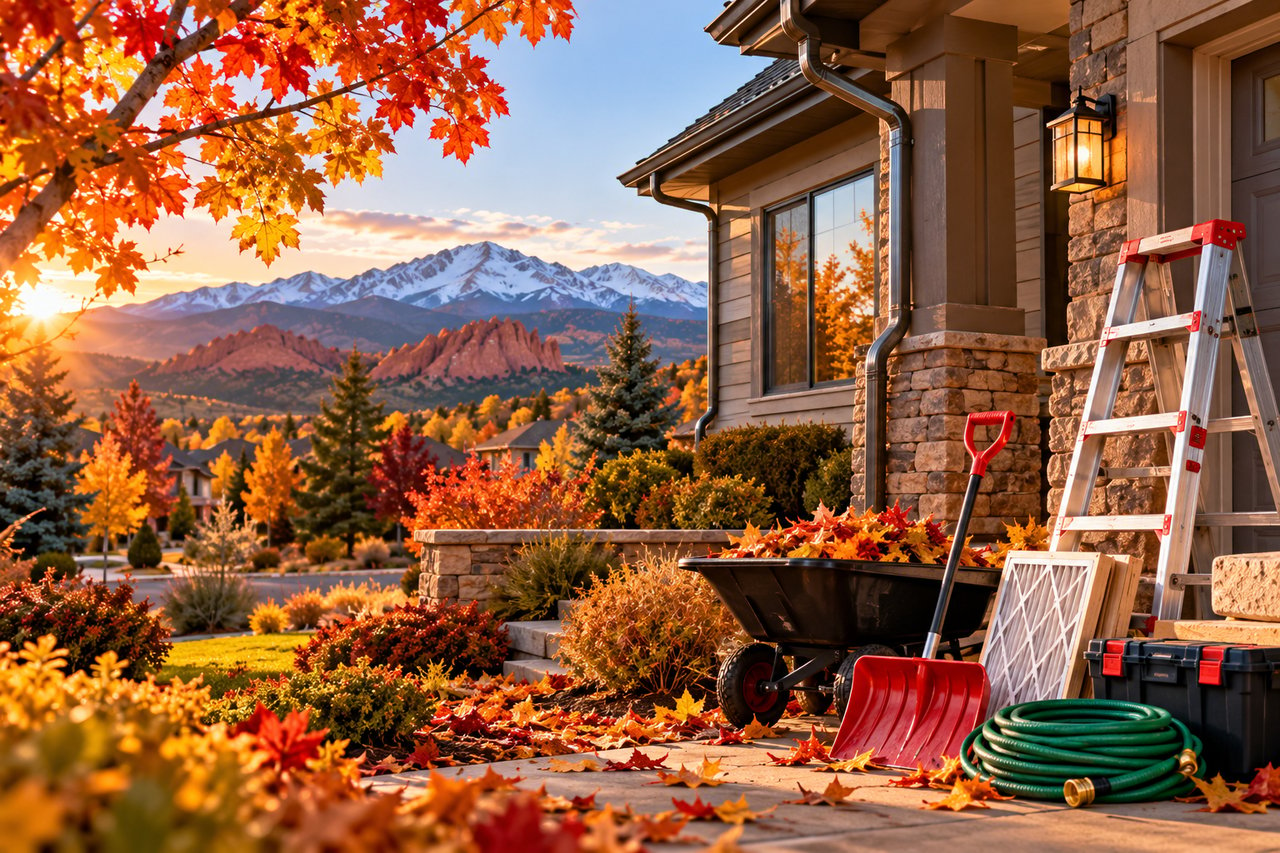
Fall Home Maintenance
Shannon Price | October 19, 2026

Southern Colorado Activities
Scott Coddington | October 16, 2026
Halloween Events, Fall Festivals, Family Activities & Things to Do in Colorado Springs, Pueblo & Pueblo West
September 17, 2026

September 10, 2026
September 17, 2026

Haunted Houses
Shannon Price | October 1, 2026
Haunted Houses in Colorado Springs
September 3, 2026
August 13, 2026
September 3, 2026
October 15, 2026
September 24, 2026
August 13, 2026
October 15, 2026
August 27, 2026
October 8, 2026
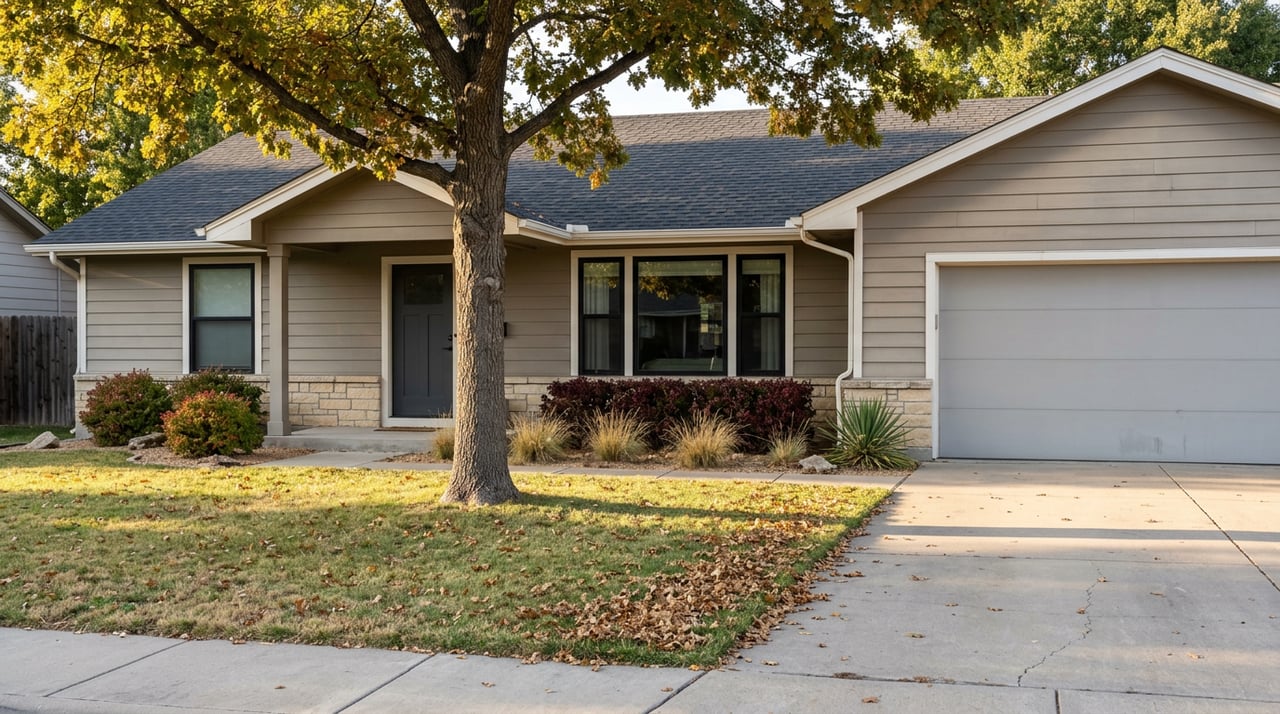
August 20, 2026
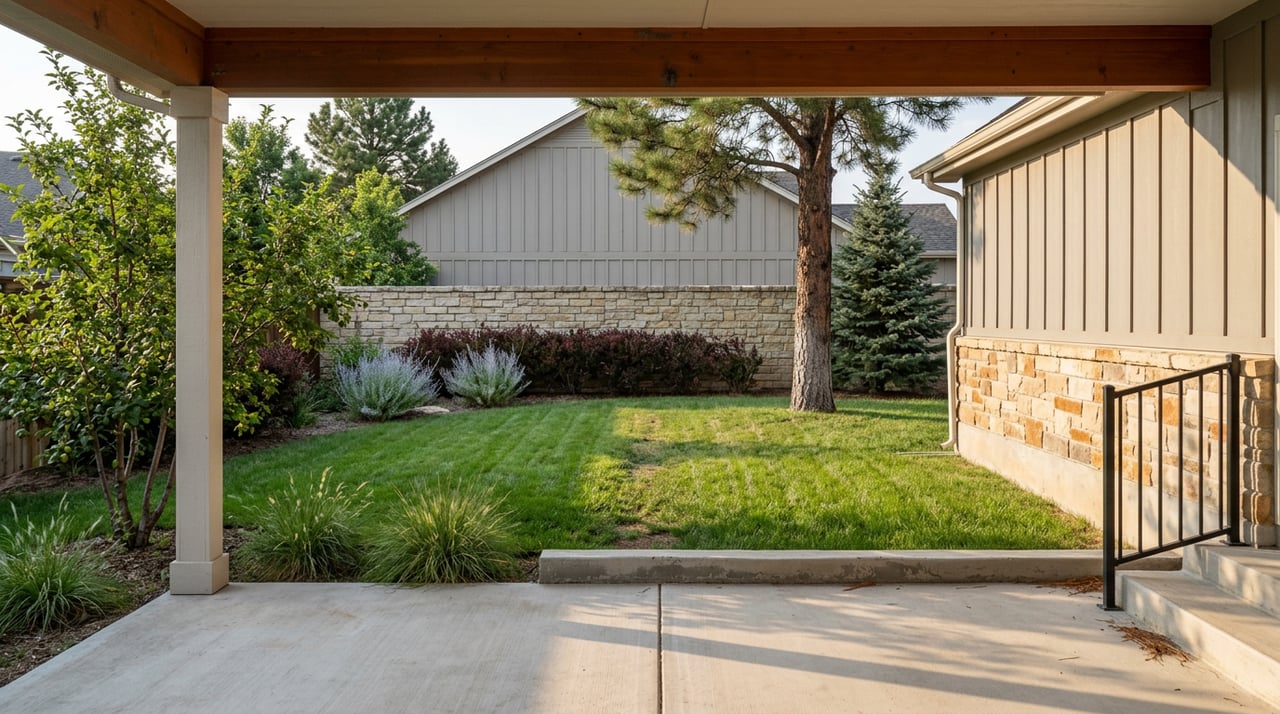
August 13, 2026
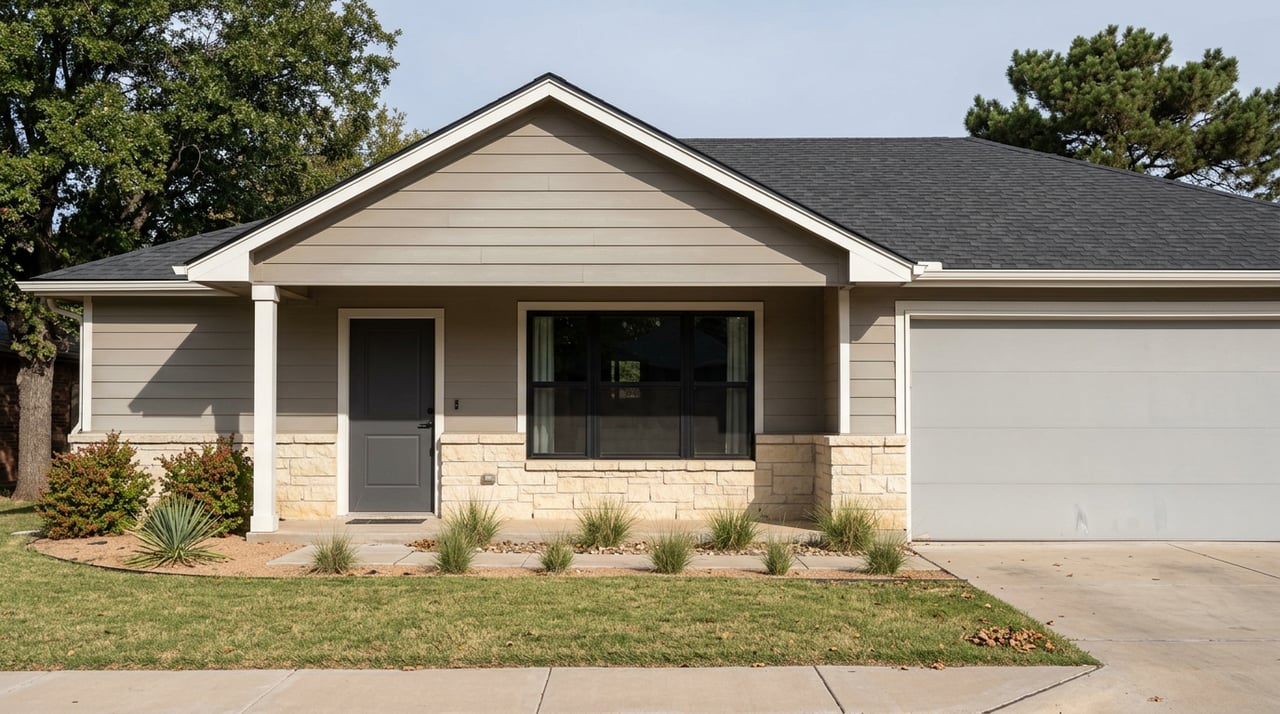
August 13, 2026
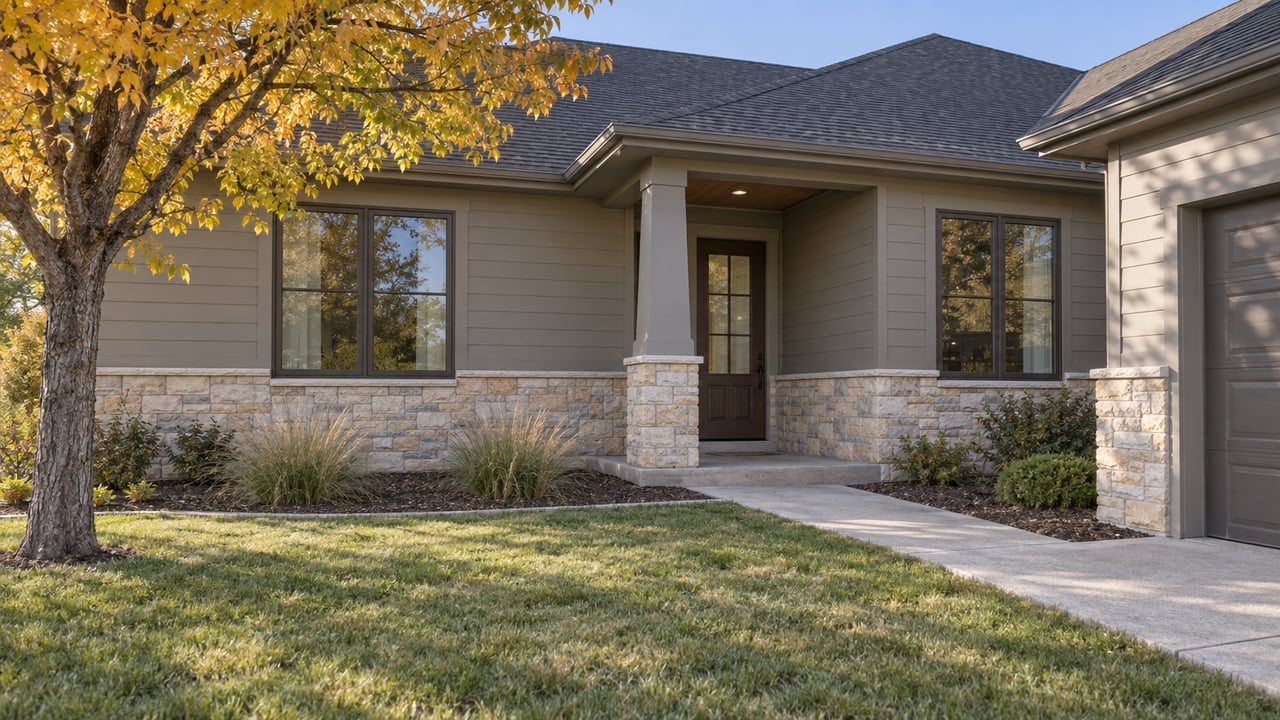
October 1, 2026
August 13, 2026
Pumpkin patches and fall festivals
Shannon Price | October 12, 2026
Moving to Colorado Springs
Shannon Price | October 12, 2026
Moving to Colorado Springs
Hiking
Shannon Price | October 8, 2026
The Manitou Incline
October 8, 2026

Southern Colorado Activities
Scott Coddington | October 8, 2026
Live Music, Pumpkin Patches, Family Activities & Fall Fun in Colorado Springs, Pueblo & Pueblo West
Homeownership
Scott Coddington | October 4, 2026
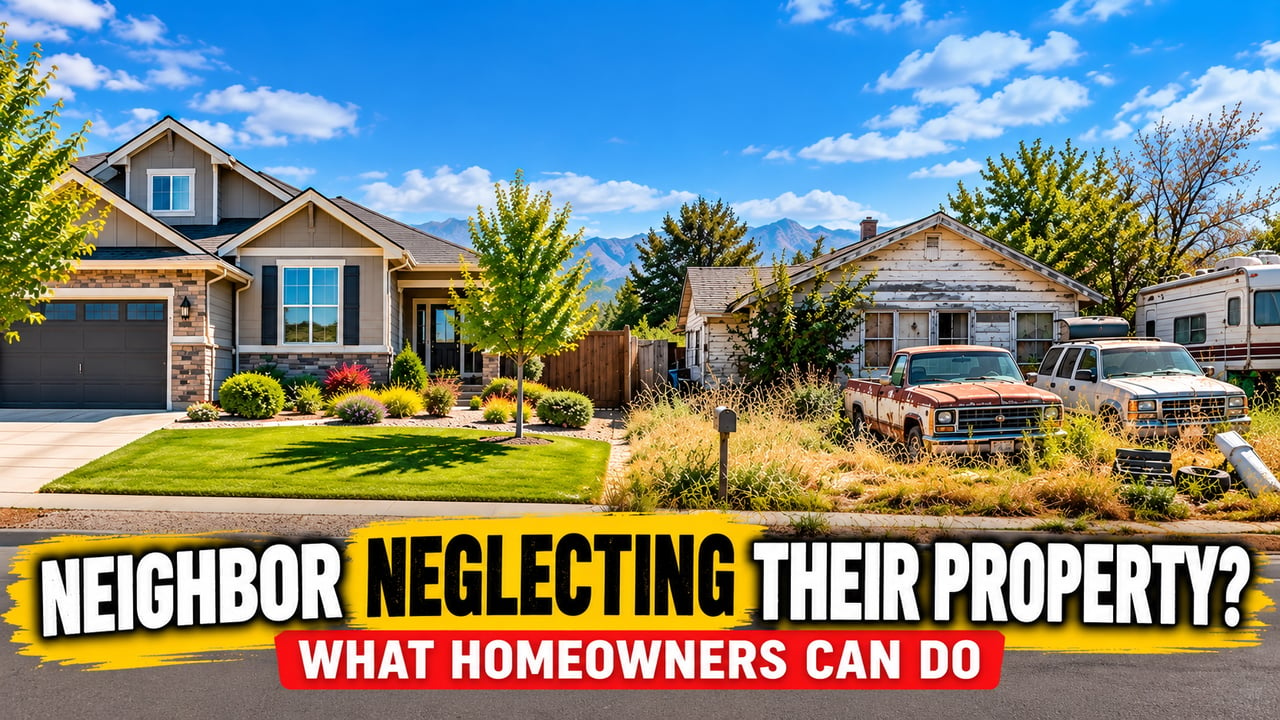
From talking with your neighbor to HOAs, covenants, and Code Enforcement, learn how to address a neglected property next door—and what it could mean when buying or sel… Read more

Fall Foliage
Shannon Price | October 3, 2026
Best Colorado Springs Neighborhoods for Fall Colors
Homeownership
Scott Coddington | October 3, 2026
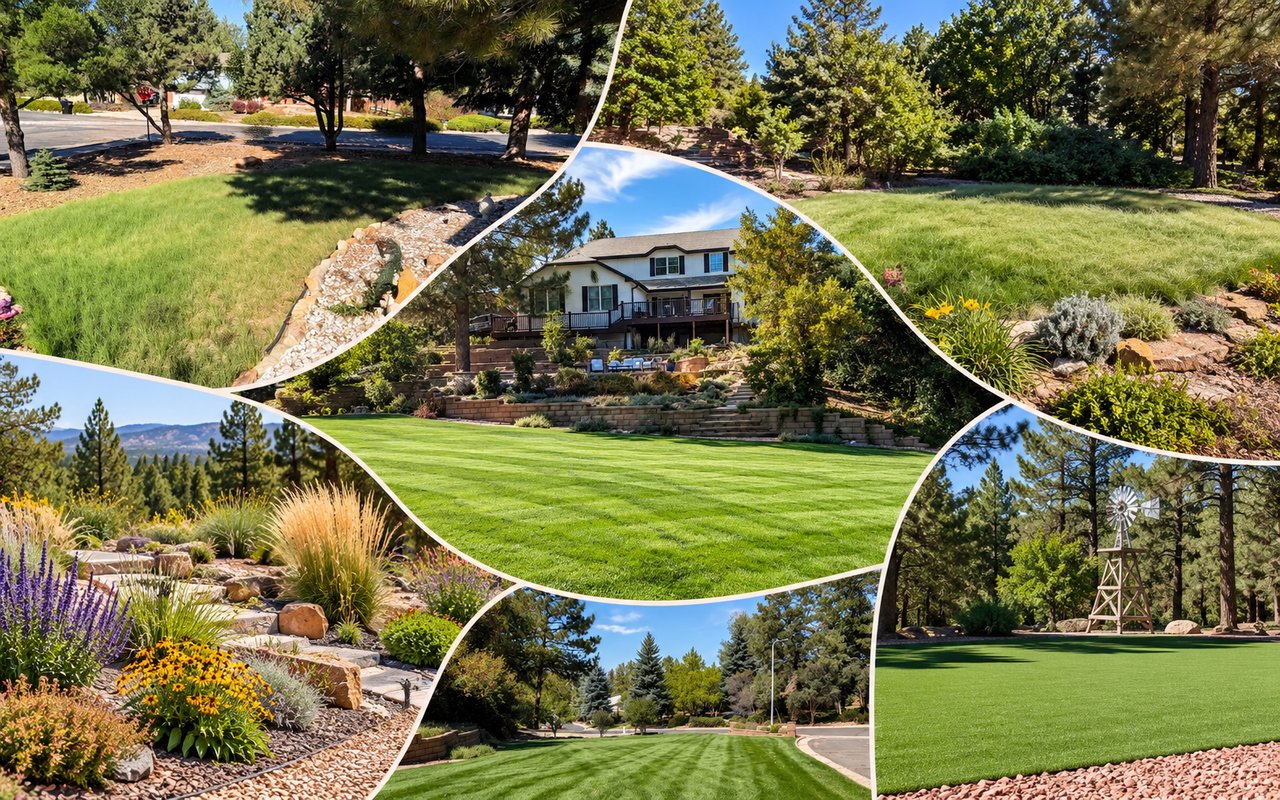
A Colorado Springs homeowner’s guide to choosing the right landscaping for your lifestyle, water use, maintenance, curb appeal, and future resale.

Buying a Home | Colorado Real Estate
Scott Coddington | October 3, 2026
Found a foreclosure on Zillow or Auction.com? Before you bid, understand how Colorado foreclosure auctions work, why you may not be able to inspect the home, and the f… Read more

2026 Relocation Guide
Scott Coddington | October 3, 2026
Everything You Need to Know About Housing, Cost of Living, Neighborhoods, Traffic, Taxes, and Life in Colorado Springs

2026 Relocation Guide
Scott Coddington | October 3, 2026
Everything You Need to Know About Housing, Cost of Living, Neighborhoods, Weather, Taxes, and Life in Colorado Springs

2026 Relocation Guide
Scott Coddington | October 2, 2026
What You Need to Know Before You Move
July 23, 2026

Southern Colorado Activities
Scott Coddington | October 2, 2026
Fall Festivals, Pumpkin Patches, Live Music, Sports & Family Events in Colorado Springs, Pueblo & Pueblo West

Buying a Home | Colorado Real Estate
Scott Coddington | September 30, 2026
Pulse Real Estate App

2026 Relocation Guide
Scott Coddington | September 30, 2026
Everything You Need to Know About Housing, Cost of Living, Neighborhoods, Weather, and Life in Colorado Springs

Buying a Home in Colorado Springs
Shannon Price | September 30, 2026
Buying in Colorado Springs
2026 Relocation Guide
Scott Coddington | September 30, 2026
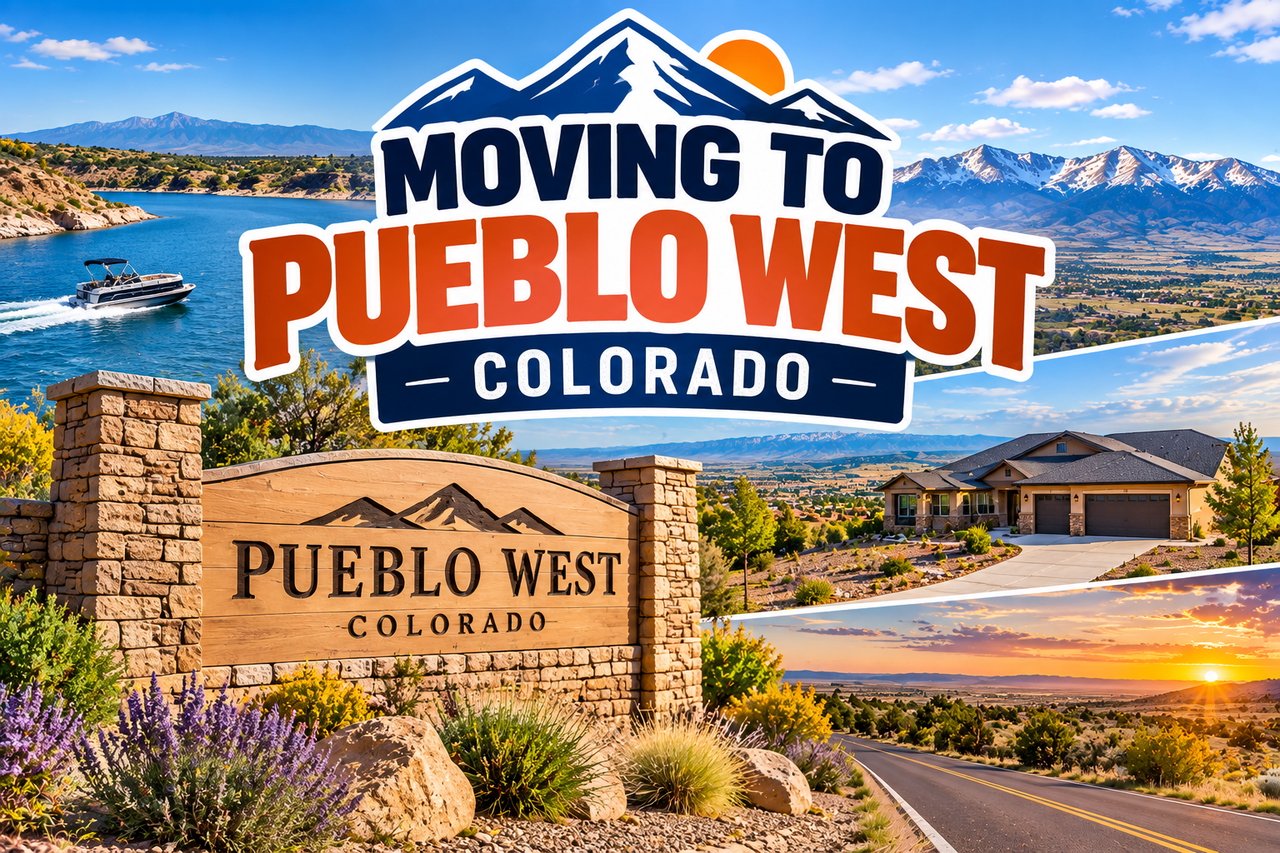
Everything You Need to Know About Homes, Cost of Living, Larger Lots, Pueblo Reservoir, Commuting, and Life in Pueblo West

2026 Relocation Guide
Scott Coddington | September 30, 2026
What You Need to Know Before You Move

Hiking
Shannon Price | September 25, 2026
Hiking Spots Colorado Springs

Dining in Colorado Springs
Shannon Price | September 25, 2026
July 9, 2026

Colorado Springs Real Estate
Rachael Ian | September 17, 2026
Lower rates are a possibility and I can help you secure one!
New Construction
Scott Coddington | September 17, 2026
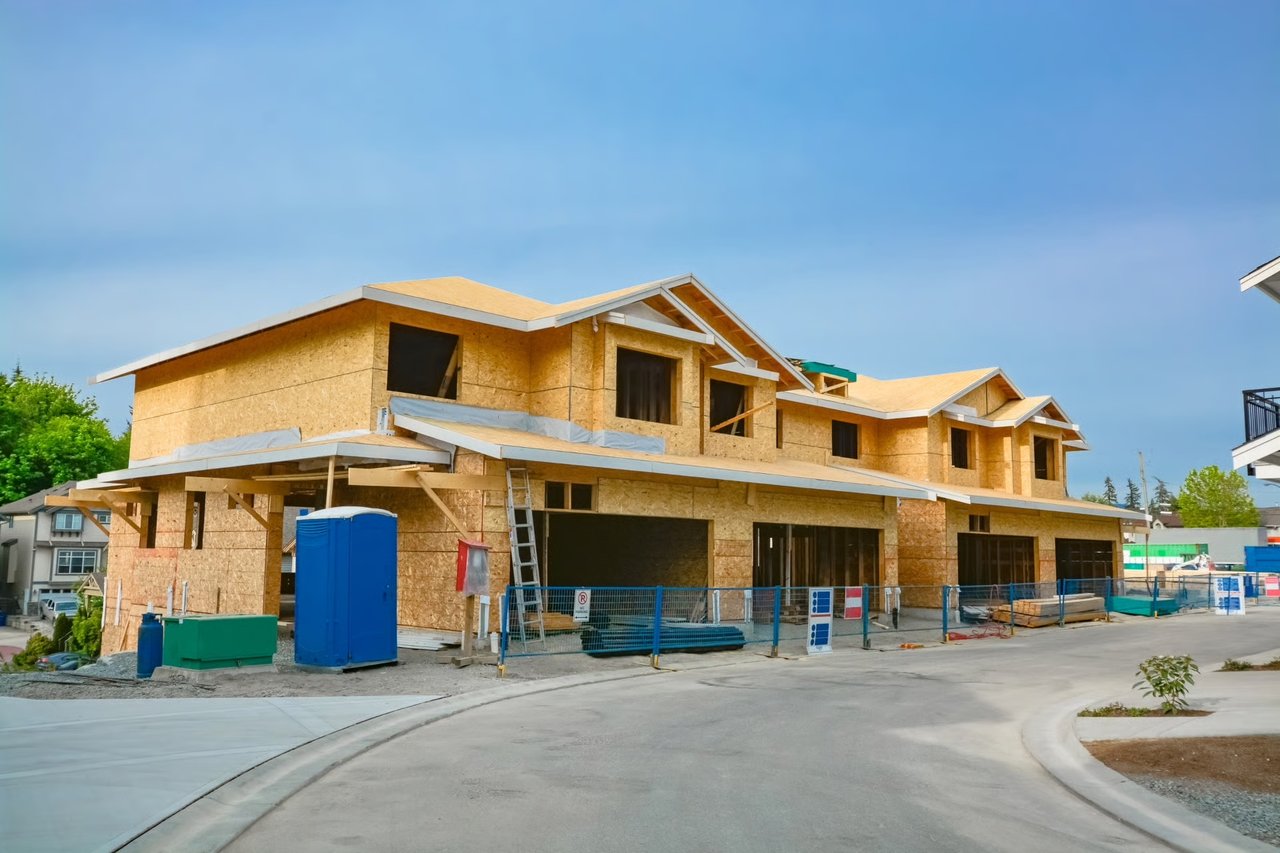
Builder incentives can mean lower payments, closing-cost assistance, and unique opportunities for VA buyers—but taxes, metro districts, resale value, and how long you … Read more
Moving to Colorado Springs
Scott Coddington | September 17, 2026
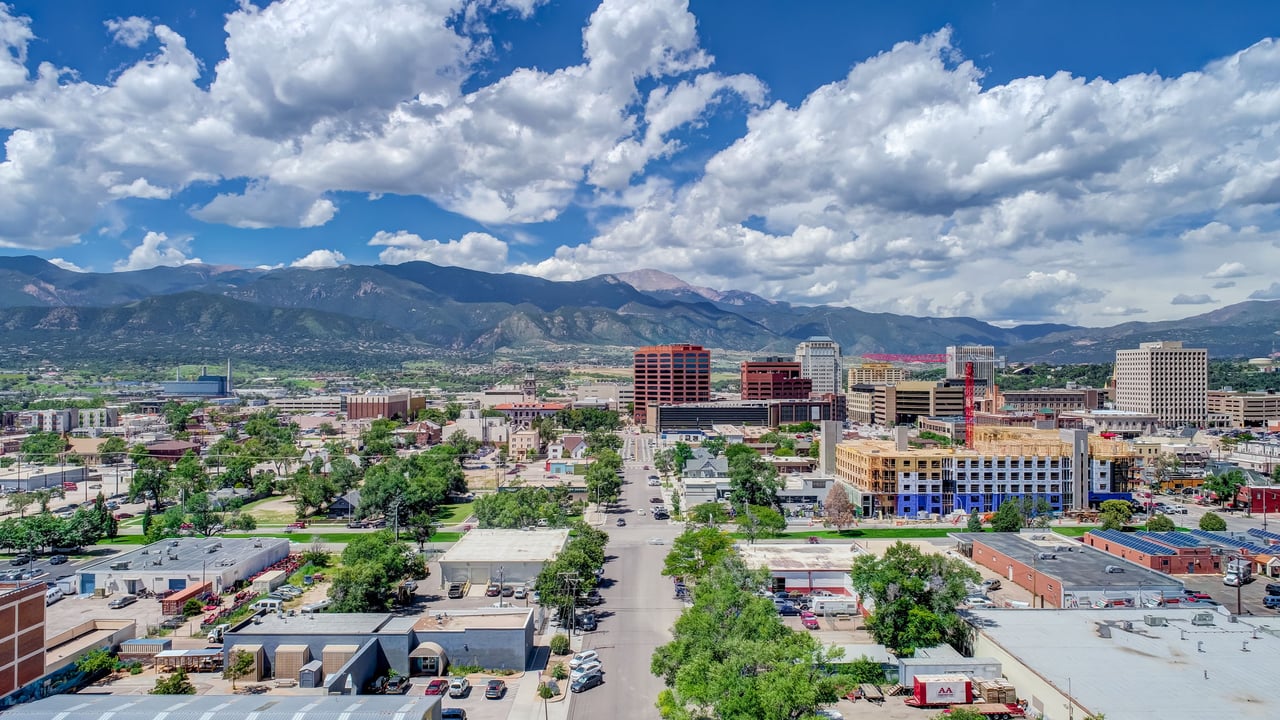
Everything You Need to Know About Homes, Neighborhoods, Costs, and the Colorado Springs Housing Market
Mortgage Rates above 7%
Scott Coddington | September 16, 2026
buying-home-mortgage-rates-above-7-percent

Buying a Home in Colorado Springs
Scott Coddington | September 16, 2026
Everything You Need to Know About Financing, Neighborhoods, Negotiations, and Finding the Right Home in Colorado Springs and Beyond
Selling a House in Colorado Springs : 2026 Seller's Guide
Scott Coddington | September 16, 2026
How to Prepare, Price, Market, Negotiate, and Successfully Sell Your Colorado Springs Home
Colorado Springs Neighborhoods
Scott Coddington | September 16, 2026
Explore Briargate, Black Forest, Monument, Falcon, Fountain, Woodland Park, Pueblo West, and More to Find the Area That Fits Your Lifestyle, Budget, and Home Search

Colorado Springs Real Estate
Scott Coddington | September 16, 2026
Best Realtor in Colorado Springs: How to Choose the Right Real Estate Agent

Home Buying
Scott Coddington | September 11, 2026
What Buyers Need to Knoiw
August 6, 2026
July 16, 2026
May 21, 2026
June 18, 2026
February 12, 2026
December 11, 2025
January 22, 2026
April 2, 2026
April 9, 2026
January 15, 2026
March 26, 2026
August 6, 2026
March 24, 2026
April 23, 2026
April 16, 2026
May 14, 2026
June 11, 2026
July 2, 2026
December 25, 2025
June 25, 2026
May 7, 2026
March 5, 2026
June 4, 2026
March 12, 2026
May 28, 2026
February 26, 2026
January 1, 2026
February 19, 2026

November 27, 2025
December 4, 2025
February 5, 2026
Scott Coddington | January 14, 2026
January 8, 2026
November 27, 2025
December 18, 2025

November 21, 2025
Serving communities from Colorado Springs through Pueblo and Denver, west into the mountains or east to the plains, our team is here to help with all your real estate needs across Colorado’s Front Range.