Where in Colorado Springs will your days feel easiest? If you picture mornings on a trail, quick school drop-offs, or coffee around the corner, the right neighborhood will match how you live hour to hour. You want a place that fits your commute, errands, and weekend plans, not just a map pin. This guide breaks down Colorado Springs by lifestyle and daily rhythm so you can focus on areas that feel natural from day one. Let’s dive in.
How Colorado Springs is laid out
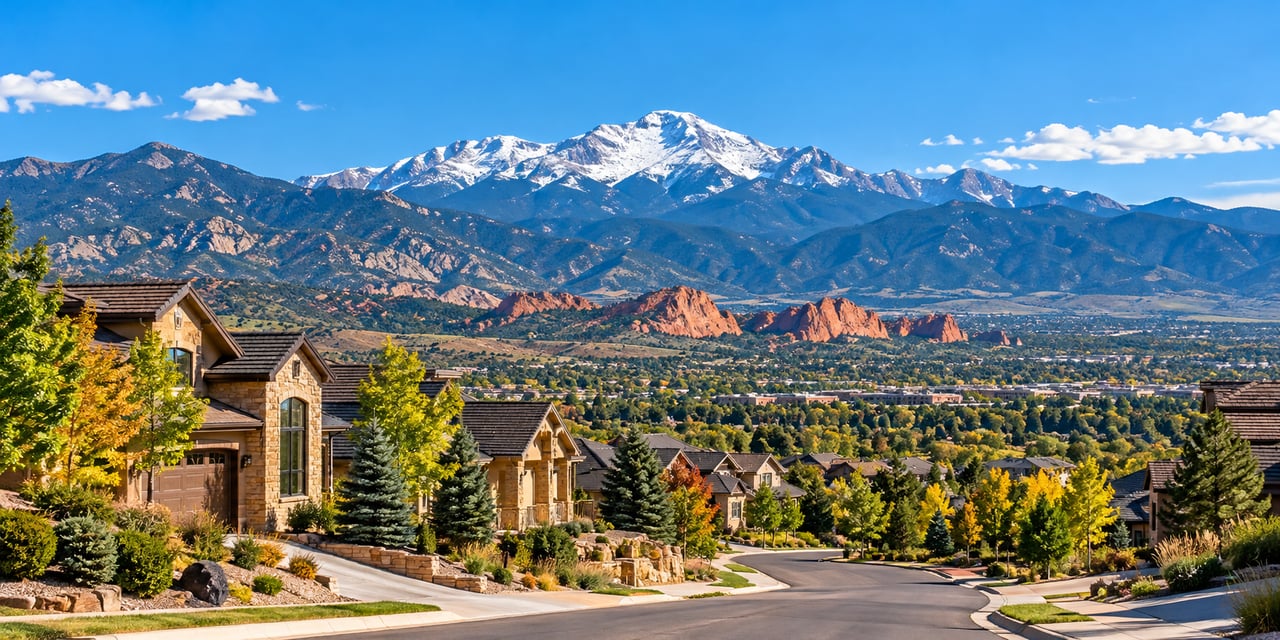
Colorado Springs stretches along I-25 at the base of the Rockies. The west side backs into iconic parks like Garden of the Gods and Cheyenne Canyon, while the east and southeast open to the high plains with a more spacious, semi-rural feel. Most travel is by car, with walkable pockets concentrated downtown, Old Colorado City, and Manitou Springs.
I-25 is the main north to south route and it gets busy at peak hours. Powers Boulevard and Academy Boulevard carry much of the east side’s shopping and services. If you work in Denver, some residents make that drive in about 60 to 90 minutes depending on traffic and weather. Inside the city, living near major corridors usually means shorter drives for work and errands.
Neighborhoods by lifestyle
Urban and walkable
- Representative areas: Downtown Colorado Springs, Old Colorado City, Old North End, Manitou Springs
- Daily rhythm: Walk or bike to cafes, breweries, events, and groceries. Short or no car commute if you work nearby.
- Housing: Historic homes, condos, and smaller lots with older walkable blocks.
- Tradeoffs: Less yard space and a higher price per square foot for the close-in convenience.
Suburban and family-focused
- Representative areas: Briargate, Northgate, northern suburbs near the Air Force Academy, parts of the Powers corridor
- Daily rhythm: School drop-offs, sports practices, and weekday drives to jobs in the north or central city. Parks and community centers anchor activities.
- Housing: Mid-to-newer single-family homes in master-planned subdivisions. HOAs are common.
- Tradeoffs: Car-first errands and potential HOA fees. Commutes depend on proximity to I-25 or major arterials.
Convenience and retail corridors
- Representative areas: Powers Corridor, Academy Boulevard commercial stretches, south-central commercial strips
- Daily rhythm: Quick car access to shopping, services, and entertainment. Straightforward in-town commutes.
- Housing: Subdivisions, townhomes, and newer infill in a range of price points.
- Tradeoffs: Less pedestrian character and traffic at peak retail hours.
Outdoor-first and scenic access
- Representative areas: Westside near Garden of the Gods, Cheyenne Mountain, Cascade and Chipita Park, Monument and Palmer Lake to the north, northern Black Forest
- Daily rhythm: Frequent hiking, climbing, and trail runs with short drives to trailheads. Weekend day trips are easy.
- Housing: Properties with views, larger lots, hillside homes, and a mix of older bespoke builds and newer luxury options.
- Tradeoffs: Higher prices in scenic pockets, topography on lots, and seasonal visitor traffic near popular parks.
Newer exurban and rural-feel
- Representative areas: Falcon, Black Forest, eastern El Paso County, southeastern areas toward Fountain and Fountain Valley
- Daily rhythm: Longer commutes into town, more time at home for hobbies, and driving for groceries and services.
- Housing: New construction on larger lots, semi-rural properties, and custom or modular homes.
- Tradeoffs: Fewer nearby amenities and longer drives, but more space and privacy.
Military and relocation oriented
- Representative areas: South and central neighborhoods near Fort Carson, areas east toward Peterson and Schriever along the Powers corridor, north near the U.S. Air Force Academy
- Daily rhythm: Moves aligned with PCS cycles and shopping near base services. Active rental and resale activity.
- Housing: Mix of single-family homes, townhomes, and rentals.
- Tradeoffs: Some areas see higher turnover and more rental inventory.
Neighborhood spotlights
Downtown Colorado Springs
Vibe: Central energy with theaters, restaurants, and employers close at hand. You can start the day with a short walk to coffee, handle midday errands on foot, and meet friends on Tejon Street at night. If you work nearby, you may skip a daily car commute. Tradeoff: small or no yard and a higher price per square foot for convenience.
Old Colorado City
Vibe: Historic main street, galleries, and boutique shops on the west side near Garden of the Gods. Mornings can start with a stroll to brunch, then a quick drive to a trailhead. Evenings bring a relaxed, walkable dining scene. Tradeoff: older homes and seasonal parking pressures during tourist months.
Old North End and Broadmoor adjacency
Vibe: Tree-lined streets and historic architecture with parks nearby. Your daily rhythm may include quiet mornings and short drives to downtown or nearby shops. The curb appeal is a major draw. Tradeoff: premium pricing and older home systems to vet during inspections.
Briargate and northern suburbs
Vibe: Master-planned communities with newer schools, parks, and shopping centers. Days often revolve around school runs, weekend sports, and quick access to I-25 for work. Community amenities make family logistics simpler. Tradeoff: car-dependent errands and HOA fees in some subdivisions.
Powers Corridor
Vibe: A major east-side retail and service spine with fast access to big-box shopping and dining. Errands by car are easy and commutes to many employers are direct. Newer infill and townhome options add variety. Tradeoff: traffic at peak times and less pedestrian character.
Westside near Garden of the Gods and Cheyenne Mountain
Vibe: Scenic access to trail networks and mountain views. You might hit a sunrise hike before work and a sunset walk after dinner. Weekends can revolve around climbing, biking, and parks. Tradeoff: higher costs near the most scenic pockets and hillside lots that need thoughtful maintenance.
Manitou Springs and Cascade
Vibe: Small-town mountain feel with a walkable main street and easy Pikes Peak access. Days center around local shops and outdoor time. Evenings are relaxed with a village vibe. Tradeoff: narrow roads, seasonal visitor traffic, and limited for-sale inventory.
Black Forest and Falcon
Vibe: Space to spread out and a quiet, semi-rural setting. Your daily rhythm leans home-centered with workshops, gardens, and outdoor projects. You drive for most errands and services. Tradeoff: longer commutes and fewer immediate amenities in exchange for land and privacy.
South and southwest near Fort Carson
Vibe: Neighborhoods shaped by military moves and proximity to southern employers. The market often has active rental and resale options aligned with PCS timing. Shopping clusters near base services for convenience. Tradeoff: higher turnover and varied housing mix block by block.
Questions to ask before you decide
- What commute are you comfortable with on a bad weather day, not just on a good day?
- Do you want to walk to coffee, parks, and dinner, or do you prefer a bigger yard and a quiet street?
- Which outdoor spots do you use most often, and how close do you want to be to them?
- Will school district boundaries shape your search and future resale appeal?
- Do you prefer newer homes with HOAs and modern floorplans, or historic character with older systems?
- How important is quick access to major shopping corridors like Powers or Academy?
How to test-drive neighborhoods
- Visit at different times. Check morning commute flow, after-school traffic, and weekend activity.
- Run your real errands. Drive to the grocery, gym, and favorite parks from a candidate area to time real-world trips.
- Sample the daily routine. Park and walk the main streets downtown or in Old Colorado City to feel the pace and parking.
- Do a trial commute. If you might travel to Denver, test it during your actual time window to see the range.
- Talk to locals. Ask about noise, parking, and winter road conditions on hilly streets.
- Check the details. Review HOA rules, yard sizes, and topography if you are considering hillside or larger-lot homes.
What to know about commute, schools, and costs
- Commute patterns: I-25 is the main corridor and can back up at peak hours. Powers and Academy handle much of the east side’s trips. Regional commuting to Denver can run about 60 to 90 minutes depending on conditions.
- Schools: Multiple districts serve the metro, including Colorado Springs District 11, Academy School District 20, Cheyenne Mountain School District, and Widefield. District boundaries change, so confirm the current assignment for any address with the district.
- Pricing and tradeoffs: Areas near downtown, the Old North End, and Garden of the Gods tend to skew higher in price. Outer suburbs and exurban areas usually offer more square footage for the money.
- Taxes and HOAs: Property taxes are set at the county level and depend on assessed value. HOAs are more common in newer and master-planned neighborhoods. Review county assessor records and HOA documents for specific costs.
- Military influence: Fort Carson, Peterson Space Force Base, Schriever Space Force Base, and the U.S. Air Force Academy create steady rental and resale demand that aligns with PCS cycles.
Ready to find your best-fit area?
You deserve a home that makes your daily life simpler and more enjoyable. Whether you want a short walk to dinner, quick trail access, or a smooth school routine, we can help you zero in on the right streets and floorplans. If you are relocating or on a tight timeline, we will build a plan around your schedule.
Reach out to Scott Coddington for local guidance, on-the-ground tours, and a search strategy tailored to your daily rhythm.
FAQs
What are the most walkable neighborhoods in Colorado Springs?
- Downtown Colorado Springs, Old Colorado City, and Manitou Springs offer the strongest walkability with restaurants, cafes, and entertainment nearby.
Which Colorado Springs areas are best for hikers and climbers?
- Westside neighborhoods near Garden of the Gods, Cheyenne Mountain, Manitou Springs, and Cascade provide the quickest trail and Pikes Peak access.
Where should families start if schools are a top priority in Colorado Springs?
- Many families look to Briargate and northern suburbs and then confirm specific school boundaries with District 11, Academy District 20, Cheyenne Mountain, or Widefield.
What are good neighborhoods for Denver or regional commuters from Colorado Springs?
- Areas north along I-25 or more central locations can reduce drive time; expect 60 to 90 minutes to Denver depending on traffic and weather.
Which areas balance yard space with resale appeal in Colorado Springs?
- Newer subdivisions in Briargate, the Powers corridor, and eastern neighborhoods often offer larger yards and broad resale appeal for families.
How does the military presence shape housing in Colorado Springs?
- Bases like Fort Carson, Peterson, Schriever, and the U.S. Air Force Academy create steady demand with rental and resale activity that follows PCS cycles.
How do property taxes and HOA fees vary across Colorado Springs neighborhoods?
- Taxes are set by El Paso County based on assessed value, and HOAs are common in many newer subdivisions; verify exact costs with county records and HOA documents.