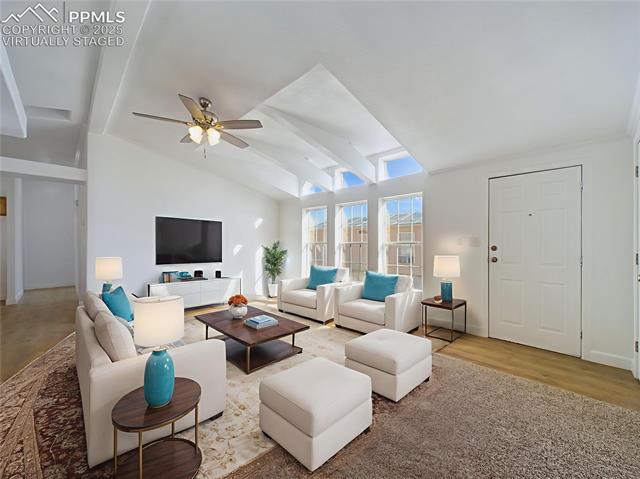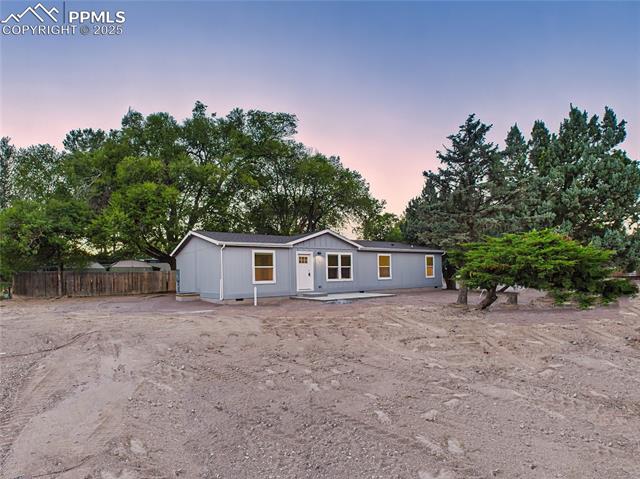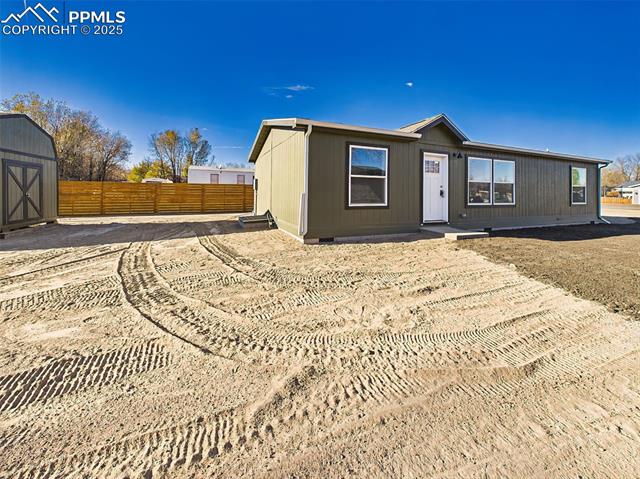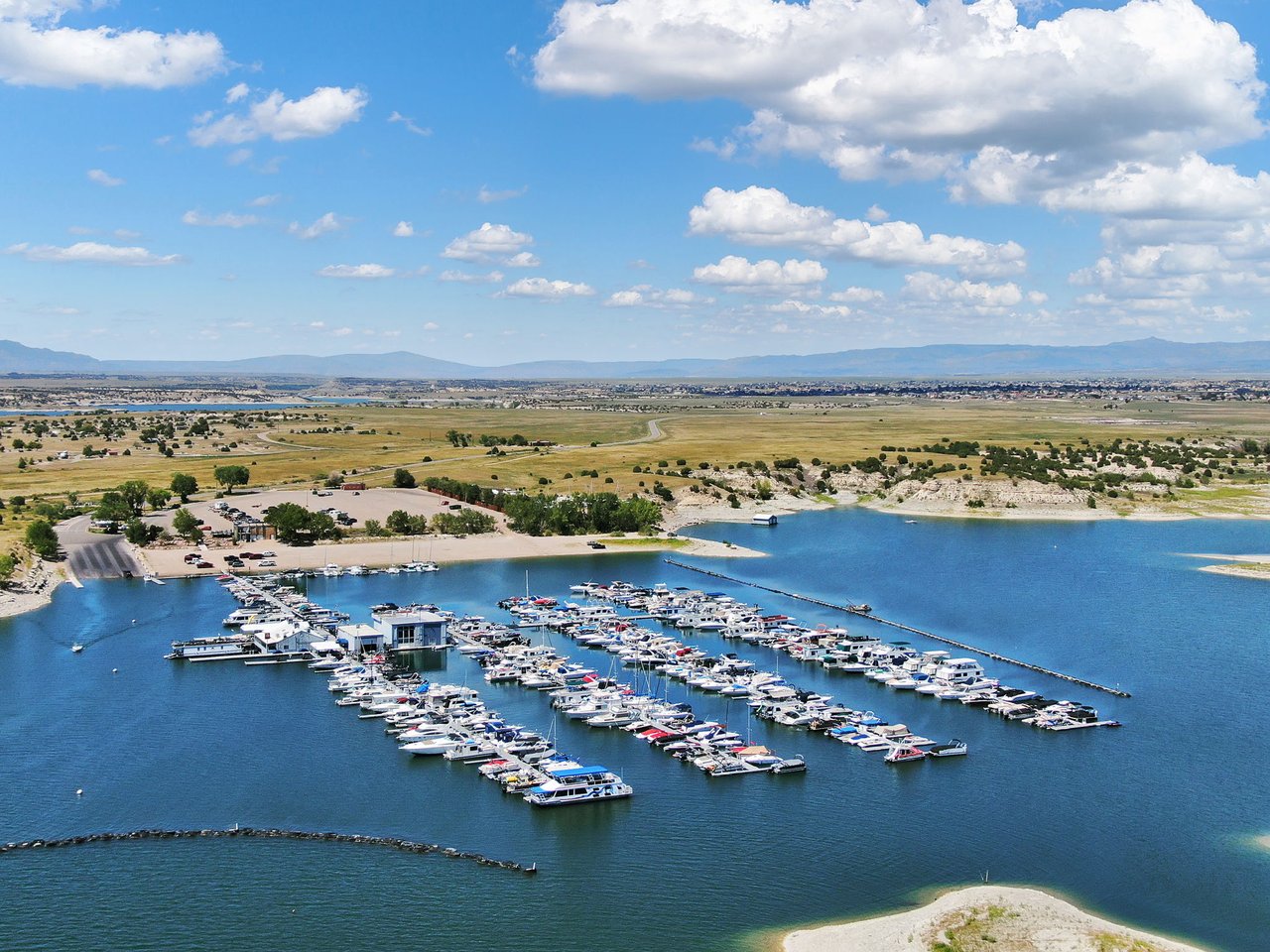
34,992 people live in Pueblo West, where the median age is 41.6 and the average individual income is $39,789. Data provided by the U.S. Census Bureau.
Total Population
Median Age
Population Density Population Density This is the number of people per square mile in a neighborhood.
Average individual Income
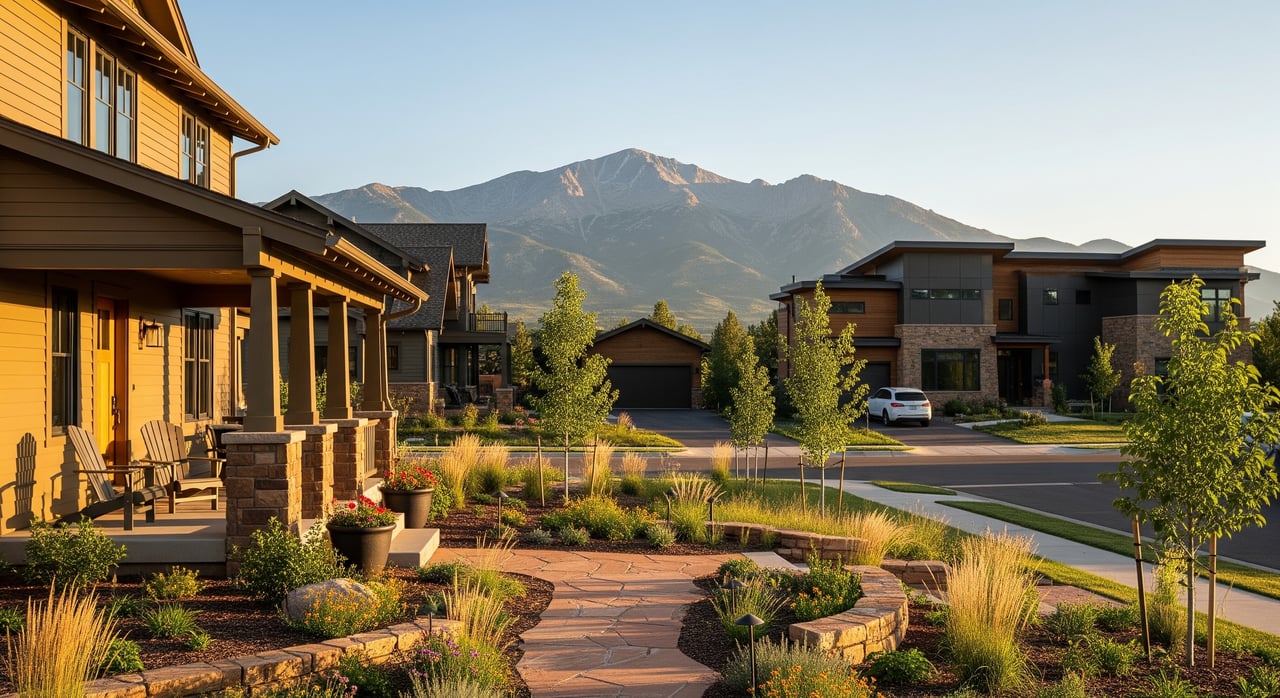
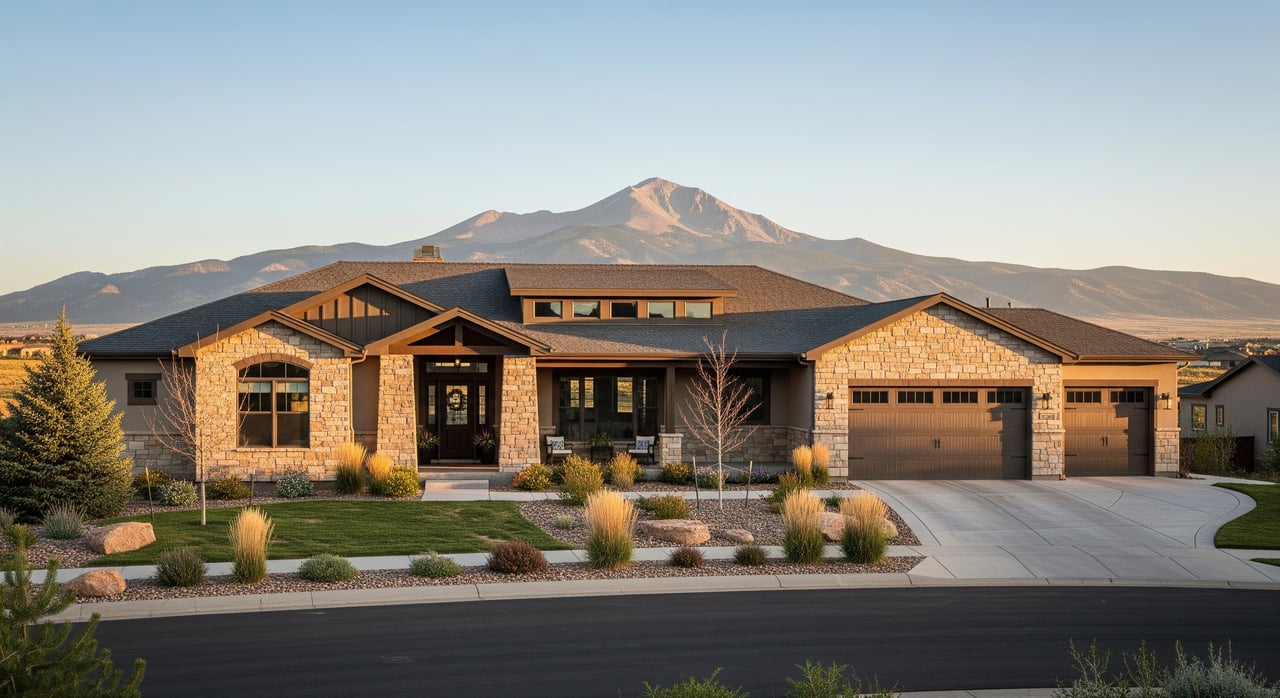
Pueblo West isn't a neighborhood in the traditional sense — it's a 49-square-mile master-planned community spread across rolling high-desert prairie about ten miles northwest of downtown Pueblo. What defines it isn't density or walkable blocks, but space: most homes sit on a quarter-acre to over an acre, with wide setbacks, mountain views, and room to park a boat, an RV, or a horse trailer without a second thought.
That layout shapes who moves here. Pueblo West tends to attract people who want elbow room and Colorado lifestyle without Front Range pricing — remote workers, retirees, first-time buyers stretching their budget for more square footage, and a steady stream of military families connected to Fort Carson up in Colorado Springs. It's also worth understanding one structural quirk up front: Pueblo West is unincorporated, governed by the Pueblo West Metropolitan District rather than a city council. That distinction touches everything from your "HOA" rules to your water bill, and I'll come back to it throughout this guide.
If you picture a place where panoramic views of Pikes Peak and the Wet Mountains are normal, where Lake Pueblo State Park is essentially your backyard, and where land use is generous, you're picturing Pueblo West.
As of today, Pueblo West is a buyer's market — a meaningful shift from the frenzy of the pandemic years.
Here's where things stand:
In plain terms: there's real selection, and buyers hold genuine leverage right now.
The recent direction of the market is best understood as a correction, not a collapse. After years of rapid, unsustainable price growth, prices have pulled back somewhere between 1.9% and 11% year-over-year depending on which metric you track. Most local observers see this as healthy stabilization — sellers resetting expectations to match what buyers can actually afford under current mortgage rates.
Two forces are driving the shift. First, inventory has expanded sharply, with roughly 500+ active single-family listings diluting the urgency that once fueled bidding wars. Second, affordability keeps demand alive: Pueblo West's median price is roughly half of Denver's and less than a third of Boulder's, which continues pulling in buyers priced out elsewhere.
Looking ahead, the realistic expectation is flat-to-modest growth — Colorado's broader projection sits around 2% to 4%. As mortgage rates settle and buyers continue tapping state and local down payment assistance programs, transaction volume should stay steady enough to prevent further major price drops while keeping the playing field balanced.
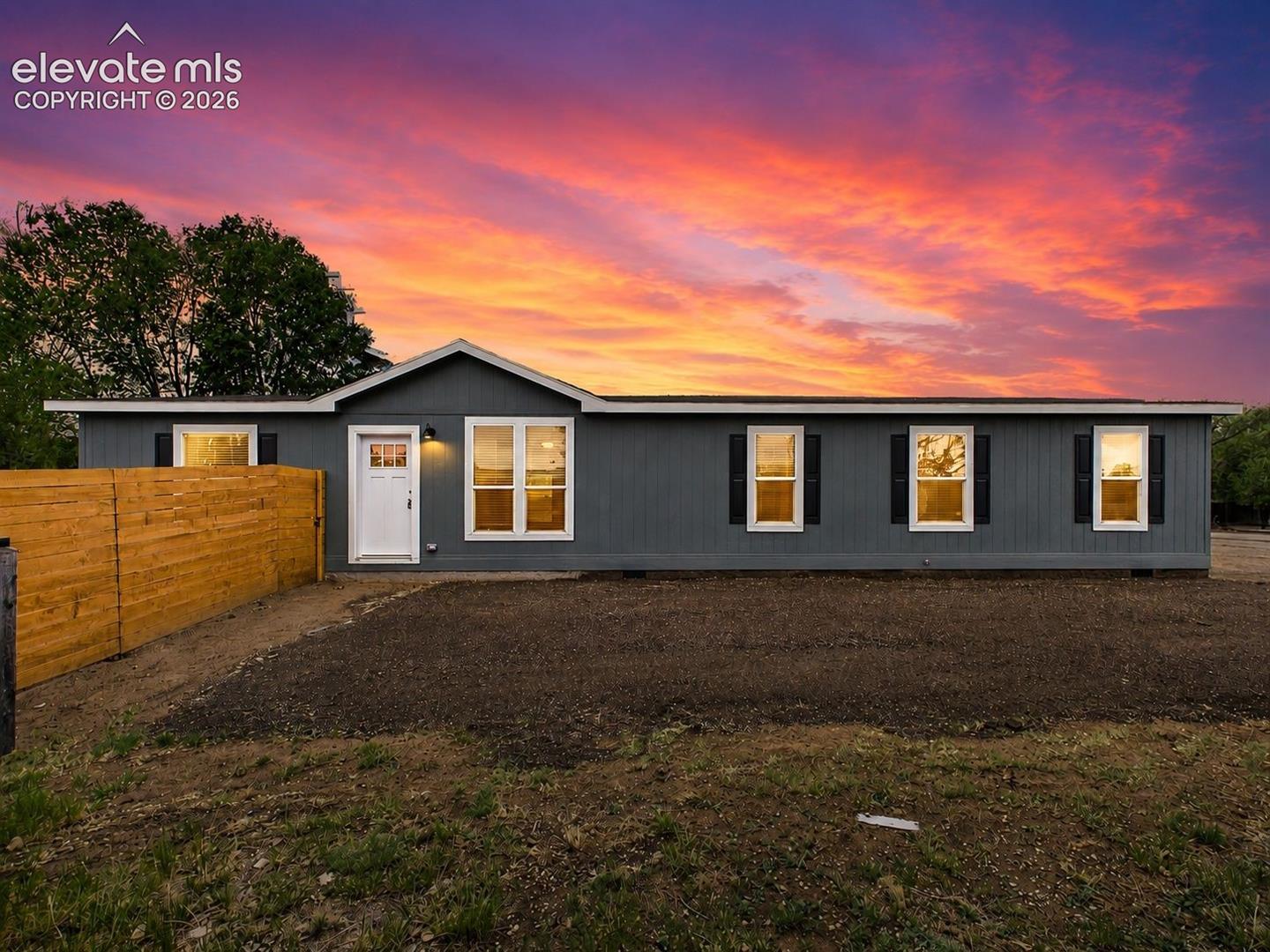
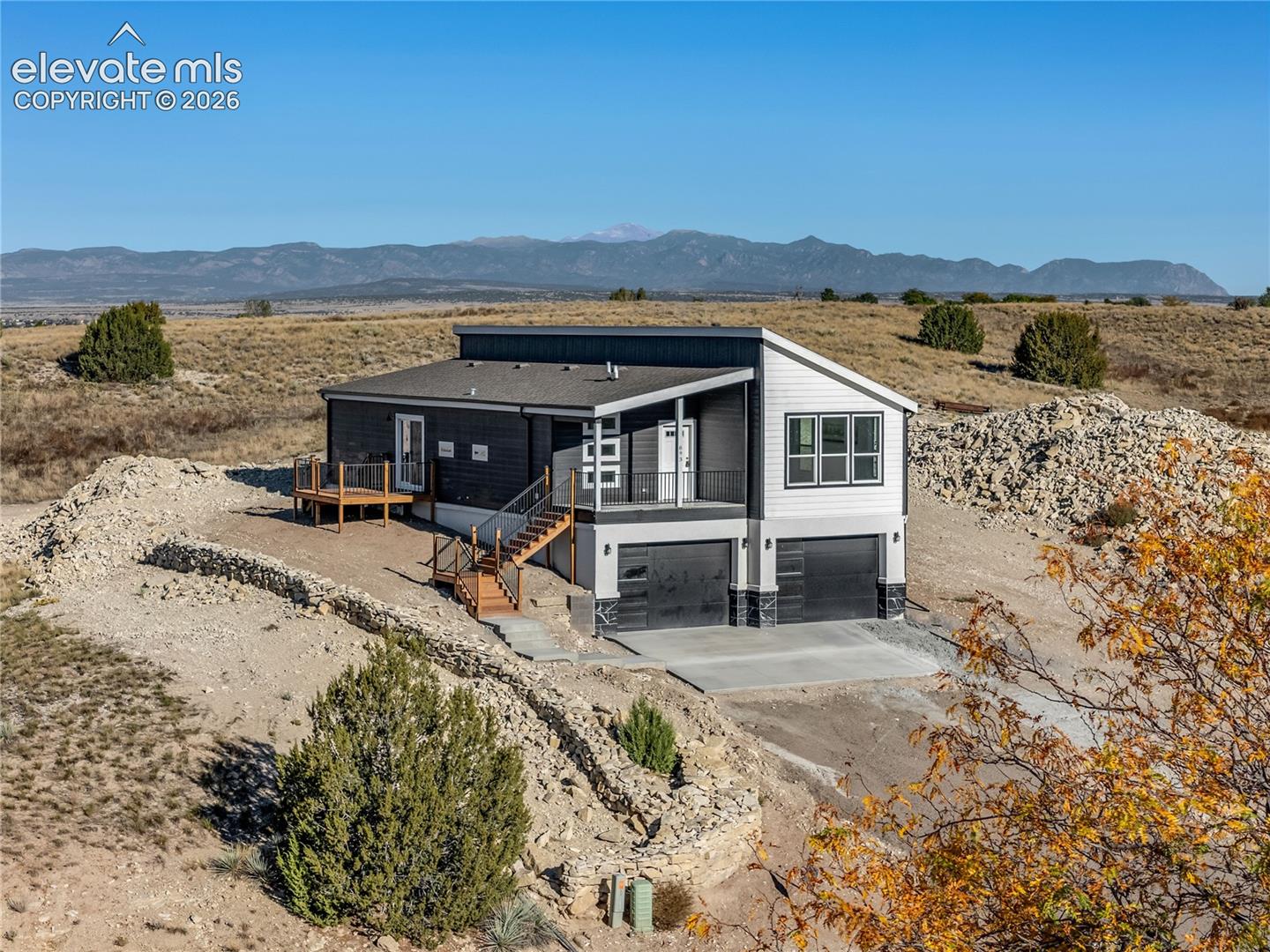
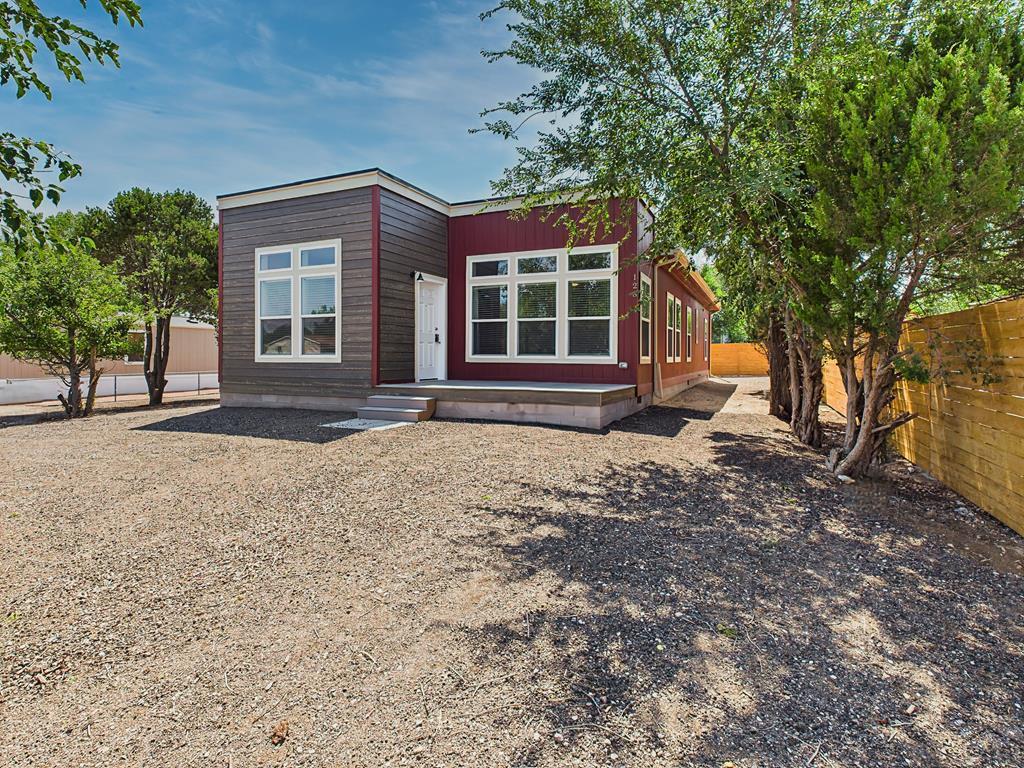
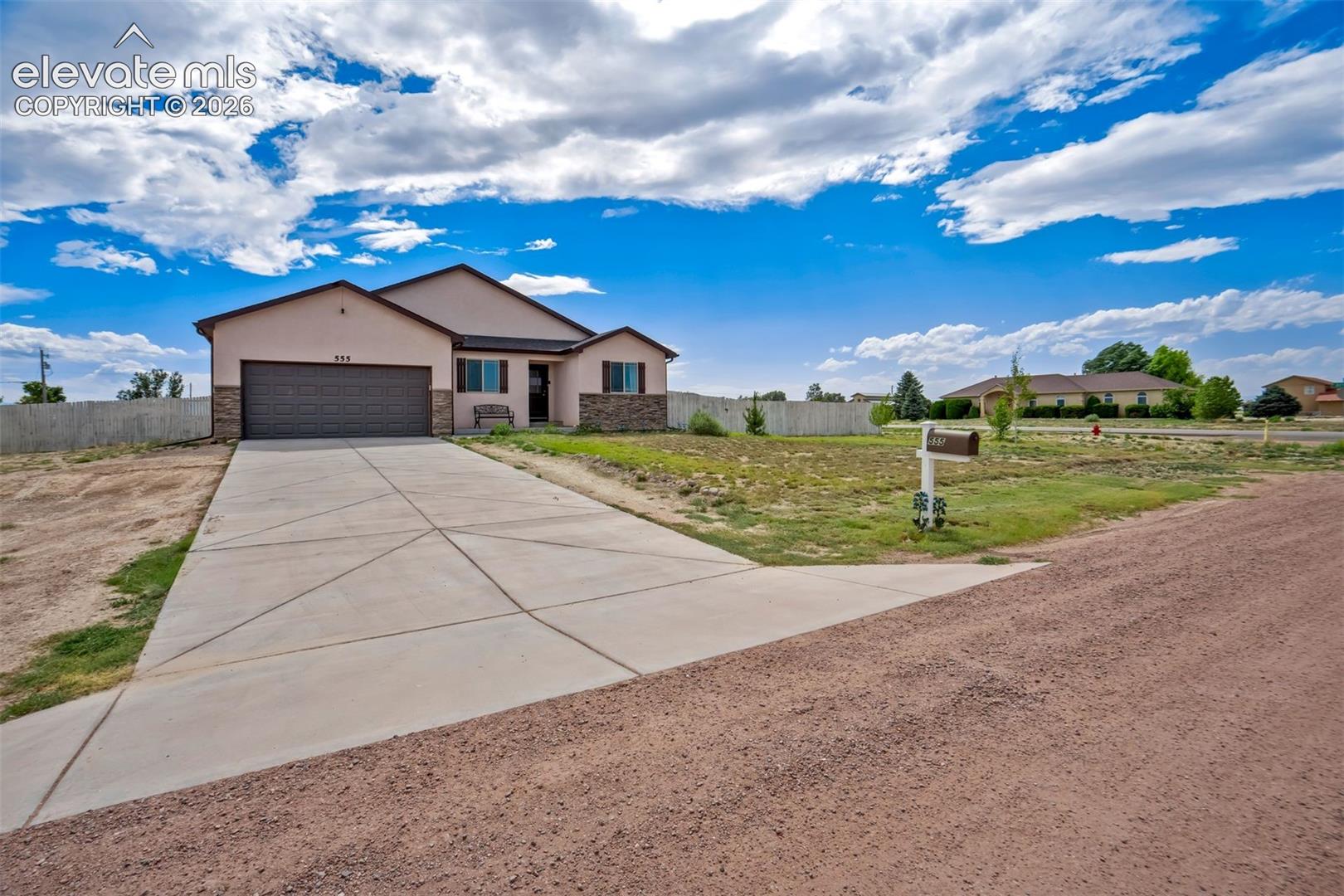
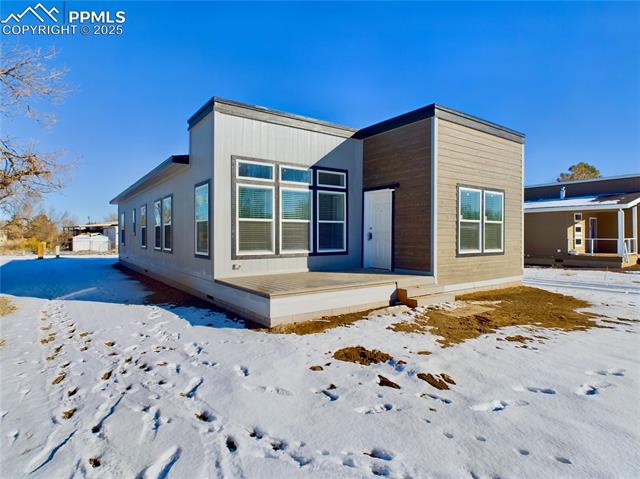
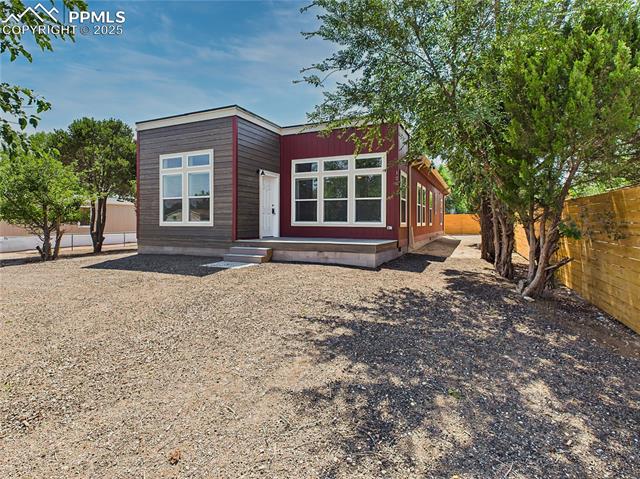
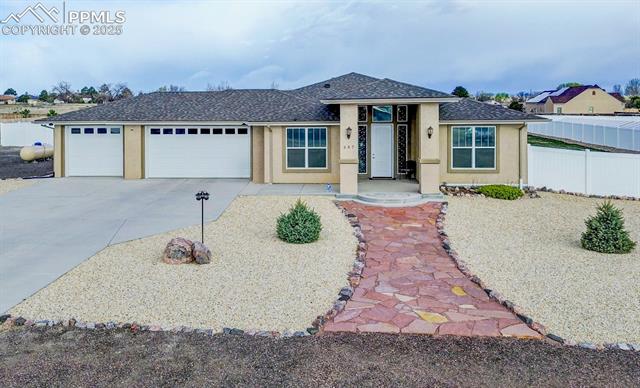
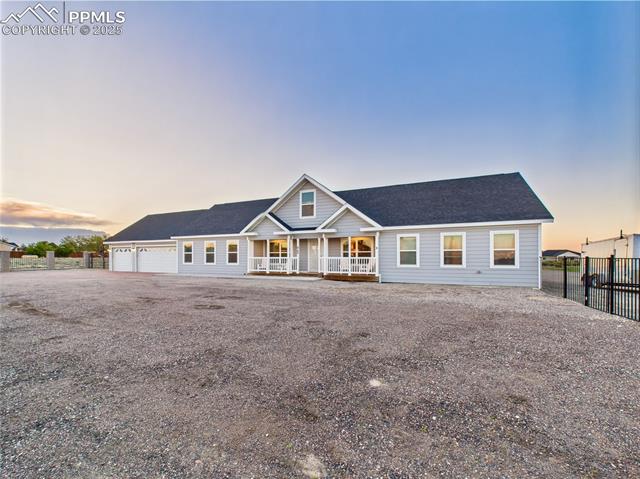
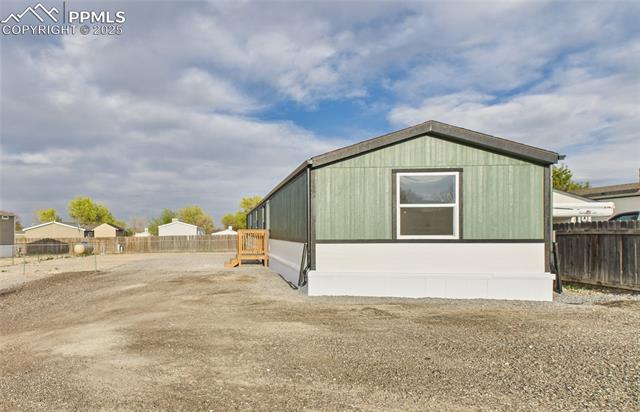
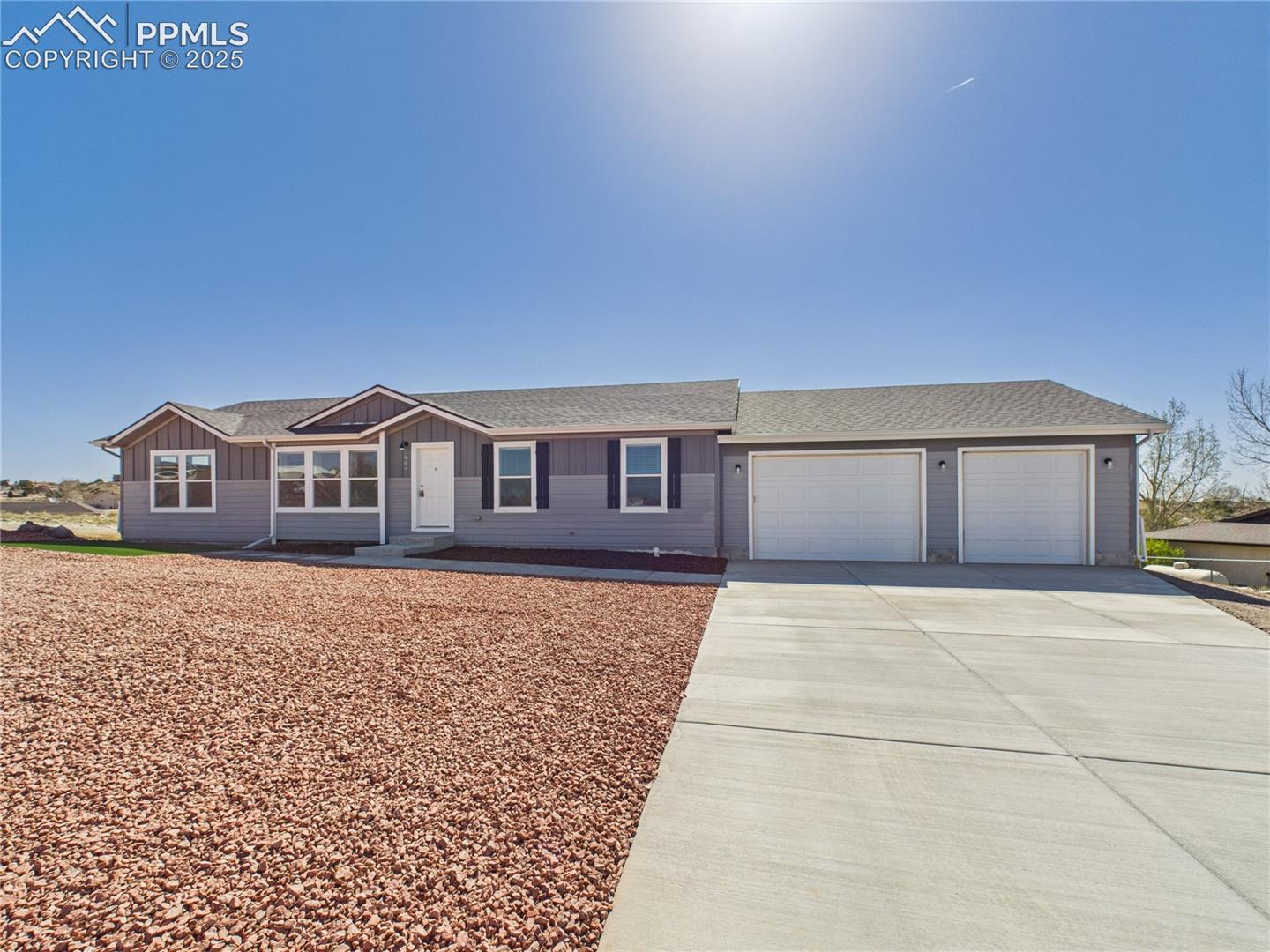
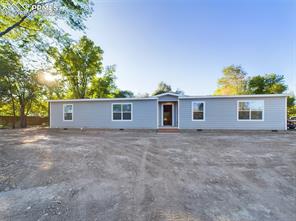
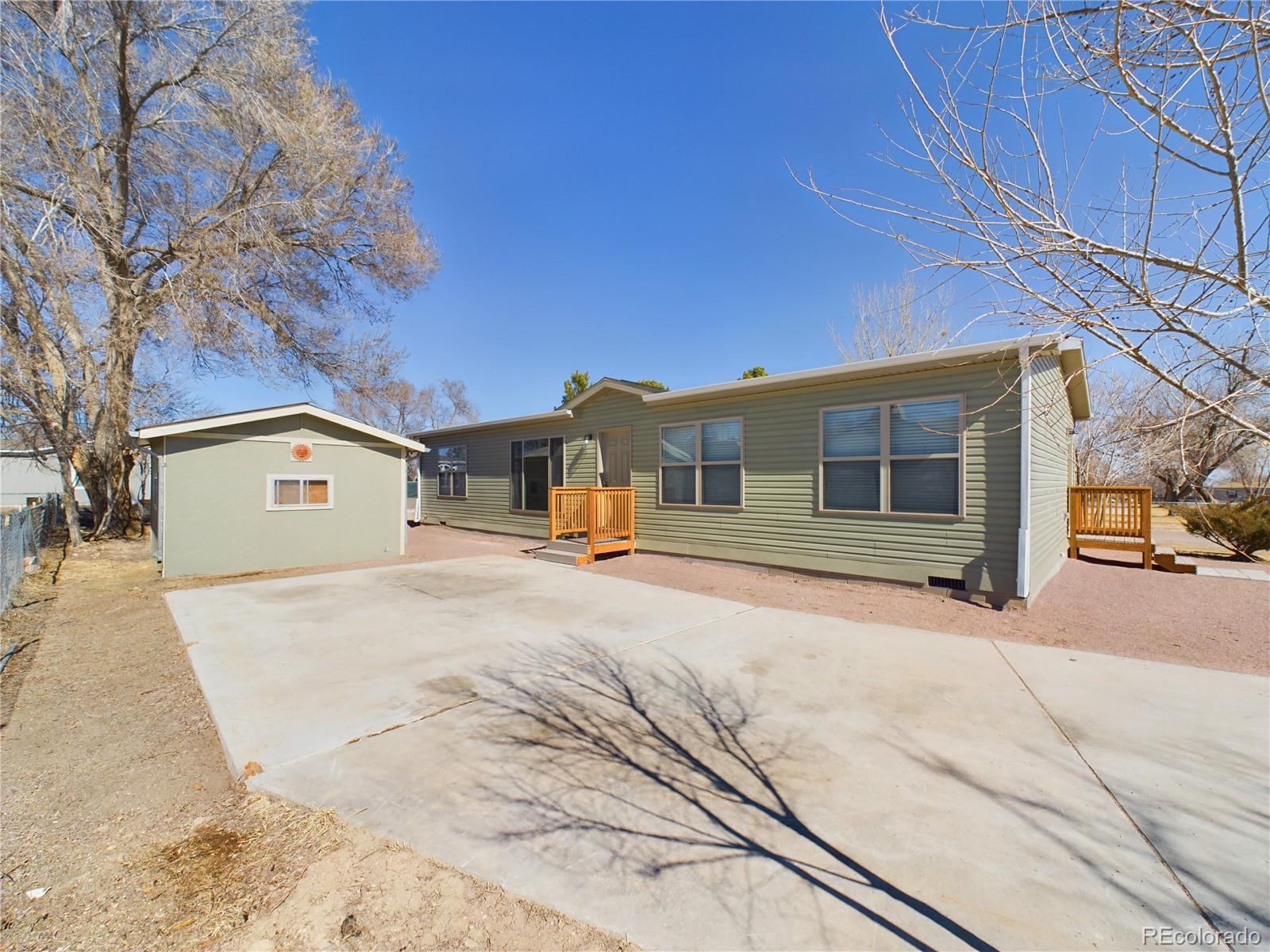
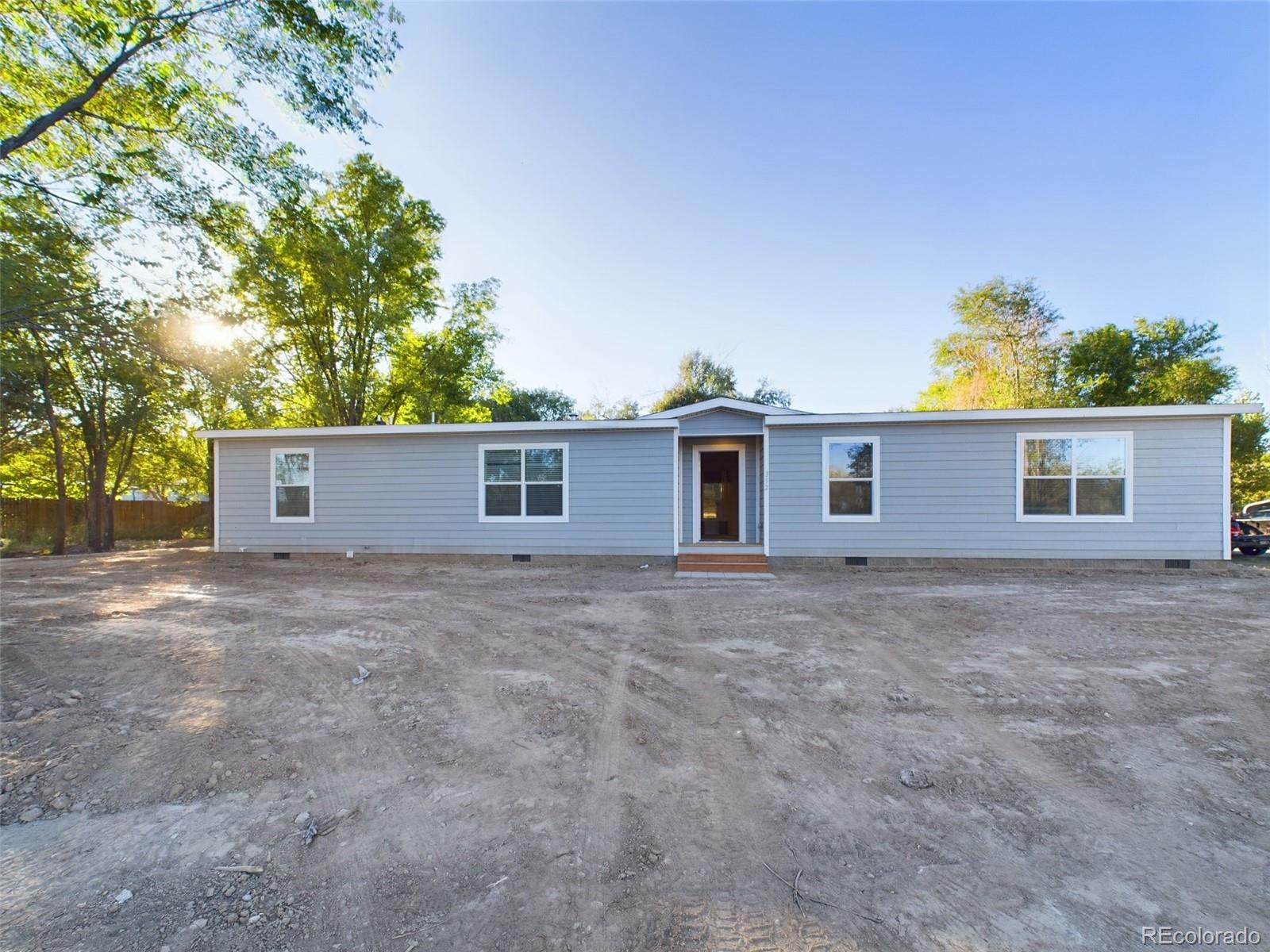
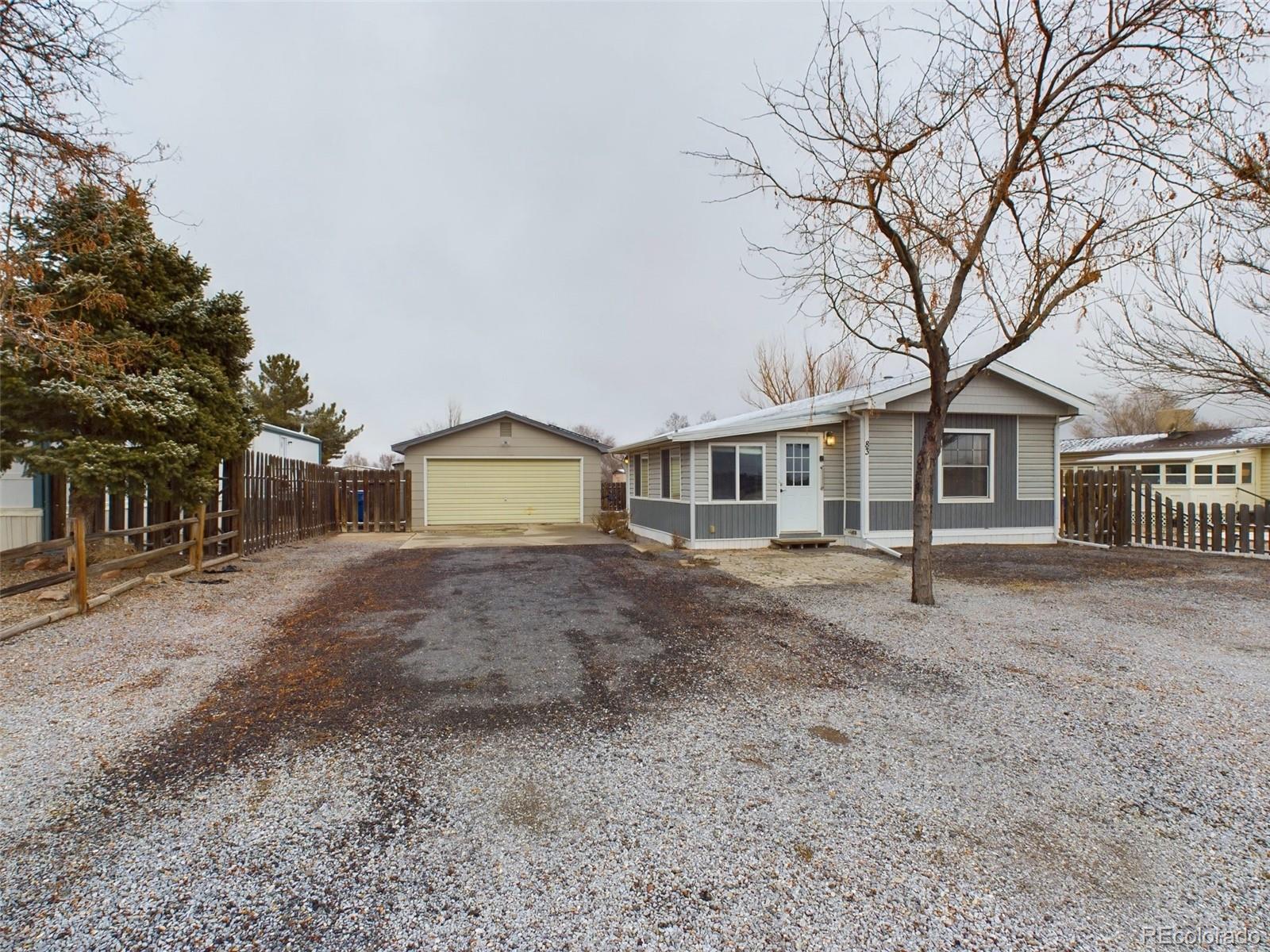
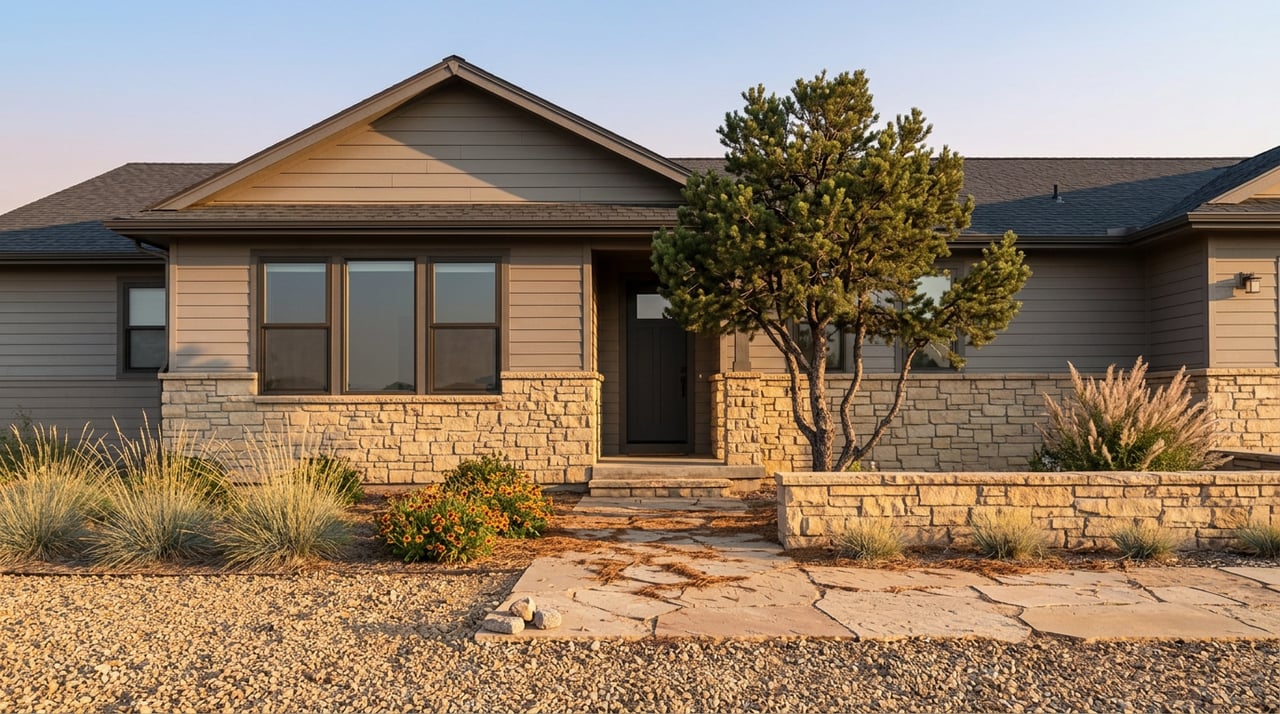
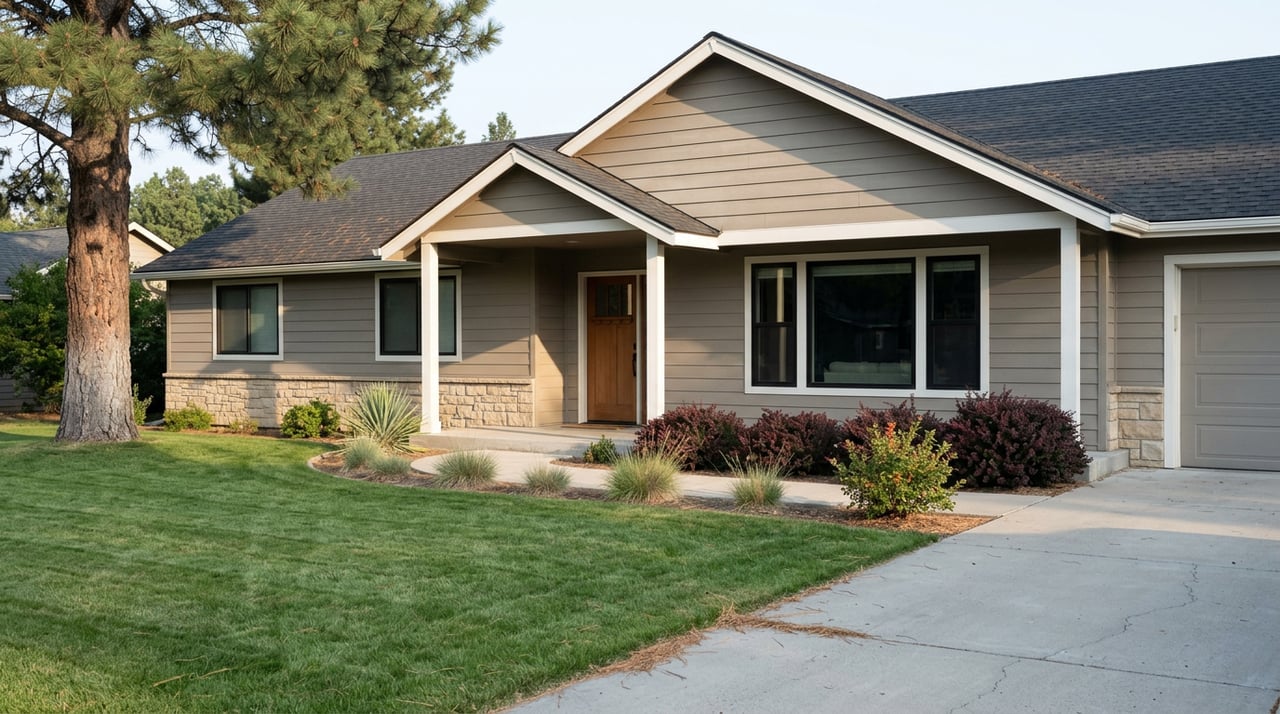
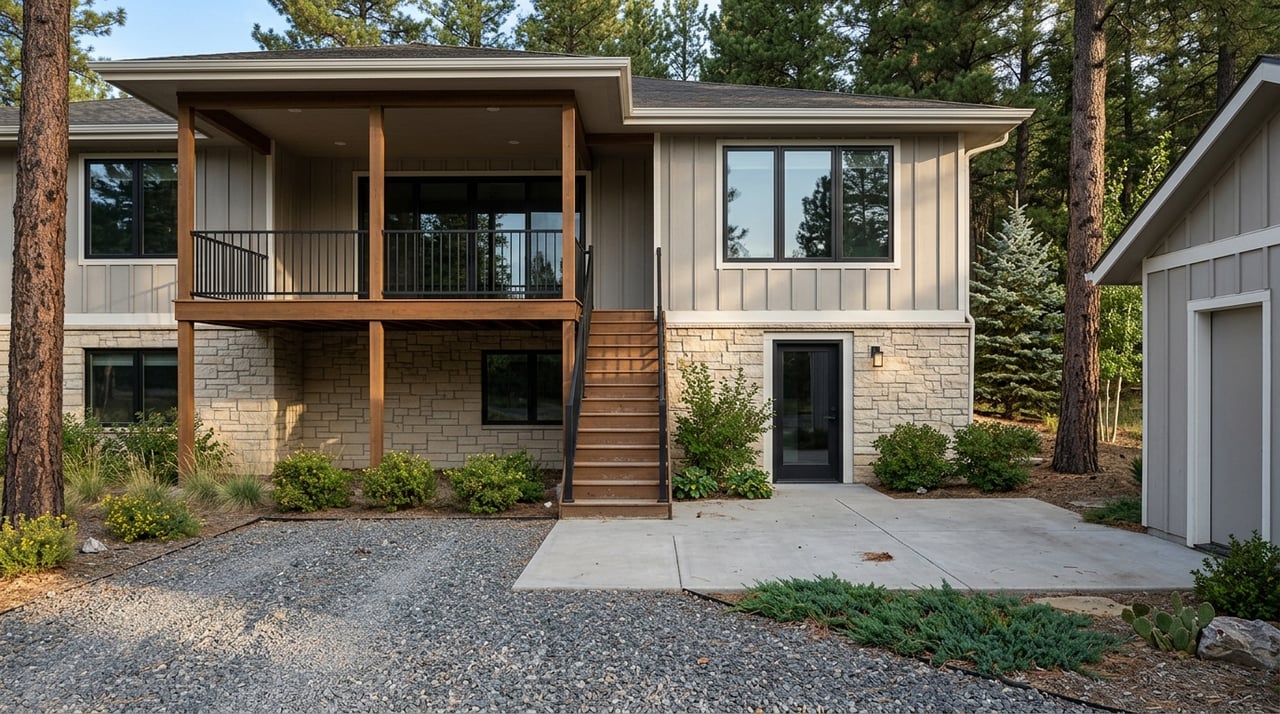
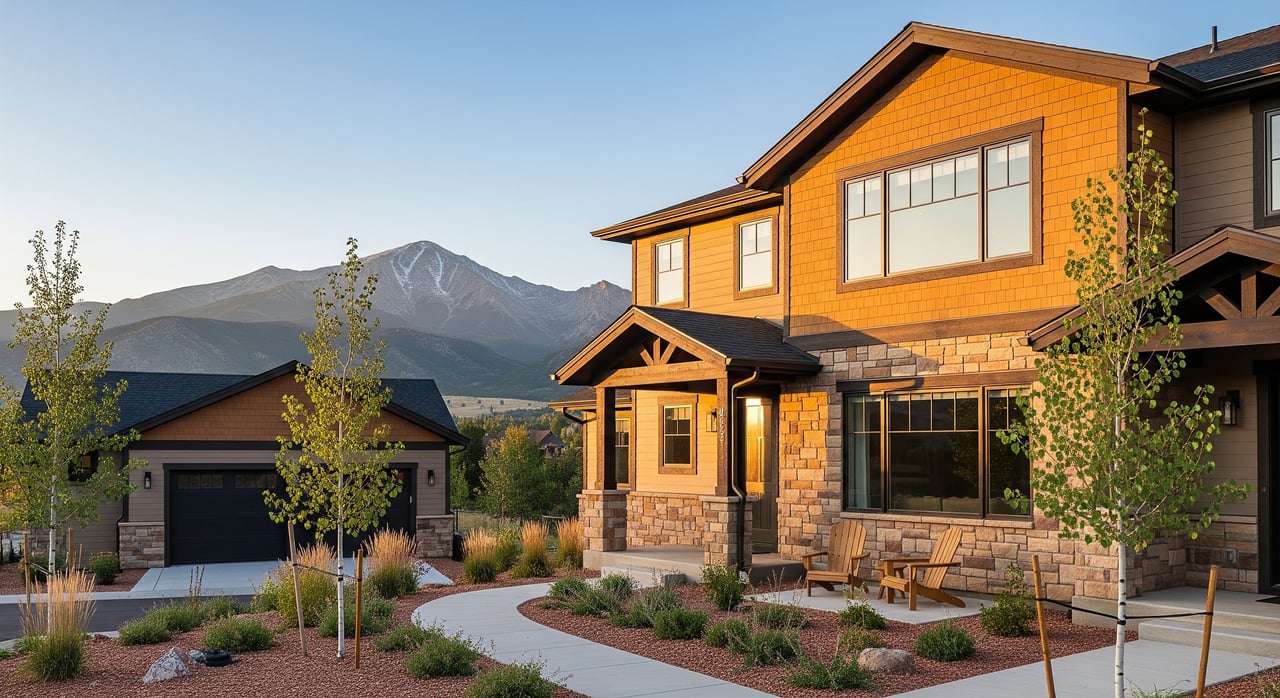
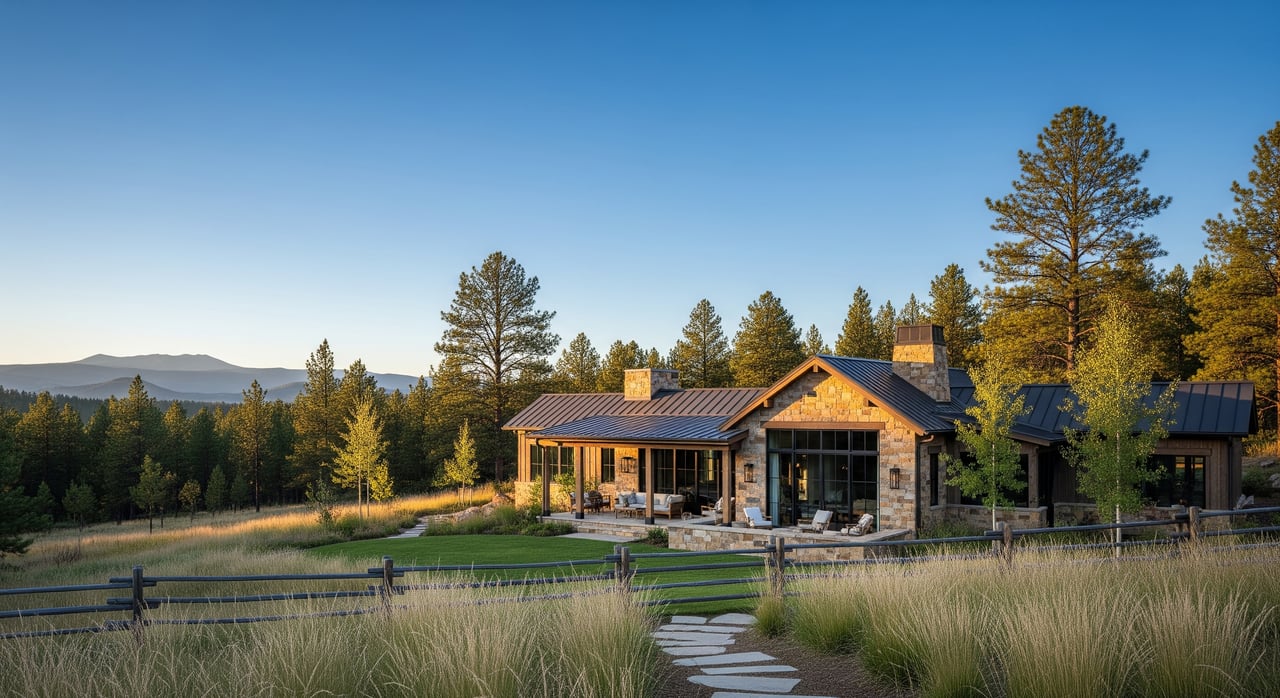
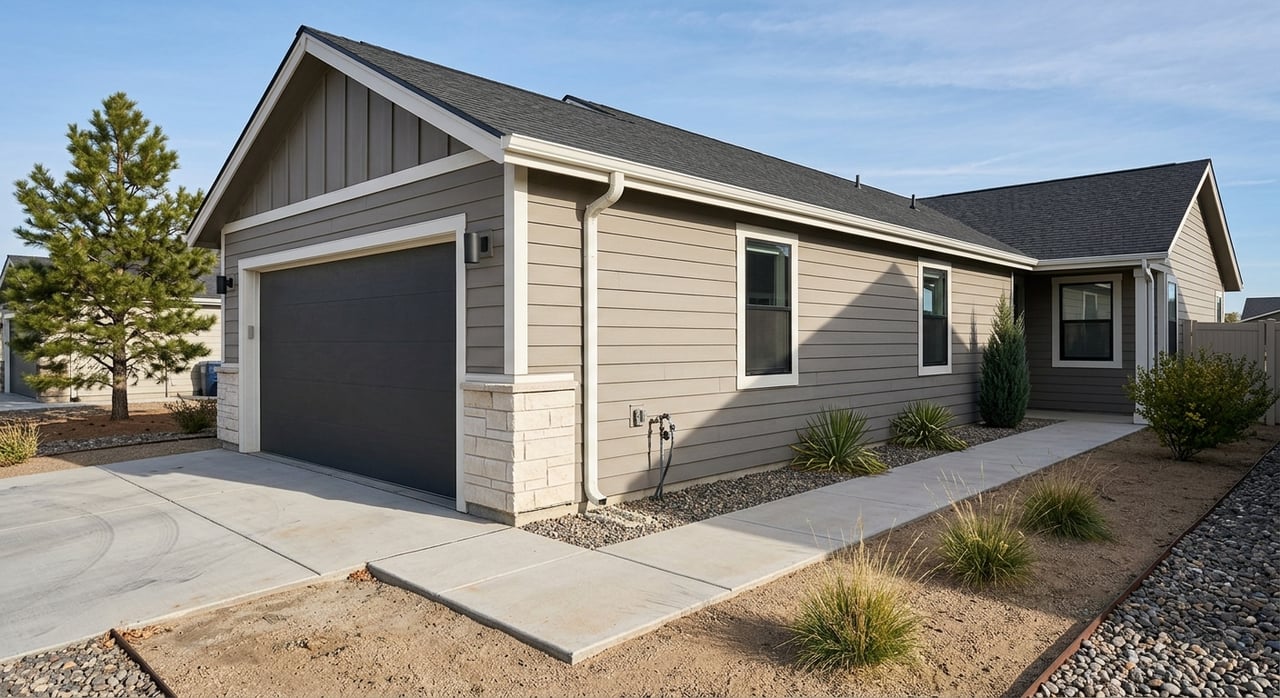
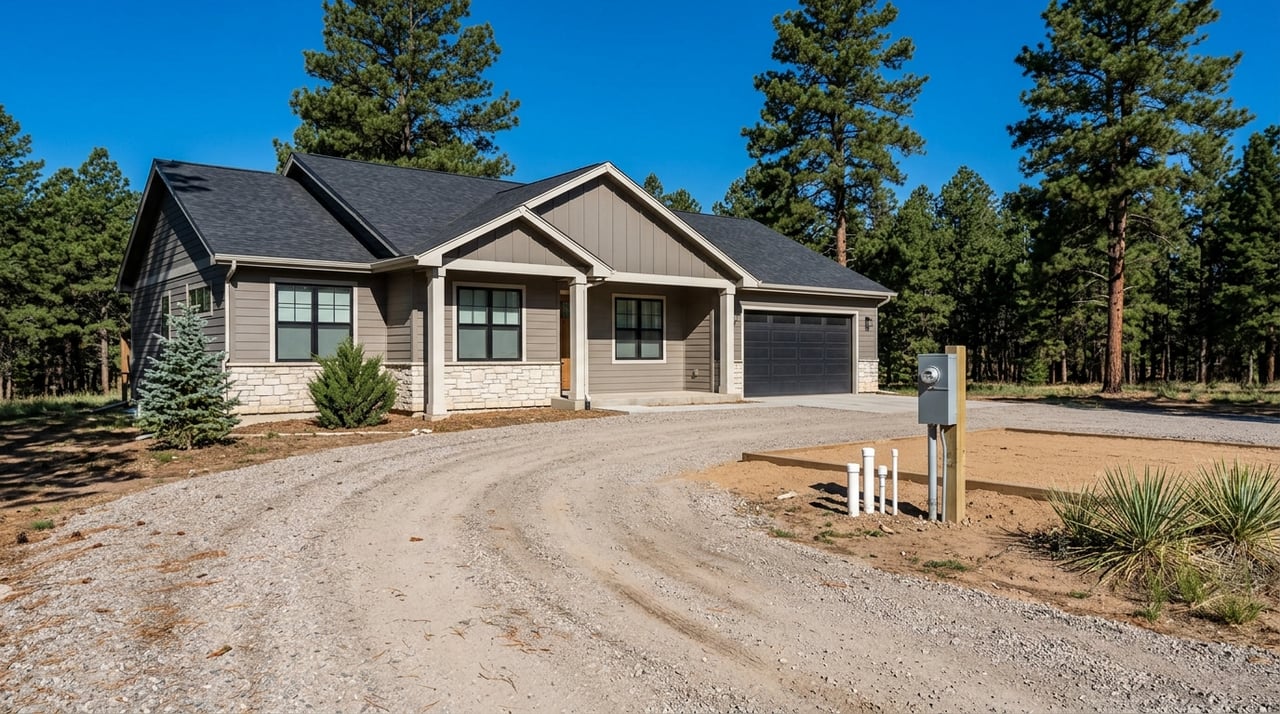
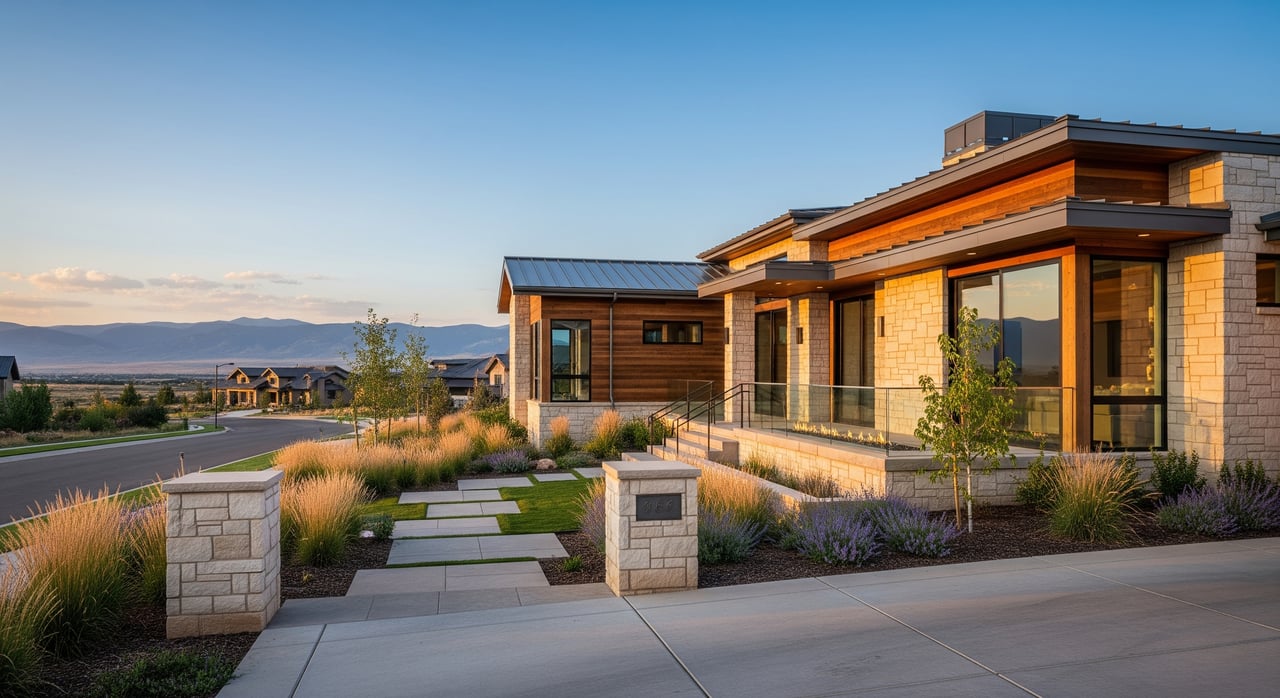
Pueblo West is the primary engine of new home construction in Pueblo County, and the new-build product here looks different from the dense tract housing you'd find closer to Denver. Because lots are large — often a quarter-acre to over an acre — builders lean into single-family homes with generous setbacks, oversized attached garages, and optional RV bays.
The market is a mix of spec homes in active subdivisions and custom or semi-custom builds on individual "build-on-your-own-lot" parcels. Active builders in the area include Westover Homes, Sky Creek Homes, OakRidge Homes, and Eagleridge Homes — regional names that dominate the landscape rather than the national mega-builders.
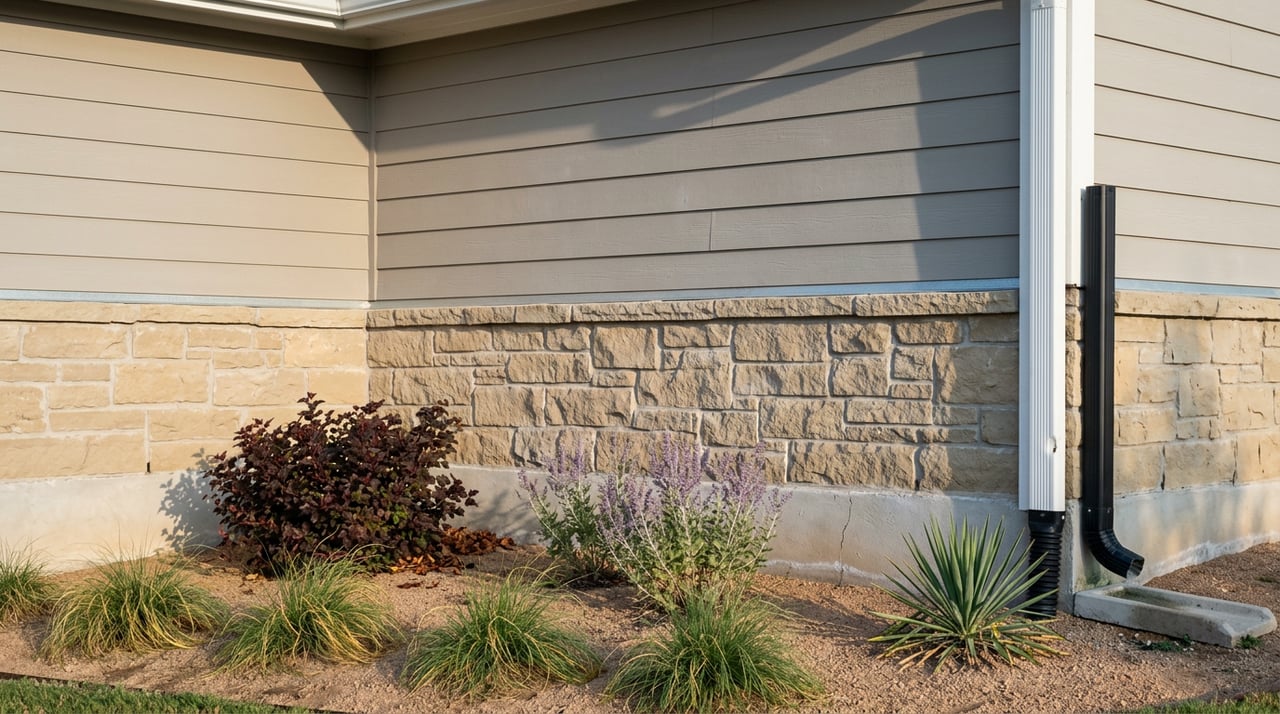
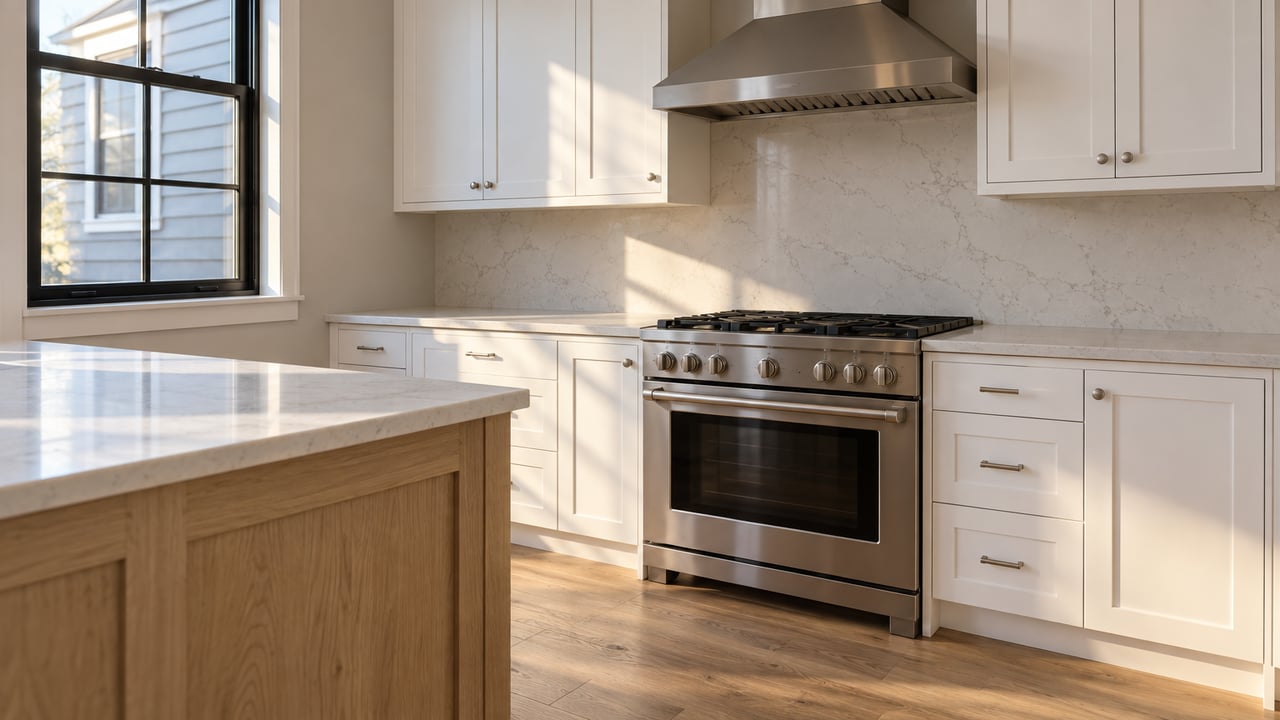
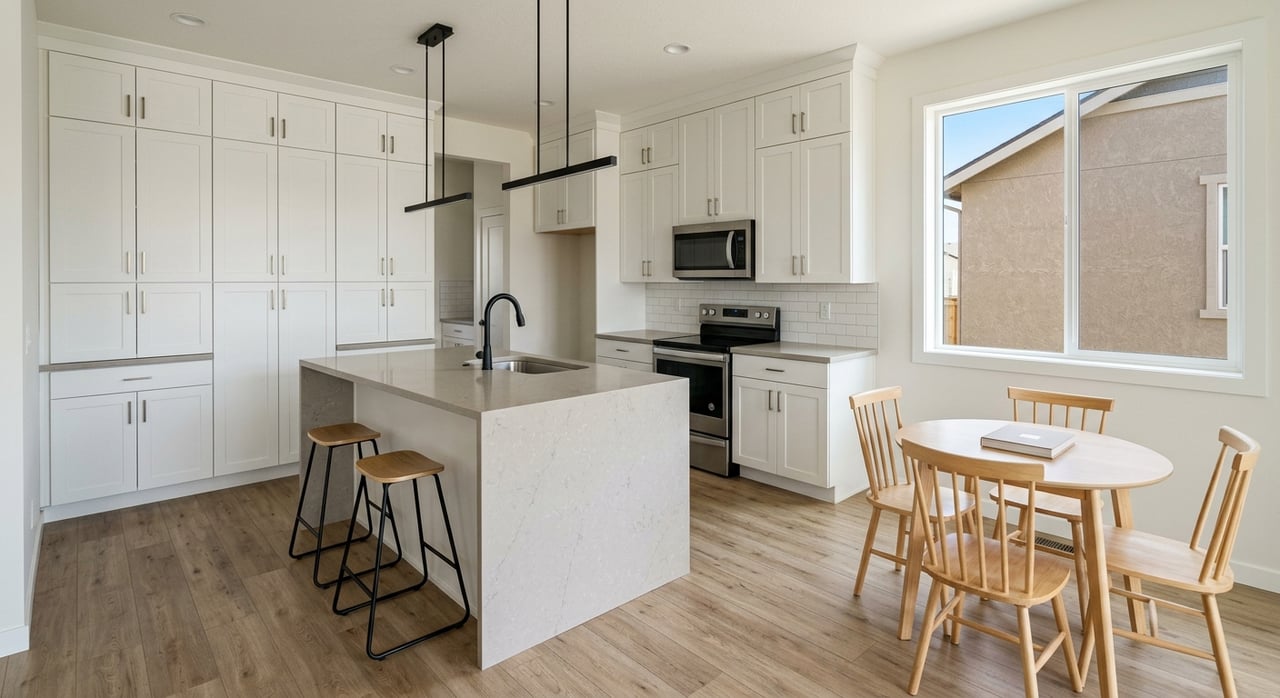
On pricing, entry-level new builds (around 1,600 sq. ft.) start in the high $390,000s, while expansive five-bedroom custom layouts with finished walk-out basements run $550,000 to $700,000+. A real advantage of building here is that lower density translates into stronger standard features — granite or quartz counters, stone or synthetic stucco exteriors, ten-foot ceilings, radon mitigation, and tankless water heaters often come standard rather than as costly upgrades.
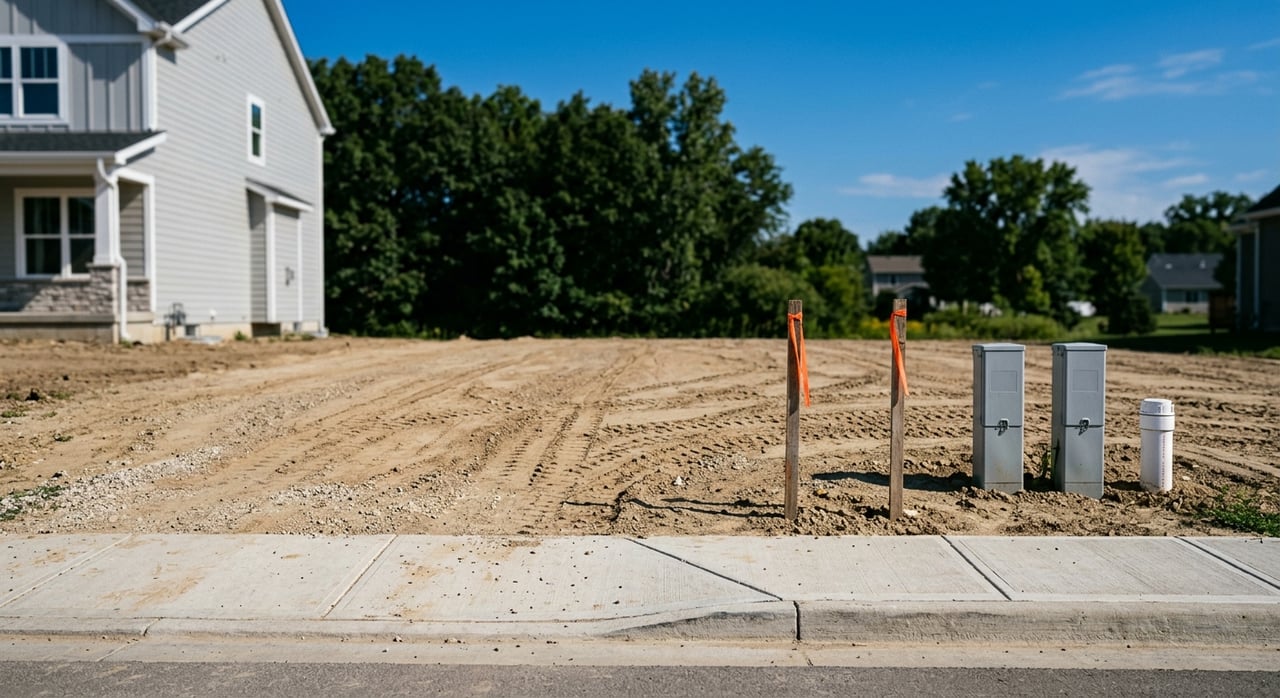
One thing to watch: Because the district is so spread out, utility connections vary. Many new builds tie into the central water system, but some custom lots require individual septic systems or specialized infrastructure — which can change your upfront costs. Always confirm this before you fall in love with a parcel.
For investors, Pueblo West functions as a low-barrier, high-stability alternative to pricier markets like Colorado Springs or Denver. It's overwhelmingly a single-family environment — detached homes make up roughly 87% of the housing stock — so this isn't a place to build a multifamily portfolio.
Rental picture: Median rent sits around $1,395 to $1,450/month, with larger three- to four-bedroom homes commanding $1,600 to $1,900+ depending on size and garage space. Yields here are more conservative than in the city of Pueblo proper (where lower-tier urban and multifamily properties can deliver gross yields in the 9.5%–13.2% range). Pueblo West is a tenant-quality and stability play, not a maximum-cash-flow play.
That stability is the real selling point. Owner-occupancy sits near 87%, and over 92% of residents stay in the same home year-over-year — translating to low turnover and vacancy. Tenants tend to be families, retirees, and military commuters who value space and quiet.
On the fix-and-flip side, the buyer's market gives you negotiating power on older inventory, but margins demand discipline: because affordable new construction is so active, a flipped home has to be priced competitively against brand-new product to move. Don't forget Pueblo County's effective property tax rate of 0.72% in your holding-cost math — it's higher than several other major Colorado markets. The longer-term appreciation case rests on spillover demand as Colorado Springs pushes south, plus the regional draw of Lake Pueblo State Park.
Buying here is far less frantic than in Colorado Springs or Denver, and that works in your favor. With healthy inventory and homes sitting a median of 61 to 81 days, the bidding-war era has largely cooled.
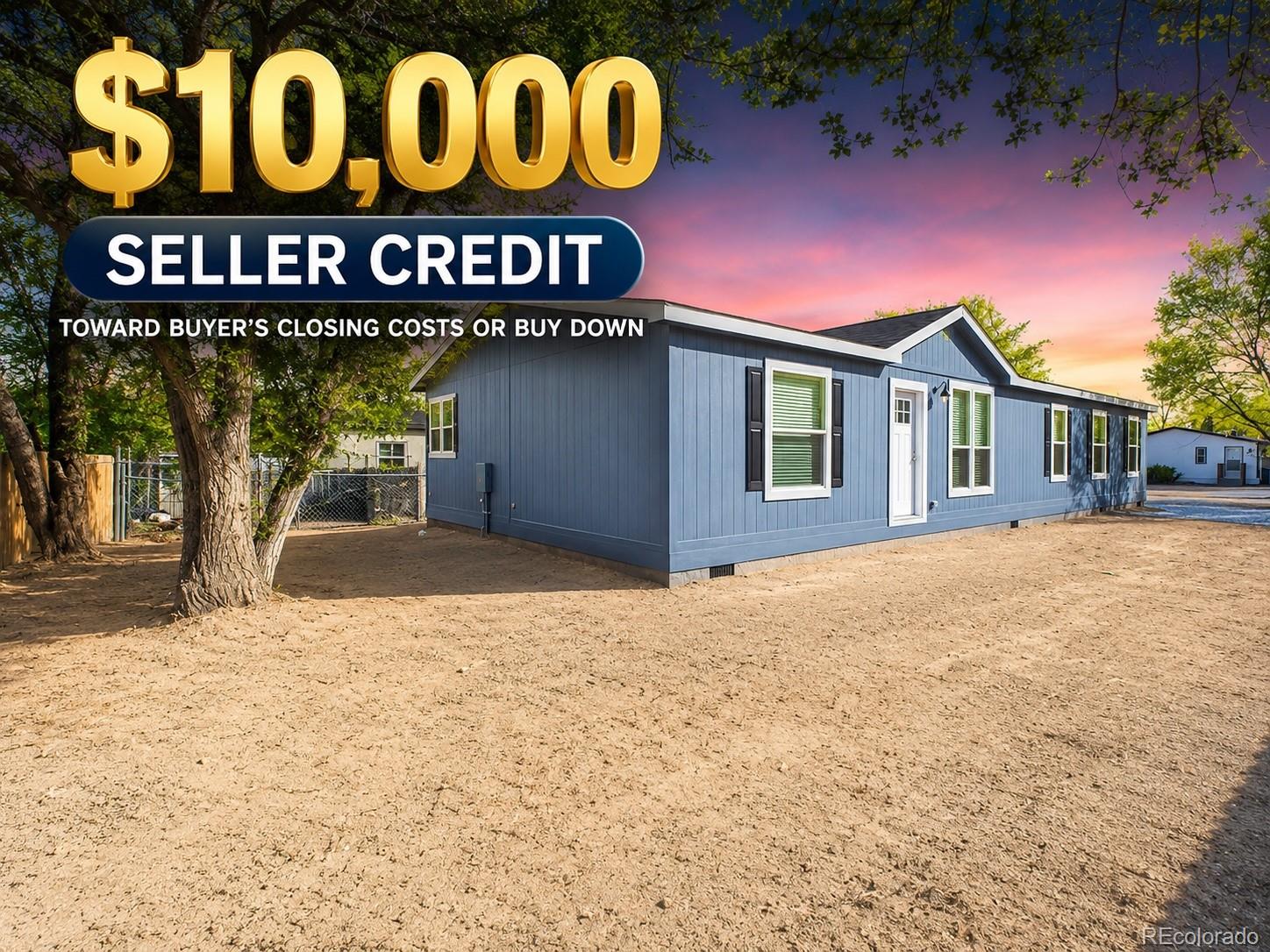
On offer strategy, more than half of homes currently sell below list price, with a sale-to-list ratio around 98%. If a property has been on the market more than 30 days, you can typically offer under asking without fear of losing it to a blind cash bid. Negotiation leverage extends beyond price, too — sellers are frequently open to covering closing costs, funding a temporary mortgage rate buy-down, or issuing pre-closing repair credits.
Contingencies are back in full force, and you don't need to waive your protections to compete. Inspection contingencies are standard and actively used — often to negotiate fixes for roof hail damage (common in Southern Colorado) and foundation concerns. Appraisal contingencies belong in nearly every financed offer; in this market, sellers generally lower the price to meet a low appraisal rather than risk the deal collapsing.
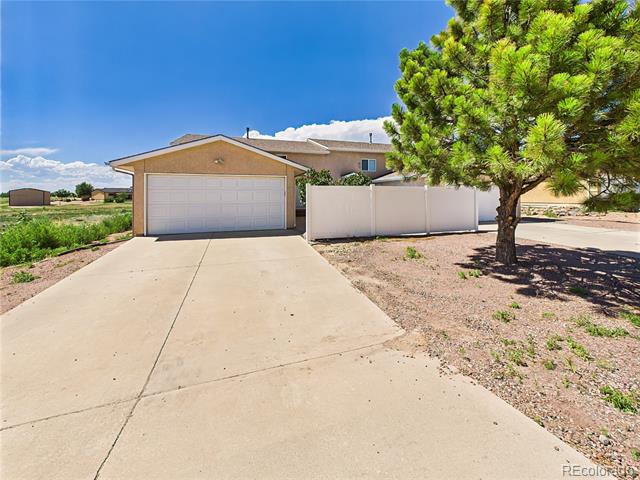
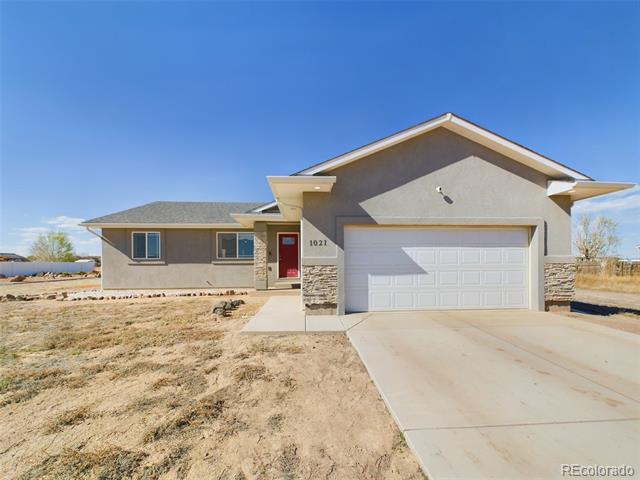
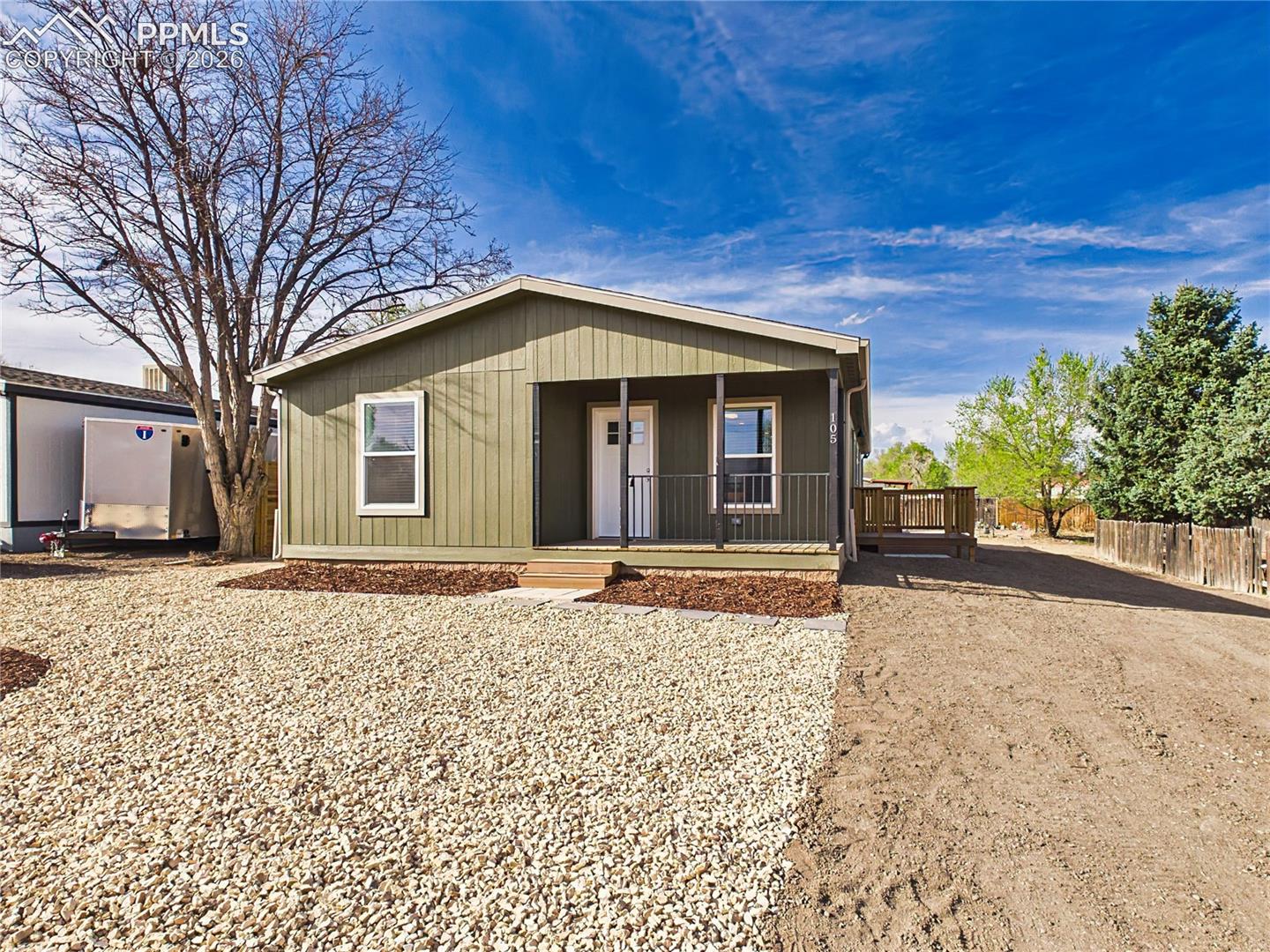
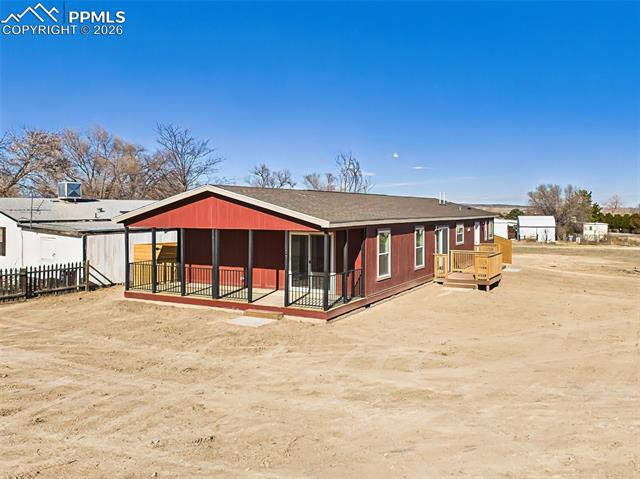
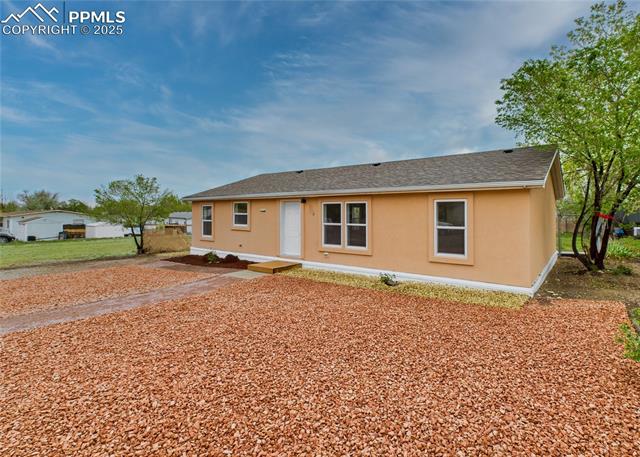
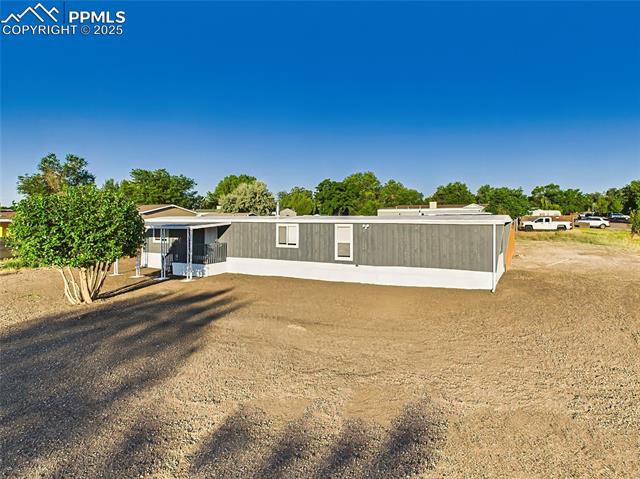
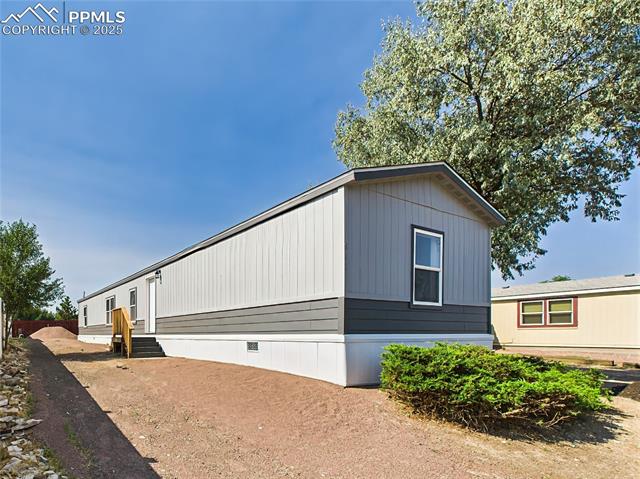
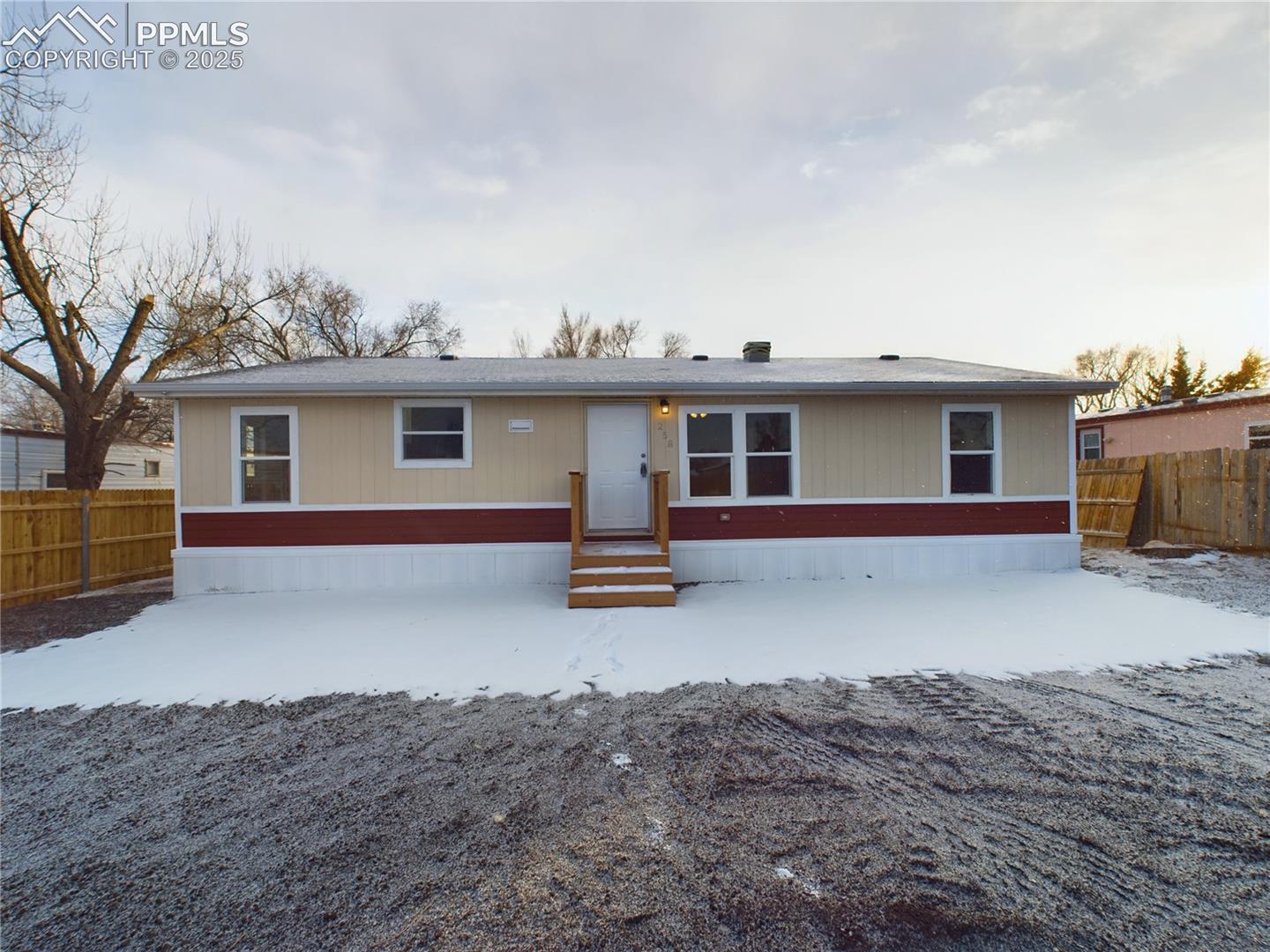
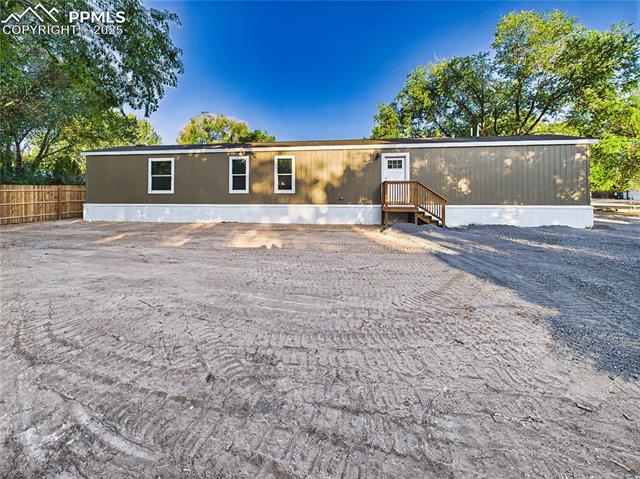
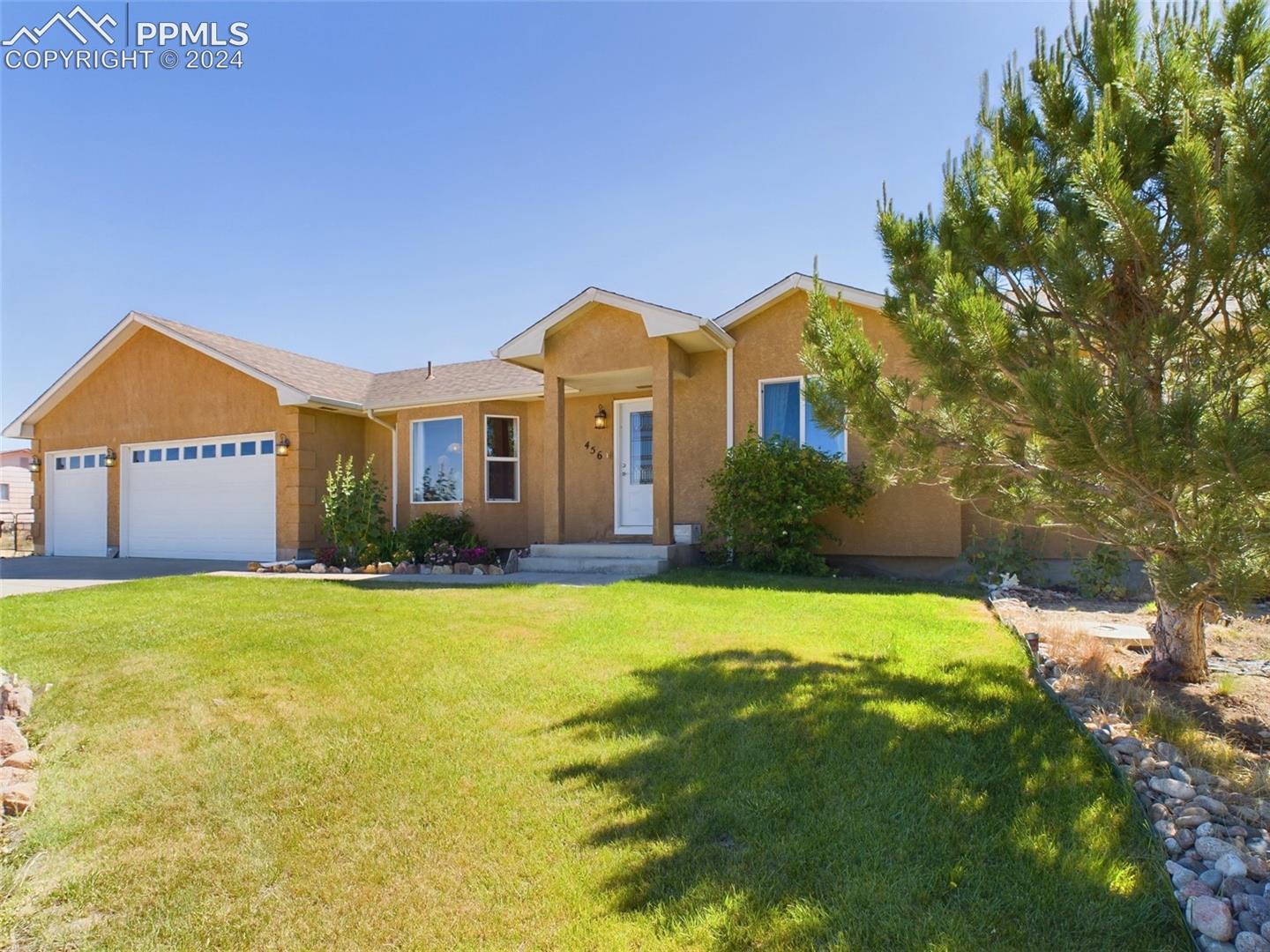
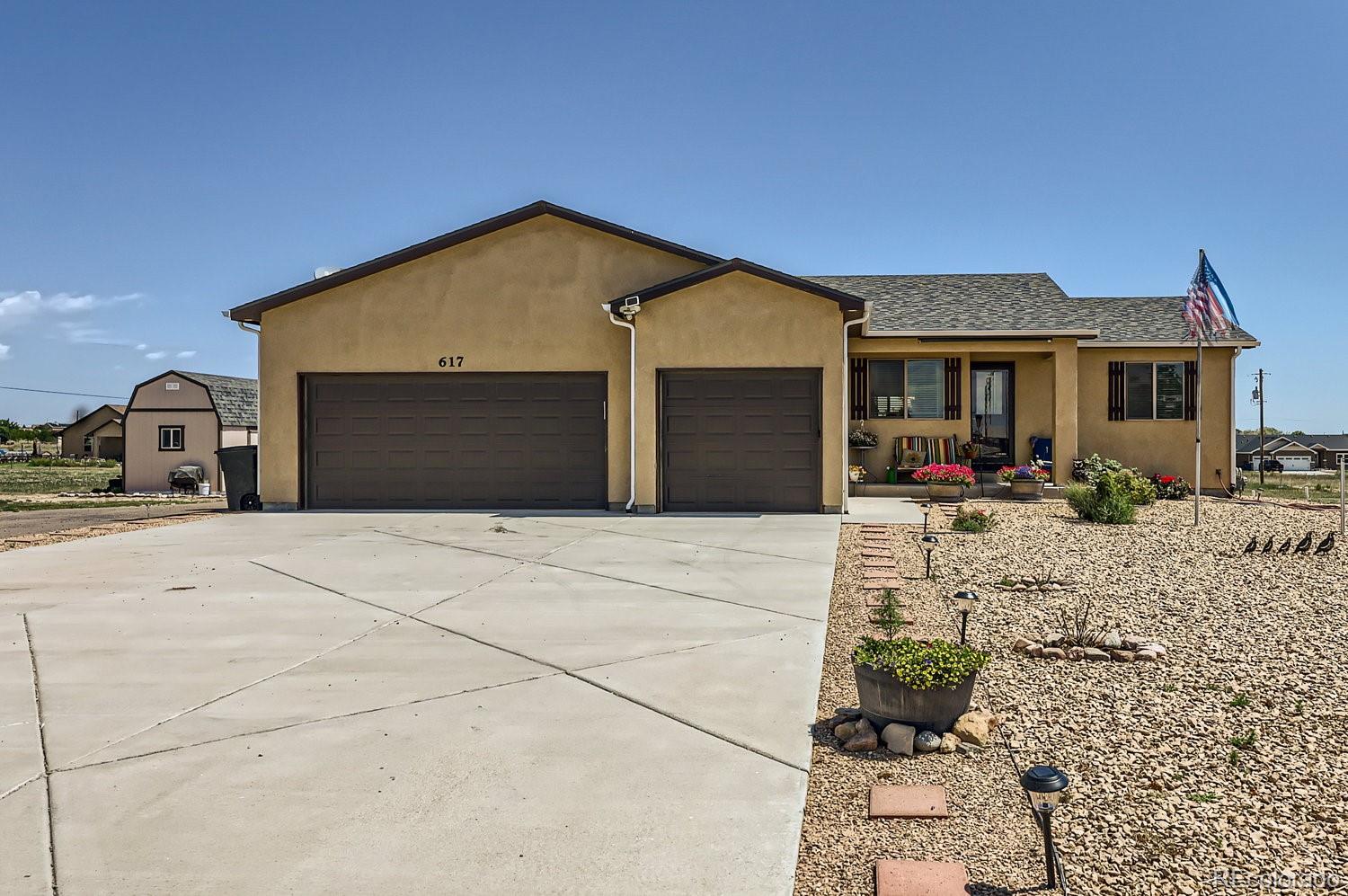
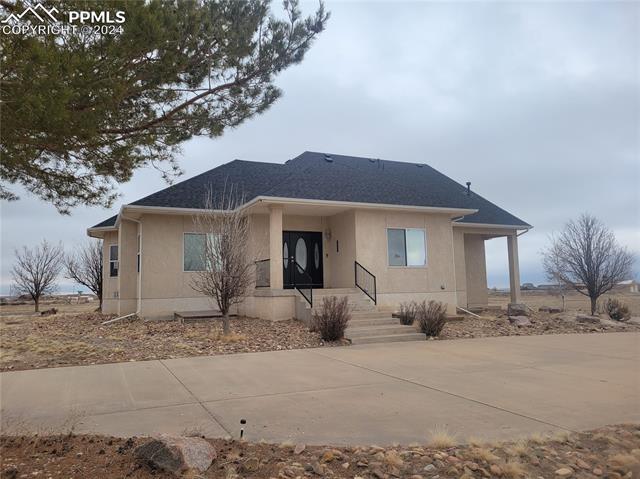
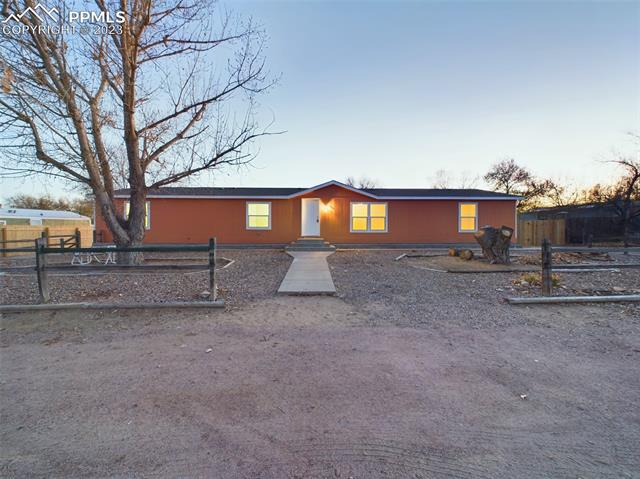
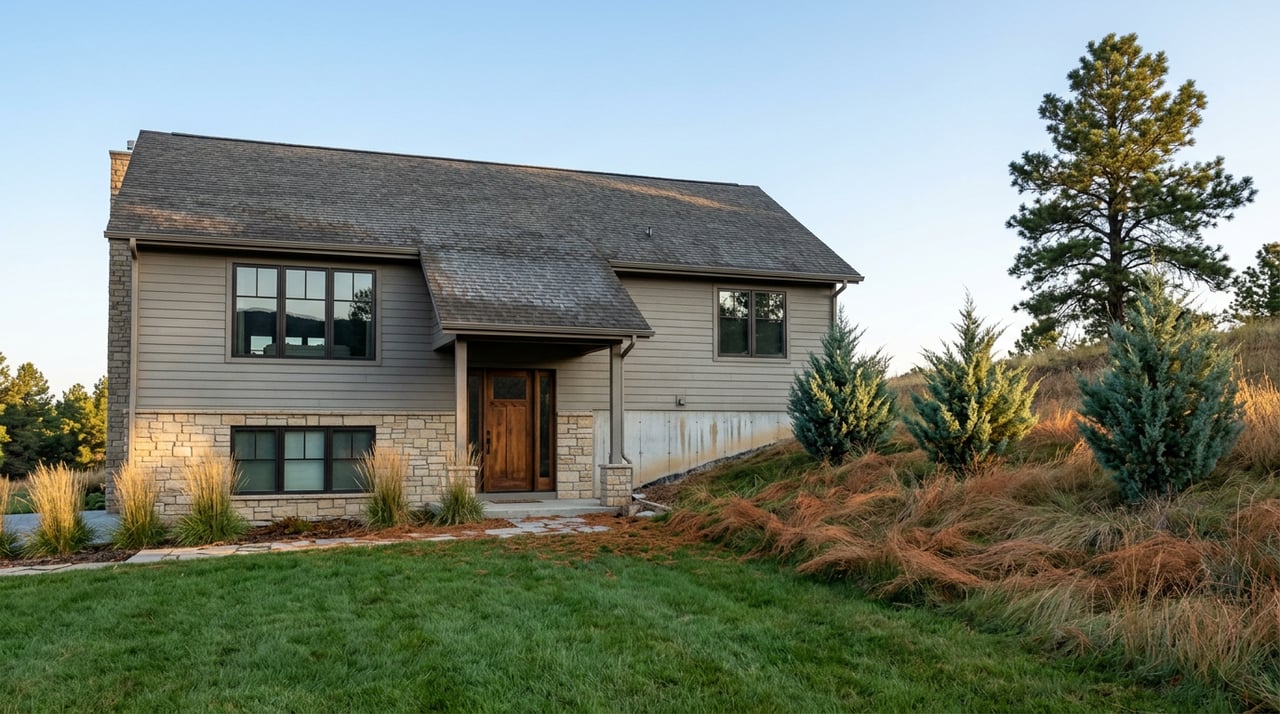
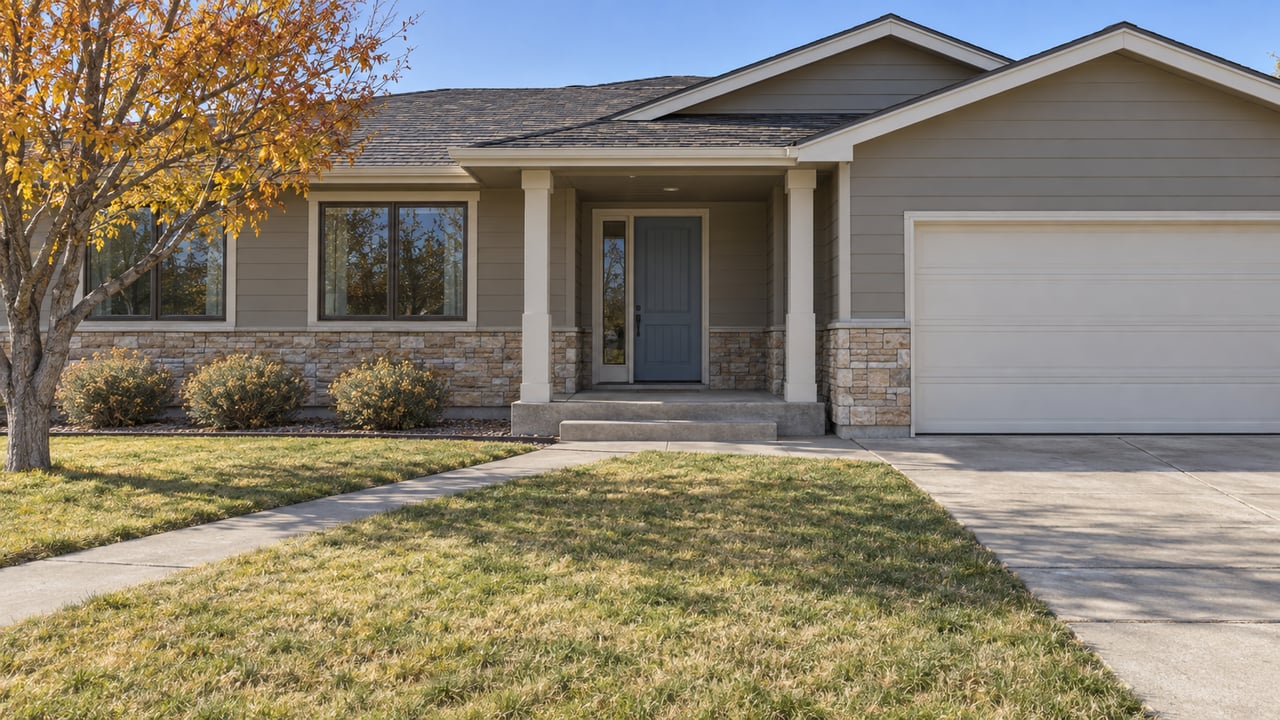
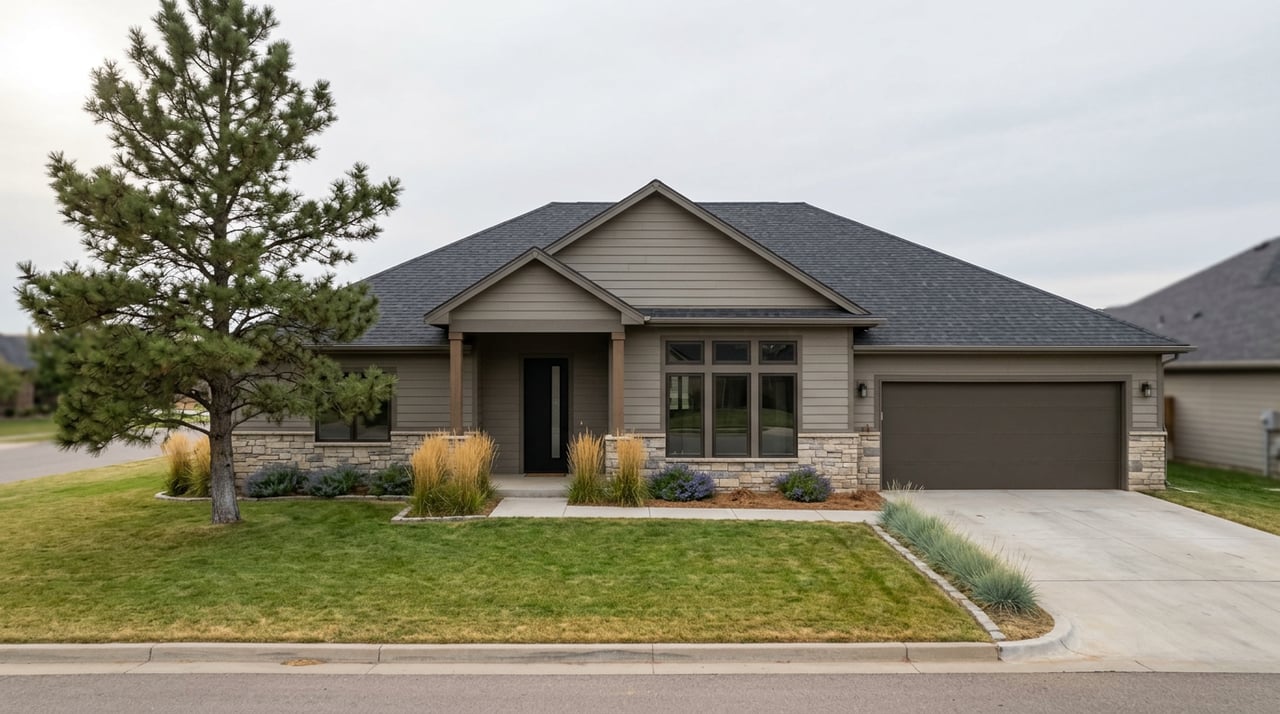
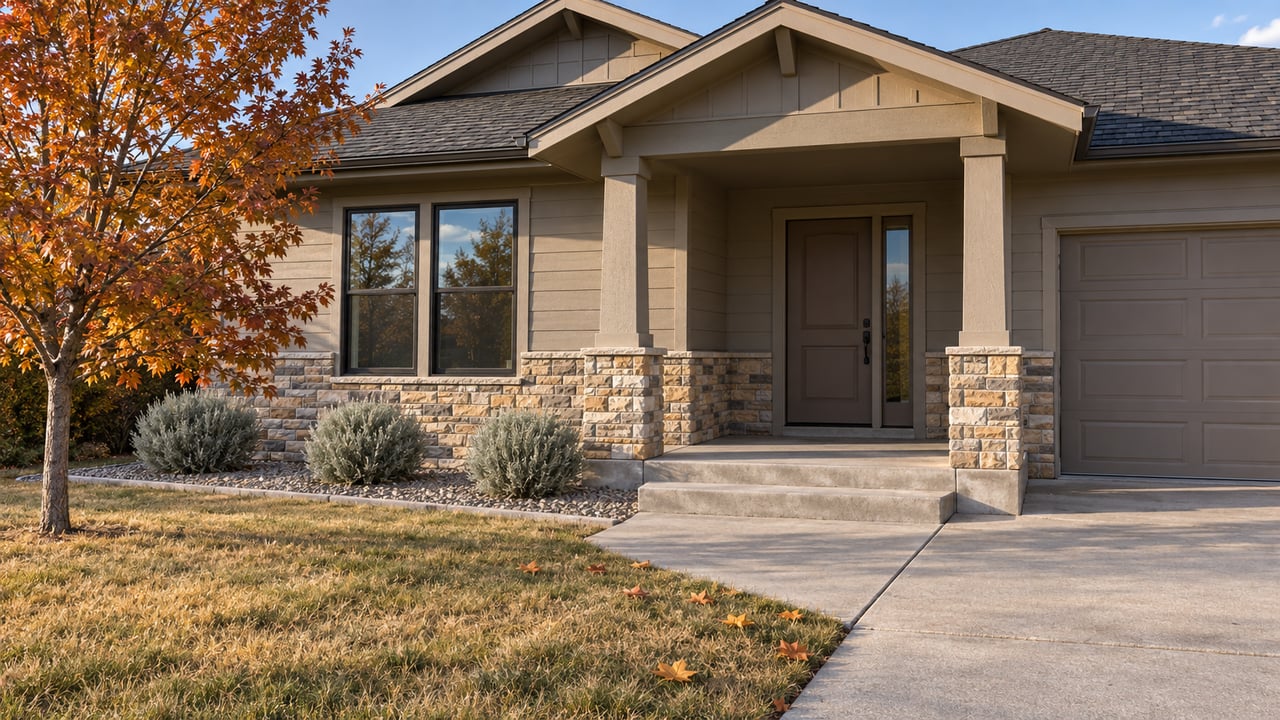
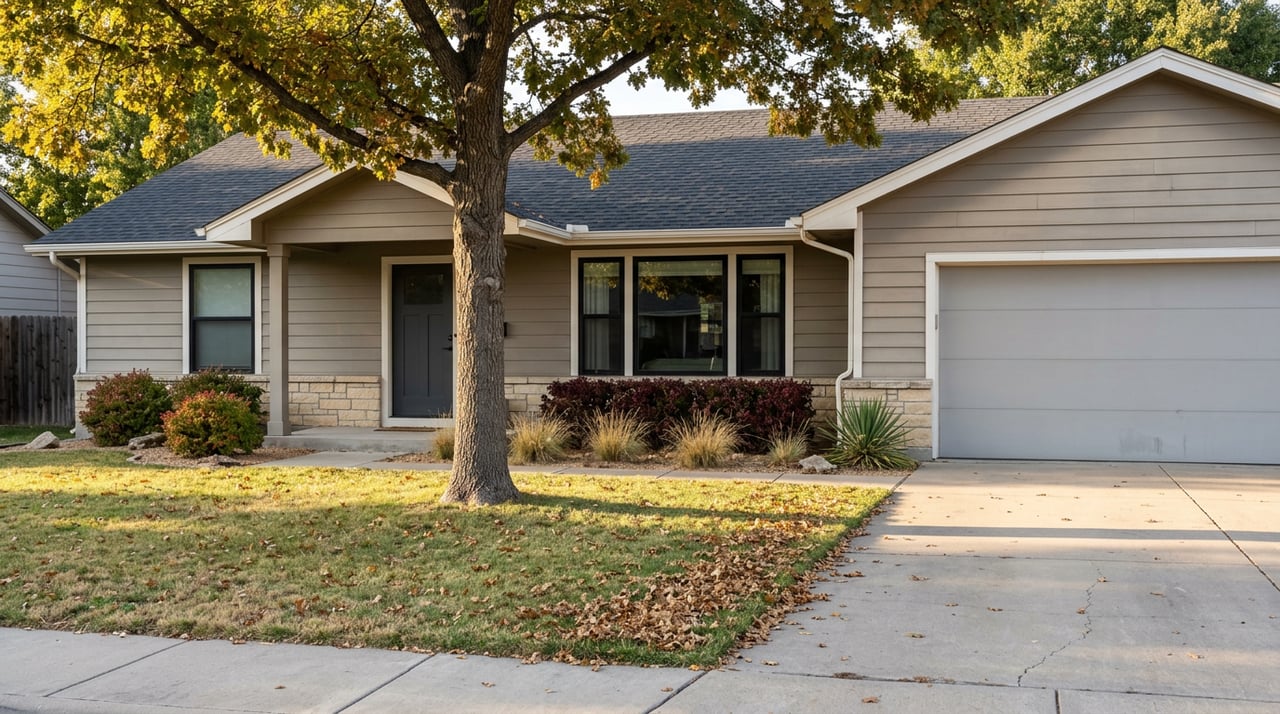
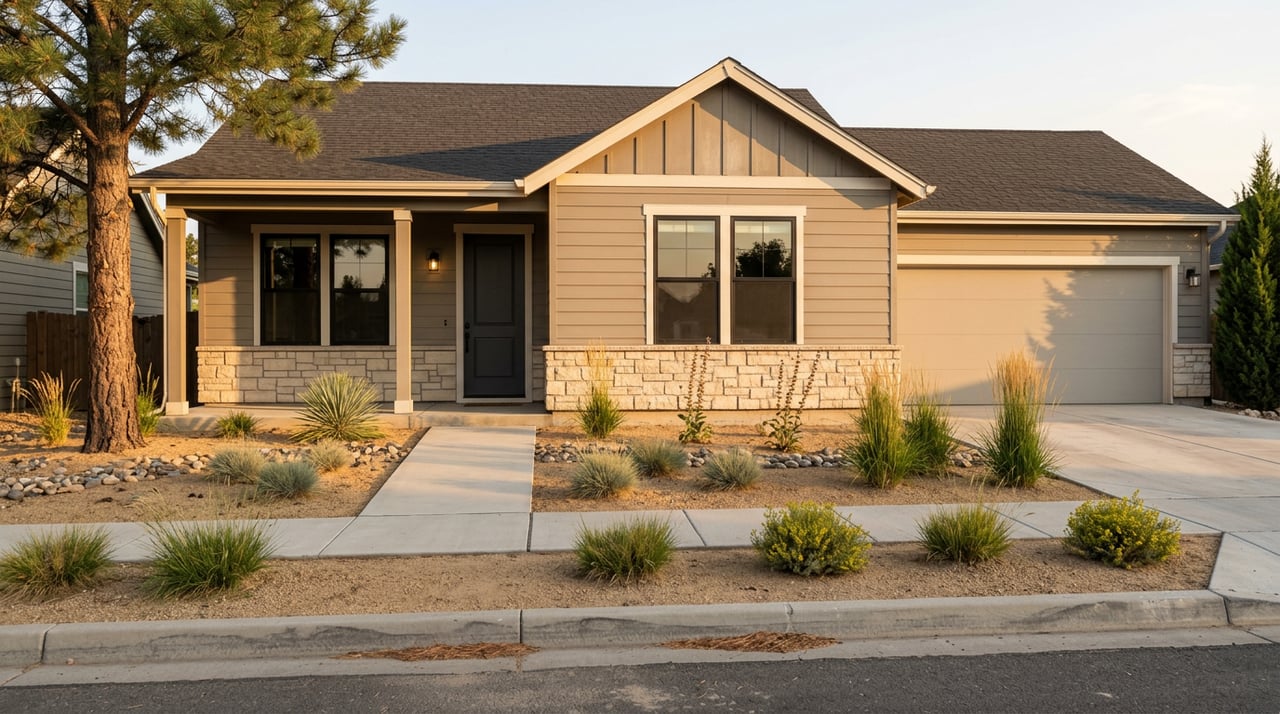
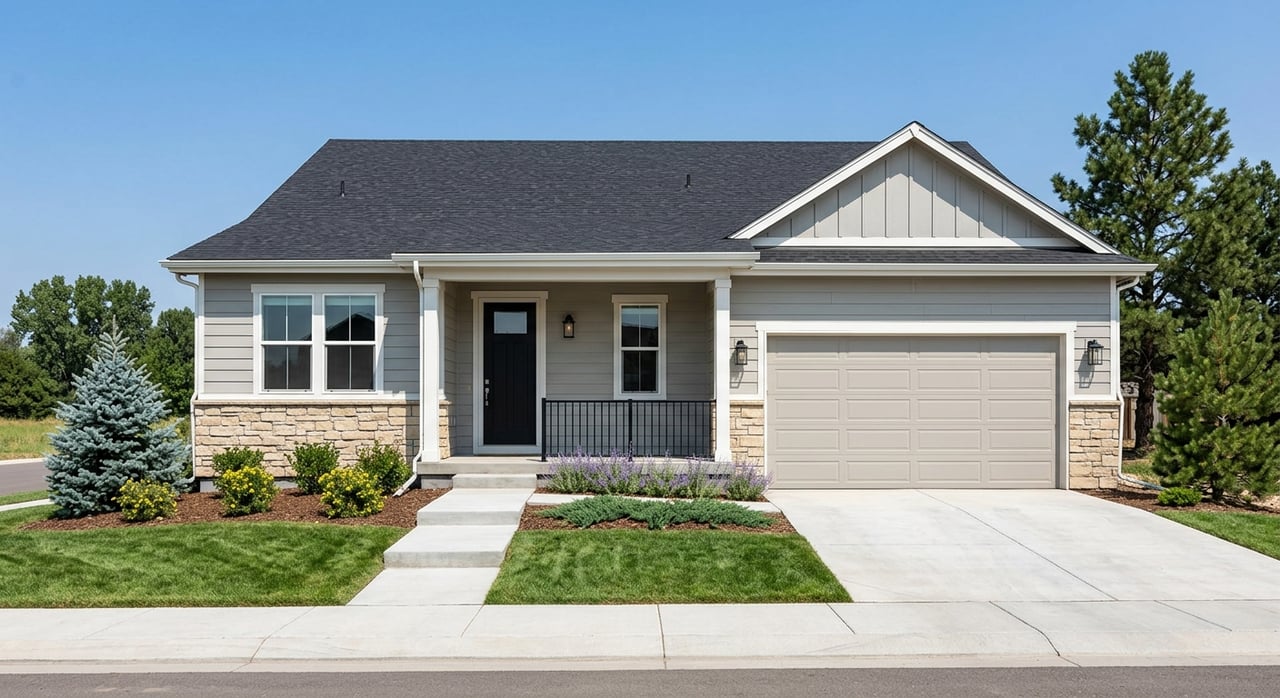
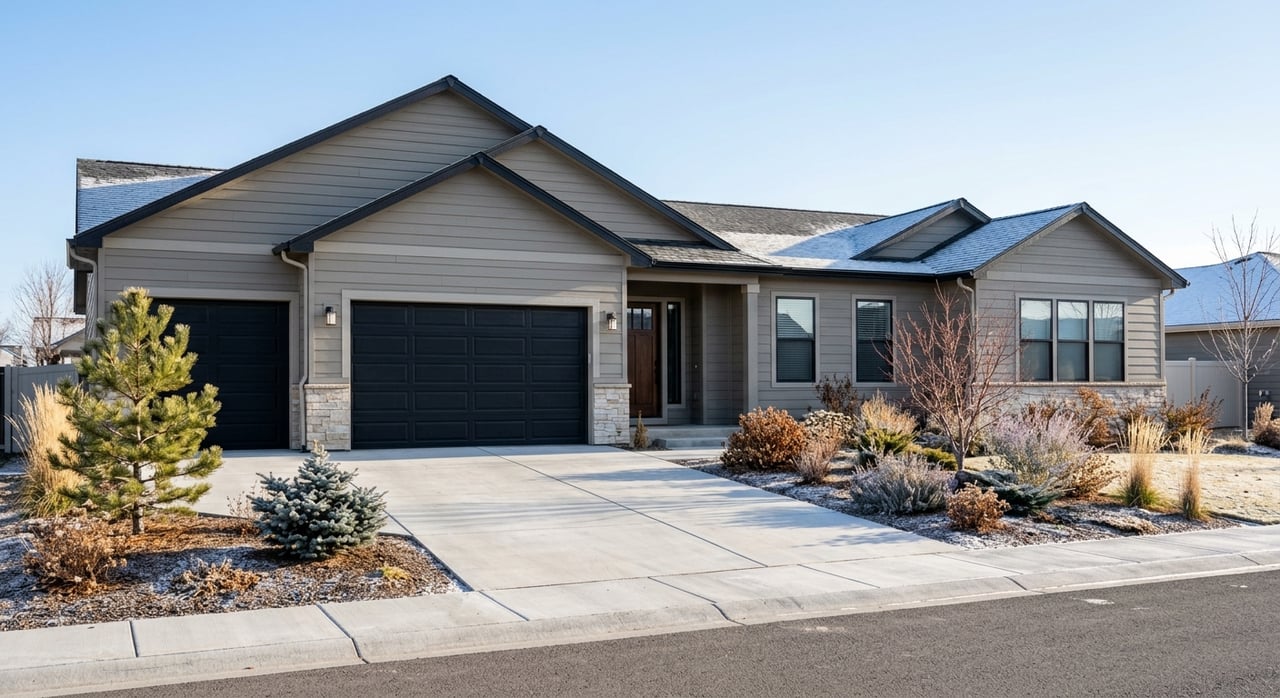
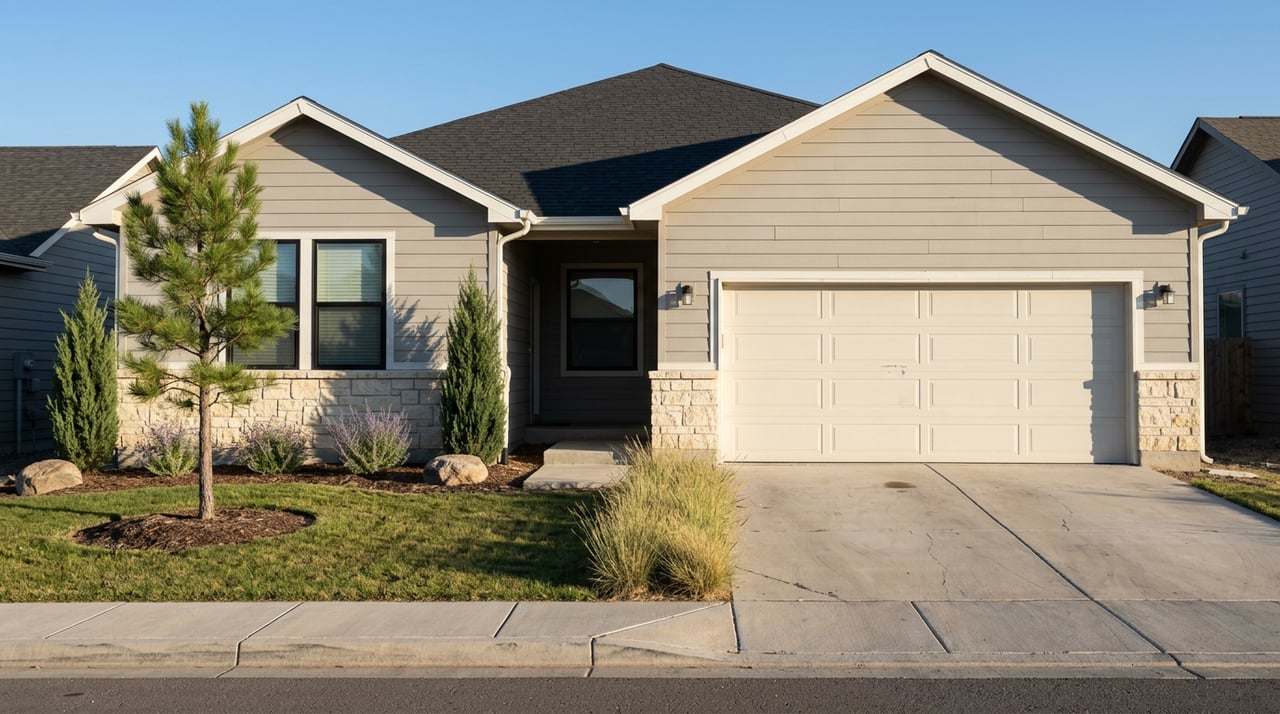
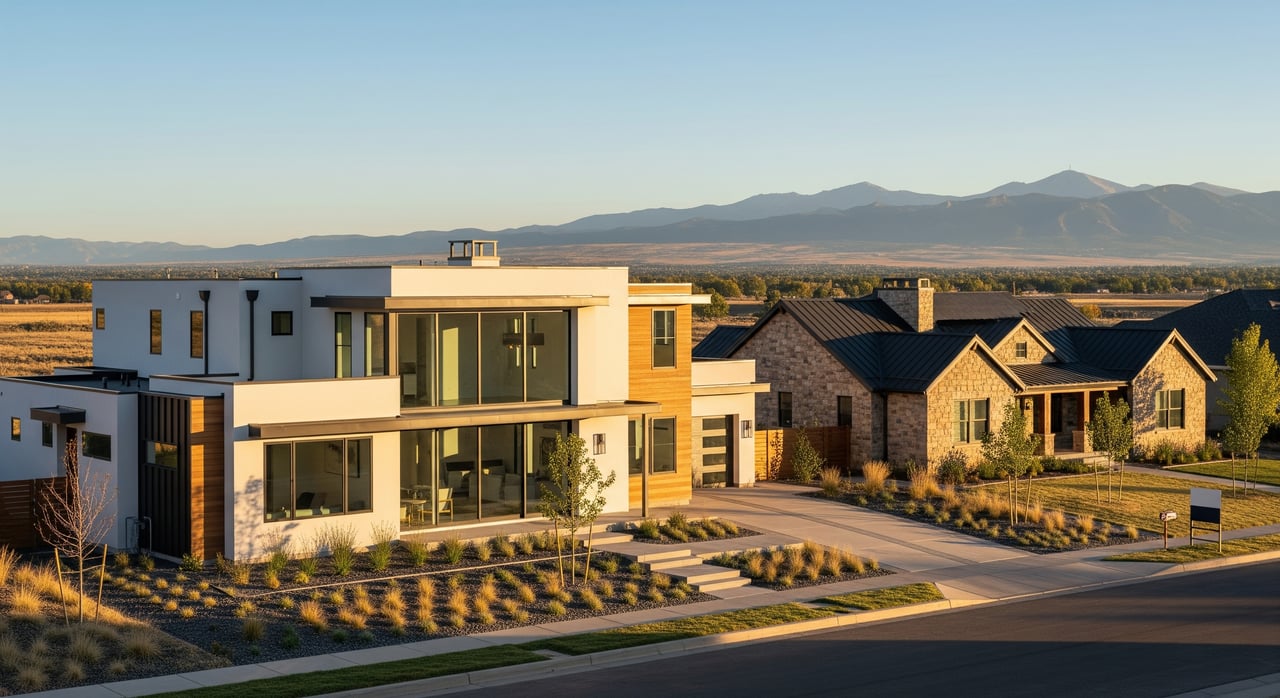
As for what you'll actually be touring: Pueblo West is defined by ranch-style and multi-level single-family detached homes with stucco or stone façades and two- to three-car garages. Condos and townhomes are genuinely rare. The signature feature is acreage — 0.25 to over 1 acre is typical, giving you privacy and room for recreational vehicles.
This is the section I'd most want a relocating buyer to read, because Pueblo West has structural and environmental quirks that don't exist in a typical incorporated city.
The Metro District, not an HOA. Pueblo West is governed by the Pueblo West Metropolitan District (PWMD). You generally won't pay private monthly HOA dues, but a body called the Committee of Architecture (COA) enforces strict covenants on property use, exterior colors, building materials, and fencing across the entire district. Translation: no monthly fees, but you must apply for a permit before building a shed, putting up a fence, or repainting your house.
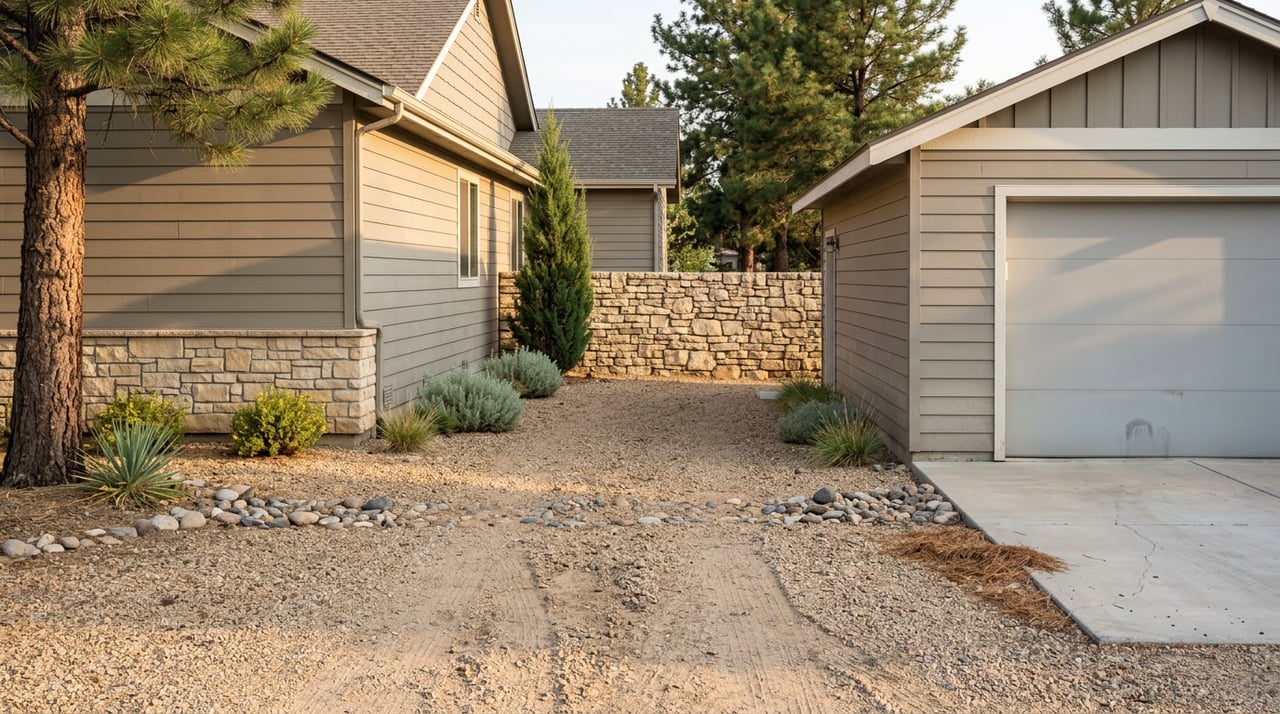
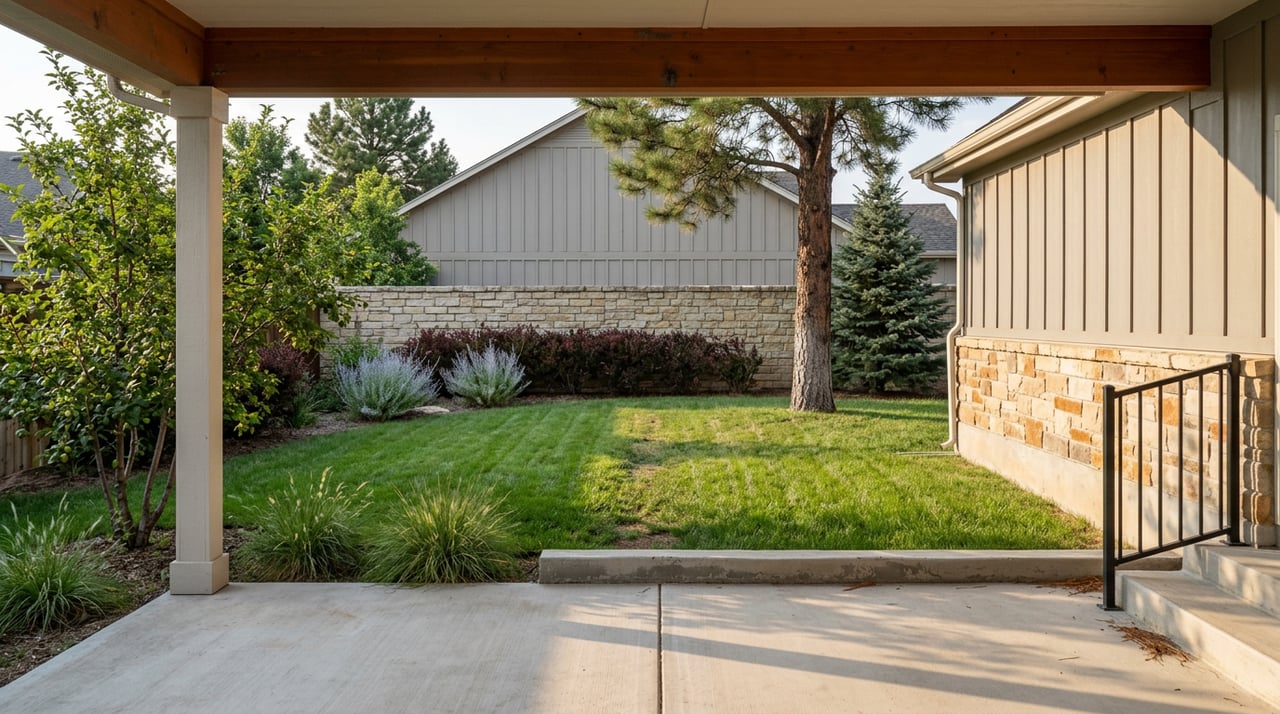
Water is a real consideration. Pueblo West depends on Rocky Mountain snowpack via Twin Lakes, so conservation is permanent, not occasional. From April 15 to October 15, automatic sprinklers are limited to three days a week, with no outdoor irrigation between 10 a.m. and 6 p.m. The district also restricts new or replaced turf areas over 200 square feet during drought conditions. If your dream is a sprawling bluegrass lawn, Pueblo West will fight you — local culture favors xeriscaping and native grasses.
Zoning varies tract by tract. Some tracts allow hobby farming (horses, chickens, goats); adjacent ones prohibit livestock entirely. Never assume a large lot permits animals — verify the specific tract declaration. RV and boat storage is generally allowed, but vehicles must sit behind the front building line of the home or be screened, not parked permanently on the street or front driveway.
Environmental factors matter. The area's clay-heavy expansive soils swell when wet and contract when dry, so a rigorous foundation inspection and a functioning perimeter drain are essential. And because this is open prairie, more than 50% of properties carry a moderate wildfire risk from dry brush and wind. Start your homeowner's insurance underwriting early in the process — quotes can reflect that risk.
If you're moving from a dense city or the busier northern Front Range, expect a genuine lifestyle adjustment — mostly for the better, but worth understanding.
The community is built on rolling prairie divided into acreage tracts rather than tight grid blocks. Commercial life concentrates along the Highway 50 corridor and McCulloch Boulevard, a central strip locals sometimes call "The Dot." That's where you'll find your grocery options (Walmart Supercenter, Safeway), everyday dining, hardware stores, and medical clinics. Residential streets, by contrast, stretch out across miles of open landscape.
Climate is a quiet selling point. Southern Colorado sits in what's often called the state's "banana belt" — over 250 days of sunshine a year and meaningfully less snowfall than Denver or the mountains. Summers are hot and dry (often 90°F–100°F in July); winters are short and manageable. The culture is built around the outdoors, with Lake Pueblo State Park on the doorstep and homes designed to accommodate boats, jet skis, dirt bikes, and campers.
For families, schooling falls under Pueblo County School District 70 (D70) — more on that below. Emergency services run through the Metro District's own fire departments, while law enforcement is handled by the Pueblo County Sheriff's Office.
Let me be direct: Pueblo West is car-dependent, with an average Walk Score in the sub-20 range. Homes on large lots mean long distances between neighborhoods and businesses, and sidewalks aren't standard on every street — many outer tracts use dirt shoulders to preserve the rural feel. Public transit is effectively nonexistent inside Pueblo West; the city of Pueblo's bus system doesn't extend into the community's suburban loops. A reliable personal vehicle isn't optional here.
The flip side is that the area is excellent for recreational cycling, with miles of wide paved multi-use trails along thoroughfares like McCulloch Boulevard, connecting into the network around Lake Pueblo State Park.
On commuting, the typical resident drives about 25 to 27 minutes. Most commute inbound to downtown Pueblo or its industrial park (10–15 minutes), where major employers include Parkview Health System, St. Mary-Corwin Hospital, Vestas (the world's largest wind tower manufacturing facility), Pueblo County Government, and Colorado State University Pueblo. A substantial share of residents make the 40–50 minute drive north up I-25 to Colorado Springs and Fort Carson — a fast, predictable route, though winter ground blizzards and summer hailstorms on the open highway can occasionally slow things down.
For family buyers, schools are often the deciding factor, and this is one of Pueblo West's strongest cards. Education is managed entirely by Pueblo County School District 70 (D70), which earns an overall "B" grade from Niche and consistently ranks among the top districts in Southern Colorado — a well-regarded alternative to the neighboring urban District 60.
A few standouts within the Pueblo West perimeter:
Families also benefit from real school choice. The Connect Charter School (6–8) earns an "A-" and ranks among the top 60 public middle schools statewide, while Swallows Charter Academy (K–12) is a uniform-wearing, college-prep option with a "B+" high school rating that lets families keep kids in one tight-knit ecosystem from kindergarten through graduation.
If outdoor recreation factors into your decision, Pueblo West punches well above its price point.
The headliner is Lake Pueblo State Park, which borders the community's southern edge — one of Colorado's most-visited state parks, with over 60 miles of shoreline, two full-service marinas, and premier boating, jet-skiing, and Arkansas River tubing.
Closer to home, the Metro District maintains 5 community parks and a 27+ mile interconnected multi-use trail network, including over 20 miles of paved paths (like the Purcell and North McCulloch trails) that tie into the larger 32-mile Pueblo River Trail System — meaning you can cycle car-free all the way to CSU Pueblo. The community also preserves miles of dedicated soft-surface equestrian easements, a rare touch for a modern suburb, and Civic Center Park anchors family weekends with green fields, playgrounds, a fitness loop, and a summer splash pad.
Pueblo West's food and entertainment scene is a lifestyle signal more than a destination dining district — and the signal is relaxed, casual, and family-oriented. The culinary heartbeat runs along Highway 50 and McCulloch Boulevard: hearty breakfasts, local Mexican spots, casual pizzerias, and American grilles where muddy hiking boots and a truck towing a boat trailer fit right in.
You can't talk about food here without the "Slopper" — a Southern Colorado institution: an open-faced cheeseburger smothered in spicy Pueblo green chile. Sampling green chile around town is practically a local rite of passage. Nightlife is understated and neighborhood-driven — pubs, sports bars, taprooms, trivia nights, and weekend acoustic sets on a patio. For fine dining, historic cocktail lounges, or a livelier scene, residents make the short 10-to-15-minute drive into downtown Pueblo's Union Avenue District or head north to Colorado Springs.
This trips up a lot of out-of-town buyers, so it's worth being precise. Pueblo West doesn't run on a patchwork of private HOAs. Instead, property standards are codified in the Declaration of Reservations and enforced by a single entity — the Pueblo West Committee of Architecture (COA).
The practical upshot is mostly good news. For most properties there are no monthly or annual private HOA dues, which means real long-term savings and a cleaner debt-to-income picture. But the COA functions like an architectural review board: you must submit an application and secure a permit before any significant exterior change — detached shops, fences, sheds, or even a new exterior color.
A few rules to keep on your radar: covenants require active property upkeep (dust control, clearing dry underbrush for wildfire mitigation, no accumulation of raw building materials); recreational vehicles must be parked behind the front building line or screened from the street; and certain older "Standing Tracts" change their density and accessory-structure rules once a sector hits 90% build-out. If your plans include an ADU or a large secondary garage, have your agent pull the exact Tract Map and reservations for your specific parcel during the title contingency window — before you're committed.
If you're weighing a move to Pueblo West — buying your first home, relocating with the military, investing, or building from the ground up — it helps to work with someone who knows the area's quirks firsthand, from tract-by-tract zoning to water restrictions to which builders deliver. Scott Coddington, broker and owner of Pulse Real Estate Group, LLC, is a third-generation agent and Colorado Springs native who has served the region since 1997, with deep experience across Pueblo West, Colorado Springs, Pueblo, and the surrounding Front Range. He works closely with first-time buyers and sellers, military families, investors, and clients navigating new construction, VA and FHA assumable loans, and everything in between — and his clients consistently describe him as patient, responsive, and focused on their goals rather than the sale.
To start a conversation or ask about specific Pueblo West listings, you can reach Scott directly at (719) 399-0000 or [email protected], with offices at 2316 N Wahsatch Ste 237, Colorado Springs, CO 80907 (License #40012034). Whether you're months away from a move or just exploring what your budget buys out here, it's a no-pressure place to get honest, local answers.
There's plenty to do around Pueblo West, including shopping, dining, nightlife, parks, and more. Data provided by Walk Score and Yelp.
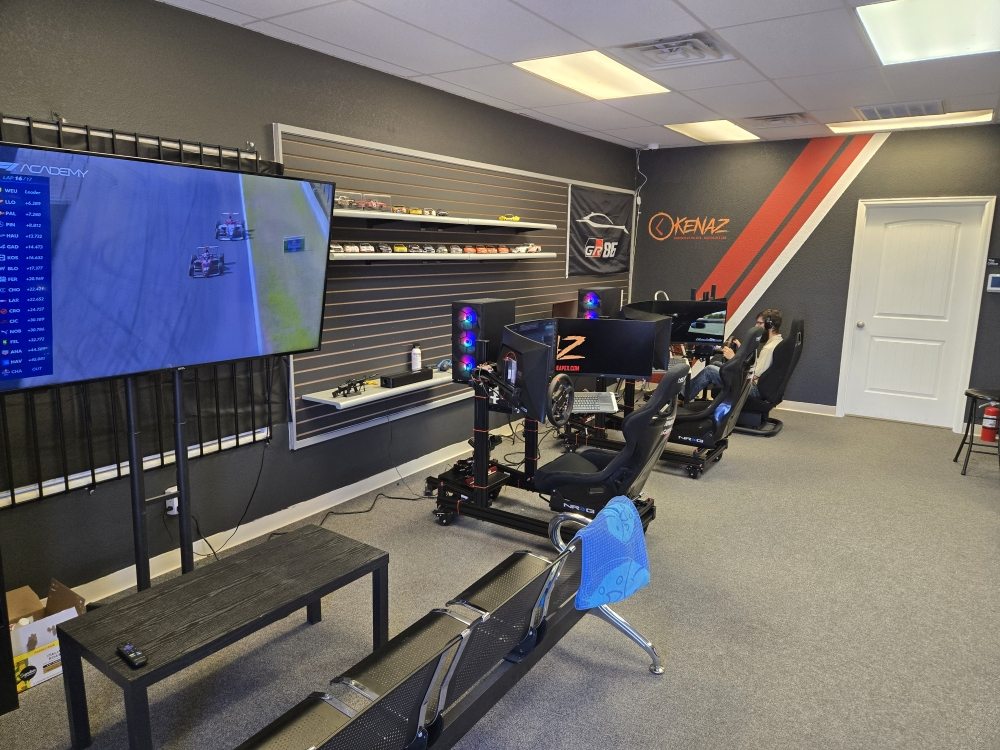
Explore popular things to do in the area, including El Super Taco, ThunderZone West, and E&J's Pizzeria Br & Grill.
| Name | Category | Distance | Reviews |
Ratings by
Yelp
|
|---|---|---|---|---|
| Dining · $ | 1.01 miles | 73 reviews | 3.5/5 stars | |
| Dining | 1.02 miles | 10 reviews | 2.5/5 stars | |
| Dining | 1.03 miles | 4 reviews | 4/5 stars | |
| Dining · $$ | 1.03 miles | 37 reviews | 2.6/5 stars | |
| Active | 0.46 miles | 0 reviews | 0/5 stars | |
| Active | 0.71 miles | 0 reviews | 0/5 stars | |
| Active | 0.9 miles | 0 reviews | 0/5 stars | |
| Active | 1.02 miles | 0 reviews | 0/5 stars | |
| Active | 1.05 miles | 0 reviews | 0/5 stars | |
| Beauty | 0.77 miles | 0 reviews | 0/5 stars | |
| Beauty | 1 miles | 2 reviews | 5/5 stars | |
| Beauty | 1 miles | 0 reviews | 0/5 stars | |
| Beauty | 1.01 miles | 15 reviews | 4.1/5 stars | |
| Beauty | 1.01 miles | 35 reviews | 3/5 stars | |
| Beauty | 1.02 miles | 0 reviews | 0/5 stars | |
| Beauty | 1.02 miles | 0 reviews | 0/5 stars | |
| Beauty | 1.05 miles | 0 reviews | 0/5 stars | |
|
|
||||
|
|
||||
|
|
||||
|
|
||||
|
|
||||
|
|
Pueblo West has 12,335 households, with an average household size of 2.82. Data provided by the U.S. Census Bureau. Here’s what the people living in Pueblo West do for work — and how long it takes them to get there. Data provided by the U.S. Census Bureau. 34,992 people call Pueblo West home. The population density is 704 and the largest age group is Data provided by the U.S. Census Bureau.
Total Population
Population Density Population Density This is the number of people per square mile in a neighborhood.
Median Age
Men vs Women
Population by Age Group
0-9 Years
10-17 Years
18-24 Years
25-64 Years
65-74 Years
75+ Years
Education Level
Total Households
Average Household Size
Average individual Income
Households with Children
With Children:
Without Children:
Marital Status
Blue vs White Collar Workers
Blue Collar:
White Collar:
October 22, 2026
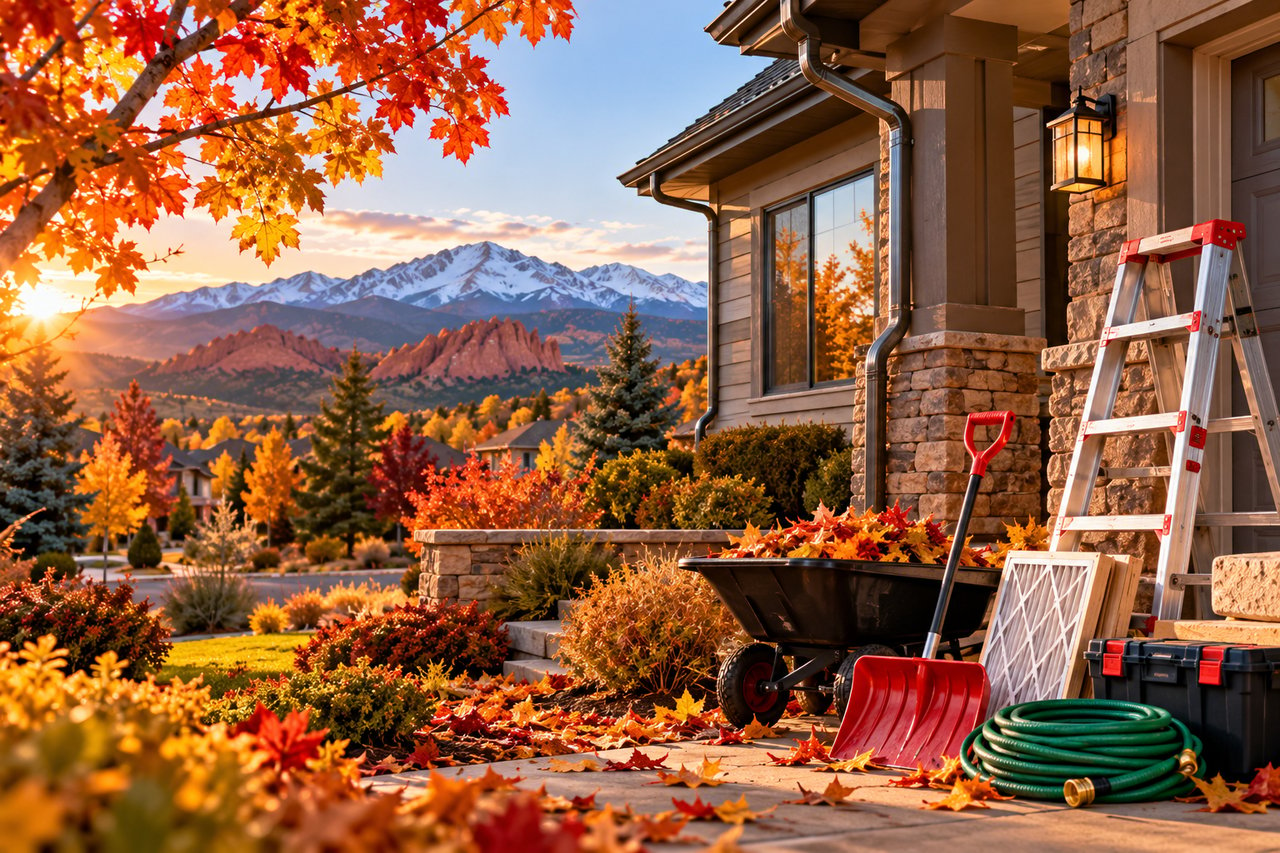
Fall Home Maintenance
Shannon Price | October 19, 2026

Southern Colorado Activities
Scott Coddington | October 16, 2026
Halloween Events, Fall Festivals, Family Activities & Things to Do in Colorado Springs, Pueblo & Pueblo West
September 17, 2026

September 10, 2026
September 17, 2026

Haunted Houses
Shannon Price | October 1, 2026
Haunted Houses in Colorado Springs
September 3, 2026
August 13, 2026
September 3, 2026
October 15, 2026
September 24, 2026
August 13, 2026
October 15, 2026
August 27, 2026
October 8, 2026
August 20, 2026
August 13, 2026
August 13, 2026
October 1, 2026
August 13, 2026
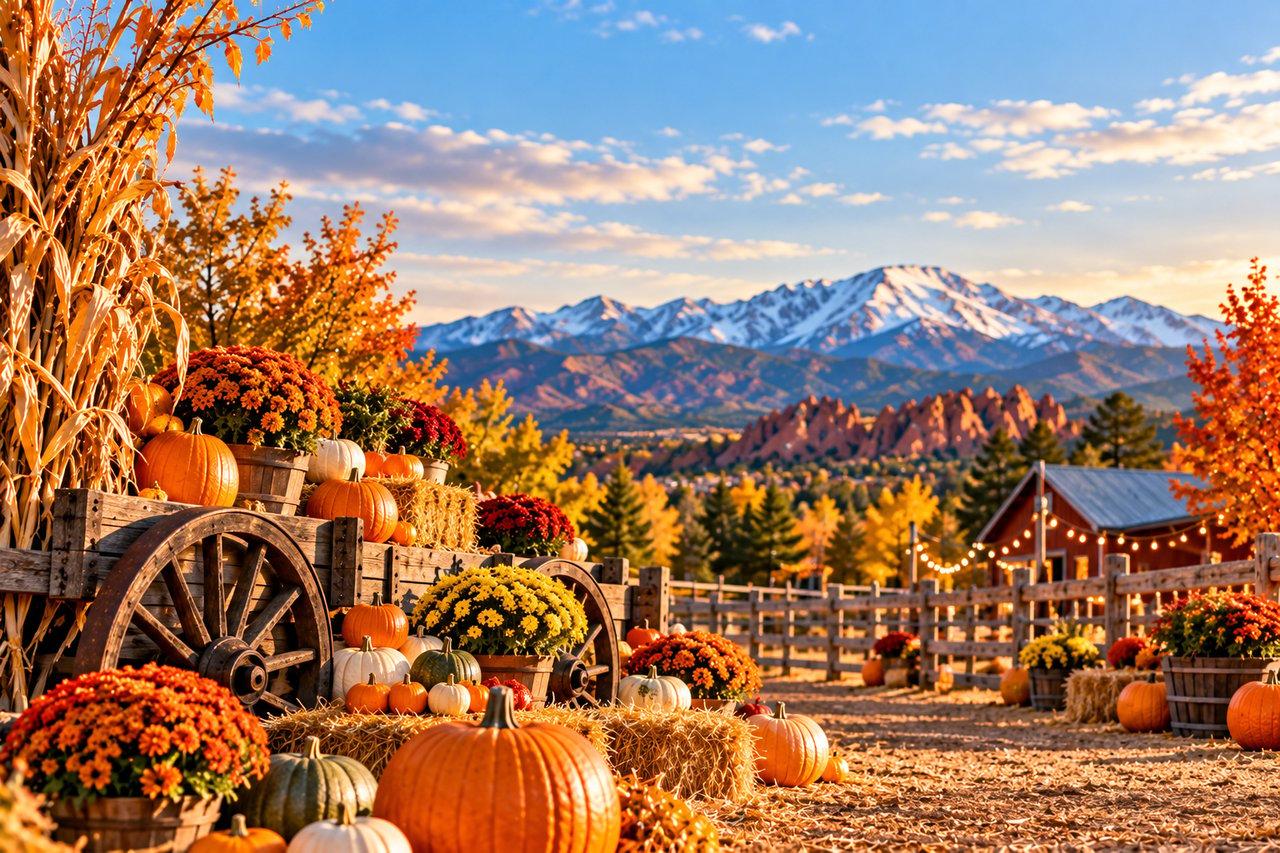
Pumpkin patches and fall festivals
Shannon Price | October 12, 2026
Moving to Colorado Springs
Shannon Price | October 12, 2026
Moving to Colorado Springs
Hiking
Shannon Price | October 8, 2026
The Manitou Incline
October 8, 2026

Southern Colorado Activities
Scott Coddington | October 8, 2026
Live Music, Pumpkin Patches, Family Activities & Fall Fun in Colorado Springs, Pueblo & Pueblo West
Homeownership
Scott Coddington | October 4, 2026
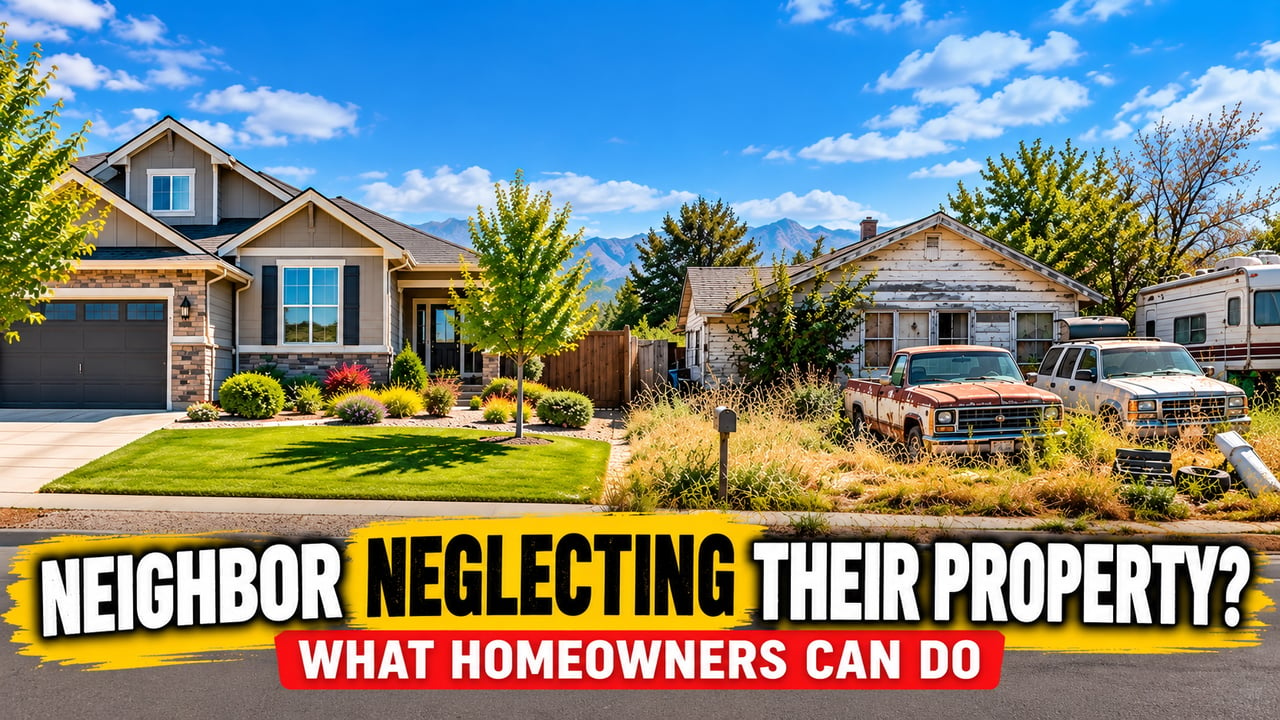
From talking with your neighbor to HOAs, covenants, and Code Enforcement, learn how to address a neglected property next door—and what it could mean when buying or sel… Read more

Fall Foliage
Shannon Price | October 3, 2026
Best Colorado Springs Neighborhoods for Fall Colors
Homeownership
Scott Coddington | October 3, 2026
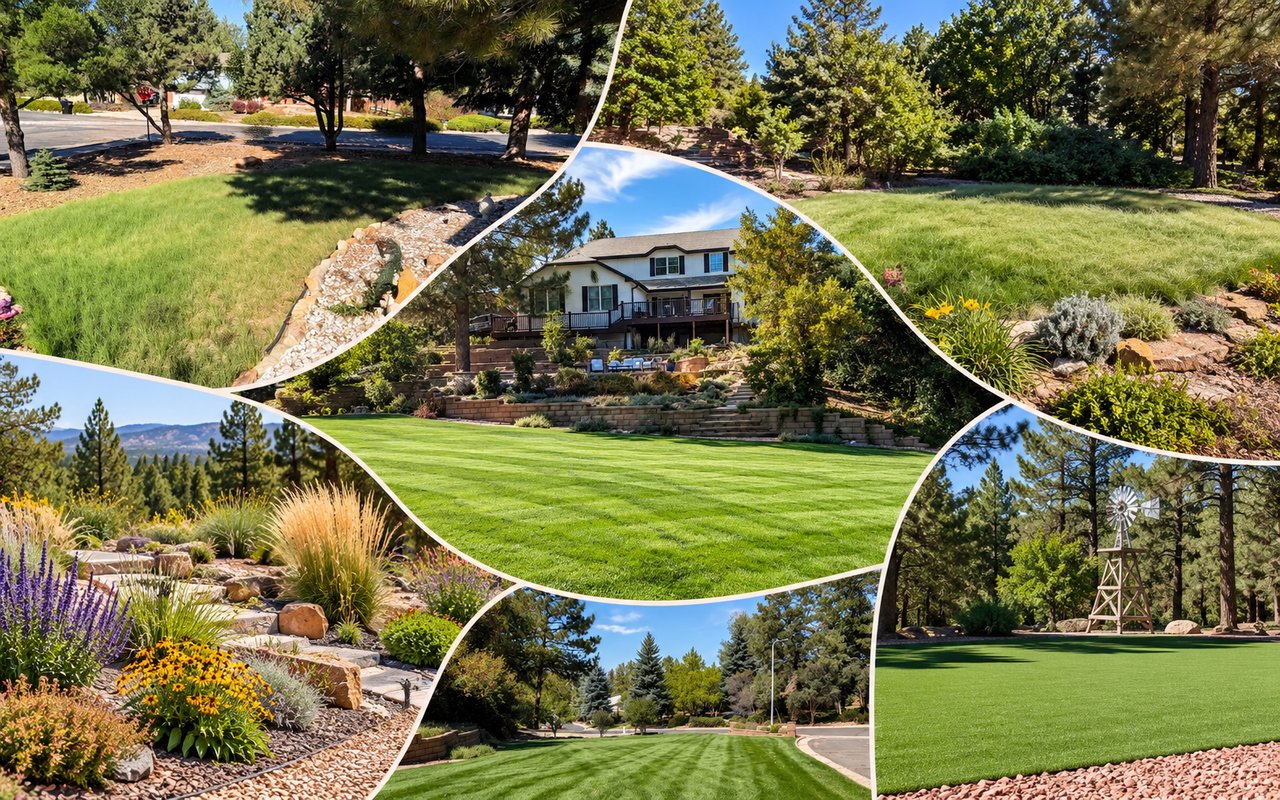
A Colorado Springs homeowner’s guide to choosing the right landscaping for your lifestyle, water use, maintenance, curb appeal, and future resale.

Buying a Home | Colorado Real Estate
Scott Coddington | October 3, 2026
Found a foreclosure on Zillow or Auction.com? Before you bid, understand how Colorado foreclosure auctions work, why you may not be able to inspect the home, and the f… Read more

2026 Relocation Guide
Scott Coddington | October 3, 2026
Everything You Need to Know About Housing, Cost of Living, Neighborhoods, Traffic, Taxes, and Life in Colorado Springs

2026 Relocation Guide
Scott Coddington | October 3, 2026
Everything You Need to Know About Housing, Cost of Living, Neighborhoods, Weather, Taxes, and Life in Colorado Springs
2026 Relocation Guide
Scott Coddington | October 2, 2026
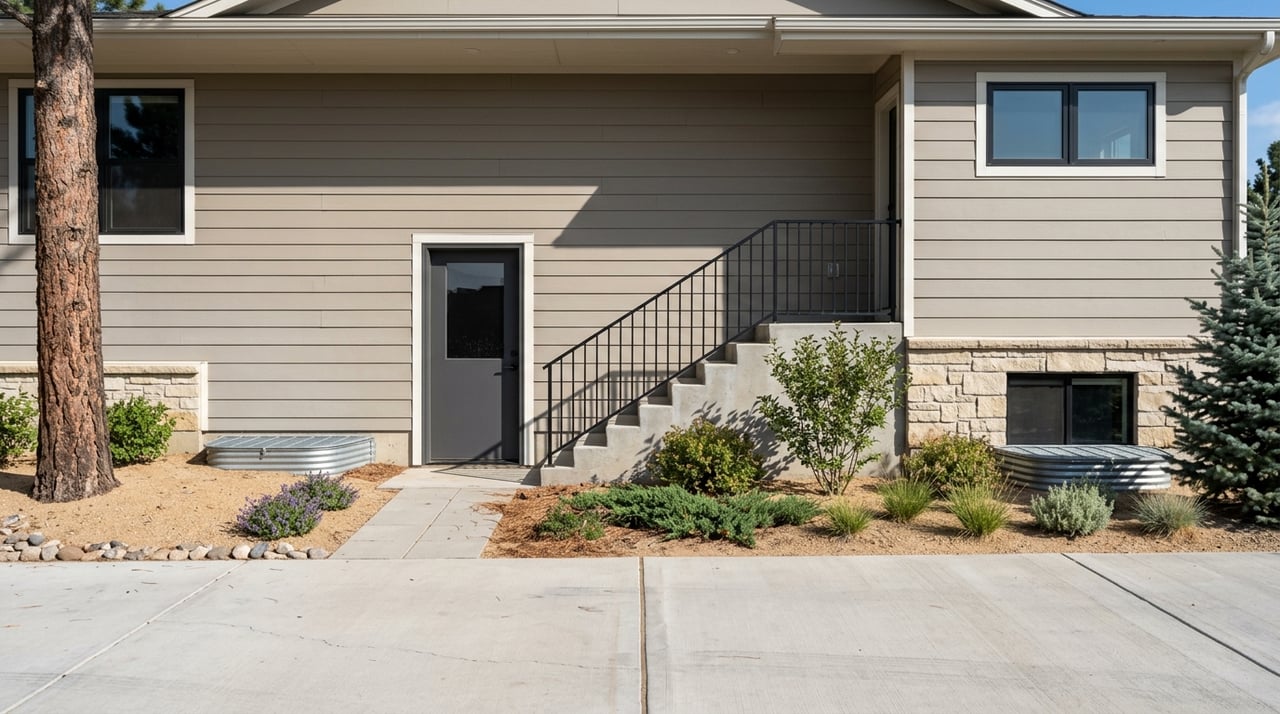
What You Need to Know Before You Move
July 23, 2026

Southern Colorado Activities
Scott Coddington | October 2, 2026
Fall Festivals, Pumpkin Patches, Live Music, Sports & Family Events in Colorado Springs, Pueblo & Pueblo West

Buying a Home | Colorado Real Estate
Scott Coddington | September 30, 2026
Pulse Real Estate App

2026 Relocation Guide
Scott Coddington | September 30, 2026
Everything You Need to Know About Housing, Cost of Living, Neighborhoods, Weather, and Life in Colorado Springs

Buying a Home in Colorado Springs
Shannon Price | September 30, 2026
Buying in Colorado Springs
2026 Relocation Guide
Scott Coddington | September 30, 2026
Everything You Need to Know About Homes, Cost of Living, Larger Lots, Pueblo Reservoir, Commuting, and Life in Pueblo West
2026 Relocation Guide
Scott Coddington | September 30, 2026
What You Need to Know Before You Move

Hiking
Shannon Price | September 25, 2026
Hiking Spots Colorado Springs

Dining in Colorado Springs
Shannon Price | September 25, 2026
July 9, 2026

Colorado Springs Real Estate
Rachael Ian | September 17, 2026
Lower rates are a possibility and I can help you secure one!
New Construction
Scott Coddington | September 17, 2026
Builder incentives can mean lower payments, closing-cost assistance, and unique opportunities for VA buyers—but taxes, metro districts, resale value, and how long you … Read more
Moving to Colorado Springs
Scott Coddington | September 17, 2026
Everything You Need to Know About Homes, Neighborhoods, Costs, and the Colorado Springs Housing Market
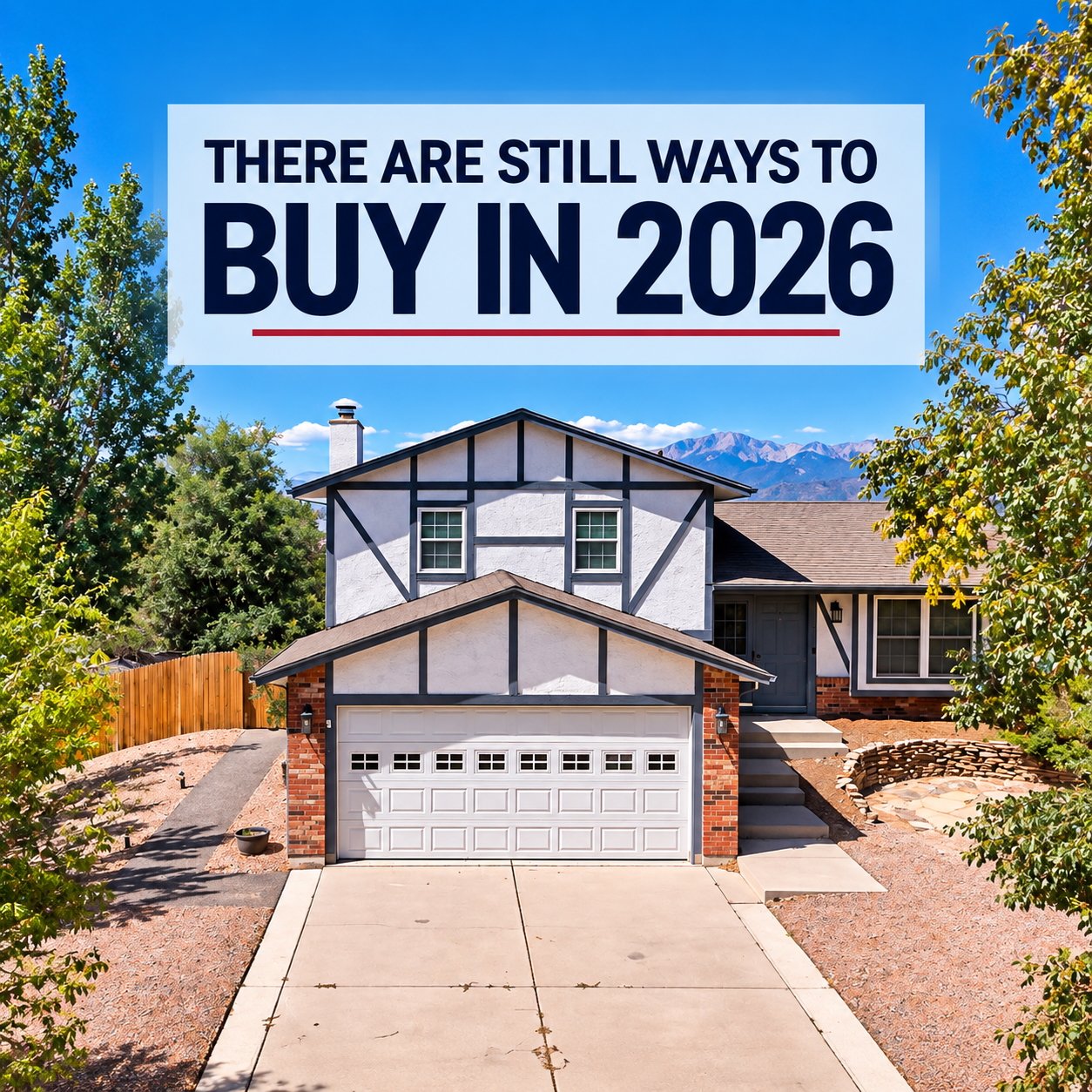
Mortgage Rates above 7%
Scott Coddington | September 16, 2026
buying-home-mortgage-rates-above-7-percent

Buying a Home in Colorado Springs
Scott Coddington | September 16, 2026
Everything You Need to Know About Financing, Neighborhoods, Negotiations, and Finding the Right Home in Colorado Springs and Beyond
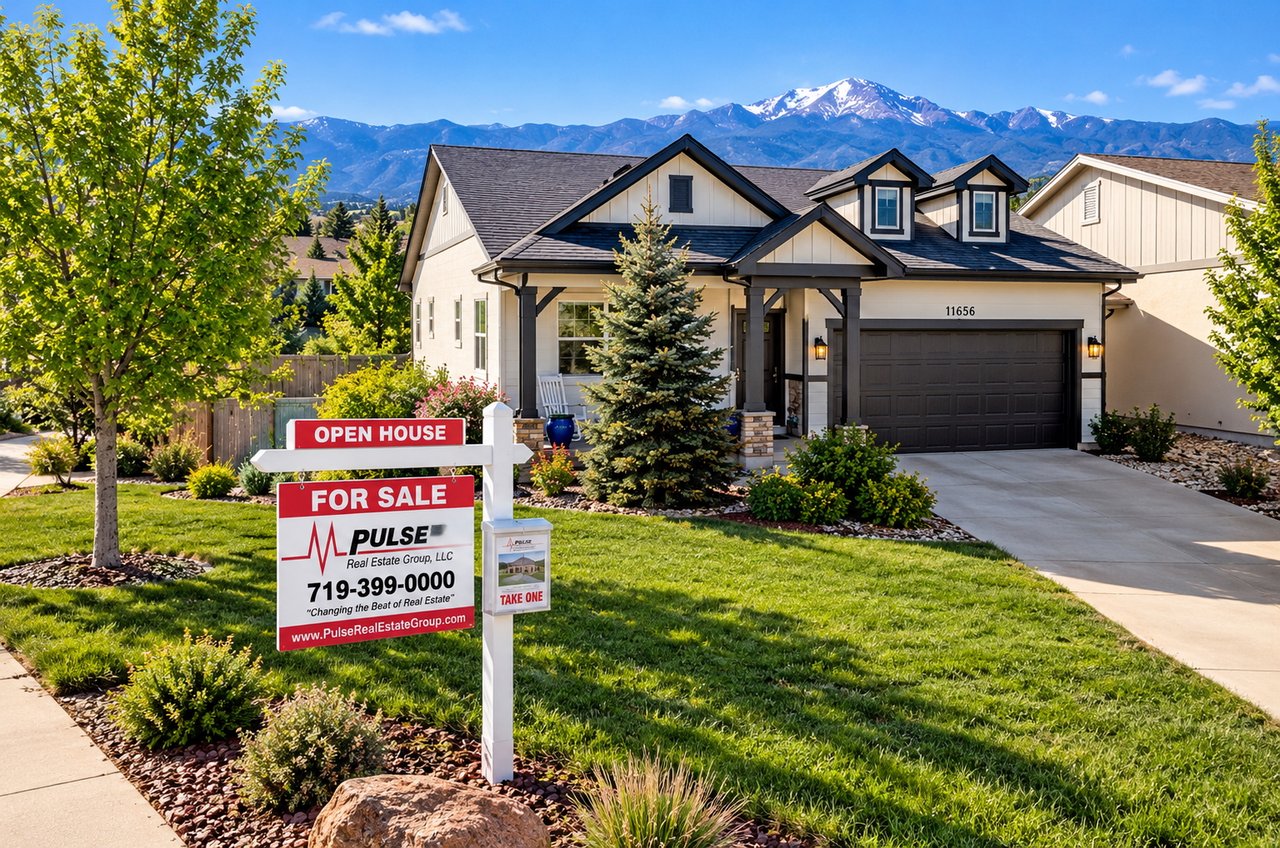
Selling a House in Colorado Springs : 2026 Seller's Guide
Scott Coddington | September 16, 2026
How to Prepare, Price, Market, Negotiate, and Successfully Sell Your Colorado Springs Home
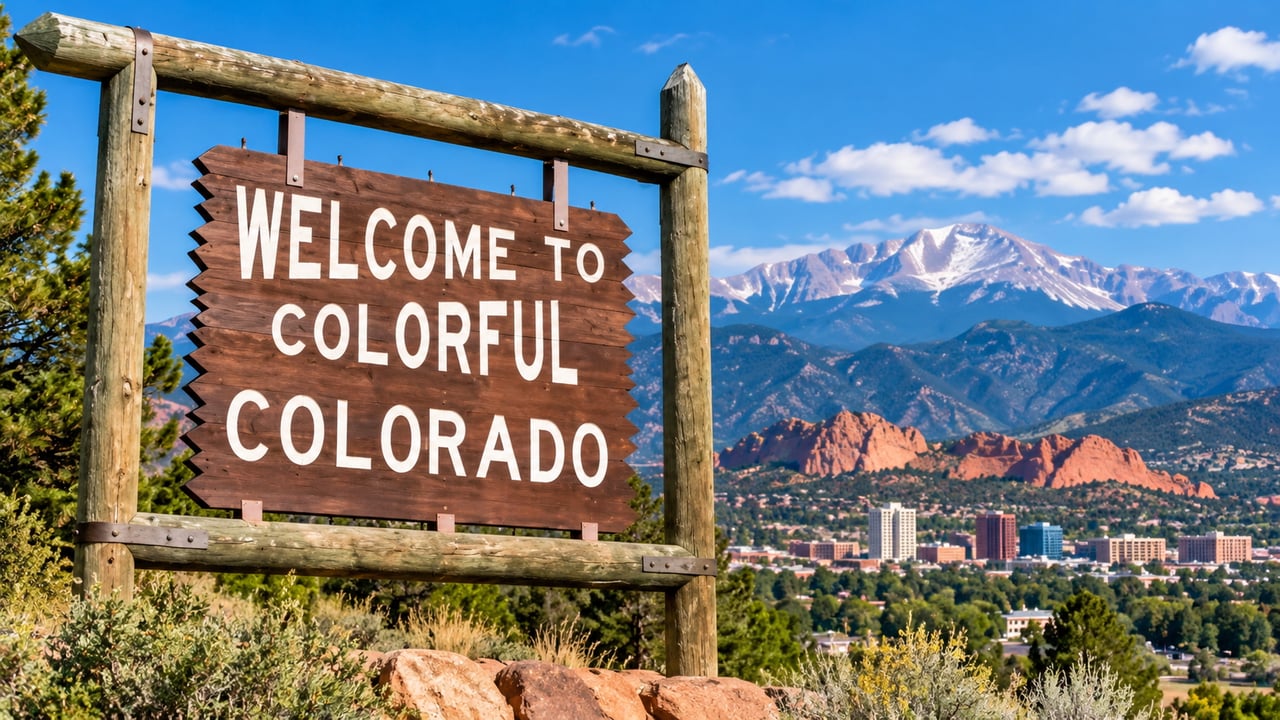
Colorado Springs Neighborhoods
Scott Coddington | September 16, 2026
Explore Briargate, Black Forest, Monument, Falcon, Fountain, Woodland Park, Pueblo West, and More to Find the Area That Fits Your Lifestyle, Budget, and Home Search

Colorado Springs Real Estate
Scott Coddington | September 16, 2026
Best Realtor in Colorado Springs: How to Choose the Right Real Estate Agent

Home Buying
Scott Coddington | September 11, 2026
What Buyers Need to Knoiw
August 6, 2026
July 16, 2026
May 21, 2026
June 18, 2026
February 12, 2026
December 11, 2025
January 22, 2026
April 2, 2026
April 9, 2026
January 15, 2026
March 26, 2026
August 6, 2026
March 24, 2026
April 23, 2026
April 16, 2026
May 14, 2026
June 11, 2026
July 2, 2026
December 25, 2025
June 25, 2026
May 7, 2026
March 5, 2026
June 4, 2026
March 12, 2026
May 28, 2026
February 26, 2026
January 1, 2026
February 19, 2026

November 27, 2025
December 4, 2025
February 5, 2026
Scott Coddington | January 14, 2026
January 8, 2026
November 27, 2025
December 18, 2025

November 21, 2025
Serving communities from Colorado Springs through Pueblo and Denver, west into the mountains or east to the plains, our team is here to help with all your real estate needs across Colorado’s Front Range.