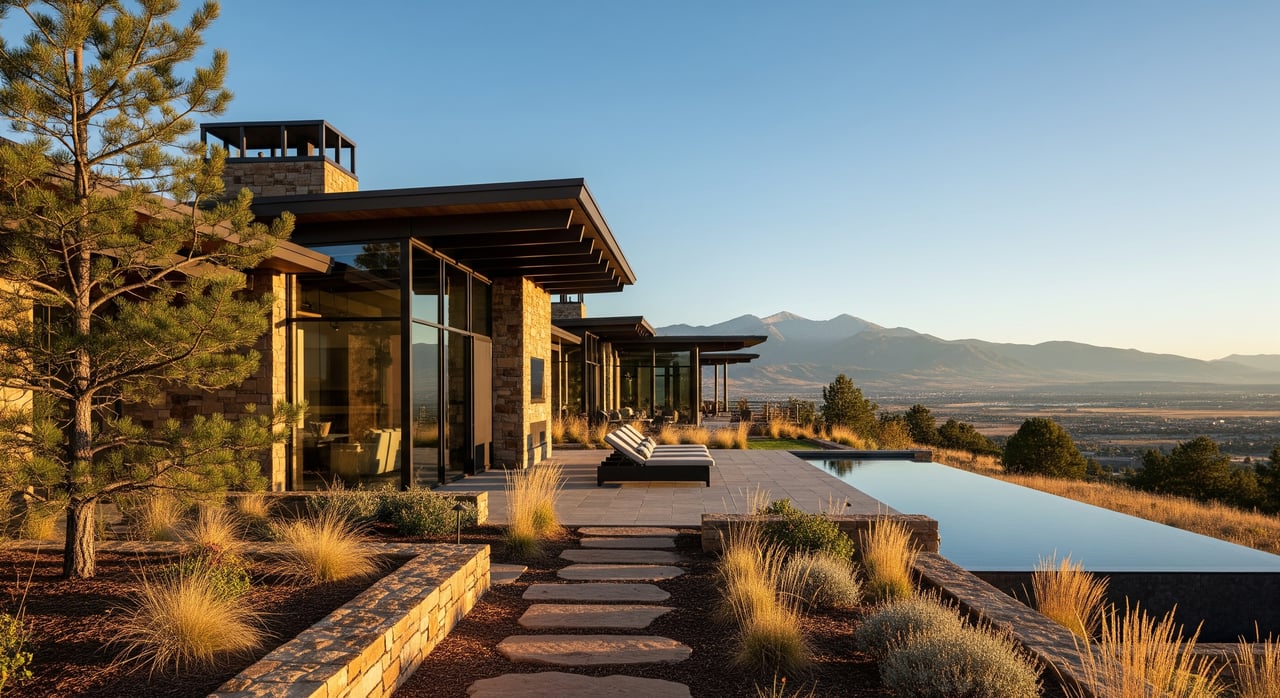
Monument vs Colorado Springs Living: Which Suits You?
December 4, 2025
December 4, 2025
Torn between Monument’s small‑town calm and Colorado Springs’ energy? If you are relocating to the Front Range or moving up for more space, the right choice comes down to daily life: commute, home style, schools, outdoor access, and services. This guide breaks those tradeoffs into clear, practical terms so you can act with confidence. You will get a side‑by‑side feel for both places, a decision checklist, and next steps to make choosing easier. Let’s dive in.
Monument sits just north of Colorado Springs along I‑25. It feels smaller and quieter, with many newer subdivisions and larger lots. Colorado Springs is the regional hub with a wide mix of neighborhoods, cultural amenities, and a broader job base.
You may prefer Monument if you want a slower pace, newer homes, and a bit more space between neighbors. Many neighborhoods are single‑family and planned, often with HOAs. The Tri‑Lakes setting offers a peaceful, residential feel while keeping access to the city nearby.
You may prefer Colorado Springs if you want more neighborhood variety, shorter drives to major hospitals and large employers, and more options for dining, culture, and entertainment. You will find historic areas, mid‑century homes, and newer planned communities, plus condos and townhomes in several parts of the city.
I‑25 is the main north–south route that connects Monument and Colorado Springs. Your direction of travel matters. If you work in Colorado Springs, a Monument address means a southbound I‑25 commute. If you work toward Denver, Monument can shorten your northbound drive compared to most Colorado Springs neighborhoods.
Inside the city, you will find more walkable pockets and public transit coverage. The city operates Mountain Metro Transit, and there are regional options serving the corridor, though many commuters still drive. For system maps and broader city transportation resources, start with the City of Colorado Springs.
Quick commute tips
Monument skews toward single‑family homes, many in newer subdivisions with contemporary or mountain‑influenced styles. Lots tend to be larger, which can be great if you want a yard for play, pets, or privacy. HOAs are common and help maintain amenities and neighborhood standards.
Colorado Springs offers more variety across price points and property types. You will find historic bungalows in central areas, mid‑century ranch homes in many established neighborhoods, plus townhomes, condos, and master‑planned communities. This diversity can create more choice and flexibility for future resale and move‑up paths.
Both areas are in El Paso County. Property tax rates are set by county and local districts, and actual bills depend on assessed value. Monument’s newer construction and larger lots often come with higher purchase prices, which can raise the total tax bill even if the mill levy is similar. HOA dues and utility costs vary by neighborhood, so include those in your monthly budget.
Pro tip: before you decide, have your agent pull current sold comps, days on market, and a neighborhood‑level snapshot for both Monument and the Colorado Springs areas you like. Review HOA documents and fees early.
Monument is largely served by Lewis‑Palmer School District 38. Colorado Springs includes multiple districts with a range of programs and campuses. Because attendance boundaries and program options can vary by block, it is important to verify the assigned school for any home you consider.
Use the Colorado Department of Education to review district and school report cards. For early education, Colorado Springs offers a wider supply of daycare centers and preschools due to its size, while Monument has local options with a smaller overall inventory.
How to compare
If you love backyard space and quieter trailheads, Monument and the Tri‑Lakes area offer neighborhood trails, local open space, and quick access to the Palmer Divide. Many families choose Monument for the relaxed outdoor feel close to home.
Colorado Springs brings big‑name outdoor destinations within city limits. Garden of the Gods is a world‑class park for hiking and views, with details from the Garden of the Gods Visitor & Nature Center. You will also find canyon parks, extensive trail systems, and open spaces that are easy to reach. For statewide planning and seasonal tips, check Colorado Parks and Wildlife.
Crowds vary by destination. Monument trailheads tend to be less busy than popular Colorado Springs spots on weekends. If crowding stresses you, map several backup trailheads with similar mileage and elevation for busy times.
Colorado Springs has the region’s largest concentration of shopping centers, restaurants, cultural venues, and medical facilities. Major hospital systems, including UCHealth Memorial Hospital, are based in the city. Many Monument residents use these facilities for hospital‑level or specialty care.
Monument has growing retail nodes anchored by grocery and everyday services. For specialty retail or larger entertainment options, you will likely drive into Colorado Springs. Think about your weekly routine and list the places you visit most often before you choose.
Both Monument and Colorado Springs have neighborhoods near the wildland‑urban interface. Wildfire risk and mitigation are an important part of homeownership here. Review local guidance on defensible space and building materials through El Paso County wildfire mitigation resources. Confirm insurance availability and premiums early in your search.
Localized flooding and drainage issues can vary by neighborhood. Use the FEMA Flood Map Service Center to evaluate parcel‑level flood risk. For safety questions, review local police department data and recent trends for the neighborhoods you are considering.
Winter weather and elevation are part of daily life in both places. Roads can be icy and trails can be seasonal. Plan for snow equipment and talk with your agent about neighborhood‑specific plowing patterns.
Colorado Springs’ larger market typically provides higher turnover and a wider range of buyers. That can help with future resale timing. Monument can be more inventory‑constrained for certain property types, like larger lots with newer construction, which can support steady demand but may reduce the number of buyers for highly specific homes.
Check town and city planning documents for roadway improvements or new commercial nodes that could change traffic or convenience. Ask your agent for a neighborhood‑level appreciation view and recent turnover metrics before you commit.
Use this list during area tours and while reviewing homes.
If you want local, boutique guidance with modern reach, connect with Scott Coddington for a short discovery call or a personalized area tour. We will map neighborhoods to your commute and school goals, pull live comps, and help you choose the community that fits your life.
Stay up to date on the latest real estate trends.

Fall Home Maintenance

Southern Colorado Activities
Halloween Events, Fall Festivals, Family Activities & Things to Do in Colorado Springs, Pueblo & Pueblo West
Pumpkin patches and fall festivals
Moving to Colorado Springs
Moving to Colorado Springs

Hiking
The Manitou Incline

Southern Colorado Activities
Live Music, Pumpkin Patches, Family Activities & Fall Fun in Colorado Springs, Pueblo & Pueblo West
Serving communities from Colorado Springs through Pueblo and Denver, west into the mountains or east to the plains, our team is here to help with all your real estate needs across Colorado’s Front Range.