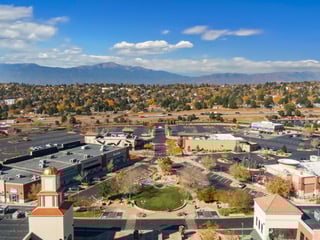
613,448 people live in Colorado Springs, where the median age is 35.8 and the average individual income is $43,826. Data provided by the U.S. Census Bureau.
Total Population
Median Age
Population Density Population Density This is the number of people per square mile in a neighborhood.
Average individual Income
Colorado Springs is a city of dramatic contrasts—where Victorian elegance meets military precision, and prairie grasslands collide with 14,000-foot peaks. At 6,035 feet elevation, it's Colorado's largest city by area and second-largest by population, stretching from the Rampart Range foothills to the edge of the Great Plains. The city blends Olympic-level athleticism, deep military roots, and an unpretentious outdoor lifestyle. This is where world-class athletes train on public trails, where five military installations anchor the economy, and where 300 days of annual sunshine make "casual Friday" the permanent dress code.
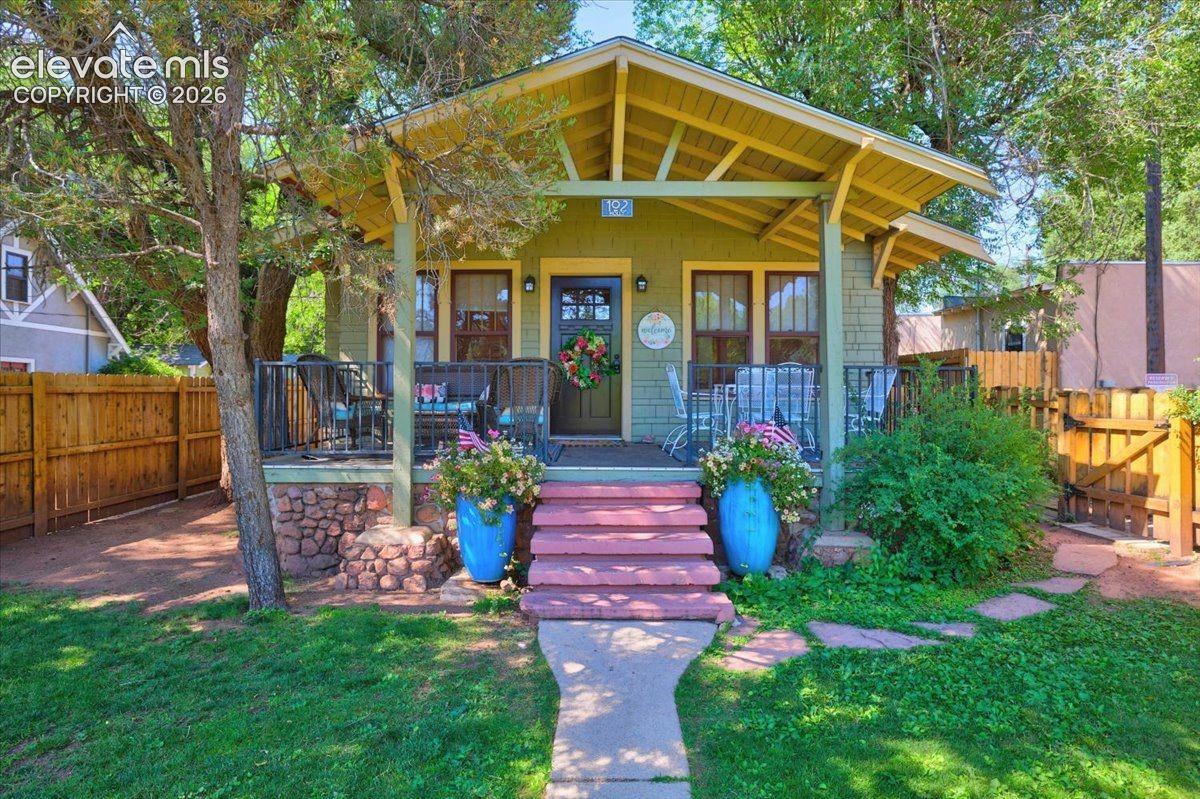
Founded in 1871 by General William Jackson Palmer as a meticulously planned resort town, Colorado Springs was designed to be a "civilized oasis"—not a chaotic mining camp. Palmer's vision created "Little London," attracting wealthy English settlers and establishing a sophisticated culture that still influences the Old North End's Victorian architecture today.
The 1891 Cripple Creek gold strike flooded the city with wealth, funding opulent mansions and infrastructure expansion. Simultaneously, the dry climate and 300+ days of sunshine transformed Colorado Springs into a world-renowned tuberculosis treatment destination, bringing modern sanatoriums and medical facilities.
Post-WWII military expansion fundamentally reshaped the city. The 1958 opening of the U.S. Air Force Academy introduced striking modernist architecture, particularly the iconic Cadet Chapel. Military installations now occupy vast land areas—Fort Carson to the south, Cheyenne Mountain's nuclear bunker to the west—and define the city's economic and cultural identity.
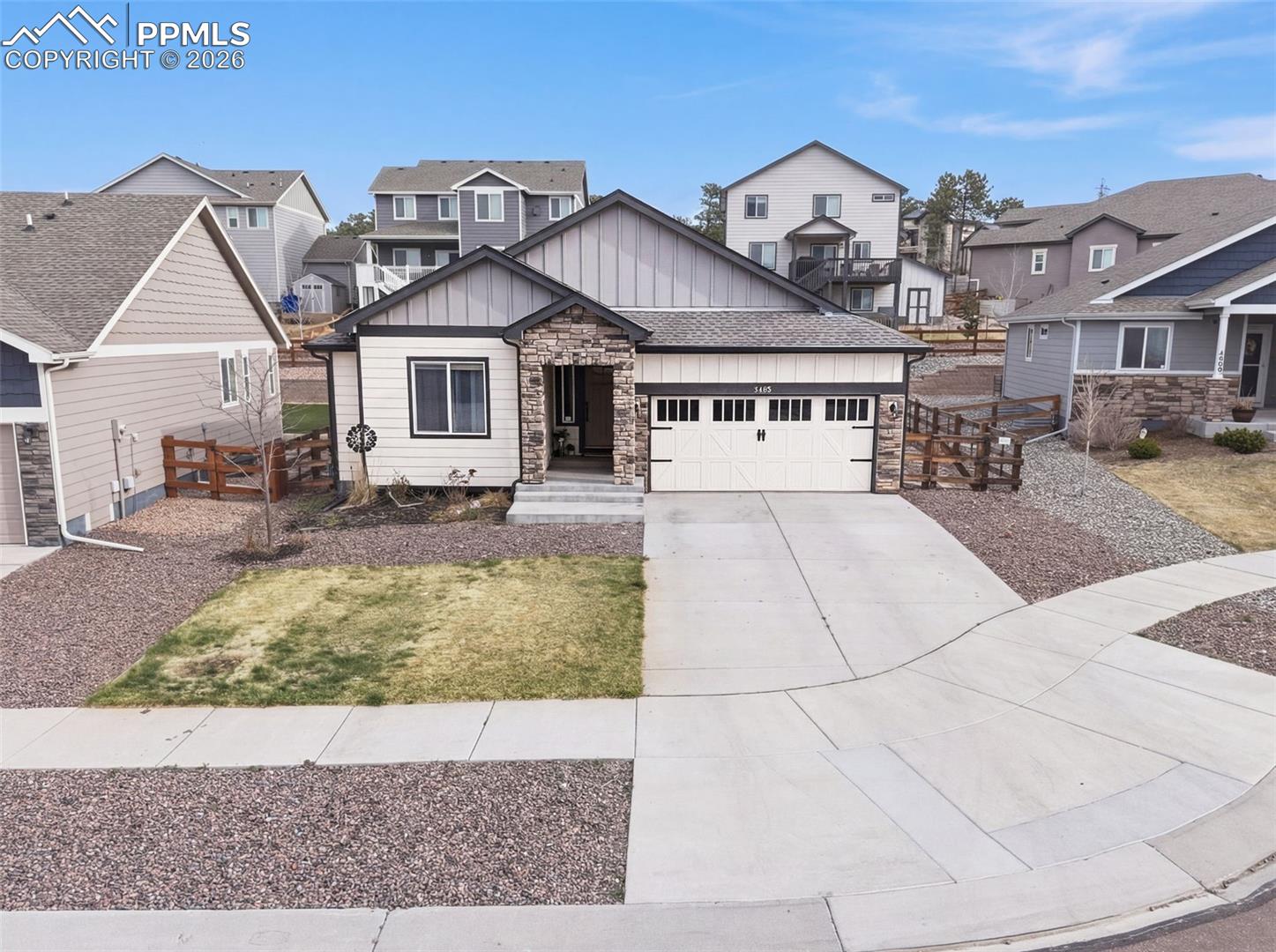
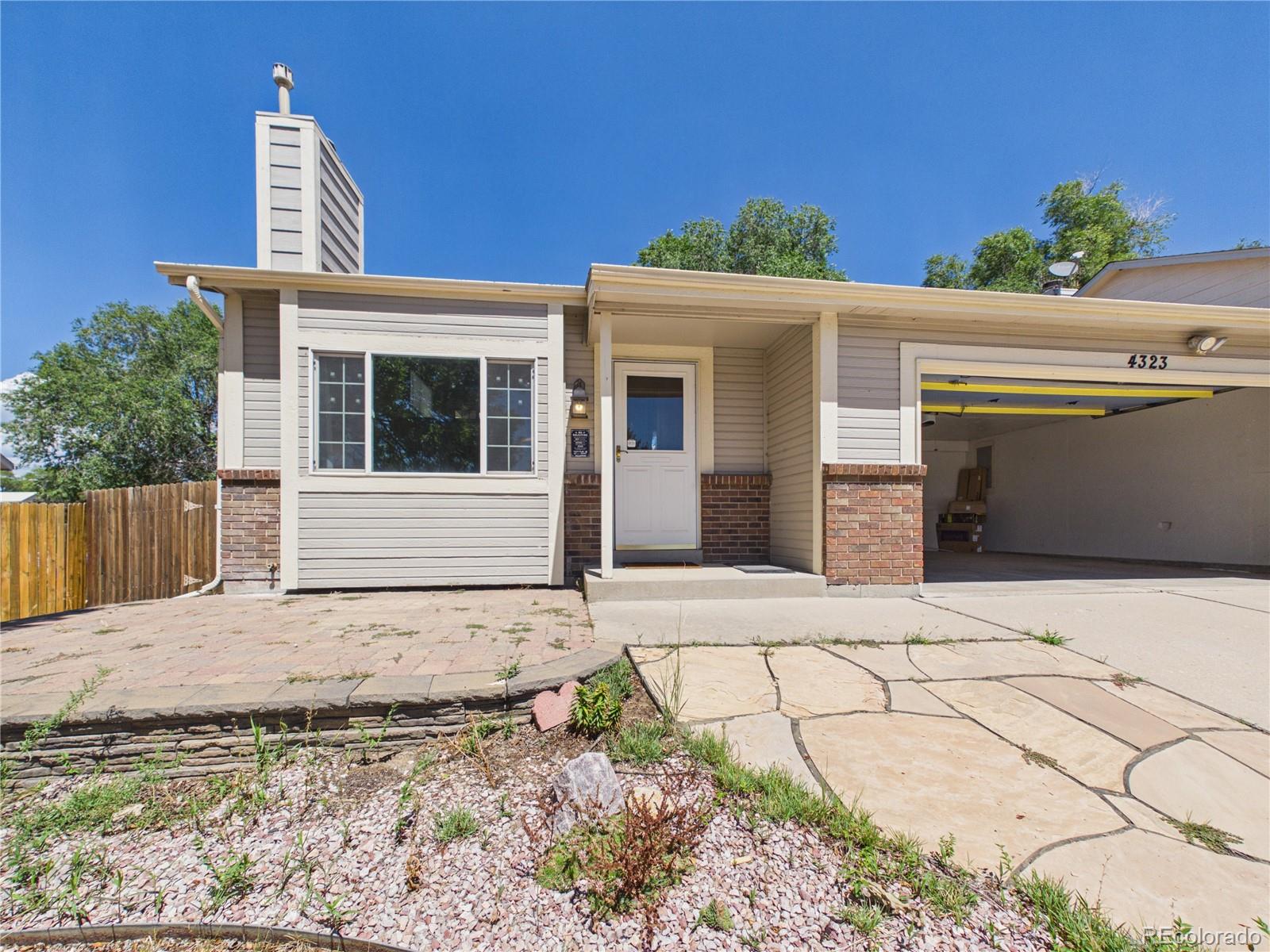
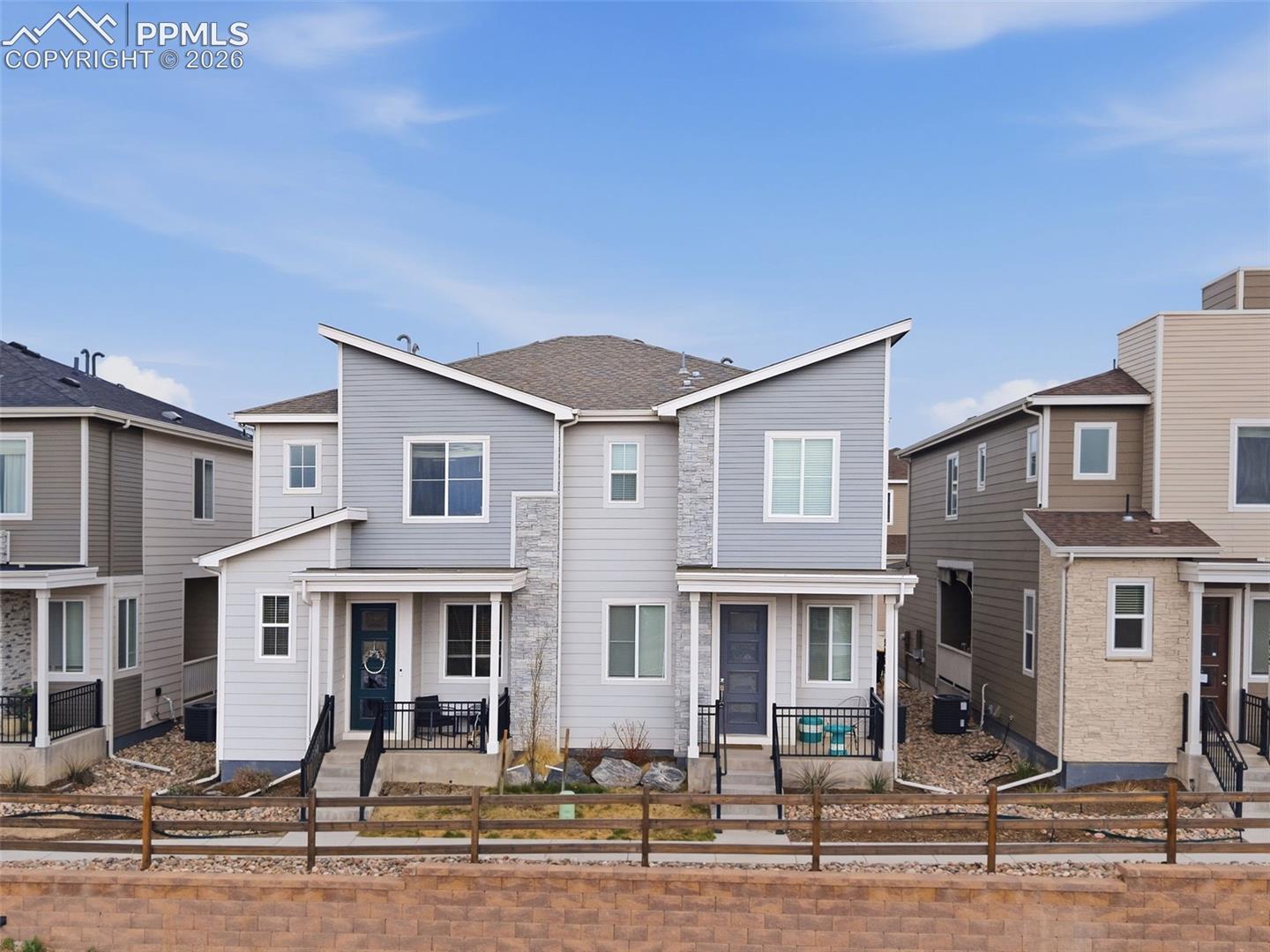
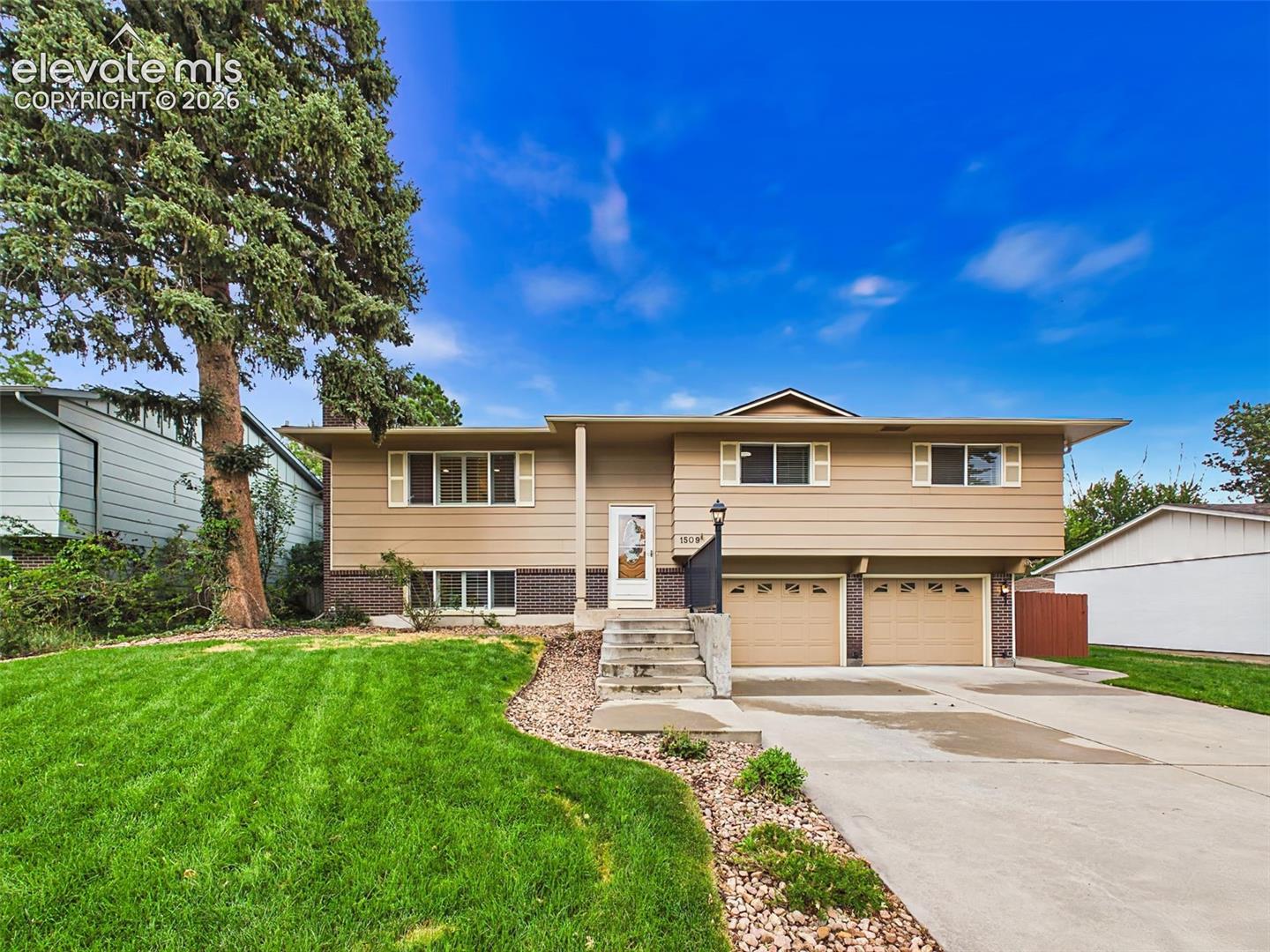
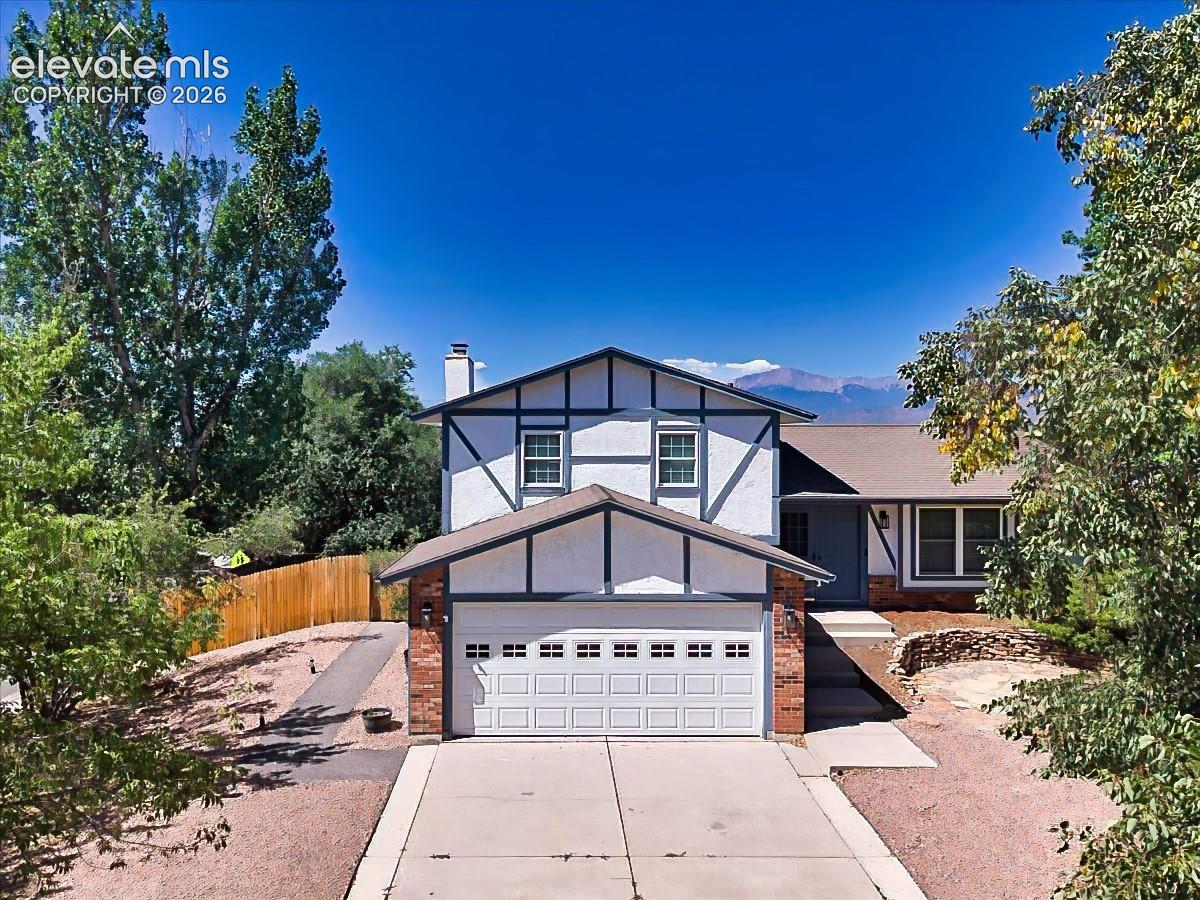
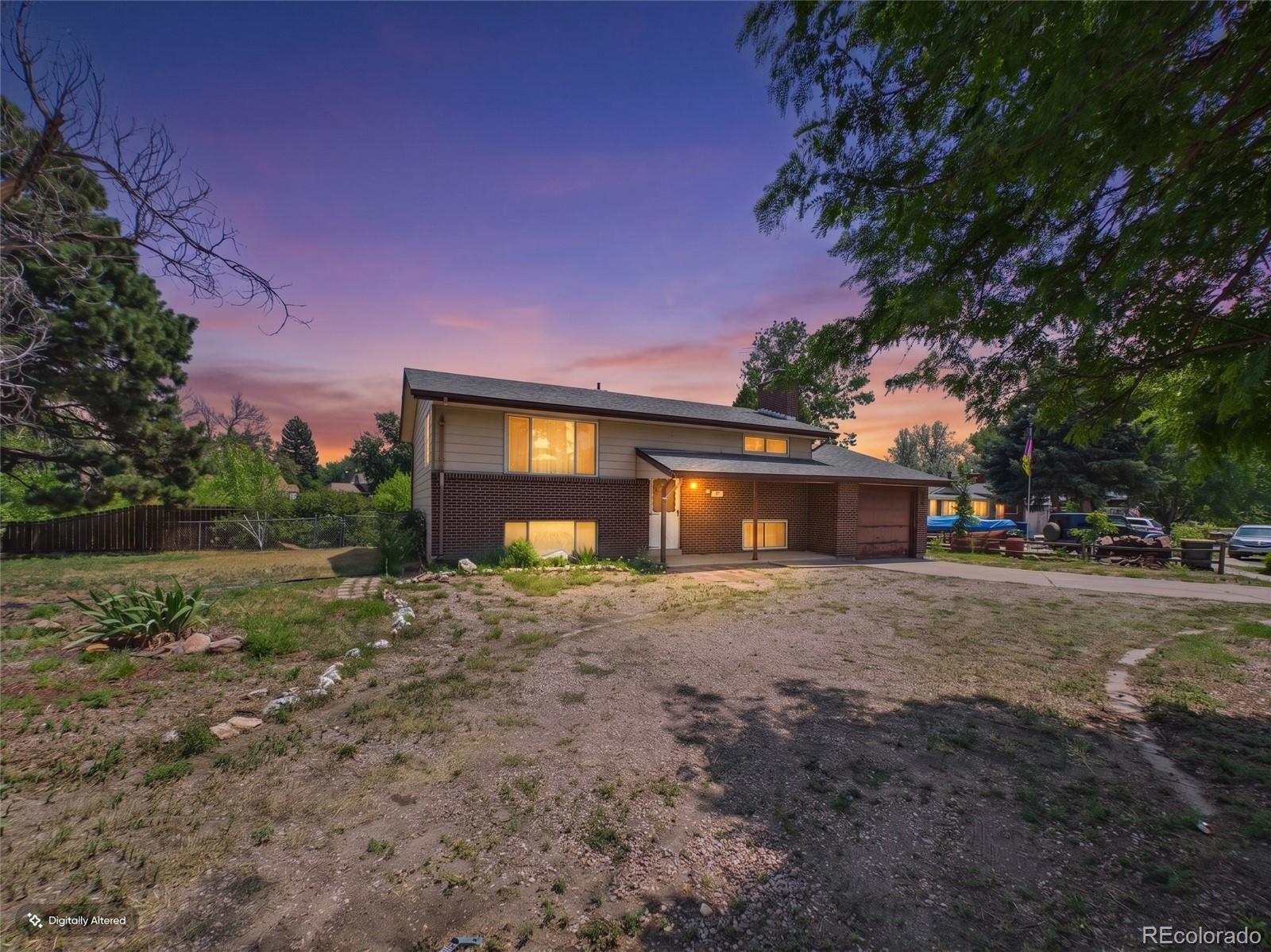
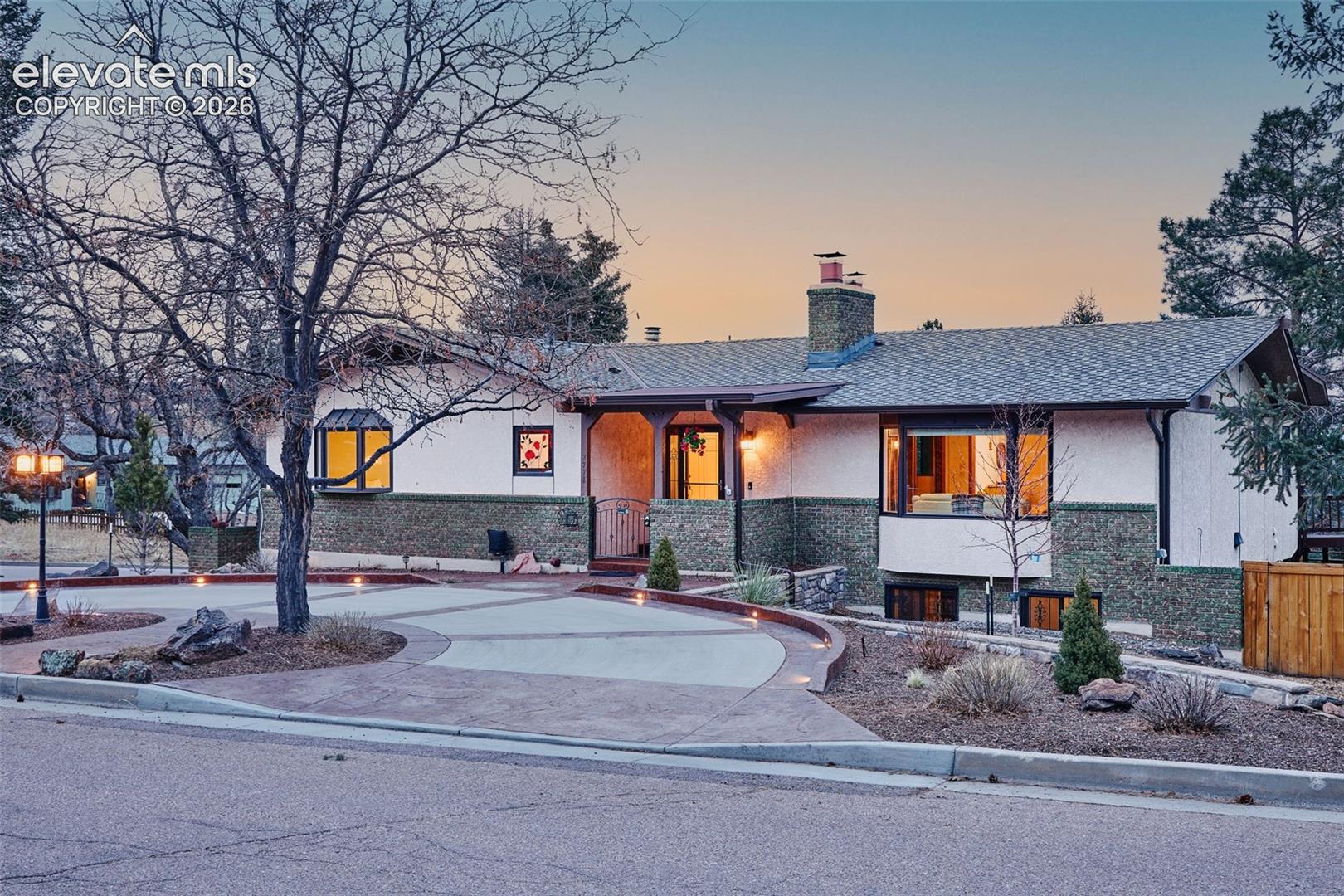
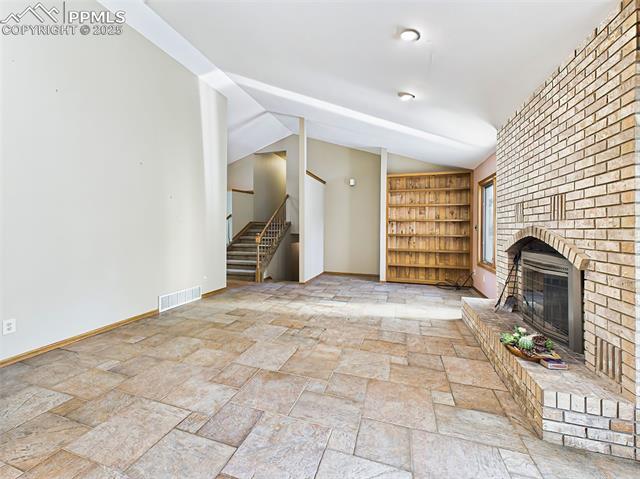
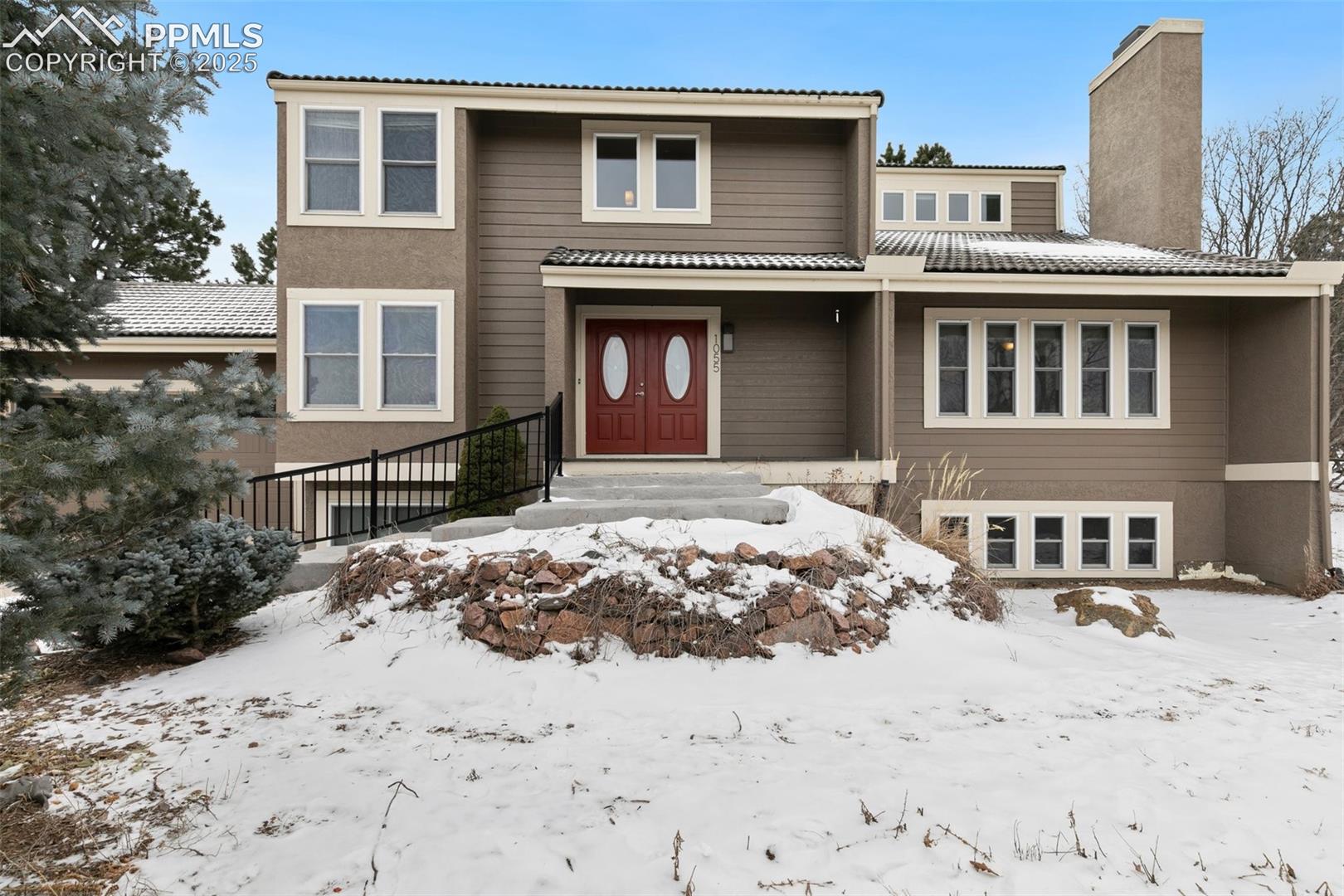
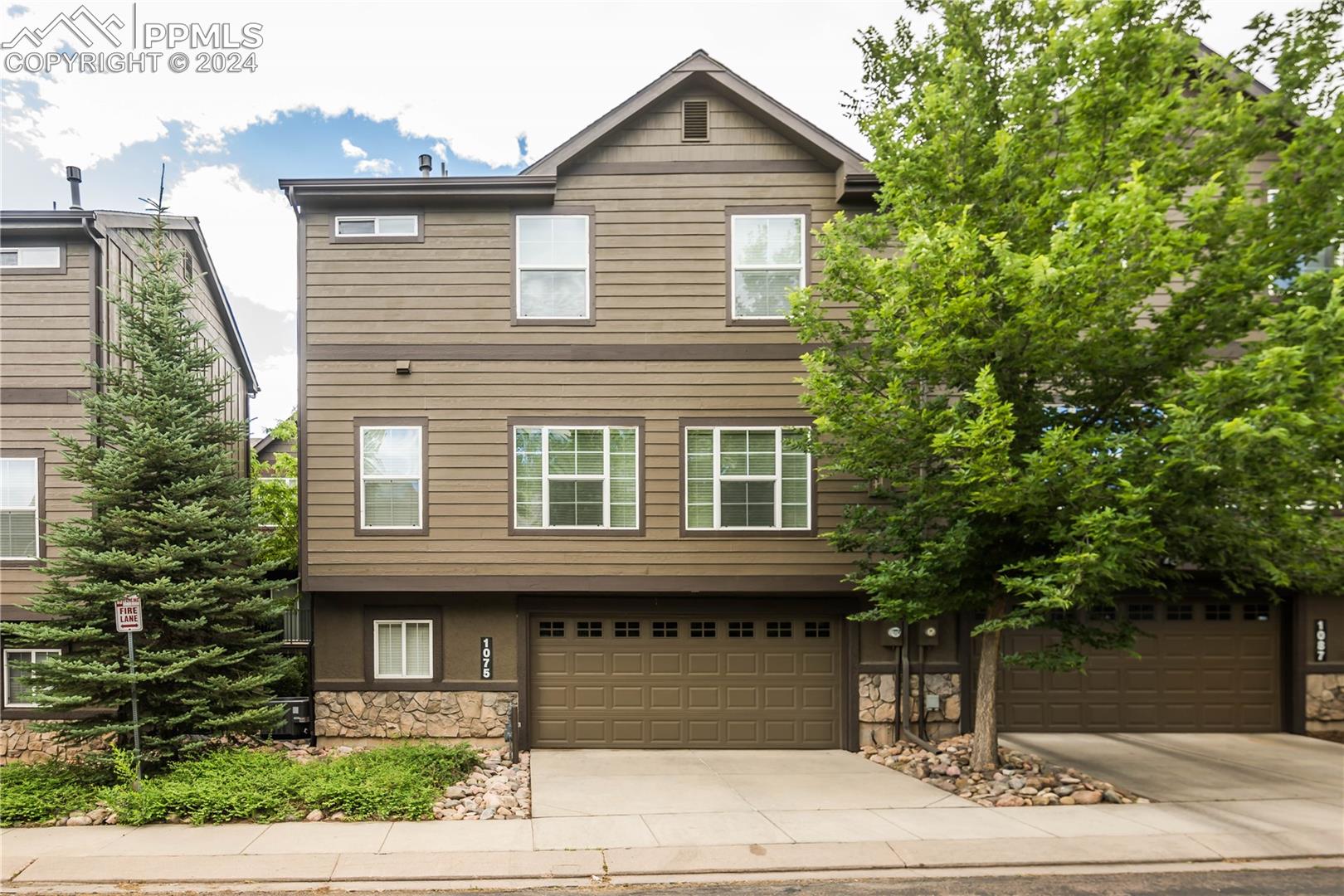
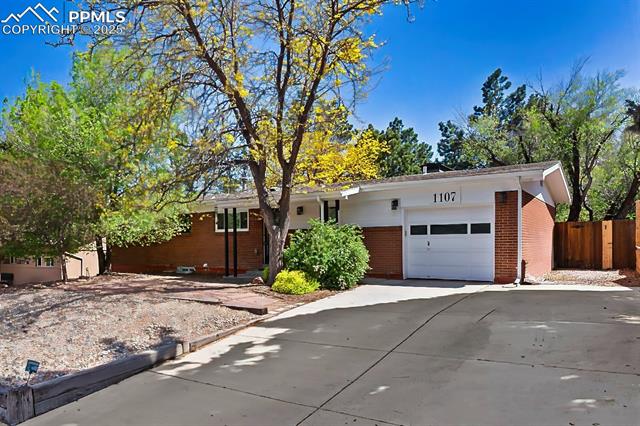
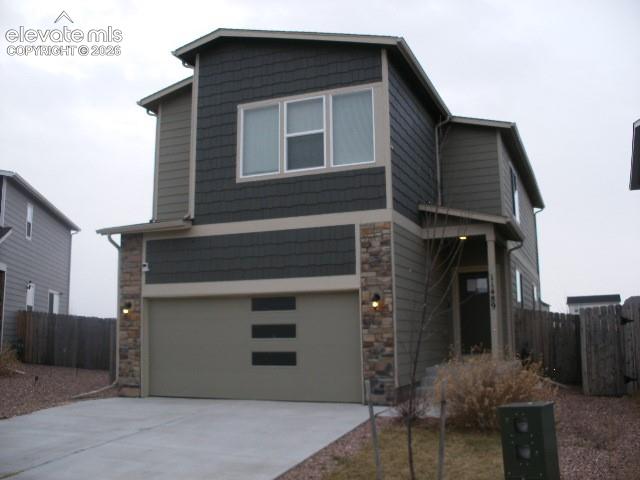
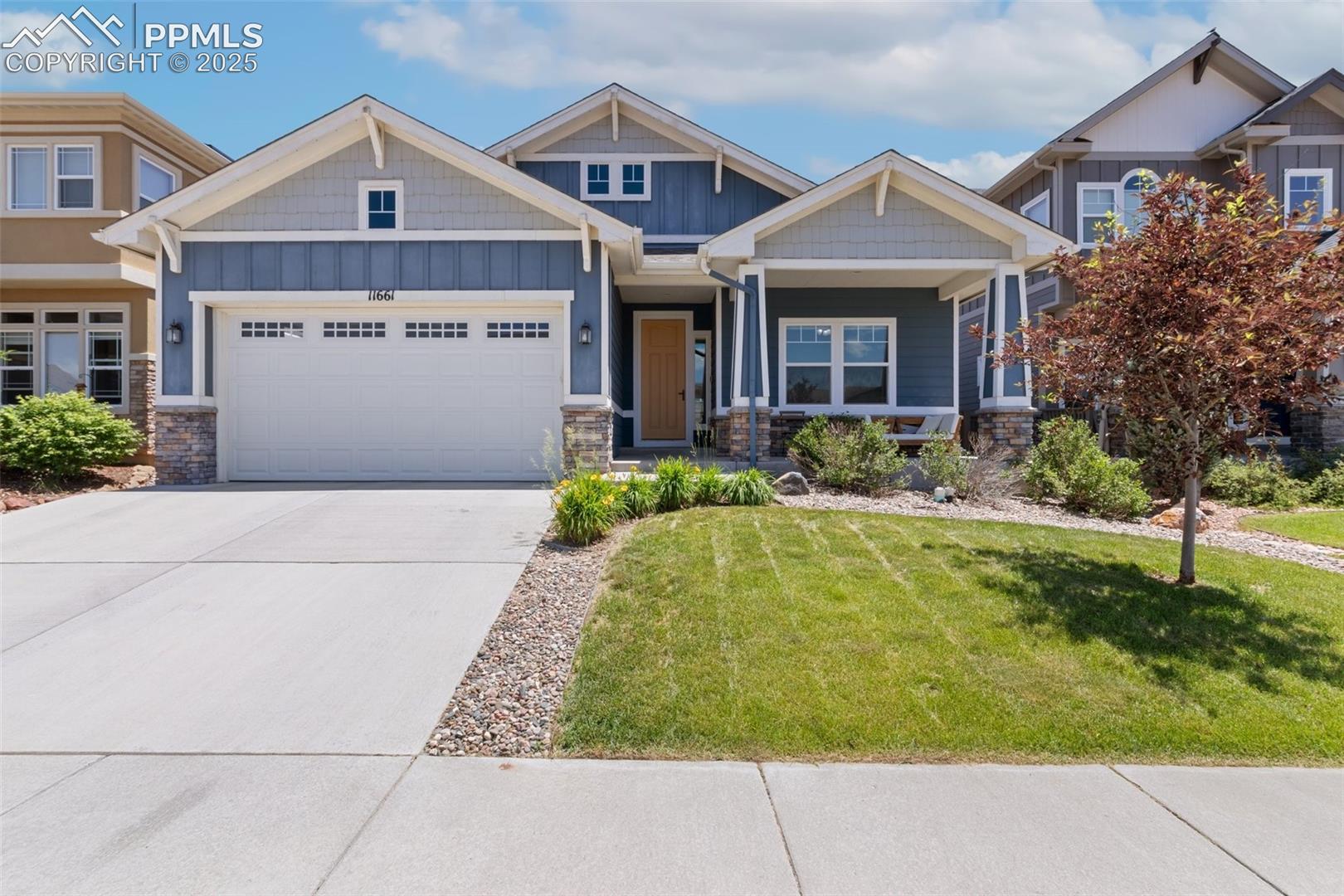
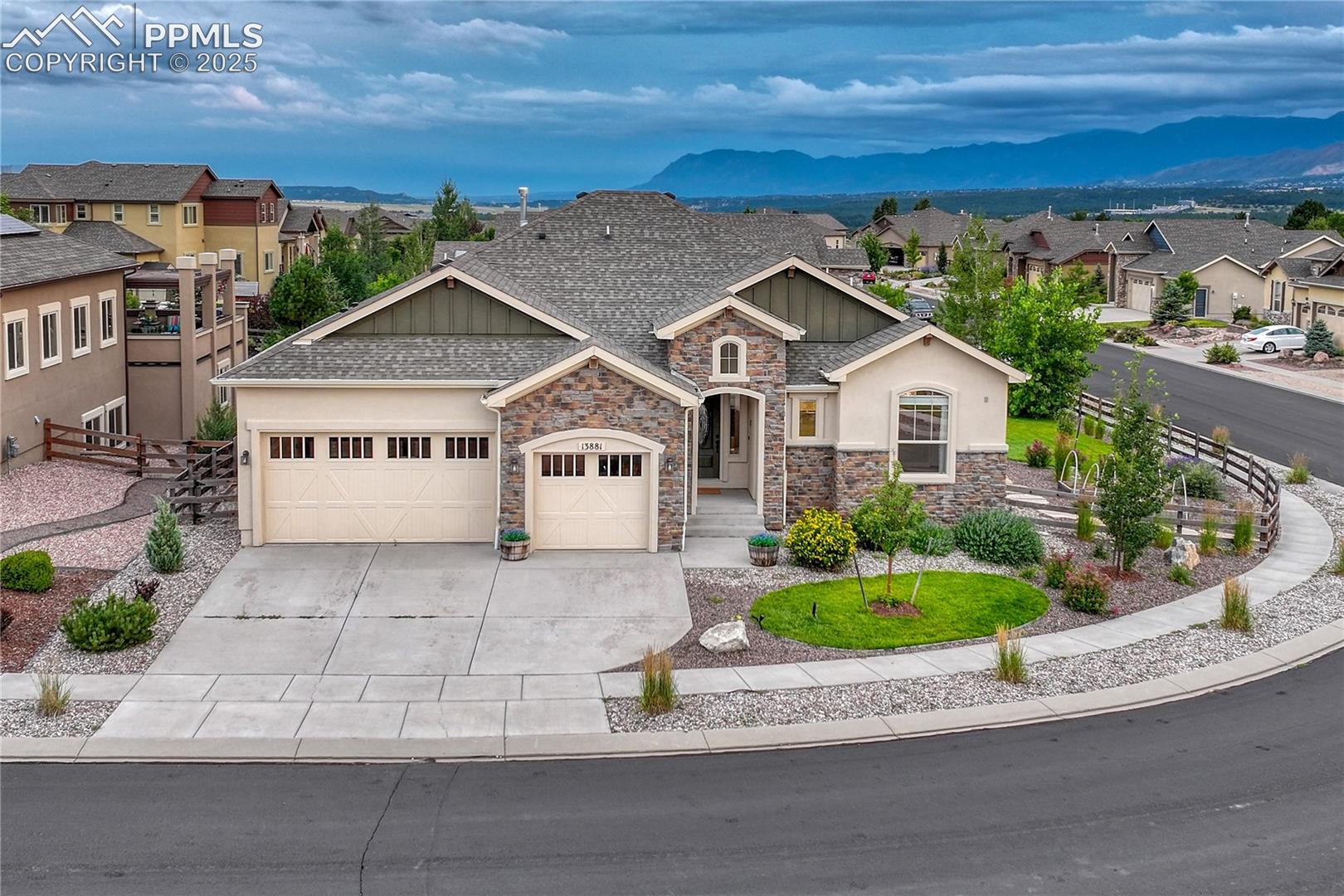
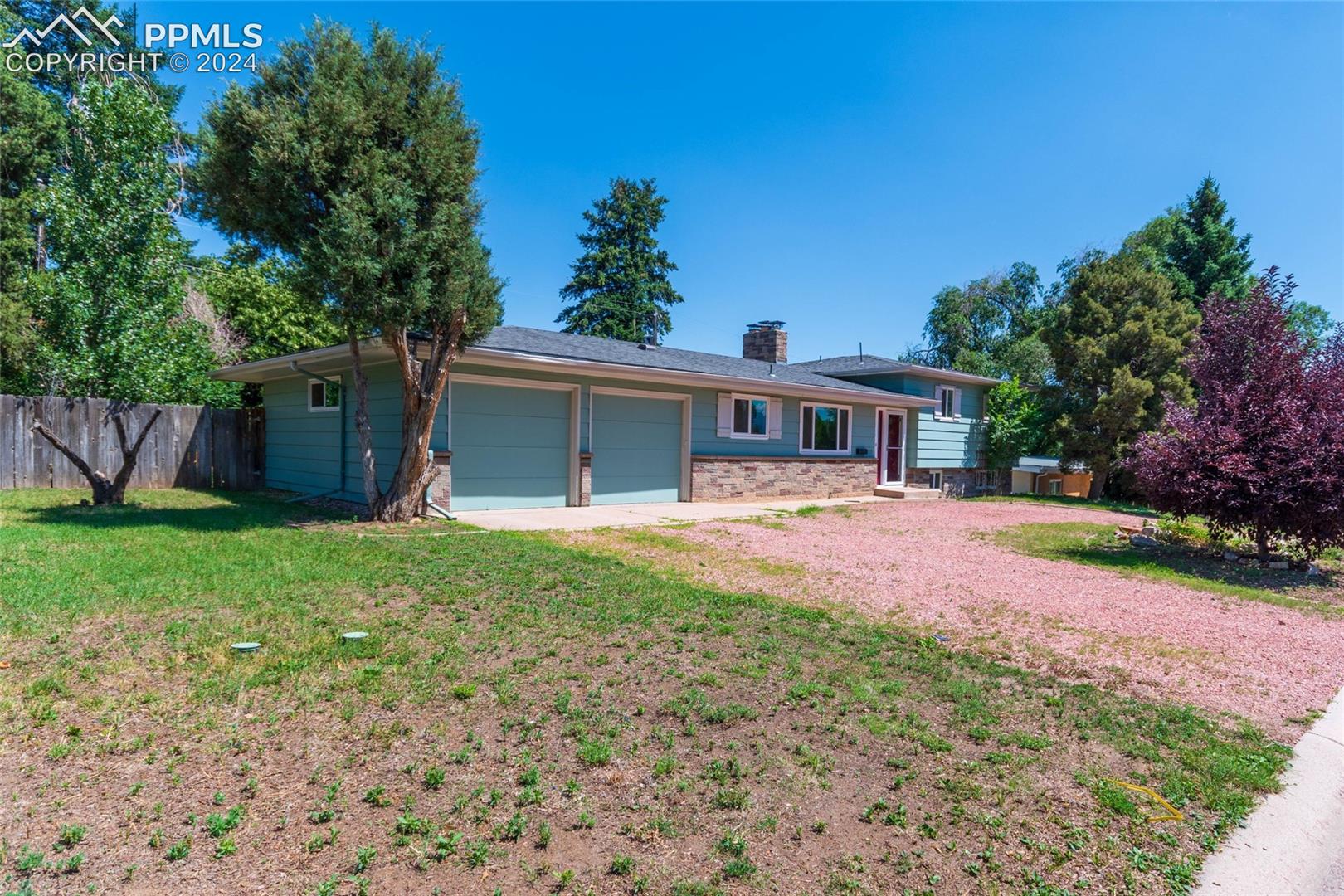
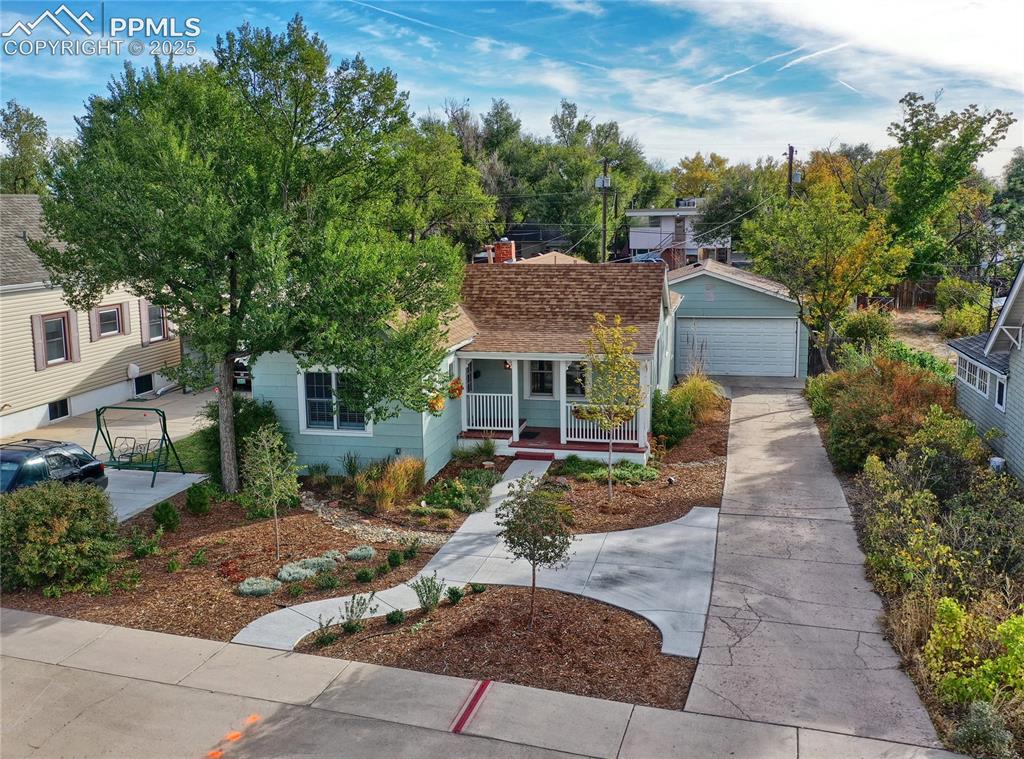
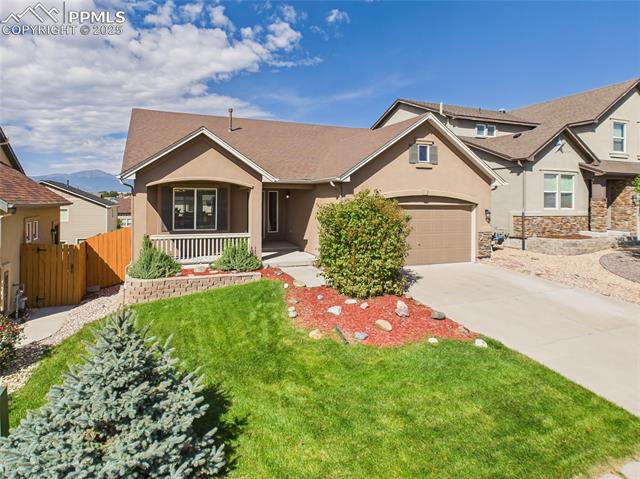
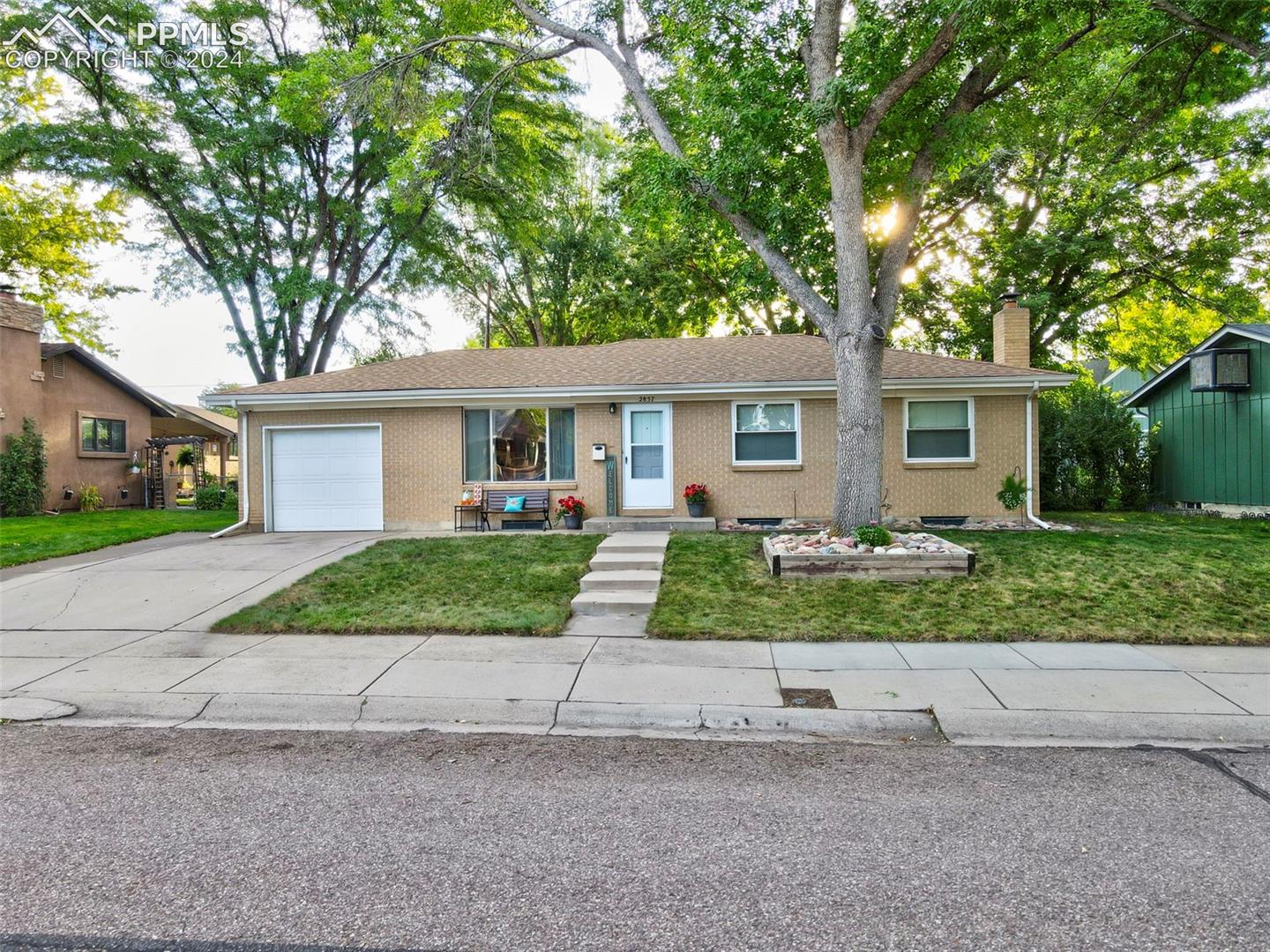
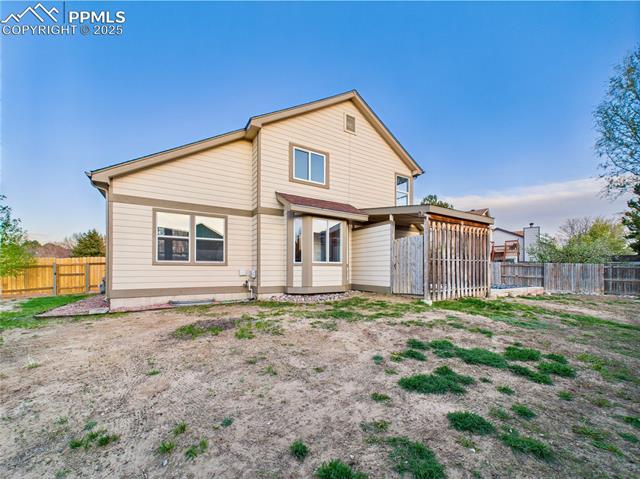
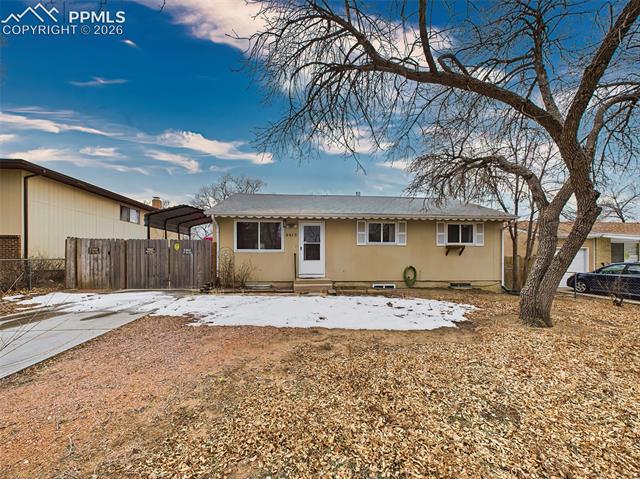
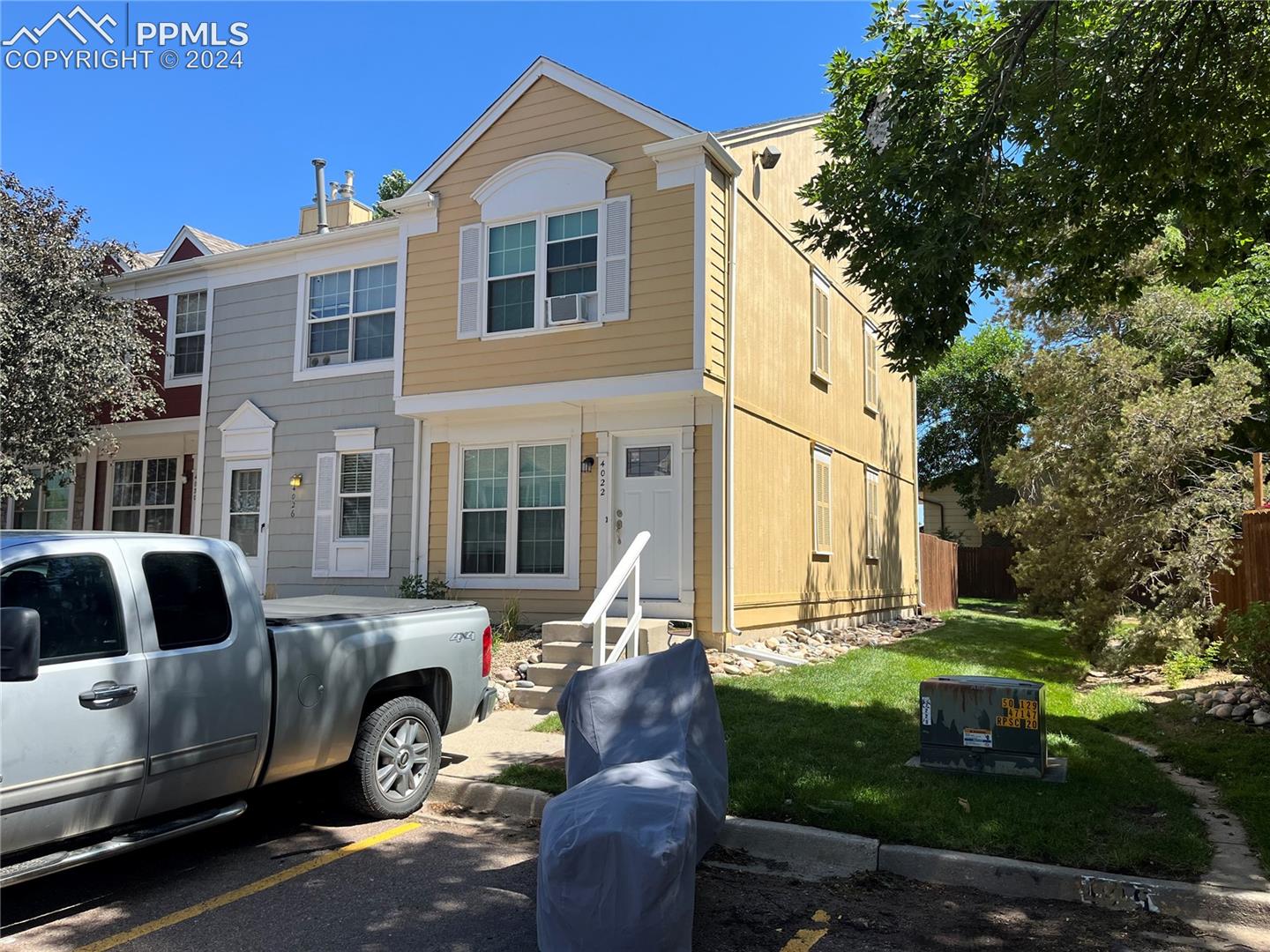
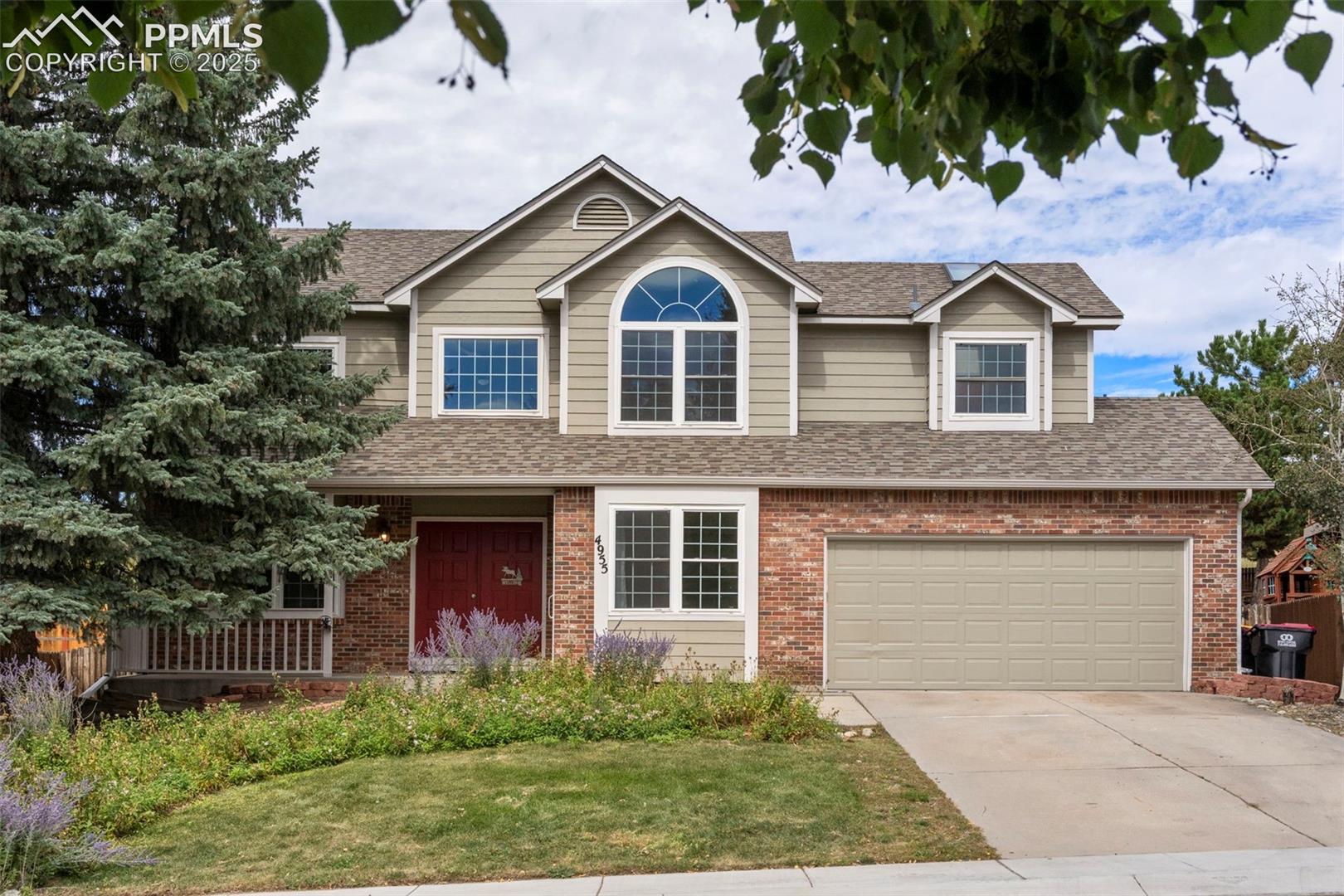
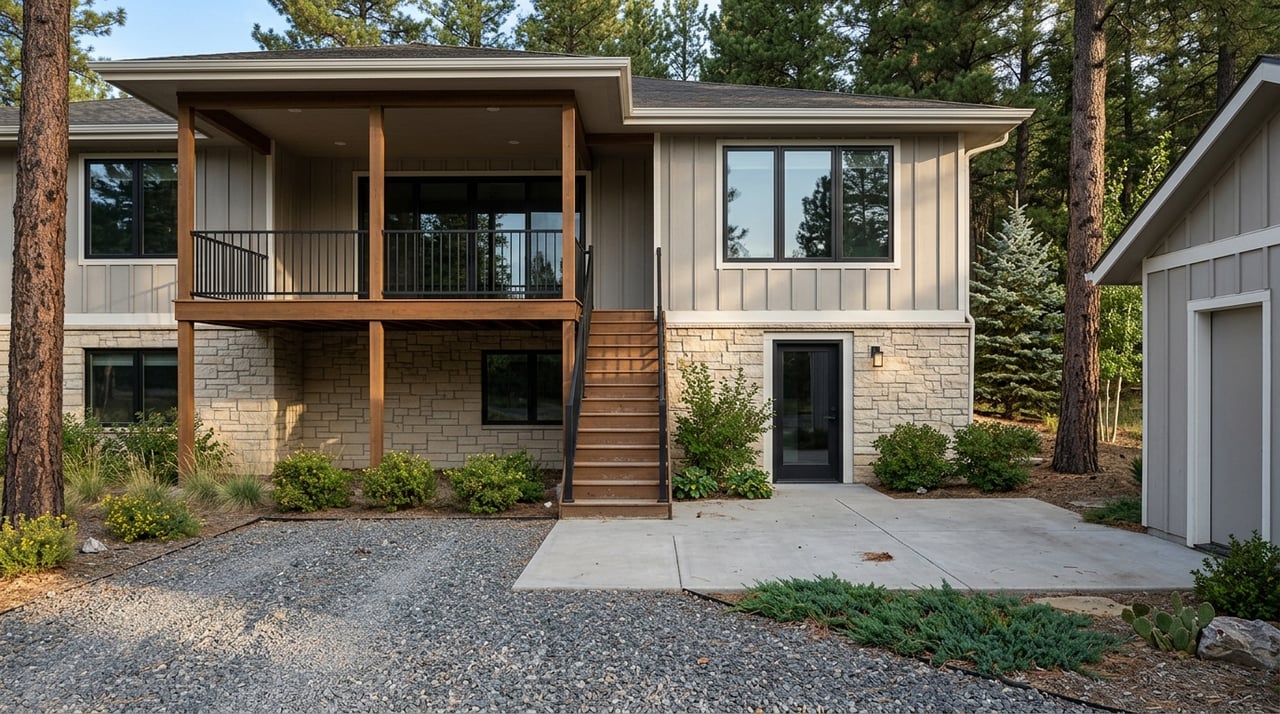
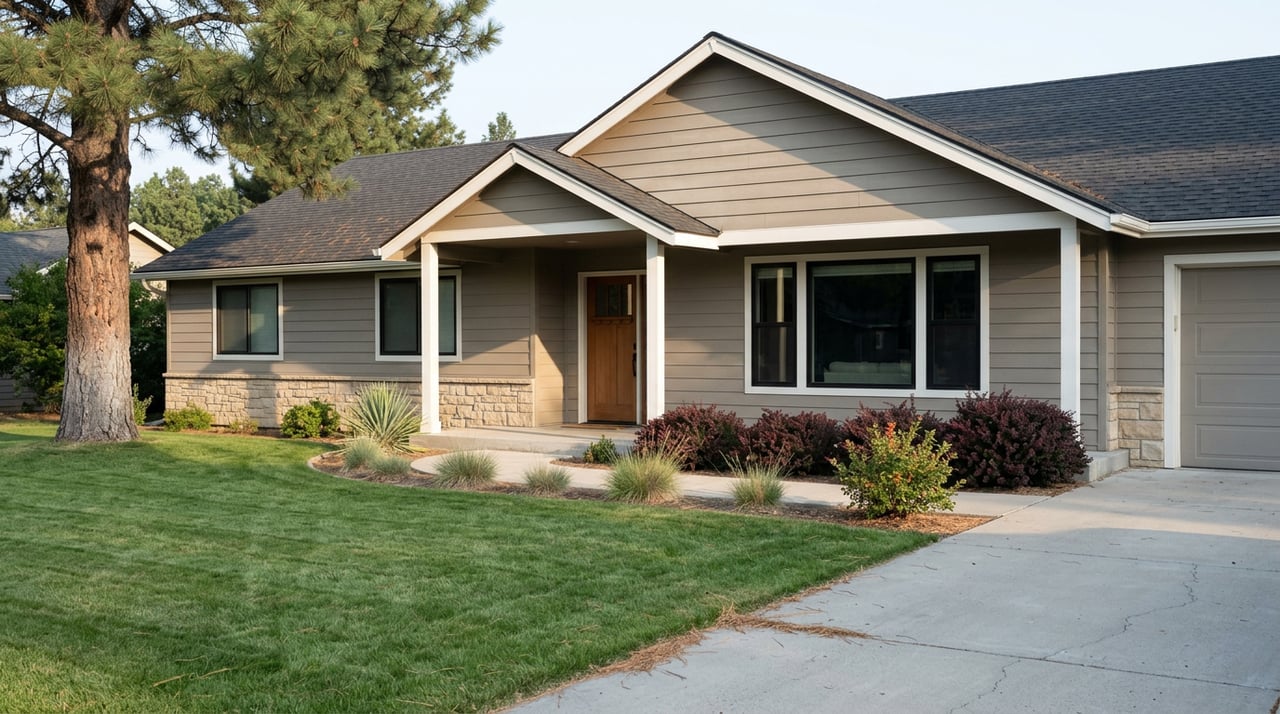
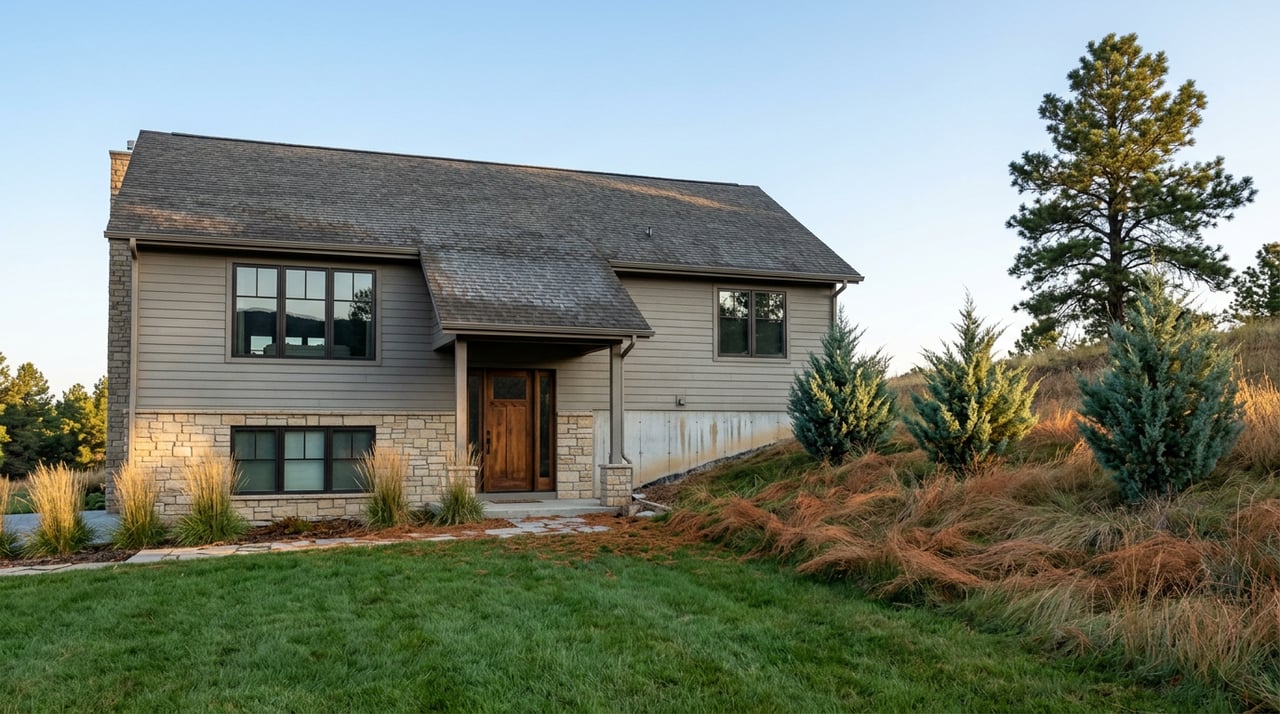
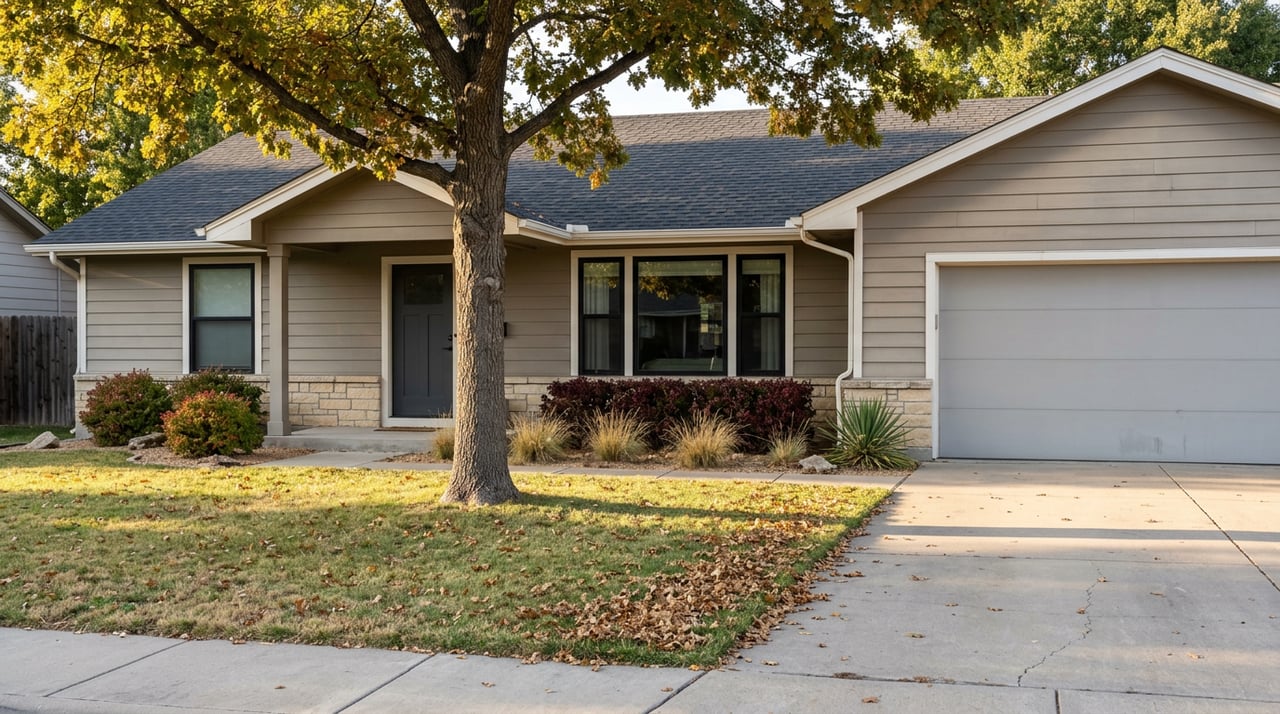
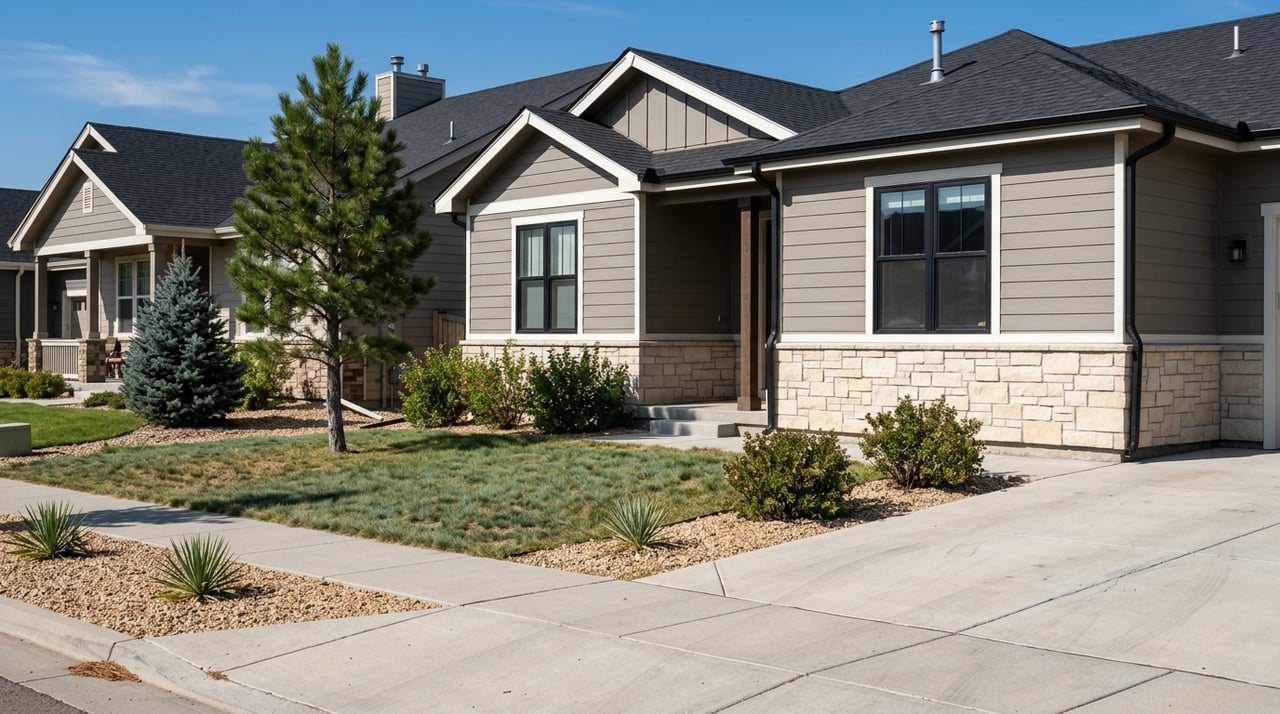
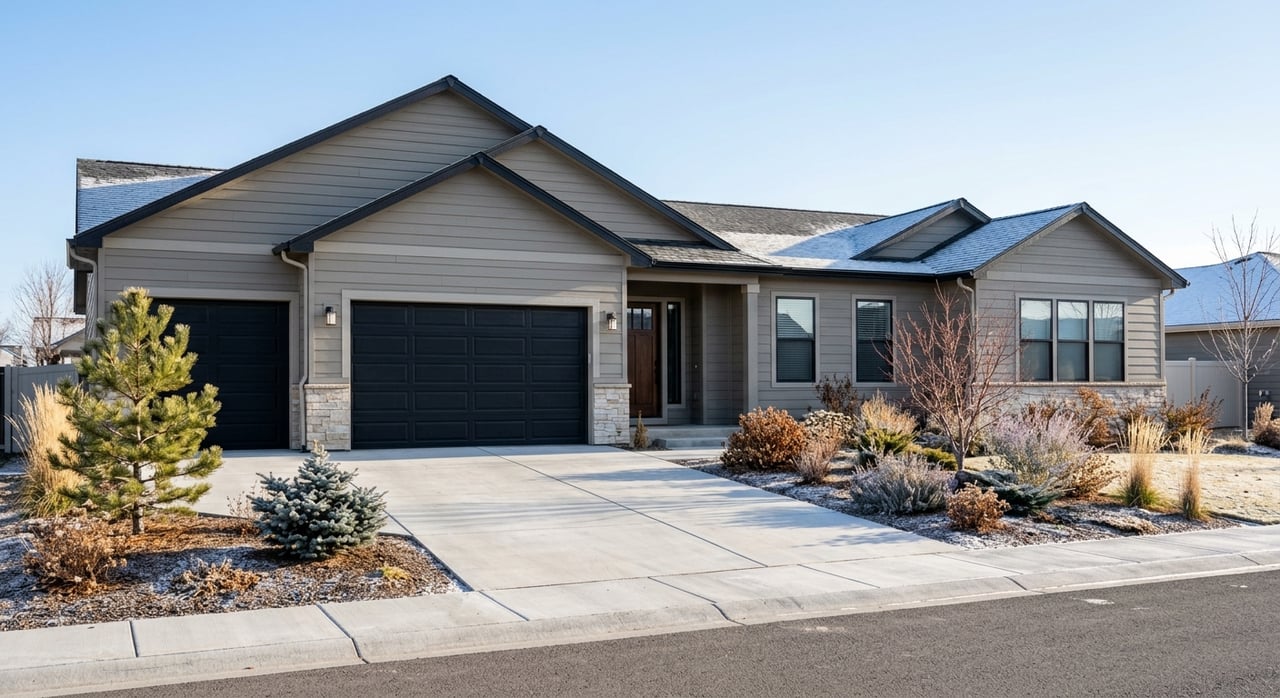
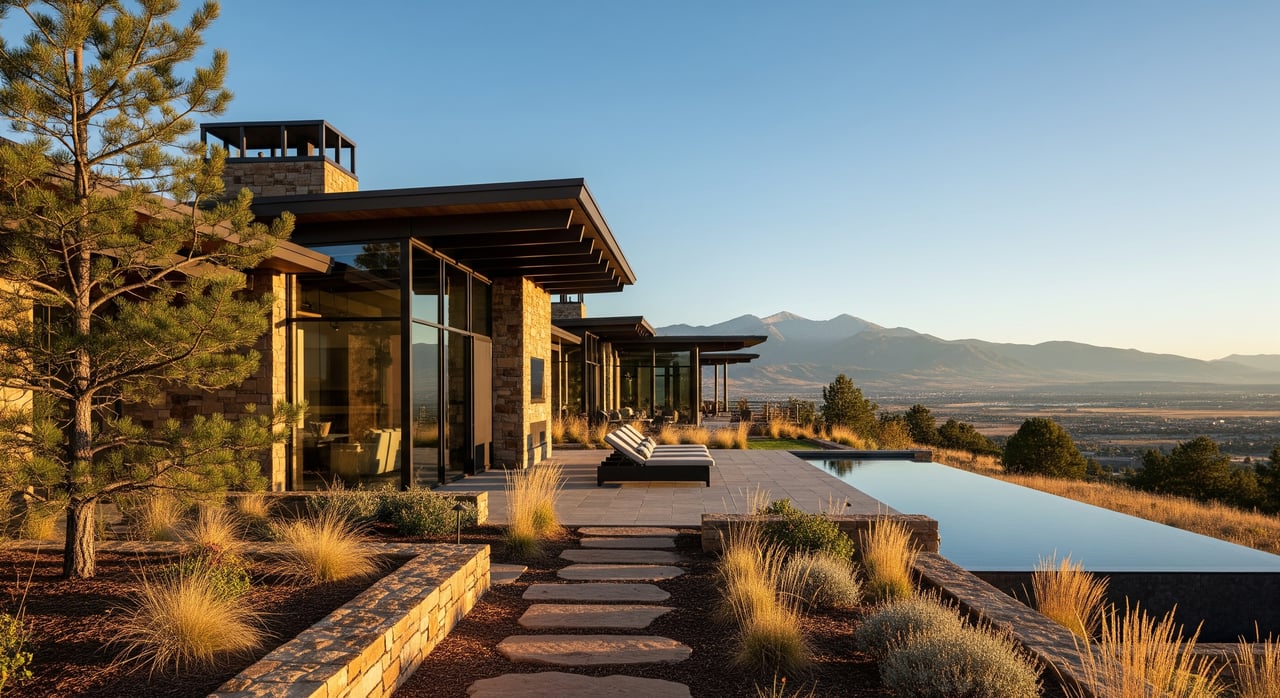
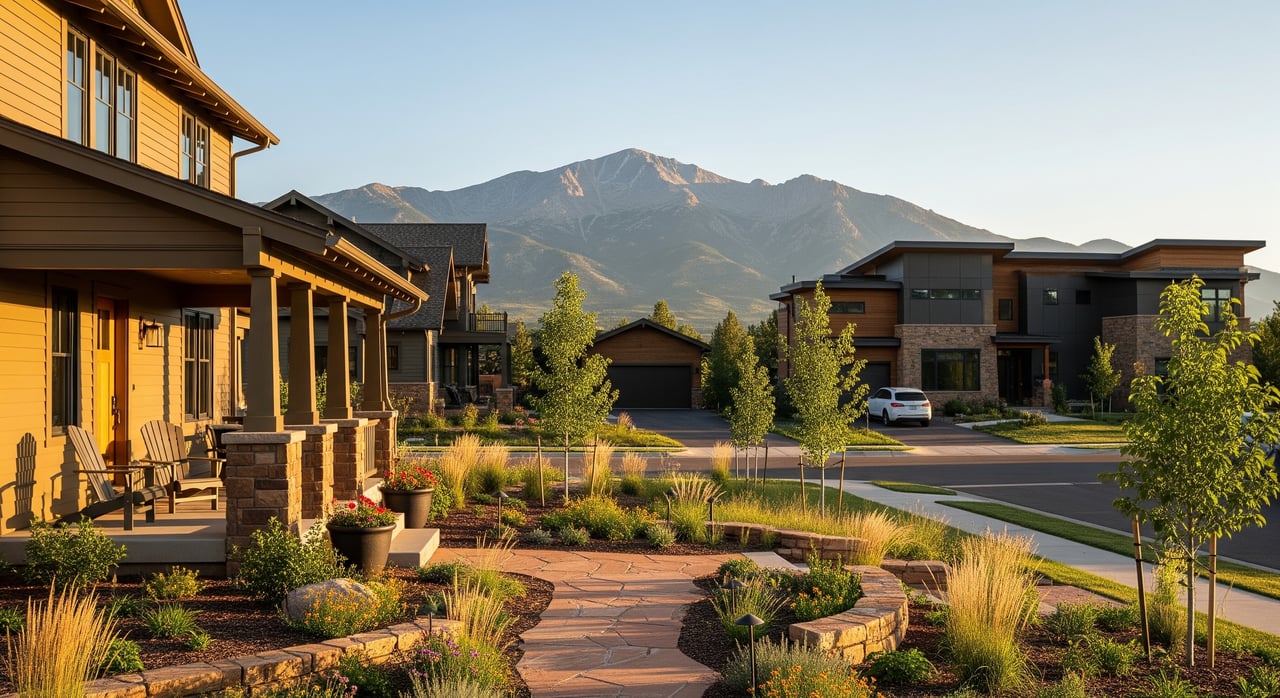
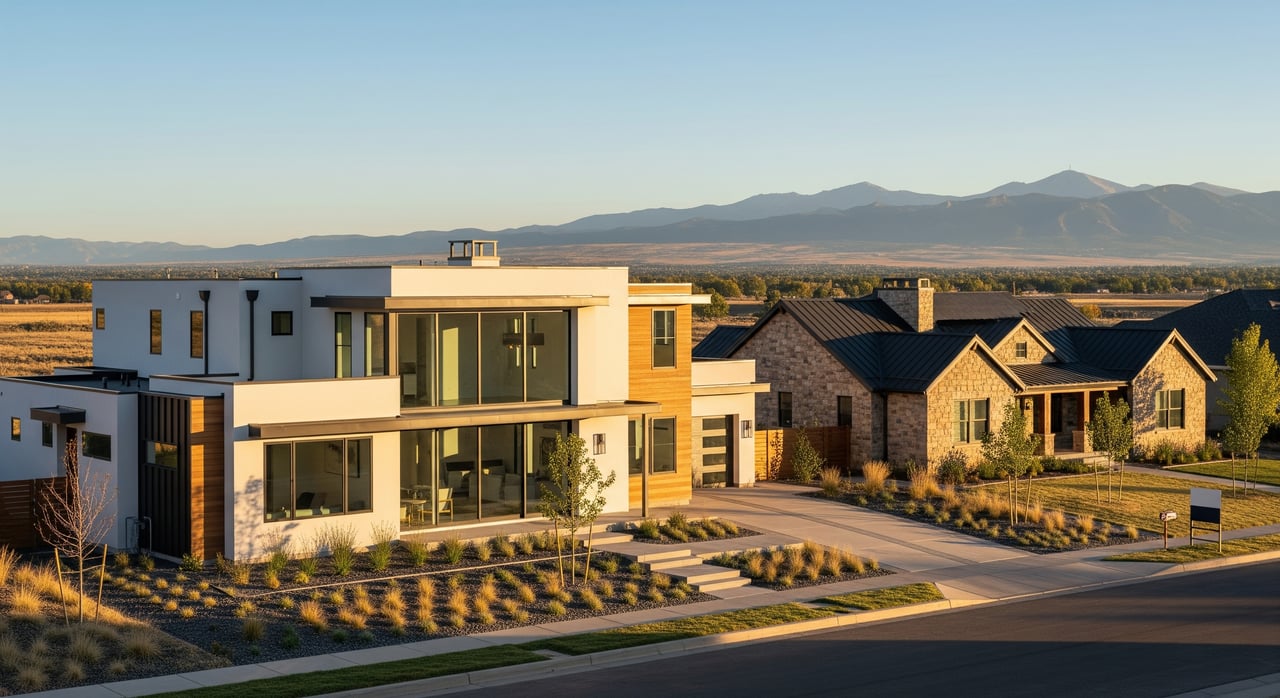
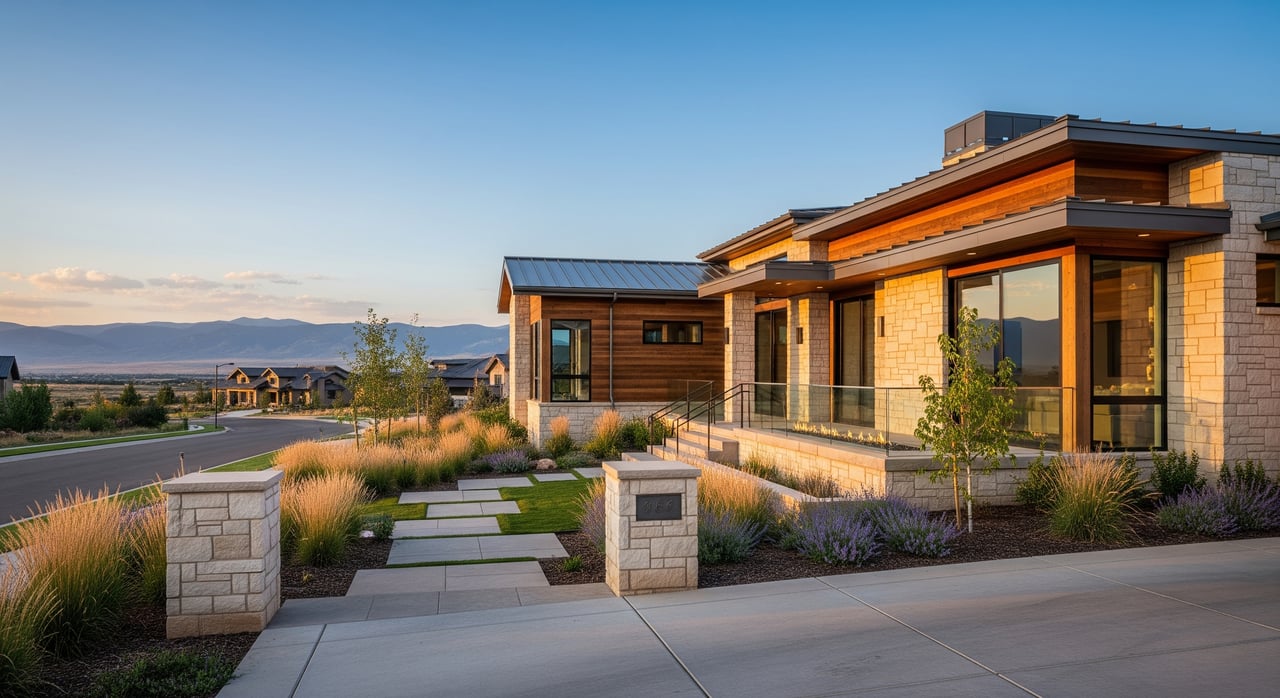
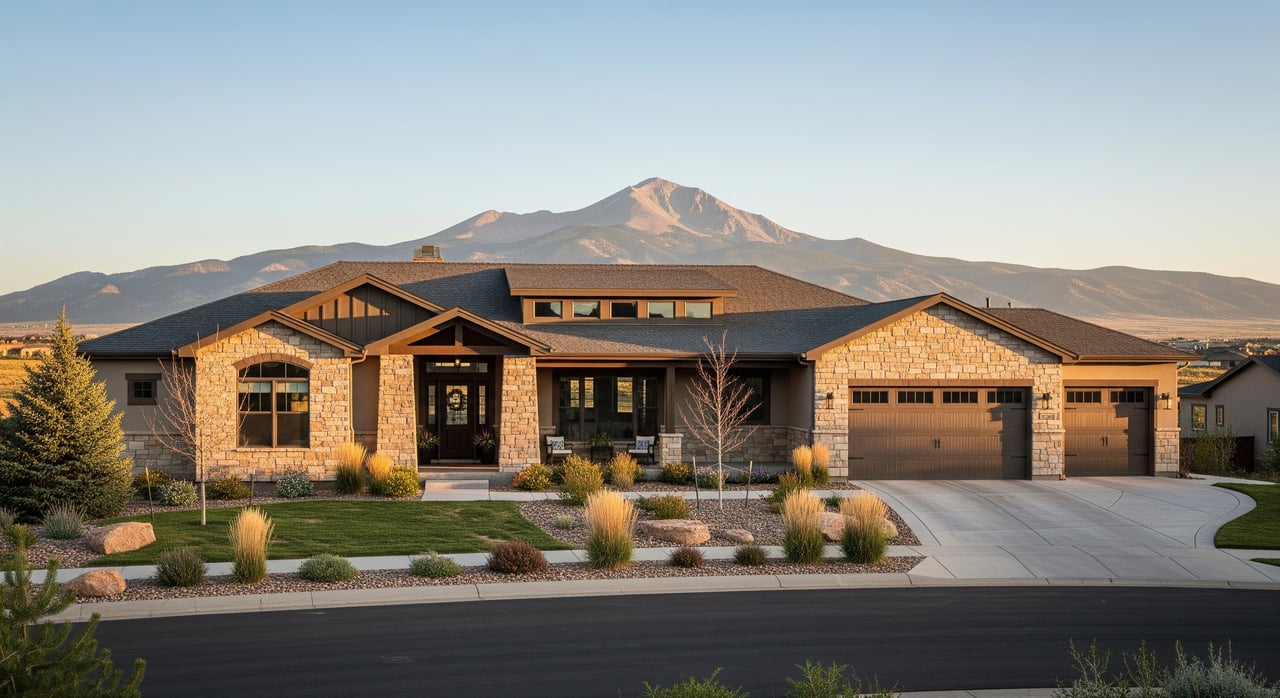
Rapid suburban expansion since the 1970s created sprawling residential neighborhoods eastward and northward, dominated by ranch and split-level homes that contrast sharply with the historic core's Victorian turrets and wrap-around porches.
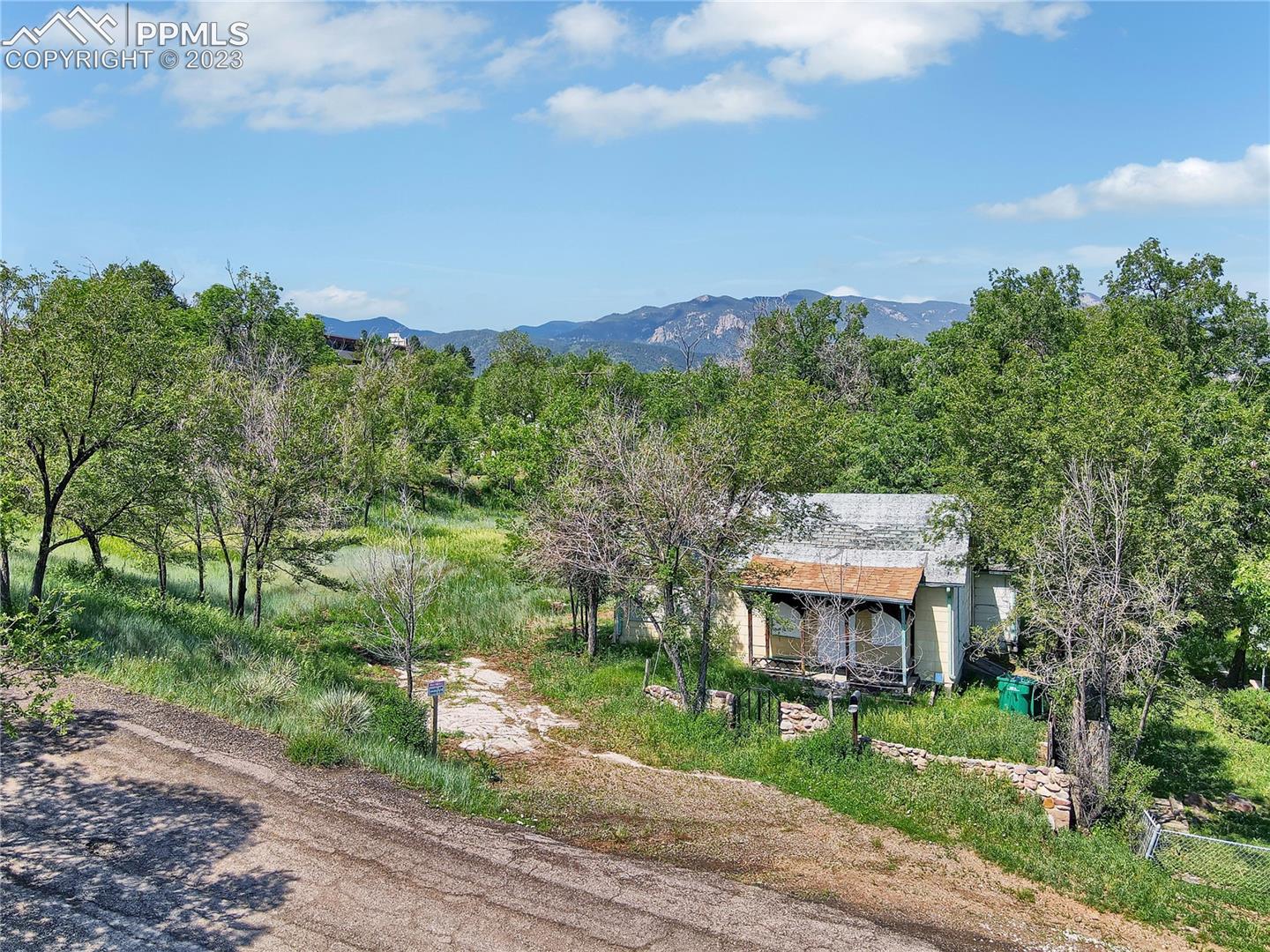
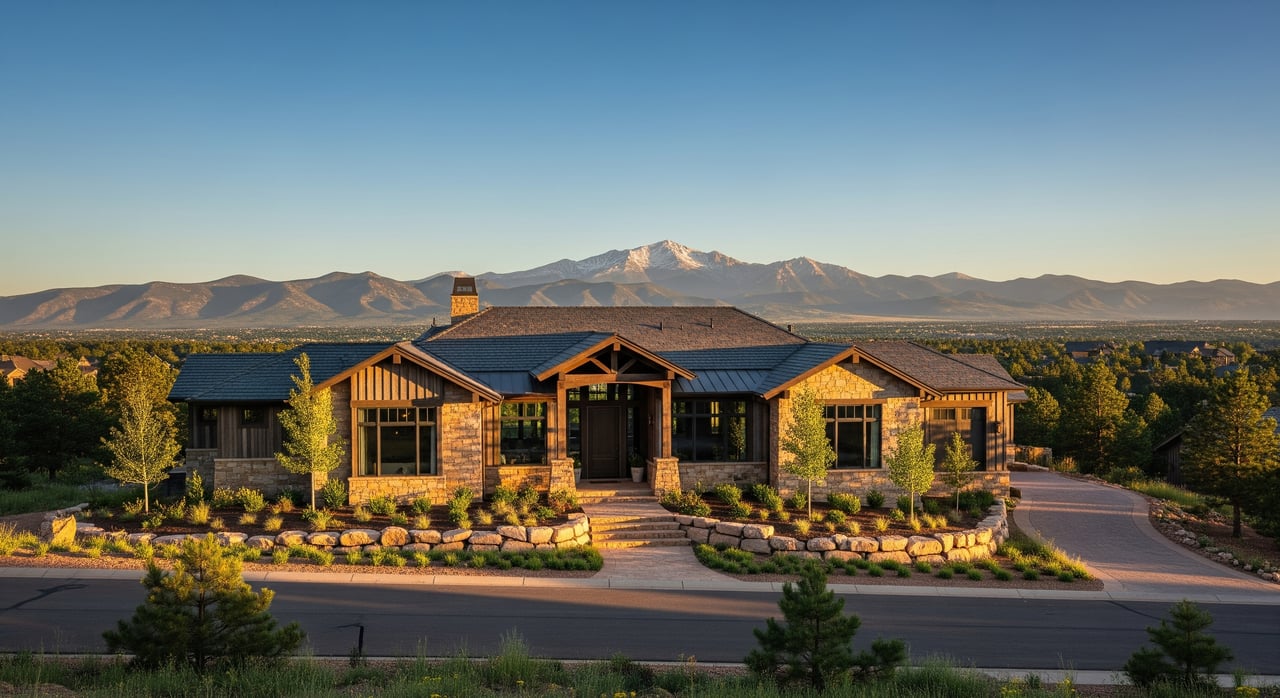
Colorado Springs sits 70 miles south of Denver along the I-25 corridor, positioned where the Rocky Mountains meet the Great Plains. The city is bounded by the Palmer Divide to the north (creating distinct weather patterns from Denver), high-desert terrain toward Pueblo to the south, flattening grasslands to the east, and the steep Rampart Range to the west, dominated by 14,115-foot Pikes Peak.
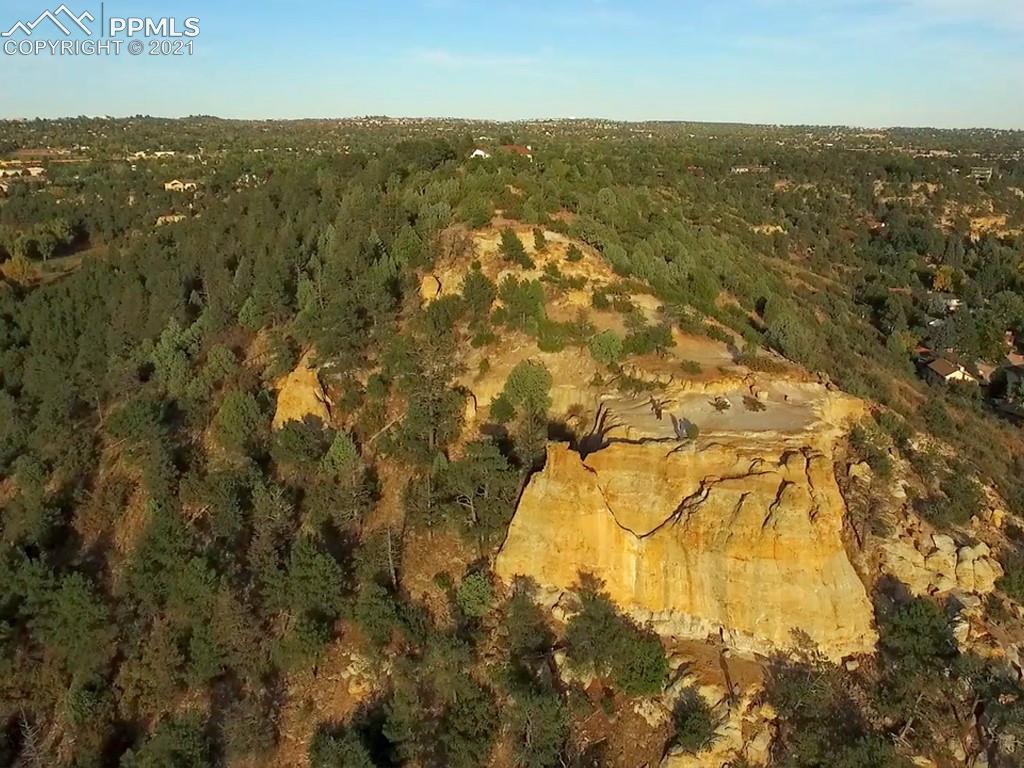
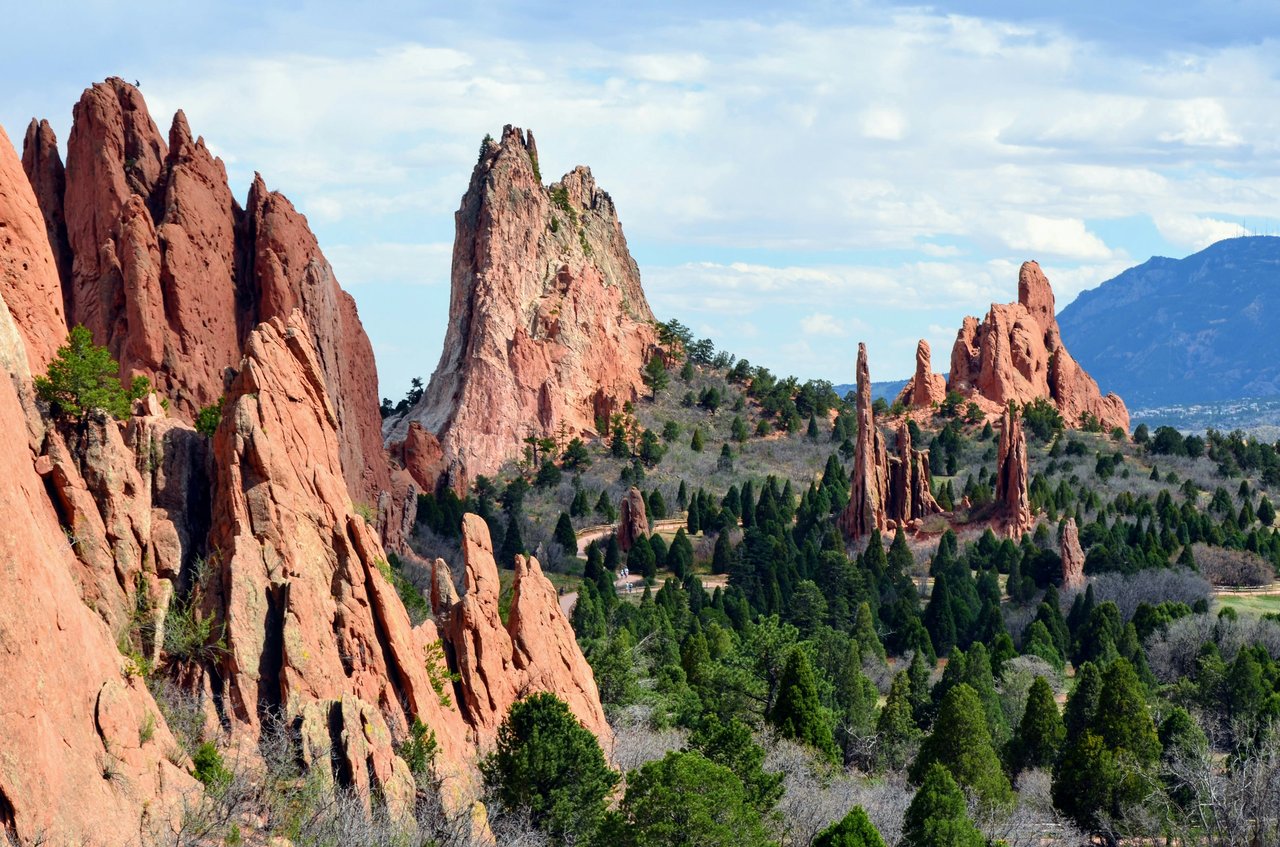
Key geographic features include Garden of the Gods' towering red sandstone formations, the confluence of Monument and Fountain creeks at the city's founding point, and extensive military-controlled land surrounding the urban core. The semi-arid alpine desert climate delivers only 15-16 inches of annual precipitation, with Chinook winds occasionally spiking winter temperatures 30 degrees in hours.
As of February 2026, Colorado Springs has shifted from frantic bidding wars to a balanced market—the first strategic buyer window in over five years.
Current Metrics:
Market Dynamics: Appreciation has cooled to 2-3% or flat growth for 2026—a stark departure from recent double-digit spikes. Buyers now have negotiating leverage, with seller concessions (rate buydowns, repair credits) becoming common. The "seller disconnect" persists as listing prices adjust to cautious buyer behavior.
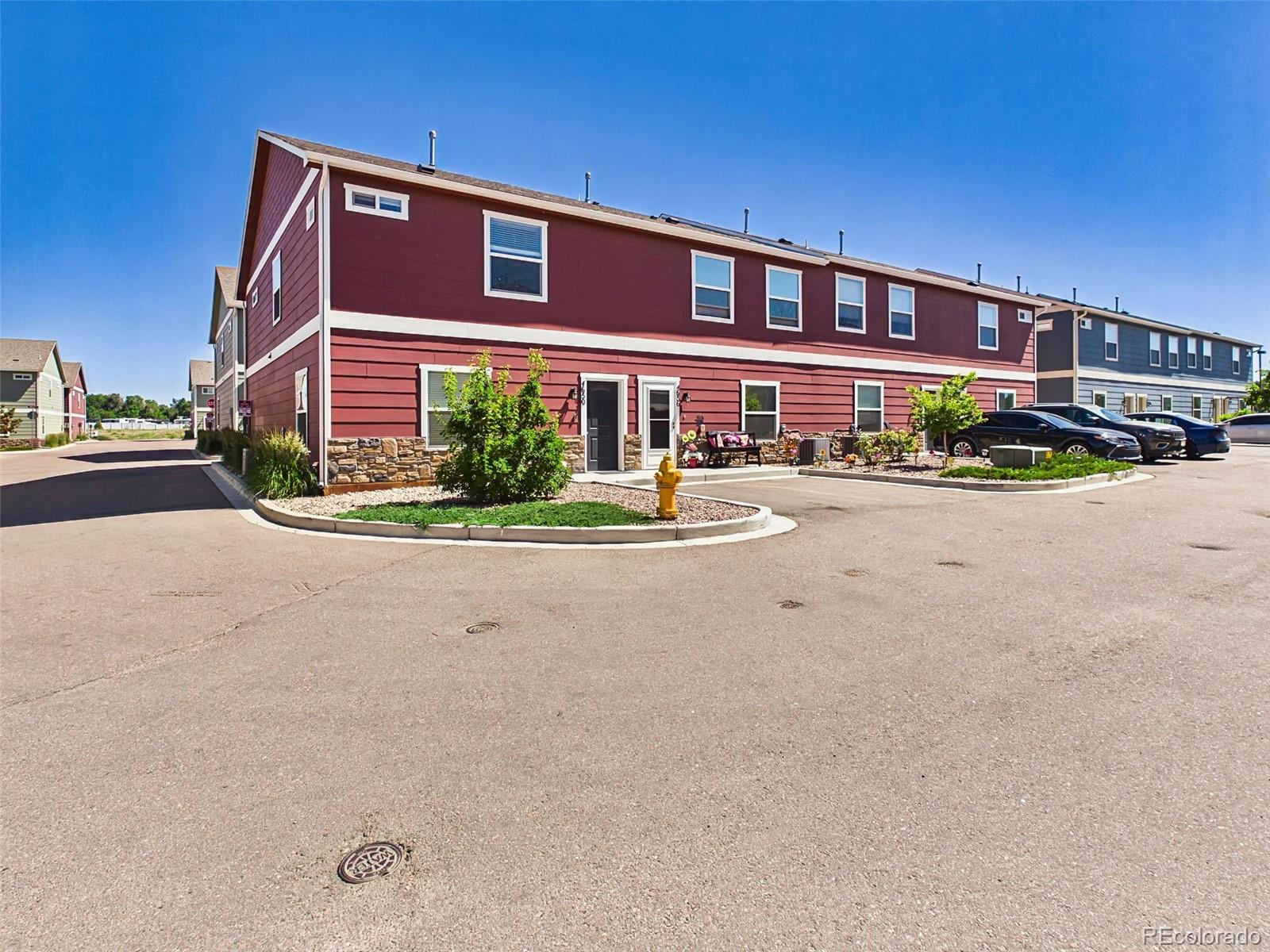
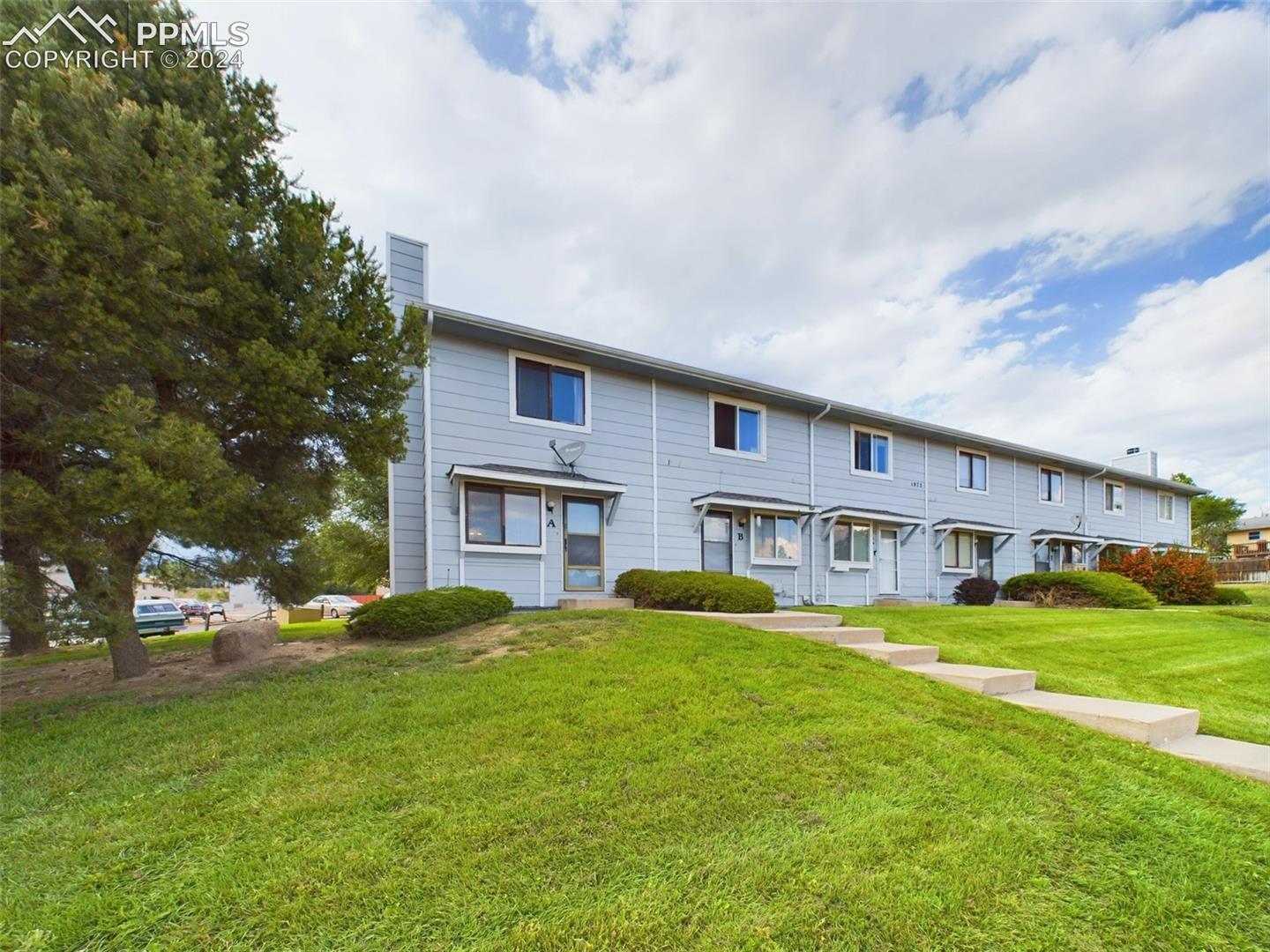
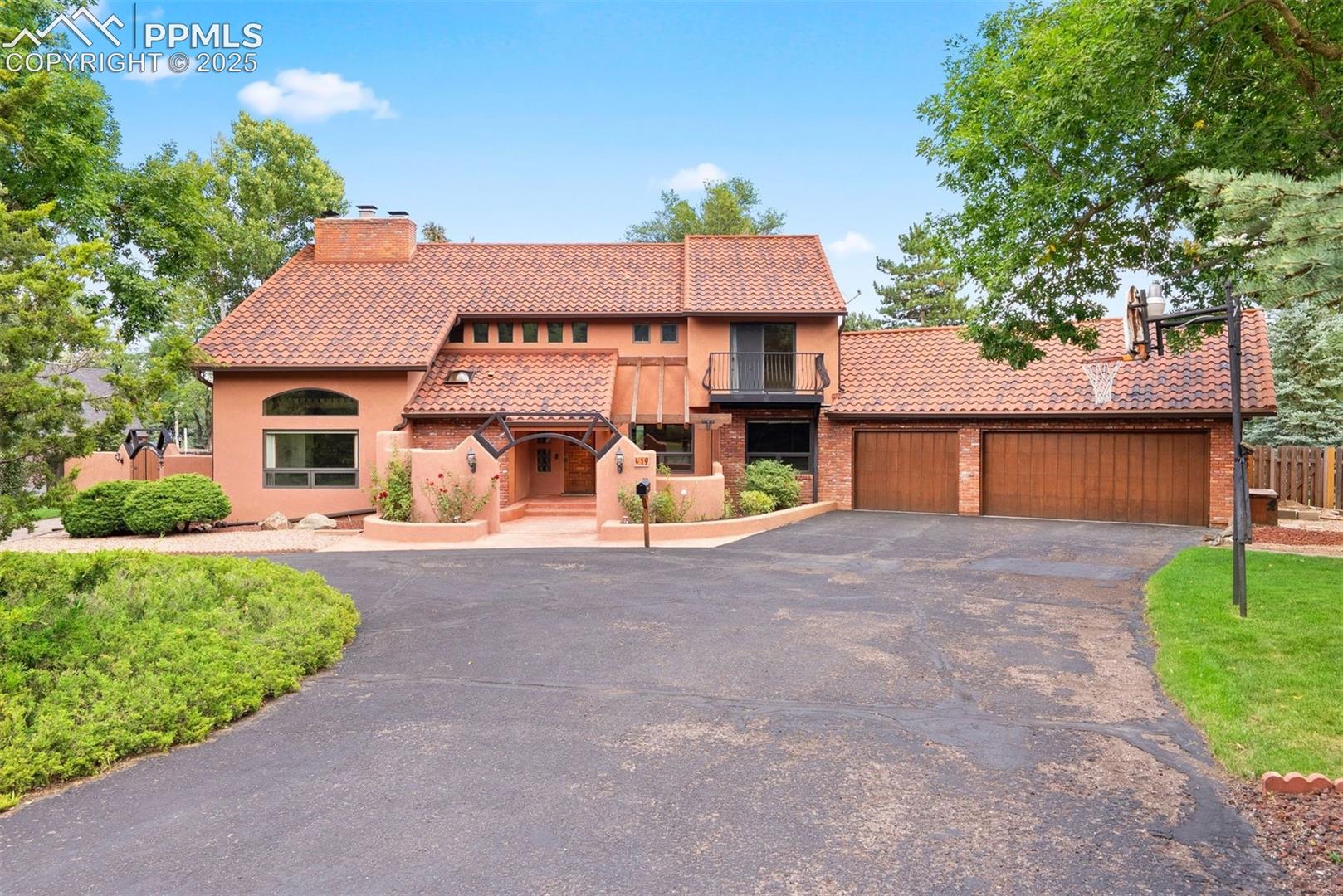
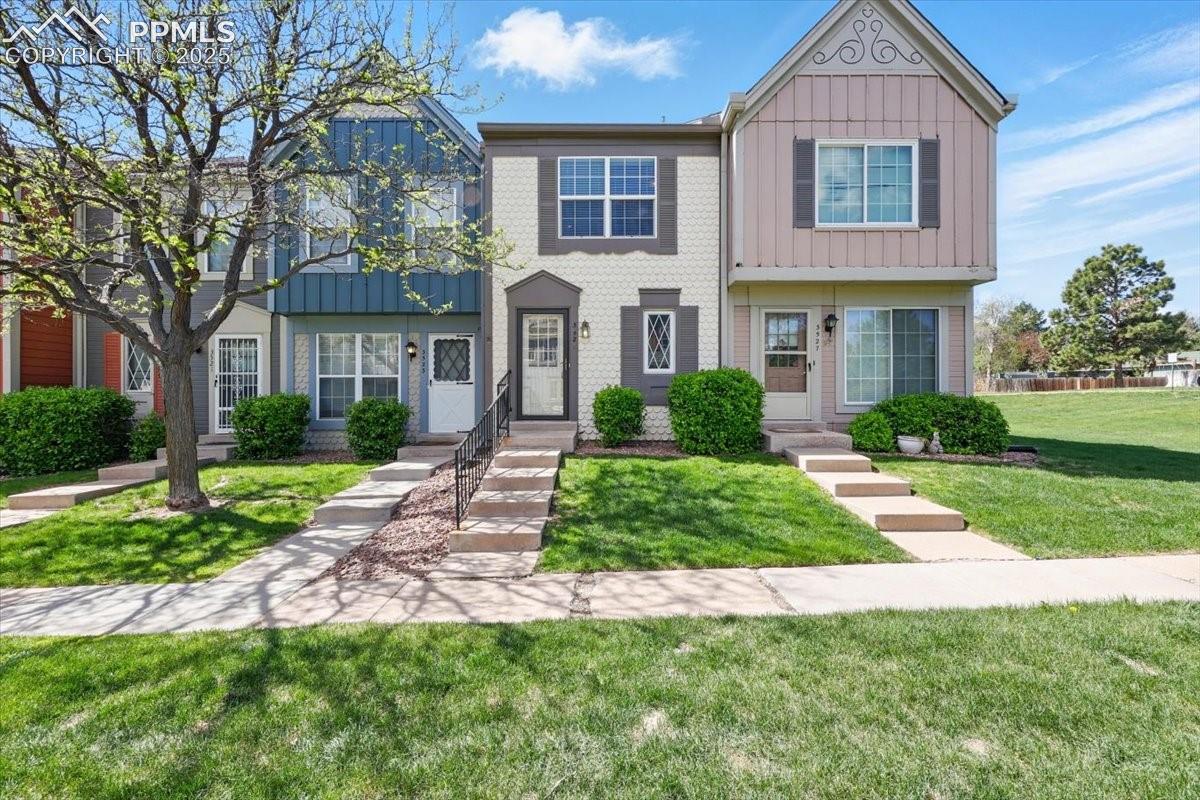
Colorado Springs offers diverse housing reflecting its expansion rings:
Notable Restaurants:
Bars & Nightlife:
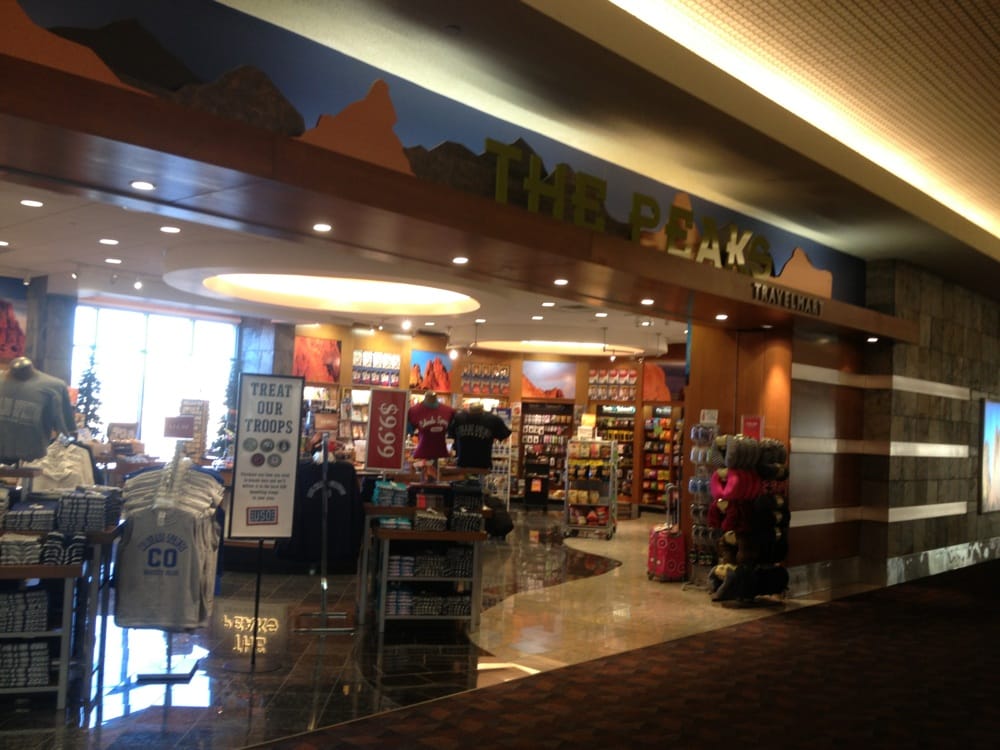
Malls & Centers:
Boutique Districts:
Grocery: King Soopers, Safeway (mainstream); Sprouts, Whole Foods (organic); Bread & Butter Neighborhood Market (local downtown specialty).
With 9,000+ acres of parkland and 500 miles of trails:
Iconic Trails:
Water & Golf:
Family Parks: John Venezia Community Park (homestead theme, sprayground); Panorama Park (universally accessible playground, bike park).
Colorado is an Open Enrollment state—families can apply outside neighborhood zones if space exists.
Top Districts (2026):
Private/Charter:
Higher Education: UCCS (Cybersecurity, Business programs); U.S. Air Force Academy.
Major Arteries:
Commute: Average 20-25 minutes; far east to Air Force Academy = 40+ minutes peak hours.
Transit: Mountain Metropolitan Transit buses (effective downtown/university corridors); Bustang express to Denver.
Biking: Silver-level Bicycle Friendly Community. Pikes Peak Greenway trail runs north-south almost entirely off-road.
Walkability: High downtown and Old Colorado City; low in eastern suburbs.
Old North End: Tejon Street, Wood Avenue, Nevada Avenue (Victorian architecture, mature trees)
Broadmoor Area: Lake Avenue, Lake Circle (luxury estates, proximity to Broadmoor Hotel)
Downtown: Tejon Street corridor (walkable retail, restaurants, historic buildings)
Briargate: Lexington Drive, Ridgeview Drive (newer suburban development, mountain views)
Westside: Centennial Boulevard, Garden of the Gods Road (mountain access, foothill settings)
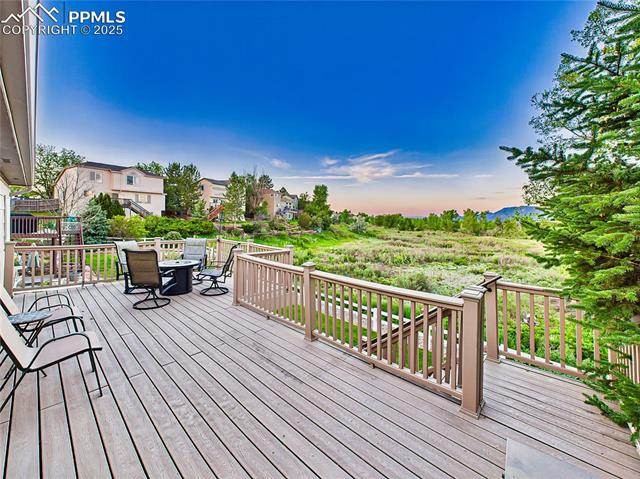
Colorado Springs delivers what most cities only promise: immediate mountain access without sacrificing urban amenities. You can summit a 14er before lunch, catch a world-class concert at sunset, and still afford a house with a garage. The military presence creates stability and community pride, while the Olympic training culture normalizes ambition and athleticism. Unlike Denver's rapid gentrification, the Springs maintains its unpretentious Western character—where showing up in hiking boots is expected, not excused. The 300 days of sunshine, balanced 2026 real estate market, and top-ranked schools make it pragmatic. The towering Pikes Peak views from your backyard make it unforgettable.
There's plenty to do around Colorado Springs, including shopping, dining, nightlife, parks, and more. Data provided by Walk Score and Yelp.
Explore popular things to do in the area, including Fireside Mountain Coffee, Tnnkz Kreations, and Dulces Suenos Desserts.
| Name | Category | Distance | Reviews |
Ratings by
Yelp
|
|---|---|---|---|---|
| Dining | 2.14 miles | 2 reviews | 5/5 stars | |
| Dining | 2.14 miles | 2 reviews | 5/5 stars | |
| Dining | 2.14 miles | 0 reviews | 0/5 stars | |
| Dining | 2.14 miles | 0 reviews | 0/5 stars | |
| Dining | 2.25 miles | 1 review | 4/5 stars | |
| Dining | 2.66 miles | 16 reviews | 2/5 stars | |
| Dining | 3.5 miles | 0 reviews | 0/5 stars | |
| Shopping | 3.5 miles | 0 reviews | 0/5 stars | |
| Active | 1.85 miles | 0 reviews | 0/5 stars | |
| Active | 2.14 miles | 0 reviews | 0/5 stars | |
| Active | 3.41 miles | 2 reviews | 4.5/5 stars | |
| Active | 3.5 miles | 1 review | 5/5 stars | |
| Active | 3.5 miles | 0 reviews | 0/5 stars | |
| Nightlife | 2.58 miles | 24 reviews | 1.8/5 stars | |
| Nightlife | 2.62 miles | 4 reviews | 2.5/5 stars | |
| Beauty | 2.14 miles | 0 reviews | 0/5 stars | |
| Beauty | 2.82 miles | 0 reviews | 0/5 stars | |
| Beauty | 3.5 miles | 0 reviews | 0/5 stars | |
| Beauty | 3.5 miles | 0 reviews | 0/5 stars | |
| Beauty | 3.5 miles | 0 reviews | 0/5 stars | |
| Beauty | 3.5 miles | 0 reviews | 0/5 stars | |
| Beauty | 3.5 miles | 0 reviews | 0/5 stars | |
| Beauty | 3.5 miles | 0 reviews | 0/5 stars | |
| Beauty | 3.5 miles | 0 reviews | 0/5 stars | |
|
|
||||
|
|
||||
|
|
||||
|
|
||||
|
|
||||
|
|
Colorado Springs has 241,518 households, with an average household size of 73.57. Data provided by the U.S. Census Bureau. Here’s what the people living in Colorado Springs do for work — and how long it takes them to get there. Data provided by the U.S. Census Bureau. 613,448 people call Colorado Springs home. The population density is 2,905 and the largest age group is Data provided by the U.S. Census Bureau.
Total Population
Population Density Population Density This is the number of people per square mile in a neighborhood.
Median Age
Men vs Women
Population by Age Group
0-9 Years
10-17 Years
18-24 Years
25-64 Years
65-74 Years
75+ Years
Education Level
Total Households
Average Household Size
Average individual Income
Households with Children
With Children:
Without Children:
Marital Status
Blue vs White Collar Workers
Blue Collar:
White Collar:
July 16, 2026
September 3, 2026
September 3, 2026
May 21, 2026
August 27, 2026
June 18, 2026
August 20, 2026
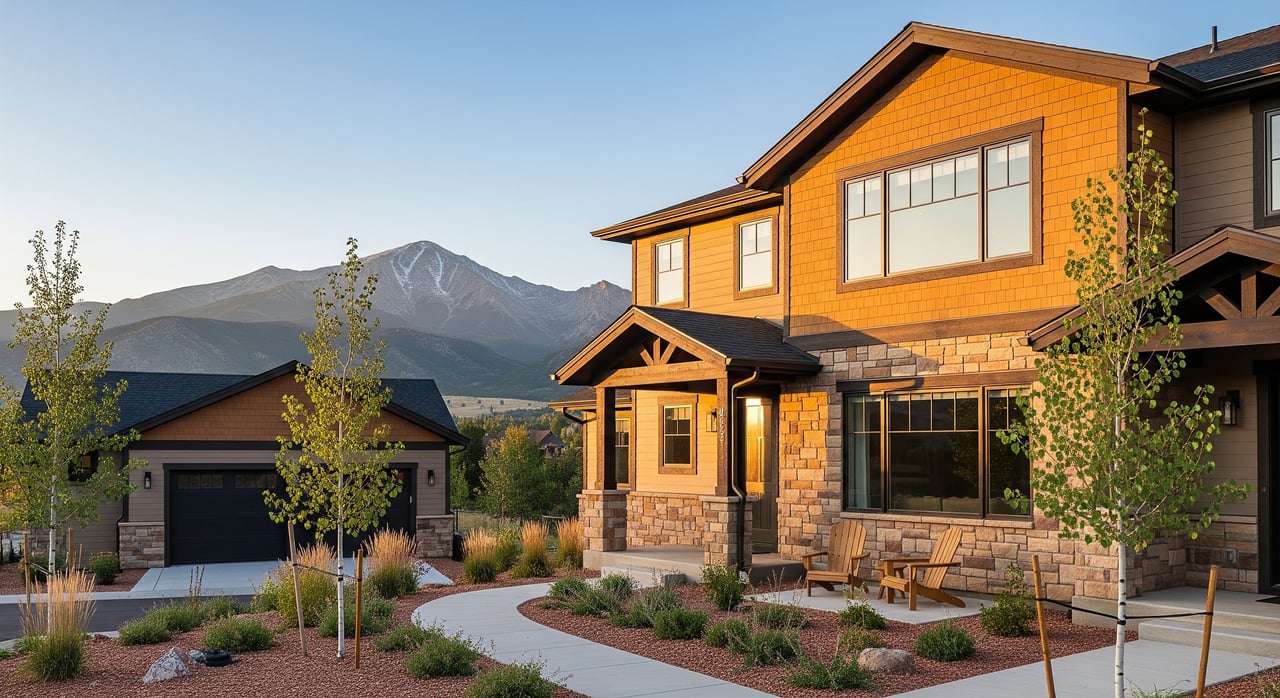
February 12, 2026
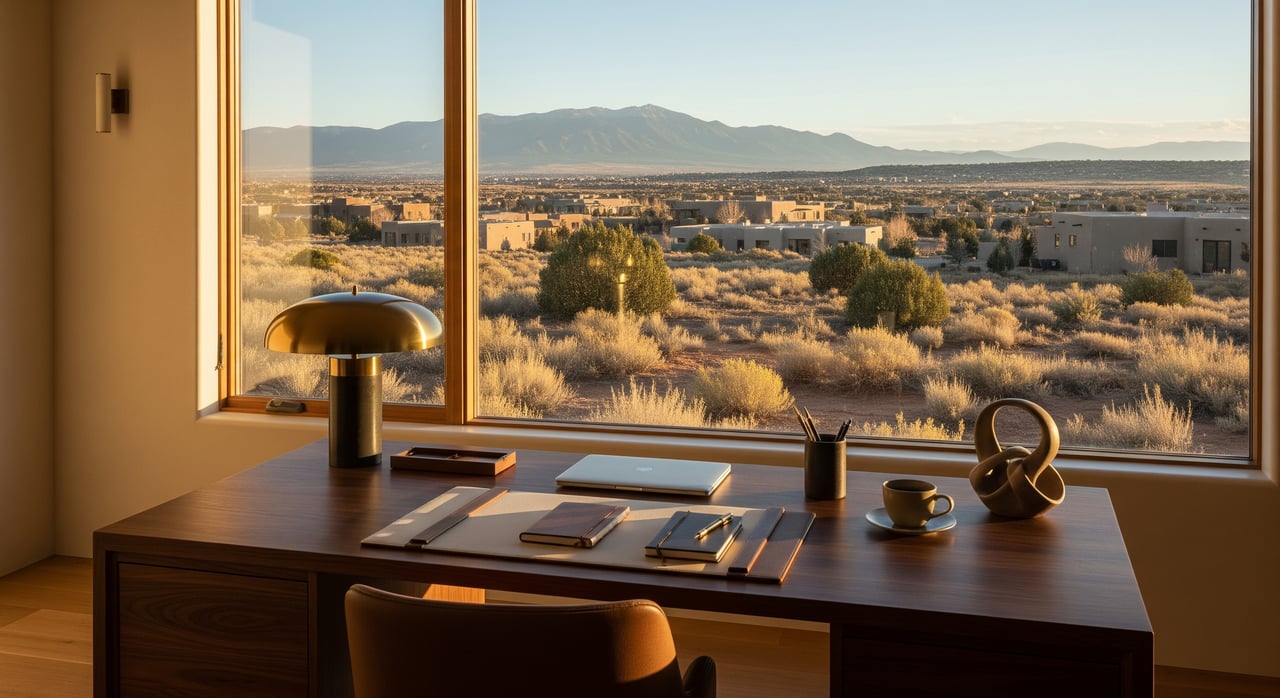
December 11, 2025
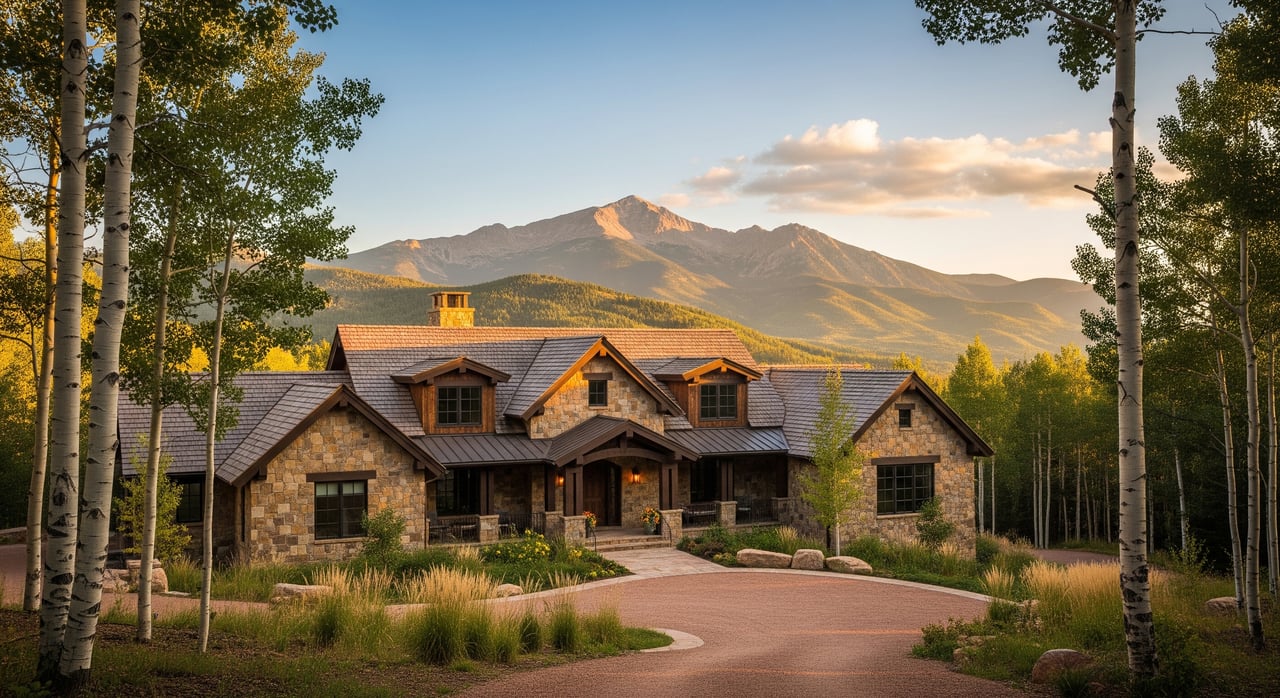
January 22, 2026
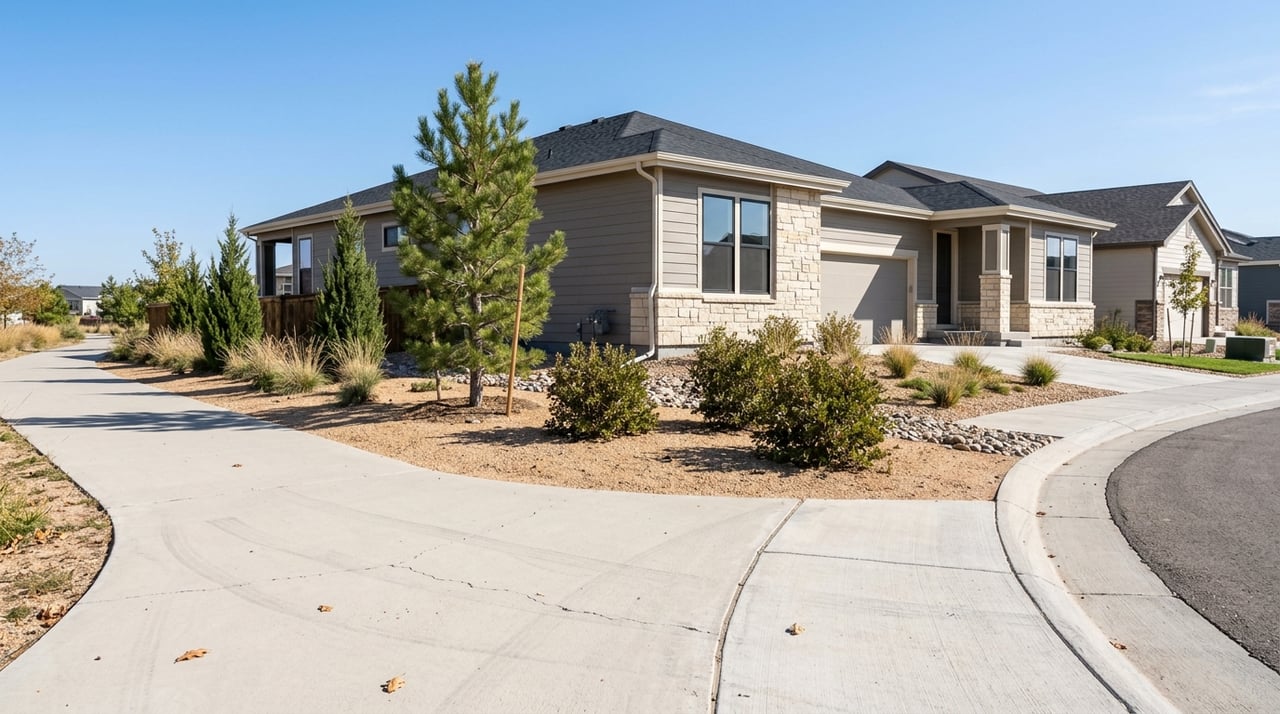
April 2, 2026
April 9, 2026
January 15, 2026
August 13, 2026
August 13, 2026
August 13, 2026
August 13, 2026
August 13, 2026
March 26, 2026
August 6, 2026
August 6, 2026
March 24, 2026
April 23, 2026
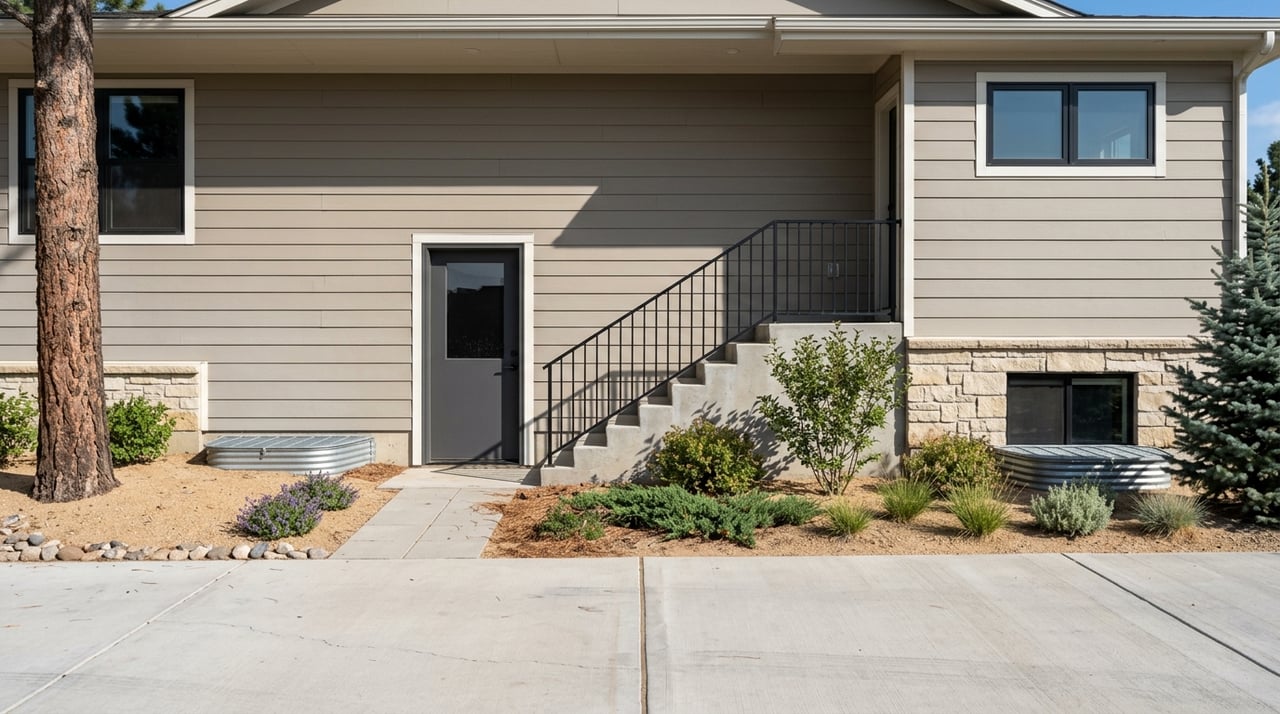
July 23, 2026
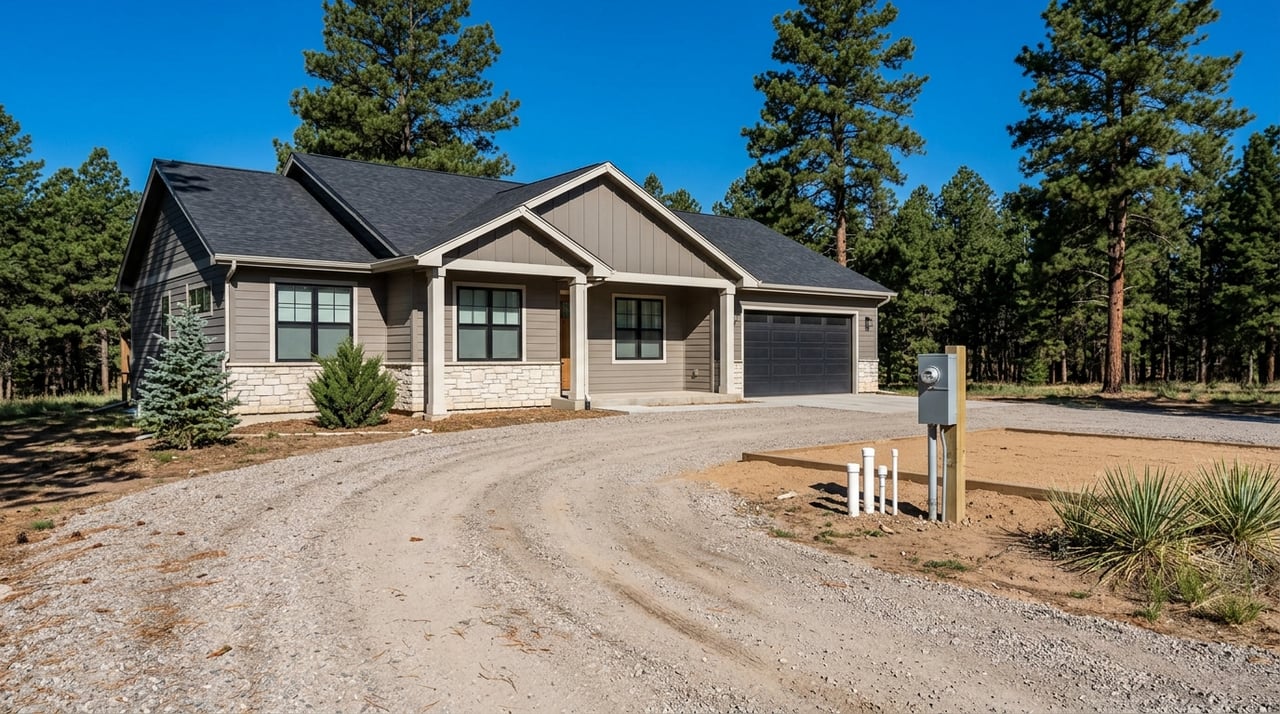
April 16, 2026
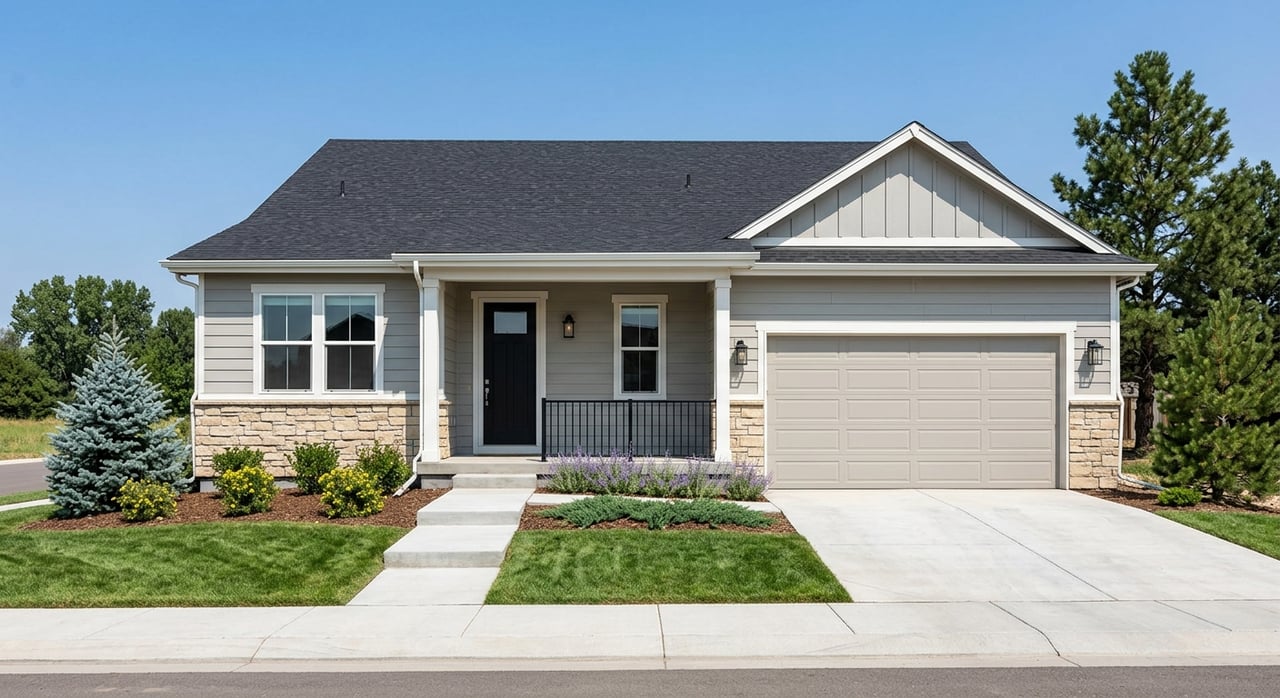
May 14, 2026
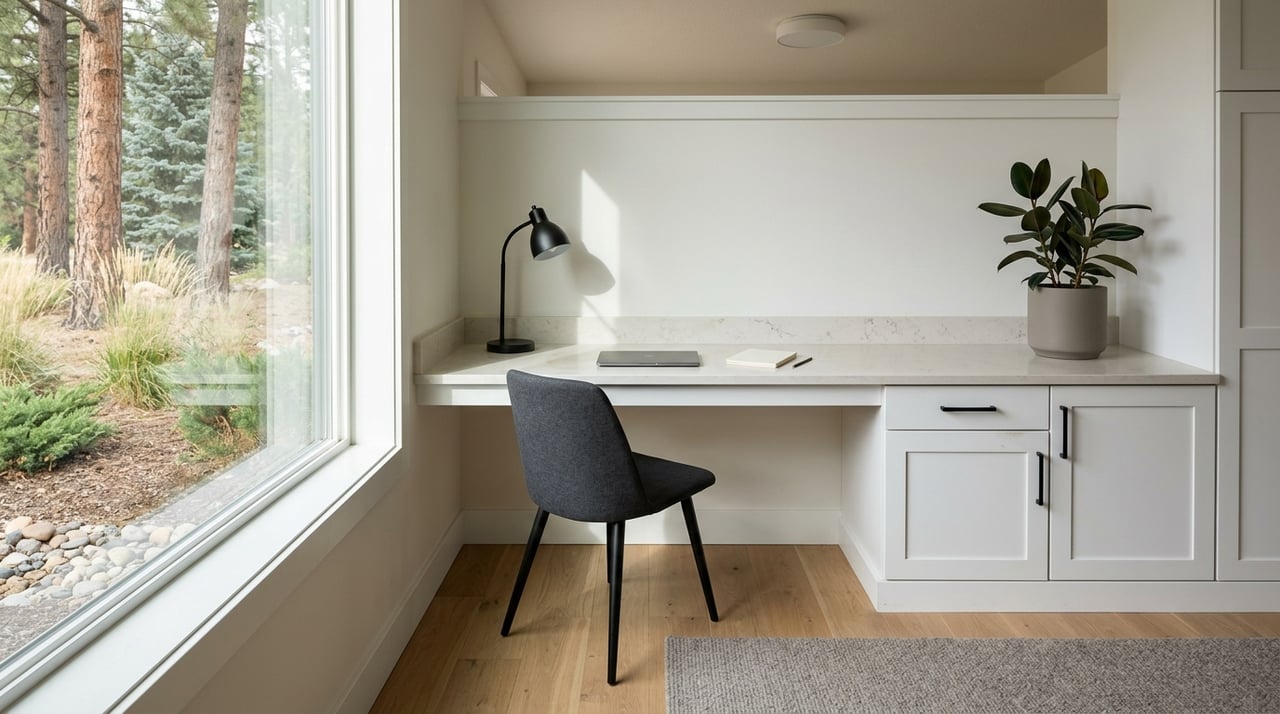
July 9, 2026
June 11, 2026
July 2, 2026
December 25, 2025
June 25, 2026
May 7, 2026
March 5, 2026
June 4, 2026
March 12, 2026
May 28, 2026
February 26, 2026
January 1, 2026
February 19, 2026

November 27, 2025
December 4, 2025
February 5, 2026
Scott Coddington | January 14, 2026
January 8, 2026
November 27, 2025
December 18, 2025
November 21, 2025
Serving communities from Colorado Springs through Pueblo and Denver, west into the mountains or east to the plains, our team is here to help with all your real estate needs across Colorado’s Front Range.