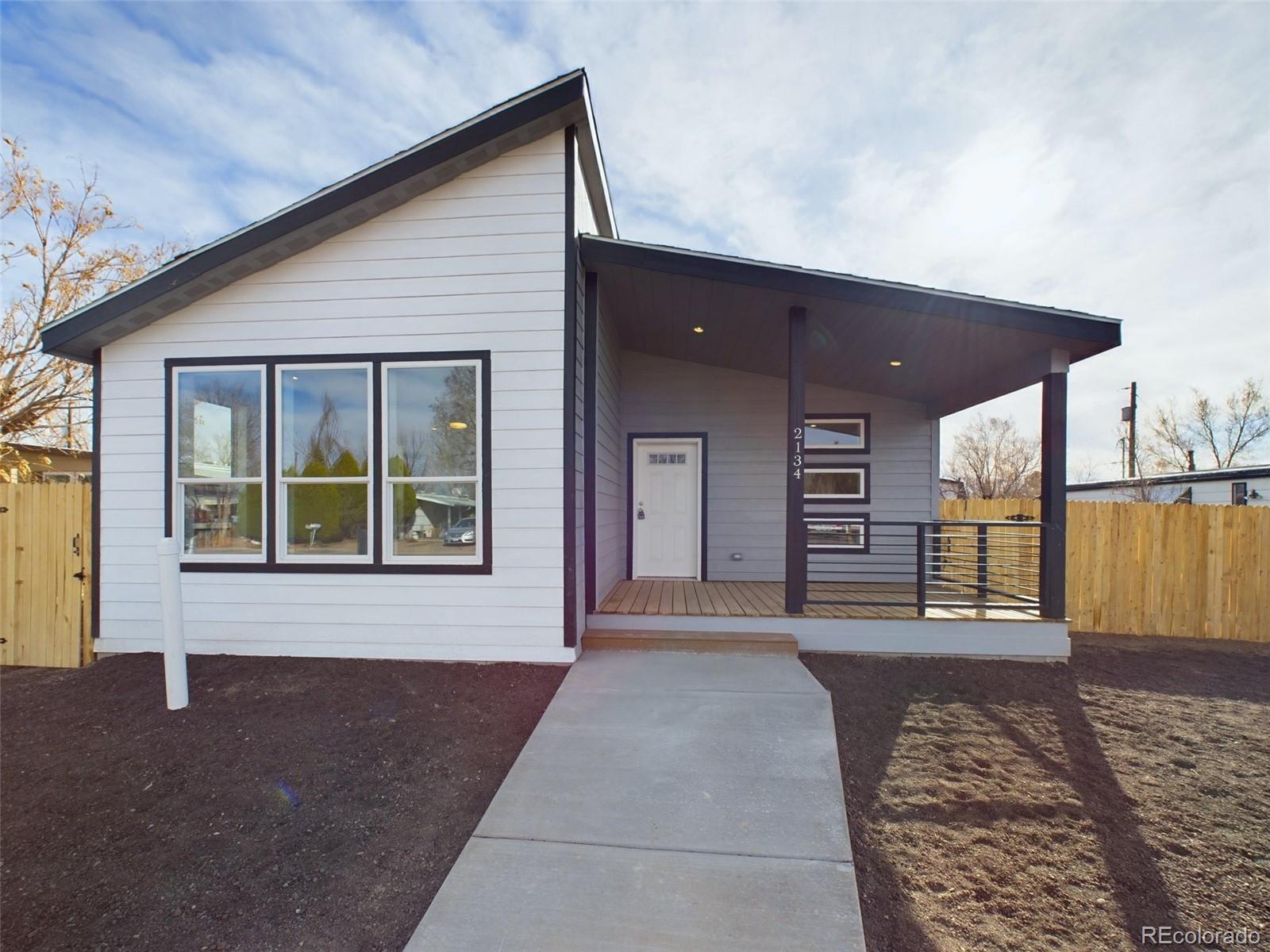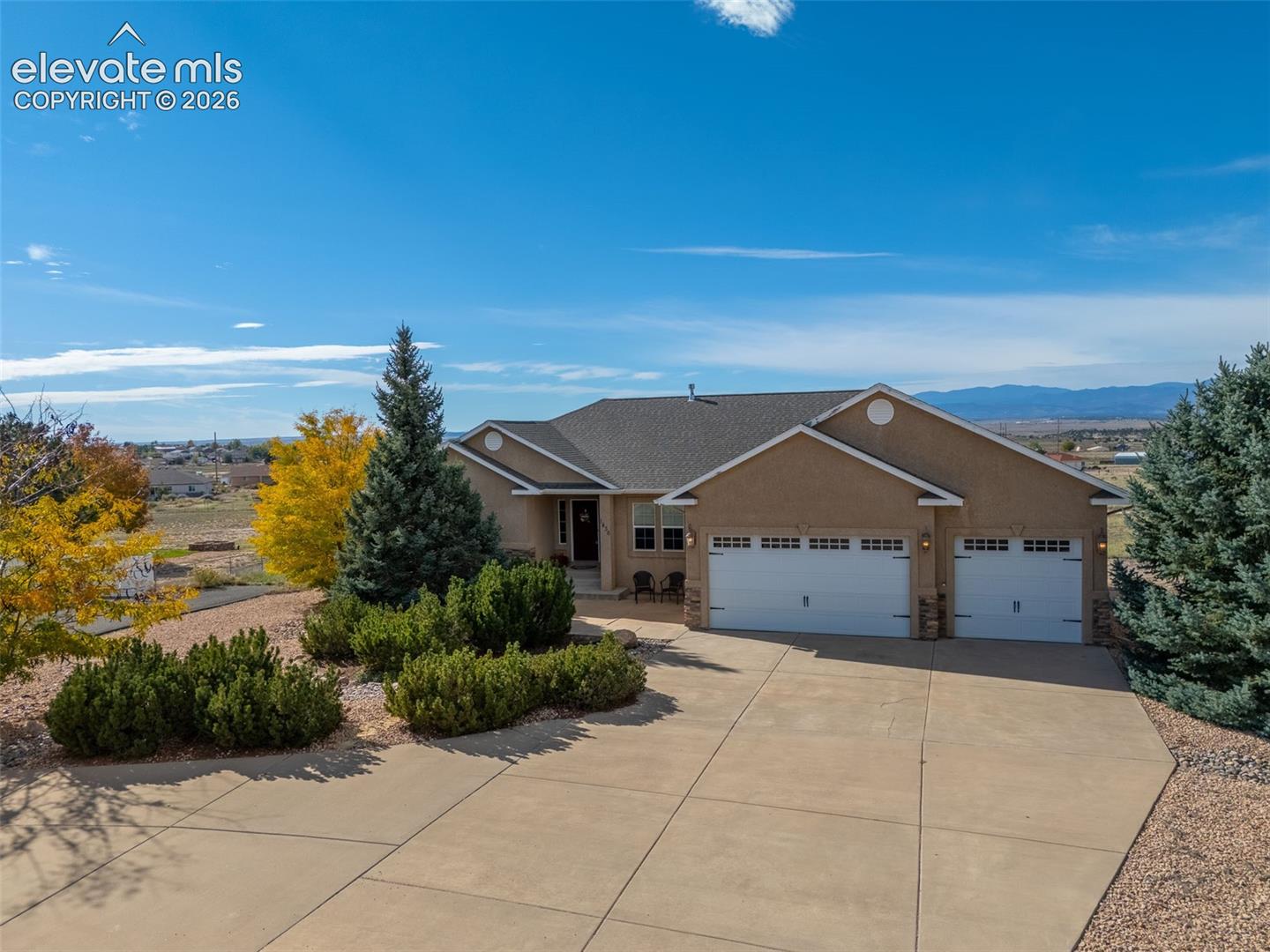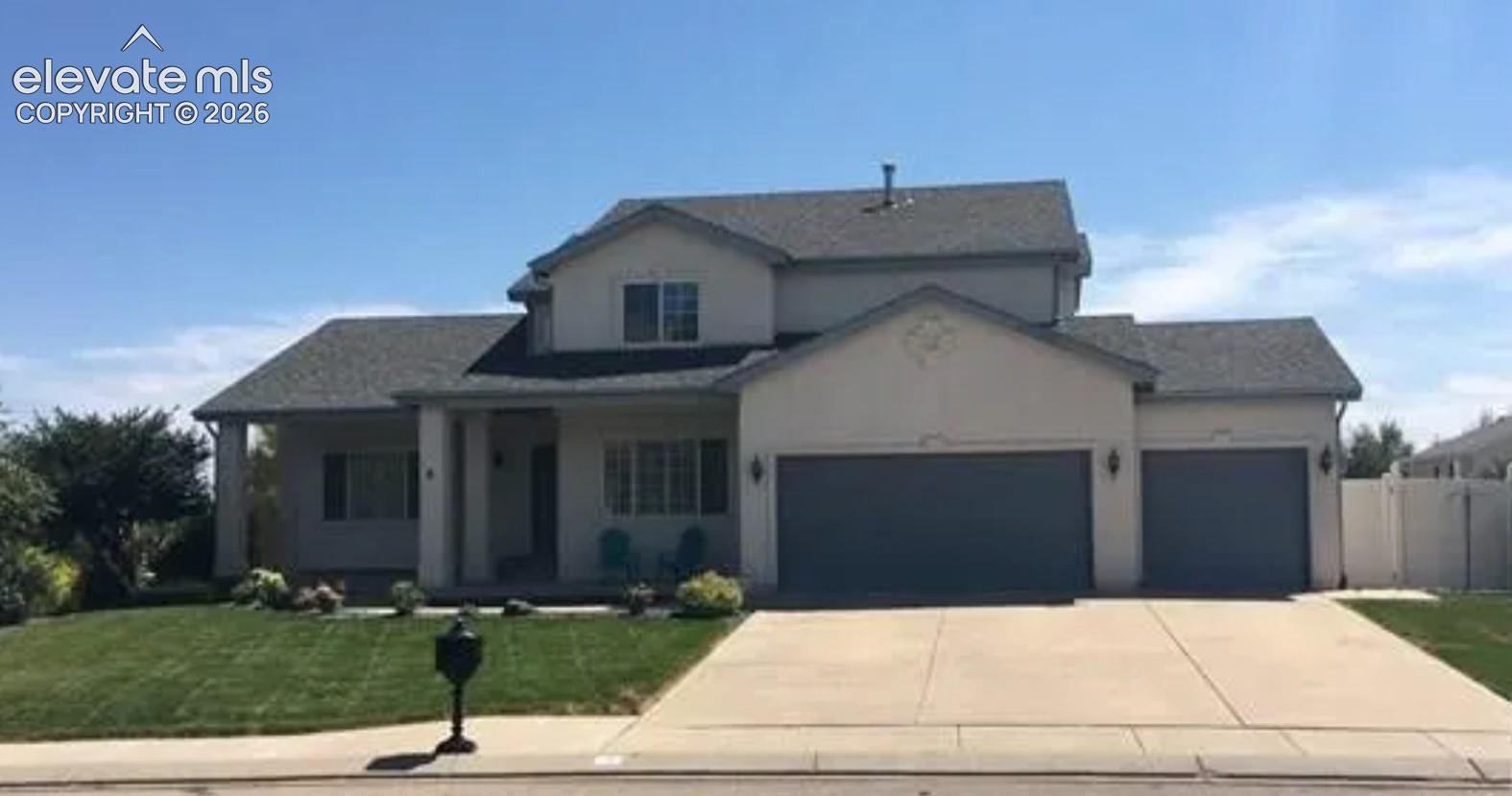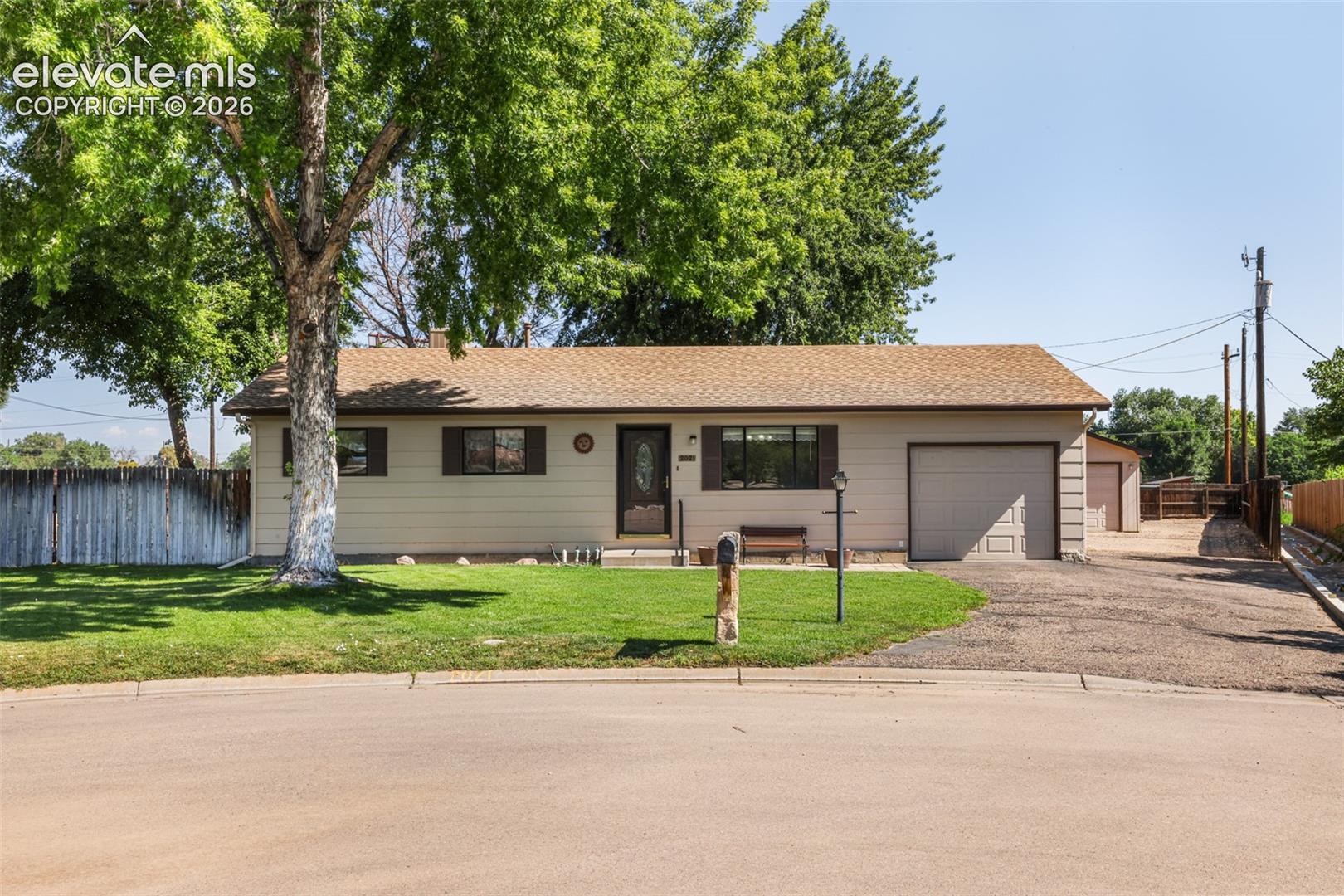
161,607 people live in Pueblo, where the median age is 40 and the average individual income is $33,567. Data provided by the U.S. Census Bureau.
Total Population
Median Age
Population Density Population Density This is the number of people per square mile in a neighborhood.
Average individual Income
Pueblo is the kind of city that doesn't try to impress you—and that's precisely its charm. Sitting at the confluence of the Arkansas River and Fountain Creek at roughly 4,700 feet of elevation, it's lower, warmer, and more grounded than its flashier Front Range neighbors to the north. Locals still call it the "Steel City" and the "Home of Heroes," nods to an industrial backbone and a community that wears its blue-collar roots with pride.
Who does Pueblo attract? First-time buyers priced out of Colorado Springs and Denver. Retirees chasing mild winters and 300-plus days of sunshine. Investors hunting genuine cash flow in a state where that's become rare. And families who want square footage, a yard, and a short commute without surrendering their entire paycheck to a mortgage. The cultural fabric here runs deep—Italian, Hispanic, and Slovenian heritage shows up everywhere from the festivals to the food—and the pace of life is unmistakably slower than the rest of the I-25 corridor. If you want resort glamour or tech-hub hustle, this isn't it. If you want affordability, authenticity, and elbow room, Pueblo delivers.
Pueblo is consistently one of the most affordable city markets in Colorado, and right now conditions tilt slightly in favor of buyers—a refreshing departure from the bidding-war intensity that defines Colorado Springs and Denver.
The market moves at a balanced-to-relaxed pace. Homes typically sit for 58 to 69 days, which means buyers have genuine time to tour, think, and do their due diligence rather than making panic offers sight-unseen. Competition is moderate: the average listing draws about one offer, and the sale-to-list ratio hovers near 97.8%, so most buyers close slightly under asking. The median sale price across the city generally lands between $248,000 and $285,000, depending on neighborhood and home type.
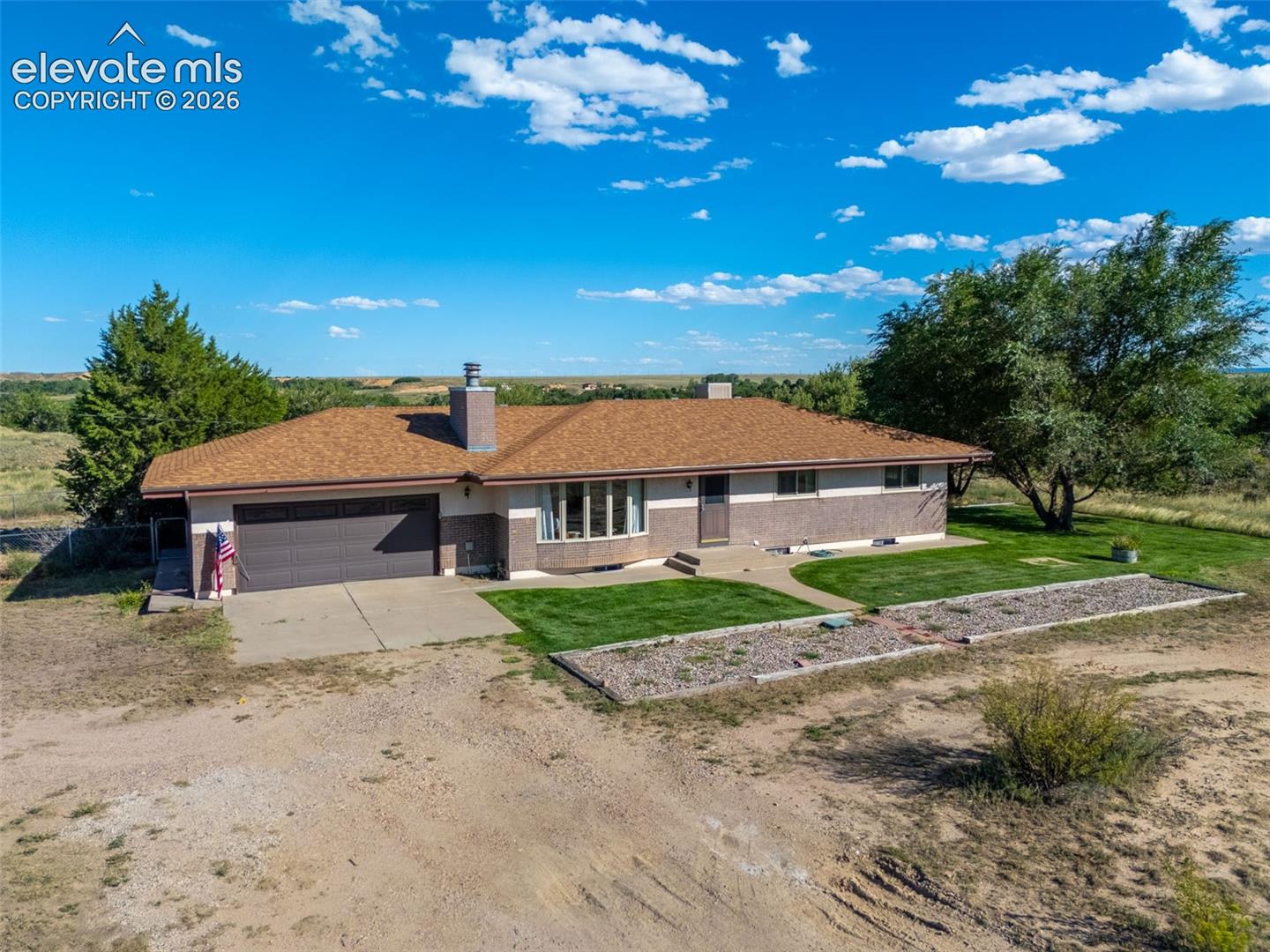
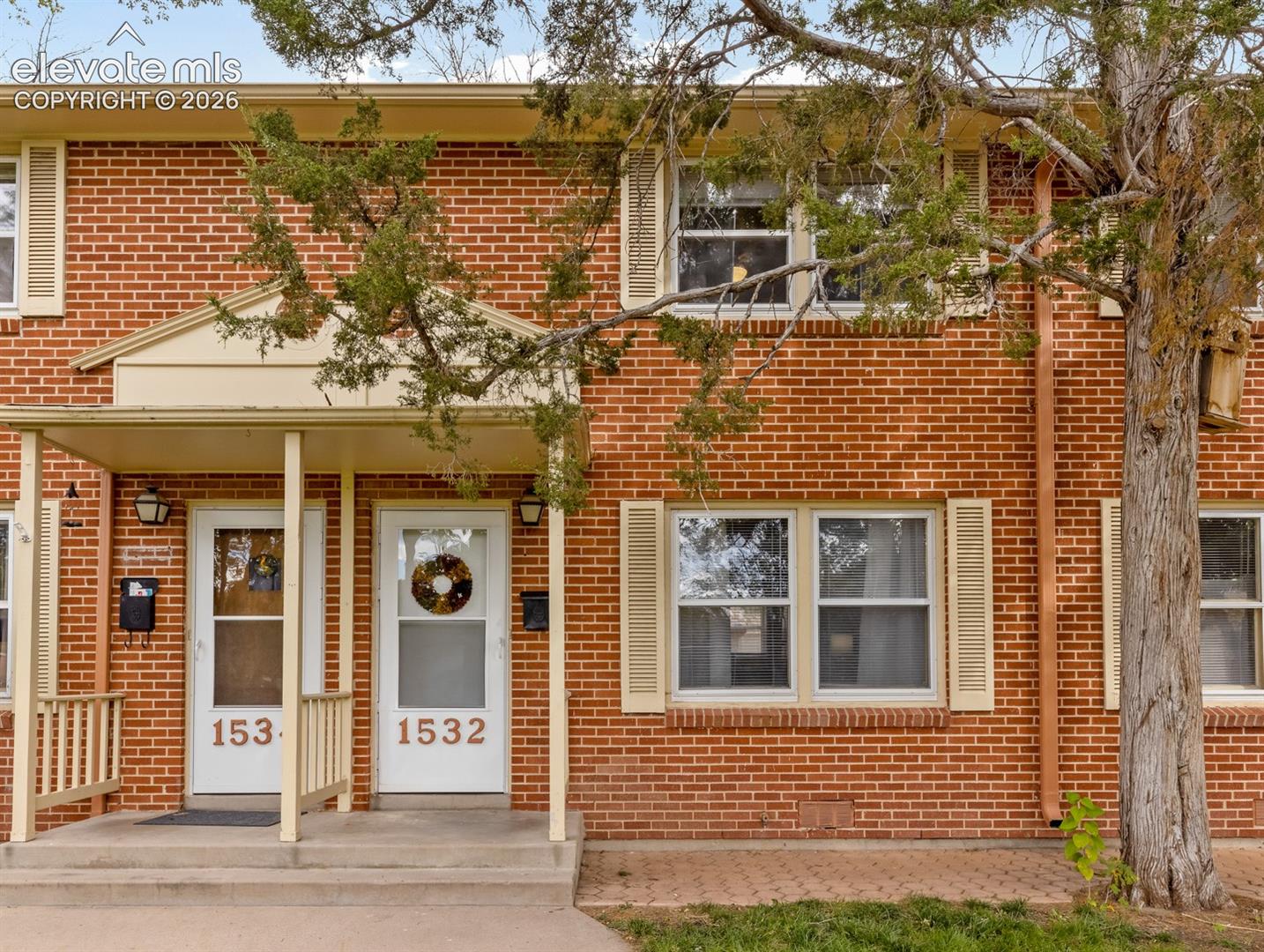
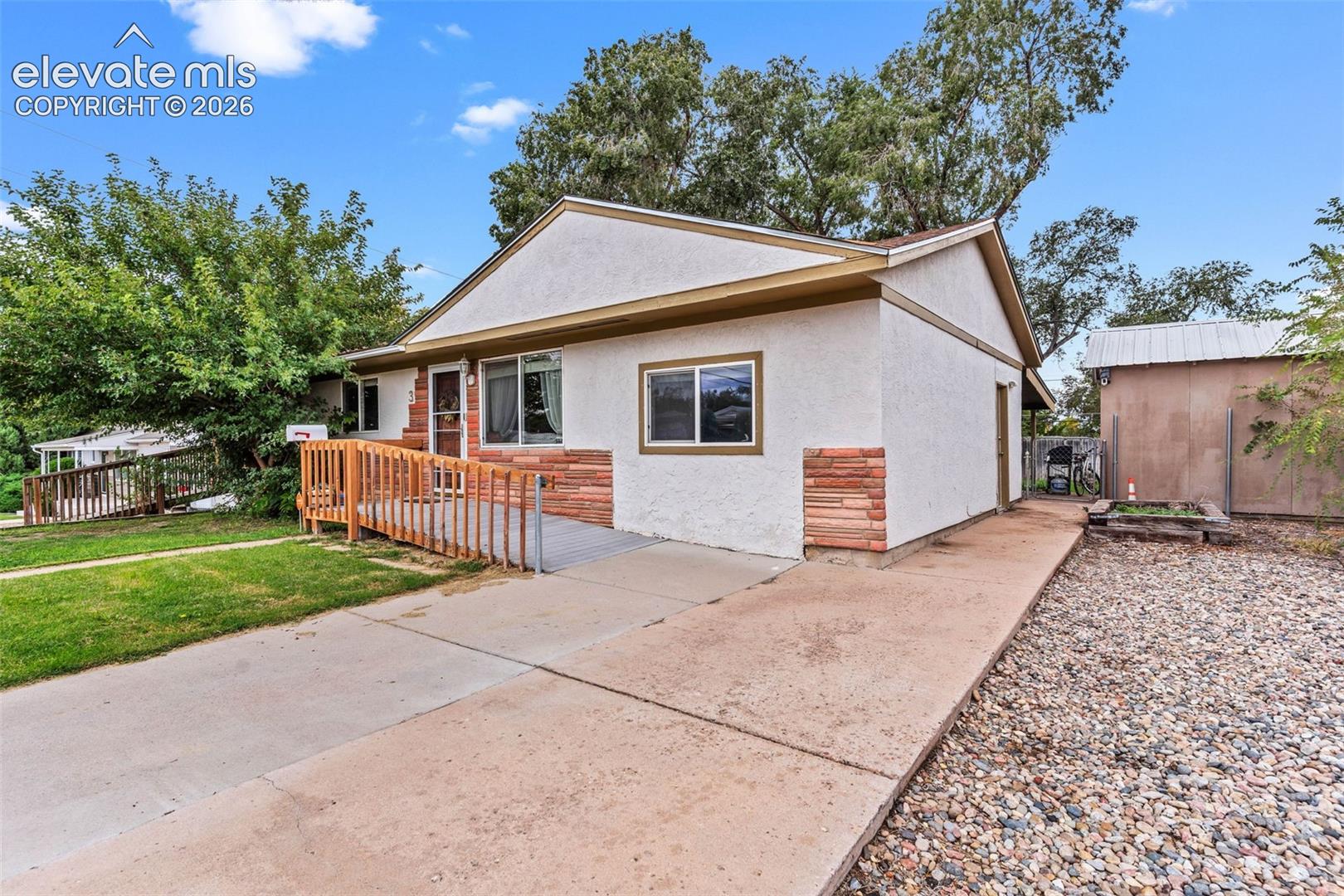
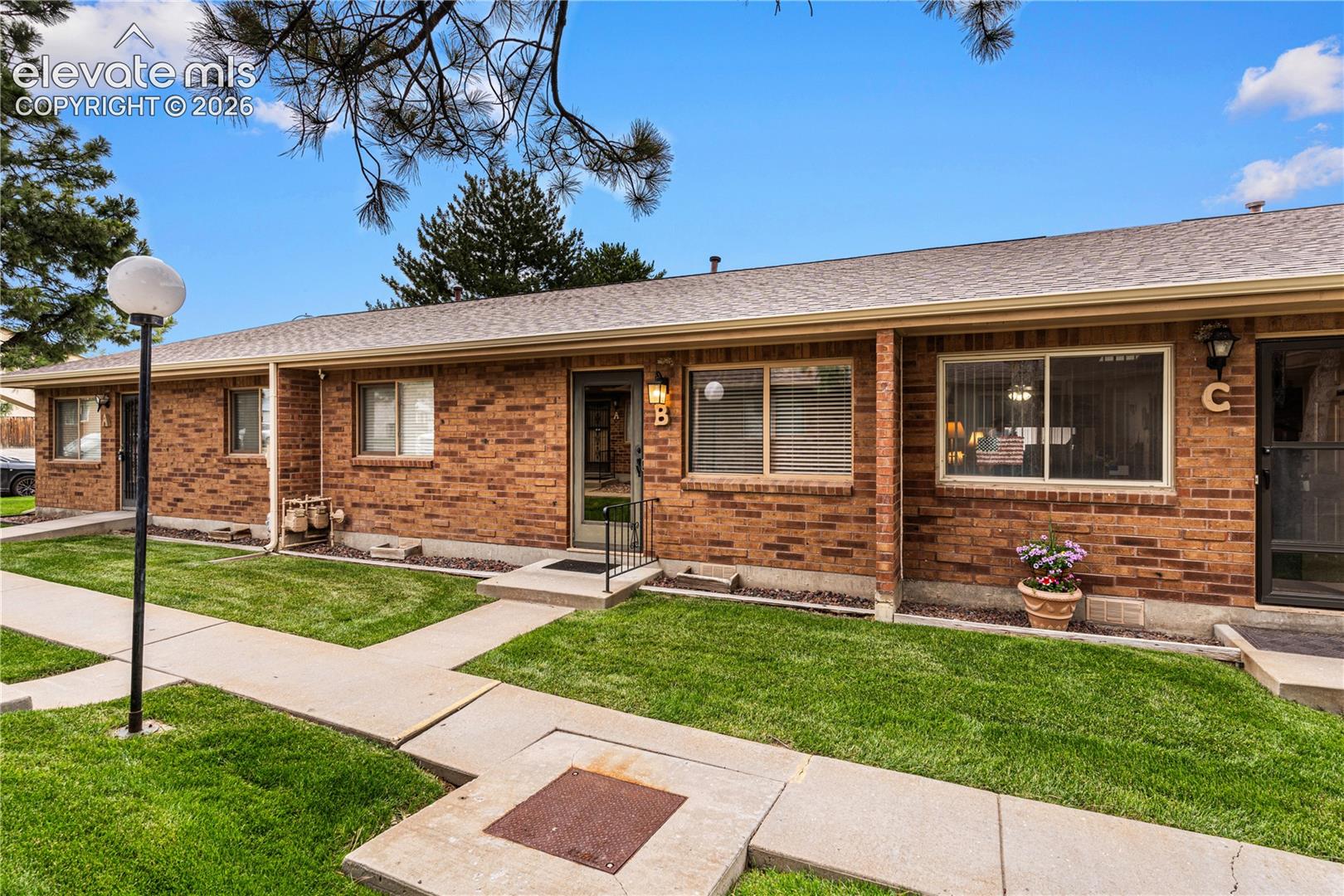
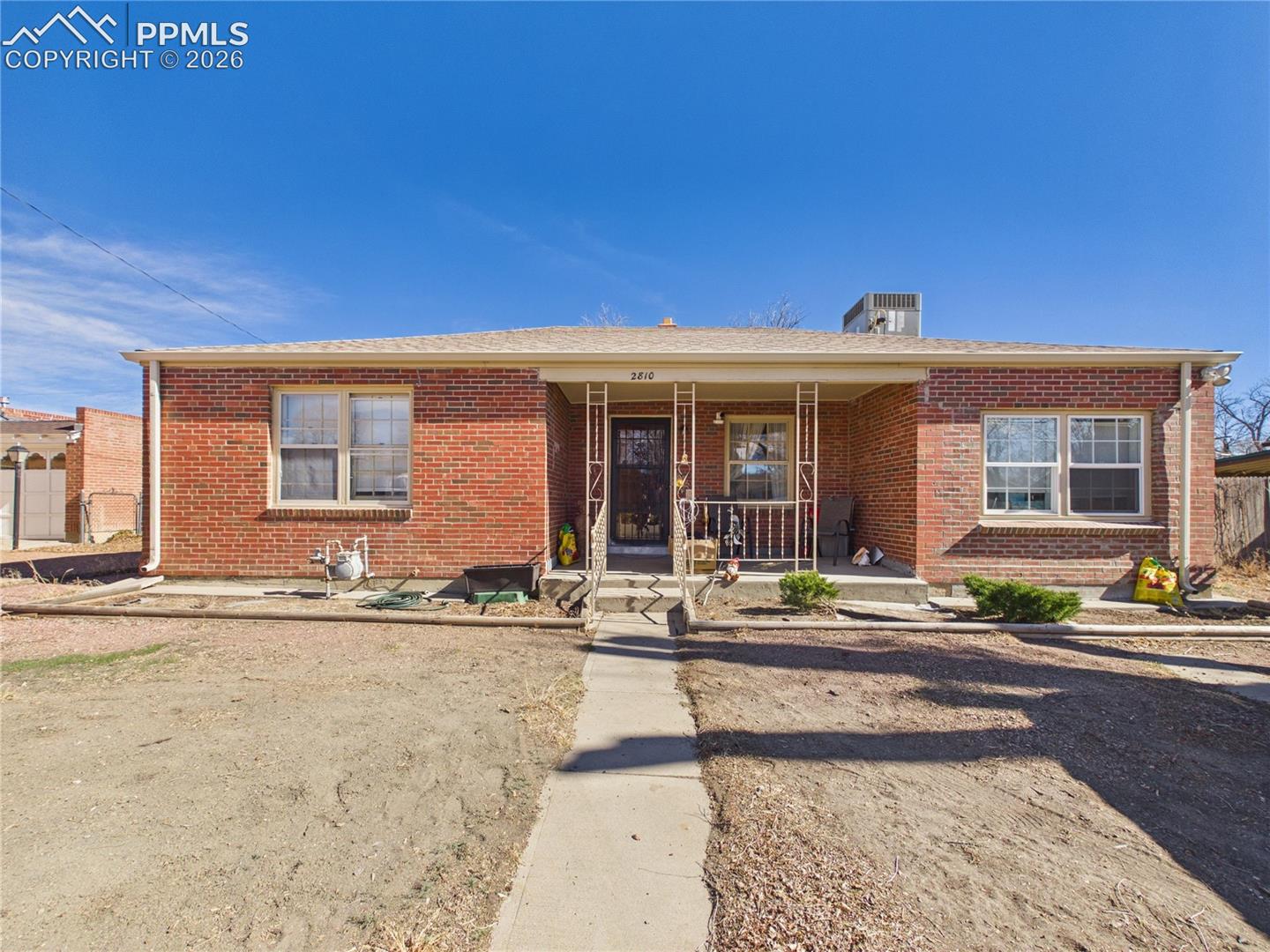
Here's roughly how pricing breaks down by property type:
After the rapid, pandemic-era run-up, Pueblo has settled into a healthy rebalancing rather than a downturn. Year-over-year prices have cooled modestly—on the order of 1.6% to 3%—which industry watchers read as normalization, not distress. The practical effect is that local wages get a chance to catch back up with home values, reinforcing Pueblo's role as a landing spot for first-time buyers and retirees.
Inventory has grown to a healthier level, with around 1,000 active listings across the metro and roughly a 3.5 to 4.1-month supply. Because anything under four months historically signals a seller's market, Pueblo is sitting right on the line between balanced and buyer-favorable—giving purchasers real leverage to ask for price reductions and concessions.
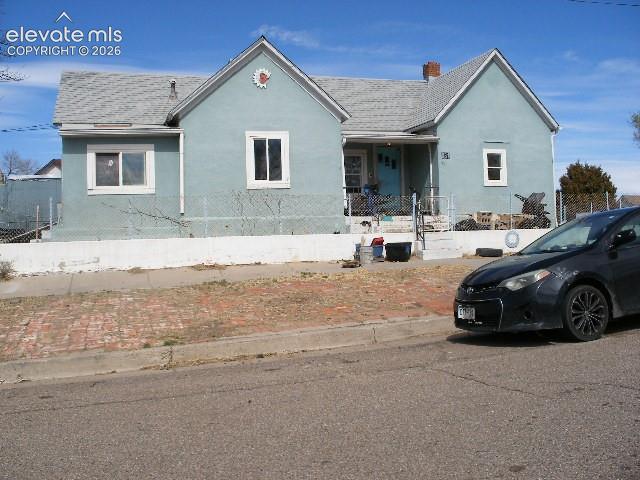
What's important to understand is that Pueblo isn't one market; it's many. Pricing diverges sharply by pocket:
Looking ahead, expect stability with modest single-digit appreciation in the 2% to 4% range, supported by economic anchors like EVRAZ Rocky Mountain Steel, Vestas wind-turbine manufacturing, and a deep new-construction pipeline including the multi-thousand-home Landhuis development. Pueblo builds equity slowly and steadily—not in volatile swings.
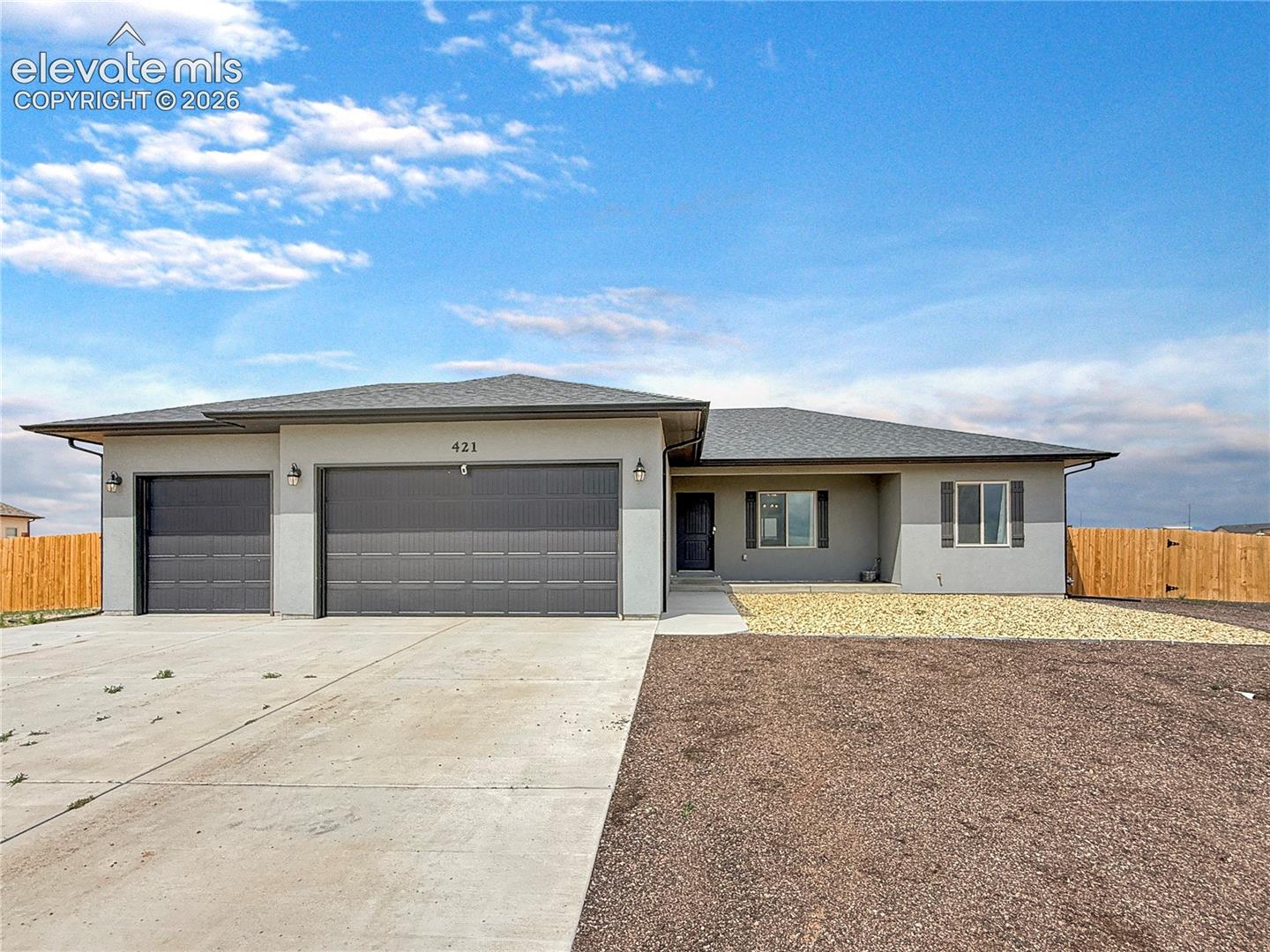
Pueblo's new-build market is expanding at a measured pace and costs noticeably less than comparable new construction farther up the Front Range. The real epicenter of growth sits in Pueblo West and the areas surrounding CSU-Pueblo on the city's north side.
The builder landscape is a mix of regional production companies and local custom contractors. On the production side, builders like Challenger Homes bring streamlined, energy-efficient floor plans to the region, and the large-scale Landhuis development near CSU-Pueblo is pushing thousands of master-planned units into the pipeline over the coming years. For buyers who want something more personalized, regional mainstays such as Eagleridge Homes are developing pockets like the Bella Vista Nord subdivision, while much of Pueblo West's new construction comes from independent general contractors building scattered-site custom homes on acreage.
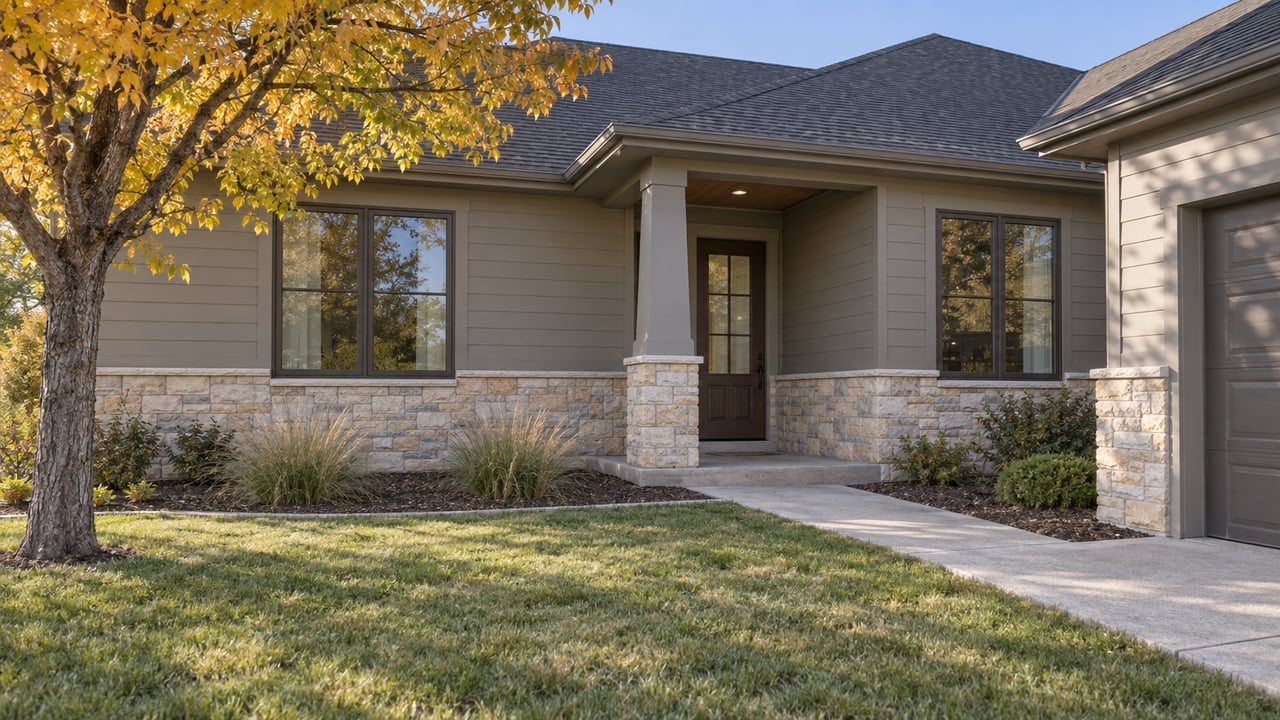
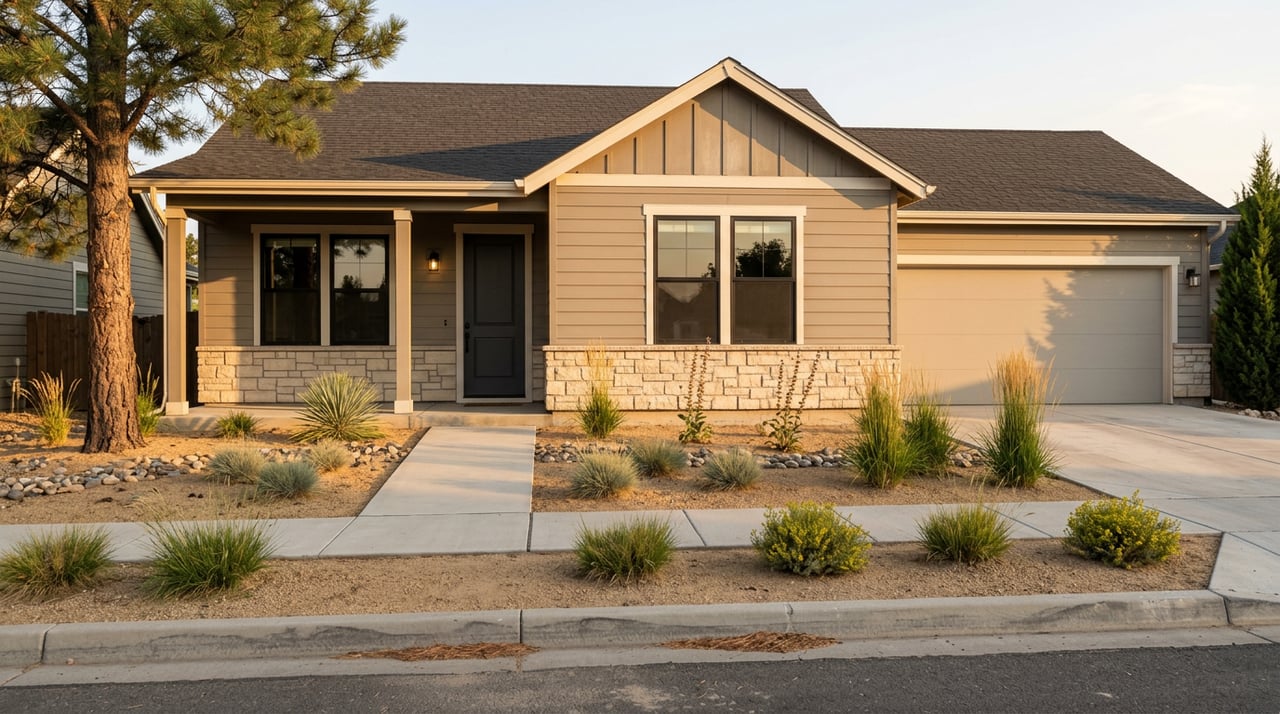
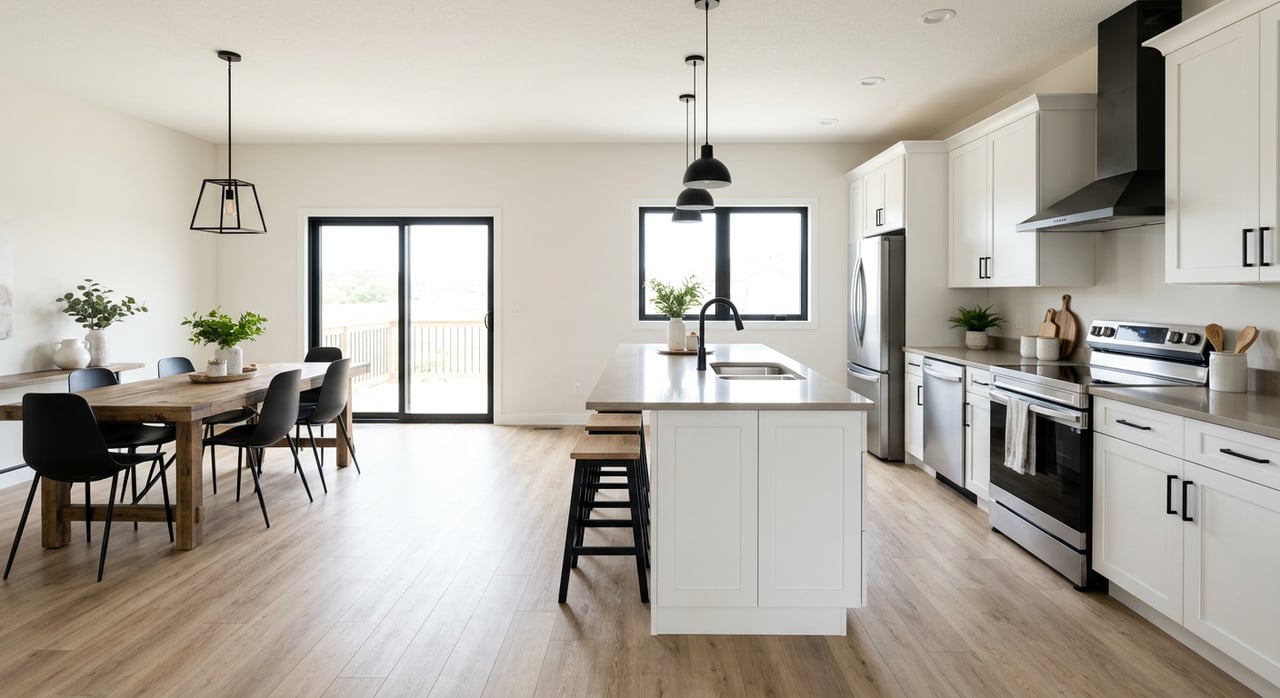
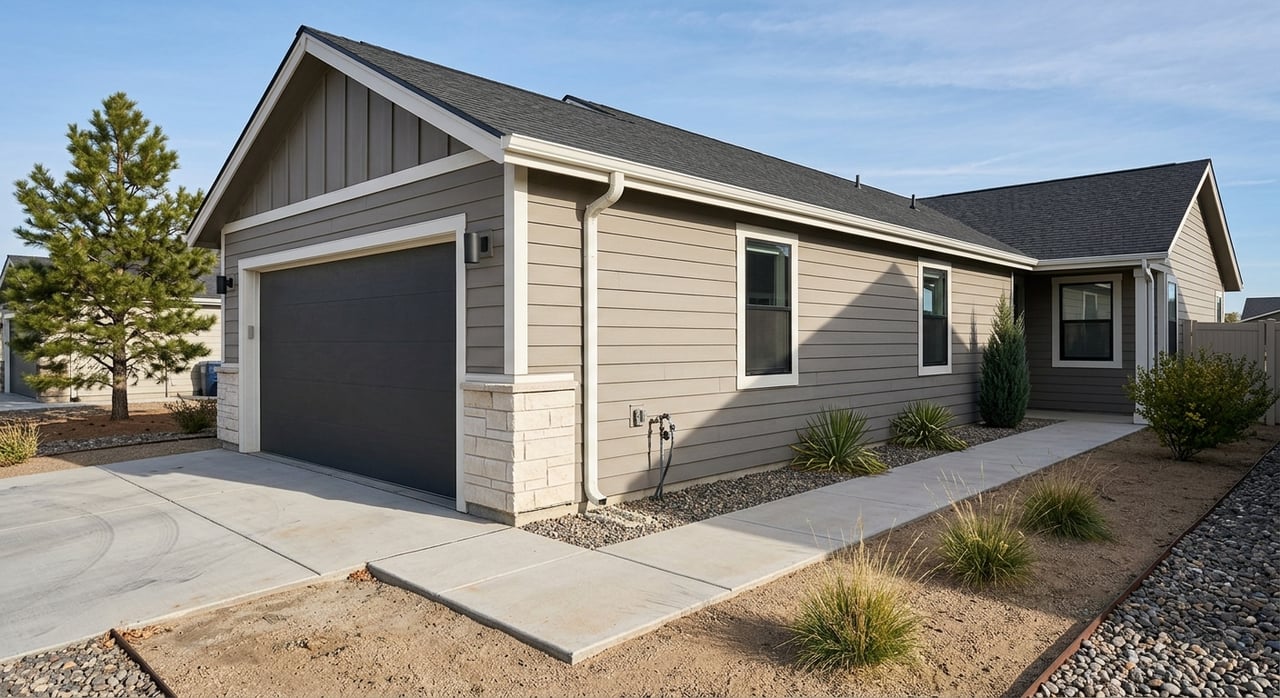
Brand-new single-family production homes generally start in the mid-$300s, scaling into the $450,000–$550,000+ range for semi-custom builds or homes with land in Pueblo West. Expect stucco-and-stone exteriors built for the climate, open-concept layouts, and energy-efficient standards like 96% efficient furnaces and tankless water heaters, plus a growing trend toward multi-generational layouts and built-in ADUs. Because the broader market has cooled, builders are competing hard—flex cash toward design upgrades and temporary interest-rate buy-downs are common.
Among Colorado investors, Pueblo is widely regarded as one of the state's premier cash-flow markets—a sharp contrast to the speculative, low-cap-rate environments of Denver and Colorado Springs.
The draw is the rent-to-price ratio. With median single-family homes selling around $248,000–$285,000 and average rents near $1,320/month, gross yields here outpace most Front Range cities. For buy-and-hold investors, Belmont and University Park are strong targets thanks to student and faculty demand near CSU-Pueblo, while Bessemer and the East Side offer entry points often under $200,000 for higher-yield, working-class rentals—though those typically demand more hands-on management.
Pueblo's aging urban core also feeds a steady fix-and-flip pipeline. Houses built between the 1920s and 1950s regularly hit the market with deferred maintenance under $175,000. Because local buyers are cost-conscious and many rely on FHA/VA financing and down-payment assistance, successful flippers focus on solid mid-tier finishes that clear those lending standards rather than chasing luxury upgrades.
On appreciation: Pueblo is a slow-and-steady market, not a rapid riser. But its floor is well-supported by industrial and energy employment (EVRAZ, Vestas), infrastructure investment, and master-planned expansion. Smart underwriting assumes a return to historical 2% to 4% annual appreciation rather than betting on outsized gains.
The purchase process here is far less frantic than in other Front Range markets, which works to a buyer's advantage. With homes averaging 58 to 69 days on market, you rarely need to make a same-day offer, and bidding wars are uncommon unless a home is underpriced or sits in a premium pocket like Pueblo West or near CSU-Pueblo. Expect to negotiate, with final prices averaging about 97.8% of list.
Because the market leans buyer-friendly, you don't have to strip protections out of your offer to compete:
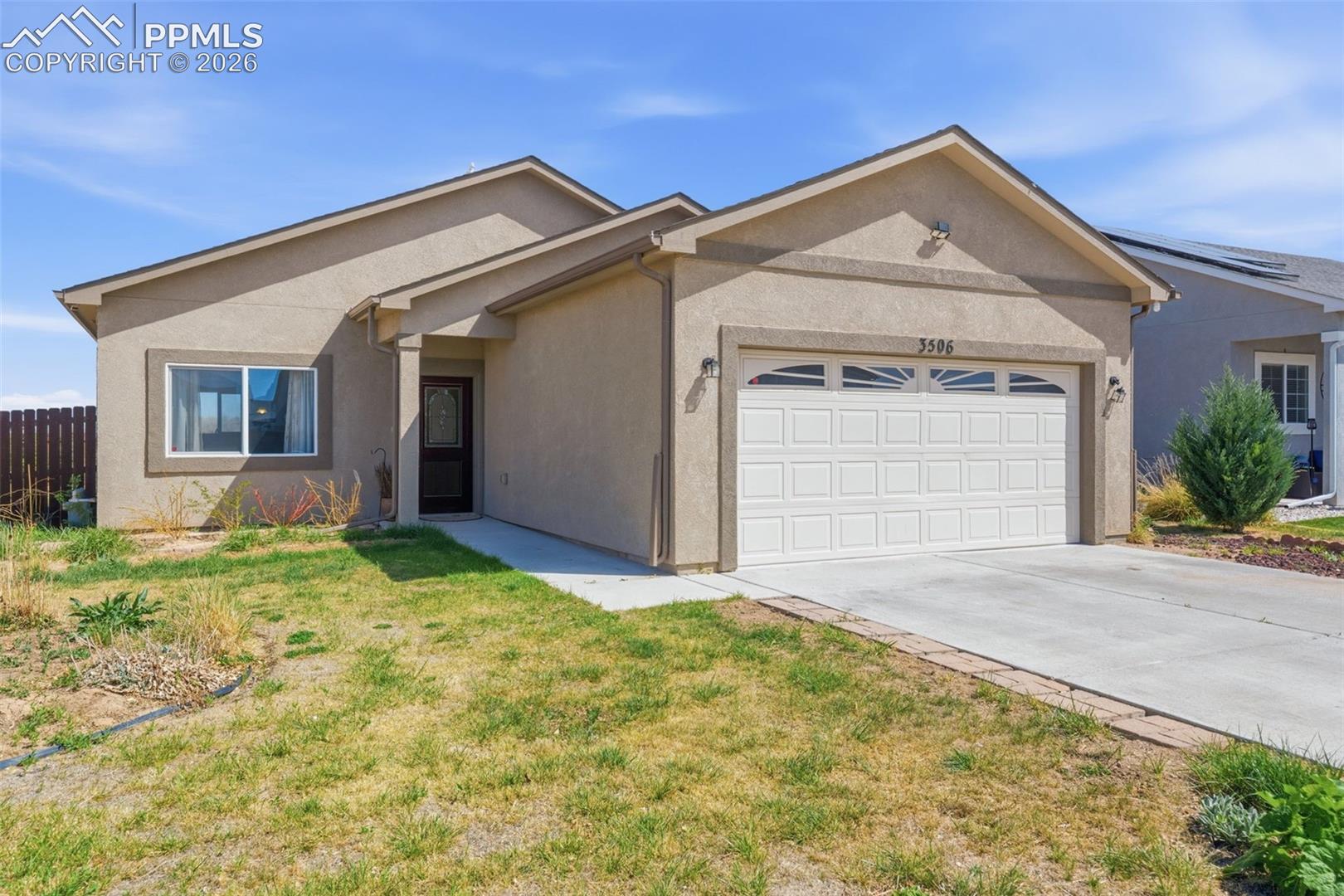
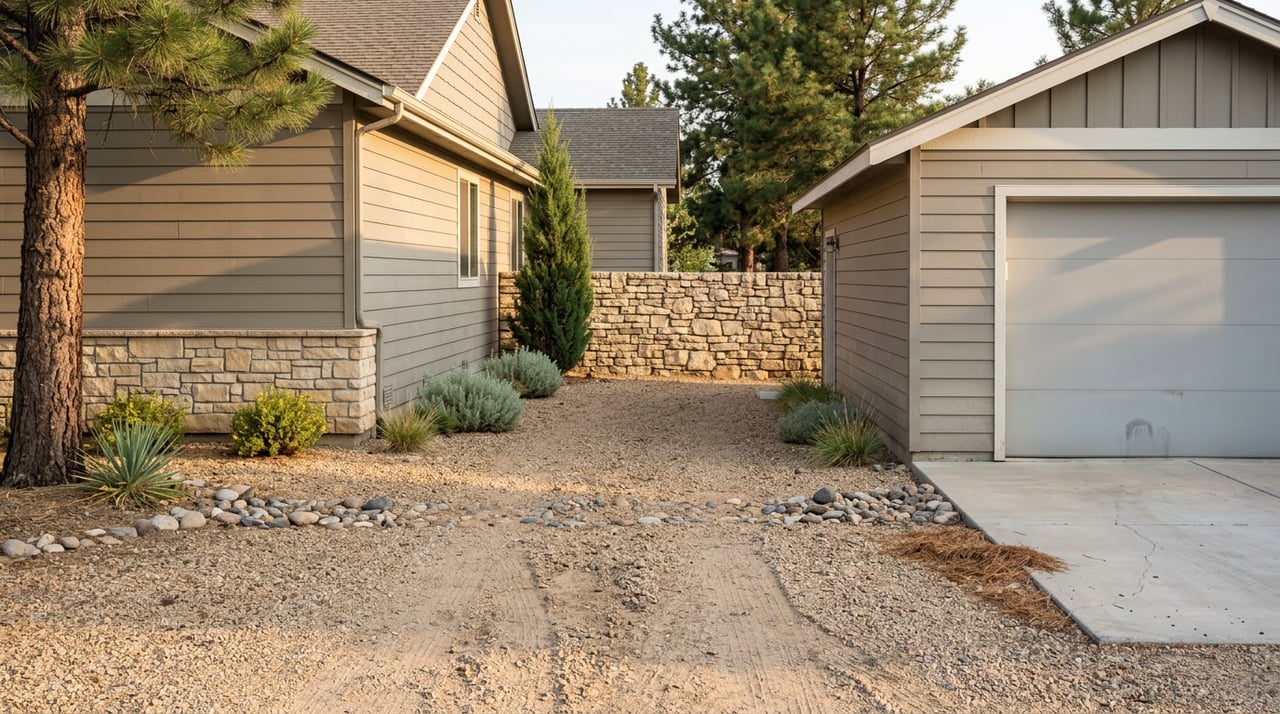
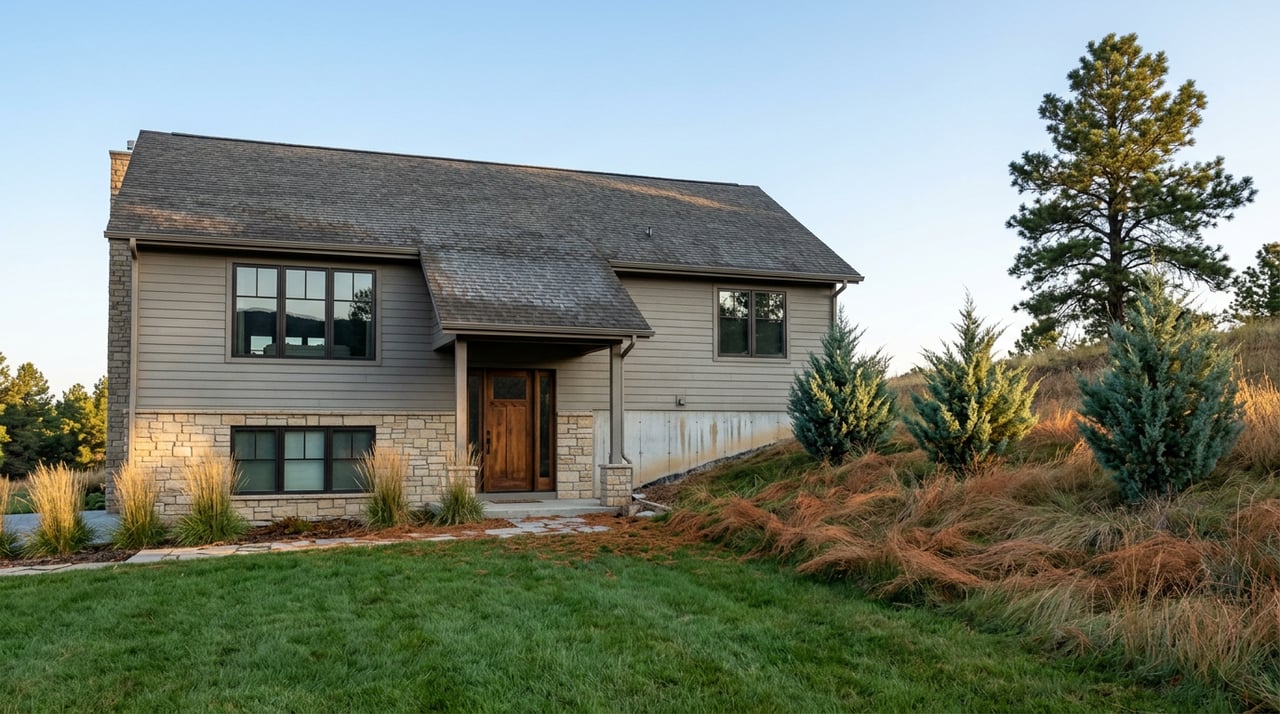
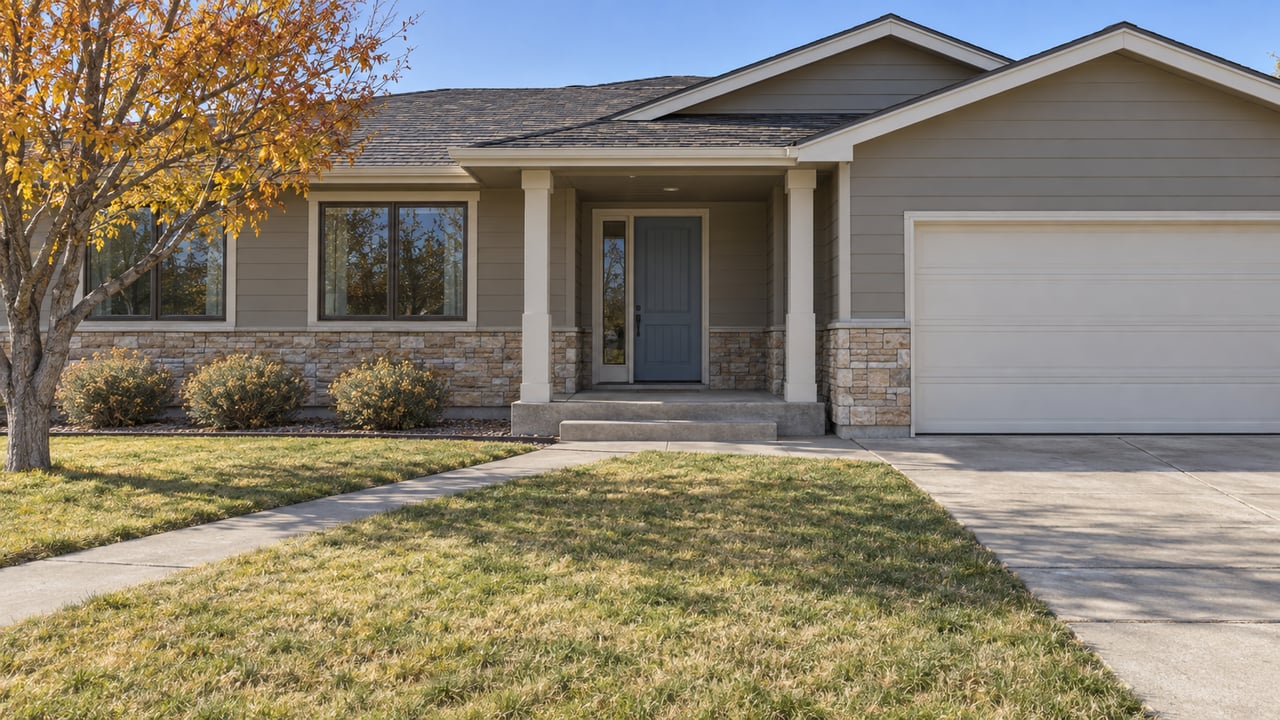
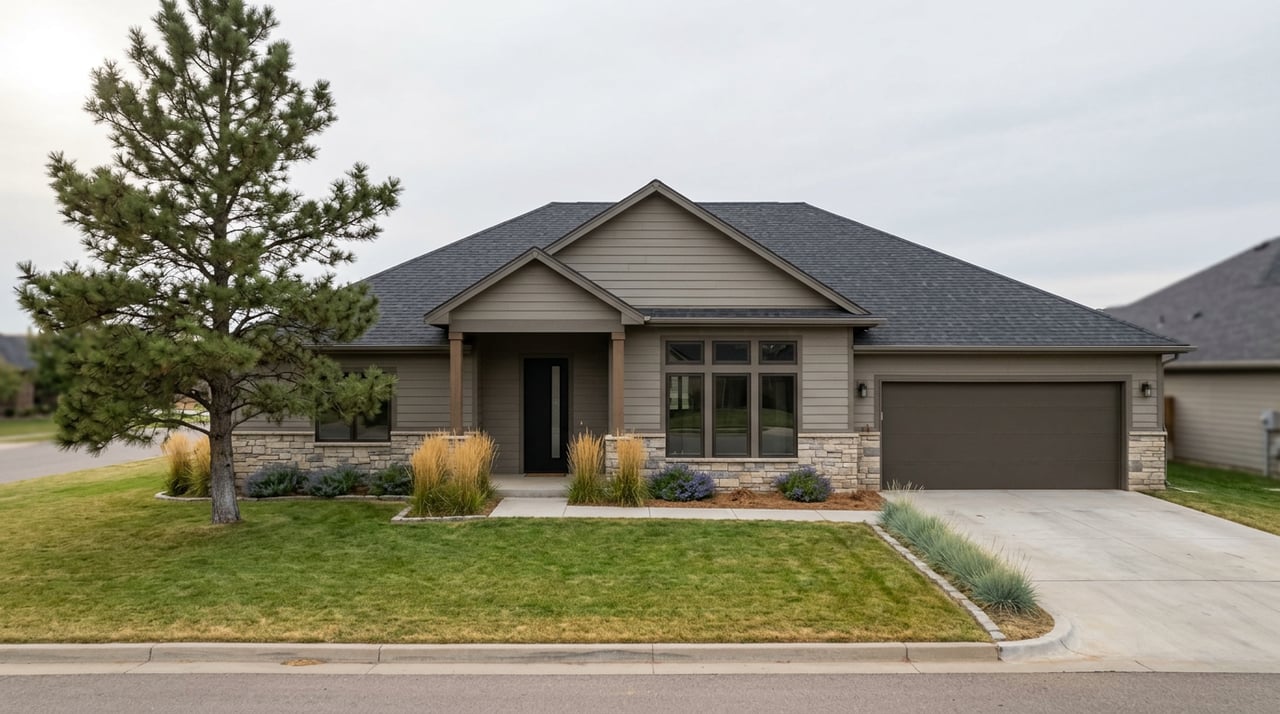
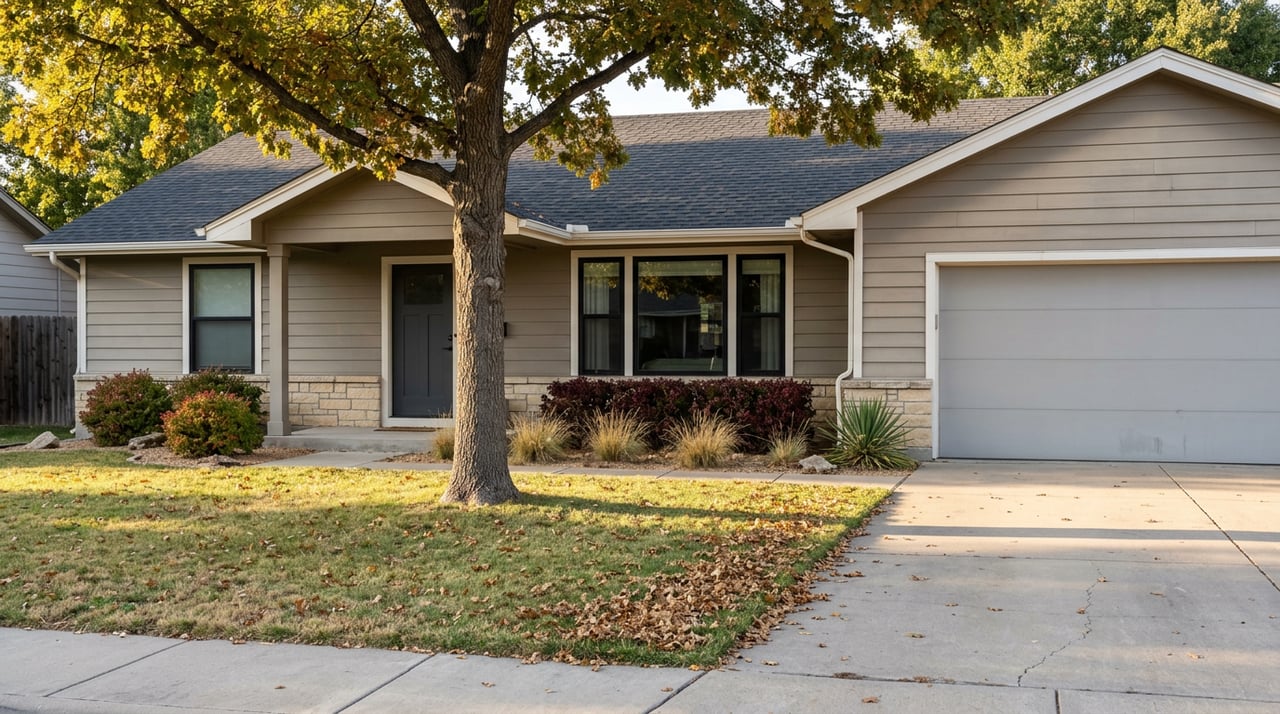
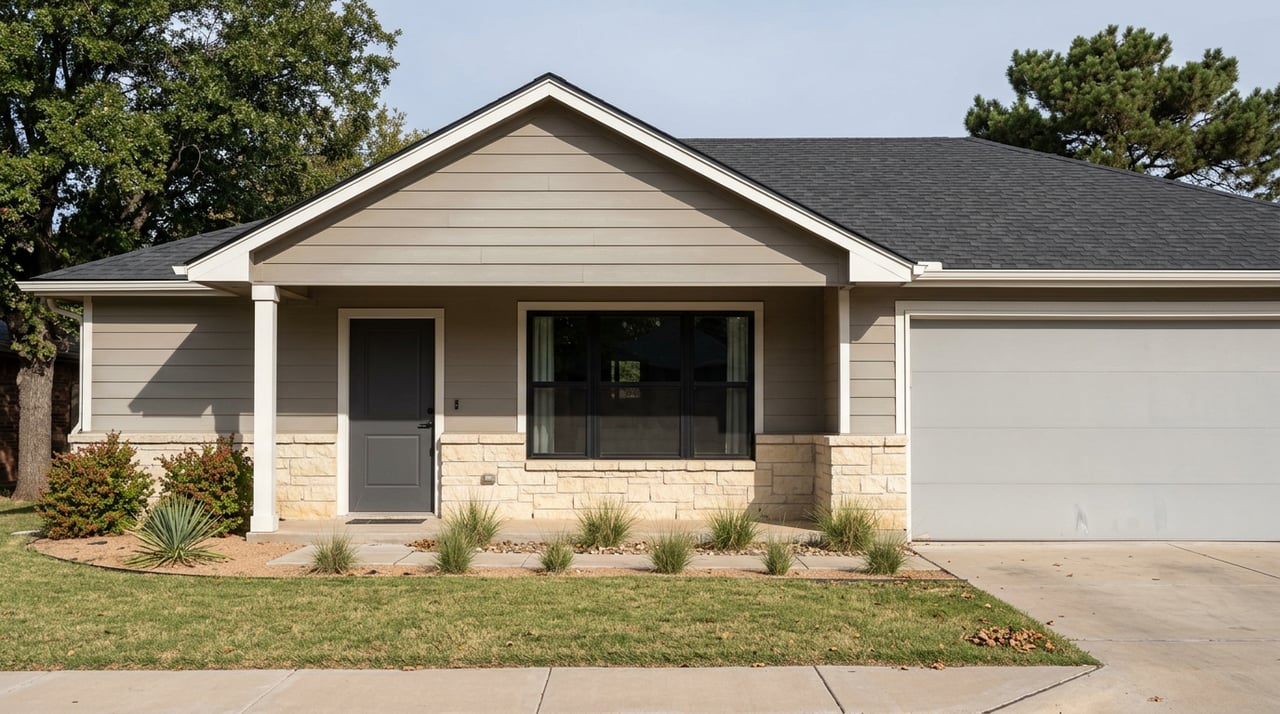
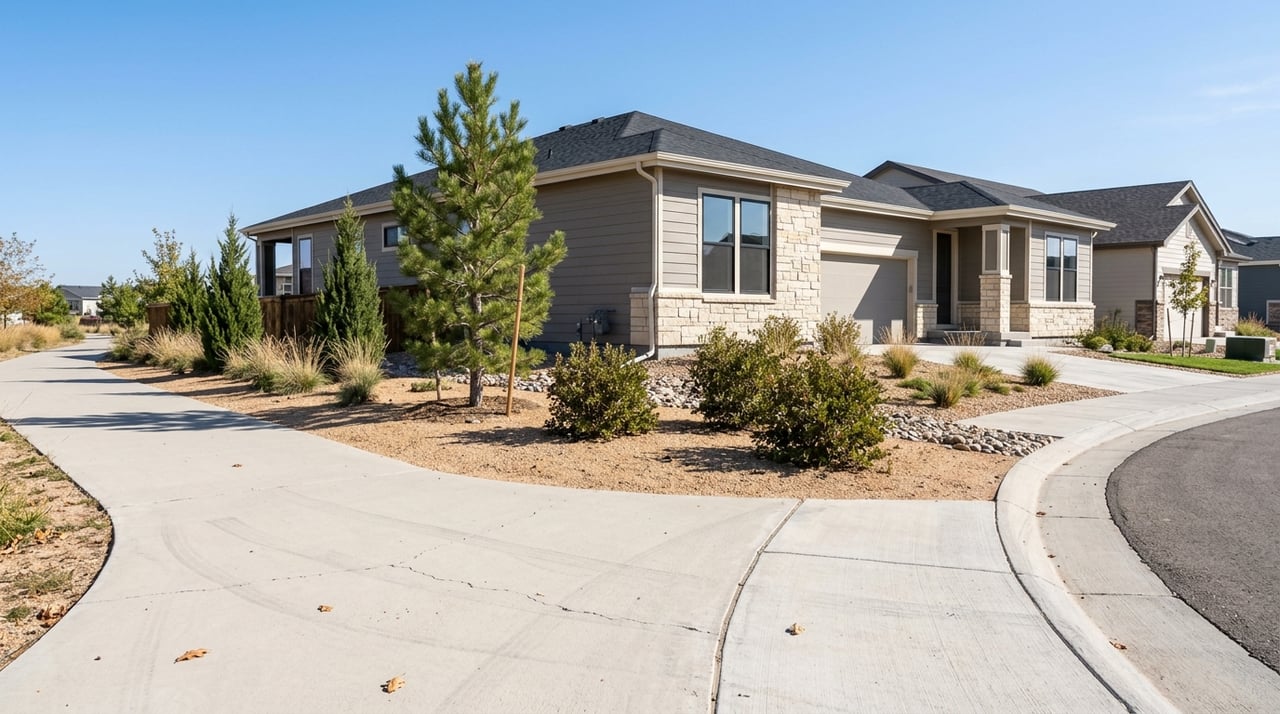
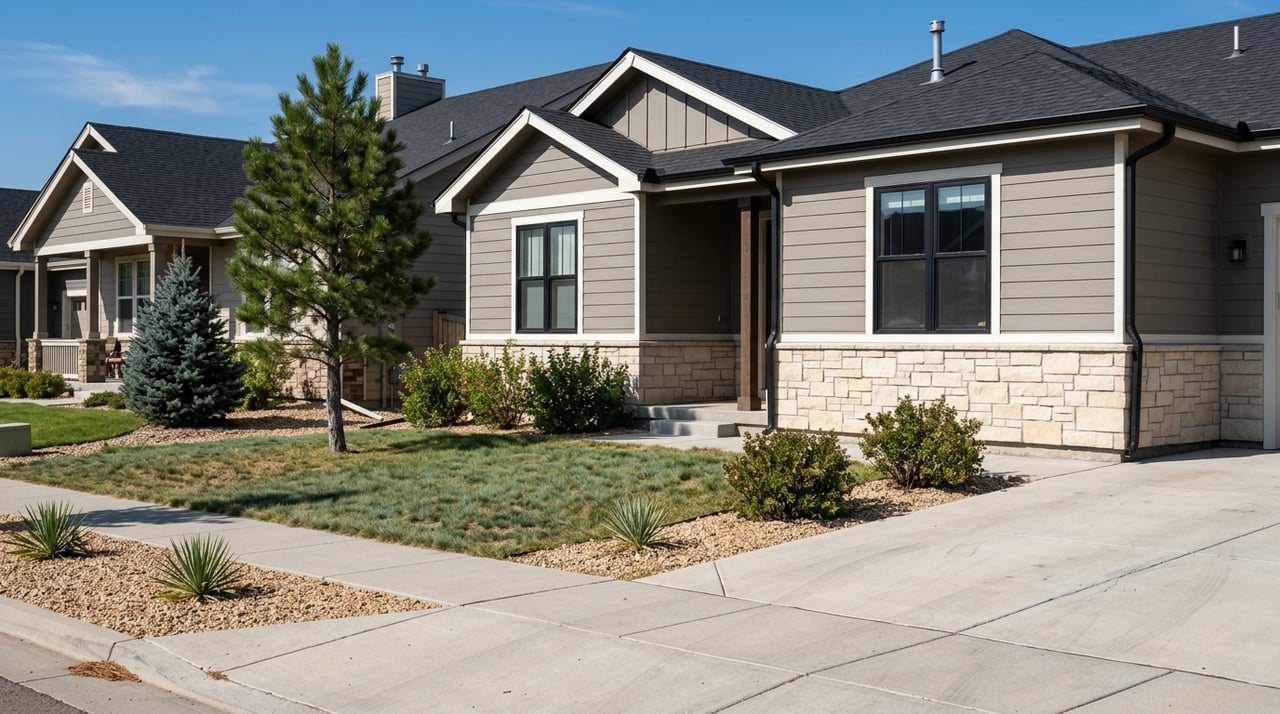
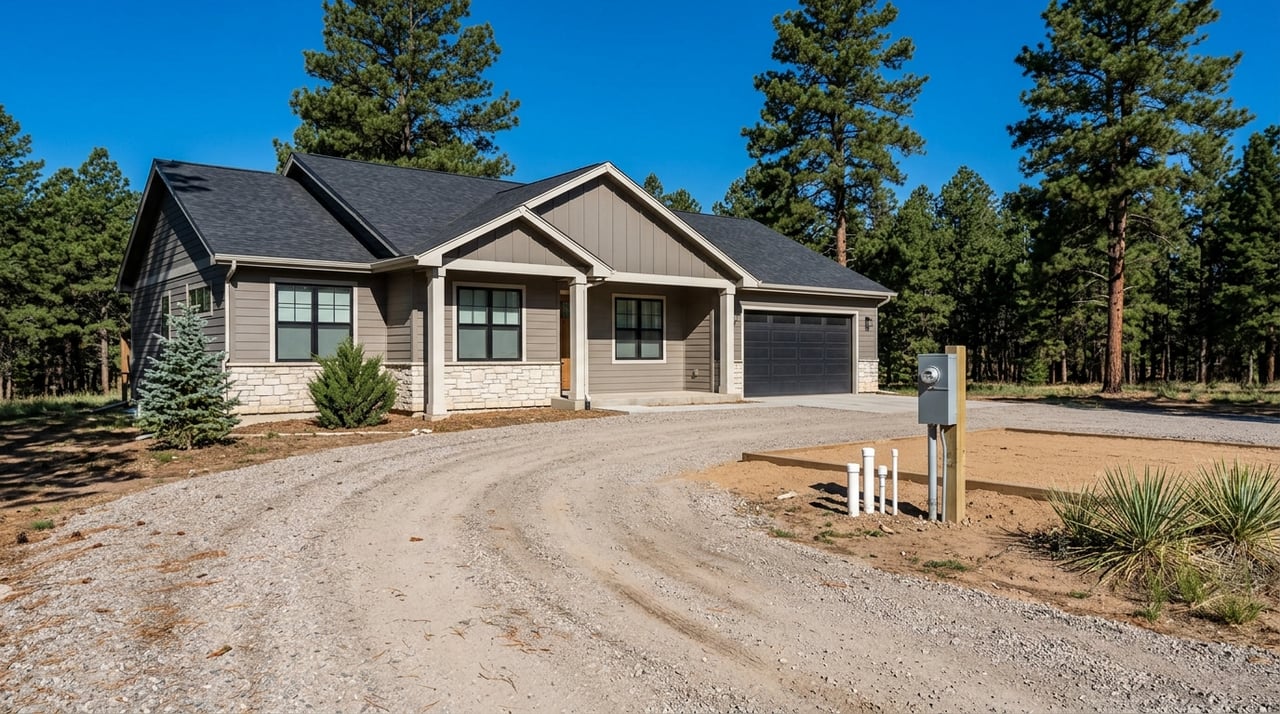
As for what you'll actually be touring: the historic urban core (Bessemer, the North Side, the East Side) offers Craftsman bungalows, mid-century ranches, and Victorians—character at lower price points, but budget for maintenance. Belmont delivers solid 1960s–1980s ranches and tri-levels with larger yards. And Pueblo West is dominated by newer single-family homes from the 1990s onward on quarter-acre to one-acre-plus lots, often with stucco finishes and desert landscaping.
This is where local knowledge separates a smooth purchase from an expensive surprise. A few things every Pueblo buyer should evaluate during due diligence:
Flood risk and the 1921 legacy. Pueblo sits at the meeting point of the Arkansas River and Fountain Creek. The catastrophic 1921 flood led to the massive levee system that now protects downtown, but flood risk remains a live factor. Always pull a FEMA flood map for the specific address. If it falls in a Special Flood Hazard Area, your lender will require flood insurance—potentially thousands per year. Even in "Zone X" areas common to parts of Pueblo West, private flood coverage is worth weighing given high-desert flash-flooding patterns.
Expansive soils and foundations. Southern Colorado is known for bentonite clay that swells when wet and shrinks when dry. In older neighborhoods, watch for cracked foundations, uneven floors, and doors that won't latch. In Pueblo West and newer builds, confirm the builder did a proper soil test and engineered foundation. A sewer scope is non-negotiable on older city homes, where clay pipes are often compromised by tree roots.
Pueblo West isn't a typical HOA. Instead of a standard private HOA, Pueblo West is governed by the Pueblo West Metropolitan District and its Committee of Architecture (COA), which enforces strict covenants on land use, maintenance, and aesthetics. Crucially, the "Primary Structure" rule means you cannot build detached garages, large sheds, workshops, or add solar until the primary home is fully built and permitted.
Water and utilities vary. Inside city limits, Pueblo Water provides established, reliable service. In Pueblo West, the Metro District manages water and wastewater—and because it's a fast-growing high-desert community, tap fees for new construction can run high and tiered conservation pricing applies to heavy summer irrigation.
Zoning and ADUs. Colorado law broadly supports ADU development, but you'll still need to check the city's Unified Development Code or County zoning for setbacks (typically a 5-foot minimum rear setback) and any short-term rental restrictions.
Moving to Pueblo means settling into a city with a fierce local identity and a geographic footprint distinct from the rest of the Front Range. Life moves more slowly here, and the cultural roots run deep—you'll taste it immediately in the local cuisine, anchored by the legendary Pueblo Green Chile celebrated at a major festival every September.
The climate is a genuine selling point. Pueblo sits in Colorado's "Banana Belt," meaning milder winters, far less snow, and quick melt-off under abundant sunshine. Summers are hot—July and August regularly break 100°F—but the high-desert evenings cool off comfortably, and xeriscaping is a way of life rather than a trend.
On the practical side, healthcare is anchored by Parkview Health System (the area's largest employer) and St. Mary-Corwin Hospital. Higher education centers on Colorado State University-Pueblo and Pueblo Community College, both feeding workforce talent into the region and shaping the north side of town.
Pueblo is, on the whole, a car-dependent city—its overall Walk Score sits around 30 to 35, and most errands require a vehicle. But the upside is one of the shortest commutes you'll find anywhere on the Front Range: the average local commute is just 18 minutes.
Plenty of residents take advantage of Pueblo's affordability while commuting north to Colorado Springs for aerospace, defense, and military-tech jobs. That drive runs roughly 40 to 45 minutes up I-25, though winter weather, accidents, or congestion through "The Gap" can stretch the evening return past an hour.
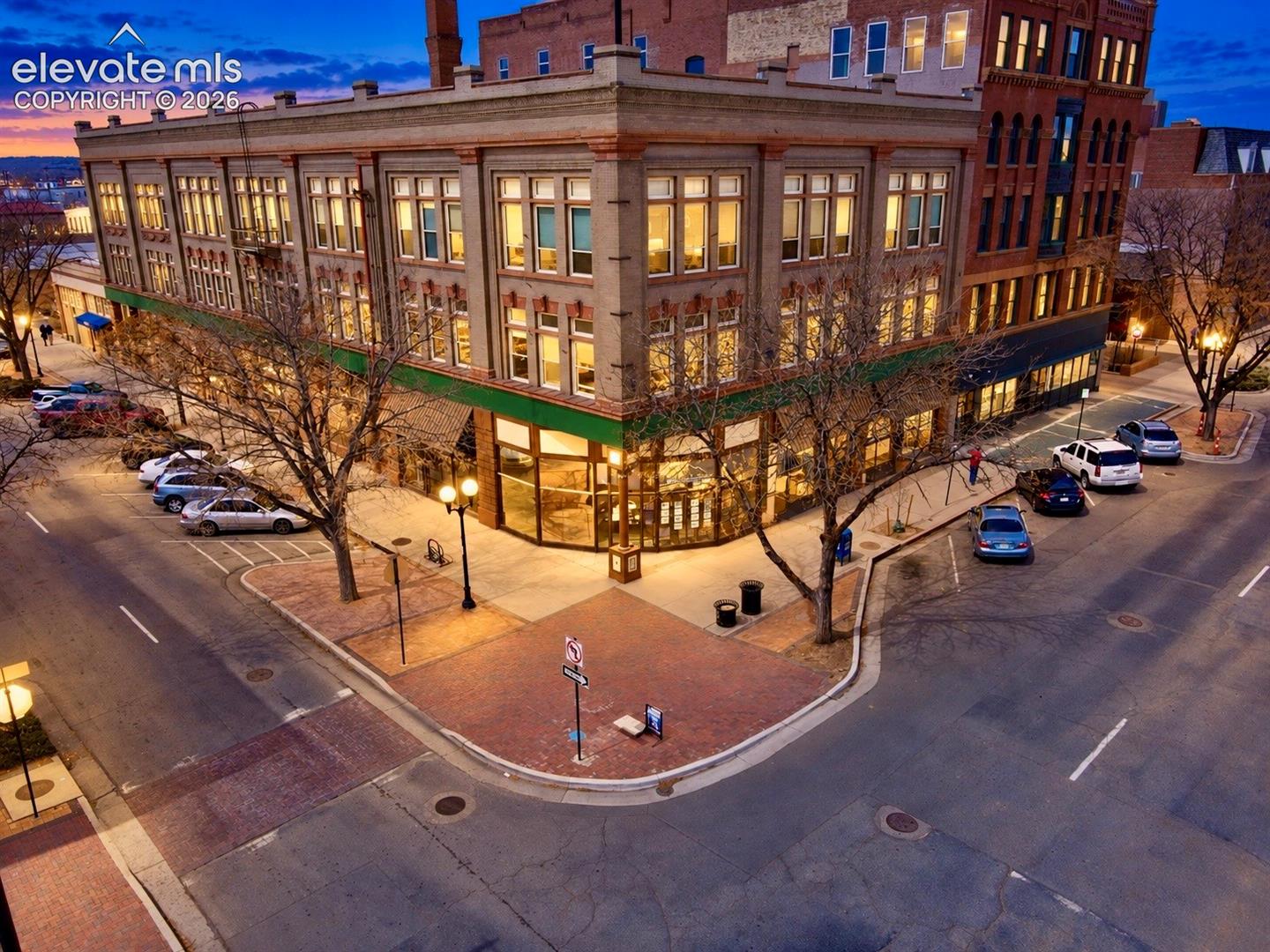
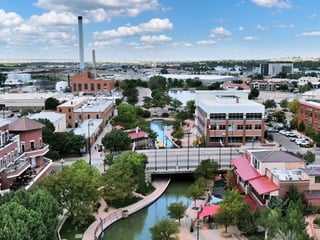
There are real walkable exceptions worth knowing. Downtown Pueblo and the Historic Arkansas Riverwalk post Walk Scores in the 70s and 80s, with breweries, coffee shops, galleries, and restaurants all reachable on foot. The historic North Side and the area near Pueblo Community College also have decent sidewalk grids.
For cyclists, Pueblo is better than its reputation: over 30 miles of paved, interconnected multi-use trails, crowned by the Arkansas River Trail, which runs uninterrupted from downtown all the way west to Lake Pueblo State Park. Public transit runs through Pueblo Transit's dozen-or-so fixed routes radiating from the Downtown Transit Center, though 30-to-60-minute intervals mean most residents still rely on their own vehicles.
Pueblo's public education is split geographically between two entirely separate districts—a distinction that heavily influences where families choose to buy.
Pueblo School District 60 (D60) serves the urban core and established city neighborhoods like Belmont, the North Side, and Bessemer. It blends traditional neighborhood schools with targeted choice and magnet programs, and because accountability ratings vary campus to campus, many families use choice-enrollment strategically. Standouts include Fountain International Magnet School (highly rated IB Primary Years program), Corwin International Magnet School (extending IB into the middle grades), and the historic rival high schools Centennial and Central, both with strong AP tracks.
Pueblo County School District 70 (D70) covers the communities outside the city proper—including all of Pueblo West, the Mesa, and rural county areas. D70 is especially popular with family buyers, with strong parent engagement and consistent academic-growth metrics. Notable options include Swallows Charter Academy (a sought-after K-12 college-prep charter in Pueblo West) and Pueblo West High School, known for athletics, STEM, and solid graduation rates.
One thing worth flagging: Colorado is an open-enrollment state. If you buy in D60 but prefer a D70 school (or vice versa), you can apply for out-of-district enrollment—provided seats are open and you can arrange your own transportation.
For an active buyer, Pueblo's outdoor amenities punch well above the city's price point. The crown jewel is Lake Pueblo State Park—10,000 acres of land and 60 miles of shoreline, with two full-service marinas for boating, sailing, and waterskiing, premier fishing for walleye, bass, and trout, 400 year-round campsites, and an intricate single-track mountain-biking network through the shale bluffs (the Arkansas Point trails).
Closer in, the paved Arkansas River Trail lets you ride from downtown straight to the state park without crossing traffic. Historic City Park on the west side offers mature shade trees, a pool, tennis courts, and the Pueblo Zoo—a weekend staple for young families. And the Historic Arkansas Riverwalk brings excursion boats, walking paths, and community events to the heart of downtown.
Pueblo's food and nightlife mirror the city itself: unpretentious, deeply rooted, and fiercely local. Don't expect a sea of minimalist fusion bistros—expect family-run kitchens and comfort-driven gathering spots.
The undisputed star is Pueblo Green Chile, less an ingredient than a local identity marker. Its signature expression is "The Slopper"—an open-faced cheeseburger drowned in thick green chile, served at institutions like Gray's Coors Tavern and The Sunset Inn. The city's Italian heritage rounds things out with scratch-made pasta, wood-fired pizza, and generations-old grinder sandwiches.
Nightlife is relaxed and neighborhood-centric. The Riverwalk District and Union Avenue anchor the walkable evening scene with cocktail lounges and craft breweries like Brues Alehouse, blending live music with canal-side seating. Beyond downtown, expect classic neighborhood pubs, trivia nights, and patio dining—an easygoing social scene where meeting your neighbors comes naturally.
In the Pueblo area, the regulatory framework is dominated less by traditional HOAs and more by Metropolitan Districts—and understanding the difference matters before you sign.
If you buy in Pueblo West, you're governed by the Pueblo West Metropolitan District (PWMD) and its Committee of Architecture, which enforces a set of covenants called the Declaration of Reservations. These function exactly like an HOA, regulating exterior colors, weed control, fencing, home sizes, and maintenance. The district takes enforcement seriously, with administrative fines starting around $150 and scaling to $500 if violations aren't cured within 30 days. And again—the "Primary Structure" rule bars detached workshops, sheds, or accessory buildings until the main residence is fully built and occupied.
In newer master-planned pockets within city limits, traditional private HOAs are standard, but Colorado law gives homeowners meaningful protection. Under the Colorado Common Interest Ownership Act, an HOA cannot ban drought-tolerant landscaping or xeriscaping (they can regulate placement and design, but not force a water-heavy lawn). And if your neighborhood streets are public rights-of-way, the HOA has no authority to fine or tow for street parking—only on private driveways or association-owned common areas.
A practical tip: have your agent pull the specific Declaration of Reservations (Pueblo West) or the HOA's CC&Rs during your title review period. In a city full of outdoor enthusiasts, these documents dictate exactly how—and whether—you can store an RV, boat, or trailer on your property.
If you're weighing a move to Pueblo, buying your first home, or building an investment portfolio in one of Colorado's best cash-flow markets, it pays to work with someone who knows the ground floor to the rooftop. Scott Coddington, broker and owner of Pulse Real Estate Group, LLC, is a third-generation agent and Colorado Springs native who has served the region since 1997. His experience spans first-time buyers and sellers, military families, investment management, new construction with local builders, bank-owned and short-sale properties, VA and FHA assumable loans, and the kind of patient, plain-spoken guidance that makes a complex transaction feel manageable. Pulse Real Estate Group serves Colorado Springs, Pueblo, Pueblo West, Denver, Breckenridge, Cañon City, Woodland Park, Buena Vista, and the surrounding communities.
Reach out directly to talk through your goals:
Whether you're listing a home for top dollar or trying to find the right neighborhood for your family, Scott and the Pulse team are here as a resource first—ready to help when you're ready to move.
There's plenty to do around Pueblo, including shopping, dining, nightlife, parks, and more. Data provided by Walk Score and Yelp.
Explore popular things to do in the area, including Southwest Deli and Cafe, Walmart Supercenter, and Aloha Hawaiian BBQ.
| Name | Category | Distance | Reviews |
Ratings by
Yelp
|
|---|---|---|---|---|
| Dining | 2.04 miles | 40 reviews | 4.6/5 stars | |
| Dining · $ | 2.06 miles | 21 reviews | 1.6/5 stars | |
| Dining | 2.15 miles | 79 reviews | 4.3/5 stars | |
| Dining | 2.15 miles | 0 reviews | 0/5 stars | |
| Dining · $$ | 2.17 miles | 49 reviews | 2.1/5 stars | |
| Dining | 2.19 miles | 7 reviews | 4.9/5 stars | |
| Dining | 2.19 miles | 2 reviews | 3/5 stars | |
| Dining | 2.2 miles | 0 reviews | 0/5 stars | |
| Dining · $ | 2.21 miles | 46 reviews | 2.1/5 stars | |
| Shopping | 2.04 miles | 6 reviews | 2.2/5 stars | |
| Shopping | 2.18 miles | 8 reviews | 2.3/5 stars | |
| Active | 2.11 miles | 0 reviews | 0/5 stars | |
| Active | 2.14 miles | 0 reviews | 0/5 stars | |
| Beauty | 2.03 miles | 2 reviews | 3/5 stars | |
| Beauty | 2.03 miles | 0 reviews | 0/5 stars | |
| Beauty | 2.03 miles | 0 reviews | 0/5 stars | |
| Beauty | 2.1 miles | 0 reviews | 0/5 stars | |
| Beauty | 2.1 miles | 1 review | 5/5 stars | |
| Beauty | 2.1 miles | 1 review | 5/5 stars | |
| Beauty | 2.1 miles | 0 reviews | 0/5 stars | |
| Beauty | 2.14 miles | 2 reviews | 3/5 stars | |
| Beauty | 2.18 miles | 0 reviews | 0/5 stars | |
|
|
||||
|
|
||||
|
|
||||
|
|
||||
|
|
||||
|
|
Pueblo has 64,608 households, with an average household size of 2.3857142857142857. Data provided by the U.S. Census Bureau. Here’s what the people living in Pueblo do for work — and how long it takes them to get there. Data provided by the U.S. Census Bureau. 161,607 people call Pueblo home. The population density is 430 and the largest age group is Data provided by the U.S. Census Bureau.
Total Population
Population Density Population Density This is the number of people per square mile in a neighborhood.
Median Age
Men vs Women
Population by Age Group
0-9 Years
10-17 Years
18-24 Years
25-64 Years
65-74 Years
75+ Years
Education Level
Total Households
Average Household Size
Average individual Income
Households with Children
With Children:
Without Children:
Marital Status
Blue vs White Collar Workers
Blue Collar:
White Collar:
October 22, 2026
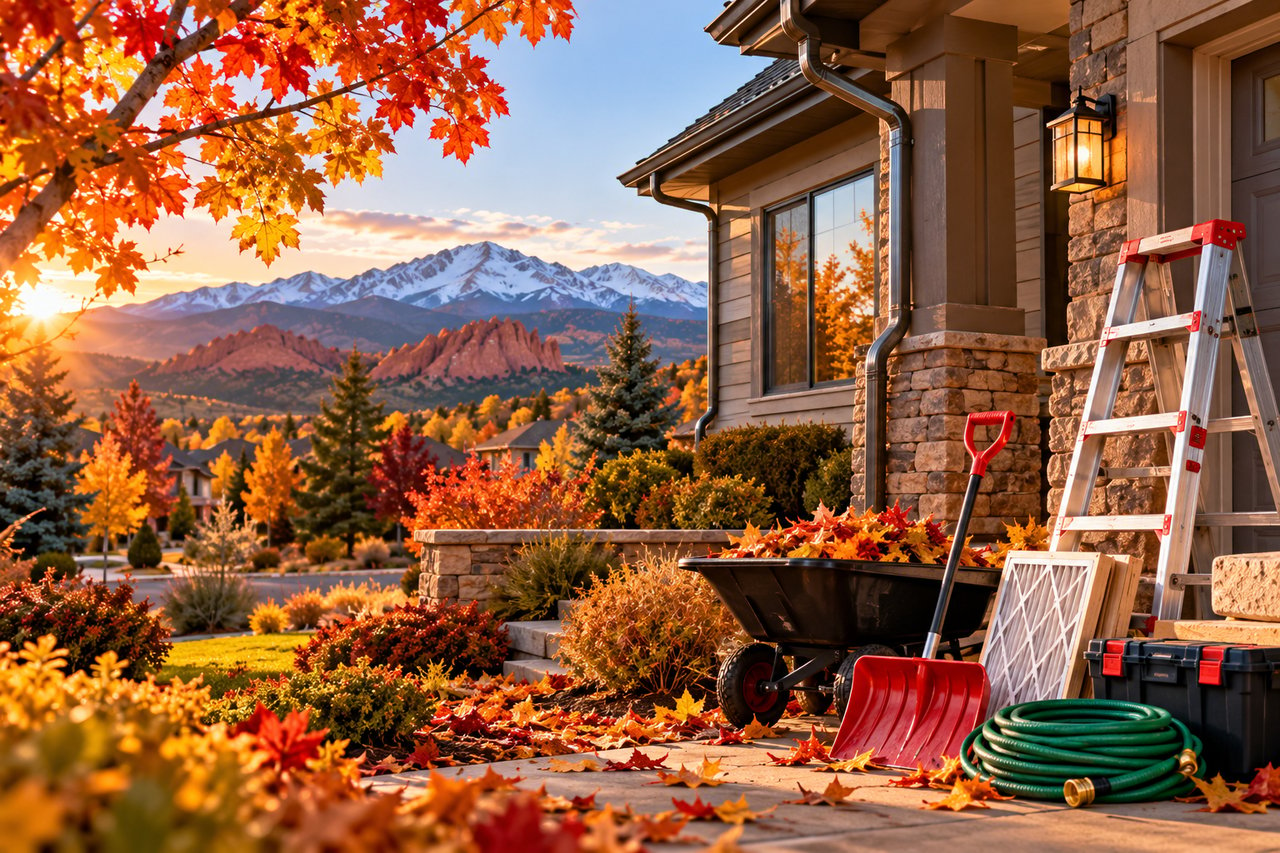
Fall Home Maintenance
Shannon Price | October 19, 2026

Southern Colorado Activities
Scott Coddington | October 16, 2026
Halloween Events, Fall Festivals, Family Activities & Things to Do in Colorado Springs, Pueblo & Pueblo West
September 17, 2026

September 10, 2026
September 17, 2026

Haunted Houses
Shannon Price | October 1, 2026
Haunted Houses in Colorado Springs
September 3, 2026
August 13, 2026
September 3, 2026
October 15, 2026
September 24, 2026
August 13, 2026
October 15, 2026
August 27, 2026
October 8, 2026
August 20, 2026
August 13, 2026
August 13, 2026
October 1, 2026
August 13, 2026
Pumpkin patches and fall festivals
Shannon Price | October 12, 2026
Moving to Colorado Springs
Shannon Price | October 12, 2026
Moving to Colorado Springs
Hiking
Shannon Price | October 8, 2026
The Manitou Incline
October 8, 2026

Southern Colorado Activities
Scott Coddington | October 8, 2026
Live Music, Pumpkin Patches, Family Activities & Fall Fun in Colorado Springs, Pueblo & Pueblo West
Homeownership
Scott Coddington | October 4, 2026
From talking with your neighbor to HOAs, covenants, and Code Enforcement, learn how to address a neglected property next door—and what it could mean when buying or sel… Read more

Fall Foliage
Shannon Price | October 3, 2026
Best Colorado Springs Neighborhoods for Fall Colors
Homeownership
Scott Coddington | October 3, 2026
A Colorado Springs homeowner’s guide to choosing the right landscaping for your lifestyle, water use, maintenance, curb appeal, and future resale.

Buying a Home | Colorado Real Estate
Scott Coddington | October 3, 2026
Found a foreclosure on Zillow or Auction.com? Before you bid, understand how Colorado foreclosure auctions work, why you may not be able to inspect the home, and the f… Read more

2026 Relocation Guide
Scott Coddington | October 3, 2026
Everything You Need to Know About Housing, Cost of Living, Neighborhoods, Traffic, Taxes, and Life in Colorado Springs

2026 Relocation Guide
Scott Coddington | October 3, 2026
Everything You Need to Know About Housing, Cost of Living, Neighborhoods, Weather, Taxes, and Life in Colorado Springs
2026 Relocation Guide
Scott Coddington | October 2, 2026
What You Need to Know Before You Move
July 23, 2026

Southern Colorado Activities
Scott Coddington | October 2, 2026
Fall Festivals, Pumpkin Patches, Live Music, Sports & Family Events in Colorado Springs, Pueblo & Pueblo West

Buying a Home | Colorado Real Estate
Scott Coddington | September 30, 2026
Pulse Real Estate App

2026 Relocation Guide
Scott Coddington | September 30, 2026
Everything You Need to Know About Housing, Cost of Living, Neighborhoods, Weather, and Life in Colorado Springs

Buying a Home in Colorado Springs
Shannon Price | September 30, 2026
Buying in Colorado Springs
2026 Relocation Guide
Scott Coddington | September 30, 2026
Everything You Need to Know About Homes, Cost of Living, Larger Lots, Pueblo Reservoir, Commuting, and Life in Pueblo West
2026 Relocation Guide
Scott Coddington | September 30, 2026
What You Need to Know Before You Move

Hiking
Shannon Price | September 25, 2026
Hiking Spots Colorado Springs

Dining in Colorado Springs
Shannon Price | September 25, 2026
July 9, 2026

Colorado Springs Real Estate
Rachael Ian | September 17, 2026
Lower rates are a possibility and I can help you secure one!
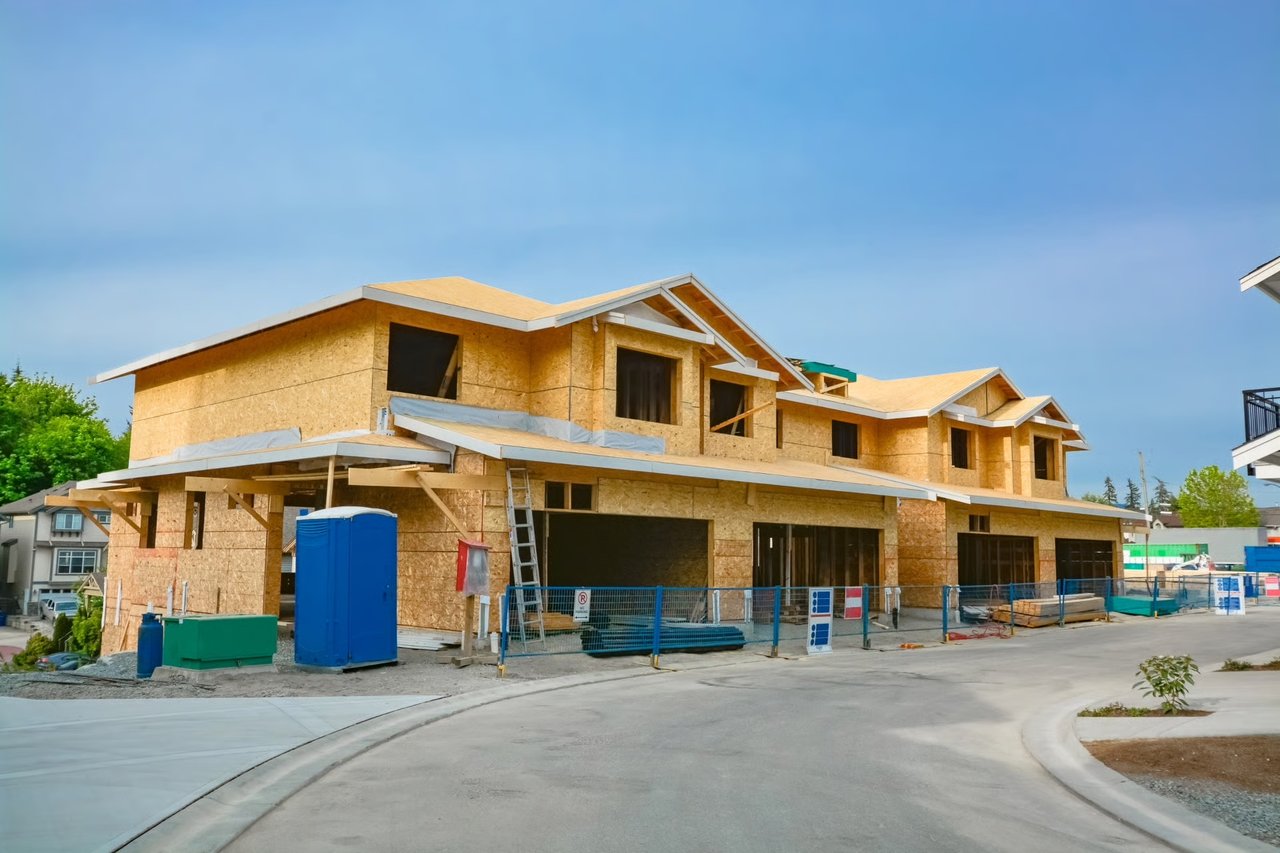
New Construction
Scott Coddington | September 17, 2026
Builder incentives can mean lower payments, closing-cost assistance, and unique opportunities for VA buyers—but taxes, metro districts, resale value, and how long you … Read more
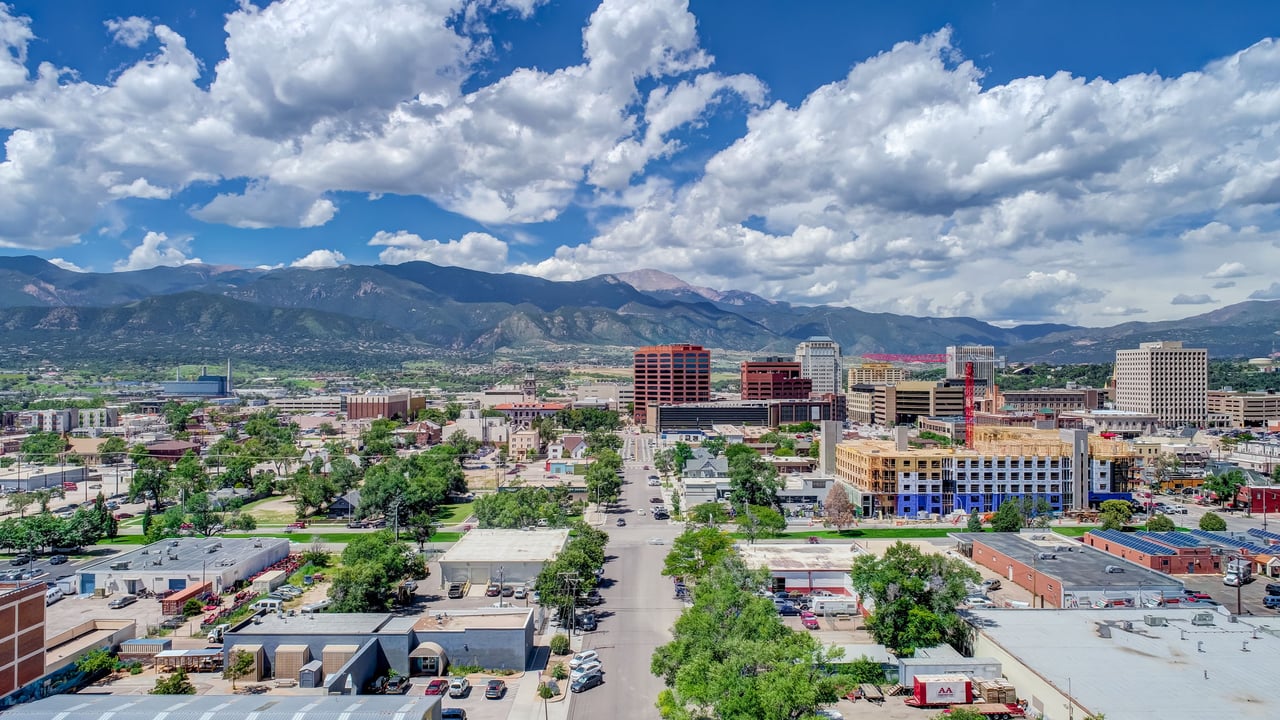
Moving to Colorado Springs
Scott Coddington | September 17, 2026
Everything You Need to Know About Homes, Neighborhoods, Costs, and the Colorado Springs Housing Market
Mortgage Rates above 7%
Scott Coddington | September 16, 2026
buying-home-mortgage-rates-above-7-percent

Buying a Home in Colorado Springs
Scott Coddington | September 16, 2026
Everything You Need to Know About Financing, Neighborhoods, Negotiations, and Finding the Right Home in Colorado Springs and Beyond
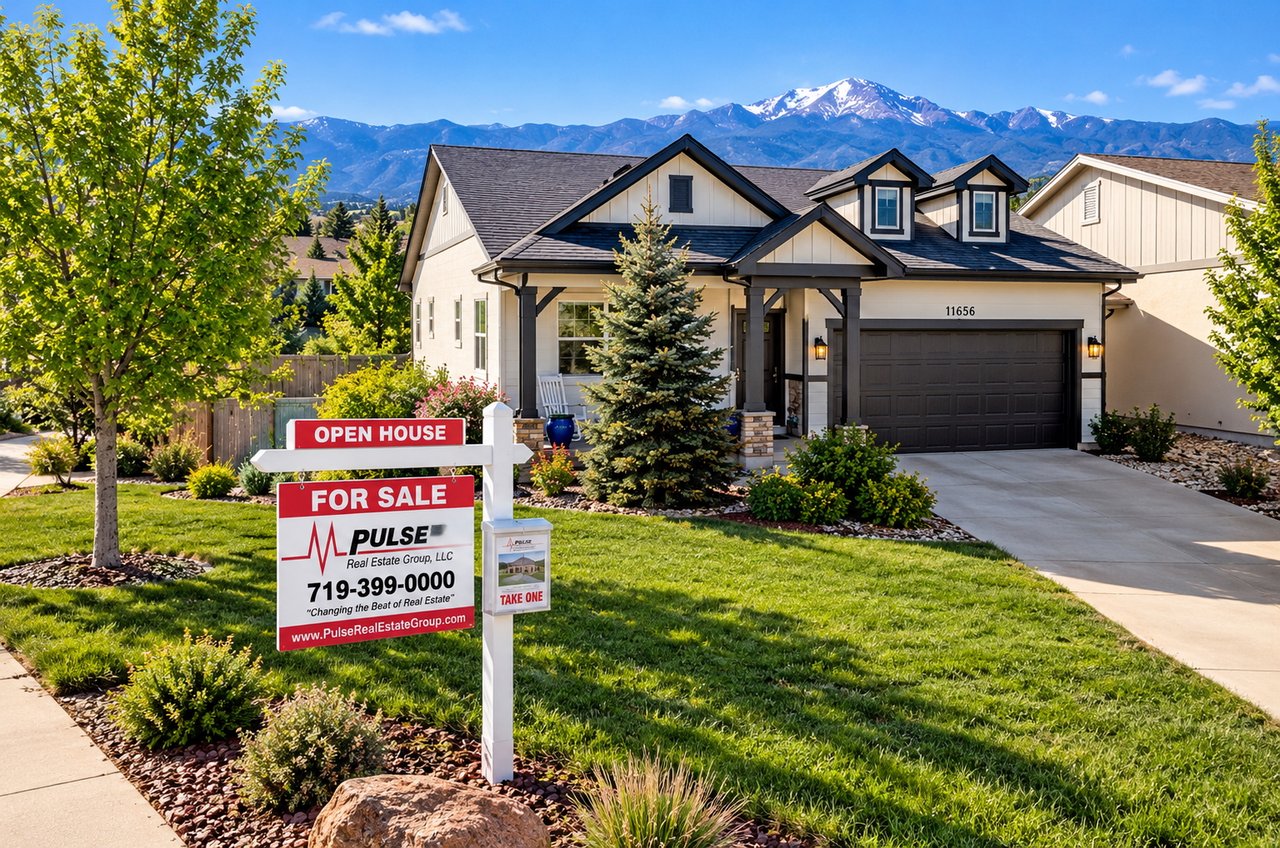
Selling a House in Colorado Springs : 2026 Seller's Guide
Scott Coddington | September 16, 2026
How to Prepare, Price, Market, Negotiate, and Successfully Sell Your Colorado Springs Home
Colorado Springs Neighborhoods
Scott Coddington | September 16, 2026
Explore Briargate, Black Forest, Monument, Falcon, Fountain, Woodland Park, Pueblo West, and More to Find the Area That Fits Your Lifestyle, Budget, and Home Search

Colorado Springs Real Estate
Scott Coddington | September 16, 2026
Best Realtor in Colorado Springs: How to Choose the Right Real Estate Agent

Home Buying
Scott Coddington | September 11, 2026
What Buyers Need to Knoiw
August 6, 2026
July 16, 2026
May 21, 2026
June 18, 2026
February 12, 2026
December 11, 2025
January 22, 2026
April 2, 2026
April 9, 2026
January 15, 2026
March 26, 2026
August 6, 2026
March 24, 2026
April 23, 2026
April 16, 2026
May 14, 2026
June 11, 2026
July 2, 2026
December 25, 2025
June 25, 2026
May 7, 2026
March 5, 2026
June 4, 2026
March 12, 2026
May 28, 2026
February 26, 2026
January 1, 2026
February 19, 2026

November 27, 2025
December 4, 2025
February 5, 2026
Scott Coddington | January 14, 2026
January 8, 2026
November 27, 2025
December 18, 2025

November 21, 2025
Serving communities from Colorado Springs through Pueblo and Denver, west into the mountains or east to the plains, our team is here to help with all your real estate needs across Colorado’s Front Range.