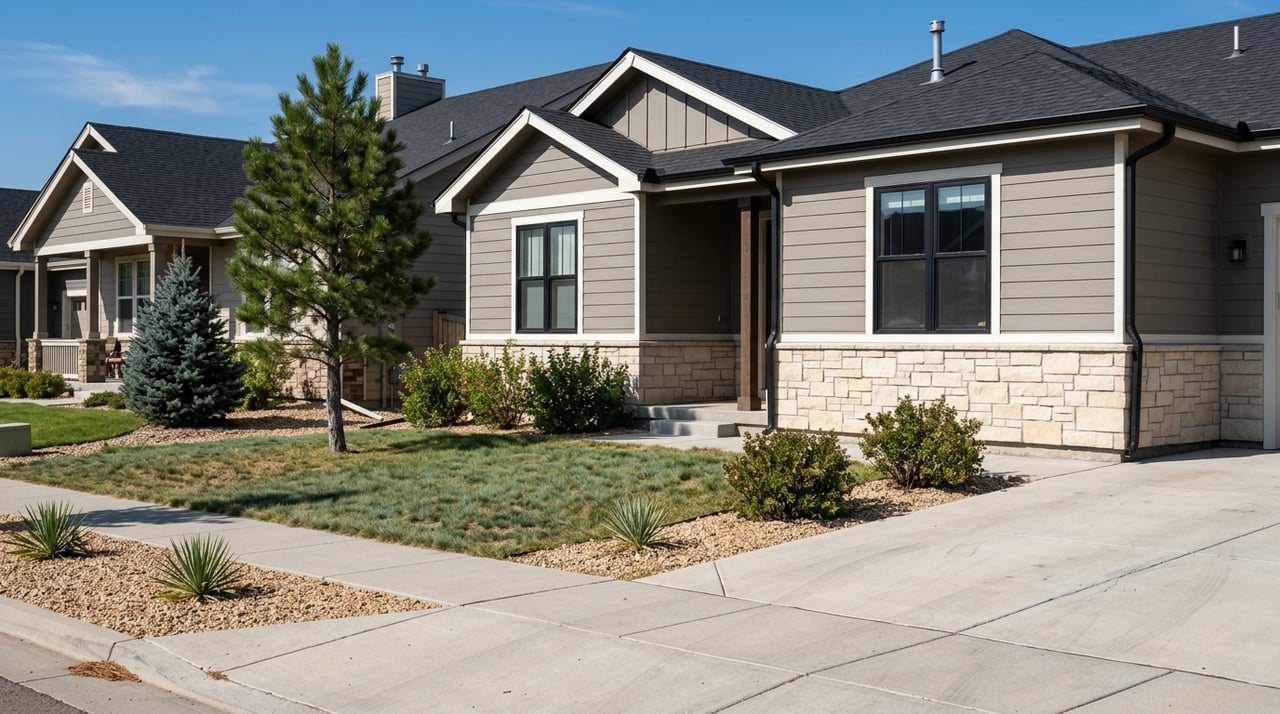
Living in Monument Colorado: Lifestyle, Housing & Commute
April 9, 2026
April 9, 2026
If you want a Colorado town that feels connected, outdoorsy, and a little more relaxed than a big city suburb, Monument is worth a close look. Many buyers are drawn to the area because it offers a small-town setting with everyday conveniences, plus easy access to both Colorado Springs and Denver. If you are wondering what daily life really feels like here, this guide will walk you through Monument’s atmosphere, location, housing context, and lifestyle perks. Let’s dive in.
Monument is best described as a small but fast-growing town in Colorado’s Pikes Peak region. According to the Town of Monument’s vision and strategic planning information, the community focuses on preserving its small-town charm while balancing growth and modern convenience.
That character shows up in the town’s size and pace. The U.S. Census QuickFacts for Monument estimates the population at 13,408 as of July 2024, spread across 6.84 square miles, which helps Monument feel residential and manageable rather than dense or crowded.
Monument is also growing quickly. The same Census data shows the population increased 28.9% since 2020, so if you move here, you can expect a town that still feels established in some areas but is clearly evolving in others.
One of Monument’s biggest advantages is where it sits along the Front Range. The town’s planning materials place it along I-25 about 20 miles north of Colorado Springs and 53 miles south of Denver, giving you practical access to larger job centers, shopping, and regional travel.
For many residents, that means Monument works well as a home base if you want more breathing room without feeling cut off. The Census commute data shows a mean travel time to work of 28.8 minutes, which supports the idea that Monument serves a mix of commuters and households with flexible work arrangements.
If you are relocating, this location can be especially appealing. You get a town-centered lifestyle with highway access that makes day-to-day travel more manageable.
A lot of Monument’s personality comes from its historic downtown. The town’s history and culture page explains that the community began as Henry’s Station, was later renamed Monument after the nearby rock formation, and was incorporated in 1879.
That history still matters today because Monument is not just a collection of subdivisions. The town highlights its historic downtown, community events, and shopping areas, which creates a stronger sense of place than you might find in a purely auto-oriented growth corridor.
If you like living somewhere with a recognizable center, Monument has that advantage. Its downtown helps anchor the community and adds to the town’s close-knit feel.
If being outside matters to you, Monument has a lot going for it. The town’s community page highlights outdoor destinations like Mt. Herman and Monument Lake, along with trails for running, hiking, and mountain biking.
The Parks and Open Spaces Department also plays a big role in everyday life here. The town maintains parks, trails, open space, and recreation facilities designed to support quality of life and protect the local environment.
A good example is the Santa Fe Trailhead on 3rd Street, which provides direct access to the Santa Fe Trail through downtown Monument. That kind of connection makes it easier to picture outdoor activity as part of your routine rather than something you have to drive far to enjoy.
Monument is also investing in public spaces. The town notes newer and developing amenities such as the Waterwise Demonstration Garden and the Heart of Monument Playpark, a universally accessible playground.
Monument’s housing profile points to a community with strong long-term residential roots. The latest Census data shows that 76.1% of occupied housing units are owner-occupied.
That matters because owner-occupied communities often feel more settled and neighborhood-focused. The same data reports a median owner-occupied home value of $636,700 and a median gross rent of $1,929, which helps set expectations if you are comparing Monument to nearby Front Range markets.
The town also appears well connected for modern living. Census figures show 97.3% of households have a broadband subscription, which is useful if you work remotely, study from home, or simply want dependable day-to-day connectivity.
This is one of the most important things to understand if you are thinking about buying in Monument. According to the Town of Monument’s boundary and service information, a Monument mailing address does not always mean a property is inside the Town of Monument.
Some homes with a Monument, CO 80132 address are within town limits, while others are in unincorporated El Paso County or in special districts such as TriView and Village Center. Those areas can differ in how services like water, sewer, road and sidewalk maintenance, snow removal, and parks or trails are handled.
For you as a buyer, that means details matter. Two homes with the same mailing city may have different service structures, taxes, or maintenance responsibilities, so it is smart to verify exactly where a property sits before making assumptions.
Growth is part of the Monument story, but so is planning. The Town of Monument strategic plan emphasizes balancing responsible growth with preservation of natural surroundings and small-town character.
The town’s long-range planning efforts are also focused on practical topics that affect daily life, including housing, downtown improvements, trails and sidewalks, stormwater, and future land use. That is useful if you want to move to a place that is not standing still, but is actively thinking about how growth should look.
In real life, that means Monument may appeal to buyers who are comfortable with change and appreciate a community that is still shaping its future. You are not buying into a completely static town. You are buying into a place that is growing, investing, and trying to do it thoughtfully.
Monument often makes sense for buyers who want a more residential setting than a dense urban environment. Based on the town and Census data, it can be a strong fit if you value local parks, outdoor access, a historic downtown presence, and regional connectivity.
The local demographics also suggest a broad household mix. The Census profile shows that 26.8% of residents are under 18 and 12.9% are 65 and older, which points to a community with a meaningful family presence without being centered on only one age group.
If you are relocating to the Front Range, Monument may feel like a middle ground. You get access to larger regional hubs while still living in a town that keeps a more local, community-oriented identity.
So what is it actually like to live in Monument day to day? In many ways, it is a blend of practical convenience and Colorado lifestyle.
You can expect a town where historic downtown, neighborhood living, parks, and trail access all play a visible role. You can also expect a place where growth is noticeable, where some residents commute, and where understanding property location and service boundaries is an important part of the buying process.
For many buyers, that combination is exactly the draw. Monument offers a smaller-town pace, a strong residential feel, and access to the outdoors, all while staying connected to the broader Front Range.
If you are thinking about buying or relocating in Monument, working with a local team can help you sort through neighborhood options, property boundaries, and what fits your goals best. When you are ready to explore the area, connect with Scott Coddington for knowledgeable, hands-on guidance.
Stay up to date on the latest real estate trends.
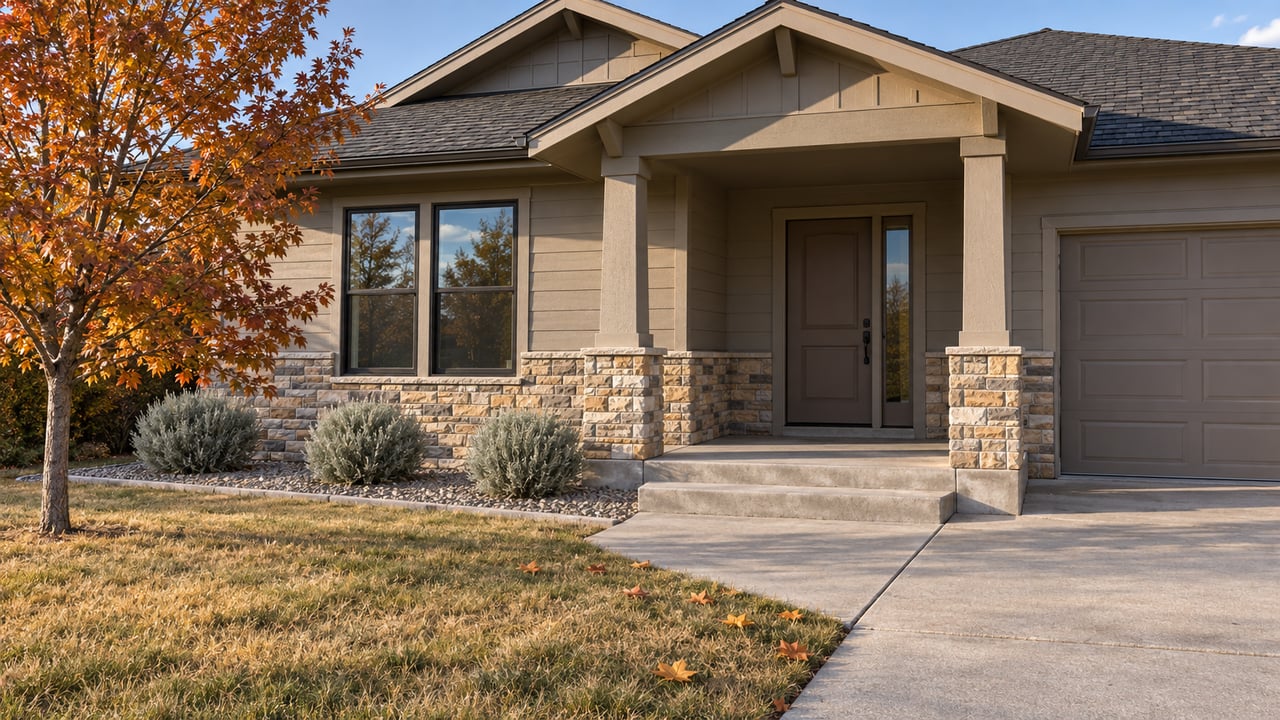
Fall Home Maintenance

Southern Colorado Activities
Halloween Events, Fall Festivals, Family Activities & Things to Do in Colorado Springs, Pueblo & Pueblo West
Pumpkin patches and fall festivals
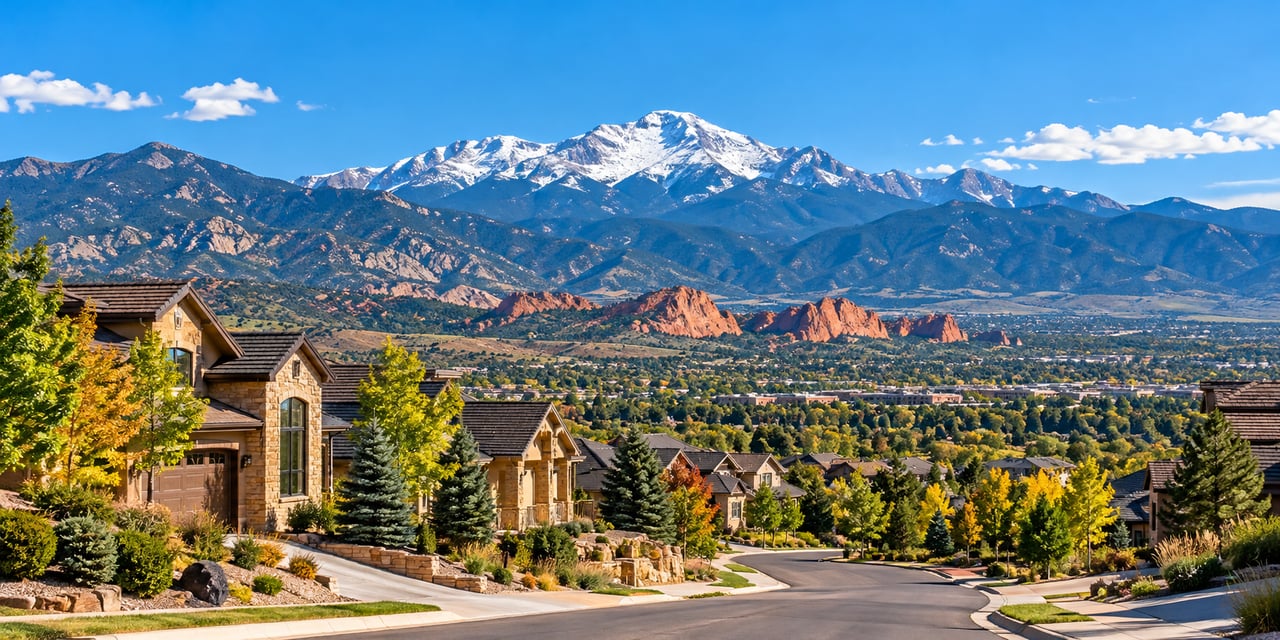
Moving to Colorado Springs
Moving to Colorado Springs
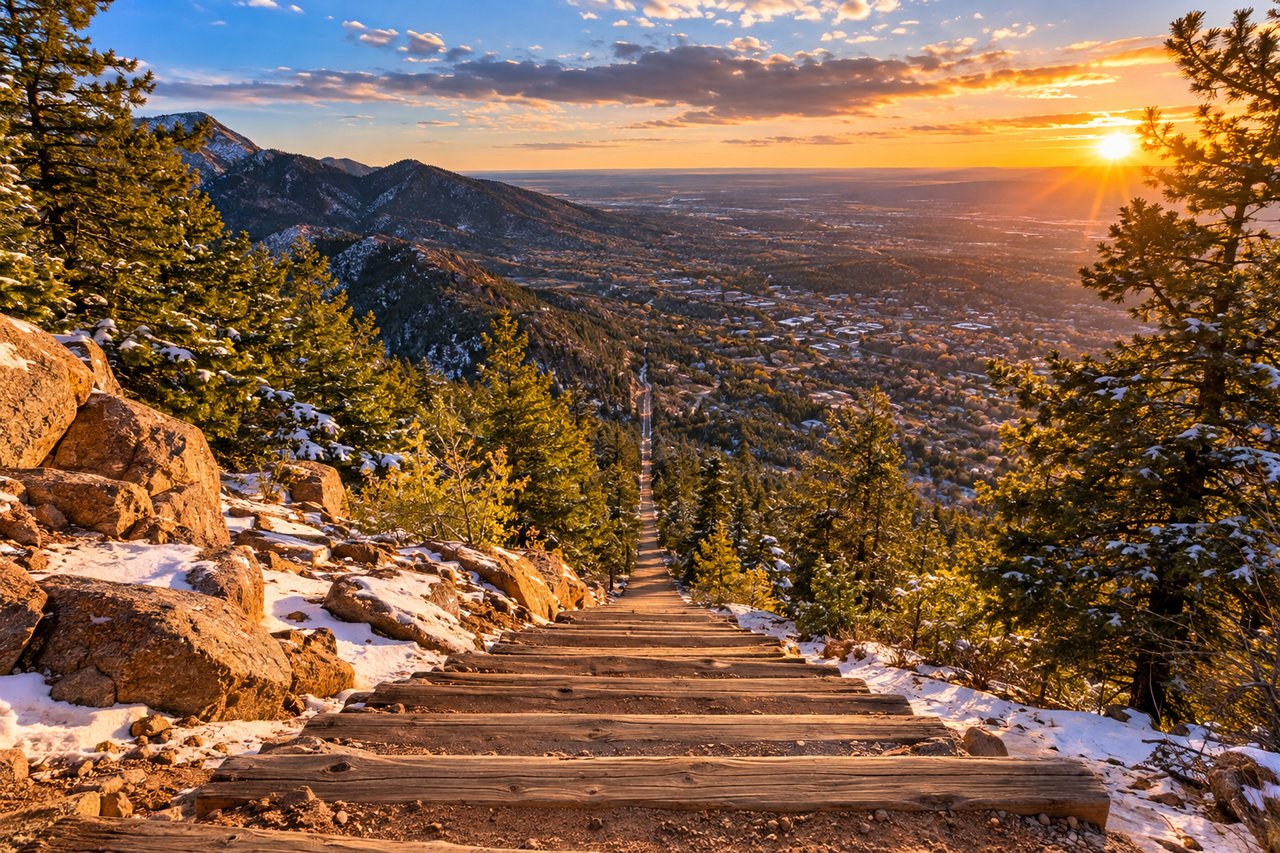
Hiking
The Manitou Incline

Southern Colorado Activities
Live Music, Pumpkin Patches, Family Activities & Fall Fun in Colorado Springs, Pueblo & Pueblo West
Serving communities from Colorado Springs through Pueblo and Denver, west into the mountains or east to the plains, our team is here to help with all your real estate needs across Colorado’s Front Range.