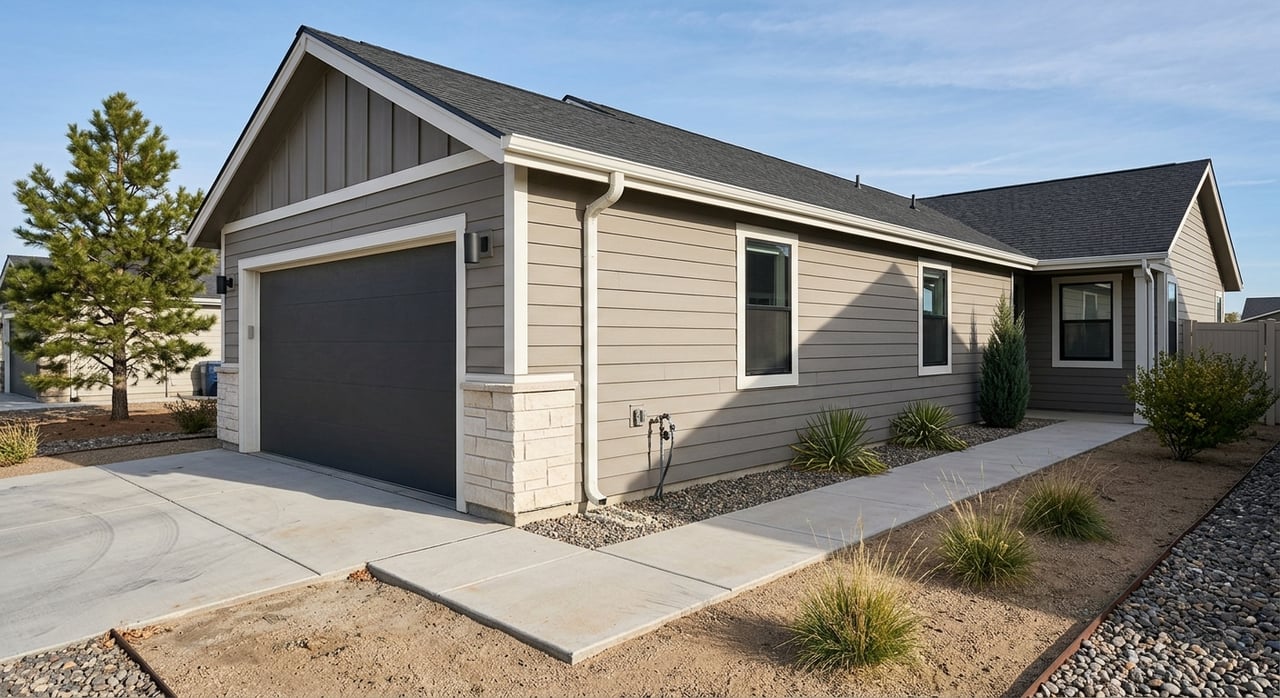
Pueblo West Investment Property Guide for Local Landlords
April 23, 2026
April 23, 2026
Thinking about buying a rental in Pueblo West? At first glance, the area can look simple: larger lots, newer single-family homes, and room to spread out. But local landlords usually look past the listing photos and ask a deeper question: Will this property work well as a rental over time? If you want to invest with more confidence, it helps to know which numbers, property features, and local rules matter most. Let’s dive in.
Pueblo West offers a different profile than many higher-density rental markets. It is a planned, unincorporated metropolitan district about seven miles west of Pueblo and roughly 40 miles south of Colorado Springs, with Highway 50 running through the community and I-25 about five miles away, according to the Pueblo West Metropolitan District.
That location helps explain why many investors see Pueblo West as a commuter-and-lifestyle market. The district highlights access to Pueblo, Colorado Springs, and nearby Lake Pueblo through regional transportation connections. For renters who want more space without giving up access to regional jobs and services, that can support steady interest.
The area also tends to be stable. The U.S. Census QuickFacts for Pueblo West reports a population of 33,086, an 87.3% owner-occupied housing rate, and 92.8% of residents living in the same home one year earlier. For landlords, that does not mean every property will perform well, but it does suggest a market with lower turnover than many renter-heavy areas.
Local landlords usually start with the basics: rent potential, property type, utility setup, and ongoing maintenance. In Pueblo West, those items can affect your numbers more than they might in a more uniform subdivision market.
A property that looks attractive on paper can still create avoidable costs if it has septic issues, difficult road access, or landscaping that is expensive to maintain. That is why experienced investors often underwrite the property itself and the parcel just as carefully as the asking price.
Before you make an offer, you need a realistic rent range. In Pueblo West, smart investors usually compare several sources instead of relying on one rental comp set.
The Census QuickFacts page lists Pueblo West’s median gross rent at $1,345. That is a useful anchor point, especially when you are evaluating single-family homes in a market with a strong ownership base.
For a broader trend line, the 2024 Pueblo Housing Assessment Update says average monthly rent in Pueblo County rose from about $593 in 2014 to nearly $1,161 in 2024. The same report estimates apartment vacancy at 5.6% by mid-2024 after peaking near 10% in early 2023, which points to tighter conditions than the county saw during that earlier spike.
Many landlords also use federal benchmarks as a reality check. HUD’s FY2026 Fair Market Rent schedule for the Pueblo, CO MSA lists rents of $967 for a one-bedroom, $1,269 for a two-bedroom, and $1,617 for a three-bedroom unit. These figures are not Pueblo West-only rents, but they can help you test whether your projected rent is conservative or too aggressive.
If you are shopping for rentals in Pueblo West, you will mostly be looking at detached homes. The 2021 Pueblo housing assessment found that detached single-family units made up 87% of the Pueblo West and other county areas grouping, while mobile homes and other units were about 10% and multifamily was about 2.2% combined.
That matters because local inventory shapes tenant expectations. In Pueblo West, many renters are likely comparing homes with more lot space, garages, and outdoor areas rather than apartment-style options. If you are evaluating a purchase, the property’s layout, finish level, and maintenance burden can have a direct impact on how competitive it feels.
The 2024 housing update also notes that new detached single-family construction remains primarily concentrated in Pueblo West. For investors, that means you may be competing with newer housing stock when you market an older home for rent.
One of the most overlooked parts of Pueblo West investing is zoning. Many buyers assume the area is mostly one type of residential product, but the district land-use page shows a broader mix.
Pueblo West includes A-3 minimum one-acre lots, R-1 single-family lots, R-3 duplex, R-4 four-plex, and R-5 and R-6 multifamily zones, along with commercial and industrial districts. The permit structure also distinguishes among single-family, multifamily, commercial, and accessory applications.
For you as an investor, this means the opportunity set may be wider than expected. A detached home may still be the most common rental product, but some parcels may support duplex or small multifamily strategies depending on zoning, covenants, and site-specific restrictions. That is one reason local landlords verify land use early instead of treating every parcel the same.
In Pueblo West, infrastructure can make or break your operating budget. According to the district’s water and utilities information, about 45% of available lots are on the sewer system and the rest require individual sewage disposal systems.
That means you should always confirm whether a property is sewer-connected or on septic before closing. Septic maintenance, inspections, and future repair needs can change your expense picture in a meaningful way.
Utility fees also deserve a close look. The 2026 water and sewer rates page states that a typical household water RTS fee is $28.72 and the sewer RTS fee is $41.48, while larger meters cost more. The same page says the residential service-line repair program covers water-main-to-meter repairs, but meter-to-house repairs remain the owner’s responsibility.
This is why experienced landlords do not assume a flat utility number. They review fixed readiness-to-serve charges, meter size, and owner-responsibility line items before finalizing cash flow projections.
A rental property is not just the house. In Pueblo West, the condition of the road, driveway, and access route can affect both maintenance costs and tenant experience.
The district reports 401 miles of roads, including about 120 miles of gravel surfaces. It also notes that road maintenance returned to Pueblo County in 2023. If a property sits on or near gravel roads, local landlords often think about dust, snow, driveway wear, and how access may affect day-to-day livability.
These details may not show up clearly in a basic online search. That is why on-the-ground due diligence matters, especially if you are buying from outside the immediate market.
Pueblo West’s larger lots can be appealing, but they can also create more maintenance responsibility. In an arid climate, landscaping choices and irrigation habits matter.
The district’s Prairie Smart watering rules and tips say peak-season restrictions run from April 15 to October 15, lawns may be watered no more than three days per week, and watering is prohibited from 10 a.m. to 6 p.m. during peak season.
If a property has a large yard, local landlords often evaluate whether the landscaping is drought-tolerant, whether the irrigation system is in good shape, and who will handle maintenance under the lease. Those decisions can affect utility costs, upkeep, and tenant expectations.
Because Pueblo West is a planned community, covenants can influence what you do with a property after closing. The district explains that the area is governed by the Declaration of Reservations and enforced by the Committee of Architecture, and that once a tract is 90% built out, different enforcement rules can apply, according to its formation and governance information.
This matters if you plan to add fencing, enlarge a structure, build a deck, or make other exterior improvements. New structures or enlargements in those tracts may require an application. Landlords who skip this step can end up with delays or redesign costs.
Before buying an investment property in Pueblo West, many local landlords work through a checklist like this:
Pueblo West can offer appealing rental opportunities, especially if you want to focus on detached homes in a lower-density market with regional access to Pueblo and Colorado Springs. At the same time, local investors usually succeed by paying close attention to property-level details that are easy to miss at first glance.
In this market, the best rental is not always the one with the most attractive list price. It is often the one with realistic rent support, manageable utility and maintenance costs, clear zoning, and fewer operational surprises after closing.
If you are comparing investment properties in Pueblo West and want help sorting through rent potential, property due diligence, and resale considerations, connect with Scott Coddington. You will get local insight and hands-on guidance tailored to your goals.
Stay up to date on the latest real estate trends.

Fall Home Maintenance

Southern Colorado Activities
Halloween Events, Fall Festivals, Family Activities & Things to Do in Colorado Springs, Pueblo & Pueblo West

Pumpkin patches and fall festivals
Moving to Colorado Springs
Moving to Colorado Springs

Hiking
The Manitou Incline

Southern Colorado Activities
Live Music, Pumpkin Patches, Family Activities & Fall Fun in Colorado Springs, Pueblo & Pueblo West
Serving communities from Colorado Springs through Pueblo and Denver, west into the mountains or east to the plains, our team is here to help with all your real estate needs across Colorado’s Front Range.