
10,400 people live in Falcon, where the median age is 34 and the average individual income is $42,982. Data provided by the U.S. Census Bureau.
Total Population
Median Age
Population Density Population Density This is the number of people per square mile in a neighborhood.
Average individual Income
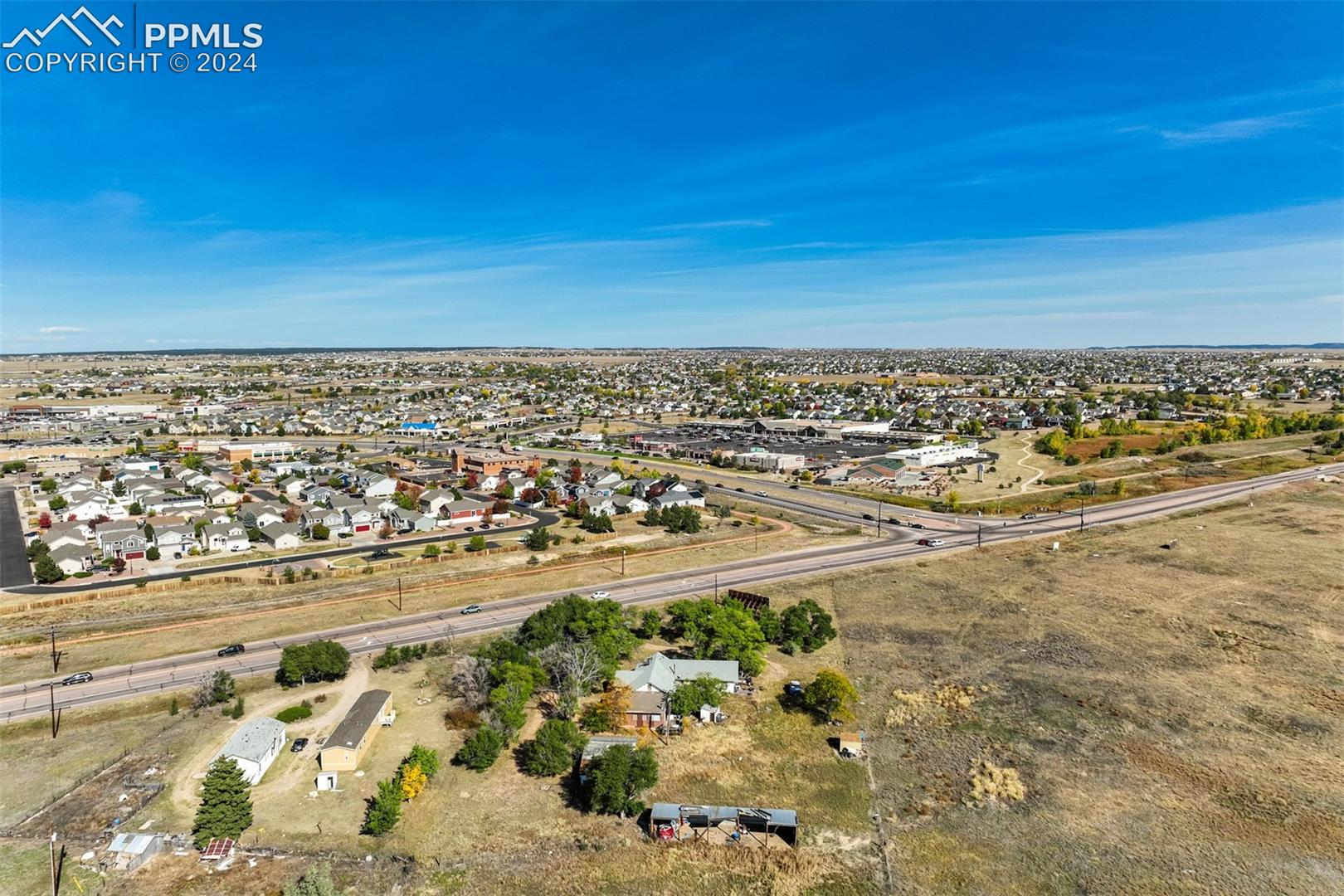
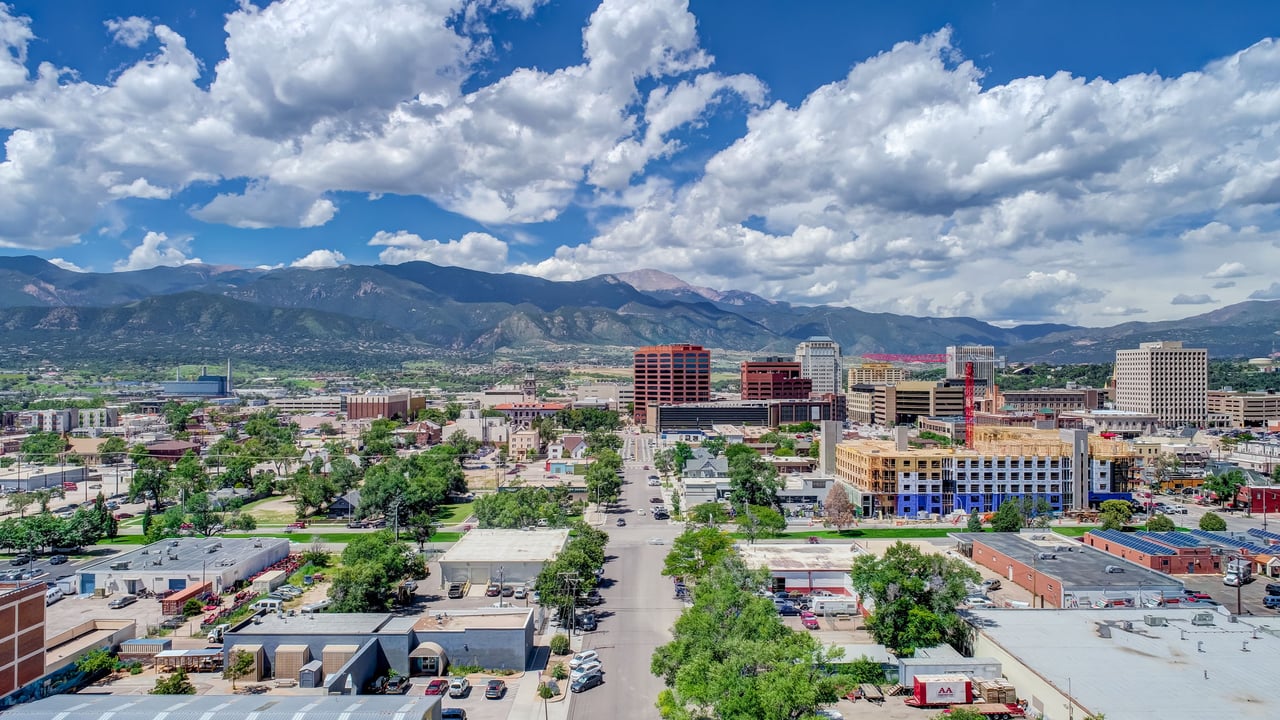
Falcon sits roughly 14 miles northeast of Colorado Springs along Highway 24, occupying that increasingly rare middle ground between open prairie and modern suburbia. It is an unincorporated community in El Paso County, which means there is no mayor, no city council, and no municipal water department — services here are delivered by the county and by a patchwork of special districts, and that structural detail shapes nearly everything about owning a home in Falcon, from your tax bill to where your drinking water comes from.
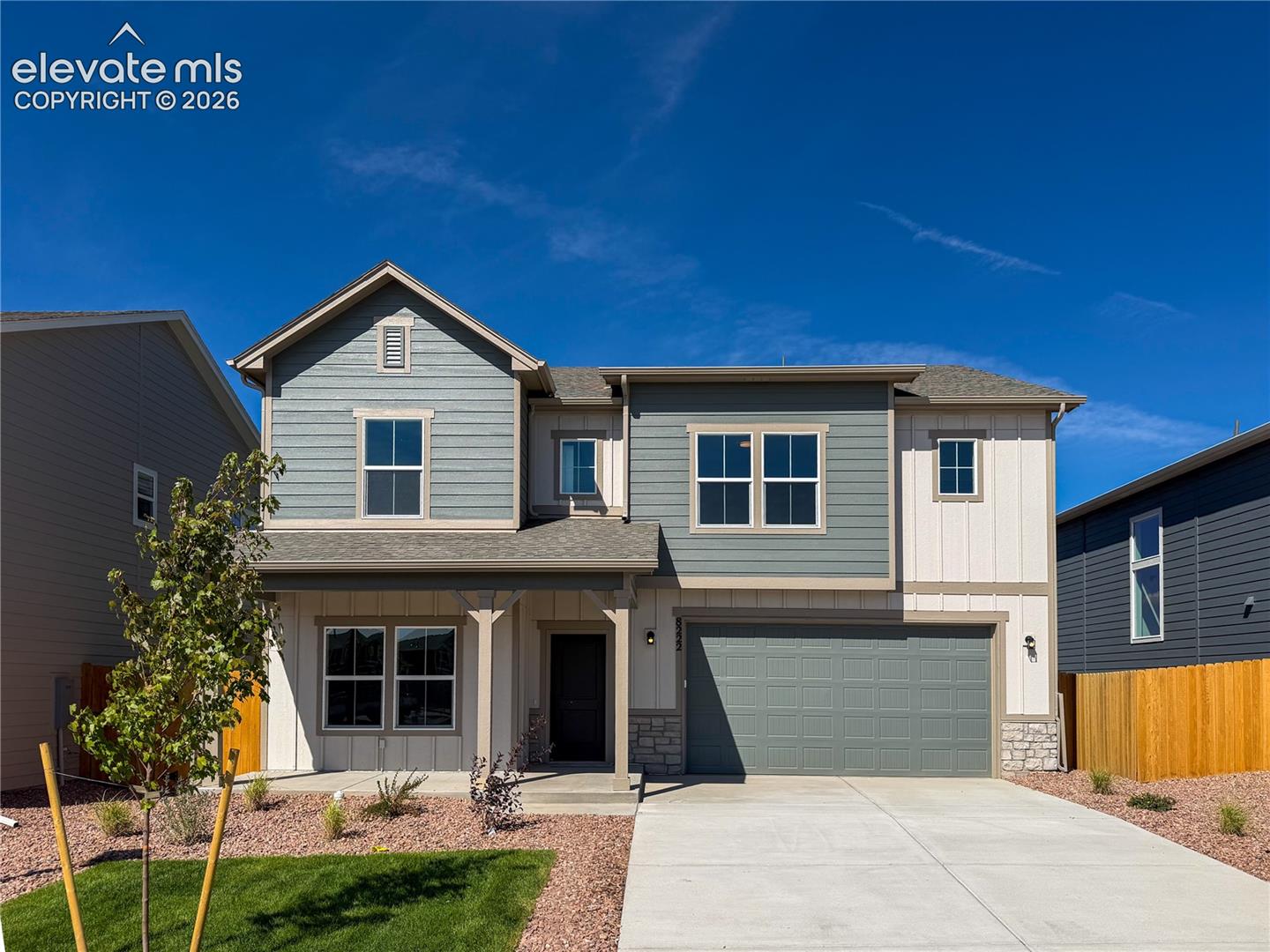
What was ranching country a generation ago is now anchored by large master-planned communities like Meridian Ranch and Woodmen Hills, with Paint Brush Hills and a scatter of custom and equestrian parcels filling in the space between. Drive five minutes in one direction and you are looking at a new-construction cul-de-sac with a rec center down the street. Drive five minutes the other way and you are on a county road passing horse property on five acres. Both are Falcon, and buyers need to understand which version they are actually shopping for.
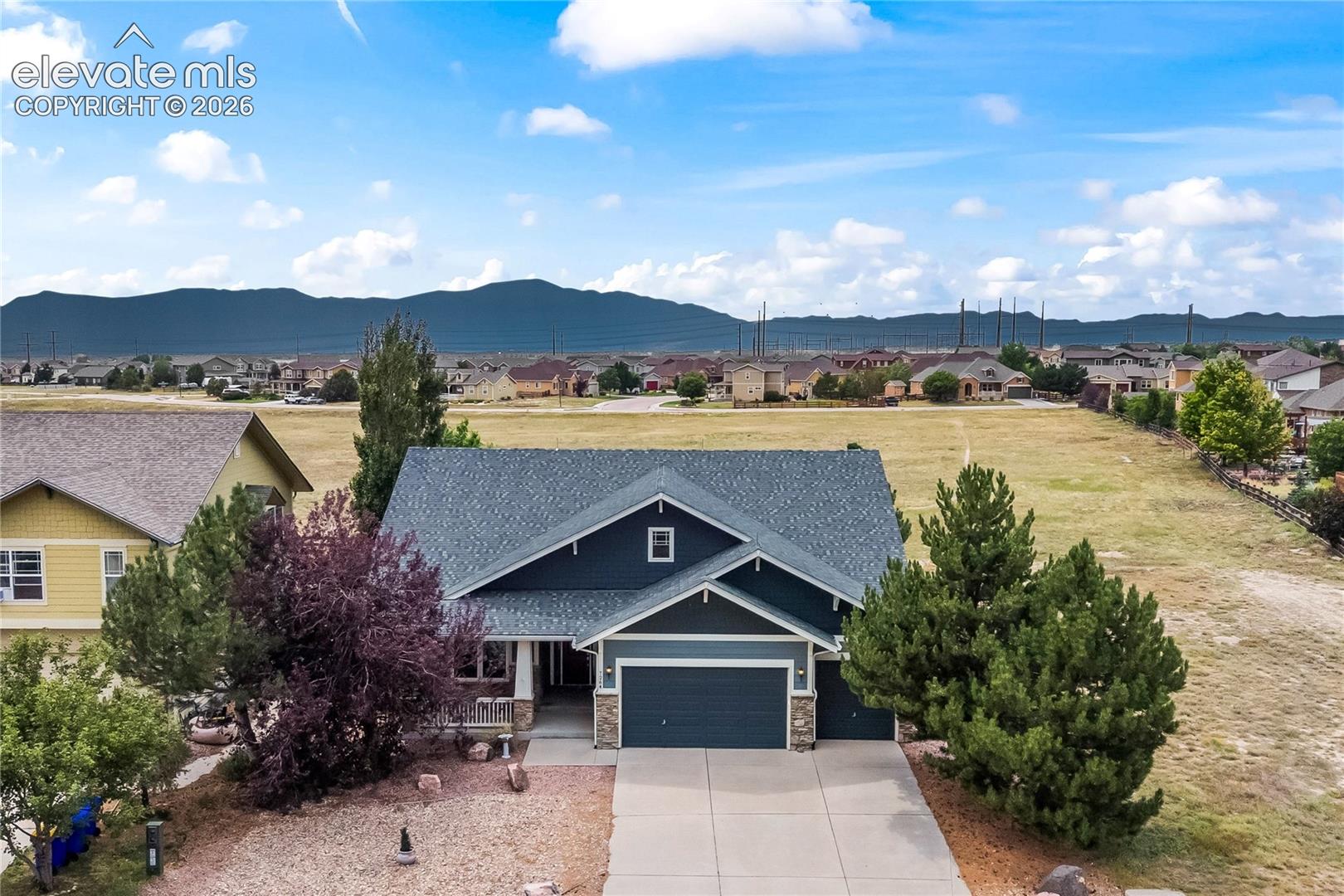
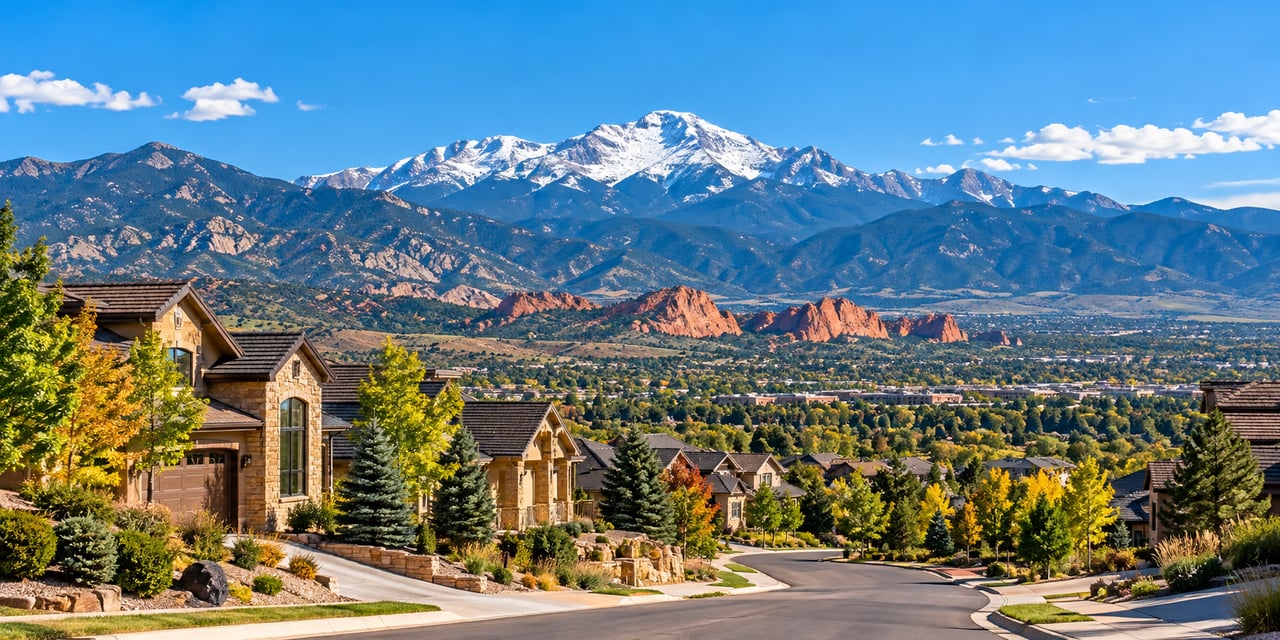
The community draws three groups consistently. Military families and defense contractors come for the straight-shot commute to Schriever Space Force Base, Peterson Space Force Base, and Fort Carson — this is one of the most VA-loan-dense markets in the Pikes Peak region. Buyers seeking space and views come because their budget stretches further out here: three-to-five-bedroom homes on generous lots, or genuine acreage with unobstructed sightlines to Pikes Peak and the Front Range. And active families come for District 49 schools, the neighborhood parks, the rec centers, and Antler Creek Golf Course winding through Meridian Ranch.
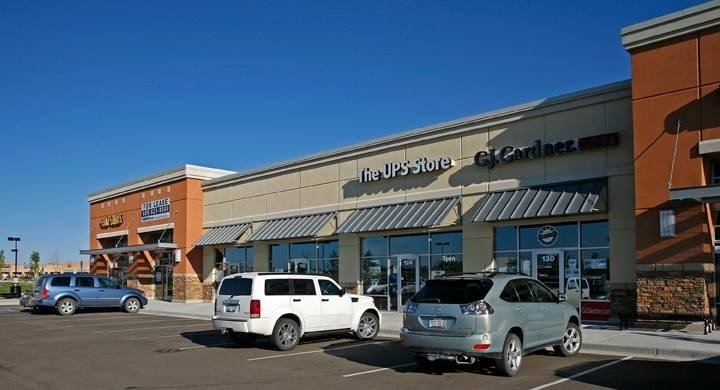
Retail and services have expanded significantly along Woodmen Road and Highway 24 over the past decade, so Falcon is no longer the errand desert it once was. But it still feels like the high plains — big sky, big wind, long horizons — and that is precisely why people choose it over central Colorado Springs.
Falcon's housing market expanded rapidly over the past decade as buyers pushed eastward hunting newer housing stock and better dollar-per-square-foot value than they could find in northern Colorado Springs. That eastward migration is the single most important trend line in this market, and it has not reversed.
On pricing, the numbers require a little interpretation. The median listing price sits in the $575,000 to $635,000 range, but actual sold medians land between $455,000 and $470,000. That gap is not evidence of a collapsing market — it reflects Falcon's unusually wide property mix. Attached homes and modest suburban builds sell in one band, while large-acreage ranches with outbuildings list in another, and the blended list price skews high because the expensive inventory sits on the market longer and accumulates.
The market itself has settled into a balanced, stabilized pace after the steep rapid-appreciation era. Average days on market run 40 to 65 days, which is a meaningfully different environment than the one Falcon buyers faced a few years ago. That extra time on market translates directly into buyer leverage: room to inspect thoroughly, room to request concessions, room to negotiate off list price instead of above it.
Inventory continues to be driven by new construction in the master-planned hubs, particularly Meridian Ranch. Existing homes built between the late 1990s and the 2010s serve as the established alternative, and they frequently come with larger lot footprints than what builders are platting today — a point that gets overlooked by buyers fixated on new.
Looking forward, Falcon is positioned for steady long-term demand rather than dramatic swings. The drivers are structural: ongoing commercial growth along the East Woodmen corridor, sustained military employment, and continued residential development pushing east toward the plains.
Buying in Falcon is a different experience than competing for a home closer to central Colorado Springs, and buyers who arrive expecting a bidding war are often surprised.
The sale-to-list price ratio hovers right around 100%, meaning buyers typically pay asking price rather than fighting through escalating over-ask offers. Combined with steady inventory and that 40-to-65-day average on market, buyers here get something increasingly rare along the Front Range: time. Time to tour a property twice. Time to drive the commute before committing. Time to avoid making a sight-unseen decision on the largest purchase of your life.
That balance carries into contract terms. Because supply and demand are in rough equilibrium, buyers retain real protection during negotiations rather than stripping contingencies to win.
The inspection contingency is non-negotiable in Falcon, and not as a formality. This region carries specific risks that a generic inspection checklist will miss: expansive clay soils that move with moisture, a severe hail history, well and septic systems on acreage properties, and radon levels typical of the Front Range. Buyers routinely secure repairs or price concessions off inspection findings here, and they should.
Appraisal and financing contingencies remain standard across most offers. VA loans are extremely common in Falcon given the military presence, and buyers using them rarely face pressure to waive appraisal gap protections — a stark contrast to hotter submarkets where VA offers get pushed aside.
Home sale contingencies are also finding acceptance again. Local sellers who would have laughed at one during the boom are now willing to work with a buyer who needs to sell an existing property first.
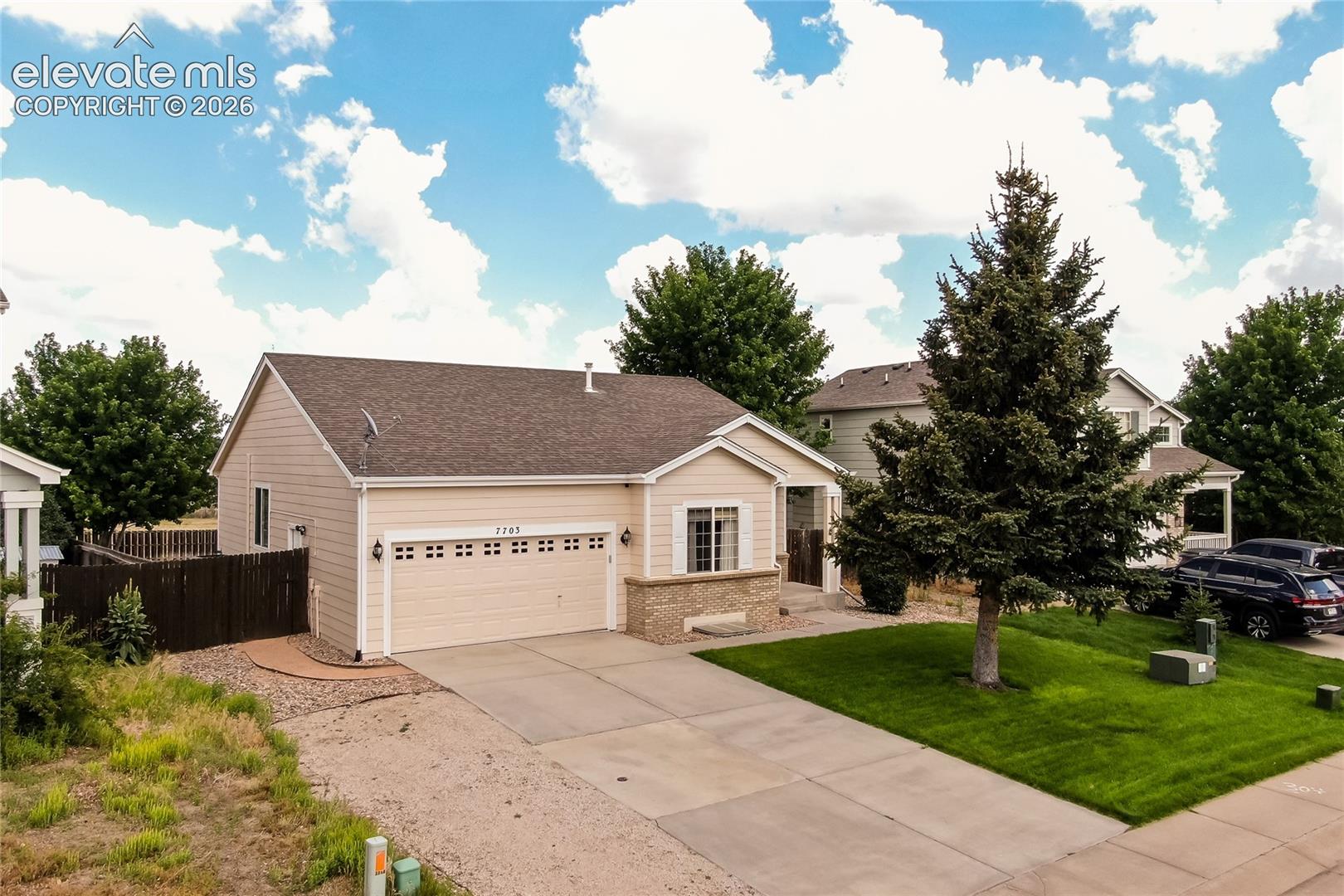
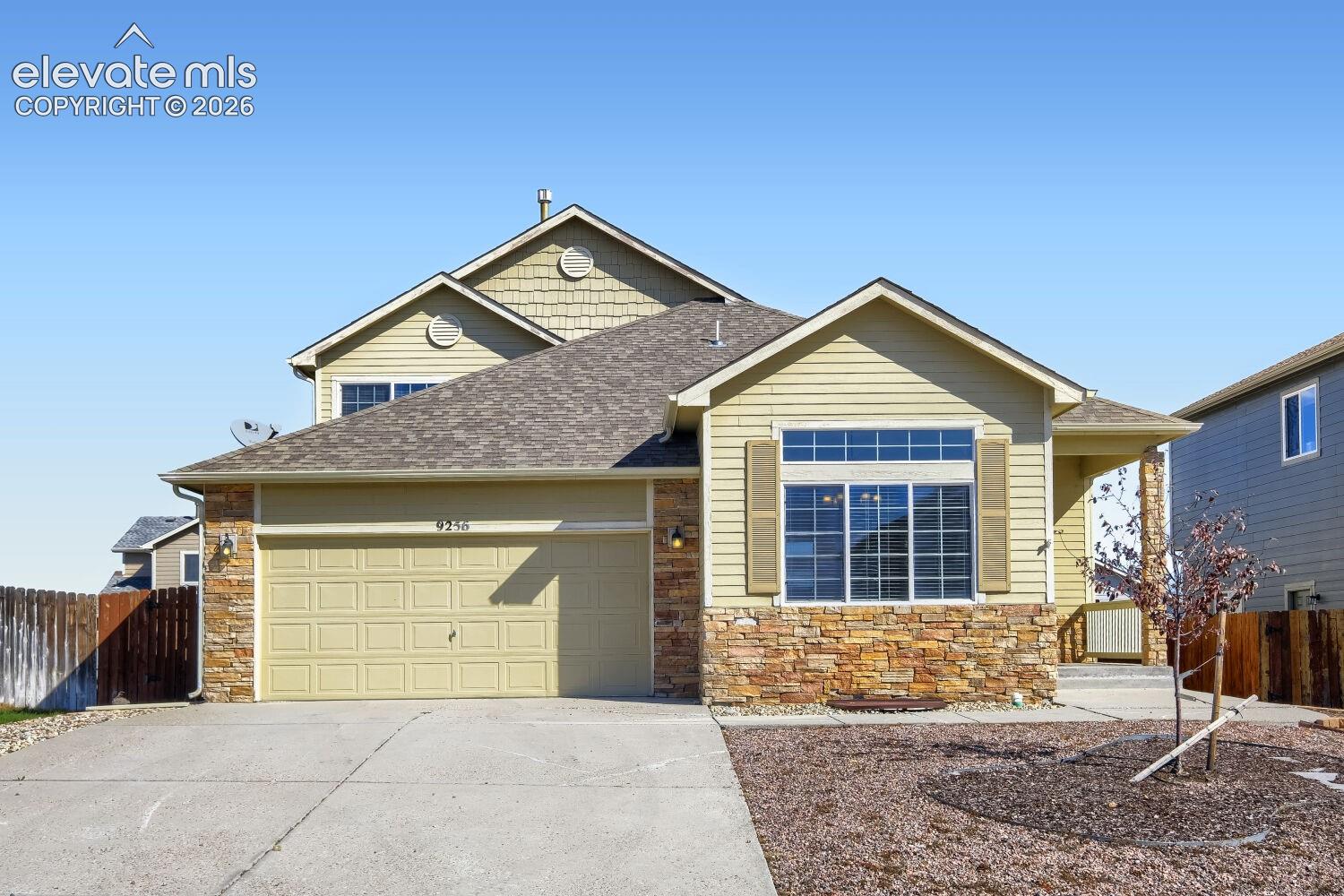
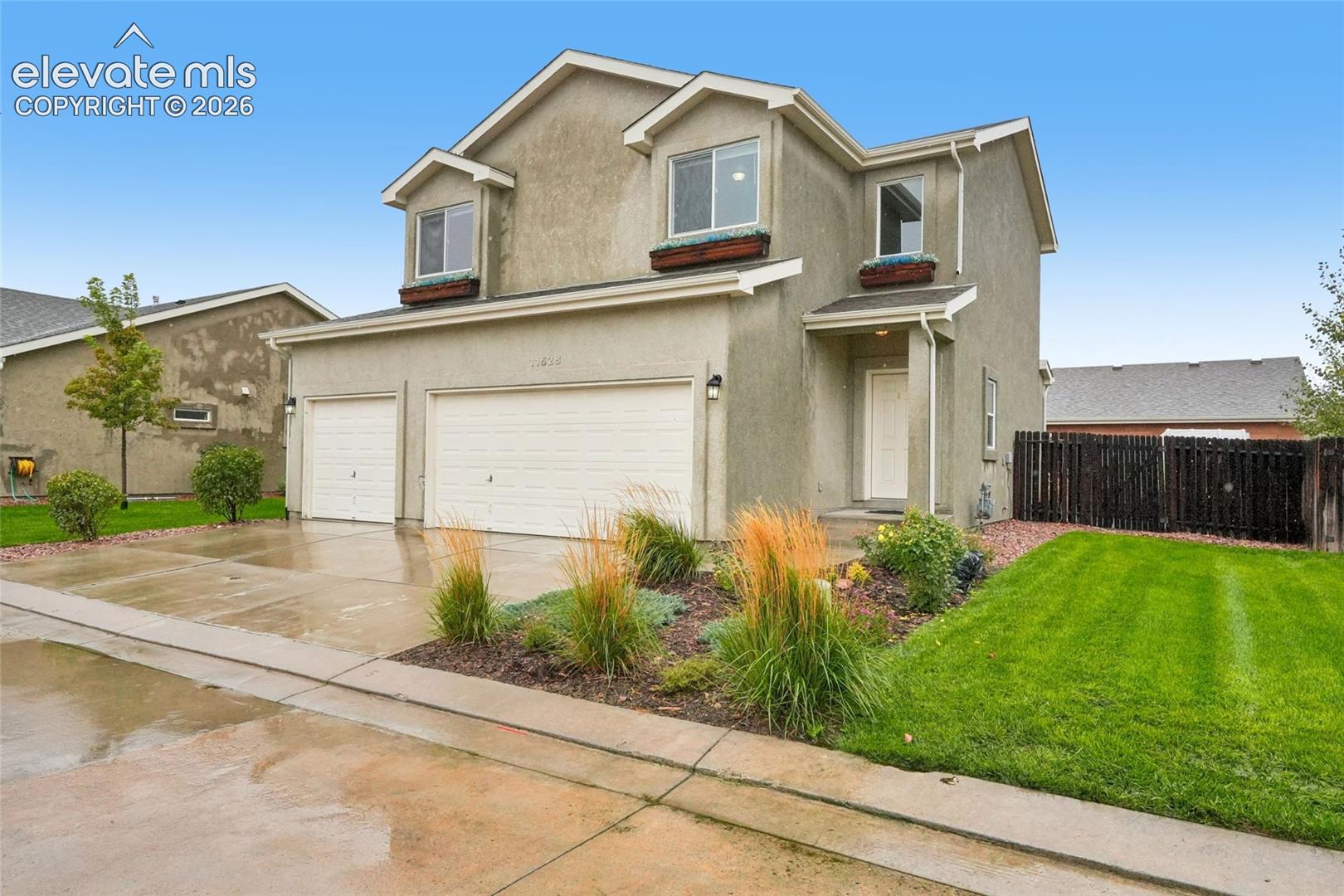
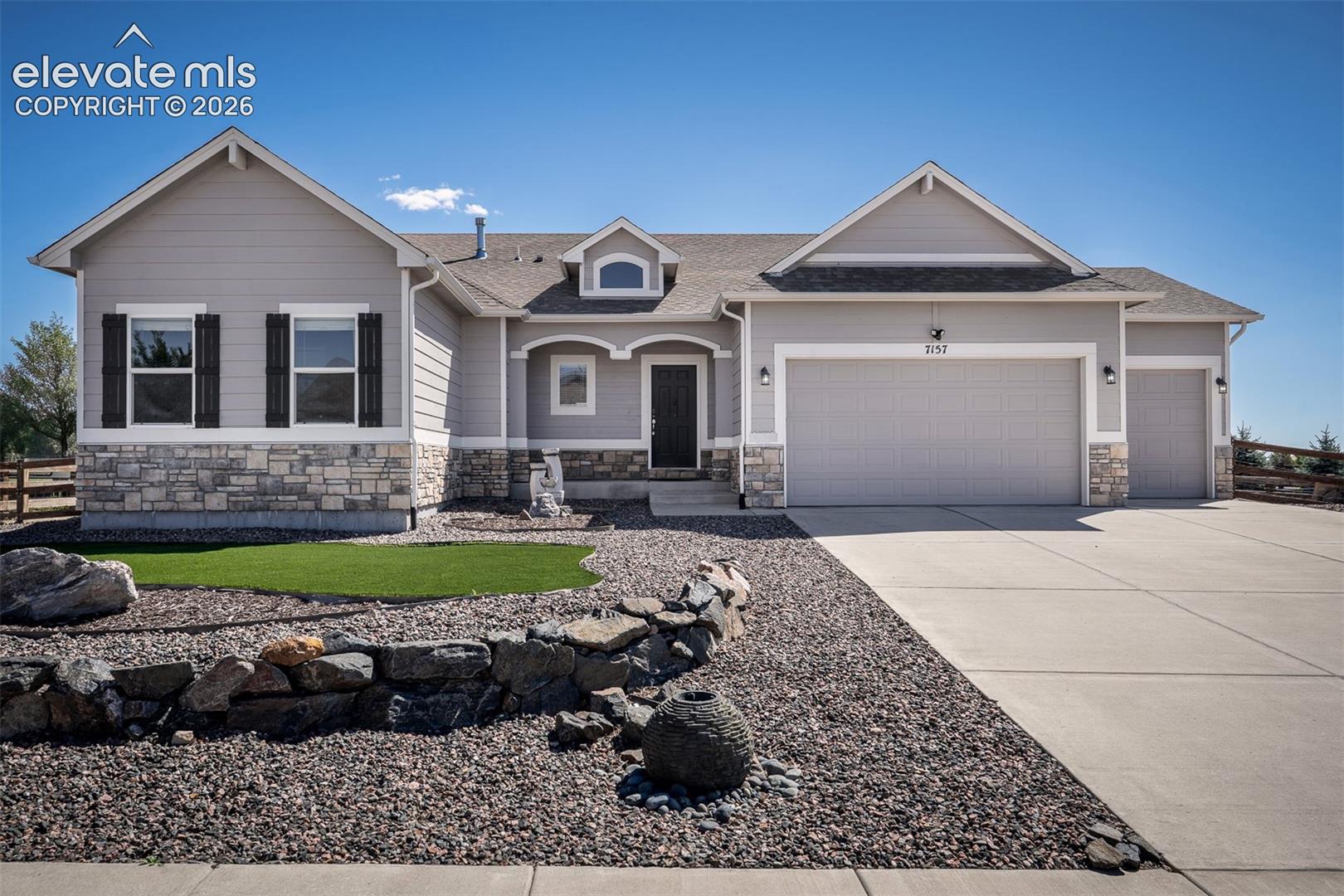
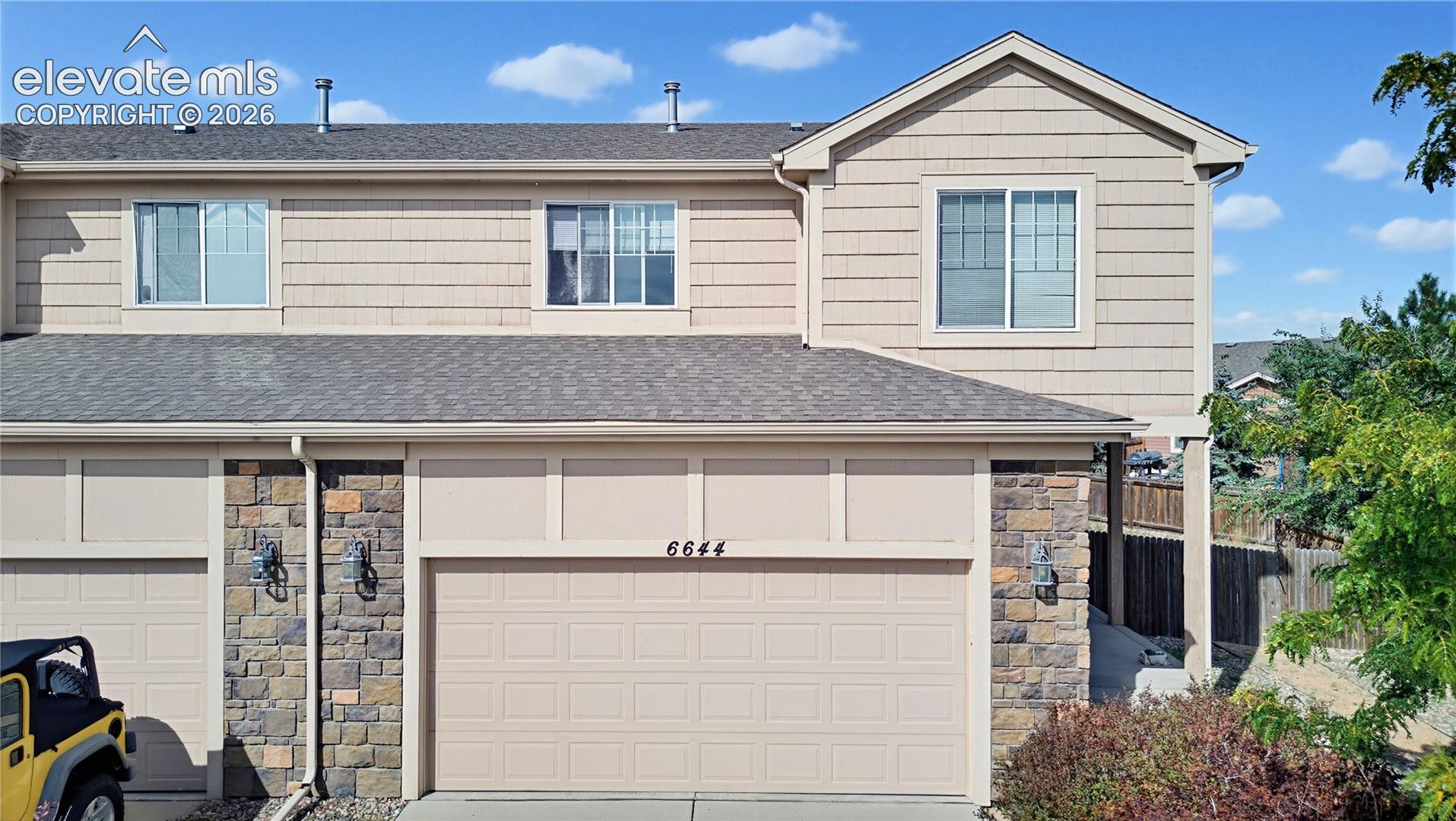
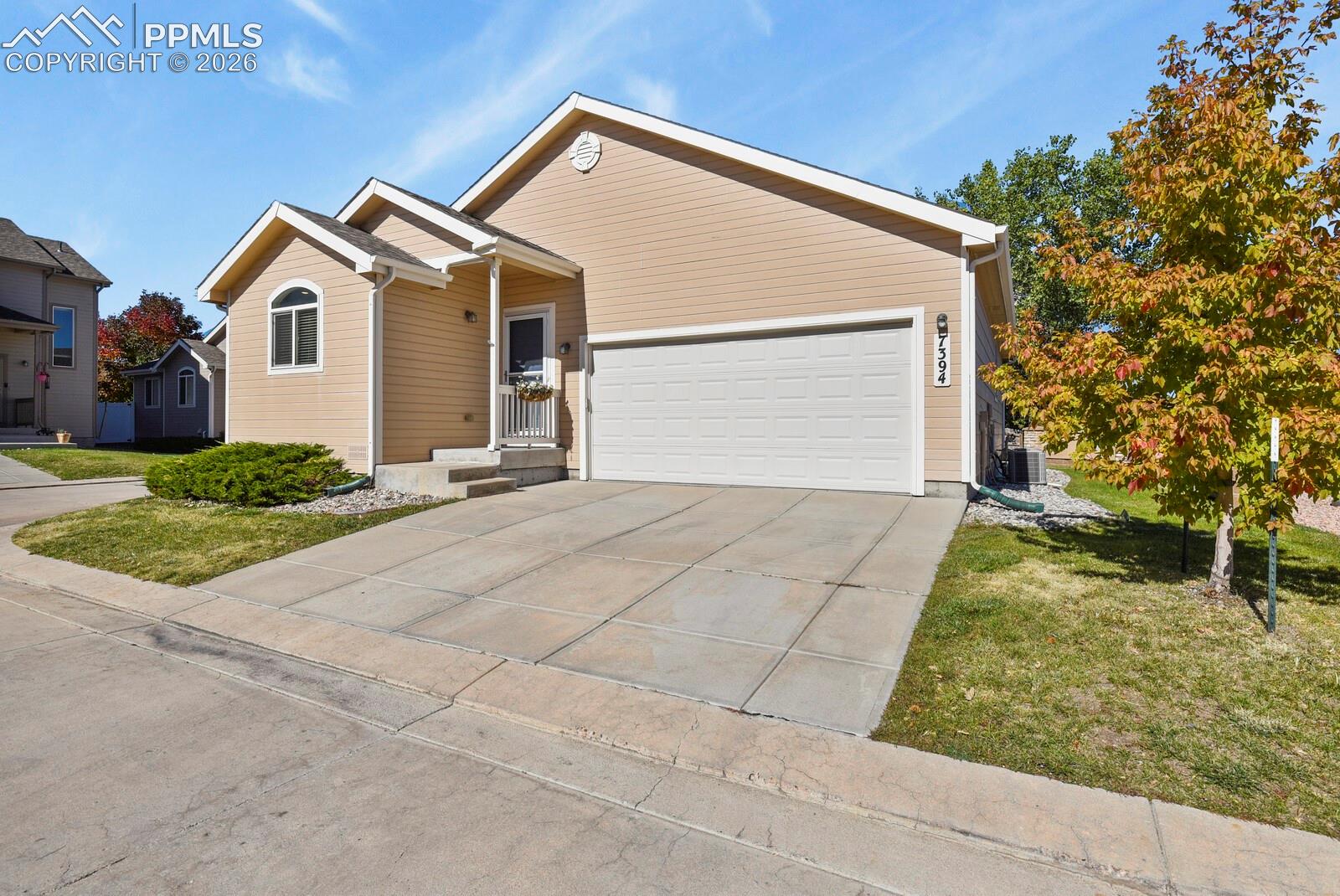
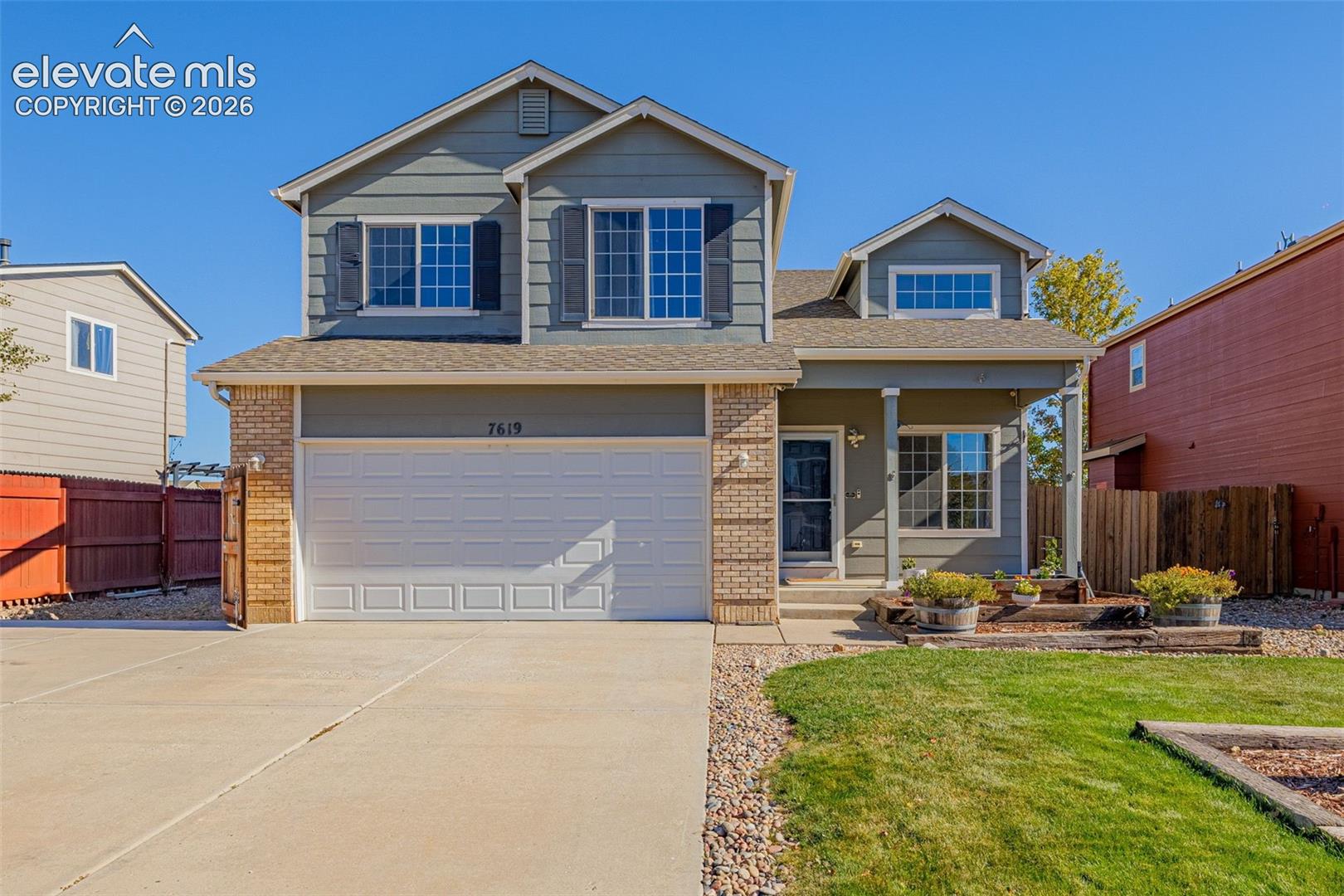
As for what you will actually be looking at, Falcon inventory falls into three recognizable categories. Master-planned single-family homes — contemporary two-story and ranch plans, three to five bedrooms, built from the early 2000s through current new construction, concentrated in Meridian Ranch, Woodmen Hills, and Paint Brush Hills. Acreage and rural ranch properties — custom builds on 2.5 to 35+ acres, frequently with barns, workshops, and livestock outbuildings. And townhomes and paired homes tucked inside the larger developments, which function as the entry point for first-time buyers and the landing spot for downsizers.
Selling in Falcon comes down to one discipline: pricing correctly on day one. With homes taking roughly six to nine weeks to go under contract, there is no market momentum to rescue a listing that launches too high.
Overpricing for negotiating room does not work here. In a balanced market, buyers simply bypass homes priced even 3% to 5% above recent comps — they have alternatives and they use them. The listing then sits, days on market accumulate, and buyers begin assuming the property has a defect. The price correction that follows almost always nets less than pricing right initially would have.
Sellers in established neighborhoods face a second pressure that sellers in older parts of Colorado Springs do not: direct competition with builders. If there is an active phase going up nearby in Meridian Ranch or Paint Brush Hills, those builders are offering rate buydowns, flex cash, and warranties. A resale home must be priced to account for what the buyer gives up by not going new.
The counterweight is land. Homes on larger lots or genuine acreage command significant premiums over standard builder-platted lots, and that value is frequently underpriced by sellers who only look at price per square foot. Outbuildings, fencing, and shop space all carry real dollar value in this market.
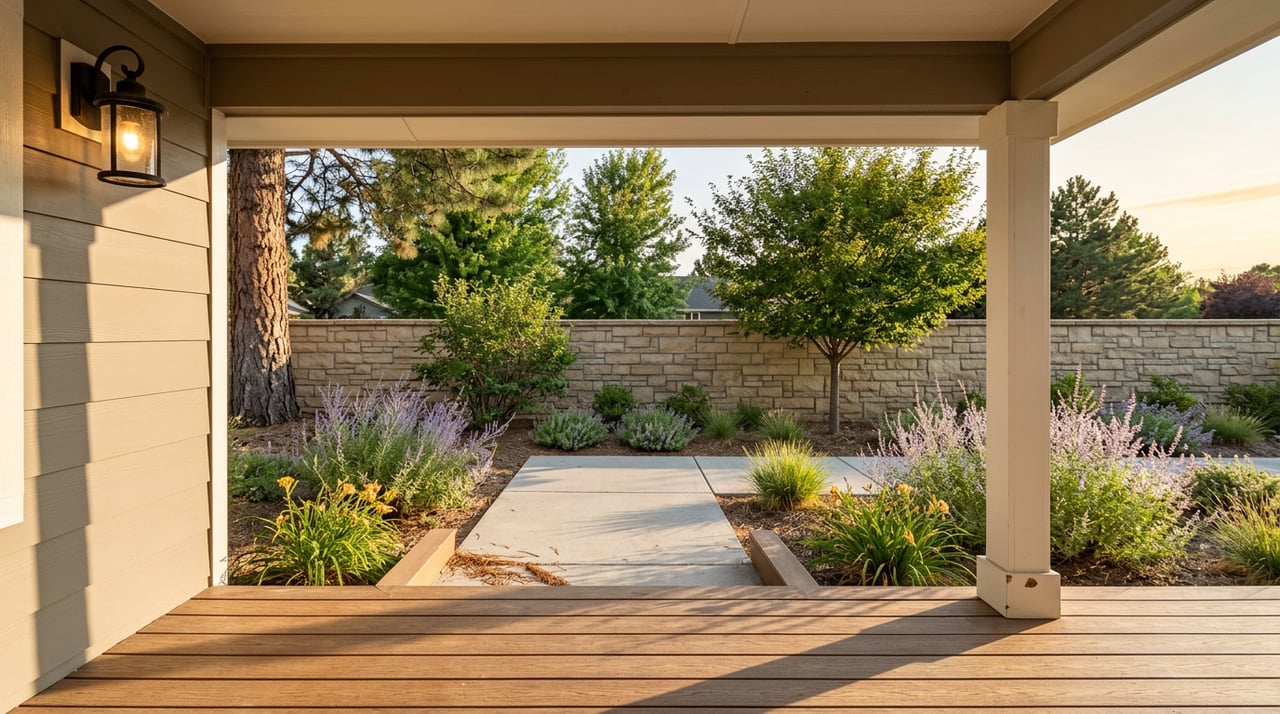
On presentation, buyers with choices are picky, and Falcon-specific details matter. Start outside: clear native prairie weeds, maintain the landscaping, and make sure decks and patios are clean and staged, because outdoor living space and the mountain view corridor are two of the strongest selling points a Falcon home has. Inside, neutralize and modernize builder-grade finishes where budget allows — a lot of Falcon inventory was built with the same package, and small updates create real separation. Then handle pre-inspection readiness before you list: roof condition, HVAC service records, and deck wear are the three items Falcon buyers scrutinize hardest, and for good reason given the hail exposure.
Timing-wise, the pattern is consistent. The first 14 to 21 days are peak exposure. If the home is priced at market, serious local buyers and relocating military families will tour in that window. The 40-to-65-day range is where most homes go under contract. Anything drifting past 60 days typically needs a 2% to 3% adjustment to re-enter active search alerts and regain attention.
These are the things that separate buyers who do well in Falcon from buyers who inherit expensive surprises.
Verify your infrastructure situation before anything else. This is the defining due-diligence issue in Falcon. Master-planned developments like Meridian Ranch run on Metropolitan Districts, which charge additional mills on your property taxes to finance community amenities and infrastructure. Acreage properties farther east rely on individual wells and septic systems. Neither arrangement is inherently better, but they cost money in completely different ways. On a district property, pull the mill levy breakdown. On a well-and-septic property, test the well flow rate and inspect the septic system early in your due-diligence period — not at the end.
Pay attention to sun orientation. This sounds like a minor preference until you have lived through a Falcon winter. Prioritize south- or west-facing driveways. Natural solar gain melts snow and ice off the concrete, and over a season that difference is measured in hours of shoveling you did not have to do. North-facing driveways hold ice for days.
Take wind and hail mitigation seriously. Falcon sits on exposed high prairie, which means intense spring windstorms and severe summer hail. During inspection, look hard at the age and condition of the roof — Class 4 impact-resistant shingles are worth paying for and worth verifying. Check siding durability, where stucco and fiber cement outperform alternatives, and inspect window seals, which take a beating out here.
Drive your actual commute at your actual commute time. Access to Schriever and Peterson is direct and genuinely convenient, but the Highway 24 / Woodmen Road interchange backs up during morning shift changes, and merging into Colorado Springs traffic is not the same experience at 7:15 a.m. as it is at 1:00 p.m. on a Saturday tour day.
Pricing a Falcon home well requires abandoning the habit of pulling three comps and averaging the price per square foot.
Account for builder competition first. If your home sits in or near an active master-planned phase, your competition includes a brand-new house with a warranty and a lender incentive attached. Existing homes generally need to be priced slightly below comparable new builds to offset the appeal of customization and builder coverage. Ignoring active builder pricing is the most common pricing mistake in this market.
Isolate acreage and outbuilding premiums as separate line items. Standard per-square-foot analysis falls apart on semi-rural property. The correct method is to price the home and its primary lot, then add discrete adjustments for detached shops, equestrian barns, completed fencing, and active agricultural tax status. A 2,400-square-foot home on ten fenced acres with a shop is not the same product as a 2,400-square-foot home on a half acre, and the comps should not treat them as interchangeable.
Use search thresholds deliberately. Buyers search in brackets, and their alerts are capped at round numbers. Listing at $499,900 rather than $505,000 keeps your home visible to every buyer whose maximum filter is set at $500,000. Crossing a major increment like $500K or $600K silently removes your listing from an entire pool of active searchers, and it is one of the cheapest mistakes to avoid.
On market psychology, Falcon buyers are well-informed and cautious. Many are relocating on orders, they have done their research, and they are watching multiple listings simultaneously. Anchor-and-drop pricing backfires. Listing 5% above recent comps produces extended days on market, and extended days on market produce the assumption that something is wrong with the house.
The 21-day threshold is your decision point. Peak interest from local buyers and relocating military families arrives in the first three weeks. If you have not generated qualified showings or an offer by day 14 to 21, execute a decisive 2% to 3% correction while the listing is still fresh enough to re-trigger search alerts. Waiting until day 50 to make the same adjustment costs you the fresh-listing advantage entirely.
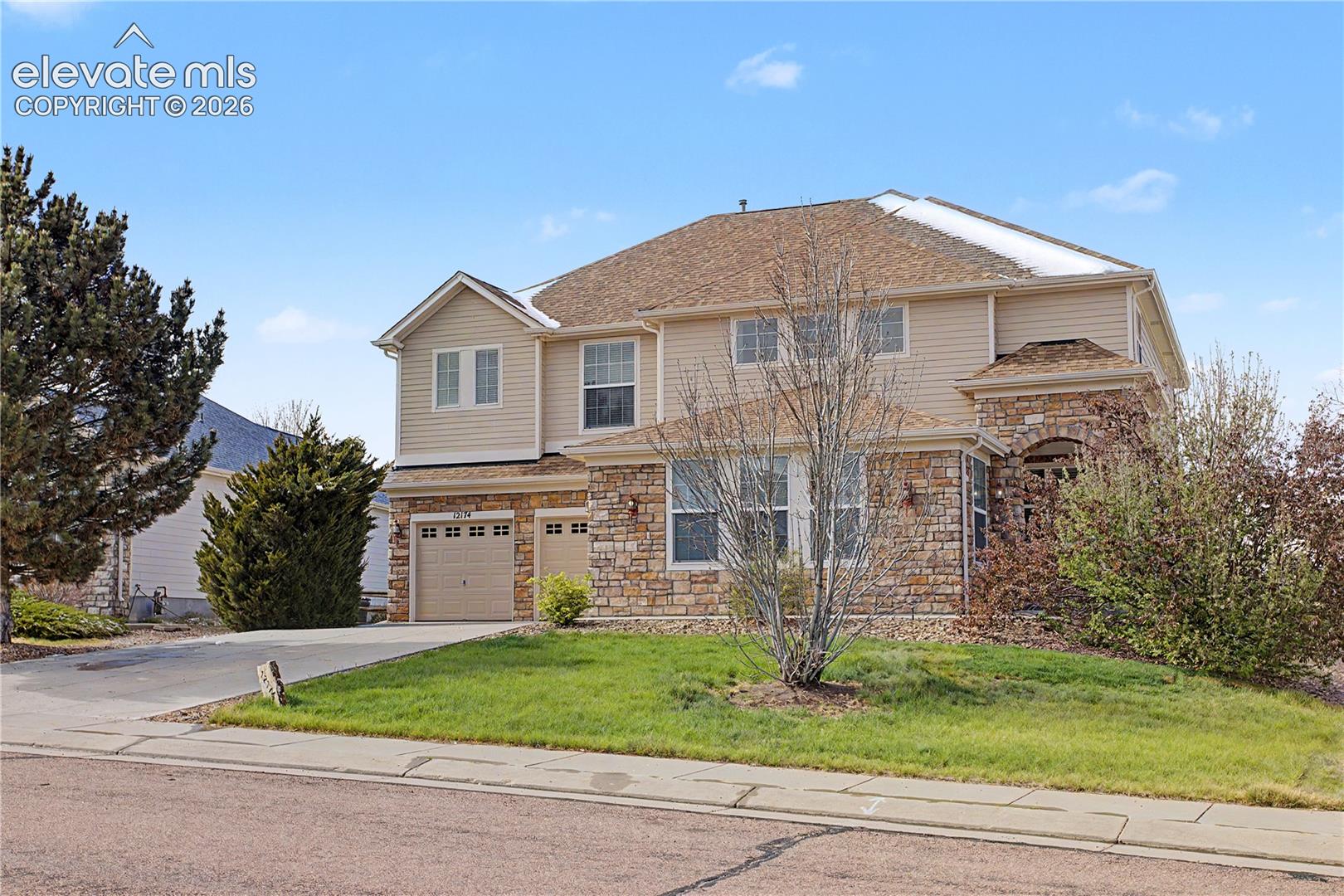
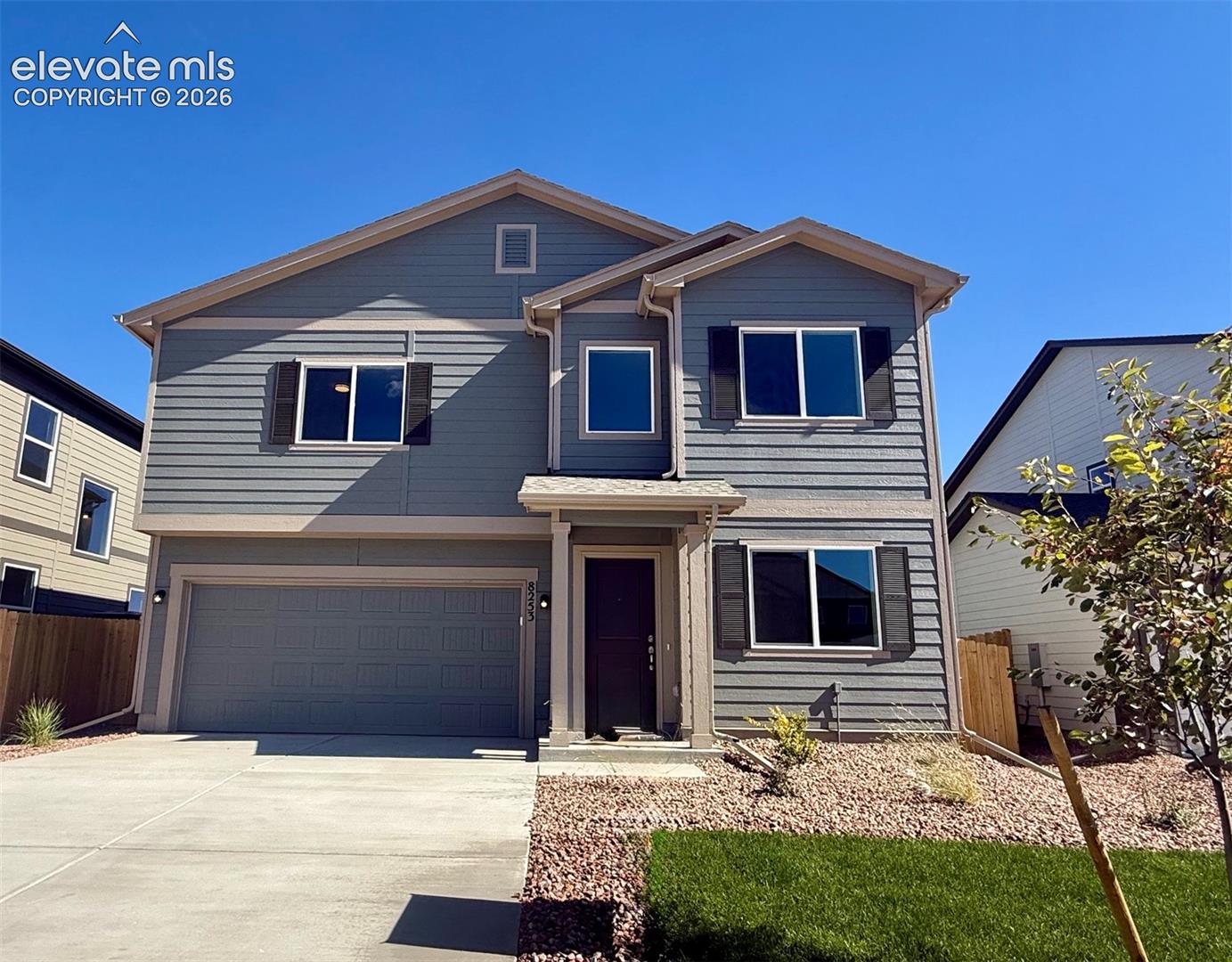
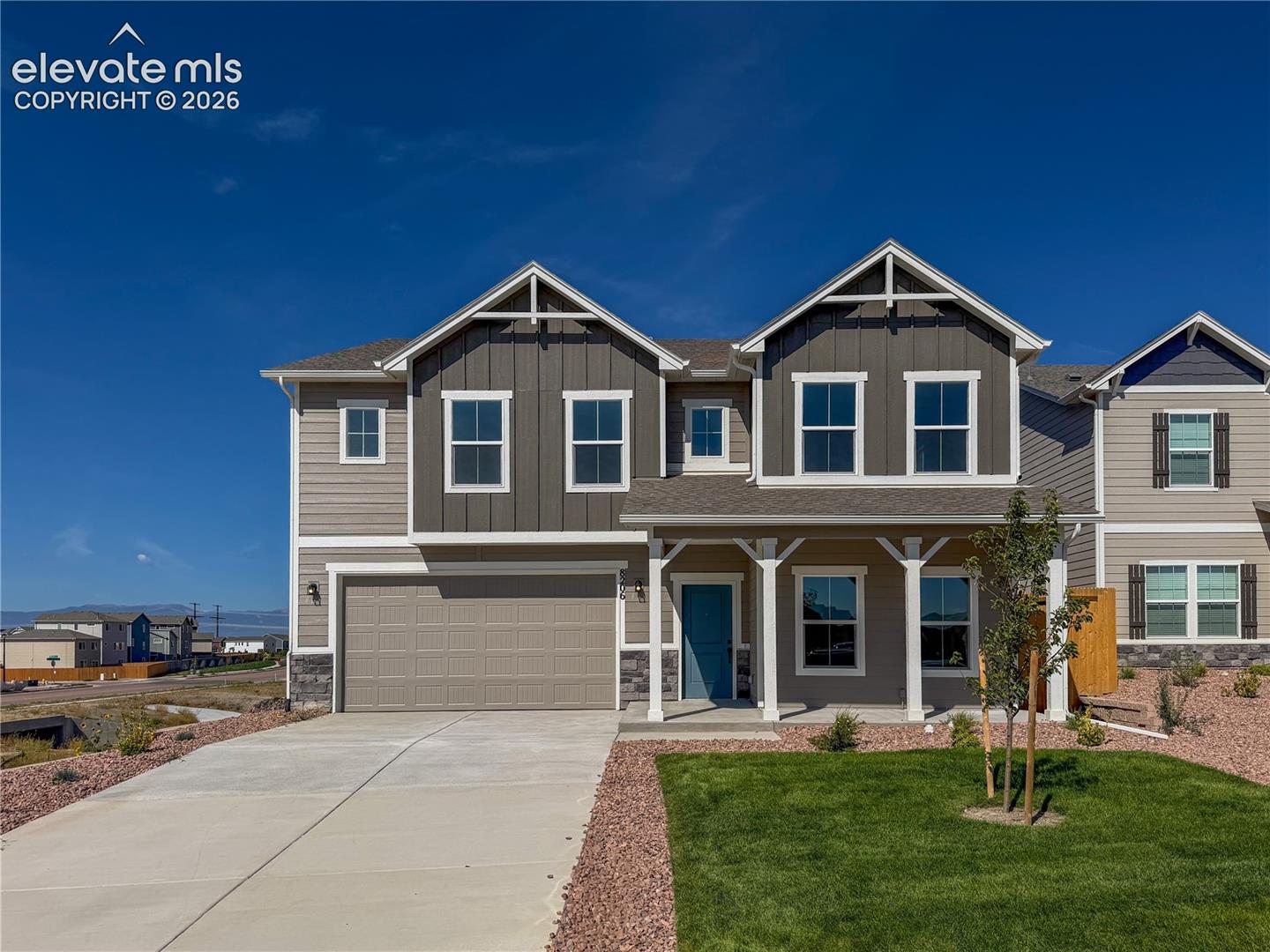
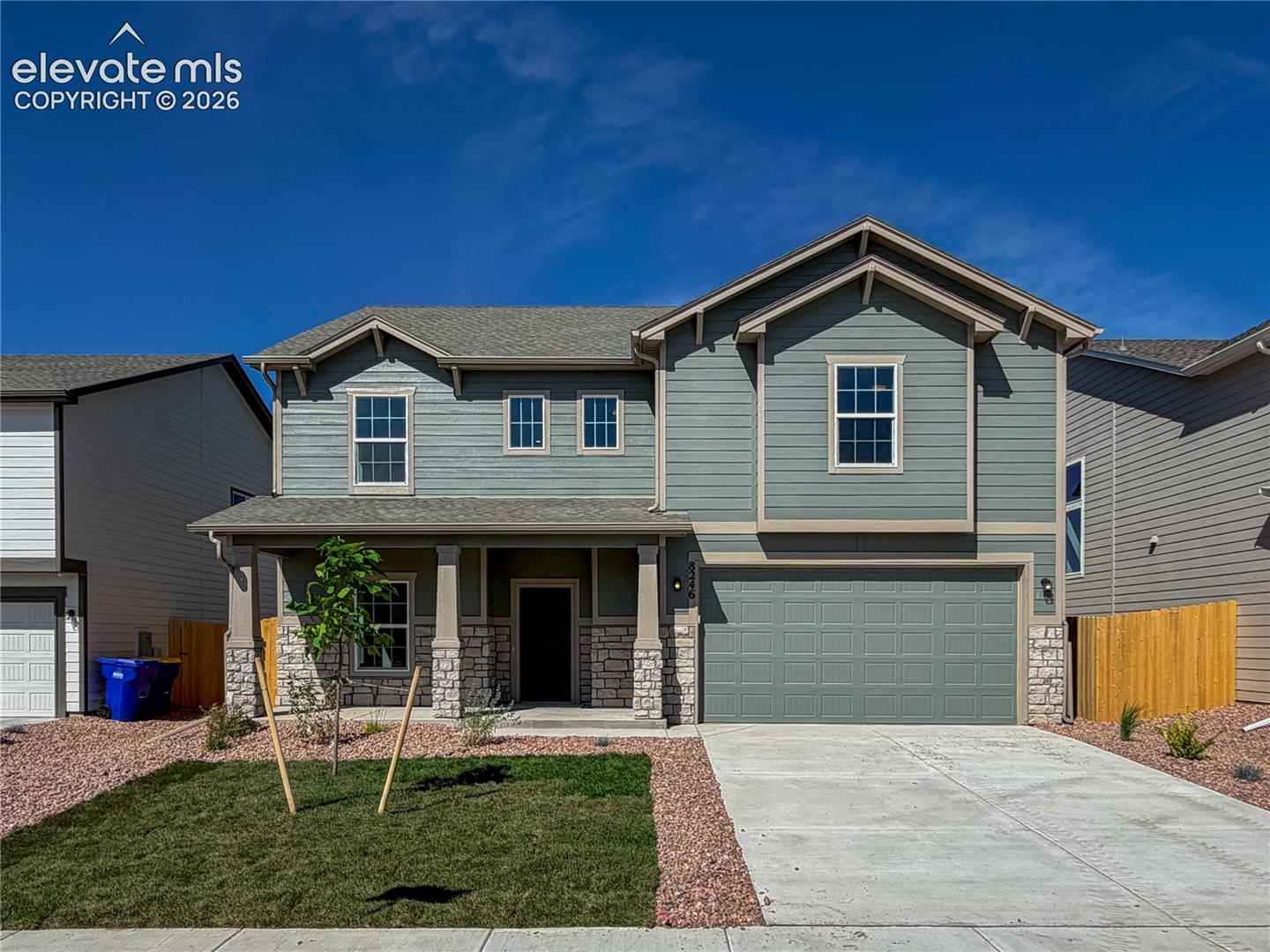
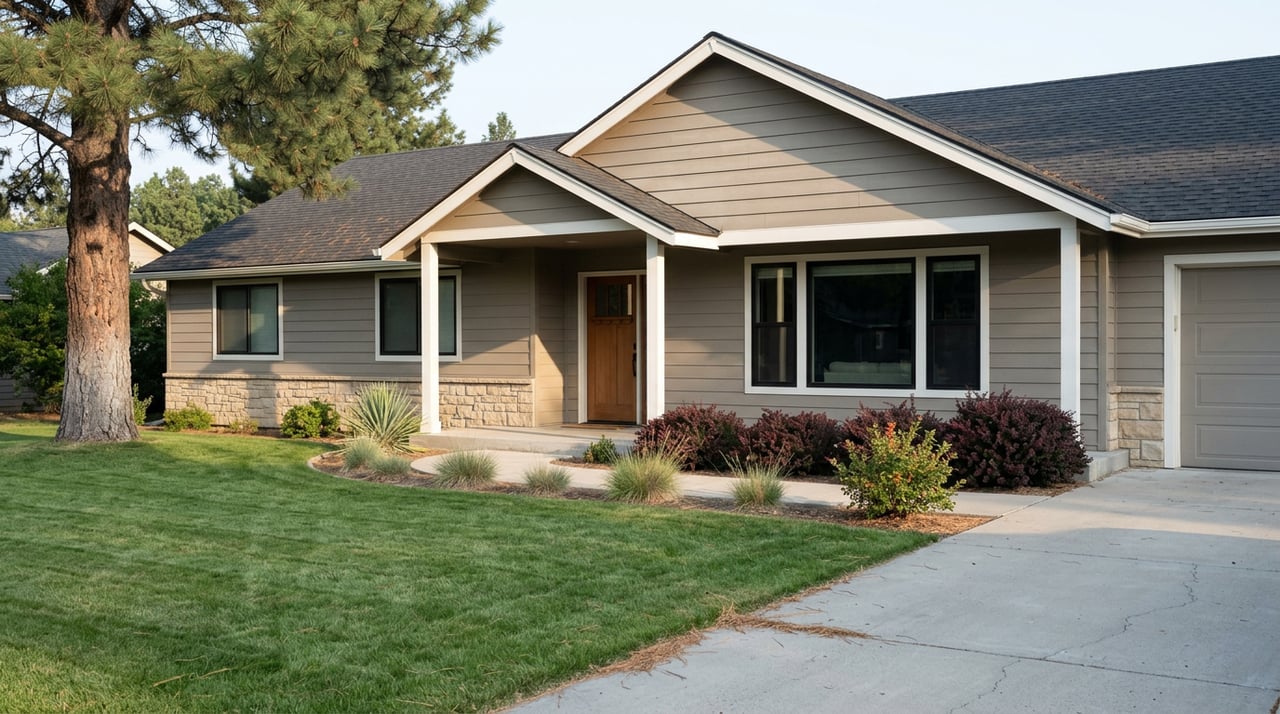
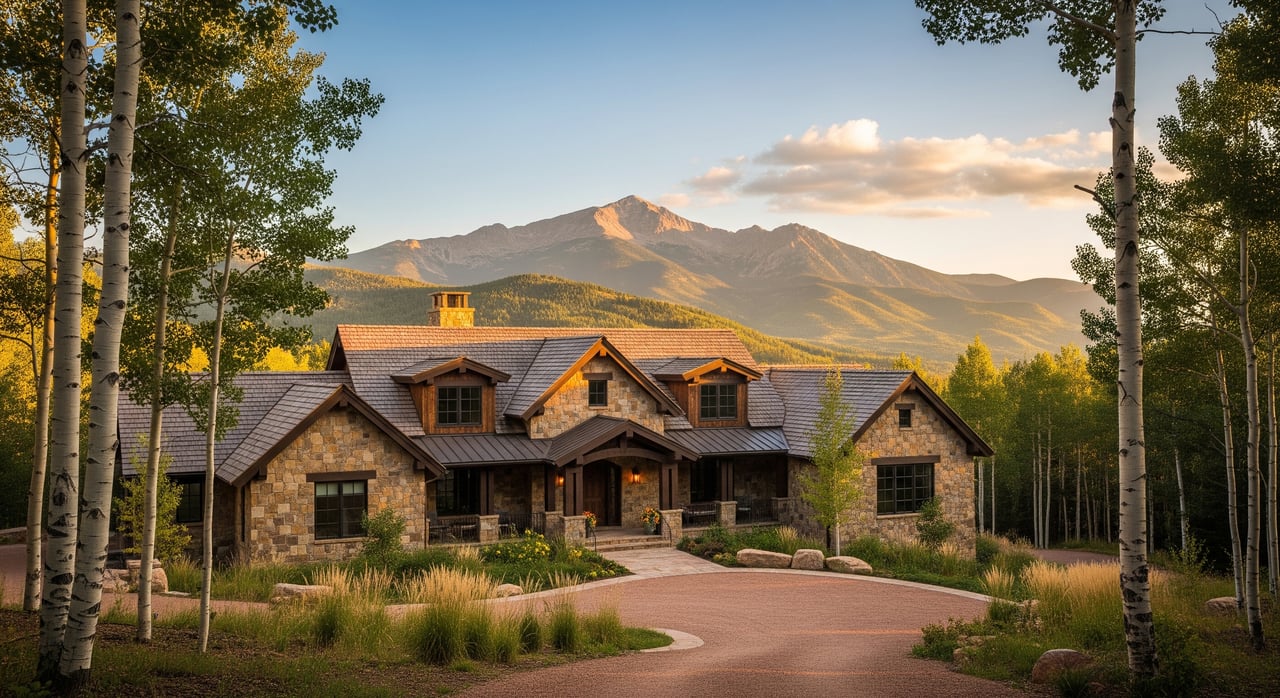
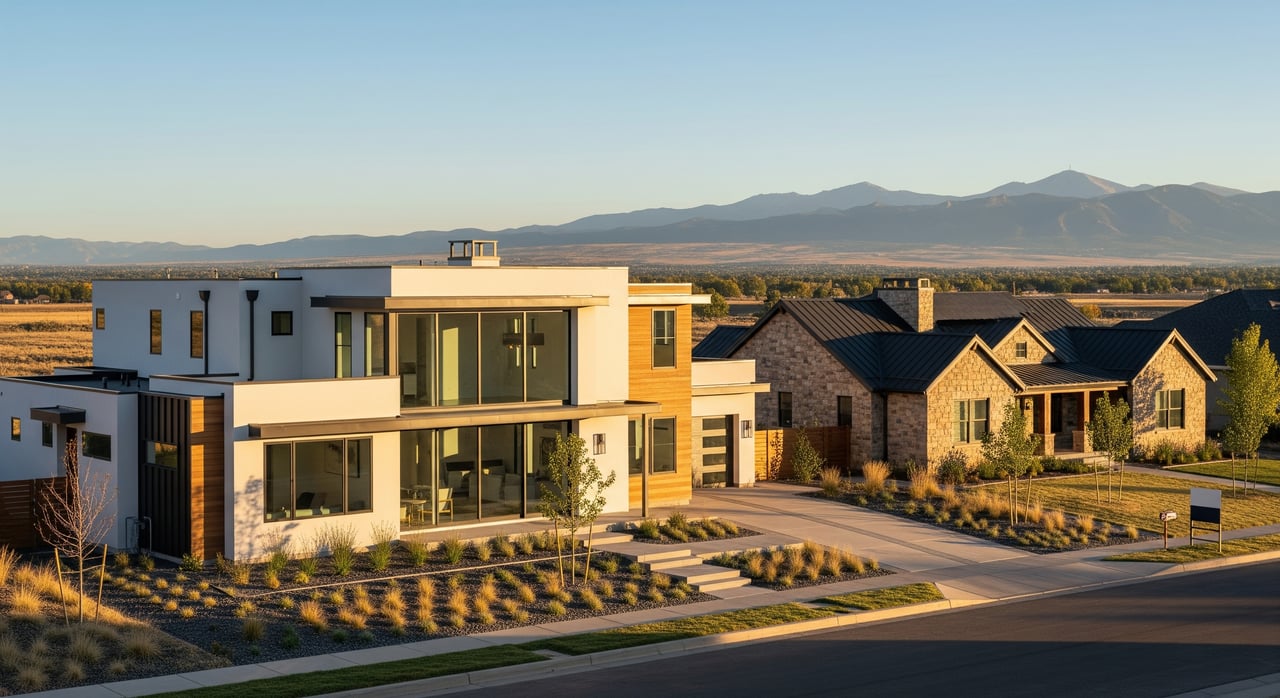
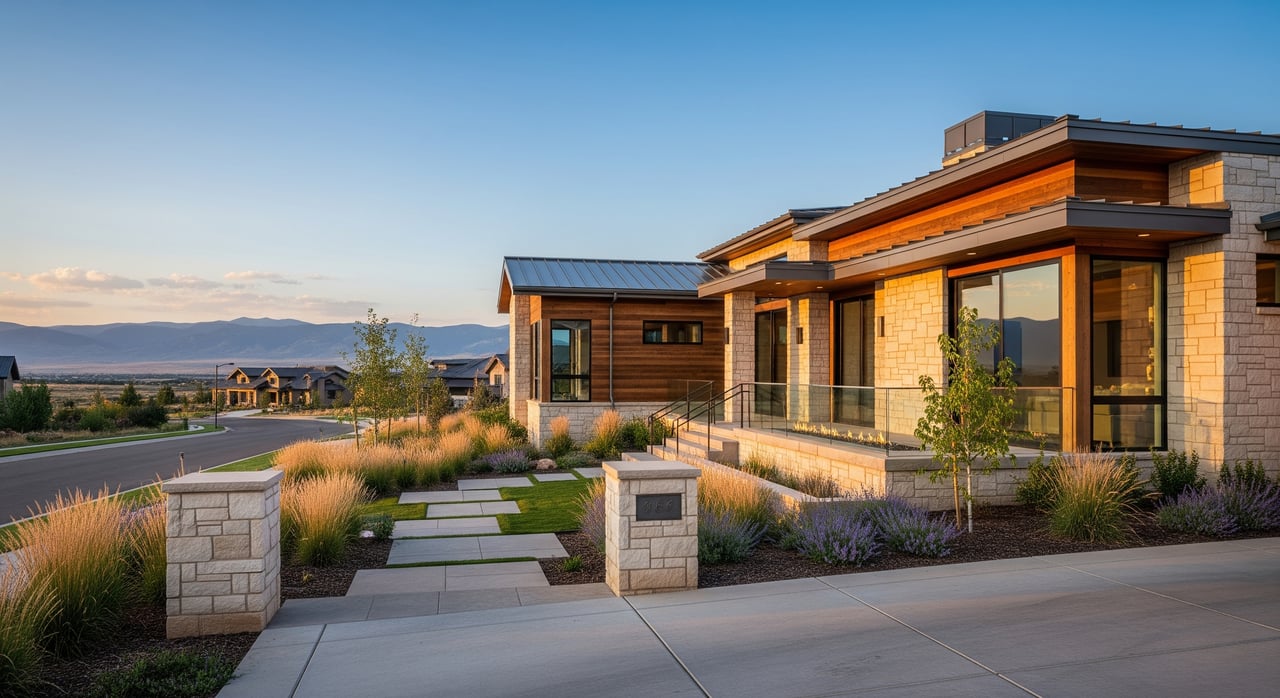
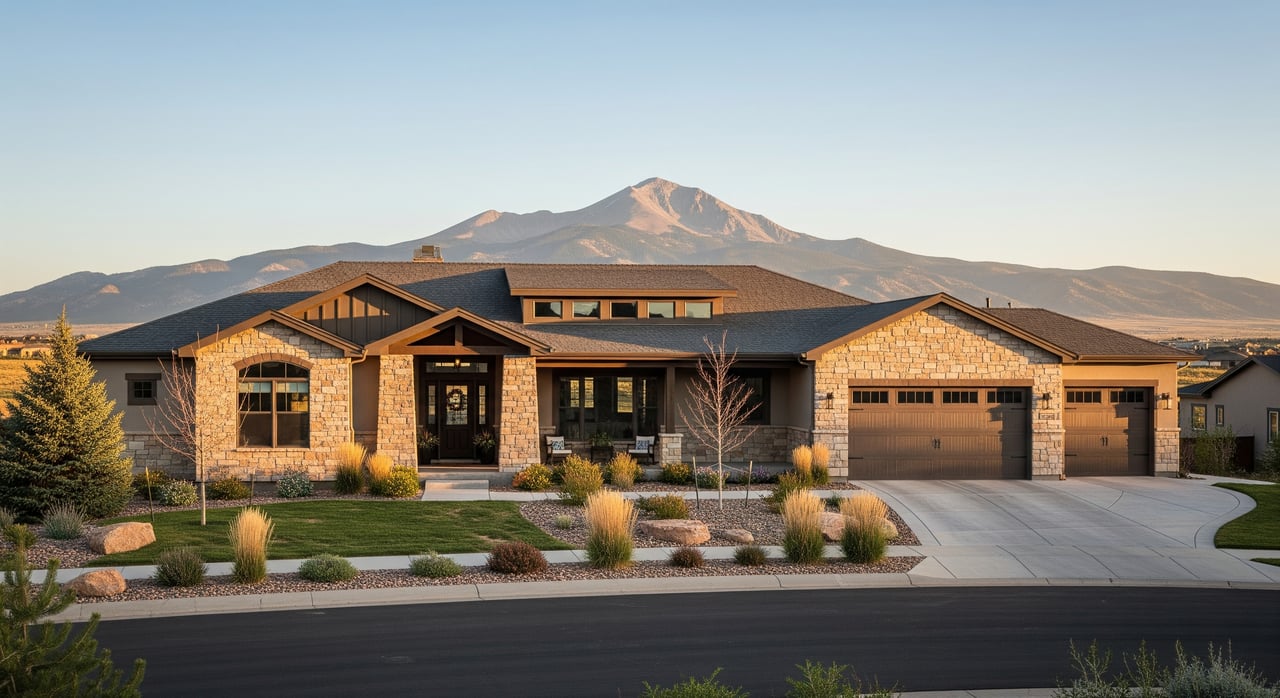
Falcon's built environment reads as a record of its transition from prairie to suburb, and it sorts cleanly into two design families.
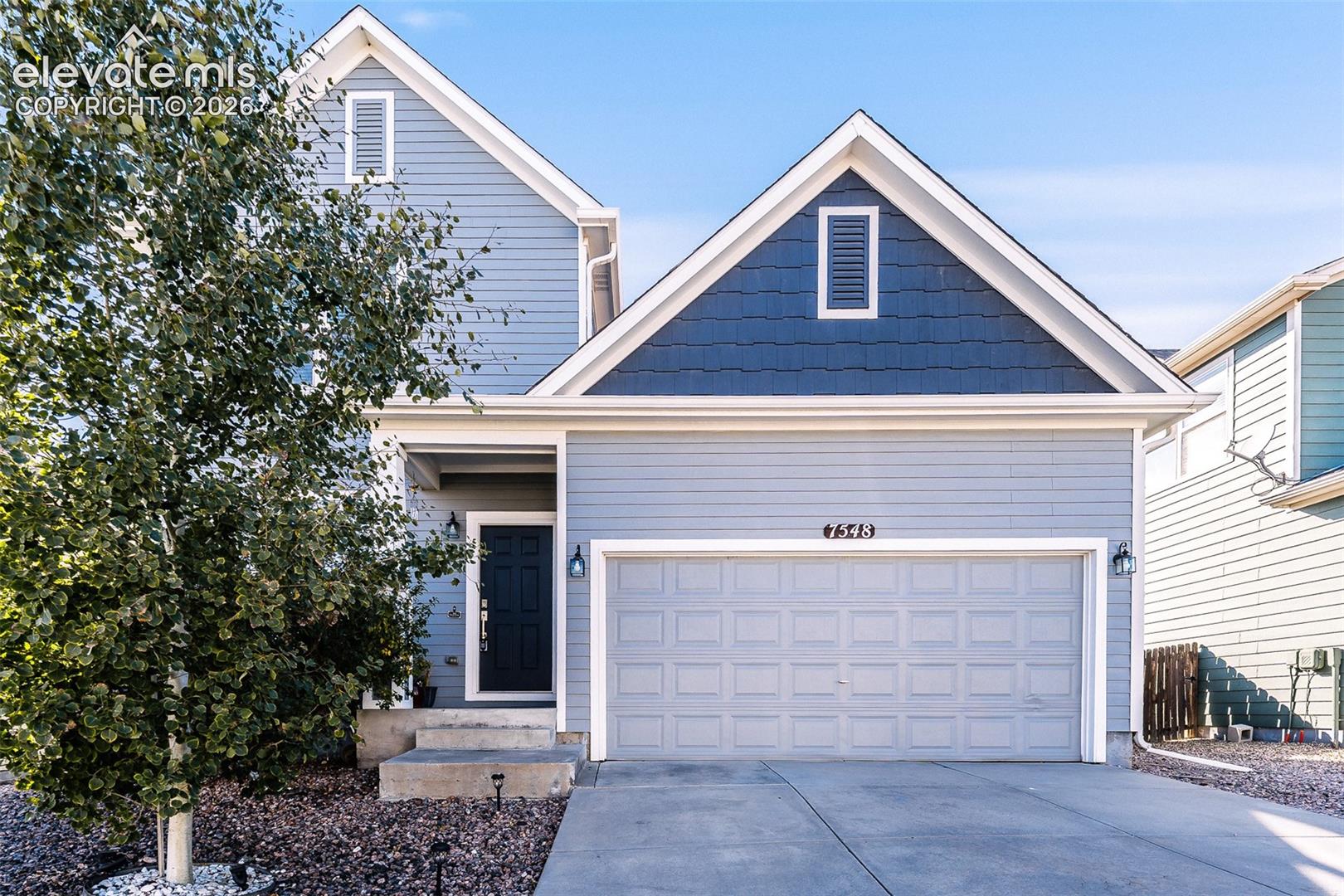
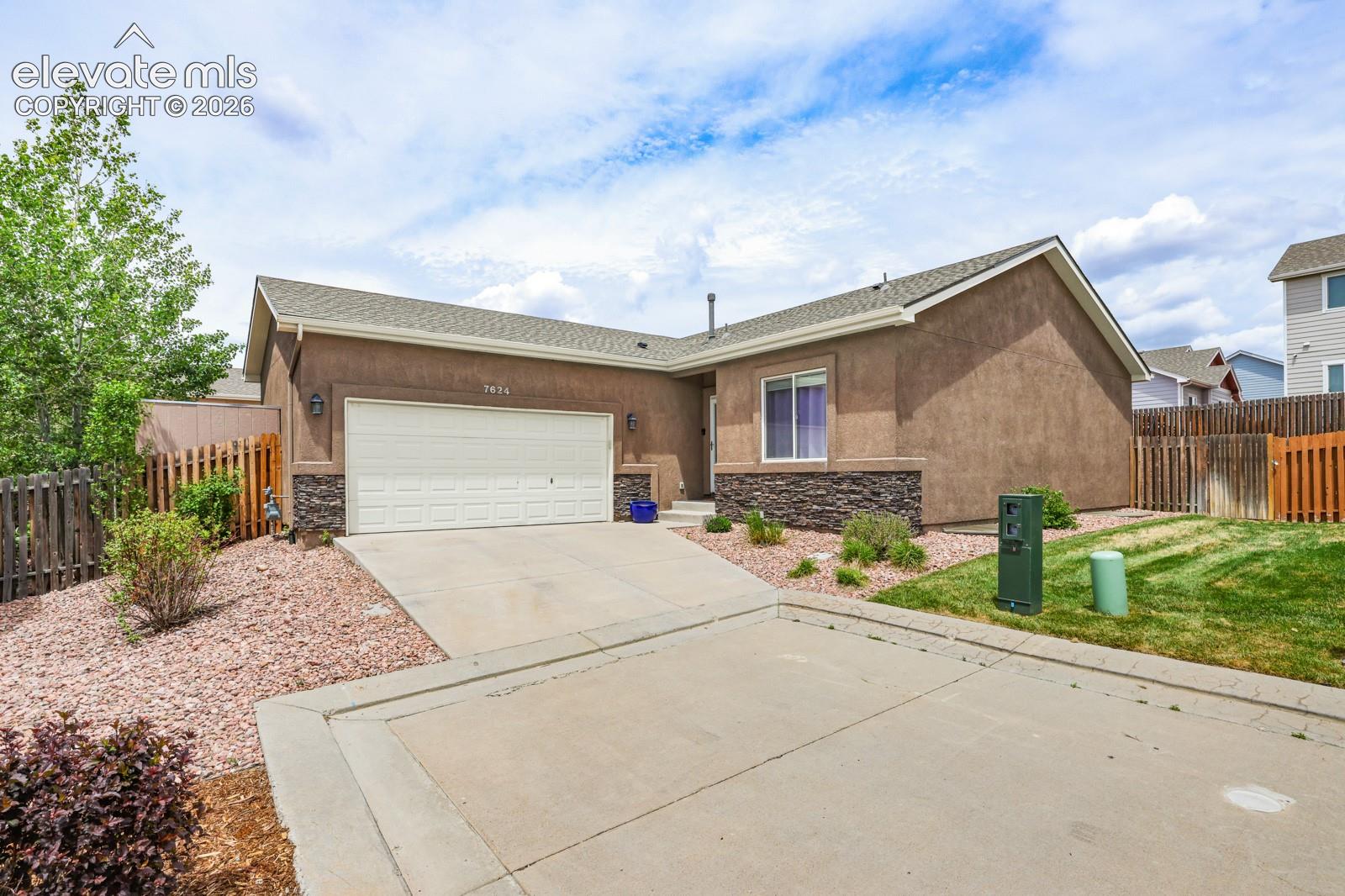
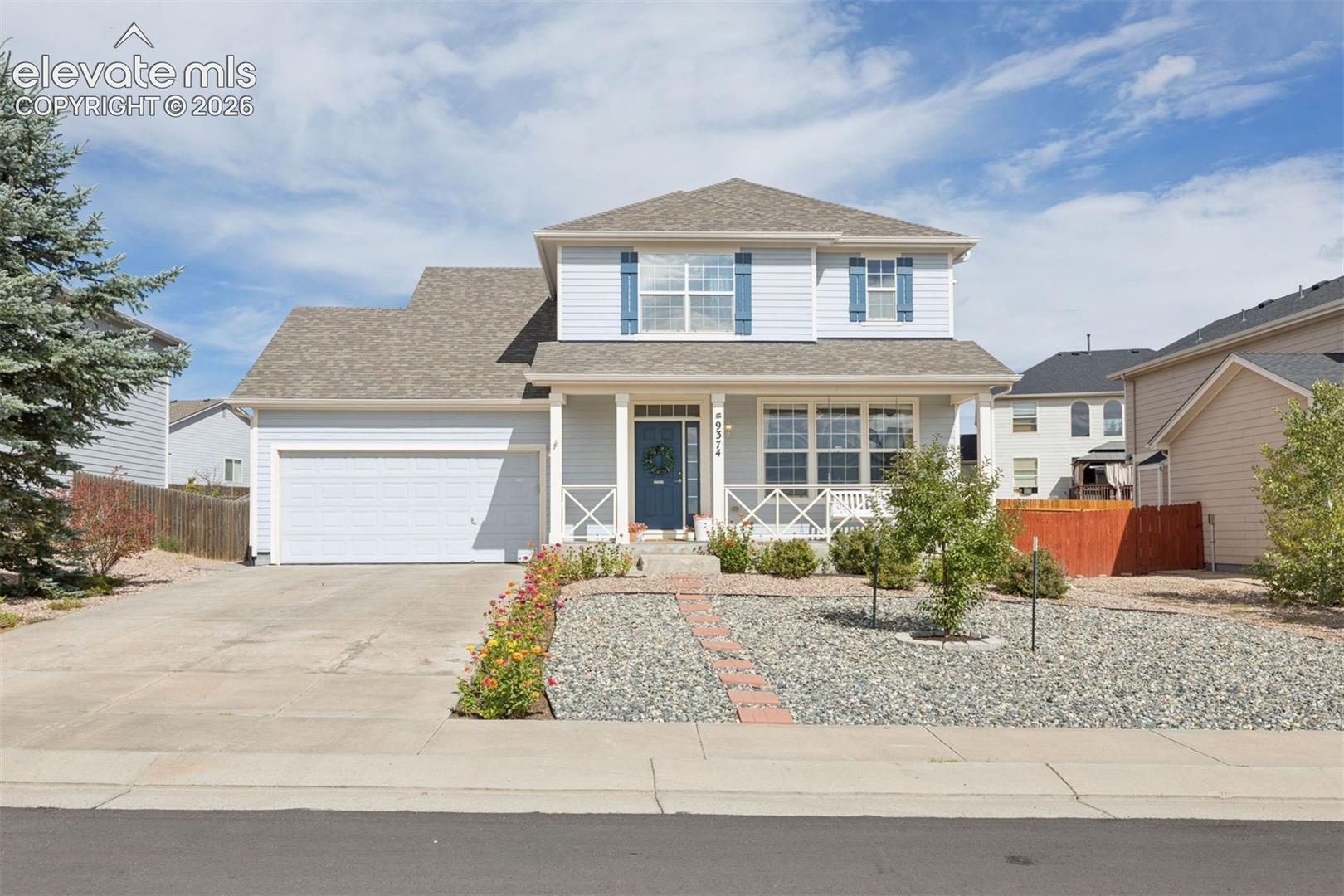
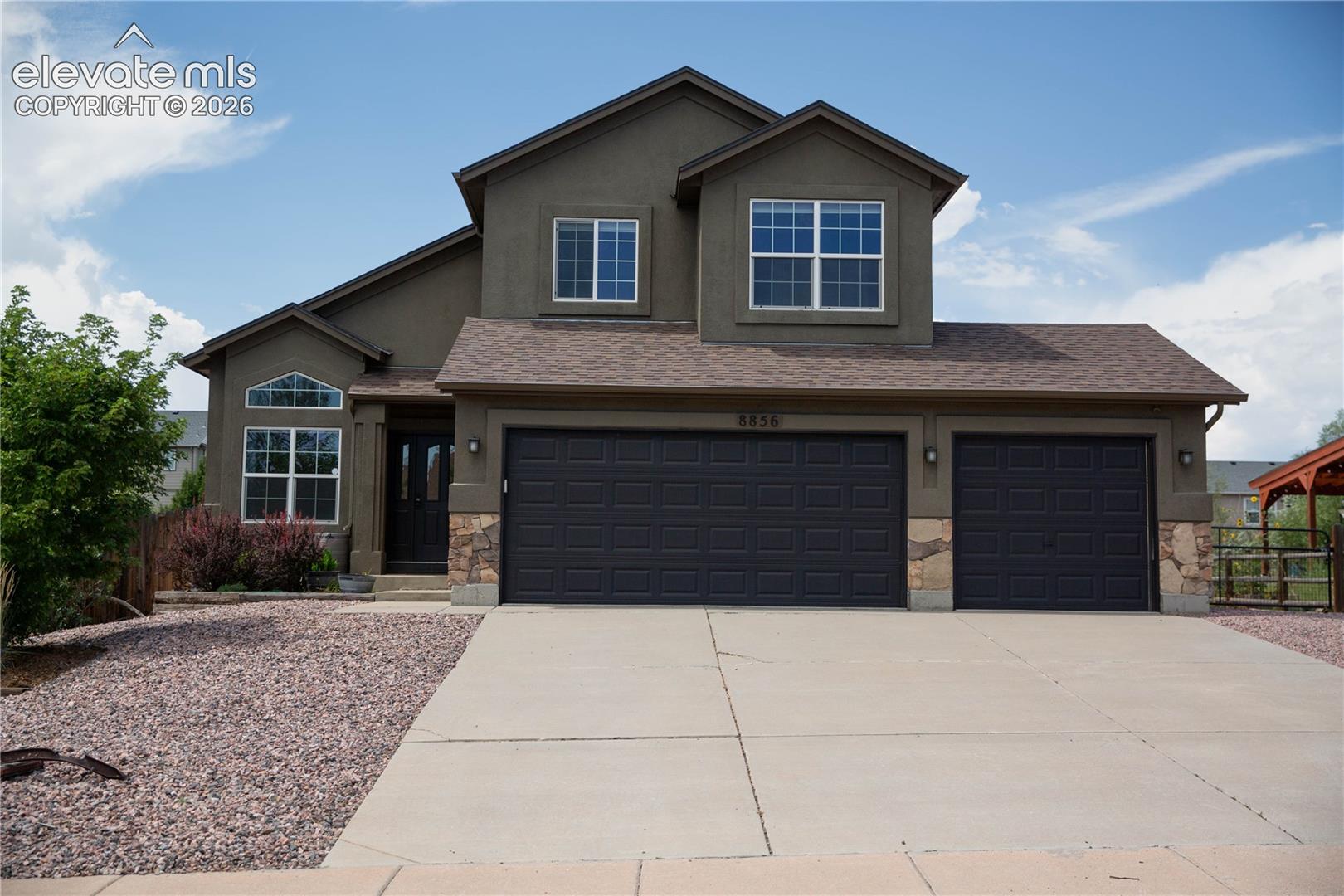
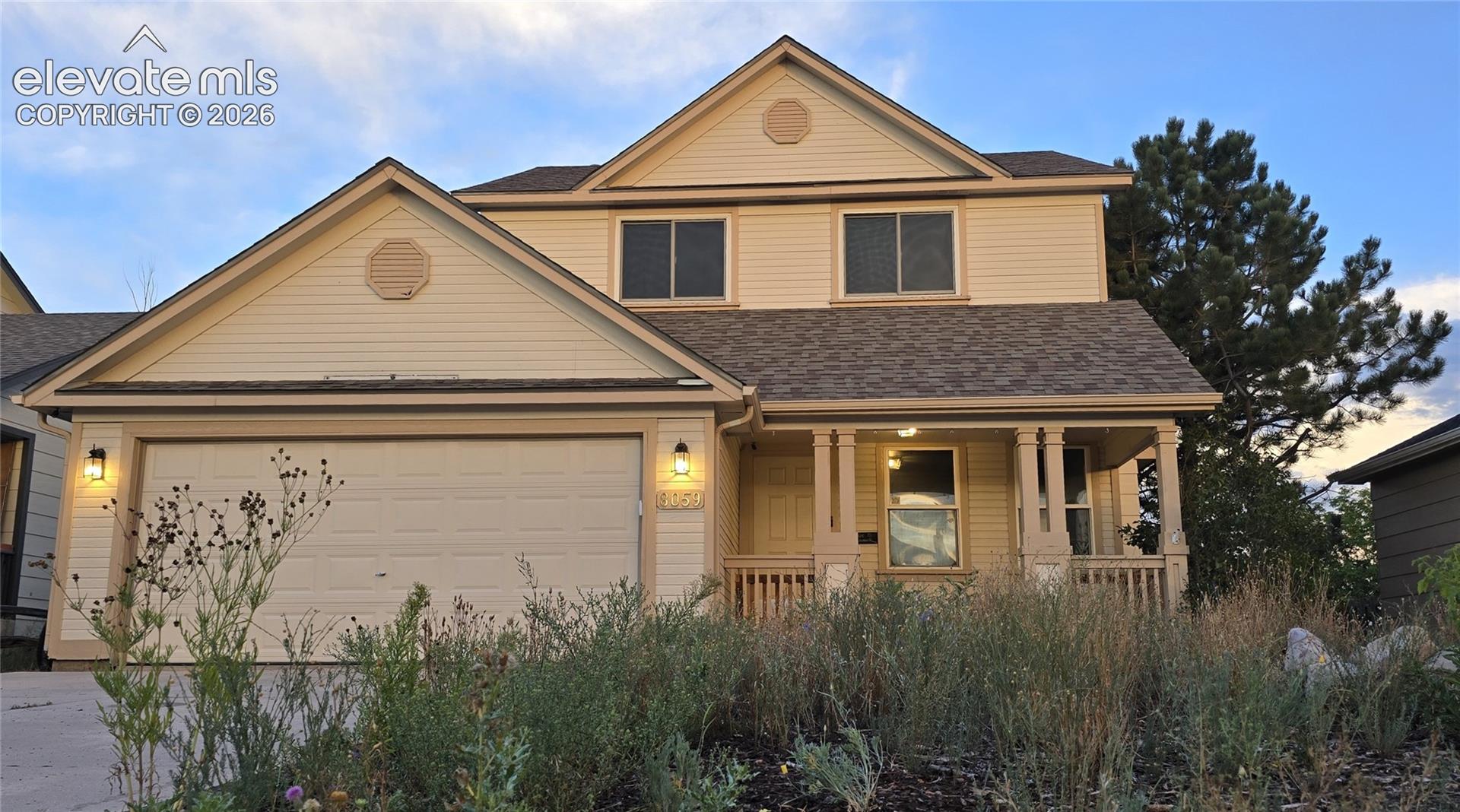
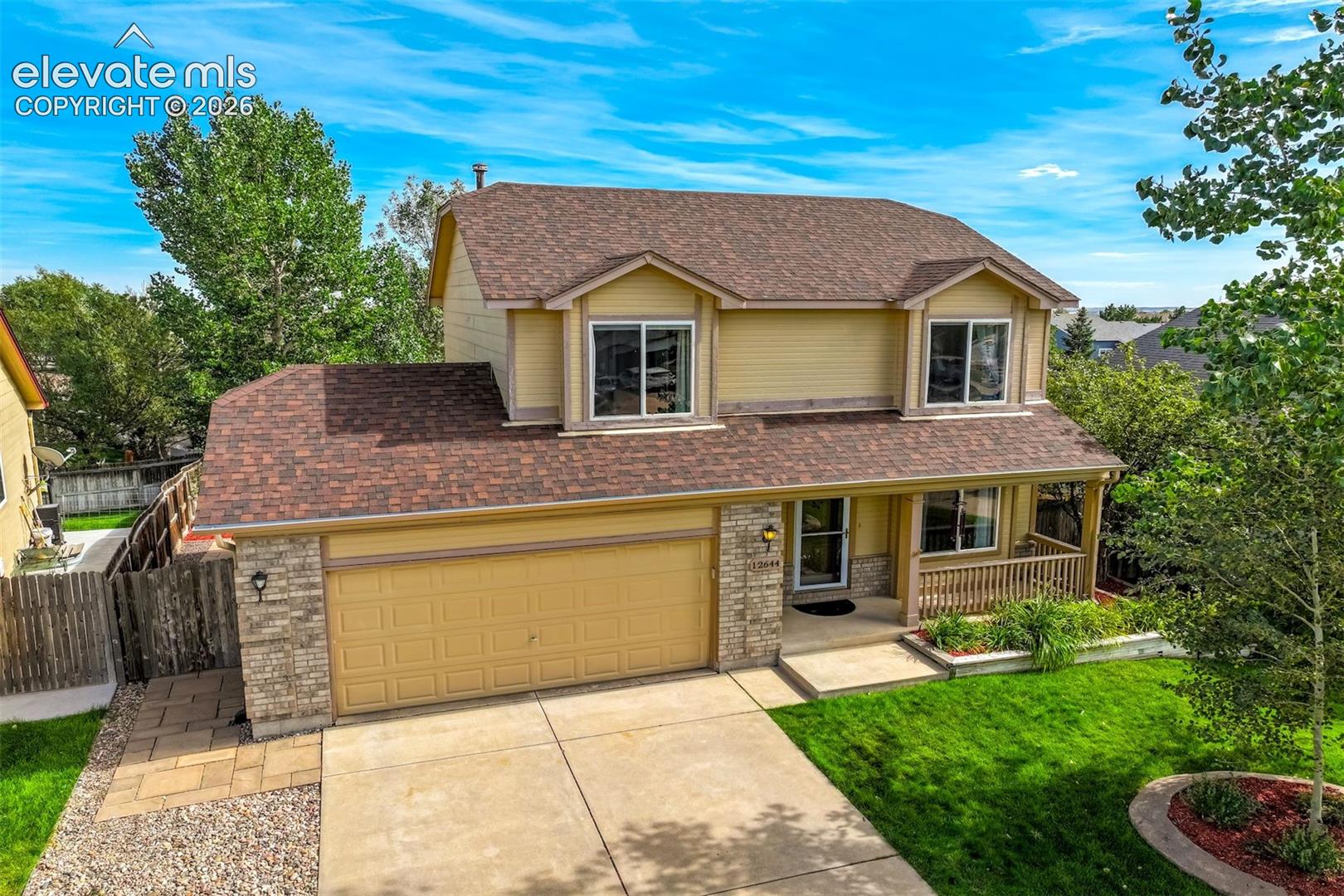
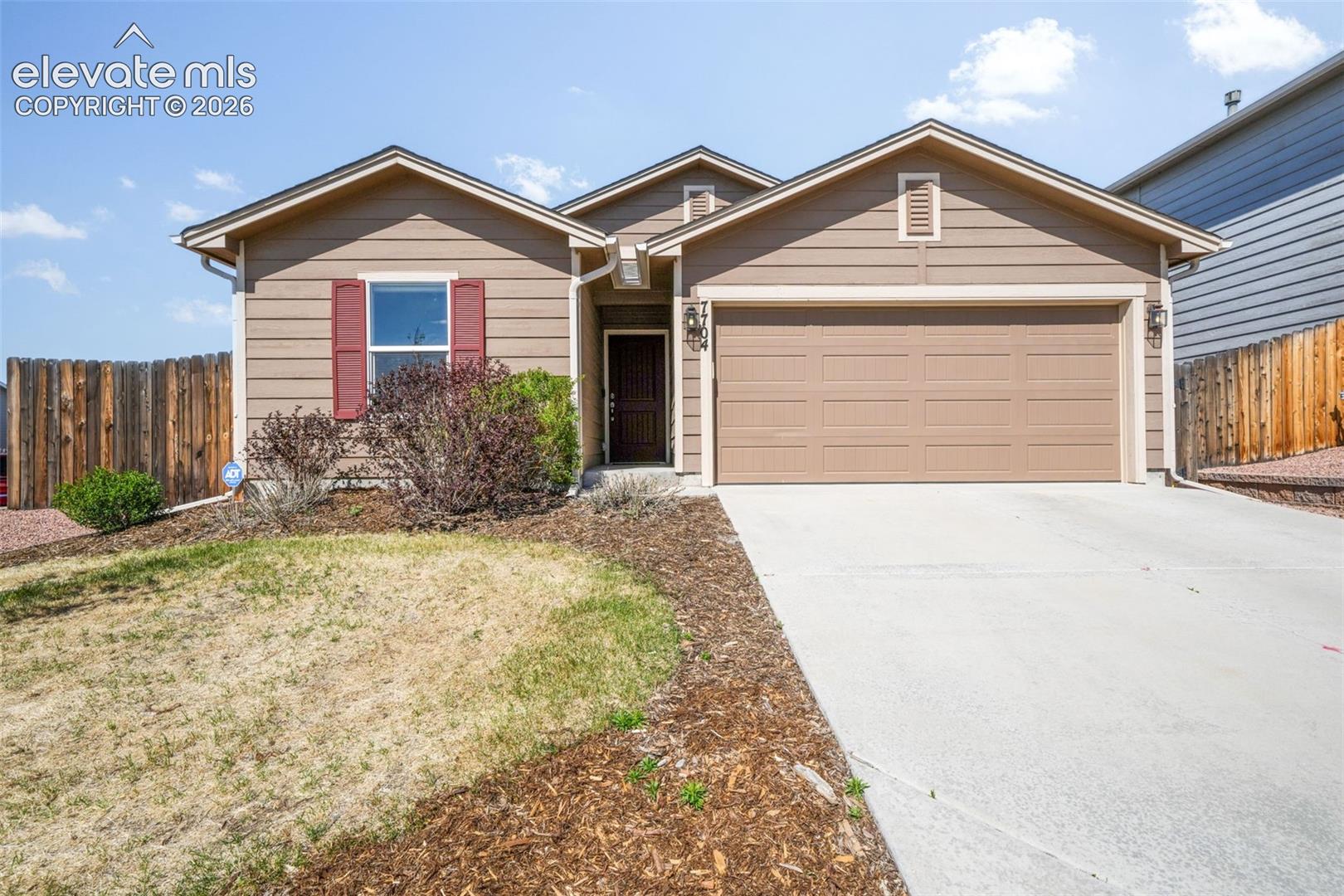
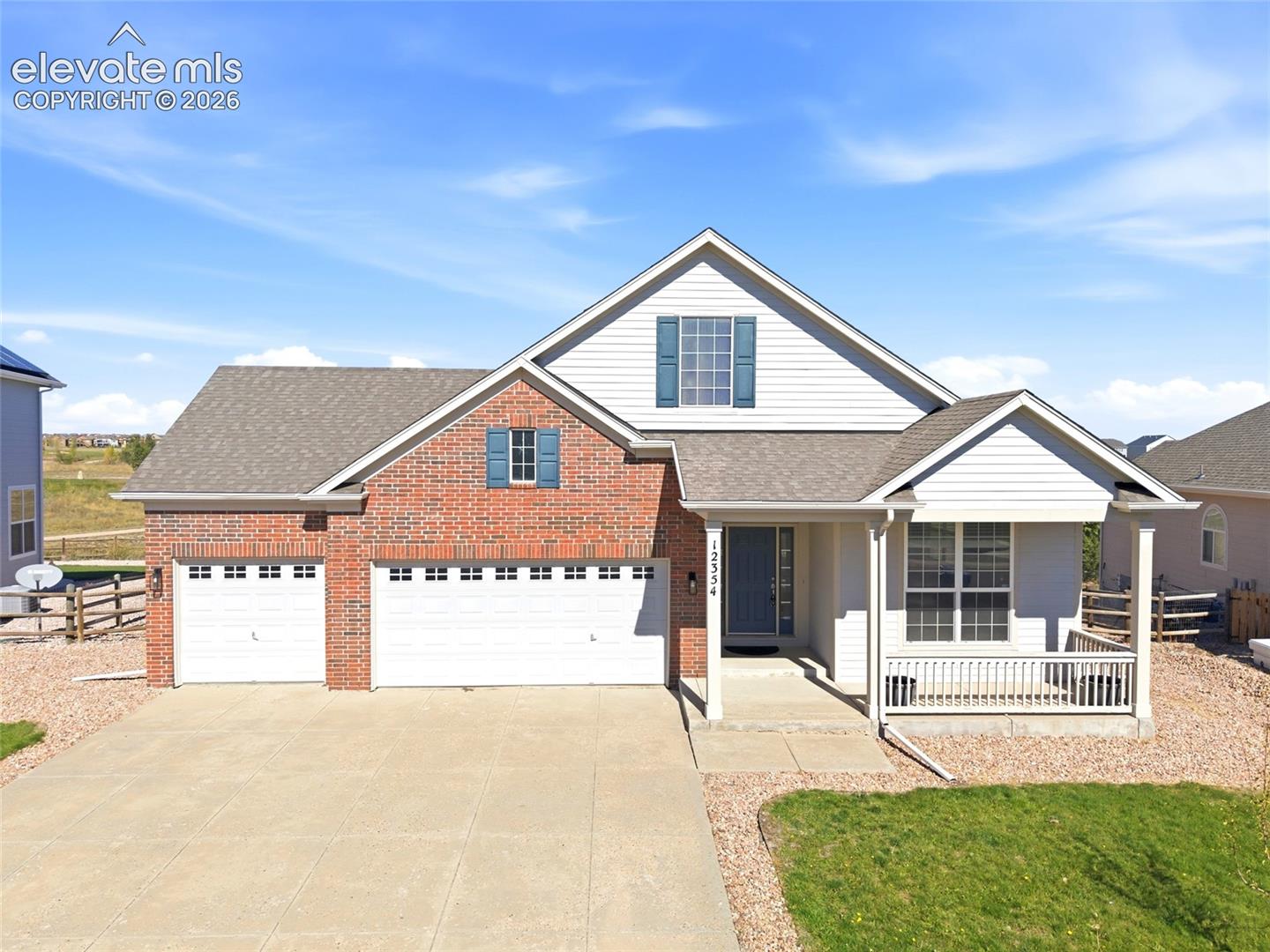
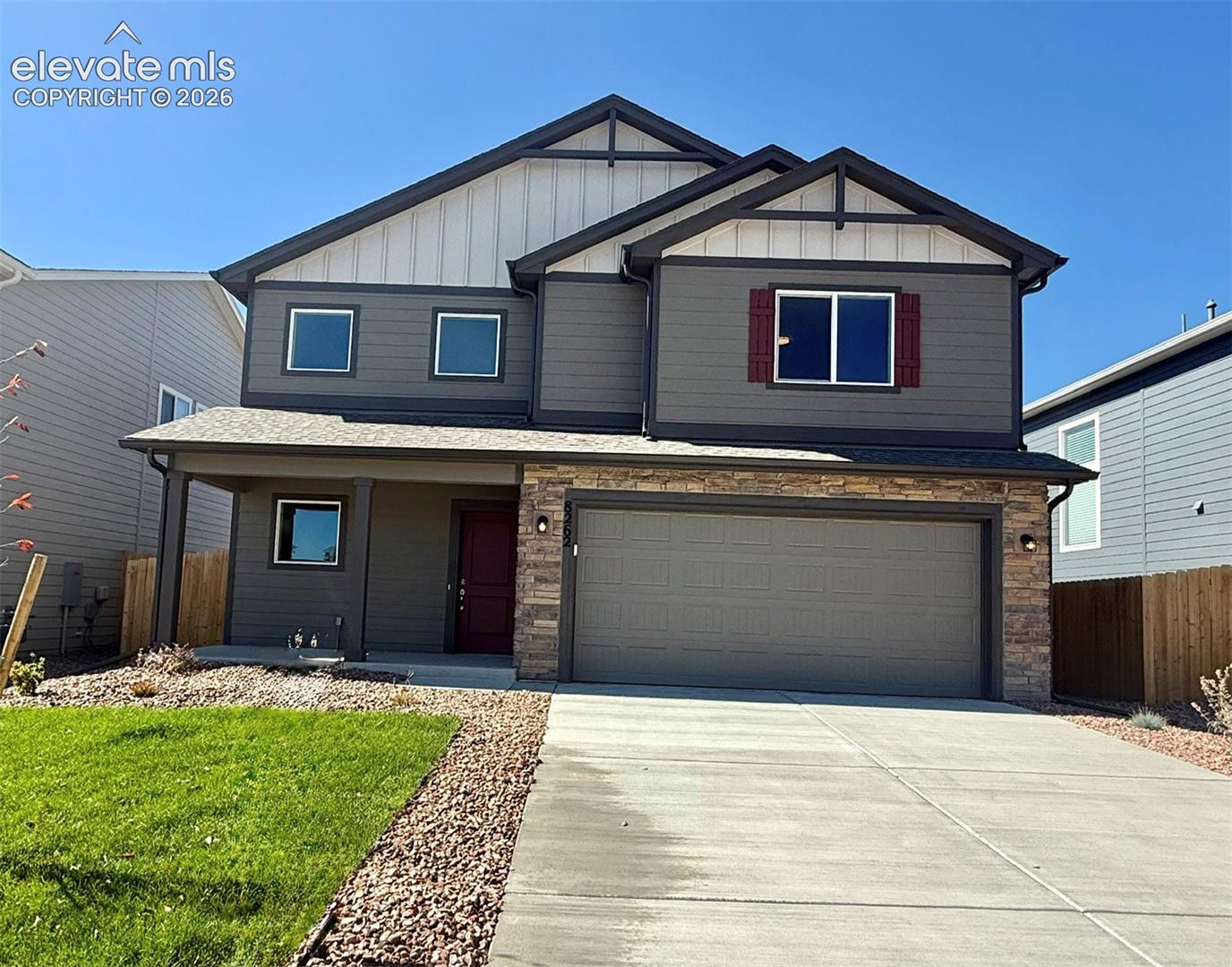
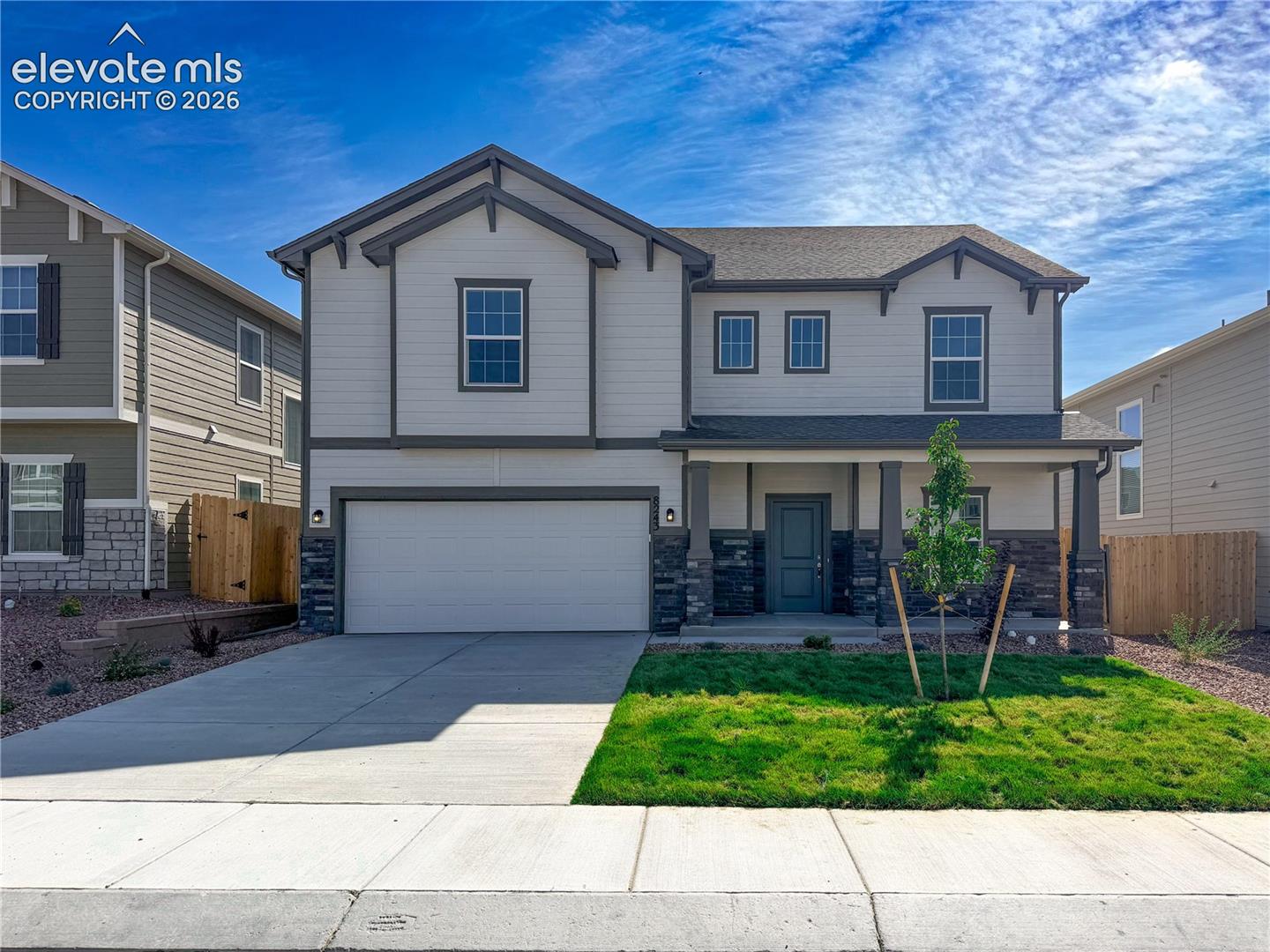
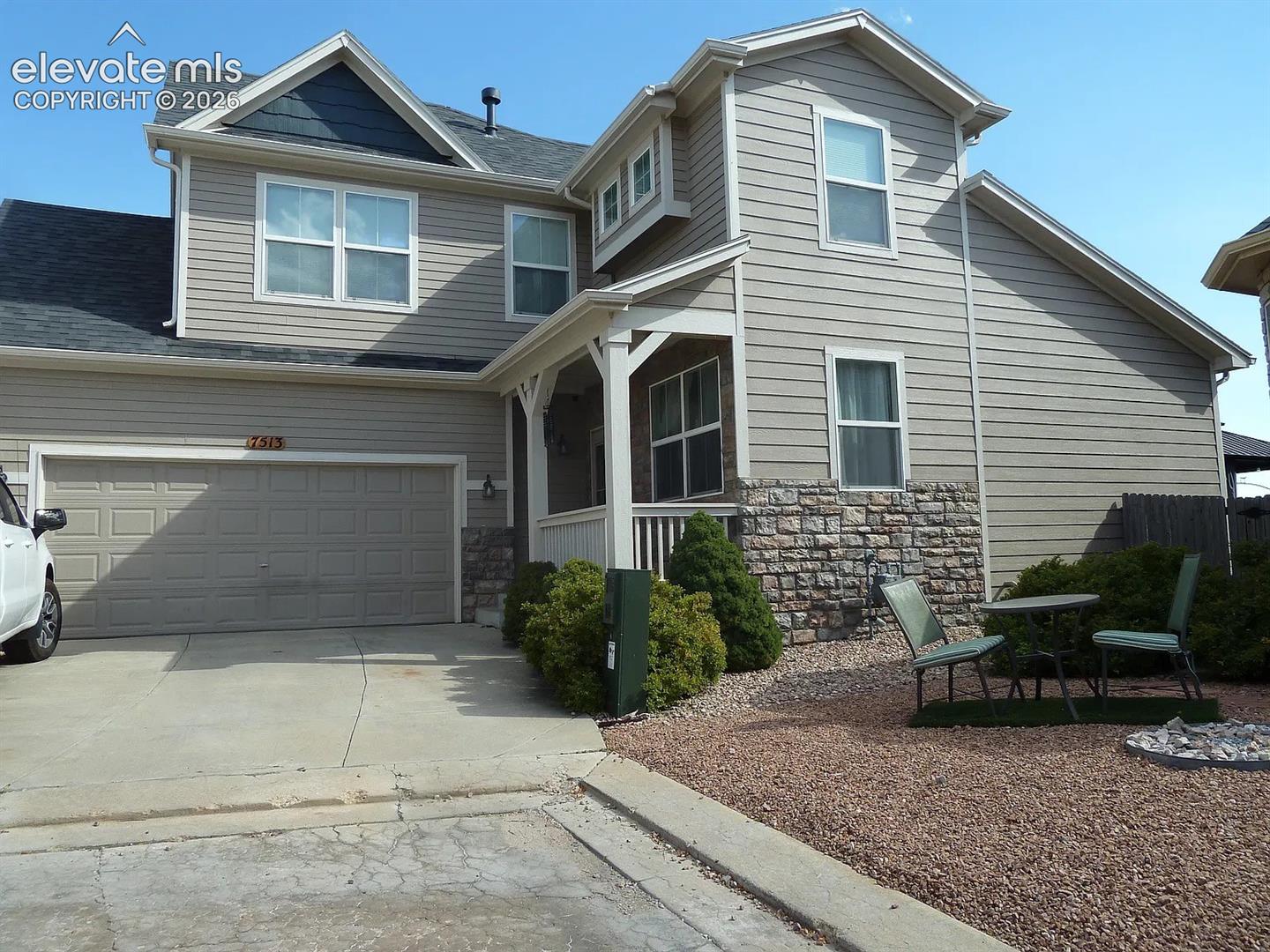
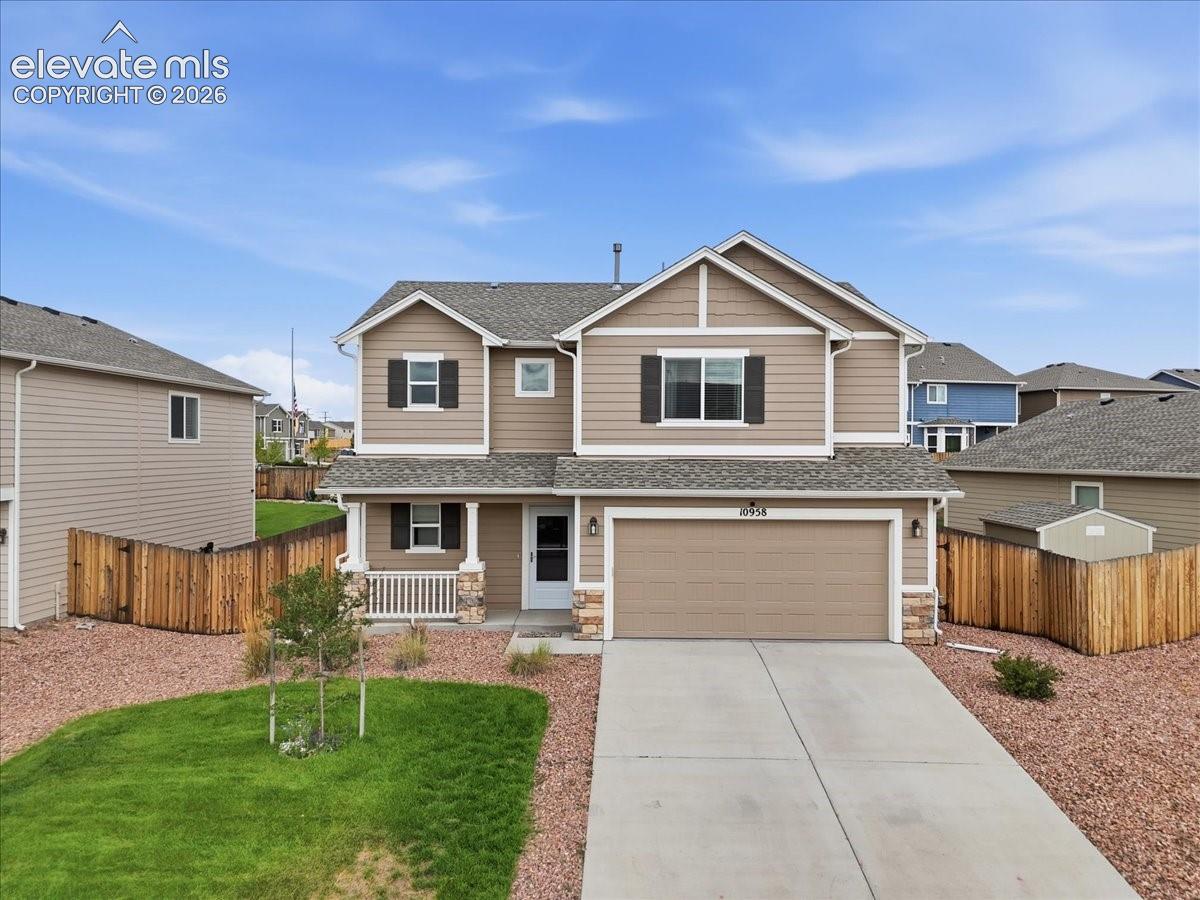
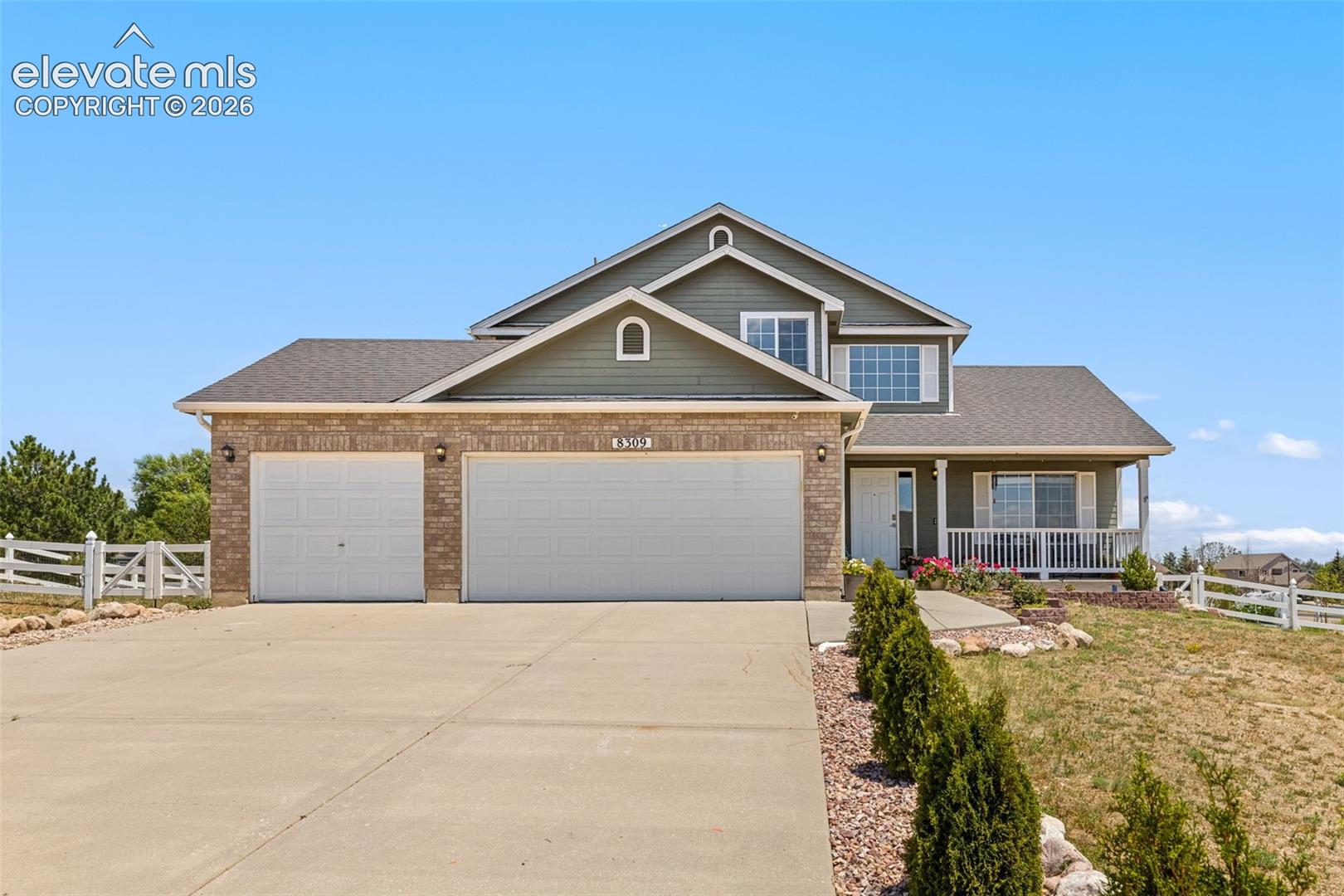
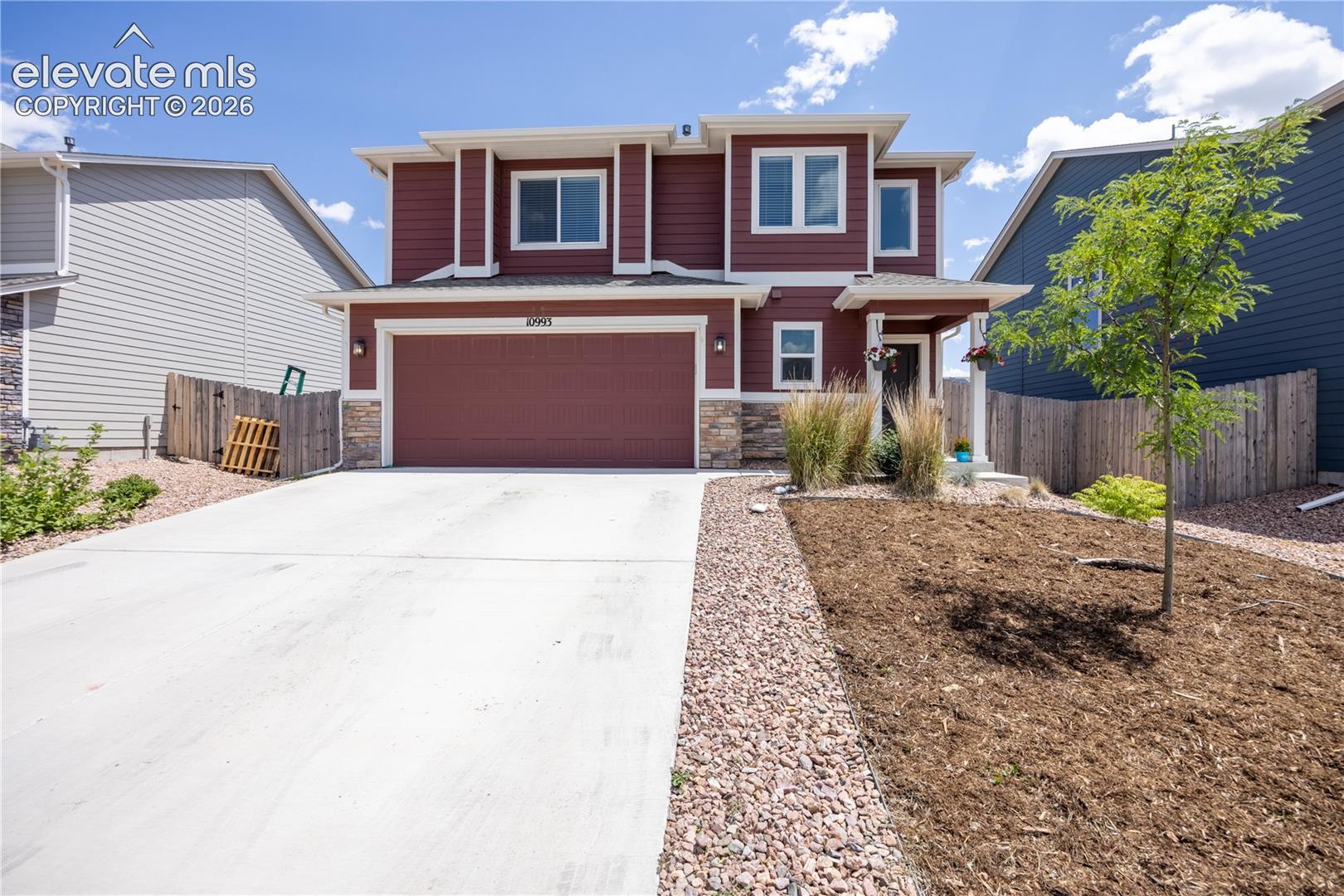
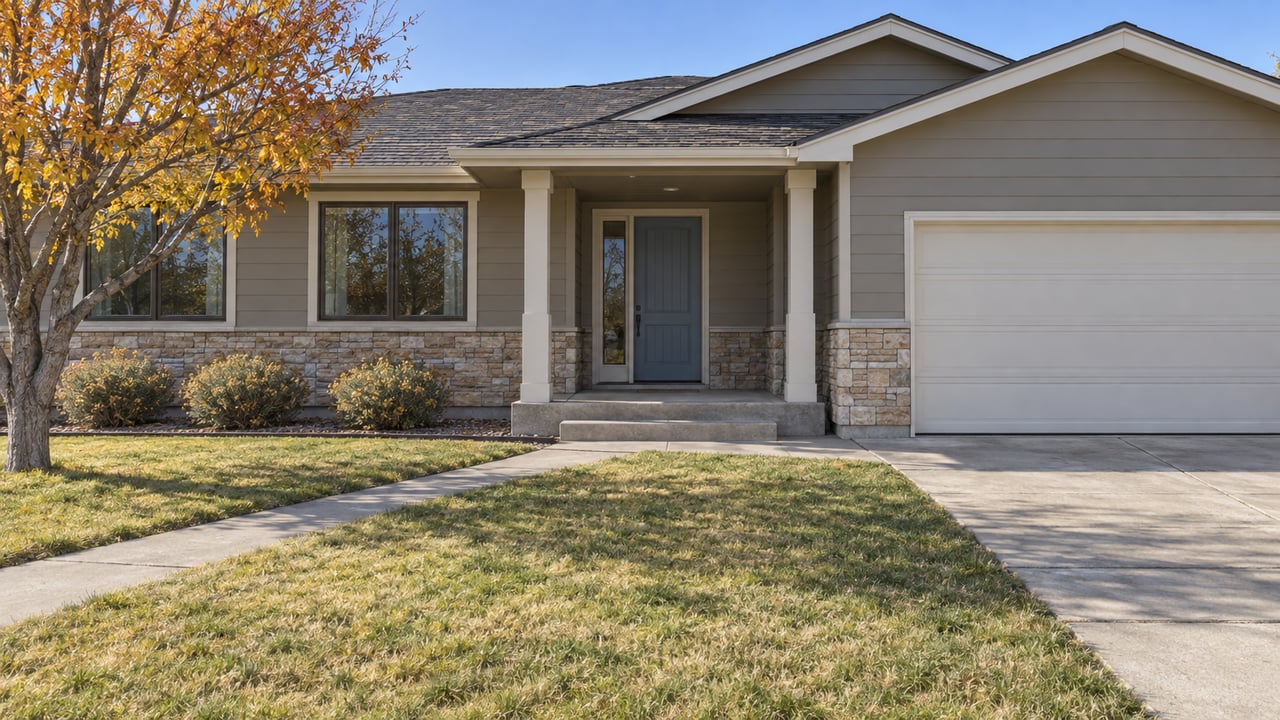
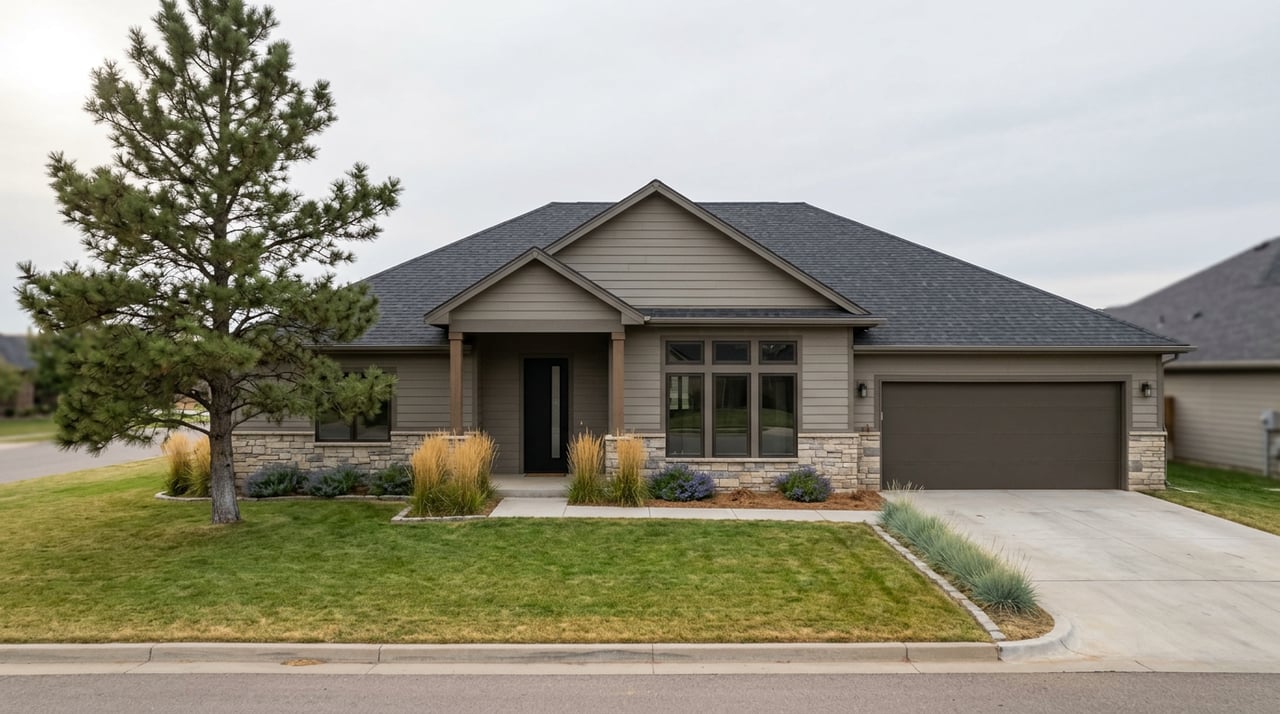
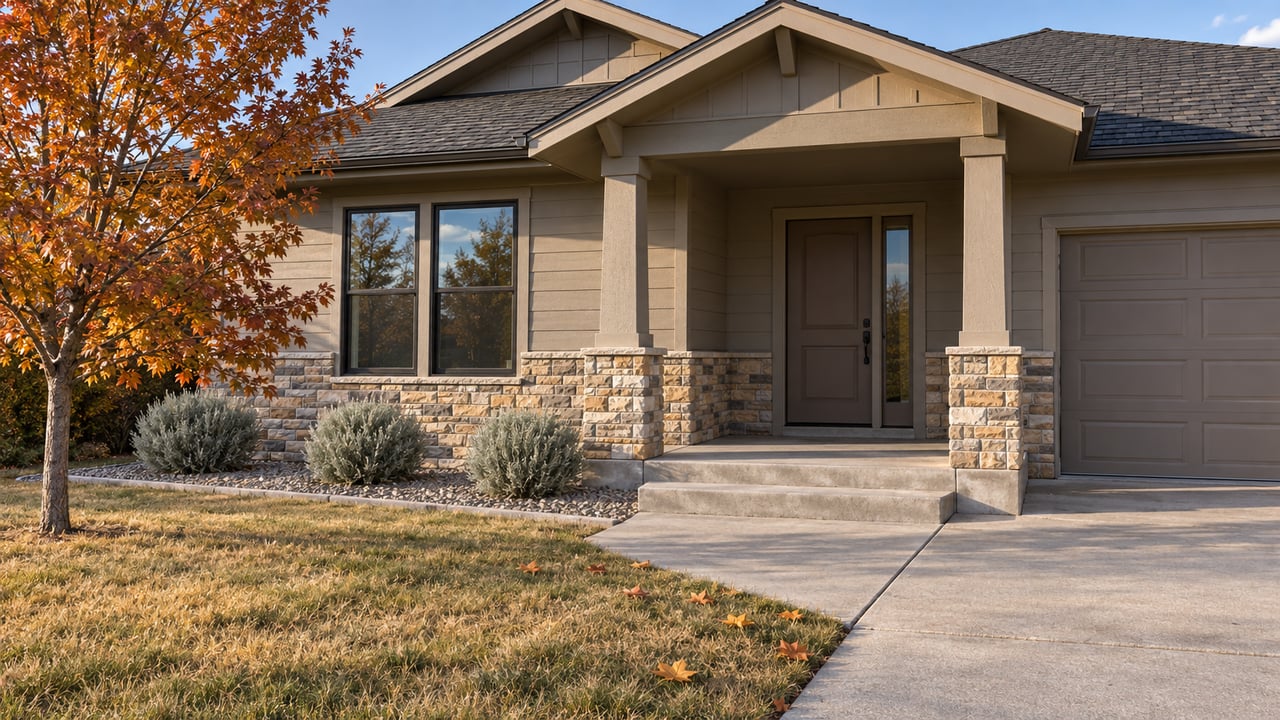
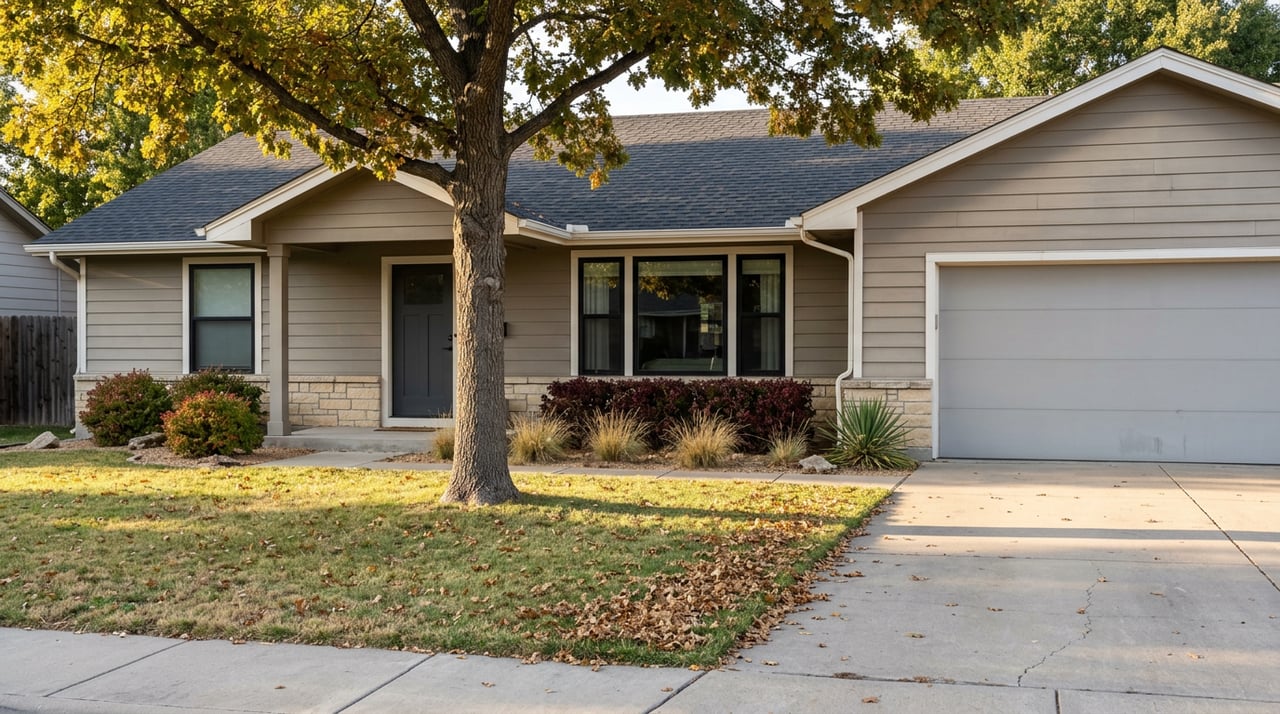
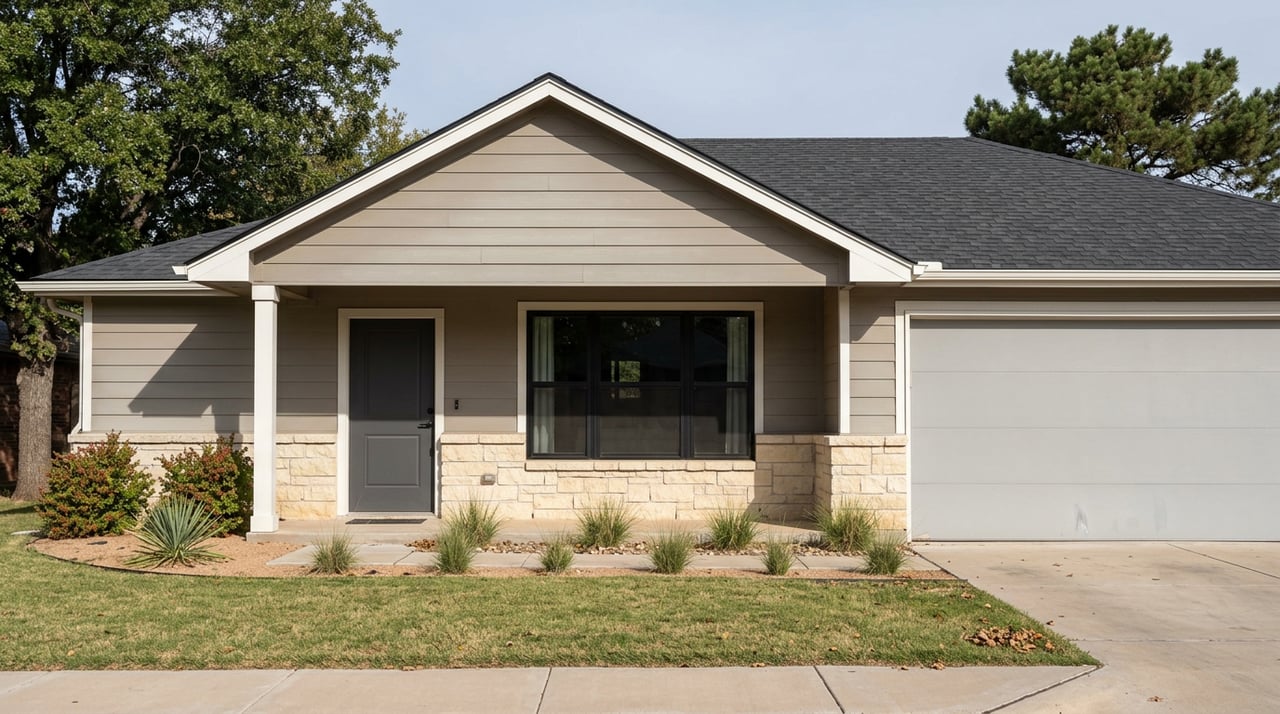
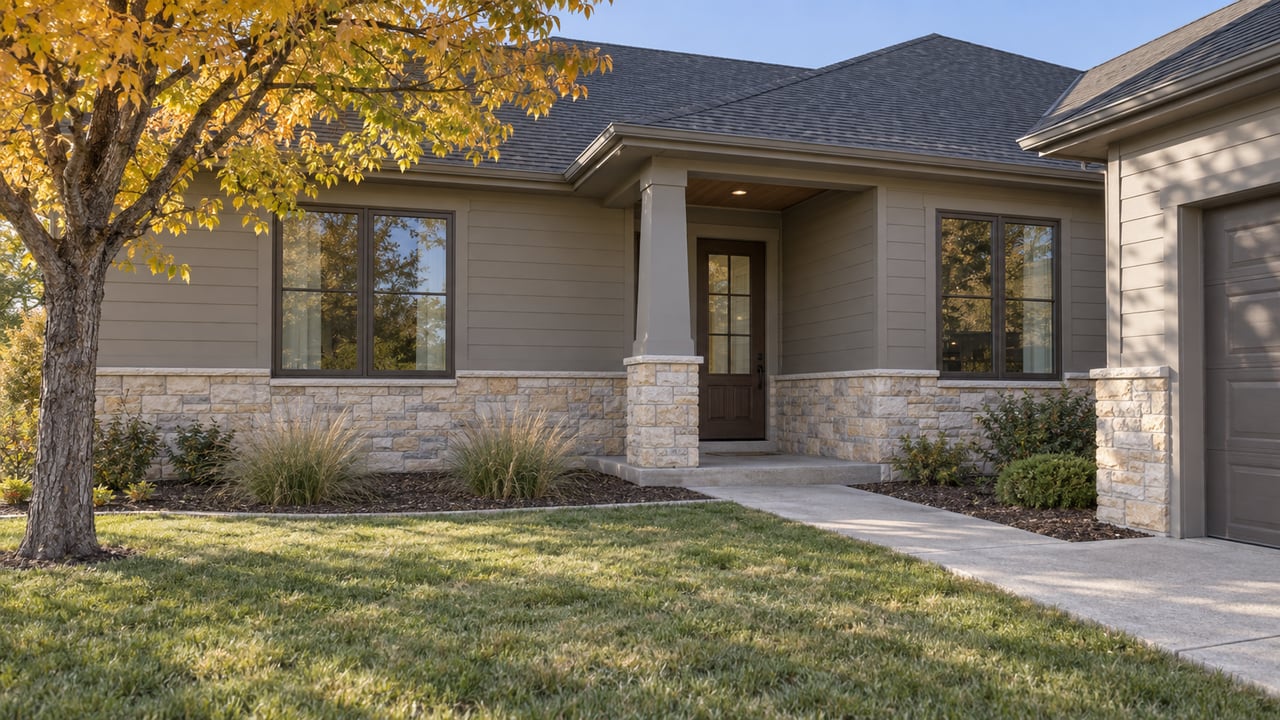
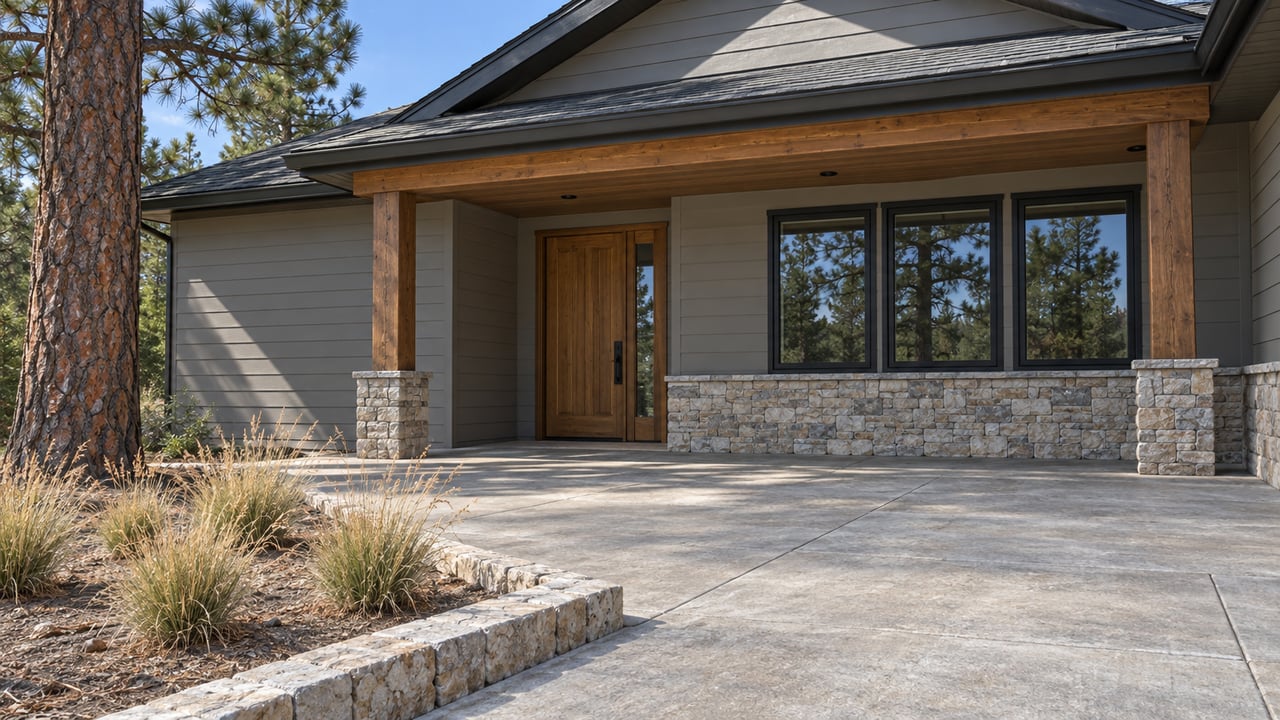
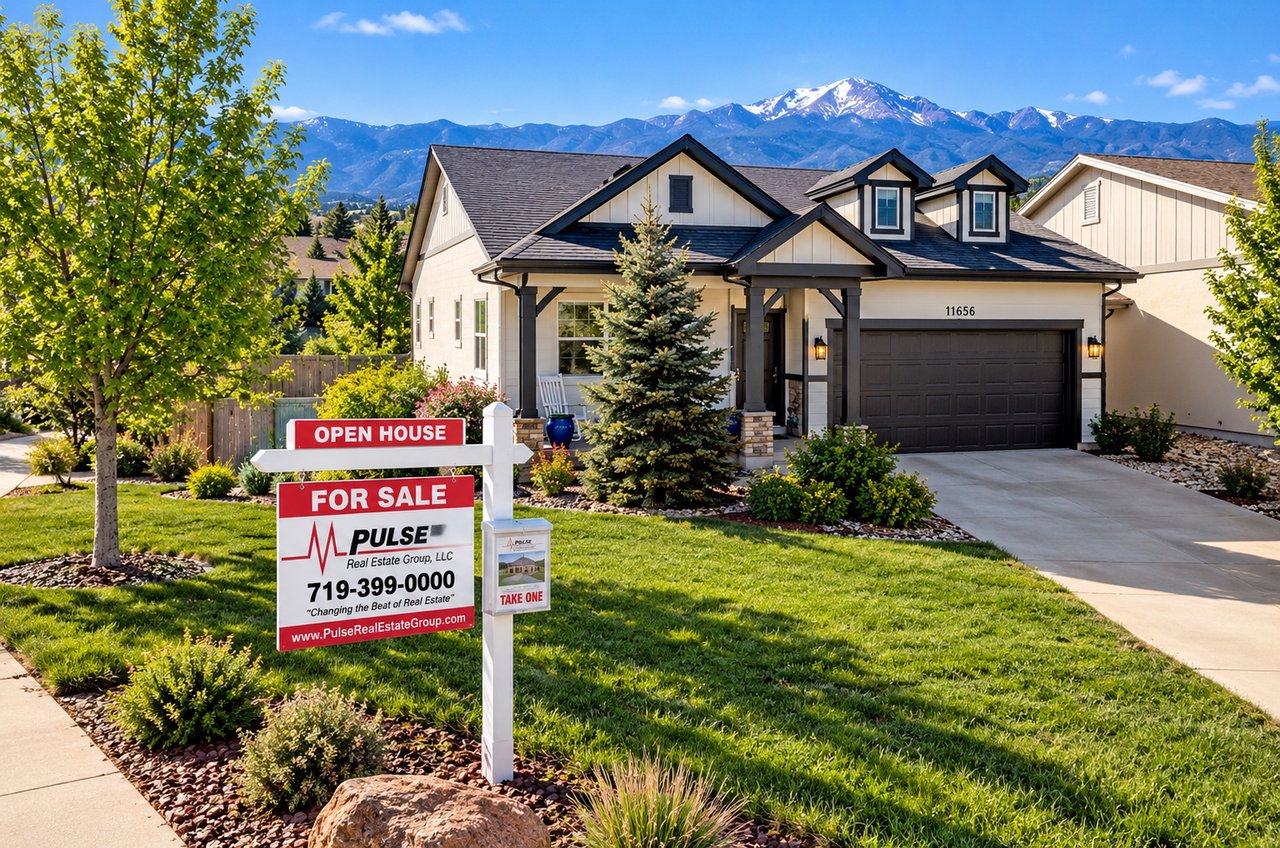
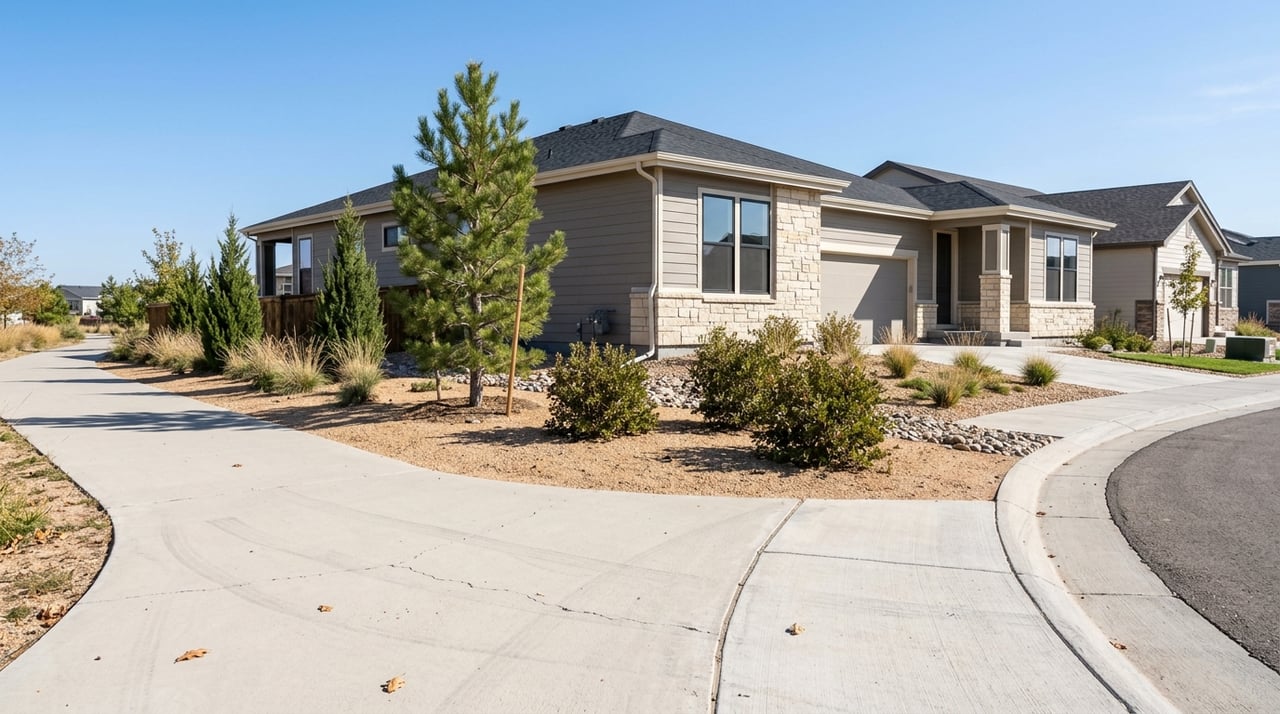
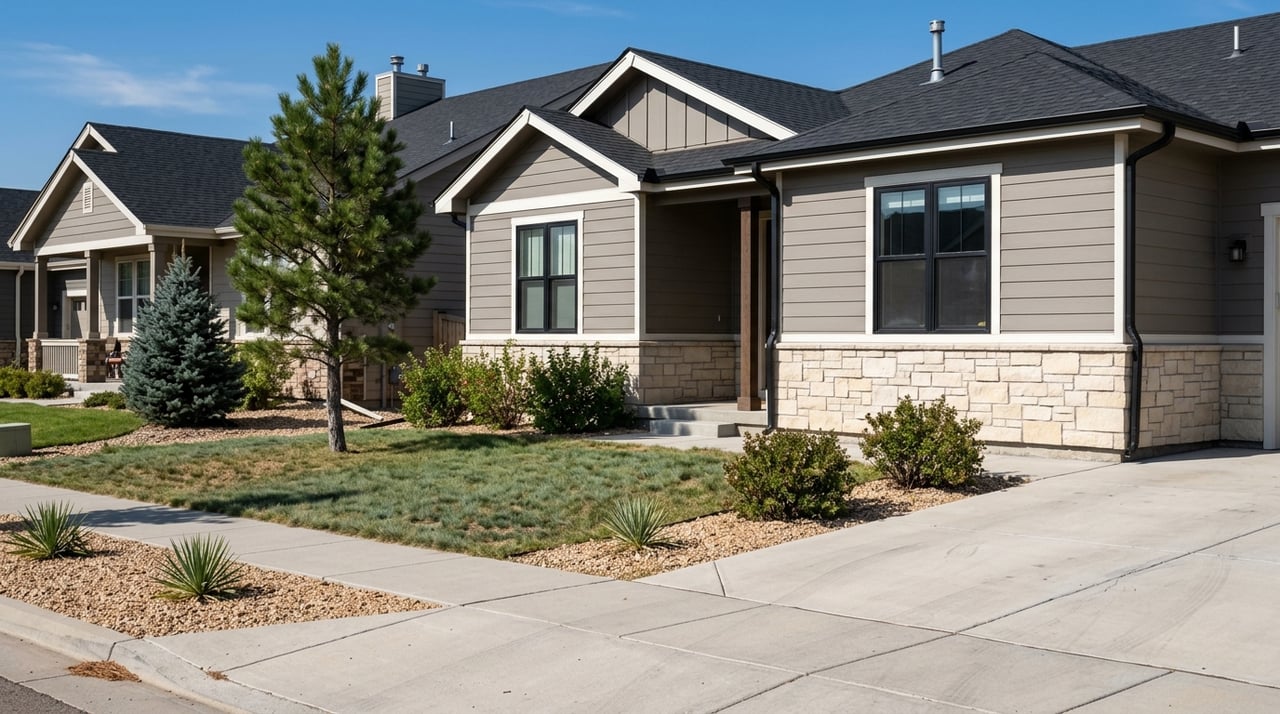
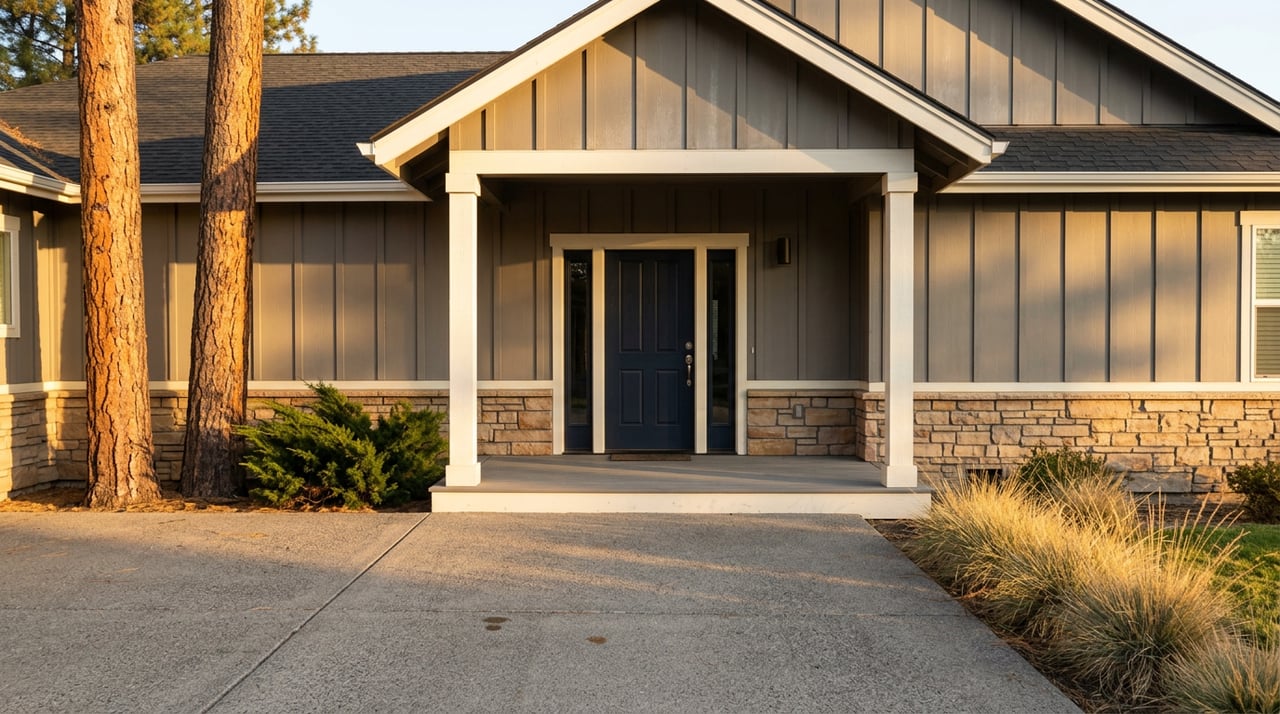
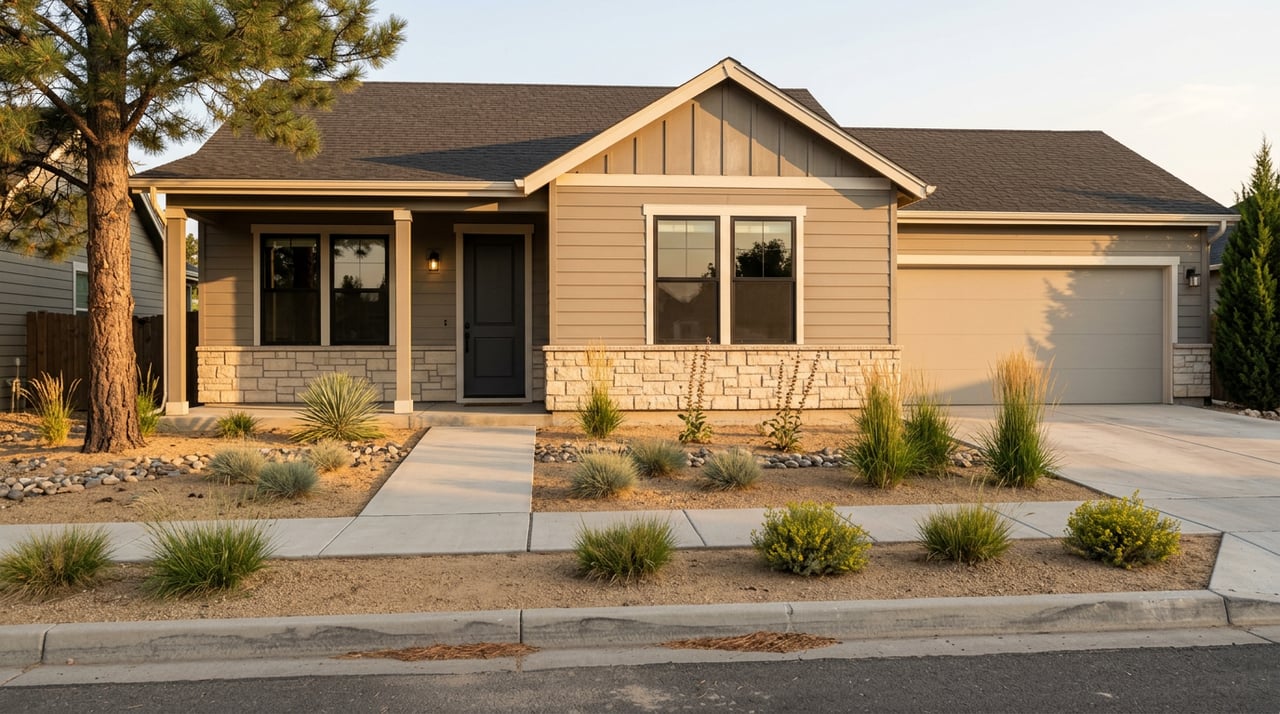
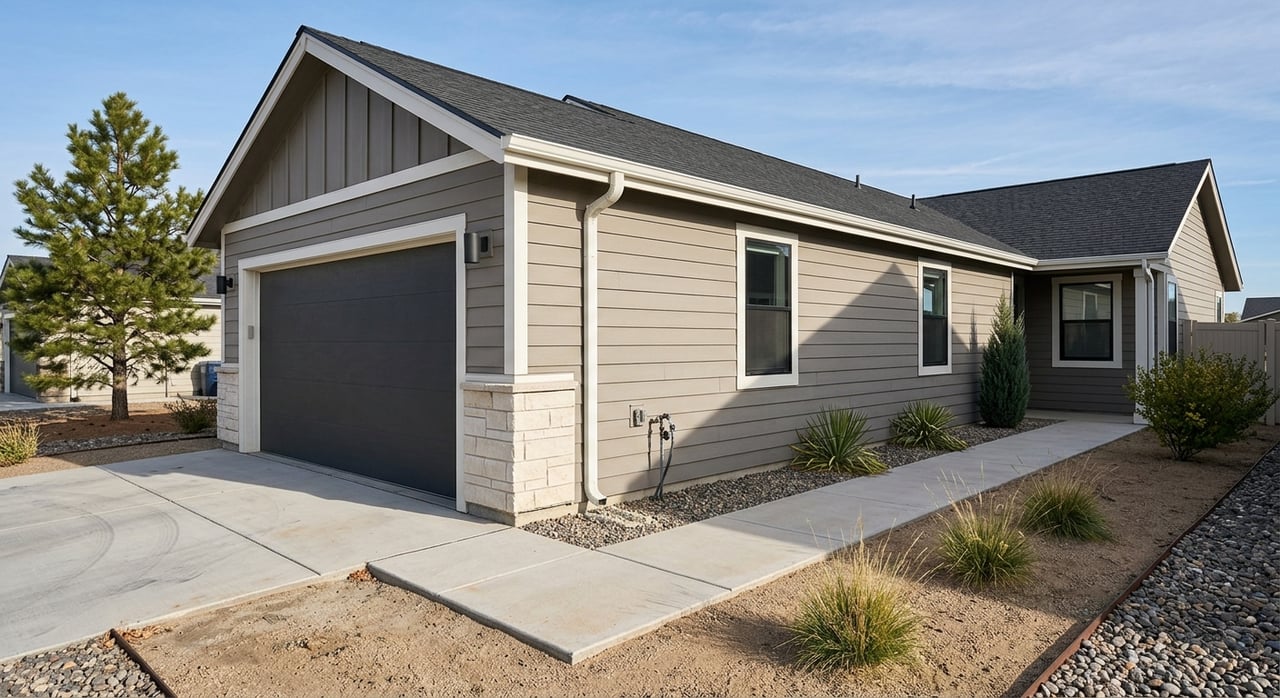
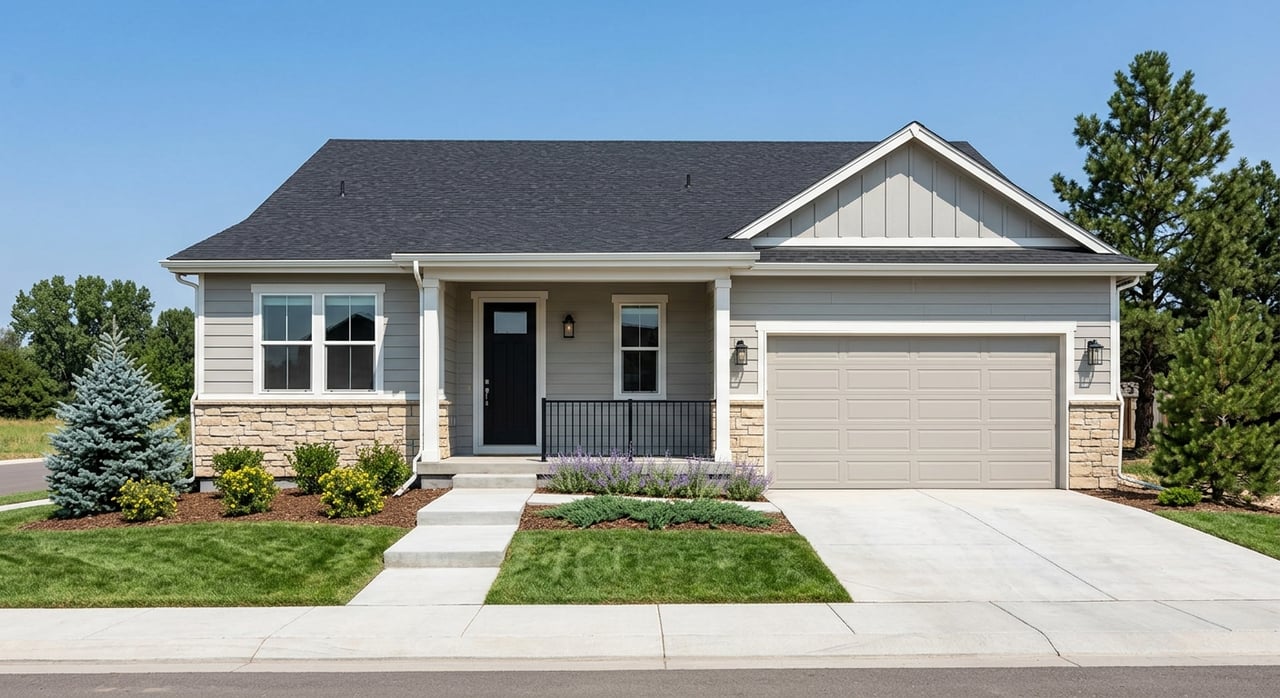
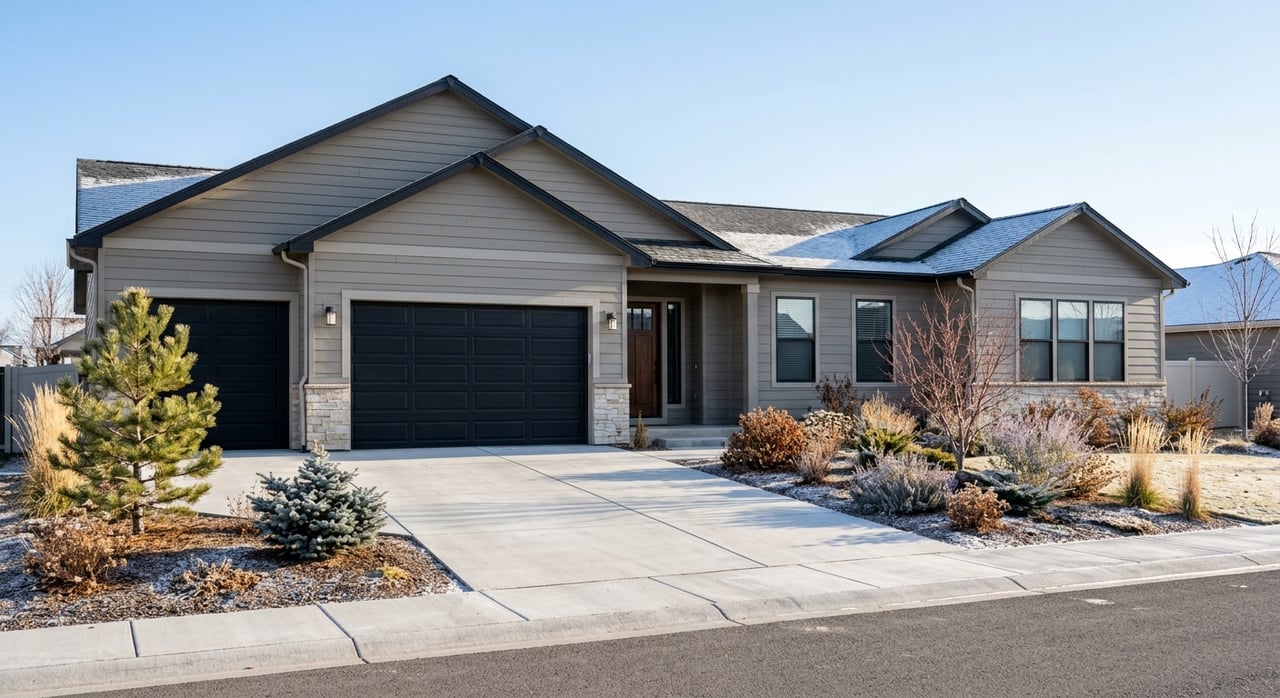
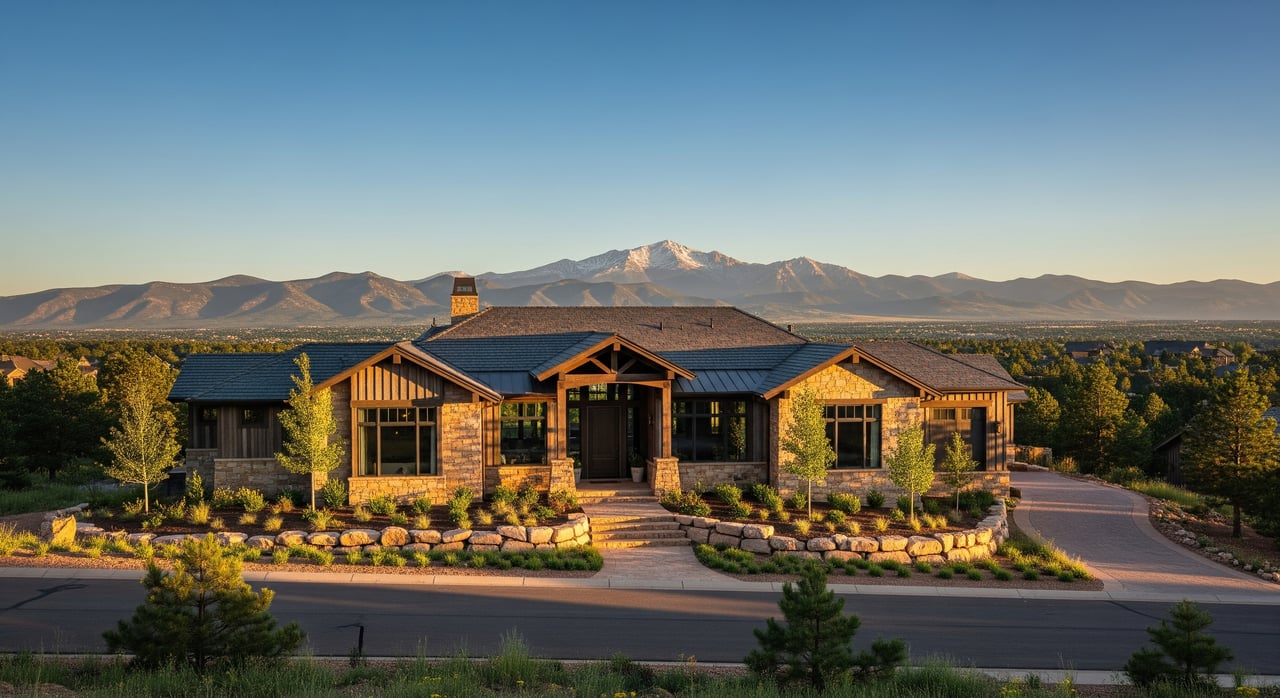
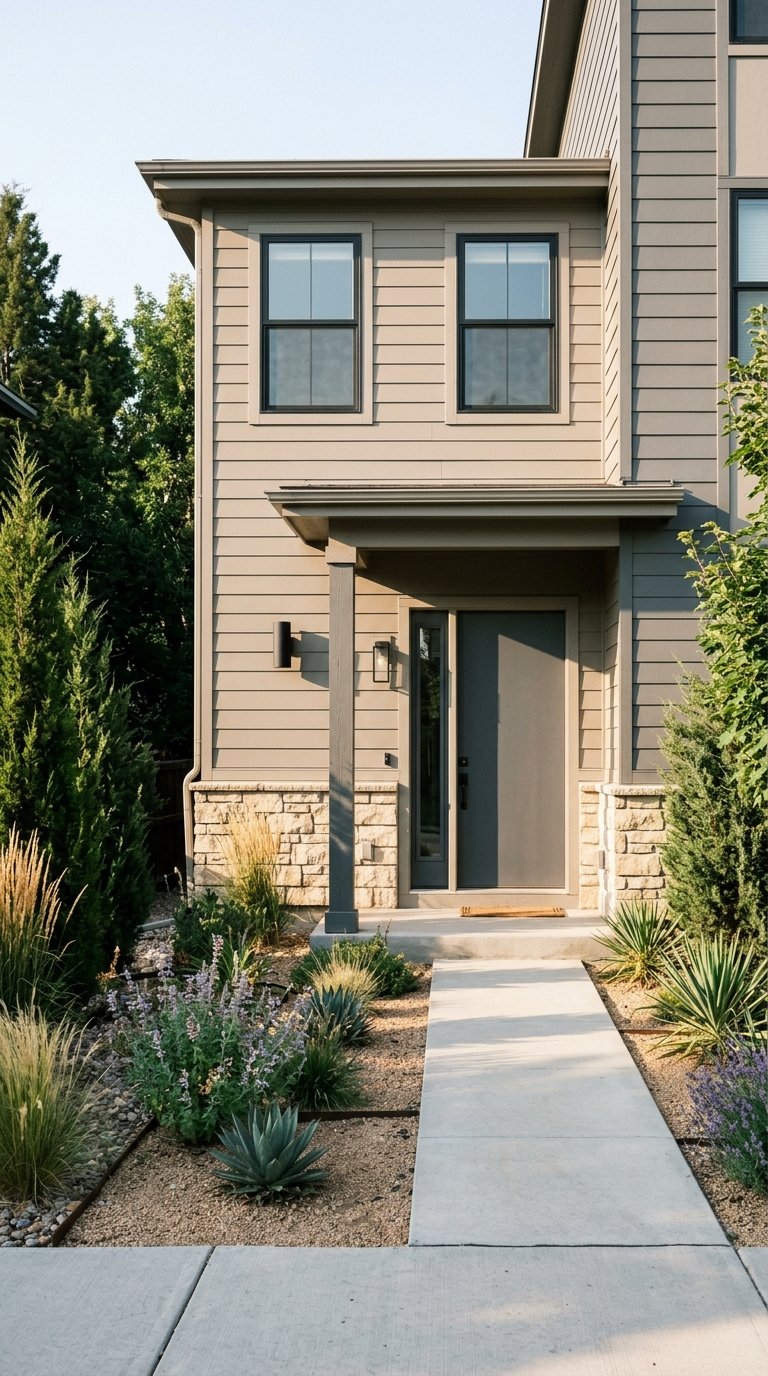
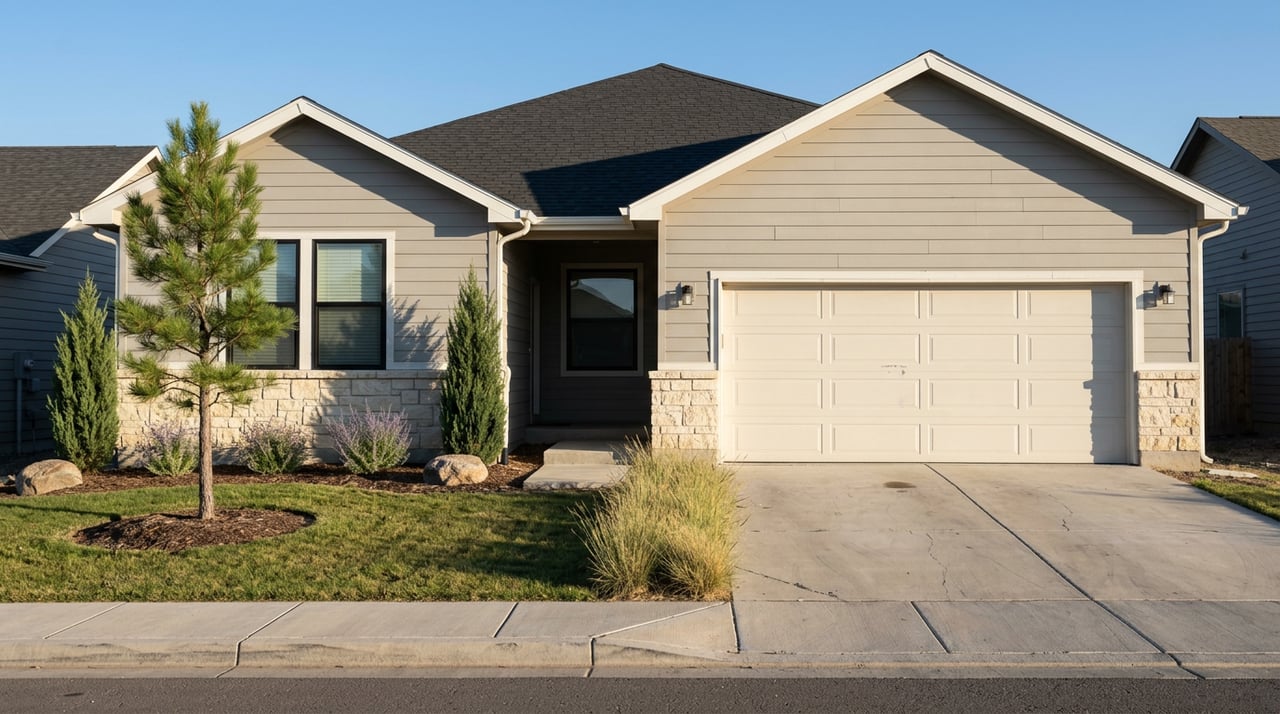
Modern Craftsman and Mountain Traditional dominates the master-planned developments — Meridian Ranch and Woodmen Hills in particular. Expect stone accents, vinyl or fiber-cement siding, covered front porches, and multi-car garages. Floor plans emphasize open-concept main levels, finished basements, and main-floor primary suites, the last of which has become a near-requirement for the downsizing and aging-in-place segment of this market.
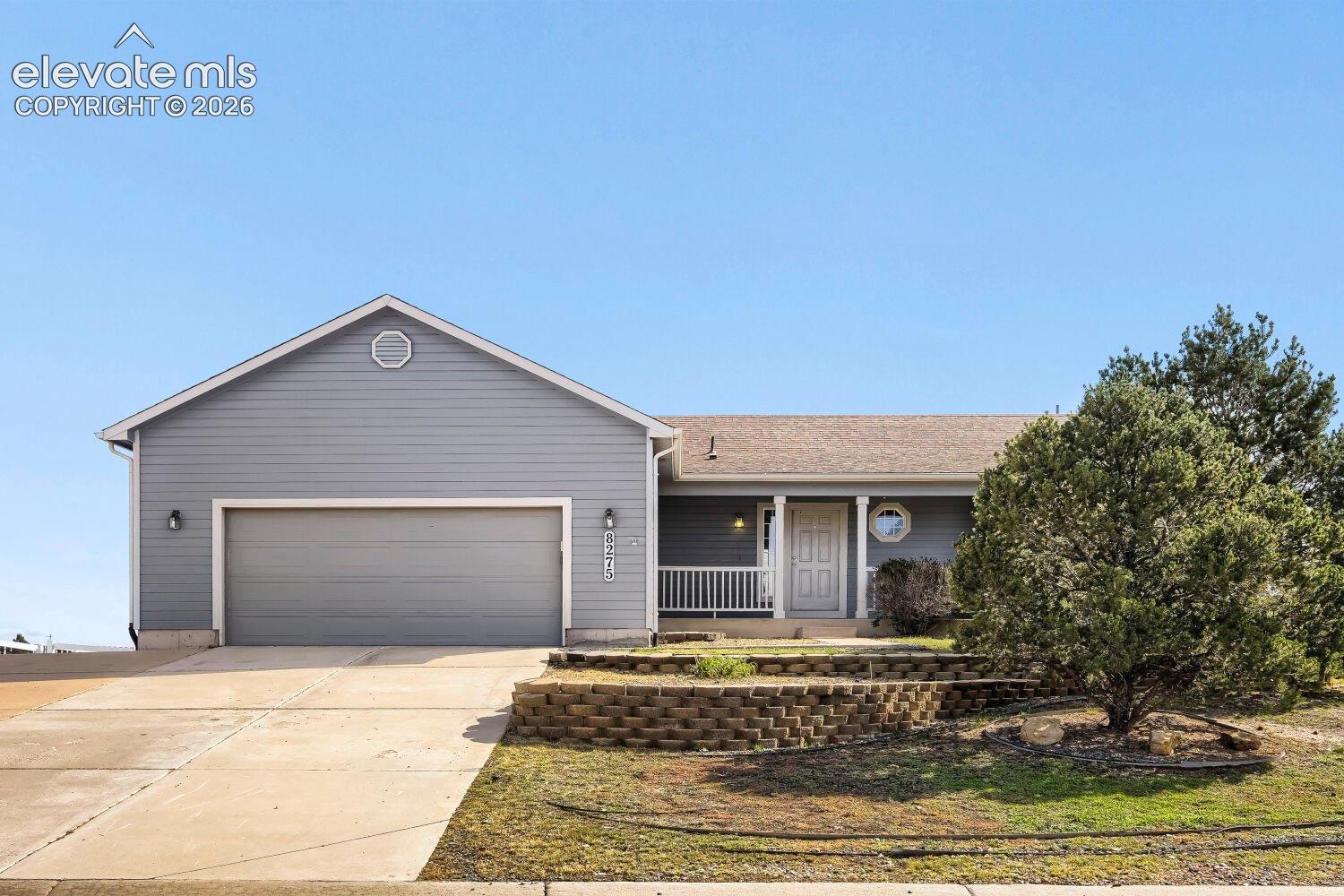
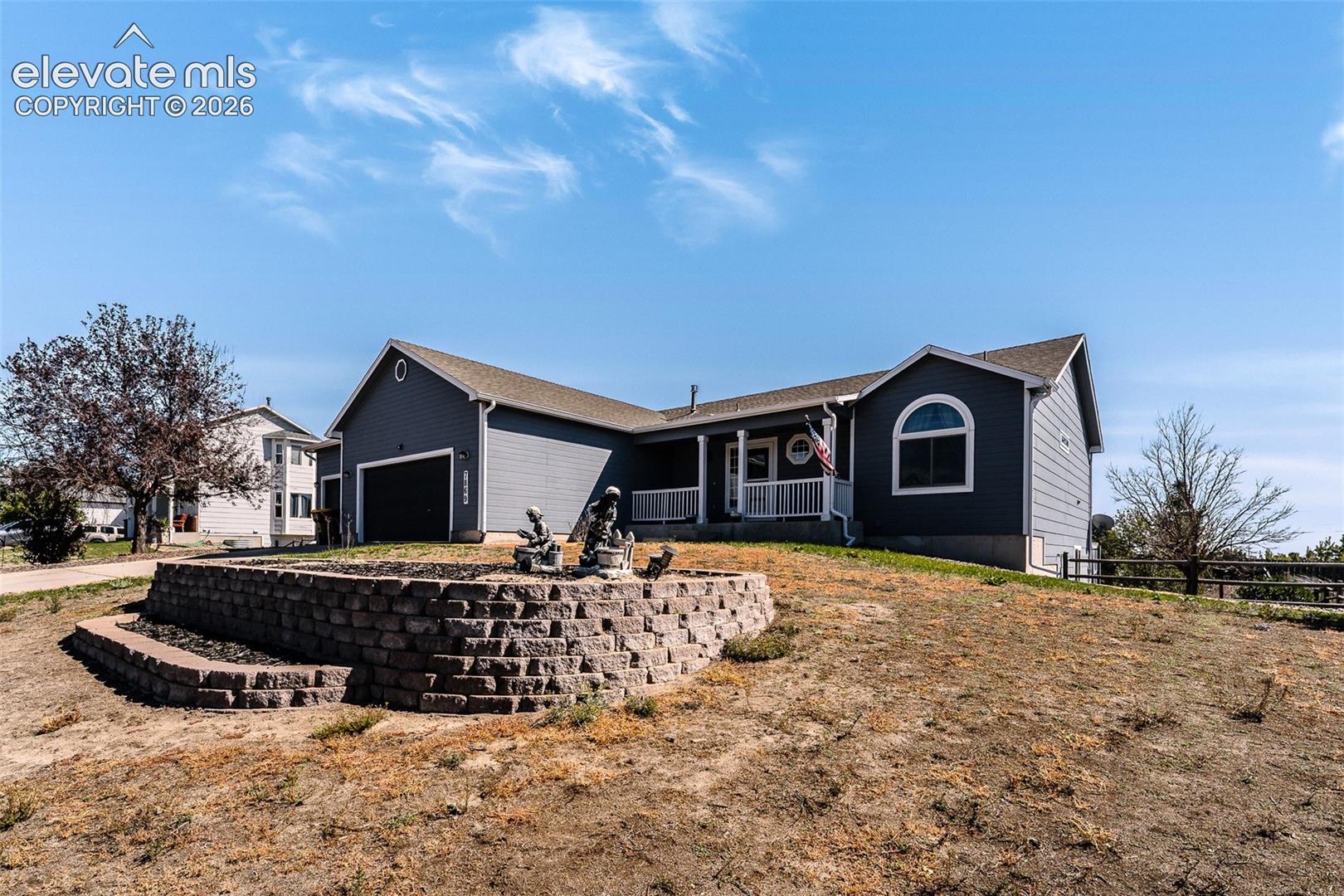
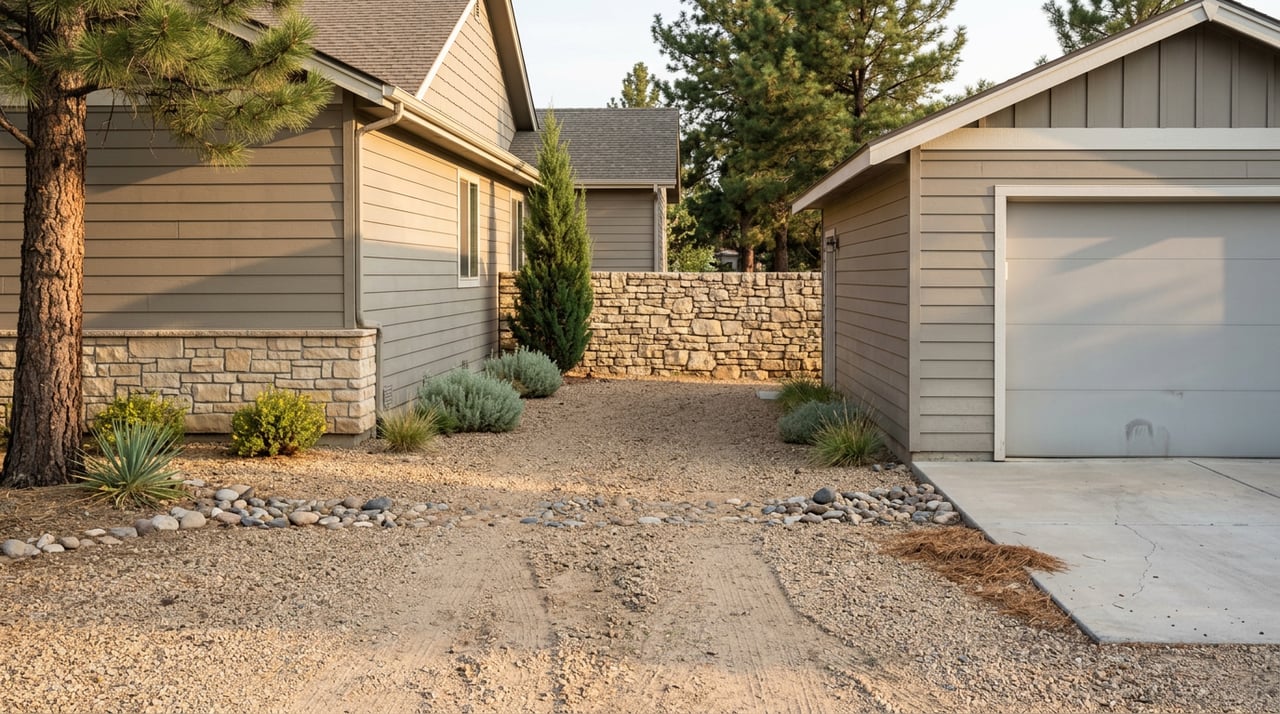
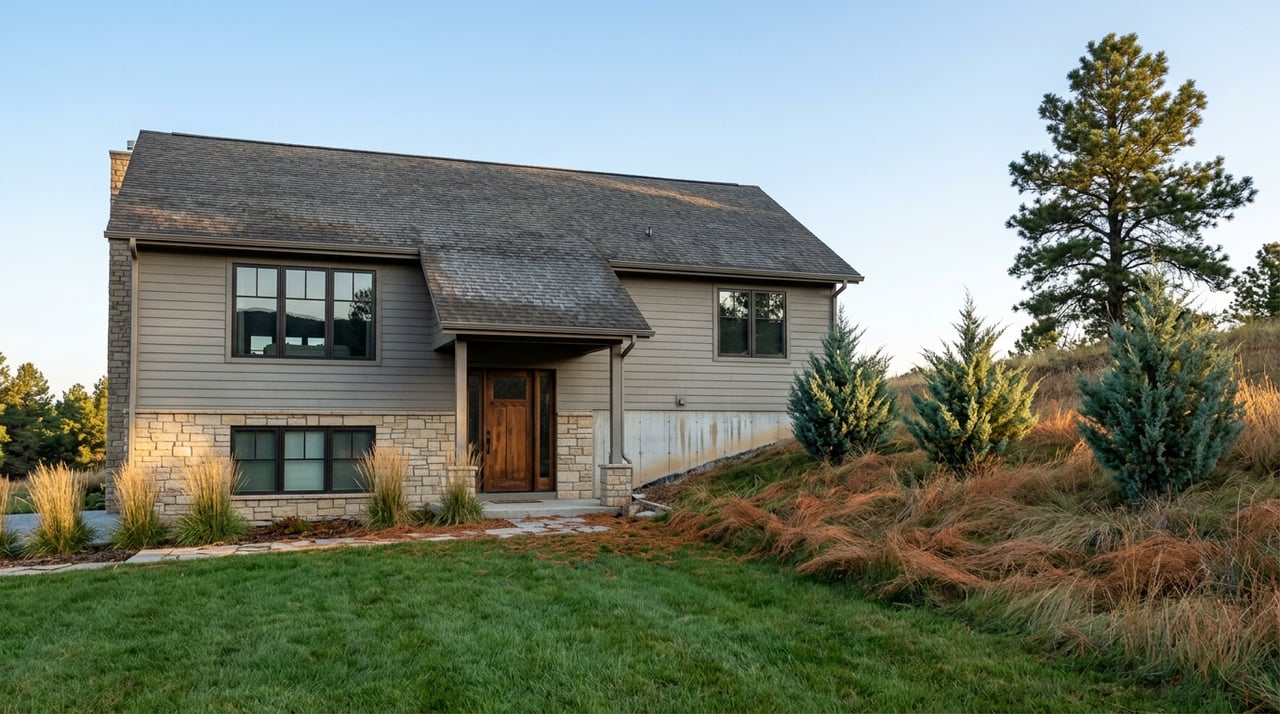
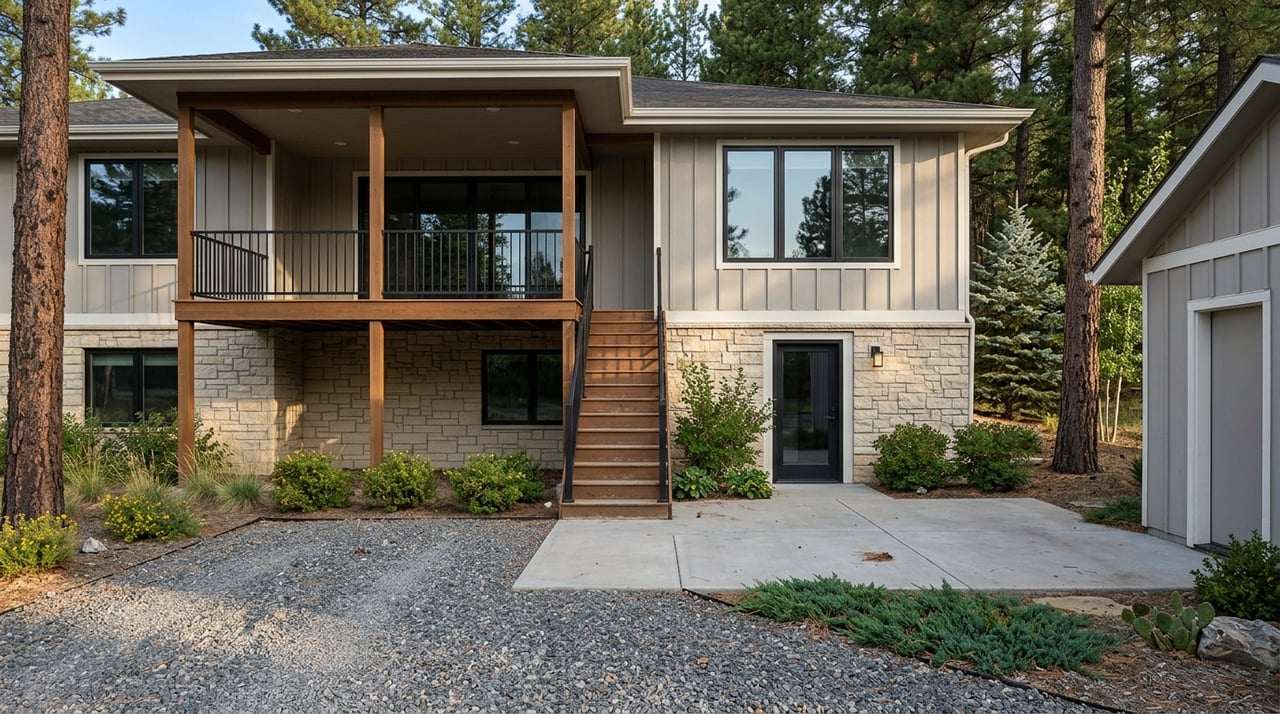
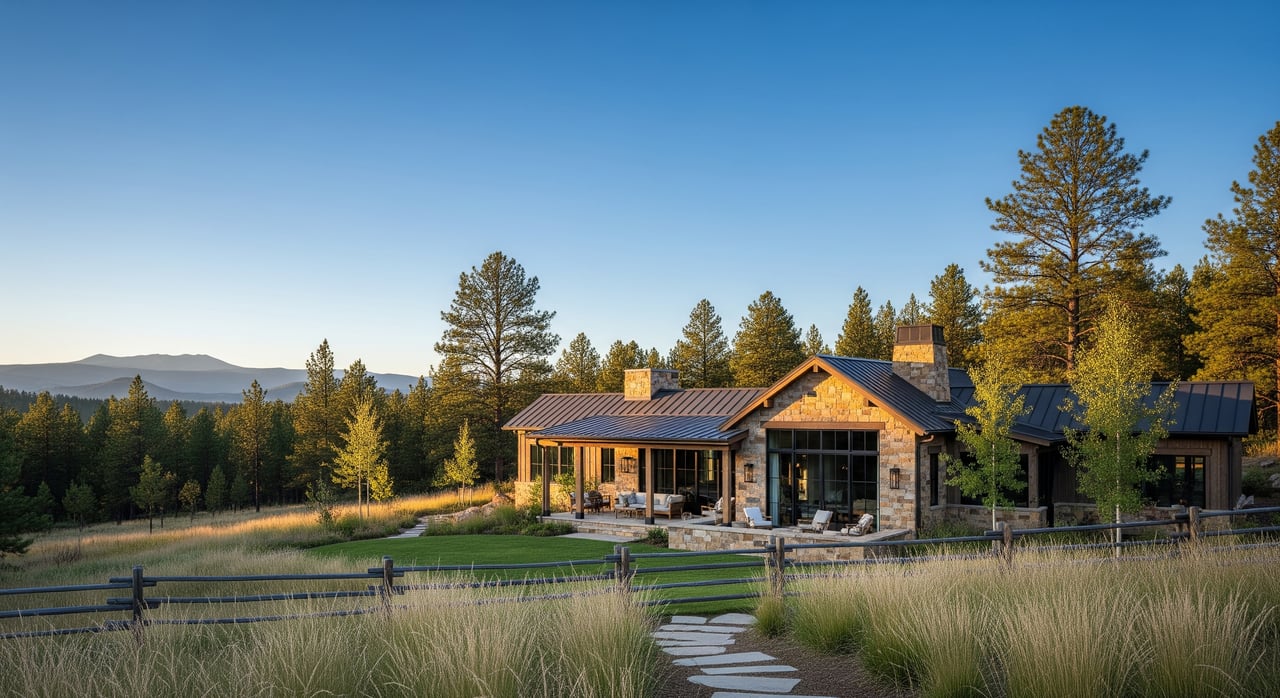
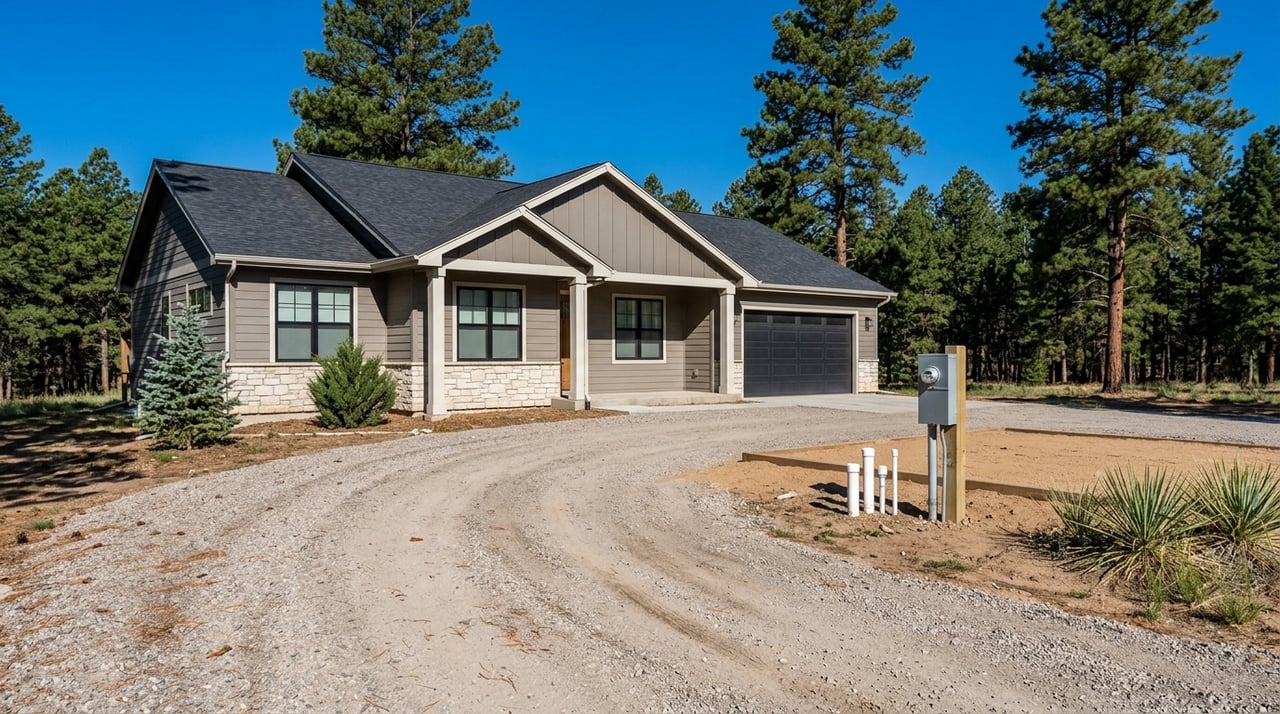
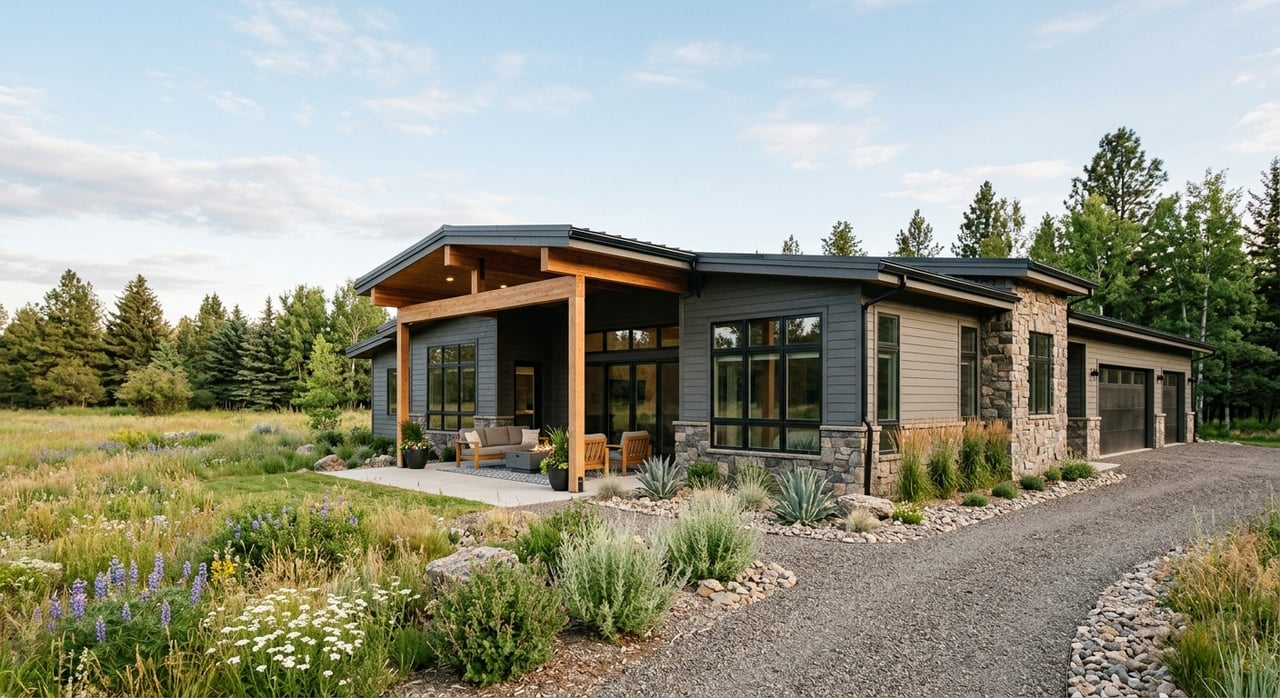
Prairie-style ranch and custom builds define the outer acreage areas — Paint Brush Hills, Meadowlake, and the non-HOA parcels scattered across the eastern reaches. These homes sit on 2.5 to 35+ acres and range widely in character, from mid-century extended ranch homes to modern barndominiums and custom metal-and-wood structures paired with workshops, outbuildings, and horse facilities. This is where Falcon's architectural personality actually lives, and where two neighboring properties can look nothing alike.
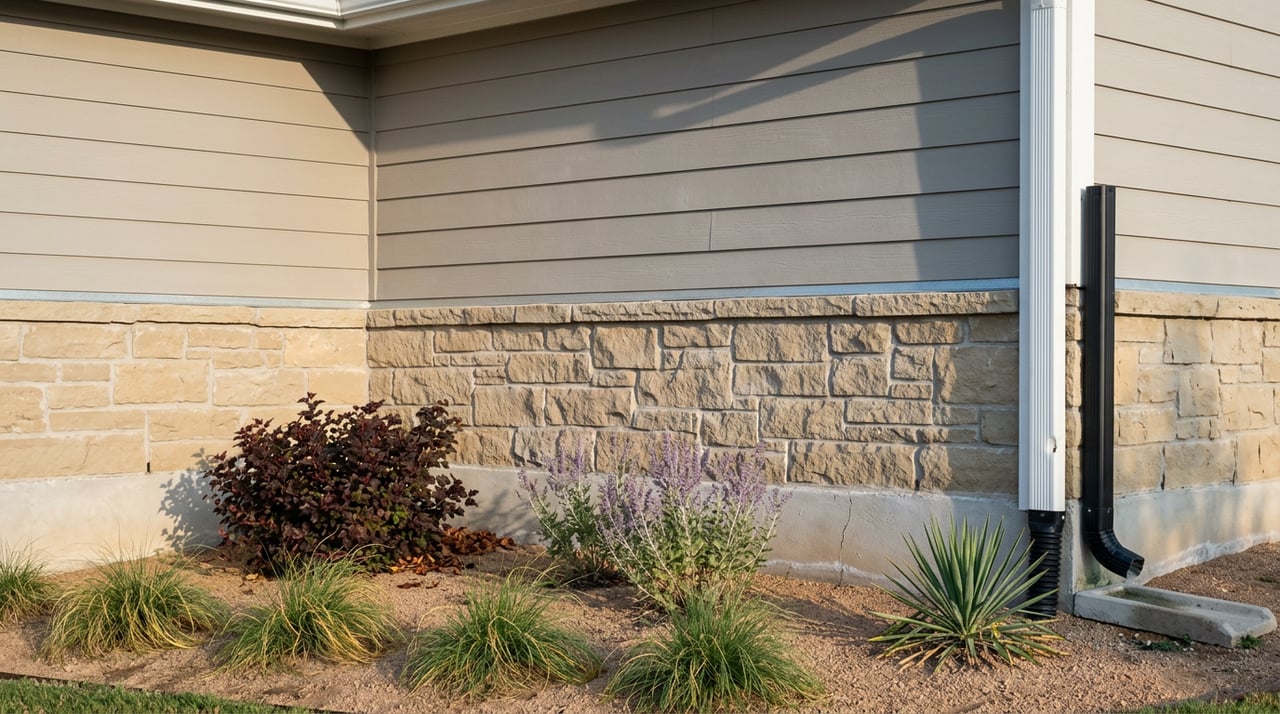
Across both categories, exterior material selection is driven by climate rather than fashion. Stucco, stone veneer, and Class 4 impact-resistant roofing are the regional standard because the high plains demand it — wind and hail are the deciding factors, not curb appeal trends.
Falcon was originally known as Gridley and took its current name in 1888, when it served as a railway junction connecting the Chicago, Rock Island and Pacific Railroad with the Denver and Rio Grande Western Railroad.
Through the 1880s and 1890s, that junction made Falcon a genuinely busy place — an agricultural and shipping hub moving cattle and grain off the high prairie and onto the rail network.
From roughly the 1930s through the 1980s, after regional rail passenger travel declined, Falcon receded back into a quiet, semi-rural ranching community. Life centered on local farming families and a handful of small businesses strung along Highway 24. That era is still visible if you know where to look — in the older county parcels, the original ranch homes, and the road grid that predates every subdivision here.
The 1990s through today brought the transformation. Expansion at Peterson and Schriever Space Force Bases created sustained housing demand that the eastern plains were well-positioned to absorb, and open ranch land became Woodmen Hills, Meridian Ranch, and the master-planned Falcon most buyers recognize today. The community has essentially been rebuilt twice in 140 years, and the current build-out is still in progress.
Falcon is car-dependent, and buyers should plan accordingly rather than hoping otherwise. This is a place that grew from a rural junction into a suburban community without ever developing the transit infrastructure a city would have.
Highway 24 is the central artery, running southwest into Colorado Springs and east toward Peyton and Limon. Woodmen Road is the critical east-west corridor, linking Falcon's major neighborhoods directly to I-25, Powers Boulevard, and the shopping hubs of northern Colorado Springs. Between those two roads, most Falcon residents can reach almost anything they need.
Commutes into Colorado Springs or to local defense installations generally run 20 to 35 minutes under normal conditions. The pinch points are predictable: the Highway 24 / Woodmen Road interchange during morning and evening rush, and the single-lane segments where volume outpaces capacity. Parking, by contrast, is a non-issue — off-street parking is abundant across every residential subdivision, commercial center, and public park in the area.
Public transit does not serve Falcon. Mountain Metropolitan Transit's coverage stops at the eastern edge of Colorado Springs and does not extend into unincorporated El Paso County. Anyone dependent on transit would need to drive to a park-and-ride or a bus stop on the city's eastern edge, which functionally means Falcon is not a viable choice for a car-free household.
Biking and walking split along the same lines as everything else here. Inside the master-planned developments, paved multi-use trails and sidewalks connect homes to community centers, parks, and schools, and they are genuinely well-built. Outside those developments, long-distance cycling along Highway 24 or Meridian Road is difficult and unpleasant — high vehicle speeds, narrow shoulders, and open high-plains wind make it a poor recreational option.
Falcon is served by Falcon School District 49 (D49), one of the fastest-growing public school districts in Colorado. D49 manages its large geographic footprint through a zone structure, and Falcon-area schools fall under the Falcon Zone.
Among the notable public schools, Meridian Ranch Elementary School sits inside the Meridian Ranch neighborhood and serves pre-K through fifth grade with high parent engagement and strong performance metrics — for families buying in Meridian Ranch specifically, the walkability to this school is a real daily-life advantage. Falcon Middle School covers grades 6 through 8 and functions as the primary feeder for the zone, with established STEM programming, athletics, and extracurriculars. Falcon High School is the area's comprehensive high school for grades 9 through 12, known for its career and technical education pathways, Advanced Placement coursework, and competitive 4A athletics.
D49 also supports charter and choice options in and around Falcon. Banning Lewis Ranch Academy is a well-regarded K-12 charter nearby, built around structured academics and character education. Pikes Peak Early College is a D49 choice school that allows high school students to earn tuition-free college credit and associate degrees alongside their diploma — a meaningful financial consideration for families with college-bound teenagers.
One practical caution worth stating plainly: individual school ratings across platforms like GreatSchools and Niche vary from average to above-average, and school boundaries and enrollment capacities shift periodically because of how fast this area is growing. If a specific school is driving your purchase decision, verify current zone assignment and open-enrollment procedures directly with District 49 before you close. A boundary that held last year is not a guarantee for next year.
Outdoor life in Falcon is defined by high-plains scenery, big skies, and Pikes Peak views rather than dense tree canopy. The green space here balances structured master-planned park systems against genuine open grassland, and buyers who love that landscape love it completely.
Falcon Regional Park is the community anchor — a 215-acre El Paso County park with Little League baseball fields, multi-use sports turf, a dog park, and natural-surface trails. It handles most of the organized youth sports demand in the area.
Within the master-planned communities, the trail infrastructure is a genuine amenity rather than a marketing line. Meridian Ranch alone hosts more than 24 miles of paved multi-use trails, 215 acres of dedicated open space, and multiple pocket parks, all funded and maintained through the district structure.
On the recreation side, Antler Creek Golf Course is an 18-hole public course winding through Meridian Ranch, and the community recreation centers offer indoor and outdoor pools. For buyers weighing Falcon against comparable Colorado Springs neighborhoods, this amenity package is a large part of what the Metro District mill levy is actually paying for.
Falcon's food scene functions as a casual neighborhood gathering hub rather than a destination, and that is a useful lifestyle signal for anyone deciding whether this community fits.
The social centers are the taprooms and pubs — JAKs Brewing Company, Purple Toad Social Tap & Grill, and Red's American Grill serve as the de facto neighborhood watering holes for craft beer, sports broadcasts, and trivia nights. The crowd is families, local contractors, and military neighbors, and the atmosphere is uniformly relaxed.
For everyday dining, a mix of local Mexican restaurants, pizza places, and quick-service options clusters along Highway 24 and East Woodmen Road, covering weeknight convenience without much pretense.
What Falcon does not have is fine dining, craft cocktail lounges, or late-night venues. For that, residents drive 15 to 20 minutes west into northern Colorado Springs or the Powers Boulevard corridor. If a walkable dinner-and-drinks scene is central to how you want to live, be honest with yourself about that before buying out here — it is the most common lifestyle mismatch I see with Falcon buyers.
This is the section most neighborhood pages skip, and it is the one that most often changes a Falcon buyer's monthly payment calculation.
El Paso County's median effective property tax rate runs around 0.67%, which is below the national average. On a home valued at $550,000, baseline property taxes typically fall in the $3,600 to $3,900 annual range. That is the starting point — not the finish line.
Metropolitan Districts are what make Falcon tax bills unpredictable. Master-planned developments including Meridian Ranch and Woodmen Hills use Metro Districts to finance infrastructure, roads, water treatment, recreation centers, and park systems. Those districts levy additional mills directly on your annual property tax bill, and in newer Falcon subdivisions the added obligation can run $1,500 to $3,500 or more per year compared to a non-district property.
The tradeoff is real in both directions. Metro District homes carry higher taxes but come with central water and sanitation, maintained roads, trails, and rec centers. Acreage and rural parcels outside master-planned communities generally pay no Metro District levy, producing a noticeably lower annual tax bill — but those owners take on well and septic maintenance directly, which is a lumpy, unbudgeted expense rather than a predictable monthly one.
A word of caution on HOA fees: Falcon HOA dues look deceptively low, often $30 to $100 per month, because the expensive infrastructure is funded through Metro District mill levies on your taxes rather than through private HOA assessments. A buyer comparing Falcon to another community on HOA dues alone will reach the wrong conclusion every time.
Always pull the full mill levy breakdown from the El Paso County Assessor's property record before writing an offer. The listing's stated HOA fee tells you almost nothing about what this home actually costs to own.
Is Falcon, CO an incorporated city? No. Falcon is an unincorporated community within El Paso County. Municipal services, road maintenance, and law enforcement are handled by El Paso County agencies and local special districts rather than a city government. There is no mayor and no city council, which is why Metro Districts play such an outsized role here.
What school district serves Falcon? Falcon is served by Falcon School District 49 (D49), one of the fastest-growing districts in the Pikes Peak region. Falcon-area schools sit within the Falcon Zone.
How far is Falcon from the military bases? Falcon's proximity to installations is a primary reason for its growth. Peterson Space Force Base runs about 15 to 20 minutes. Schriever Space Force Base is roughly 20 to 25 minutes. Fort Carson is about 30 to 35 minutes, and the U.S. Air Force Academy roughly 25 to 30 minutes.
Do homes in Falcon use city water or wells? It depends entirely on the neighborhood. Subdivisions and master-planned communities connect to central water and sanitation managed by local water and metro districts — Woodmen Hills Metropolitan District and Meridian Ranch Metro District being the two largest. Acreage and rural properties rely on private domestic wells and septic systems. Confirm which applies to any specific address before you write an offer.
Are HOA fees high in Falcon? HOA dues are generally modest, around $30 to $100 per month, because pools, parks, and recreation centers are funded through Metro District mill levies on property taxes instead of private HOA assessments. The low HOA number is not a savings — the cost simply appears on a different bill.
Is Falcon a good market for VA buyers? Yes, and unusually so. VA loans are very common here given the base proximity, local sellers and listing agents are experienced with VA requirements, and in the current balanced market VA buyers are rarely pressured to waive appraisal protections to stay competitive.
Falcon rewards buyers and sellers who understand its specifics — which side of a Metro District boundary a home sits on, whether the well has been flow-tested, how a resale should be priced against an active builder phase two streets over. Those are the details that move a deal, and they are not the kind of thing a market report will tell you.
Pulse Real Estate Group, LLC is led by broker/owner Scott Coddington, a third-generation agent and Colorado Springs native who has been serving the Front Range since 1997. Scott works closely with local builders and developers, manages real estate investments of his own, and has built a considerable part of his practice around military families, first-time buyers, VA and FHA assumable loan negotiations, and sellers who need a clear-eyed pricing strategy rather than a flattering one. The team serves Colorado Springs, Falcon, Monument, Black Forest, Pueblo, Pueblo West, Denver, Woodland Park, Cañon City, Buena Vista, Breckenridge, and the surrounding communities.
If you are weighing a move to Falcon, trying to understand what a specific property's Metro District obligation will actually cost you, or preparing to list a home here and want an honest read on the number, reach out. Scott can be reached at (719) 399-0000 or [email protected], and the office is located at 2316 N Wahsatch Ste 237, Colorado Springs, CO 80907. There is no obligation attached to a conversation — even if you are twelve months out from a move, early information tends to produce better decisions.
There's plenty to do around Falcon, including shopping, dining, nightlife, parks, and more. Data provided by Walk Score and Yelp.
Explore popular things to do in the area, including Dunkin', Fox's Pizza Den, and Chipotle Mexican Grill.
| Name | Category | Distance | Reviews |
Ratings by
Yelp
|
|---|---|---|---|---|
| Dining | 0.11 miles | 4 reviews | 4.8/5 stars | |
| Dining | 0.13 miles | 30 reviews | 3.8/5 stars | |
| Dining | 0.43 miles | 13 reviews | 1.8/5 stars | |
| Dining · $ | 0.48 miles | 104 reviews | 3.8/5 stars | |
| Dining | 0.49 miles | 4 reviews | 2/5 stars | |
| Dining · $ | 0.58 miles | 17 reviews | 1.8/5 stars | |
| Dining · $$$ | 0.61 miles | 26 reviews | 3.2/5 stars | |
| Dining · $ | 0.62 miles | 52 reviews | 4.6/5 stars | |
| Dining · $ | 0.64 miles | 15 reviews | 2.7/5 stars | |
| Dining | 0.64 miles | 0 reviews | 0/5 stars | |
| Dining | 0.65 miles | 0 reviews | 0/5 stars | |
| Dining · $$ | 0.65 miles | 10 reviews | 3.3/5 stars | |
| Dining · $$ | 0.65 miles | 85 reviews | 2.9/5 stars | |
| Shopping | 0.64 miles | 0 reviews | 0/5 stars | |
| Shopping | 0.65 miles | 0 reviews | 0/5 stars | |
| Beauty | 0.49 miles | 9 reviews | 3.4/5 stars | |
| Beauty | 0.57 miles | 2 reviews | 3/5 stars | |
| Beauty | 0.57 miles | 8 reviews | 4.5/5 stars | |
| Beauty | 0.63 miles | 21 reviews | 2.2/5 stars | |
| Beauty | 0.63 miles | 43 reviews | 3.4/5 stars | |
| Beauty | 0.65 miles | 27 reviews | 4.2/5 stars | |
| Beauty | 0.66 miles | 37 reviews | 3.8/5 stars | |
|
|
||||
|
|
||||
|
|
||||
|
|
||||
|
|
||||
|
|
Falcon has 3,398 households, with an average household size of 3. Data provided by the U.S. Census Bureau. Here’s what the people living in Falcon do for work — and how long it takes them to get there. Data provided by the U.S. Census Bureau. 10,400 people call Falcon home. The population density is 2,183 and the largest age group is Data provided by the U.S. Census Bureau.
Total Population
Population Density Population Density This is the number of people per square mile in a neighborhood.
Median Age
Men vs Women
Population by Age Group
0-9 Years
10-17 Years
18-24 Years
25-64 Years
65-74 Years
75+ Years
Education Level
Total Households
Average Household Size
Average individual Income
Households with Children
With Children:
Without Children:
Marital Status
Blue vs White Collar Workers
Blue Collar:
White Collar:
October 22, 2026

Fall Home Maintenance
Shannon Price | October 19, 2026

Southern Colorado Activities
Scott Coddington | October 16, 2026
Halloween Events, Fall Festivals, Family Activities & Things to Do in Colorado Springs, Pueblo & Pueblo West
September 17, 2026

September 10, 2026
September 17, 2026

Haunted Houses
Shannon Price | October 1, 2026
Haunted Houses in Colorado Springs
September 3, 2026
August 13, 2026
September 3, 2026
October 15, 2026
September 24, 2026
August 13, 2026
October 15, 2026
August 27, 2026
October 8, 2026
August 20, 2026
August 13, 2026
August 13, 2026
October 1, 2026
August 13, 2026

Pumpkin patches and fall festivals
Shannon Price | October 12, 2026
Moving to Colorado Springs
Shannon Price | October 12, 2026
Moving to Colorado Springs

Hiking
Shannon Price | October 8, 2026
The Manitou Incline
October 8, 2026

Southern Colorado Activities
Scott Coddington | October 8, 2026
Live Music, Pumpkin Patches, Family Activities & Fall Fun in Colorado Springs, Pueblo & Pueblo West

Homeownership
Scott Coddington | October 4, 2026
From talking with your neighbor to HOAs, covenants, and Code Enforcement, learn how to address a neglected property next door—and what it could mean when buying or sel… Read more

Fall Foliage
Shannon Price | October 3, 2026
Best Colorado Springs Neighborhoods for Fall Colors
Homeownership
Scott Coddington | October 3, 2026
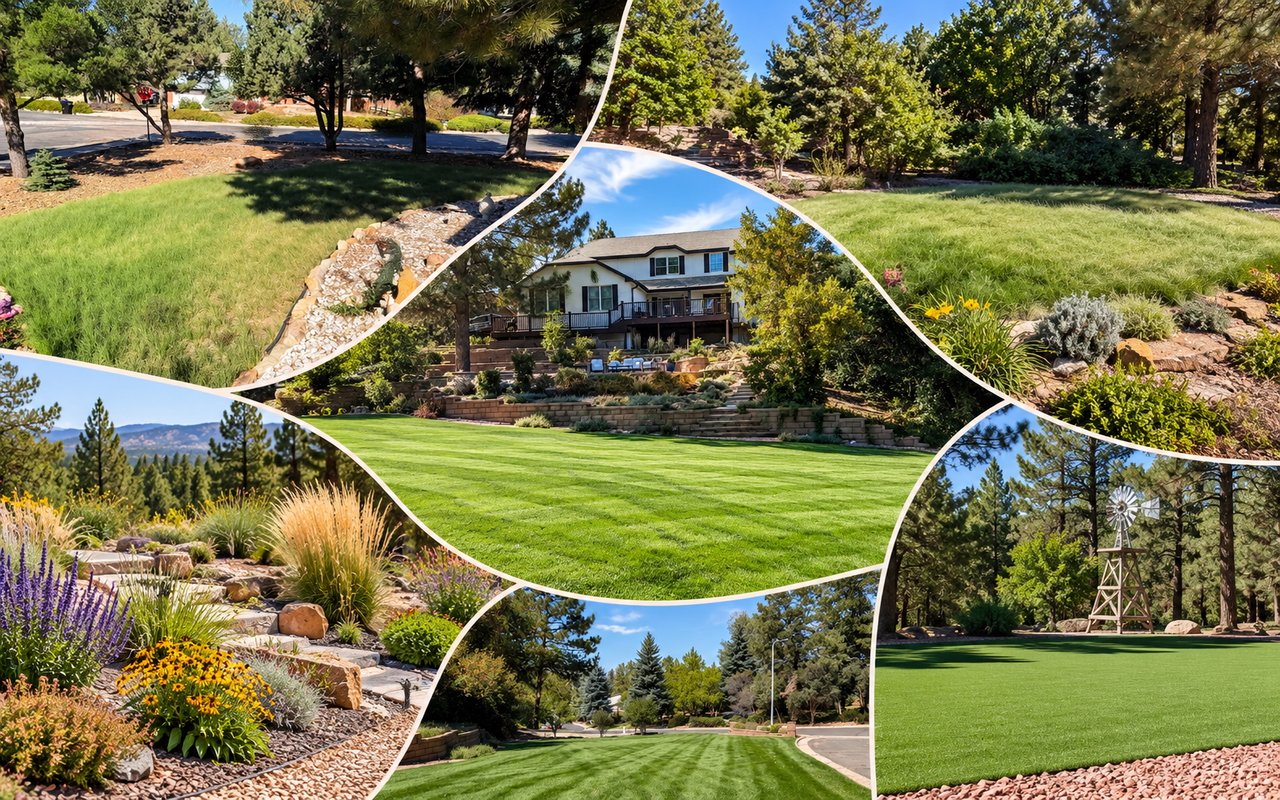
A Colorado Springs homeowner’s guide to choosing the right landscaping for your lifestyle, water use, maintenance, curb appeal, and future resale.

Buying a Home | Colorado Real Estate
Scott Coddington | October 3, 2026
Found a foreclosure on Zillow or Auction.com? Before you bid, understand how Colorado foreclosure auctions work, why you may not be able to inspect the home, and the f… Read more

2026 Relocation Guide
Scott Coddington | October 3, 2026
Everything You Need to Know About Housing, Cost of Living, Neighborhoods, Traffic, Taxes, and Life in Colorado Springs

2026 Relocation Guide
Scott Coddington | October 3, 2026
Everything You Need to Know About Housing, Cost of Living, Neighborhoods, Weather, Taxes, and Life in Colorado Springs

2026 Relocation Guide
Scott Coddington | October 2, 2026
What You Need to Know Before You Move
July 23, 2026

Southern Colorado Activities
Scott Coddington | October 2, 2026
Fall Festivals, Pumpkin Patches, Live Music, Sports & Family Events in Colorado Springs, Pueblo & Pueblo West

Buying a Home | Colorado Real Estate
Scott Coddington | September 30, 2026
Pulse Real Estate App

2026 Relocation Guide
Scott Coddington | September 30, 2026
Everything You Need to Know About Housing, Cost of Living, Neighborhoods, Weather, and Life in Colorado Springs

Buying a Home in Colorado Springs
Shannon Price | September 30, 2026
Buying in Colorado Springs

2026 Relocation Guide
Scott Coddington | September 30, 2026
Everything You Need to Know About Homes, Cost of Living, Larger Lots, Pueblo Reservoir, Commuting, and Life in Pueblo West

2026 Relocation Guide
Scott Coddington | September 30, 2026
What You Need to Know Before You Move

Hiking
Shannon Price | September 25, 2026
Hiking Spots Colorado Springs

Dining in Colorado Springs
Shannon Price | September 25, 2026
July 9, 2026

Colorado Springs Real Estate
Rachael Ian | September 17, 2026
Lower rates are a possibility and I can help you secure one!
New Construction
Scott Coddington | September 17, 2026
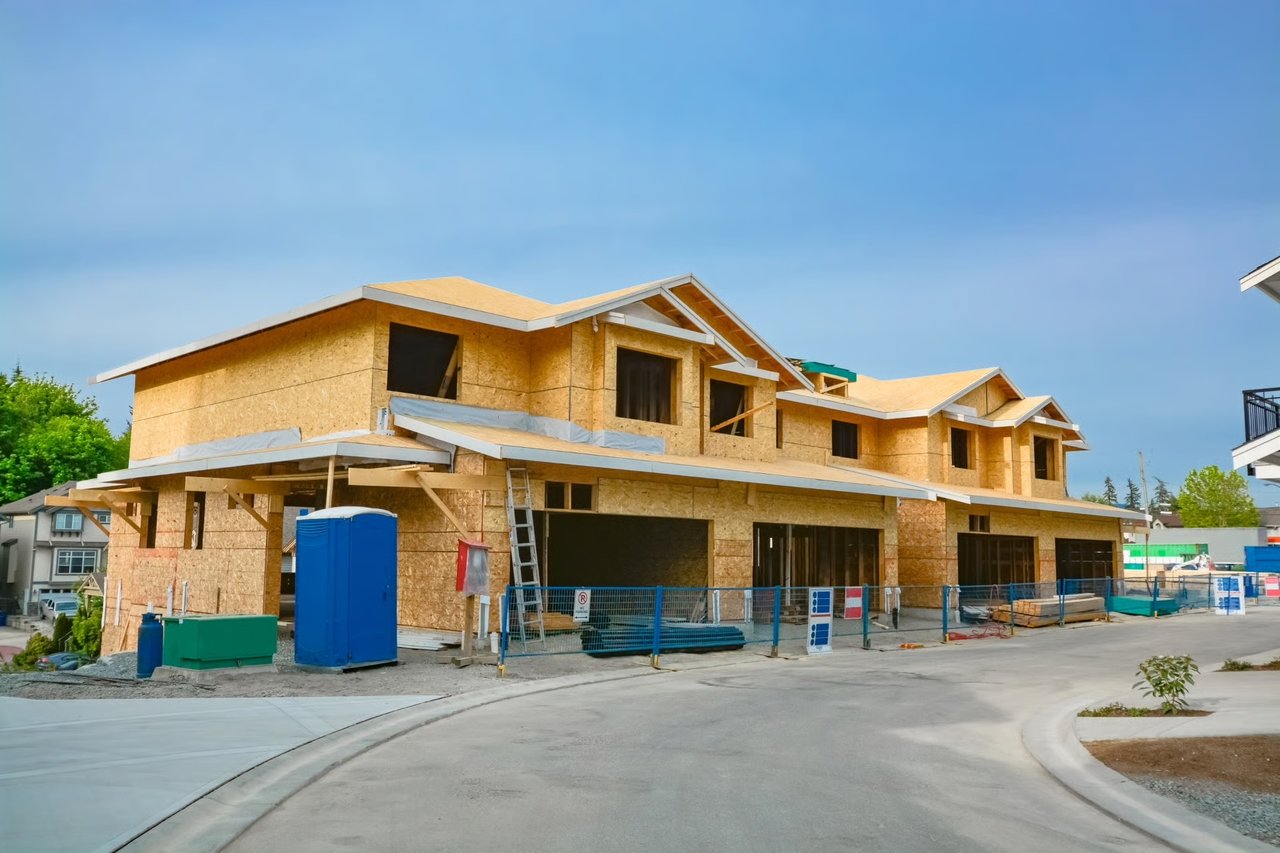
Builder incentives can mean lower payments, closing-cost assistance, and unique opportunities for VA buyers—but taxes, metro districts, resale value, and how long you … Read more
Moving to Colorado Springs
Scott Coddington | September 17, 2026
Everything You Need to Know About Homes, Neighborhoods, Costs, and the Colorado Springs Housing Market

Mortgage Rates above 7%
Scott Coddington | September 16, 2026
buying-home-mortgage-rates-above-7-percent

Buying a Home in Colorado Springs
Scott Coddington | September 16, 2026
Everything You Need to Know About Financing, Neighborhoods, Negotiations, and Finding the Right Home in Colorado Springs and Beyond
Selling a House in Colorado Springs : 2026 Seller's Guide
Scott Coddington | September 16, 2026
How to Prepare, Price, Market, Negotiate, and Successfully Sell Your Colorado Springs Home

Colorado Springs Neighborhoods
Scott Coddington | September 16, 2026
Explore Briargate, Black Forest, Monument, Falcon, Fountain, Woodland Park, Pueblo West, and More to Find the Area That Fits Your Lifestyle, Budget, and Home Search

Colorado Springs Real Estate
Scott Coddington | September 16, 2026
Best Realtor in Colorado Springs: How to Choose the Right Real Estate Agent

Home Buying
Scott Coddington | September 11, 2026
What Buyers Need to Knoiw
August 6, 2026
July 16, 2026
May 21, 2026
June 18, 2026
February 12, 2026
December 11, 2025
January 22, 2026
April 2, 2026
April 9, 2026
January 15, 2026
March 26, 2026
August 6, 2026
March 24, 2026
April 23, 2026
April 16, 2026
May 14, 2026
June 11, 2026
July 2, 2026
December 25, 2025
June 25, 2026
May 7, 2026
March 5, 2026
June 4, 2026
March 12, 2026
May 28, 2026
February 26, 2026
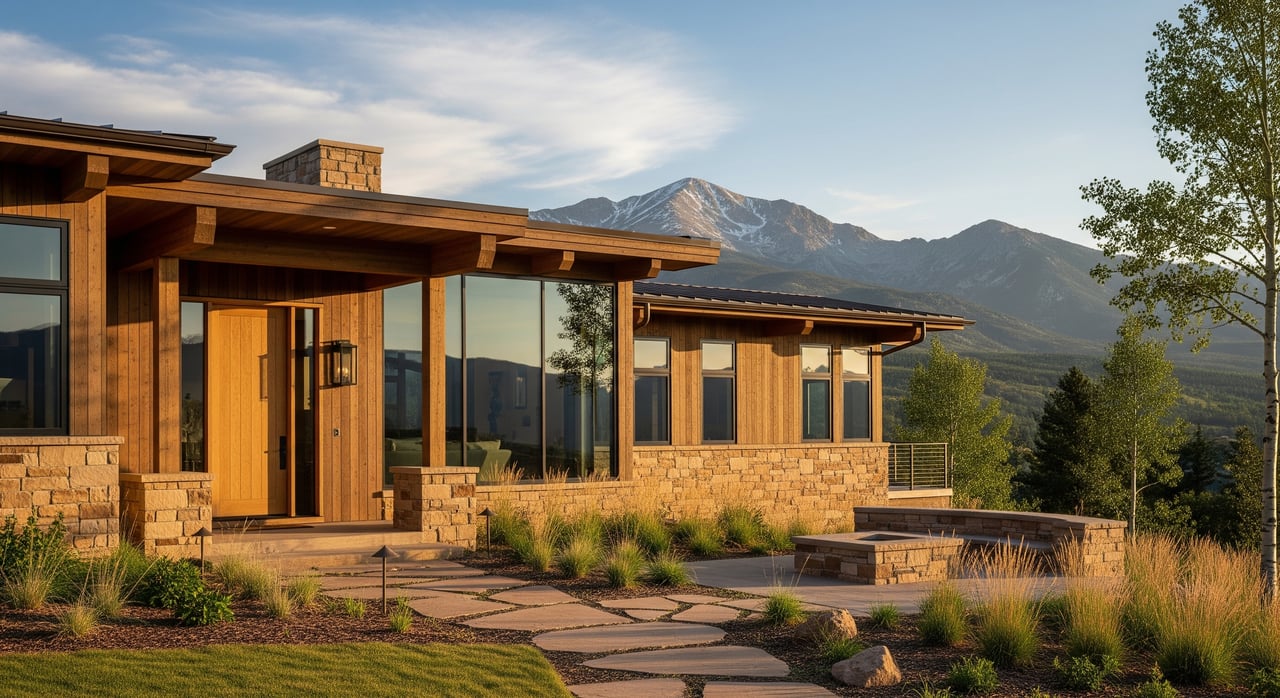
January 1, 2026
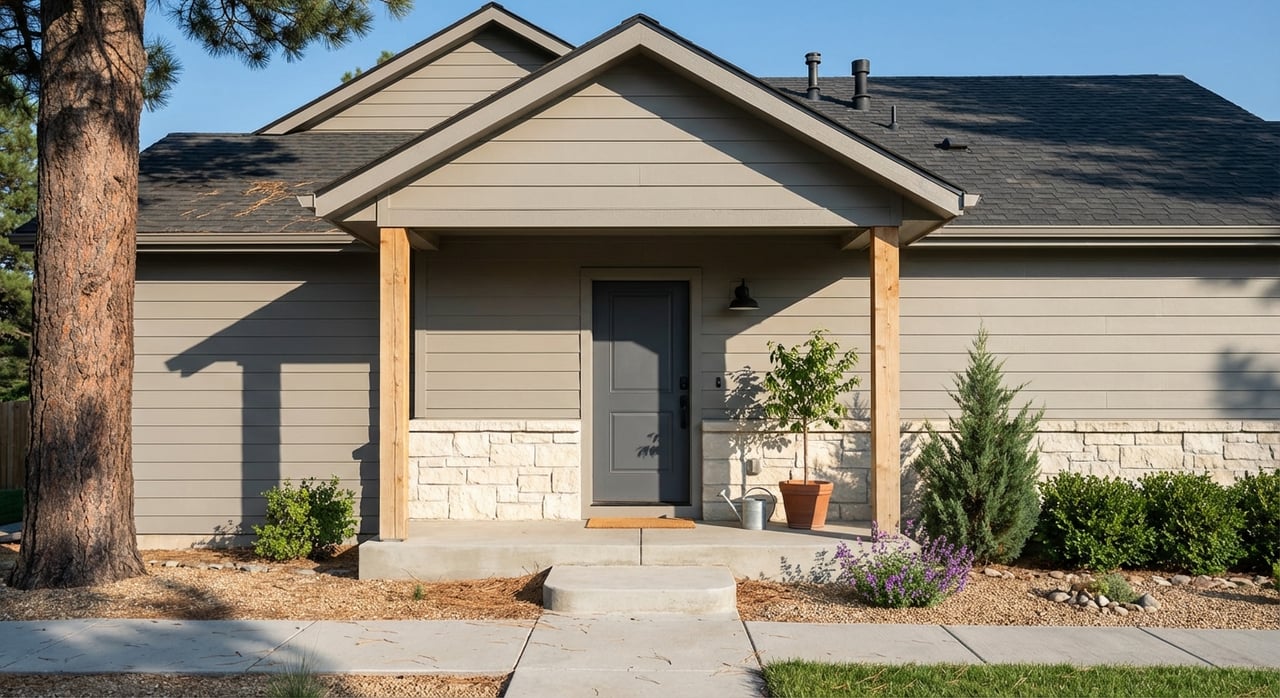
February 19, 2026

November 27, 2025
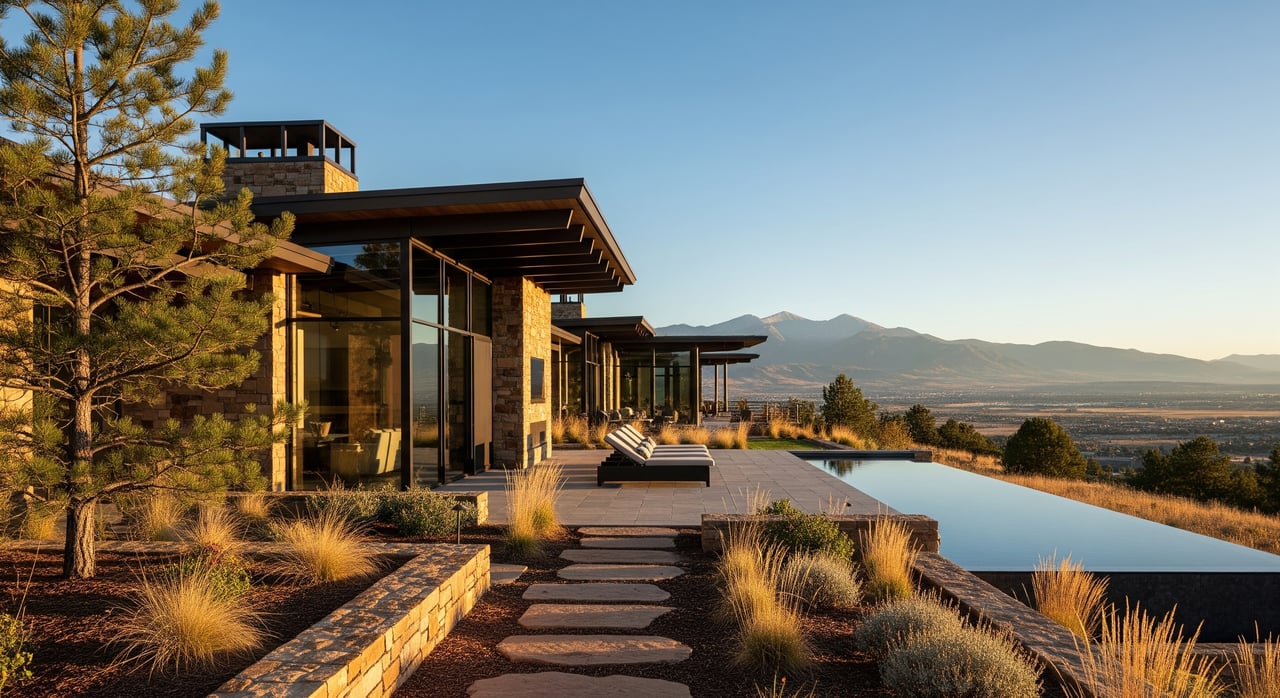
December 4, 2025
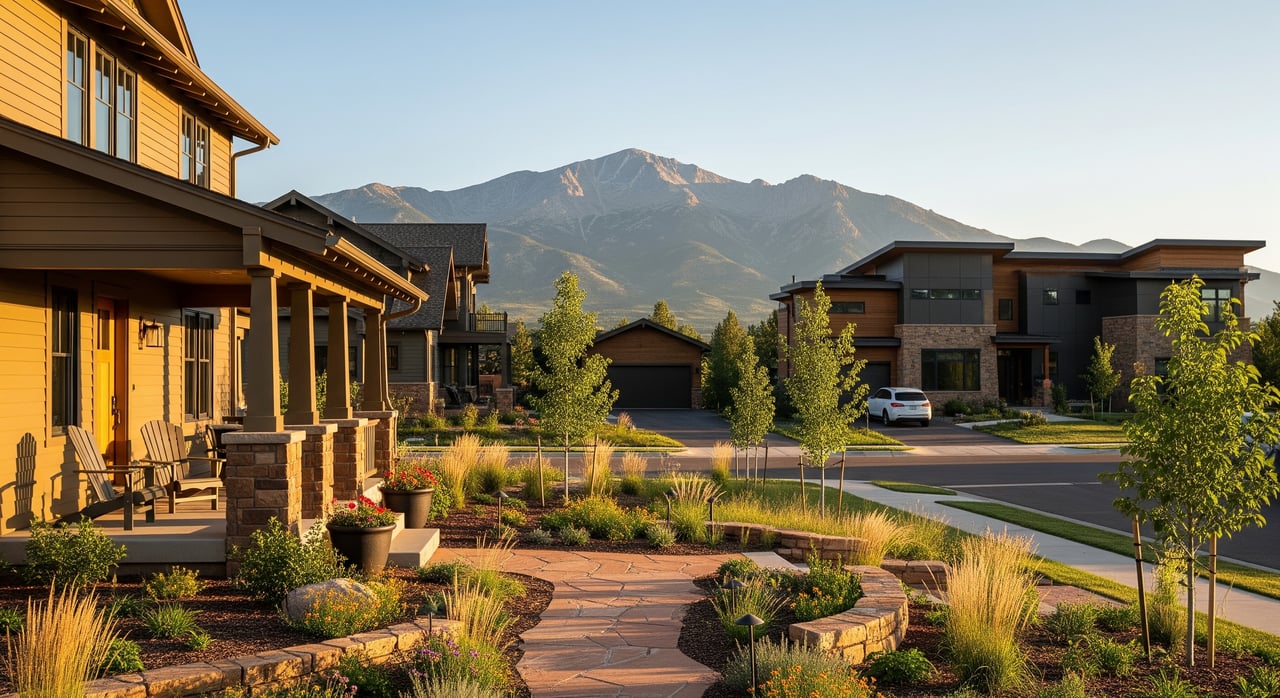
February 5, 2026

Scott Coddington | January 14, 2026
January 8, 2026
November 27, 2025
December 18, 2025

November 21, 2025
Serving communities from Colorado Springs through Pueblo and Denver, west into the mountains or east to the plains, our team is here to help with all your real estate needs across Colorado’s Front Range.