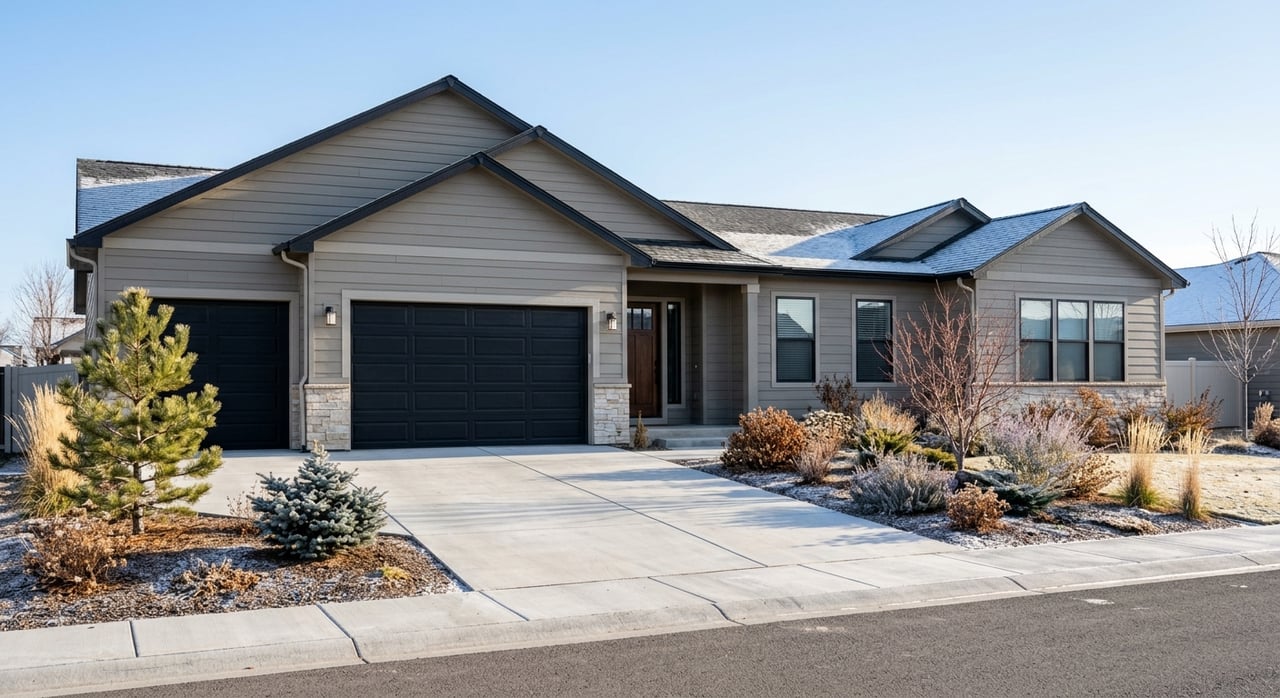
Is the Falcon to Colorado Springs Commute Right for You?
June 11, 2026
June 11, 2026
Wondering if living in Falcon and working in Colorado Springs is actually realistic day after day? For many buyers, that question sits right at the center of the home search. You want more space and a community that fits your lifestyle, but you also need a commute you can live with. The good news is that Falcon to Colorado Springs is usually manageable, though it comes with a few important tradeoffs. Let’s dive in.
Falcon and Colorado Springs are about 15 miles apart by road. Under typical conditions, route planners place the drive in the low-20-minute range, with estimates around 20 to 24 minutes.
That short distance is a big reason Falcon stays on the radar for buyers who work in Colorado Springs. Still, the daily reality is less about mileage and more about what is happening on the roads that day.
In practical terms, Falcon is a car-oriented area. Neighborhood data shows that 89.0% of workers in the Falcon neighborhood drive alone, while 6.8% carpool, and 34.6% of households have four or more vehicles.
That tells you a lot about daily life here. Most people are relying on personal vehicles, and the commute pattern is built around driving rather than transit.
The largest share of commuters in the area spend 15 to 30 minutes getting to work one way. So if you are expecting a routine suburban commute rather than a long regional haul, Falcon generally fits that picture.
If you commute from Falcon to Colorado Springs, US-24 is the main spine. It connects Colorado Springs, Falcon, Peyton, Calhan, and Ramah, and it carries both regional commuter traffic and local business traffic.
That matters because even when the distance is short, a busy corridor can change how the drive feels. CDOT describes the US-24 corridor near Colorado Springs as a congested suburban corridor, which helps explain why peak-hour conditions often matter more than the raw mileage.
While US-24 is the main route, local feeder roads also affect your day. Meridian Road and Woodmen Road act like key pressure points because they help move drivers in and out of Falcon and toward Colorado Springs.
That is also where current and recent road work comes into play. CDOT completed US 24 and Meridian improvements in Falcon, including connecting new Meridian to US-24 and adding a park-n-ride facility.
El Paso County has also continued Falcon-area work on Meridian Road and Meridian Drive, including a new signal and widening at Rex and Meridian, plus access changes and lane closures on Meridian Drive. For commuters, the takeaway is simple: access patterns can shift as growth and road projects continue.
On a clear weekday with normal traffic, the trip can feel straightforward. On a busier morning, during road work, or when weather moves in, that same drive can take noticeably longer.
This is one of the biggest things to understand before you buy in Falcon. The commute is usually not extreme, but it is variable.
A short route does not always mean a predictable one. Because the corridor is heavily used, even small disruptions can ripple through your drive.
Weather is one of the biggest reasons a Falcon commute can feel different from one day to the next. Colorado Springs Municipal Airport normals show an average of 32.5 inches of snowfall each year, with most of it falling from November through April.
Monthly snowfall averages include 4.1 inches in November, 4.9 in December, 4.9 in January, 4.6 in February, 5.7 in March, and 5.5 in April. That means winter and early spring commuters need to plan for more than just cold mornings.
According to National Weather Service winter guidance, snow, ice, sleet, blowing snow, and whiteout conditions can make travel difficult or even impossible. CDOT may also activate traction or chain laws when conditions warrant.
For you, the practical point is clear: a normal Falcon-to-Colorado Springs drive can feel routine on a dry day and much slower on a storm day. If your work schedule is strict, building in extra time during winter can make a real difference.
A commute is only part of the lifestyle equation. Many buyers look at Falcon because they want a suburban setting that still keeps Colorado Springs within reach.
That is where local amenities matter. In communities like Meridian Ranch, residents have access to a 42,000-square-foot recreation center, a 45,000-square-foot fieldhouse, eight neighborhood parks, more than 500 acres of parks, trails, and open space, a 215-acre regional park, plus shopping and dining at The Shops at Meridian Ranch.
In real life, that can reduce how often you need to drive into the city for everyday needs. Exercise, some activities, quick errands, and casual dining may happen closer to home.
That does not mean Falcon is self-contained. Broader retail options, specialized services, and many work trips still depend on the car, which lines up with the area’s high drive-alone rate.
For most buyers, Falcon is not too far from Colorado Springs in a day-to-day sense. The stronger question is whether you are comfortable with a car-based routine and some commute variability.
If you are used to suburban driving and you want more room, newer housing options, or a neighborhood setting outside the city core, Falcon can feel very practical. If you want a shorter drive with fewer weather and corridor-related variables, you may want to compare Falcon with neighborhoods closer in.
This is why your home search should not stop at square footage and price. The better fit often comes down to how your morning and evening routine will actually feel.
Before you decide Falcon is the right move, it helps to think through your normal week honestly. A manageable commute on paper still has to work for your job, your schedule, and your tolerance for traffic and weather shifts.
Here are a few smart questions to ask yourself:
These questions can help you narrow down not just whether Falcon works, but which part of Falcon may suit you best.
A map can show distance, but it cannot fully show how a commute feels at 7:30 a.m. in January or how a growing corridor affects your daily routine. That is where local perspective becomes valuable.
If you are comparing Falcon with Colorado Springs neighborhoods, a local agent can help you think beyond the listing photos. You can weigh commute patterns, community layout, nearby amenities, and how each option fits your real day-to-day life.
For buyers relocating to the area, this is especially important. A home that looks great online still needs to support how you live, work, and move around the region.
If you are trying to decide whether Falcon is the right balance of space, convenience, and commute, Scott Coddington can help you sort through the options with practical local insight.
Stay up to date on the latest real estate trends.

Serving communities from Colorado Springs through Pueblo and Denver, west into the mountains or east to the plains, our team is here to help with all your real estate needs across Colorado’s Front Range.