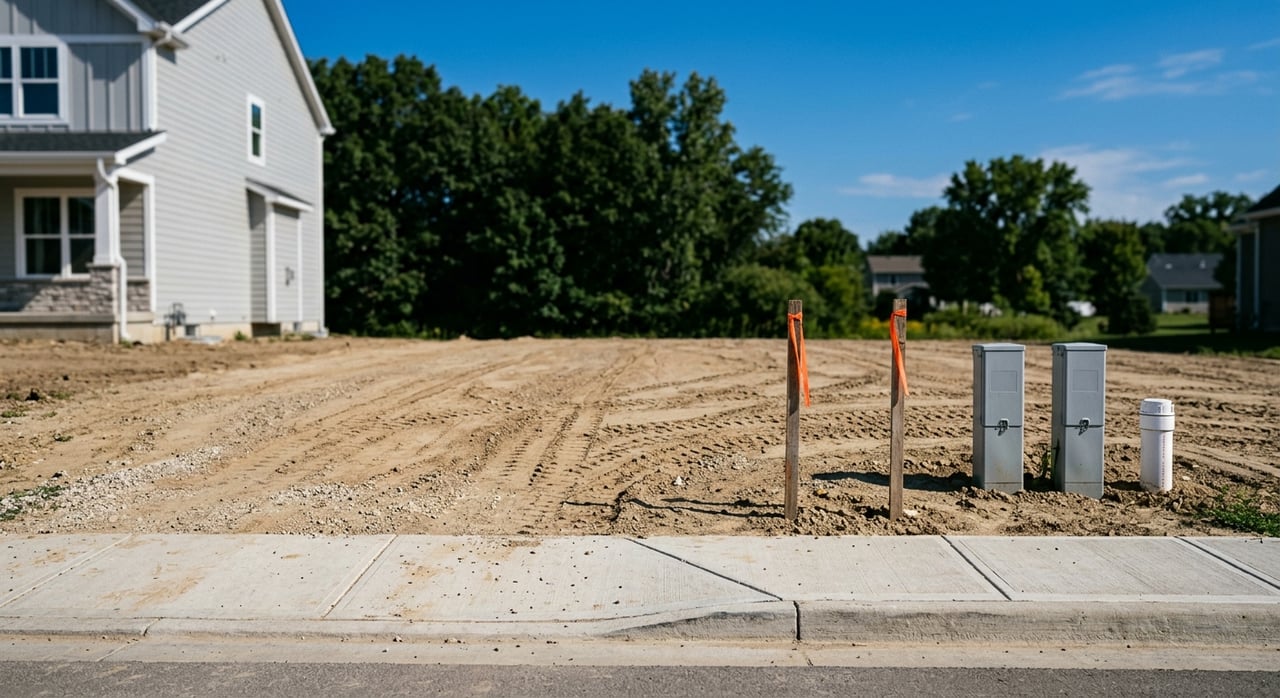
Buying a Lot in Falcon CO Before You Build
June 18, 2026
June 18, 2026
Thinking about buying land in Falcon before you build? It can feel like a smart first step, but a lot purchase is not just about finding open space you like. You also need to know whether the parcel works for your home plans, your budget, and the approvals required in unincorporated El Paso County. This guide will walk you through the key checks to make before you close so you can move forward with more confidence. Let’s dive in.
In Falcon, buying a lot is often as much an infrastructure decision as it is a real estate decision. Before you focus on price alone, you need to confirm how the parcel fits into zoning, utilities, access, taxes, and district obligations.
El Paso County directs buyers to verify whether a parcel is in unincorporated county and to review planning resources, tax-entity maps, recorded documents, and special-district information. That matters because a lot that looks buildable at first glance may come with added costs or limits that affect what you can actually do.
A recorded plat map is one of the first documents you should review. In El Paso County, plat maps show divisions of land, and land survey, subdivision, and condo plats are recorded with the county.
This helps you confirm how the lot was created and whether it aligns with your intended use. If you are planning a custom home, that basic legal setup matters before you spend time on builder plans or site ideas.
Recorded documents can also reveal subdivision covenants, easements, and other limitations tied to the parcel. These items may affect where you can place a home, driveway, septic system, or utility lines.
The more a lot depends on recorded restrictions, the more important it is to read the title and closing documents closely before you write an offer or remove contingencies. A beautiful lot can still become a frustrating project if the paperwork does not match your plans.
Falcon-area metro districts are common, and they can affect both taxes and service obligations. El Paso County’s assessor lists metro districts in and around Falcon, including Falcon Field, Falcon Highlands, Sterling Ranch, and The Retreat.
Before closing, confirm the district name, current mill levies, and whether the parcel has ongoing debt-service or special assessments. This is one of the easiest ways to avoid surprise ownership costs after you buy.
Water and sewer should be verified early in the process. Parts of the Falcon area are served by Falcon Area Water & Wastewater Authority, and its fee resolution states that water and wastewater tap fees, water acquisition fees, and other service charges are due from the developer or homebuilder at or before the time El Paso County issues a building permit.
The same resolution states that no connections can be made until service applications and fees are paid. For some properties outside current boundaries, additional water-related requirements may apply if supply is insufficient.
That means you should not assume utility access is simple just because nearby homes are built. You want to know who serves the lot, what the connection process looks like, and whether major fees are still unpaid.
If sewer is not available, the property may need an onsite wastewater treatment system. El Paso County Public Health regulates these systems for properties not served by a municipal wastewater system.
The county states that OWTS applications must be submitted by a licensed OWTS installer, and not all parcels have complete OWTS records online. If a lot will rely on septic, that is a strong reason to ask detailed questions before closing instead of after.
Some lots may rely on a well rather than district water service. Colorado’s Division of Water Resources states that every new well diverting groundwater must have a permit, and it reviews water-supply proposals for subdivisions and other land-use permits.
The agency also states that it cannot confirm whether a specific well permit will be issued until it completes a full evaluation and receives an application and filing fee. In plain terms, you should treat a future well as something to verify, not assume.
Road access can affect both daily convenience and long-term cost. El Paso County maintains more than 2,000 miles of paved and gravel roads, but roads designed and built as gravel are generally expected to remain gravel.
If a parcel depends on a private road, maintenance and future upgrades may be more complicated than many buyers expect. The county says conversion to county maintenance can require 100% support from the parcels taking access, and its resident participation program estimates about $1 million per mile.
Before you buy, find out whether the road is county-maintained or private and who is responsible for upkeep. That one answer can change your budget and expectations in a big way.
A low lot price does not always mean a low total project cost. If the parcel connects to district utilities, there may be tap fees, water acquisition fees, or other charges due before a building permit is issued.
Ask whether any of these costs have already been paid or whether they will fall on you or your builder later. This is one of the clearest examples of why raw land pricing does not tell the whole story.
County fees can also add to the cost of building. El Paso County states that properties in unincorporated areas that receive land-use approval must pay road impact fees, and its definition of land-use approval includes building permits and access permits.
The county’s posted schedule lists a single-family detached dwelling fee of $4,101, with a fee calculation of $421.46 per trip. Because fees can change, it is smart to recheck the amount at permit time.
If the lot is located in a metro district, you may also have district-related taxes or assessments to factor into your monthly and annual costs. These are not the same as standard purchase costs, and they can affect affordability over time.
A lot may fit your target price and still stretch your budget once taxes, utility fees, and permit-related expenses are added in. Looking at the full picture upfront helps you avoid that trap.
Pikes Peak Regional Building Department serves unincorporated El Paso County and manages building permits and inspections. The department states that homeowners can obtain permits only if they are doing the work on their primary residence that they own and occupy. Otherwise, a licensed contractor is expected to pull the permit.
PPRBD also notes that some permits require additional inspections from outside agencies such as zoning, fire, engineering, health, or utilities. Those inspections can delay final approval or a certificate of occupancy if issues are not addressed.
If you already have a builder in mind, ask how they handle permits, inspections, and outside-agency coordination. If you do not have a builder yet, this should still be part of your lot evaluation before you close.
Some lots come with unusual setbacks, drainage concerns, or access questions that are not obvious from a listing photo. El Paso County offers Early Assistance meetings with a planner, review engineer, and stormwater engineer.
That pre-application process can be useful if you want to surface possible issues before you commit to the property or before you move too far into design work. It is often easier to adjust your plan early than to fix a problem later.
If you are buying a lot in Falcon, these are the most important questions to resolve before closing:
Buying a lot in Falcon is really about reducing risk before earnest money becomes a sunk cost. You are not only choosing a location. You are choosing a path through recorded documents, utility questions, district fees, road access, and permits.
That is where local guidance can make a real difference. When you work with someone who understands how these pieces connect in El Paso County, you can ask smarter questions earlier and make decisions with better information.
If you are weighing land options in Falcon and want practical help sorting through the details, Scott Coddington can help you evaluate the lot, the process, and the costs before you take the next step.
Stay up to date on the latest real estate trends.

Fall Home Maintenance

Southern Colorado Activities
Halloween Events, Fall Festivals, Family Activities & Things to Do in Colorado Springs, Pueblo & Pueblo West

Pumpkin patches and fall festivals
Moving to Colorado Springs
Moving to Colorado Springs

Hiking
The Manitou Incline

Southern Colorado Activities
Live Music, Pumpkin Patches, Family Activities & Fall Fun in Colorado Springs, Pueblo & Pueblo West
Serving communities from Colorado Springs through Pueblo and Denver, west into the mountains or east to the plains, our team is here to help with all your real estate needs across Colorado’s Front Range.