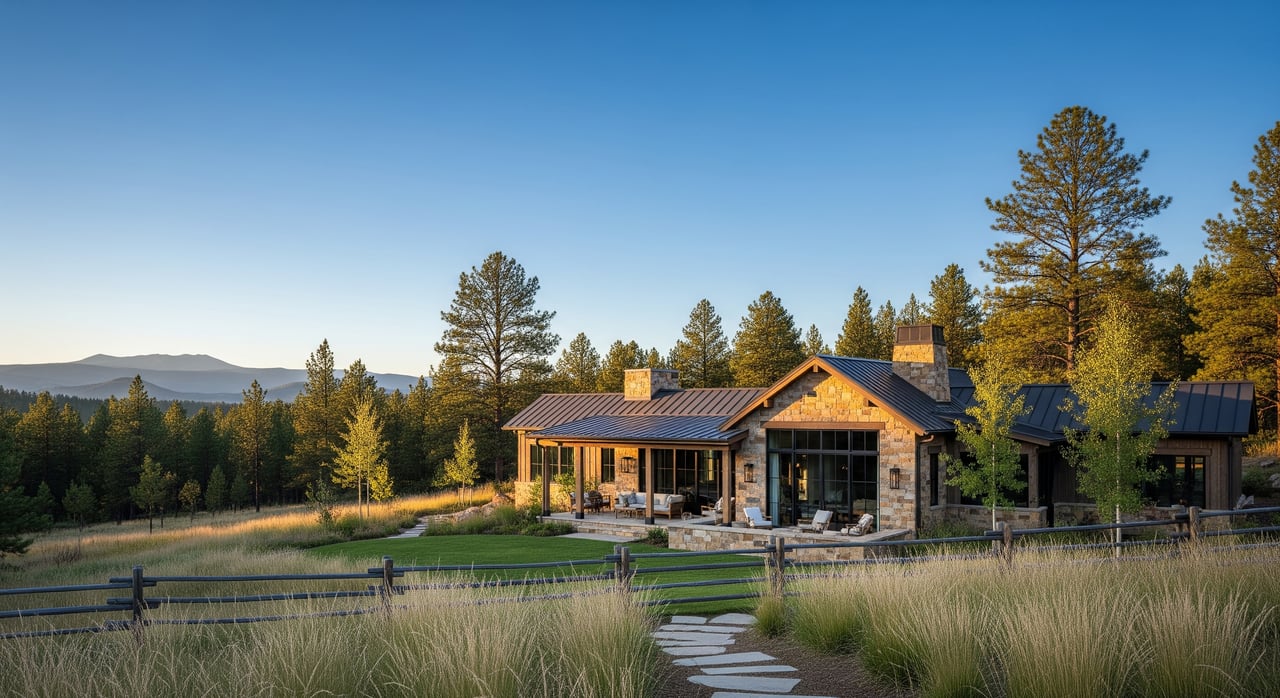
Acreage Living in Black Forest, CO: A Buyer’s Guide
January 15, 2026
January 15, 2026
Craving elbow room under tall pines without giving up access to Colorado Springs? If you’re eyeing acreage in Black Forest, you’re not alone. It’s a unique lifestyle that blends privacy, space, and outdoor access with a few added responsibilities. In this guide, you’ll learn what day-to-day life looks like, key infrastructure and safety considerations, and how to prepare for a confident purchase. Let’s dive in.
Black Forest offers a semi-rural feel with larger lots and greater distance between homes. You get more privacy and room for barns, gardens, and hobbies. The tradeoff is that services can be slower and you’ll often rely on private systems like wells and septic.
Commuting remains realistic for many residents. From central Black Forest to downtown Colorado Springs, drive times commonly range roughly 20 to 35 minutes, depending on location and traffic. Denver is typically an hour-plus, depending on route and conditions. Winter weather and distance from major roads can add time, so plan accordingly.
Wildfire planning is part of everyday life in Black Forest. The 2013 Black Forest Fire burned tens of thousands of acres and destroyed many homes, which reshaped local awareness and mitigation standards. Expect strong defensible-space practices to be required or highly recommended, and know that insurance underwriters may look for documented mitigation.
Local agencies emphasize homeowner action: creating defensible space, reducing fuels, and improving home hardening. Resources include Black Forest Fire/Rescue and the Colorado State Forest Service, which offer guidance on mitigation, evacuation planning, and construction materials.
Many acreage properties use private wells for water and onsite septic systems for wastewater. Understanding both is essential for habitability, cost, and resale.
The Colorado Division of Water Resources oversees well permits and drilling records. El Paso County Public Health regulates onsite wastewater systems and issues septic permits. Confirm records early to avoid surprises.
Utility providers vary by parcel. Some homes have natural gas, while others rely on propane for heating and cooking. Backup power and generators are common considerations, especially for well pump reliability during outages.
Broadband access is mixed in rural areas, so plan to check service at the address level. Options often include fixed wireless from local providers, DSL or fiber where extended, and satellite solutions. Low-earth-orbit services can offer broad coverage in rural zones. If internet performance is critical for work or school, test speeds on site before committing.
You’ll find a mix of paved county roads, paved neighborhood streets, and unpaved private roads or driveways. County roads are typically maintained by the county. Private roads may be maintained by an HOA or through shared road maintenance agreements among neighbors.
In winter, snow removal for private roads and driveways is usually the owner’s responsibility. Consider vehicle choice, tire selection, and driveway grade. Dust, mud, and washboarding can be part of daily life on unpaved surfaces, so factor in ongoing maintenance.
El Paso County zoning regulates how land can be used and what you can build. Many properties also have recorded covenants or HOA rules that add standards for setbacks, outbuildings, animal counts, and aesthetics. Some parcels include easements or have mineral reservations or conservation restrictions.
Before you write an offer, confirm zoning, permitted uses, and any subdivision covenants. If you plan to operate a business, add an accessory dwelling, or run an equestrian facility, verify that your intended use is permitted. When questions get technical, consult county offices or a real estate attorney.
Lot sizes commonly range from 1 to 35 or more acres. Many buyers find 2 to 10 acres balances privacy with manageable upkeep. The landscape mixes rolling terrain, ponderosa pine, prairie openings, and seasonal drainages. Expect deer, turkeys, and other wildlife.
Home styles vary, with ranch, farmhouse, mountain, and timber-frame designs appearing often. Outbuildings can include barns, loafing sheds, detached garages, shops, RV storage, and arenas. Typical infrastructure includes fencing, turnout areas, stock waterers, and well and septic systems. Some properties feature solar arrays or backup generators.
Property taxes are collected by El Paso County and vary by mill levy and assessed value. In limited situations, agricultural valuations may apply. Insurance can be influenced by wildfire risk and rural location, so get quotes early and ask about mitigation requirements.
Ongoing maintenance is part of acreage ownership. Budget for driveway grading, snow removal, fence repair, brush control, barn upkeep, and pasture management. Plan for periodic septic pumping, well servicing, and potential filtration upgrades.
Emergency services are provided by local agencies such as Black Forest Fire/Rescue and the El Paso County Sheriff’s Office. Response times depend on distance to stations and access. School district boundaries vary by parcel, so verify your address with the county and local districts.
Use this checklist to frame your due diligence and keep your purchase on track.
Dial in search results so you see the right listings first.
Suggested filters:
Copy-paste this template to request a custom alert:
“Notify me of listings in Black Forest, El Paso County with 2+ acres, 3+ bedrooms, with a barn or detached shop, on-site well and septic preferred. Maximum commute to downtown Colorado Springs: 30 minutes. No HOA preferred, but open to low-fee HOAs. Send new and price-reduced listings.”
Acreage living in Black Forest can be a great fit if you’re ready for the balance of space, privacy, and hands-on ownership. The right agent will help you verify wells and septic, evaluate wildfire mitigation, and parse zoning or covenants so your plans match the property.
If you’re weighing options or want tailored property alerts, reach out to Scott Coddington. You’ll get local guidance, practical next steps, and a search plan that fits your goals.
Stay up to date on the latest real estate trends.
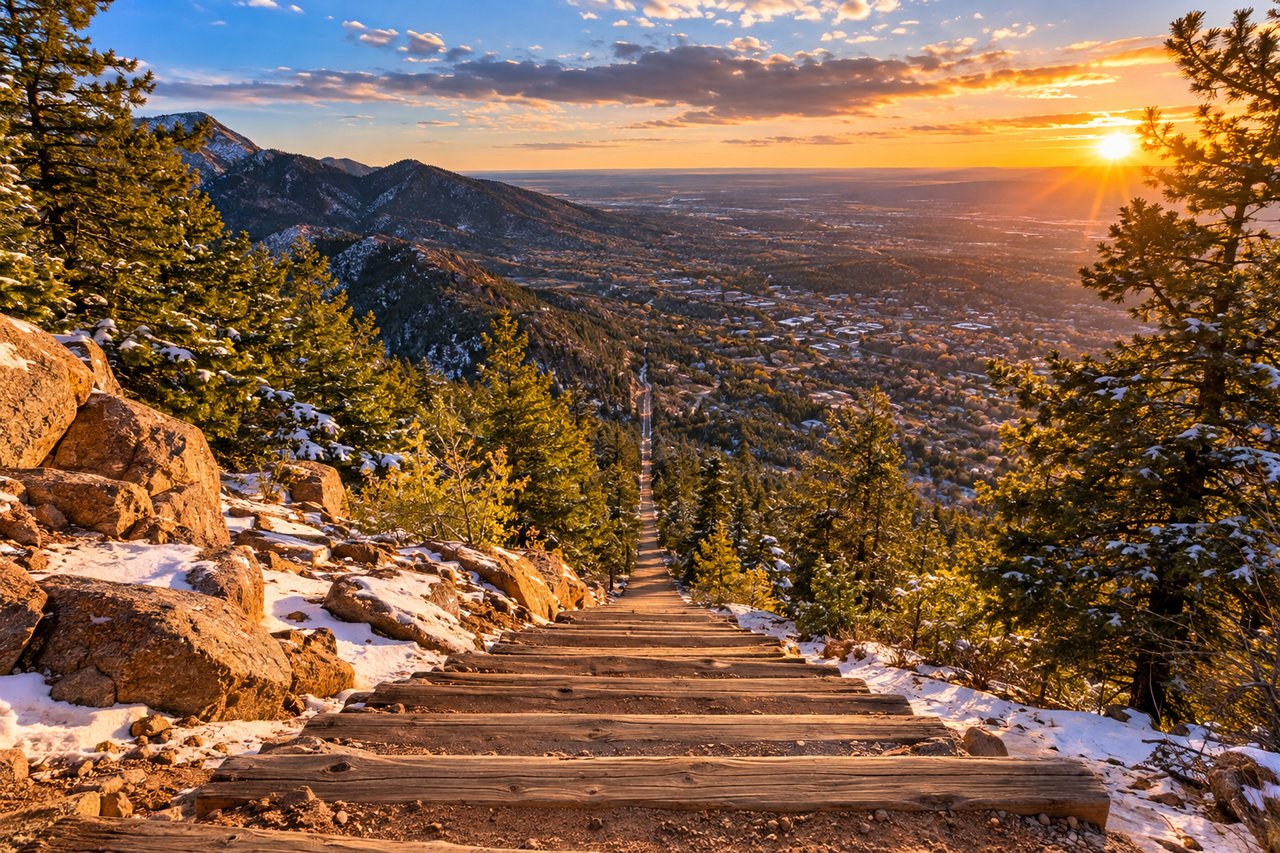
Hiking
The Manitou Incline

Southern Colorado Activities
Live Music, Pumpkin Patches, Family Activities & Fall Fun in Colorado Springs, Pueblo & Pueblo West

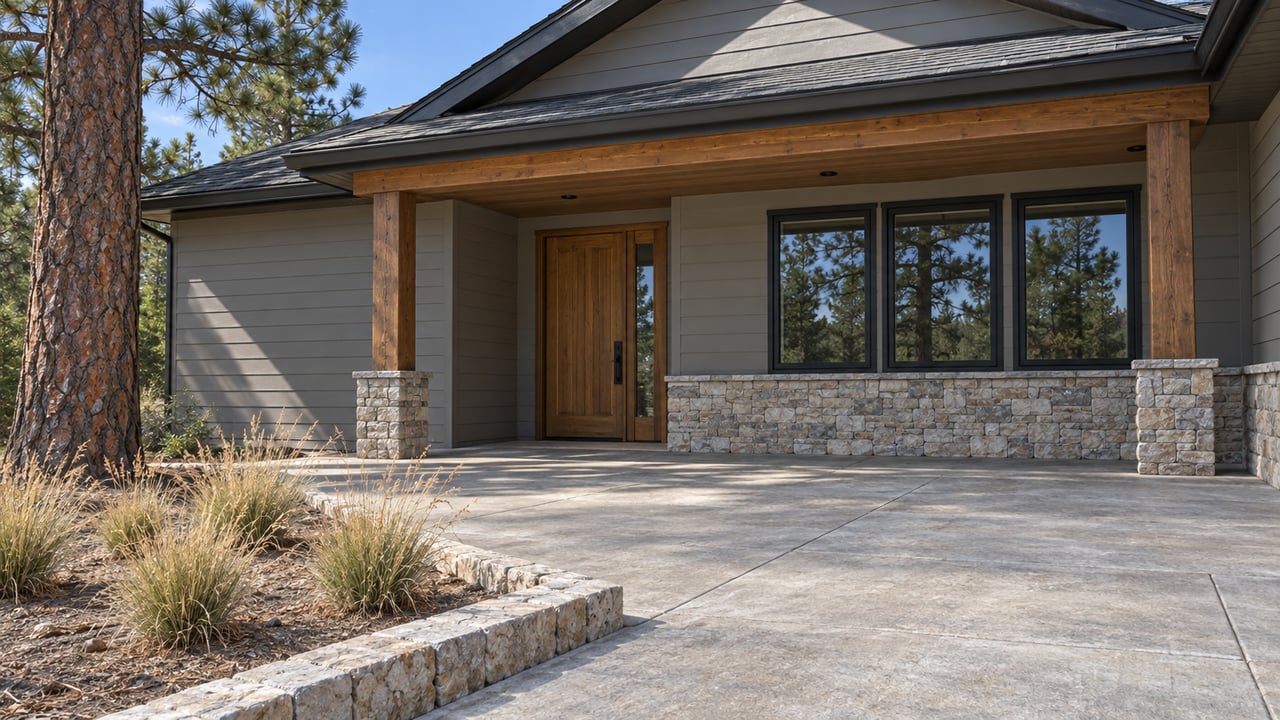

Homeownership
From talking with your neighbor to HOAs, covenants, and Code Enforcement, learn how to address a neglected property next door—and what it could mean when buying or sel… Read more

Fall Foliage
Best Colorado Springs Neighborhoods for Fall Colors
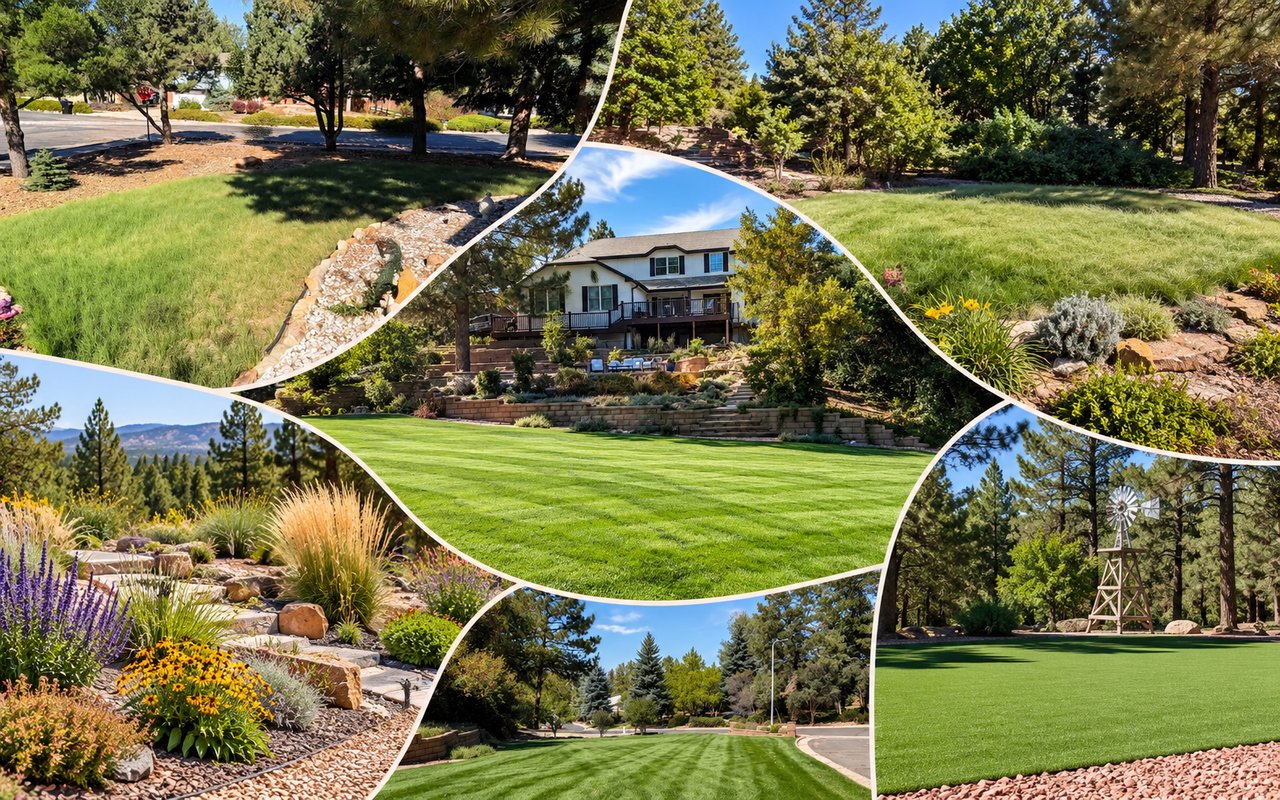
Homeownership
A Colorado Springs homeowner’s guide to choosing the right landscaping for your lifestyle, water use, maintenance, curb appeal, and future resale.

Buying a Home | Colorado Real Estate
Found a foreclosure on Zillow or Auction.com? Before you bid, understand how Colorado foreclosure auctions work, why you may not be able to inspect the home, and the f… Read more

2026 Relocation Guide
Everything You Need to Know About Housing, Cost of Living, Neighborhoods, Traffic, Taxes, and Life in Colorado Springs
Serving communities from Colorado Springs through Pueblo and Denver, west into the mountains or east to the plains, our team is here to help with all your real estate needs across Colorado’s Front Range.