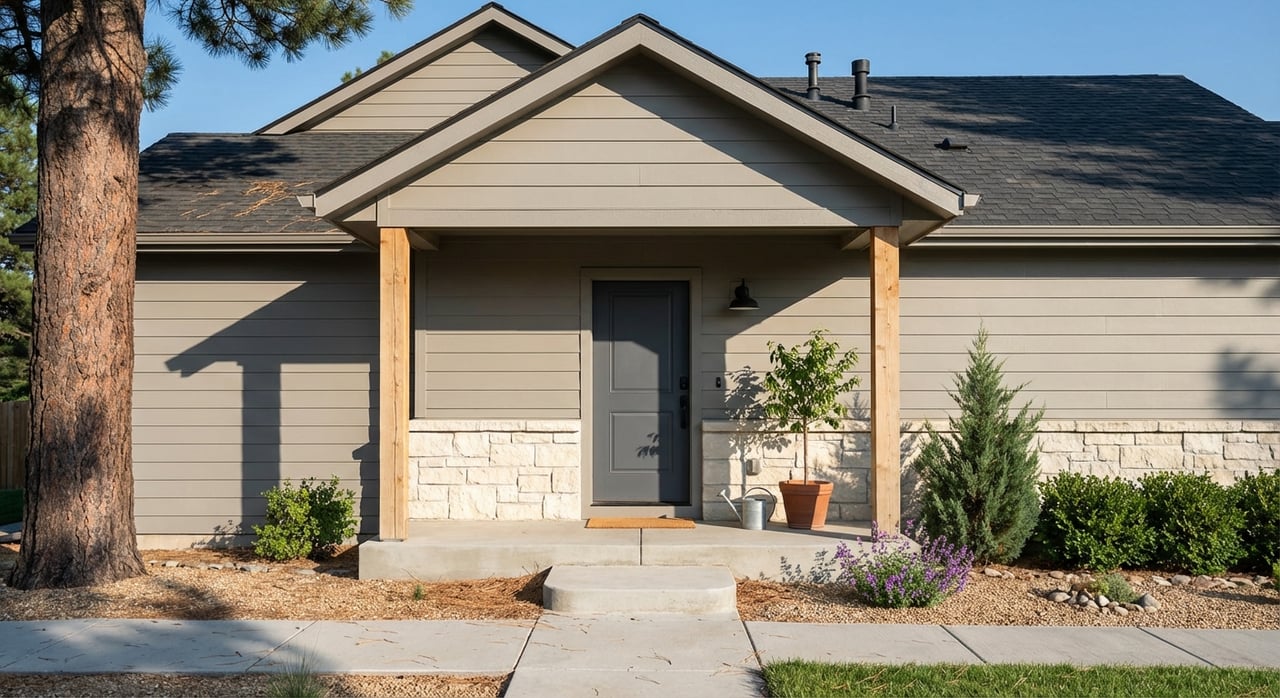
How to Price Your Home in Colorado Springs for Success
February 19, 2026
February 19, 2026
Pricing your home right can be the difference between a quick, clean sale and months of stress. In today’s Colorado Springs market, buyers are active but selective, and you want to meet them with a smart price and standout presentation. In this guide, you’ll learn how to set a data-backed list price, choose the right launch strategy, and market your home so it rises to the top of buyers’ shortlists. Let’s dive in.
If you are selling in early 2026, expect a more balanced market than the 2020 to 2022 frenzy. The Pikes Peak MLS shows about 746 closed sales in January, a median sale price around $450,000, and average days on market near 81. Homes still sell close to asking when they are priced and presented well, but timelines can be longer than a few years ago. You can view the latest local snapshot from the Pikes Peak Association of REALTORS.
What this means for you: price and presentation do the heavy lifting. When you launch with the right number and a complete marketing package, you capture the most motivated buyers in the first two weeks.
Ask your agent for a Comparative Market Analysis that uses recent closed sales, active competition, pending deals, and expired or withdrawn listings in your immediate area. A strong CMA leans on the most similar homes that sold in the last 3 to 6 months, then adjusts for square footage, baths, lot, condition, and standout features. Learn what goes into a defensible CMA from this clear overview of the process and appraisals from EffectiveAgents.
An appraisal uses a similar sales-comparison method but must meet lender standards and usually relies on closed sales only. In a changing market, an appraisal can trail the contract price you won during strong buyer interest. You can reduce surprises by documenting upgrades, sharing your comps, and preparing for the appraiser’s visit. For a simple explanation of why these numbers sometimes differ, read this overview of appraised value vs. market value.
List at or slightly below the top of the comparable range to drive multiple showings and possible early offers. This works best if inventory is tight around your price point and your home shows beautifully. If activity is soft in week one, be ready to adjust to regain momentum.
Price within about 2 to 3 percent of the CMA midpoint to balance speed and price. In a balanced market like Colorado Springs today, this often yields steady showings and a sale near list without several reductions.
If your home has significant upgrades or a unique feature, you can start above recent comps. Use this only if your timeline is flexible and your marketing is top tier. If you linger on the market, shift quickly so the listing does not go stale.
Many buyers search in rounded price ranges. Positioning just below a common cutoff can place your home in more search results. For example, $399,900 may reach a wider audience than $405,000. Learn why this tactic works in search filters here: how agents set asking price.
If you need to move quickly, lean a bit more aggressive on price to unlock buyer urgency. You can also consider targeted incentives like a closing cost credit or interest rate buydown instead of deeper price cuts. The goal is to create a compelling package in week one and two.
The first 1 to 2 weeks are your moment. Many local teams prefer a midweek MLS launch so the listing is fresh for weekend searches. Make sure your full marketing package is live on day one. The local MLS reports show showings per day that confirm how important early exposure is for a new listing. Keep an eye on the metrics and be ready to adjust:
You can reference local snapshot tools and showings-per-day context through the Pikes Peak Association of REALTORS.
Staging helps buyers picture how rooms live and often reduces time on market. National research shows many agents report higher offers and faster sales when homes are staged. See the latest findings from the NAR report on home staging.
Typical ranges in our area:
Professional photos are a small cost with a big upside. Expect roughly $150 to $500 depending on package and drone or twilight add-ons. Adding a 3D tour or Matterport scan often runs $150 to $400. These assets lift online engagement and help out-of-area buyers assess your home with confidence. See a practical list of modern marketing tools here: how to market your house.
A dedicated property page, a short 60 to 90 second video, and drone clips for views or larger lots create a more complete story. Pair that with targeted social ads to reach relocation buyers who are not yet in town. For a clear overview of these tactics, explore this home marketing guide.
Your MLS launch will push your listing to major portals and local buyer agents. A broker preview and agent-to-agent outreach can add extra eyes, especially for relocation activity. The local MLS tracks showings per day, which many teams use to time outreach and open houses. You can review local metrics at PPAR.
Use this to align with your agent before launch:
Colorado Springs includes several micro-markets that move at different speeds. Proximity to bases like Fort Carson, Peterson Space Force Base, Schriever Space Force Base, and the U.S. Air Force Academy supports steady relocation demand, which can affect timing, buyer pools, and common contingencies. For context on the city’s defense-related activity, see this brief on Great American Defense Communities.
Ready to price with confidence and launch with impact? Let’s build a plan that aligns with your goals and timeline. Reach out to Scott Coddington to get your free home valuation and a tailored pricing and marketing roadmap.
Stay up to date on the latest real estate trends.

Fall Home Maintenance

Southern Colorado Activities
Halloween Events, Fall Festivals, Family Activities & Things to Do in Colorado Springs, Pueblo & Pueblo West

Pumpkin patches and fall festivals

Moving to Colorado Springs
Moving to Colorado Springs

Hiking
The Manitou Incline

Southern Colorado Activities
Live Music, Pumpkin Patches, Family Activities & Fall Fun in Colorado Springs, Pueblo & Pueblo West
Serving communities from Colorado Springs through Pueblo and Denver, west into the mountains or east to the plains, our team is here to help with all your real estate needs across Colorado’s Front Range.