
Moving From Phoenix to Colorado Springs: 2026 Relocation Guide
2026 Relocation Guide Scott Coddington October 3, 2026
2026 Relocation Guide Scott Coddington October 3, 2026
Thinking about moving from Phoenix to Colorado Springs?
You're not alone. Colorado Springs attracts people relocating from major metropolitan areas throughout the country, and Phoenix is an especially interesting comparison.
Both cities offer abundant sunshine, outdoor recreation, growing suburban communities, newer construction, and easy access to dramatic natural scenery. But everyday life in Colorado Springs can feel very different from life in the Valley of the Sun.
Instead of desert heat and palm trees, you'll find four distinct seasons, snow-covered mountains, pine forests, changing temperatures, and neighborhoods sitting roughly a mile above sea level.
Housing, property taxes, insurance, weather, altitude, commuting, water, and home maintenance can also work differently.
This Colorado Springs relocation guide covers some of the biggest things to understand before moving from Phoenix to Colorado Springs.
People relocate for different reasons, but someone leaving Phoenix for Colorado Springs may be looking for a change in climate and lifestyle without giving up access to a major metropolitan area.
Colorado Springs provides shopping, restaurants, healthcare, employment, entertainment, and an airport while keeping mountains, parks, trails, and open spaces remarkably close.
Reasons people may consider Colorado Springs include:
Phoenix and Colorado Springs can both appeal to people who enjoy sunshine and being outdoors, but the experience is very different.
One of the first questions relocating buyers ask is:
Is Colorado Springs more or less expensive than Phoenix?
There's no universal answer.
Home prices change over time, and costs can vary dramatically depending on neighborhood, home size, age, lot, taxes, insurance, and financing.
Instead of looking only at purchase price, compare the complete cost of owning a home.
That includes:
Someone moving from Phoenix may also see expenses shift from one category to another.
For example, cooling a Phoenix home through the summer is very different from heating and maintaining a Colorado home through winter.
The better comparison is the total monthly and annual cost of living in each property.
Colorado Springs offers a broad range of housing.
Depending on your budget and preferred location, you'll find:
Someone accustomed to Phoenix's master-planned communities may find similarities in some newer Colorado Springs neighborhoods.
But Colorado Springs also offers housing environments that are very different from Phoenix.
Within a relatively short drive, you can go from a newer suburban development to an established tree-lined neighborhood, wooded acreage, horse property, or a mountain community.
One of the most important things to understand before moving here is that Colorado Springs isn't one uniform housing market.
Different areas can provide very different lifestyles.
Briargate is one of northern Colorado Springs' largest established residential areas.
It provides convenient access to shopping, restaurants, medical facilities, parks, schools, and Interstate 25.
For someone accustomed to suburban Phoenix, portions of Briargate may feel familiar while providing a much different climate and landscape.
Northgate is located near the U.S. Air Force Academy at the northern edge of Colorado Springs.
You'll find newer and established neighborhoods, restaurants, shopping, and convenient access to Interstate 25.
Its location also provides relatively easy access to Monument and northern El Paso County.
Travel farther north and you'll reach Monument and the Tri-Lakes area.
This area offers established neighborhoods, new construction, larger lots, wooded properties, and a somewhat smaller-town atmosphere.
Elevation is generally higher as you travel north, which can also mean different weather conditions.
Black Forest is one of the most distinctive alternatives to Phoenix-style suburban living.
Properties may include acreage, pine trees, detached garages, workshops, horse facilities, and significantly more privacy.
Buyers who want land without moving too far from Colorado Springs often investigate Black Forest.
The eastern side of Colorado Springs has experienced substantial residential and commercial growth.
The Powers corridor offers extensive shopping, restaurants, entertainment, newer housing, and relatively convenient access to Peterson and Schriever Space Force Bases.
Buyers accustomed to Phoenix's newer suburban development may find this portion of Colorado Springs particularly interesting.
Continue east and northeast and the landscape becomes more open.
Falcon and Peyton offer newer neighborhoods as well as larger properties and acreage.
When considering these areas, buyers should investigate commute times, water sources, property taxes, metro districts, and infrastructure.
South of Colorado Springs, Fountain, Widefield, and Security provide additional housing choices.
These areas can be particularly convenient for households connected to Fort Carson.
If you prefer established neighborhoods, historic architecture, locally owned restaurants, coffee shops, and a more urban environment, Downtown Colorado Springs and Old Colorado City deserve consideration.
There isn't one "best" area.
The right Colorado Springs neighborhood depends on your budget, employment location, commute, preferred home style, lot size, and lifestyle.
This will probably be one of the biggest lifestyle changes.
Phoenix residents are accustomed to extremely hot summers and relatively mild winters.
Colorado Springs has four distinct seasons.
Summer temperatures are generally much cooler than Phoenix, particularly in the evenings.
But that tradeoff comes with winter.
Colorado Springs receives snow and freezing temperatures.
The weather can also change quickly. A winter storm can be followed by bright sunshine and warmer conditions.
New Colorado homeowners should become familiar with:
Phoenix and Colorado Springs both get plenty of sunshine.
The difference is that Colorado sunshine doesn't necessarily mean warm weather.
In Phoenix, air conditioning can dominate conversations about home comfort and energy use.
Colorado Springs changes that equation.
Heating becomes much more important.
Depending on the property, homes may use natural gas furnaces, boilers, radiant systems, heat pumps, or other heating systems.
When evaluating a Colorado Springs home, pay attention to:
Not every older Colorado Springs home was originally built with central air conditioning.
That's something Phoenix buyers may find surprising.
Phoenix sits at a much lower elevation than Colorado Springs.
Colorado Springs is approximately 6,000 feet above sea level, with some surrounding communities considerably higher.
You may notice the difference shortly after arriving.
Hiking, running, climbing stairs, or other physical activity can initially feel more strenuous.
Most newcomers simply need time to acclimate.
Staying hydrated and taking it easier initially can help while your body adjusts.
The elevation can even affect cooking and baking.
It's one of the Colorado lifestyle differences that's easy to underestimate before you arrive.
Someone moving from Arizona probably already understands that water is important in the West.
Colorado is no exception.
For most homes inside established Colorado Springs neighborhoods, water service is straightforward.
However, water becomes particularly important when you start looking at rural properties or acreage.
Depending on location, a property may have:
If you're considering acreage, understand the property's water source before purchasing.
Don't assume a well automatically allows unlimited household, landscaping, livestock, or irrigation use.
Insurance is another area where the risks may feel different.
Phoenix homeowners are familiar with intense heat, monsoon storms, and other desert-weather concerns.
Colorado properties can face:
Hail is particularly important along Colorado's Front Range.
Before purchasing, investigate:
I recommend obtaining an insurance quote for the specific home you're considering.
Premiums can vary considerably between properties.
Phoenix residents accustomed to large new-home developments will find plenty of new construction around Colorado Springs as well.
Growth has been particularly noticeable toward the north, northeast, and east.
New construction can offer:
However, there's an important Colorado-specific consideration.
Some newer developments are located within metropolitan districts that can increase property taxes.
Builder incentives can also be tied to using an affiliated lender.
Compare the complete cost—including purchase price, financing, taxes, insurance, HOA dues, and monthly payment—before deciding which home represents the better value.
Phoenix certainly has properties with land, but someone moving to Colorado Springs may be surprised by the variety of acreage options surrounding the city.
Depending on location and budget, you may find:
Areas such as Black Forest, Falcon, Peyton, Calhan, Ellicott, Monument, Palmer Lake, Fountain, and communities farther east or south can provide alternatives to conventional suburban living.
Acreage comes with additional responsibilities.
Investigate:
More space can be appealing, but rural ownership requires additional due diligence.
Your yard may look very different after moving.
Phoenix homeowners are accustomed to desert landscaping, gravel, irrigation systems, drought-tolerant plants, pools, and intense summer heat.
Colorado Springs landscaping has different challenges.
Homeowners may deal with:
Some homeowners intentionally choose xeriscaping or lower-maintenance landscaping.
Others enjoy having grass, trees, gardens, and seasonal landscaping that would require substantially more water in Phoenix.
This is a small difference that can surprise Phoenix buyers.
Private swimming pools are much less common in Colorado Springs than they are throughout the Phoenix metro area.
Colorado's shorter swimming season makes pools less practical for many homeowners.
If a private pool is a must-have feature, your housing search will be considerably narrower.
On the other hand, many Colorado Springs buyers place greater value on outdoor living spaces, mountain views, decks, patios, trails, open space, workshops, or acreage.
Colorado Springs has traffic, particularly during commuting hours and construction.
However, its road network and metropolitan scale are different from Phoenix.
Interstate 25 is the primary north-south corridor through Colorado Springs.
Powers Boulevard is another major route on the eastern side.
Commute times can change substantially depending on where you live and work.
When evaluating a neighborhood, don't look only at mileage.
Test the actual commute during approximately the same time you'll normally be traveling.
This is especially important if you're considering Monument, Black Forest, Falcon, Peyton, Fountain, or other surrounding communities.
Colorado Springs covers a substantial geographic area, and the broader region extends well beyond city limits.
A home in Monument, Black Forest, Falcon, Fountain, or Woodland Park may all appear during a broader Colorado Springs home search.
But those communities provide very different lifestyles.
Before choosing a house, consider how close you want to be to:
Understanding the area before choosing the house can make your relocation much easier.
Some Phoenix residents wonder whether they should rent in Colorado Springs before purchasing.
There isn't one correct answer.
Renting first may make sense if:
Buying may make sense if:
Consider your timeline, finances, employment, and long-term plans before deciding.
There are several things I'd encourage Phoenix buyers to understand before purchasing here.
Altitude is noticeable. Give yourself time to acclimate.
Sunshine doesn't mean warmth. Colorado Springs gets plenty of sunny winter days when temperatures are still cold.
Hail matters. Roof condition and homeowners insurance deserve careful attention.
A north-facing driveway can matter. Snow and ice can remain longer where winter sunlight is limited.
Not every home has central air conditioning. This can surprise someone coming from Phoenix.
Pools aren't nearly as common. Colorado buyers often prioritize different outdoor amenities.
Water matters when buying acreage. Understand whether the property uses municipal water, a community system, or a private well.
Metro districts can affect taxes. Pay attention when considering newer developments.
Snow removal becomes part of homeownership. Driveways, sidewalks, decks, and exterior areas need winter maintenance.
Colorado Springs isn't one housing market. Briargate, Downtown, Black Forest, Monument, Falcon, and Fountain can feel completely different.
These differences aren't necessarily positives or negatives.
They're simply things you should understand before deciding where and what to buy.
A successful interstate relocation usually starts before the moving truck leaves Arizona.
Begin by identifying:
Once we understand those priorities, we can begin narrowing down Colorado Springs communities and properties before you arrive.
I've lived in the Colorado Springs area for decades and have worked in real estate here since 1997. My team and I work throughout Colorado Springs, Monument and the Tri-Lakes area, Black Forest, Falcon, Peyton, Fountain, Widefield, Security, Woodland Park, Pueblo, and many surrounding communities.
If you're considering moving from Phoenix to Colorado Springs, I'm happy to help you understand the area before making the trip.
We can compare neighborhoods, review available homes and new construction, examine taxes and other ownership costs, and build a property search around what you're actually looking for.
Thinking about moving from Phoenix to Colorado Springs? Contact Pulse Real Estate Group to start planning your Colorado Springs relocation.
Stay up to date on the latest real estate trends.
Fall Home Maintenance

Southern Colorado Activities
Halloween Events, Fall Festivals, Family Activities & Things to Do in Colorado Springs, Pueblo & Pueblo West
Pumpkin patches and fall festivals
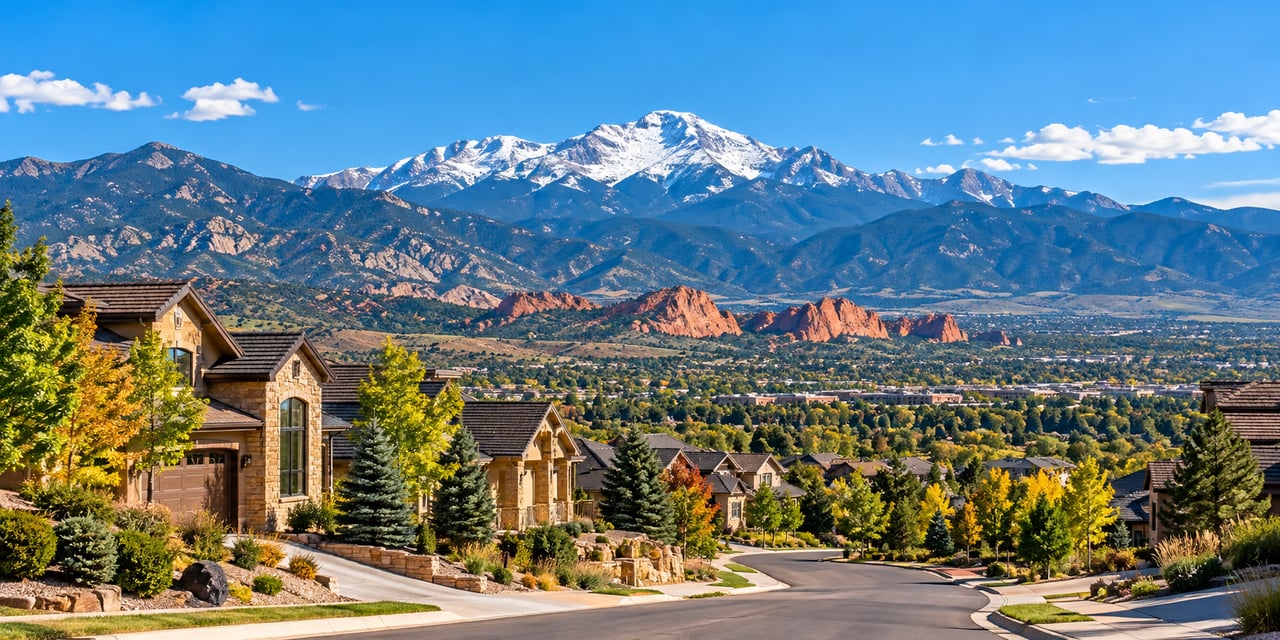
Moving to Colorado Springs
Moving to Colorado Springs
Hiking
The Manitou Incline

Southern Colorado Activities
Live Music, Pumpkin Patches, Family Activities & Fall Fun in Colorado Springs, Pueblo & Pueblo West
Serving communities from Colorado Springs through Pueblo and Denver, west into the mountains or east to the plains, our team is here to help with all your real estate needs across Colorado’s Front Range.