
Selling a House in Colorado Springs: Complete Seller's Guide
Selling a House in Colorado Springs : 2026 Seller's Guide Scott Coddington September 16, 2026
Selling a House in Colorado Springs : 2026 Seller's Guide Scott Coddington September 16, 2026
Selling a home involves a lot more than putting a sign in the yard, taking a few pictures, and waiting for an offer.
I'm Scott Coddington, Broker/Owner of Pulse Real Estate Group. I'm a Colorado Springs native, third-generation real estate professional, and I've been licensed in Colorado real estate since 1997.
Over the years, I've helped homeowners sell properties throughout Colorado Springs and surrounding communities in very different markets. One thing I've learned is that every home—and every seller's situation—is different.
The right strategy for a home in Briargate may not be the right strategy for acreage in Black Forest. A newer home near Powers may compete differently than a historic Westside property. And a seller who needs to relocate quickly may have completely different priorities from someone who has six months to prepare.
This guide walks through the major decisions Colorado Springs homeowners should consider before putting their property on the market.
The answer depends considerably more on your individual situation and property than on a national housing headline.
As of August 2026, Colorado Springs had more homes available to buyers than a year earlier, while homes were generally taking longer to sell. Realtor.com reported approximately 5,100 active listings, up about 9.7% year over year, with a median 50 days on market. It characterized the overall city market as balanced.
That doesn't mean every Colorado Springs neighborhood or price range behaves the same way.
For example, recent data show meaningful differences in selling conditions among individual ZIP codes and neighborhoods. That's why I would rather analyze the competition surrounding your particular house than make a recommendation based solely on a citywide statistic.
For sellers, the practical takeaway is straightforward:
Today's buyers generally have more choices, which makes pricing, condition, presentation, and marketing increasingly important.
For most homeowners, this is the first question.
Online home-value estimates can be a useful starting point, but they can't physically walk through your property or fully understand what differentiates it from the house down the street.
When determining a potential listing price, I look at several things together:
The goal isn't simply to come up with the highest number possible.
It's to determine a pricing strategy that gives you the strongest opportunity to accomplish your objectives.
This is one of the most common conversations I have with sellers.
It can be tempting to start high because you can always reduce the price later.
The problem is that buyers aren't evaluating your house in isolation. They're comparing it with everything else available in the same general price range.
If buyers consistently perceive competing homes as offering better value, your home may accumulate days on market without generating an offer.
That can eventually lead to price reductions.
Recent Colorado Springs data illustrate why initial pricing matters. In August 2026, approximately 35% of active listings had experienced a price reduction.
I would much rather establish a price based on the property, competition, and seller's objectives than automatically build in an arbitrary amount for negotiation.
Not every improvement produces a worthwhile return.
Before spending thousands of dollars preparing a property, I recommend looking at the house through a buyer's eyes.
Some issues can have an outsized impact on first impressions:
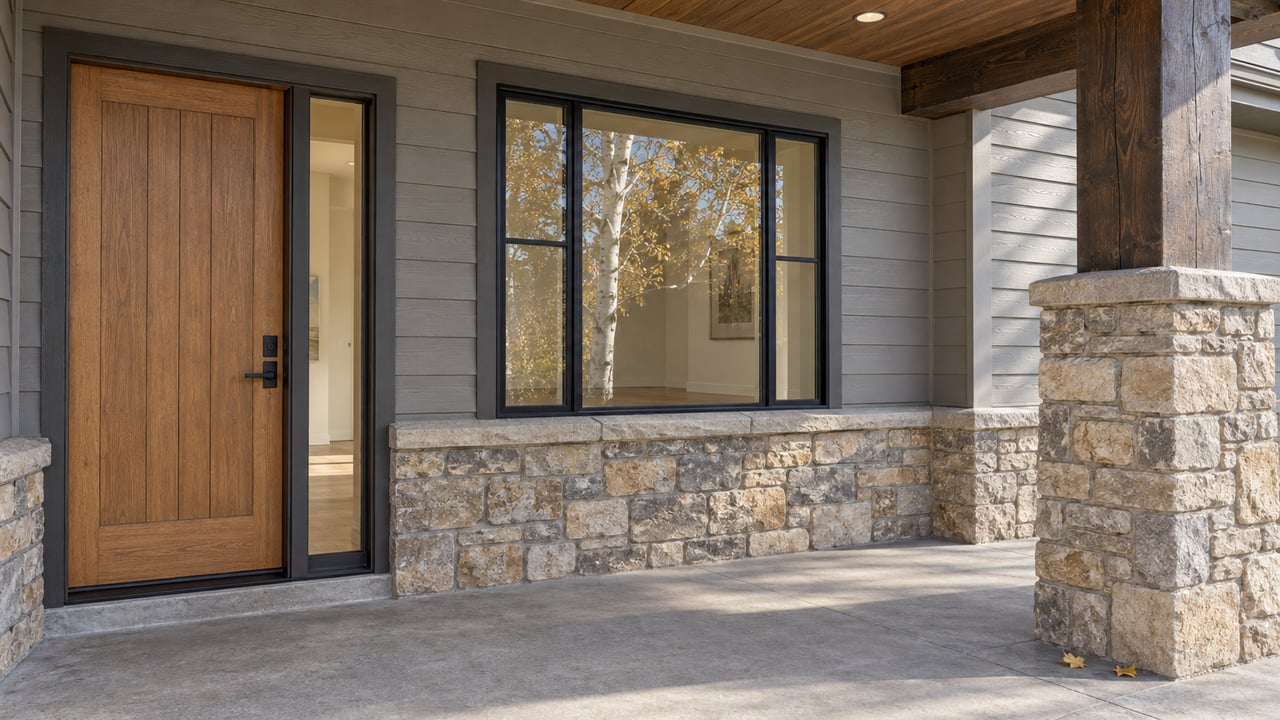
Exterior appearance: peeling paint, overgrown landscaping, damaged trim, dirty siding, or a neglected front entrance can affect a buyer's impression before they ever walk inside.
Interior condition: damaged drywall, worn flooring, obvious maintenance issues, and heavily personalized rooms can distract buyers from the home itself.
Cleanliness: a clean house frequently provides a better return than an expensive improvement.
Lighting: replacing burned-out bulbs, opening blinds, cleaning windows, and making rooms feel bright can make a noticeable difference.
Clutter: buyers need to be able to understand the room, not your belongings.
Sometimes a seller should make repairs. Sometimes we should price the property appropriately and sell it in its current condition.
The key is deciding before spending the money whether an improvement is likely to help the sale.
Usually, I wouldn't recommend undertaking a major remodel solely because you're planning to sell.
There are exceptions, but sellers should be careful about spending $30,000 to solve a problem that may only change the eventual sales price by $15,000.
Instead, I generally look for improvements that make the property:
Cleaner. Brighter. Better maintained. Easier for a buyer to understand.
Paint, minor repairs, cleaning, landscaping, decluttering, and addressing obvious deferred maintenance can sometimes accomplish more than a major renovation.
Every property is different, though. Before undertaking a large project, it's worth comparing the estimated cost against the likely effect on marketability and value.
Once we've determined which repairs or improvements make sense, the next step is preparing the property for the market.
This doesn't mean the house needs to look like nobody lives there.
It means we're trying to remove distractions and make it easy for potential buyers to imagine themselves living there.
That may include decluttering, removing excess furniture, organizing countertops, cleaning carpets, touching up paint, improving landscaping, cleaning windows, replacing burned-out bulbs, and simplifying heavily personalized spaces.
The objective is to make the home feel clean, bright, spacious, and well maintained.
Most buyers will see your house online before they ever see it in person.
That means the first showing doesn't happen when someone walks through the front door.
It happens on their phone.
Photography should accurately represent the property while presenting it at its best.
Depending on the property, our marketing may include professional photography, aerial/drone imagery when appropriate, floor plans, video, virtual-tour technology, property websites, social media, and additional digital marketing.
The exact marketing package should fit the property rather than applying the same formula to every listing.
When buyers scroll through dozens of homes online, you may only have a few seconds to capture their attention.
That's why I spend time thinking about which photograph should be the primary listing image.
Sometimes it's the exterior.
For another property, the mountain view, kitchen, acreage, architecture, or another distinctive feature may tell the home's story better.
The objective is to give the buyer a reason to stop scrolling and look at the rest of the property.
Putting a property into the MLS is important, but it's only one part of a marketing strategy.
A strong listing should clearly communicate:
What makes this property different from the alternatives?
That might be location, condition, lot size, views, upgrades, a finished basement, garage space, outdoor living, proximity to recreation, acreage, a workshop, or something less obvious.
Our job is to identify those advantages and communicate them effectively.
At Pulse Real Estate Group, we use a combination of MLS exposure, professional presentation, digital marketing, property-specific content, online distribution, social media, and other tools depending on the property and seller's goals.
The first several weeks after a property hits the market can provide valuable information.
We're watching:
How many buyers are viewing the property online?
How many are scheduling showings?
What feedback are they providing?
Are buyers returning for second showings?
How does activity compare with competing homes?
Are comparable homes going under contract while ours remains available?
If buyers aren't scheduling showings, we may have a price, positioning, or marketing issue.
If buyers are scheduling showings but consistently choosing other homes, we need to understand why.
Rather than guessing, I prefer to use the market's response to help guide our decisions.
Purchase price is important, but it isn't the only number that matters.
An offer can include many different terms:
Purchase price, financing, earnest money, down payment, inspection provisions, appraisal provisions, seller concessions, closing date, possession, inclusions and exclusions, home-sale contingencies, and other conditions.
This is why I don't believe sellers should automatically accept the offer with the largest number at the top.
We need to understand the entire offer.
A slightly lower offer with stronger financing, fewer contingencies, or terms that work particularly well for your situation may deserve serious consideration alongside a higher offer with substantially different terms.
Seller concessions generally involve the seller agreeing to contribute toward certain buyer expenses permitted by the contract, lender, and loan program.
Depending on the transaction, concessions may potentially be applied toward eligible closing costs, prepaid expenses, lender costs, or mortgage-rate buydowns.
In some markets, concessions can become an important negotiating tool.
For example, a buyer may care more about reducing the cash needed at closing or obtaining a lower mortgage payment than negotiating another few thousand dollars off the purchase price.
From the seller's perspective, the important question is:
What is my expected net proceeds after considering the entire offer?
That's the number I want sellers comparing.
Once a property is under contract, the buyer typically has an opportunity to perform inspections according to the terms of the contract.
Inspections can uncover issues the seller already knows about as well as issues nobody anticipated.
The buyer may request repairs, financial concessions, price adjustments, or other resolutions.
Not every inspection item requires the same response.
We need to evaluate the issue, cost, contract, market conditions, alternatives, and the potential consequences of allowing the transaction to terminate.
The goal isn't automatically to say yes or no.
It's to understand the problem and negotiate from an informed position.
When a buyer is financing the purchase, the lender will commonly require an appraisal.
The appraiser develops an opinion of value for the property, and the appraisal can affect the buyer's financing.
This is another reason pricing and comparable sales matter.
If an appraisal issue occurs, the available options depend on the contract and circumstances. We may need to evaluate comparable sales, appraisal provisions, financing, renegotiation possibilities, or other contractual options.
Colorado sellers may have disclosure obligations regarding known conditions affecting the property.
The Colorado Division of Real Estate's residential Seller's Property Disclosure form, for example, addresses numerous property conditions, including matters involving structural components, water, sewer/septic systems, environmental conditions, and known radon testing or mitigation.
My general advice to sellers is simple:
Don't try to hide a known problem.
If you're unsure whether something should be disclosed, that's a conversation worth having before the property goes on the market.
Depending on the circumstances, legal advice may also be appropriate.
Seller expenses vary from transaction to transaction.
Potential expenses can include brokerage compensation, title-related charges, taxes or prorations, mortgage payoff amounts, HOA-related charges, agreed seller concessions, repairs, inspection resolutions, and other transaction-specific costs.
That's why I like to prepare an estimated seller net sheet.
Rather than focusing exclusively on the sales price, the net sheet estimates what you may actually receive after anticipated expenses and mortgage payoff.
For most sellers, that's ultimately the number that matters.
This depends on your financial situation, financing, risk tolerance, and available housing.
Some homeowners need proceeds from their current house to purchase the next one.
Others can purchase first and sell afterward.
There are also transactions where the timing of the sale and purchase can be coordinated through contract terms.
Before listing, I want to understand:
Where are you going next?
A successful sale isn't particularly helpful if we haven't planned what happens after closing.
A home sitting on the market isn't automatically a disaster.
But we shouldn't ignore what the market is telling us.
If a property isn't selling, I want to review four major areas:
Price. Condition. Presentation. Exposure.
Then we'll compare our listing with homes buyers are actually choosing.
Have competing properties reduced their prices? Have new listings changed the competition? Are buyers objecting to something about the condition? Are we getting showings but no offers? Has financing changed?
The answer shouldn't automatically be "reduce the price."
But price certainly needs to be part of the analysis.
It varies considerably by property, neighborhood, price range, condition, and market conditions. Citywide Realtor.com data showed a median of approximately 50 days on market in August 2026, but individual ZIP codes varied substantially.
Remember that days on market isn't necessarily the same as the total time between listing and closing.
Not necessarily.
Some properties benefit significantly from professional staging. Others simply need decluttering, furniture rearrangement, cleaning, and a few presentation improvements.
I prefer to evaluate the individual property before recommending that a seller spend money on staging.
Sometimes—but not automatically.
We need to compare replacement cost against the potential effect on buyer perception and value.
If walls are heavily worn, damaged, or painted in colors that make the property harder to present, painting can be worthwhile.
Neutral, clean, bright spaces generally photograph well and allow buyers to focus on the house.
Potentially.
Depending on current financing conditions, a buyer may find a seller concession toward eligible financing costs more valuable than an equivalent reduction in purchase price.
We should evaluate the numbers and the individual offer rather than assuming one strategy works for everyone.
Potentially, yes.
The important question is how the condition affects price, financing, buyer demand, disclosure obligations, and your expected net proceeds.
Sometimes making repairs before listing makes sense. Other times selling in the property's current condition may better fit the seller's goals.
Generally, I recommend giving buyers and their agent space to view the property without the seller present.
We can establish showing instructions and restrictions that work with your circumstances.
I would ask prospective agents about their experience, pricing process, marketing strategy, communication, photography, showing management, negotiation approach, knowledge of your area, and what happens if the property doesn't sell immediately.
Don't base the decision solely on which agent suggests the highest listing price.
Ask them to explain why they believe the property should be priced where they're recommending.
Selling a house is both a financial transaction and, frequently, a major life transition.
Before putting a sign in the yard, I want to understand why you're selling, where you're going, your timeline, and what a successful transaction looks like for you.
From there, we can evaluate the property, review comparable sales and current competition, discuss repairs and preparation, establish a pricing strategy, estimate your proceeds, and develop a marketing plan.
I've been licensed in Colorado real estate since 1997. I'm a Colorado Springs native, third-generation real estate professional, and Broker/Owner of Pulse Real Estate Group.
Whether you're selling in Colorado Springs, Monument, Black Forest, Falcon, Fountain, Woodland Park, Pueblo West, or another community we serve, my goal is to give you the information you need to make informed decisions throughout the transaction.
Scott Coddington
Broker/Owner | Pulse Real Estate Group
719-399-0000
Thinking about selling? The first step doesn't have to be putting your home on the market. We can start by determining what your property may be worth, what I would recommend doing before listing, and approximately what you could expect to net from the sale.
Stay up to date on the latest real estate trends.

Fall Home Maintenance

Southern Colorado Activities
Halloween Events, Fall Festivals, Family Activities & Things to Do in Colorado Springs, Pueblo & Pueblo West



Pumpkin patches and fall festivals

Moving to Colorado Springs
Moving to Colorado Springs

Hiking
The Manitou Incline

Southern Colorado Activities
Live Music, Pumpkin Patches, Family Activities & Fall Fun in Colorado Springs, Pueblo & Pueblo West
Serving communities from Colorado Springs through Pueblo and Denver, west into the mountains or east to the plains, our team is here to help with all your real estate needs across Colorado’s Front Range.