
Colorado Springs Neighborhoods: A Guide to Choosing the Right Area
Colorado Springs Neighborhoods Scott Coddington September 16, 2026
One of the first questions I hear from people considering a move to Colorado Springs is:
“What part of town should I live in?”
It's a simple question, but there isn't one simple answer.
I'm Scott Coddington, Broker/Owner of Pulse Real Estate Group. I'm a Colorado Springs native, third-generation real estate professional, and I've worked in Colorado real estate since 1997.
One of the advantages of growing up here and working throughout the Pikes Peak region is seeing how dramatically Colorado Springs and the surrounding communities have changed.
Areas that were once on the outskirts of town are now established neighborhoods. New construction continues to expand north and east. At the same time, buyers can still find historic homes near downtown, mountain communities to the west, wooded acreage in Black Forest, larger properties east toward Falcon, and communities such as Pueblo West where buyers may find more land and space.
The right location depends on you.
Your budget, commute, preferred style of home, lot size, age of the property, access to recreation and shopping, HOA preferences, and many other factors can influence where you ultimately decide to live.
Rather than telling you which Colorado Springs neighborhood is "best," this guide is designed to help you understand some of the major areas so you can decide which ones deserve a closer look.
Before choosing a neighborhood, I recommend starting with the things that will actually affect your day-to-day life.
How much are you comfortable spending? Where will you work? How much driving are you comfortable doing? Do you prefer newer construction or an established neighborhood? Do you want a smaller low-maintenance lot or several acres? Are you comfortable with an HOA or metropolitan district? Is proximity to trails, restaurants, shopping, military installations, or the mountains important?
Two homes with similar prices and square footage can provide very different lifestyles depending on where they're located.
That's why location should be part of the conversation from the beginning.
Briargate is one of the largest residential areas in northern Colorado Springs and includes numerous individual neighborhoods and communities.
Buyers will find homes built across several decades, so there can be considerable variation in architecture, lot size, amenities, and price.
Briargate provides convenient access to shopping, restaurants, parks, healthcare, and major roads. Communities in and around the broader Briargate area include Pine Creek, Cordera, Wolf Ranch, Gatehouse, Fairfax, and Wagon Trails, among others.
For someone relocating to Colorado Springs, it's worth looking beyond the name "Briargate" and comparing the individual communities within it.
Continue north and you'll reach the Northgate and InterQuest portions of Colorado Springs near the United States Air Force Academy.
This area provides convenient access to I-25 and can be worth considering for people who frequently travel toward Monument, Castle Rock, or Denver.
Housing ranges from apartments and townhomes to established neighborhoods, newer construction, and luxury properties.
Flying Horse is one of the more recognizable communities in northern Colorado Springs and offers a very different housing experience from older neighborhoods closer to the center of the city.
For buyers working at the Air Force Academy or regularly traveling north, this portion of Colorado Springs can be particularly convenient.
North of Colorado Springs you'll find Monument and the Tri-Lakes area, including Woodmoor and Palmer Lake.
These communities provide relatively convenient access to I-25 while offering a setting that feels distinctly different from central Colorado Springs.
Buyers can find established neighborhoods, newer construction, larger lots, wooded properties, and a variety of housing styles.
For someone who needs access to both Colorado Springs and the Denver metro area, Monument often becomes part of the conversation.
Elevation is another consideration. Weather and snowfall can differ as you move north and gain elevation.
When evaluating homes here, consider the actual commute, property characteristics, HOA or community requirements, utilities, and winter driving rather than simply looking at mileage on a map.
Black Forest provides one of the most dramatic contrasts to suburban Colorado Springs.
Instead of closely spaced homes and neighborhood streets, buyers can find wooded properties, larger lots, acreage, custom homes, and rural characteristics.
If you've pictured moving to Colorado and owning several acres surrounded by trees, Black Forest is certainly an area worth exploring.
But acreage ownership also introduces additional considerations.
Depending on the property, you'll want to understand wells, septic systems, propane, roads, zoning, easements, outbuildings, wildfire mitigation, insurance, and other factors that aren't typically encountered when purchasing a suburban home.
The individual property matters tremendously when buying in Black Forest.
The Powers Corridor encompasses a large portion of eastern Colorado Springs and has experienced tremendous residential and commercial growth.
Buyers have convenient access to shopping, restaurants, entertainment, healthcare, and numerous residential communities.
Housing includes established neighborhoods as well as newer development, townhomes, and single-family properties.
For people working at Peterson Space Force Base or regularly traveling along the eastern side of Colorado Springs, the Powers area can also offer convenient access.
Within and around the broader Powers area are numerous communities, including Springs Ranch and Stetson Hills.
Much of this area developed as Colorado Springs expanded eastward.
You'll find single-family homes, townhomes, parks, shopping, and relatively convenient access to major roads.
Even communities located fairly close together can have noticeable differences in home age, lot size, HOA structure, amenities, and pricing, so I recommend evaluating them individually rather than treating the entire east side as one neighborhood.
Continue east and you'll encounter some of Colorado Springs' newer development.
Banning Lewis Ranch is one of the most recognizable communities in this portion of the city, and residential development continues throughout eastern Colorado Springs.
Newer communities can offer modern floor plans, community amenities, parks, trails, and newer major systems.
However, when comparing newer construction, buyers should look beyond the advertised home price.
Property taxes, metropolitan district costs, HOA dues, lot premiums, landscaping, upgrades, builder incentives, and what's actually included in the home can materially affect the overall cost.
Falcon is east of Colorado Springs and offers an interesting combination of suburban development and rural living.
Depending on where you look, you can find newer planned communities, established properties, larger lots, horse properties, and significant acreage.
For buyers who want more space while maintaining access to Colorado Springs, Falcon can be an area worth exploring.
It can also be convenient for people working on the eastern side of the metro area, including Peterson and Schriever Space Force Base.
As you move farther east, understanding utilities, water, septic systems, roads, zoning, and commute times becomes increasingly important.
Downtown provides a completely different lifestyle from the newer communities on the edges of town.
You'll find established streets, older housing stock, restaurants, businesses, entertainment, and proximity to Colorado College and the city center.
If you appreciate older architecture and established neighborhoods, there are several areas surrounding downtown worth exploring.
However, an older home should be evaluated differently from a newly constructed property.
Sewer lines, electrical systems, plumbing, foundations, roofs, windows, previous additions, renovations, and deferred maintenance can all become important parts of the inspection and due-diligence process.
Immediately north of downtown are some of Colorado Springs' historic residential neighborhoods.
The Old North End and Patty Jewett areas contain homes built throughout different periods of Colorado Springs' history, including Victorian properties, Craftsman-style homes, bungalows, and other distinctive architecture.
Mature trees and established streets contribute to a very different feel from newer development on the eastern side of the city.
For buyers who value character, architecture, and proximity to central Colorado Springs, these neighborhoods can be worth exploring.
With older homes, however, understanding the condition and previous improvements to the property remains particularly important.
The west side of Colorado Springs provides proximity to the foothills, Garden of the Gods, Manitou Springs, and Highway 24.
Old Colorado City is one of the area's most recognizable districts, with historic buildings, locally owned businesses, shops, and restaurants centered around Colorado Avenue.
Residential properties throughout the west side range from smaller historic homes to remodeled properties and homes extending farther toward the foothills.
For someone who values quick access to hiking, biking, mountain recreation, and the character of an established neighborhood, the west side deserves consideration.
Northwest Colorado Springs includes communities such as Rockrimmon and neighborhoods approaching the foothills.
Here you'll find established homes, mature landscaping, varied terrain, and convenient access to I-25.
Some properties have mountain or city views, while others back to hillsides, open spaces, or more rugged terrain.
Topography can matter more here than in flatter portions of eastern Colorado Springs. Drainage, driveway slope, retaining walls, wildfire considerations, and lot characteristics may deserve additional attention when evaluating individual properties.
Southwest Colorado Springs provides another distinctly different housing environment.
Depending on location and budget, buyers can encounter established neighborhoods, townhomes, luxury properties, larger lots, foothill settings, and homes near open spaces.
The Broadmoor is probably the most recognizable name associated with southwest Colorado Springs, but the broader southwest portion of the city includes many individual communities and price points.
This part of town can provide relatively convenient access to downtown, Fort Carson, Highway 115, and mountain recreation.
South of Colorado Springs are Fountain and Security-Widefield.
These areas are particularly relevant for people stationed at or working at Fort Carson, although proximity to the installation certainly isn't the only reason buyers consider them.
Housing ranges from older established neighborhoods to newer development.
For military buyers, I like to consider the home, commute, financing, expected length of ownership, and potential future resale or rental considerations together.
Sometimes being a few minutes closer to work matters tremendously. For another buyer, getting a particular house, lot, or neighborhood may be worth a longer commute.
Immediately west of Colorado Springs is Manitou Springs.
Manitou has its own identity, historic character, hillside properties, restaurants, shops, tourism, and immediate access to the foothills.
Homes here can be dramatically different from traditional suburban Colorado Springs properties.
Lot configuration, parking, slopes, access, age, foundations, drainage, and property condition can all become important considerations.
For someone looking for something less conventional than a newer suburban neighborhood, Manitou Springs can offer an entirely different option.
Continue west into the mountains and you'll reach communities such as Woodland Park and Divide.
Woodland Park sits at a considerably higher elevation than Colorado Springs and offers a true mountain environment while remaining within commuting distance for some buyers.
You'll find everything from properties within established neighborhoods to cabins, mountain homes, wooded lots, and acreage.
Mountain living brings additional considerations, including snowfall, road conditions, wildfire exposure, homeowners insurance, wells and septic systems on some properties, and longer commute times.
For the right buyer, however, that mountain environment may be exactly what brought them to Colorado in the first place.
For buyers willing to expand their search south of Colorado Springs, Pueblo West offers another distinctly different housing option.
Pueblo West is a large, spread-out community northwest of Pueblo where buyers can often find larger lots and more room between homes than in many traditional Colorado Springs subdivisions.
Properties range from established homes to newer construction, and lot sizes can vary considerably.
For buyers whose priorities include more land, room for an RV or recreational equipment, larger garages, workshops, or simply more space around the house, Pueblo West may be worth comparing with areas such as Falcon and eastern El Paso County.
There are trade-offs.
If you work in Colorado Springs, commute time becomes an important consideration. Individual properties can also have different utility, water, and septic arrangements that should be investigated as part of the buying process.
But for someone whose priorities are less about being in the middle of Colorado Springs and more about how much house and land they can purchase for their budget, expanding the search into Pueblo West can open another set of possibilities.
For buyers willing to expand their search farther south and west, communities such as Cañon City, Florence, and Penrose can provide another set of options.
Depending on the location, buyers may find established homes, larger properties, acreage, mountain views, and a more rural environment.
These communities won't make sense for someone who needs a short daily commute into central Colorado Springs, but they can be worth exploring for buyers whose work or lifestyle provides greater geographic flexibility.
As with other rural properties, utilities, wells, septic systems, zoning, access, outbuildings, and property-specific characteristics deserve additional investigation.
This is an increasingly important question for buyers who start their search looking at traditional Colorado Springs neighborhoods and realize they'd prefer more room.
If acreage is a priority, your search may expand toward Black Forest, Falcon, eastern El Paso County, Pueblo West, Penrose, Divide, Woodland Park, and other surrounding communities.
But comparing acreage properties based only on price per square foot can be misleading.
A five-acre property with a productive well, good access, usable land, appropriate zoning, a functional septic system, and quality outbuildings may present a very different value proposition from another five-acre property that appears similar online.
When buying land or acreage, we need to evaluate the entire property, not just the house.
Another major decision is whether you prefer a newer community or an established neighborhood.
New construction can provide contemporary floor plans, newer systems, energy-efficient features, warranties, and community amenities.
Builders may also offer financing incentives, closing-cost assistance, or mortgage-rate buydowns.
Established neighborhoods may offer mature landscaping, larger lots in some areas, distinctive architecture, established streets, and locations closer to central Colorado Springs.
Neither is automatically better.
It's about understanding the trade-offs.
When comparing new construction with resale homes, I recommend looking at the complete financial picture—including purchase price, incentives, property taxes, metro district costs, HOA dues, landscaping, upgrades, maintenance, and potential future resale.
This is where online lists of the "best Colorado Springs neighborhoods" often miss the point.
There isn't one neighborhood I would recommend to every buyer.
Someone looking for a newer home with community amenities may be evaluating completely different areas from someone who wants five wooded acres.
A buyer commuting to Fort Carson may prioritize location differently from someone working at the Air Force Academy or Peterson Space Force Base.
Someone who wants to walk to restaurants may look around downtown, Old Colorado City, or Manitou Springs, while another buyer may prioritize a larger home, newer construction, a workshop, or additional acreage.
The objective isn't to find the neighborhood somebody else says is best. It's to identify the areas that best match what you're looking for.
Some of the areas buyers frequently consider include Briargate, Northgate, Powers, Banning Lewis Ranch, the Westside, Downtown, Rockrimmon, southwest Colorado Springs, Black Forest, Falcon, Monument/Tri-Lakes, Fountain, and Security-Widefield.
If you're willing to broaden your search beyond Colorado Springs itself, Woodland Park, Divide, Manitou Springs, Pueblo West, Cañon City, Florence, and Penrose can provide additional options.
Much of the newer residential development in the Colorado Springs area has occurred toward the north and east.
Areas around Banning Lewis Ranch, Wolf Ranch, Cordera, Northgate, Falcon, and other growing communities may offer newer construction.
Available inventory and builder incentives change frequently, so it's important to compare what's actually available when you're ready to buy.
Black Forest, Falcon, eastern El Paso County, Pueblo West, Penrose, Divide, Woodland Park, and other surrounding communities can provide opportunities for larger lots and acreage.
Acreage purchases usually require additional due diligence involving water, septic systems, zoning, roads, outbuildings, easements, and financing.
For some buyers, absolutely.
Pueblo West is farther south, so commute requirements need to be considered. But buyers who prioritize larger lots, additional space, workshops, garages, recreational vehicles, or simply getting more property for their housing budget may find it worthwhile to compare Pueblo West with communities closer to Colorado Springs.
Fountain, Security-Widefield, and southern Colorado Springs provide relatively direct access to Fort Carson, but they're certainly not your only options.
Your acceptable commute, budget, desired property, PCS timeline, financing, and future plans should all be considered before narrowing your search.
Many buyers working at Peterson or Schriever explore eastern Colorado Springs, Powers-area communities, Falcon, and surrounding areas.
Rather than choosing solely based on distance, I recommend testing the actual commute during the hours you'll normally travel.
Northgate and northern Colorado Springs provide convenient access to the United States Air Force Academy.
Monument and other communities farther north may also be worth exploring depending on your housing needs and commute.
No. Monument is its own town north of Colorado Springs, but it's part of the broader Pikes Peak region and is frequently included in home searches for people relocating to the Colorado Springs area.
Falcon is an unincorporated community east of Colorado Springs rather than a neighborhood within the City of Colorado Springs.
However, it's commonly included when buyers search the broader Colorado Springs real estate market.
Neither is automatically better.
Newer neighborhoods may provide contemporary floor plans, energy-efficient features, community amenities, and newer major systems. They may also include HOAs, metro districts, smaller lots, or additional expenses that need to be understood.
Older neighborhoods may provide mature landscaping, established streets, larger lots in some locations, distinctive architecture, and locations closer to the center of town. The home's systems, maintenance, and previous improvements deserve careful evaluation.
The right choice depends on your priorities.
Absolutely—and for someone relocating here, I encourage it.
We can start with your budget, commute, property preferences, and priorities and identify several areas worth exploring.
Seeing those areas in person often makes the differences much clearer than looking at listings online.
Choosing a neighborhood is one of the most important parts of buying a home, particularly when you're moving to an area you don't already know.
I've been licensed in Colorado real estate since 1997. I'm a Colorado Springs native, third-generation real estate professional, and Broker/Owner of Pulse Real Estate Group.
I've worked with buyers and sellers throughout Colorado Springs and many of the surrounding communities, including Monument, Black Forest, Falcon, Fountain, Woodland Park, Pueblo West, Cañon City, Florence, Penrose, and other parts of the Pikes Peak and Southern Colorado region.
My goal isn't to tell you where you should live.
It's to help you understand the differences between the areas, evaluate the properties and numbers, and give you the local information you need to decide which location makes the most sense for you.
Scott Coddington
Broker/Owner | Pulse Real Estate Group
Colorado Springs, Colorado
719-399-0000
Whether you're looking for a downtown bungalow, a newer Colorado Springs home, a property near one of our military installations, a mountain home, or several acres outside the city, we'll help you compare your options and find the area that fits what you're looking for.
Stay up to date on the latest real estate trends.
Homeownership
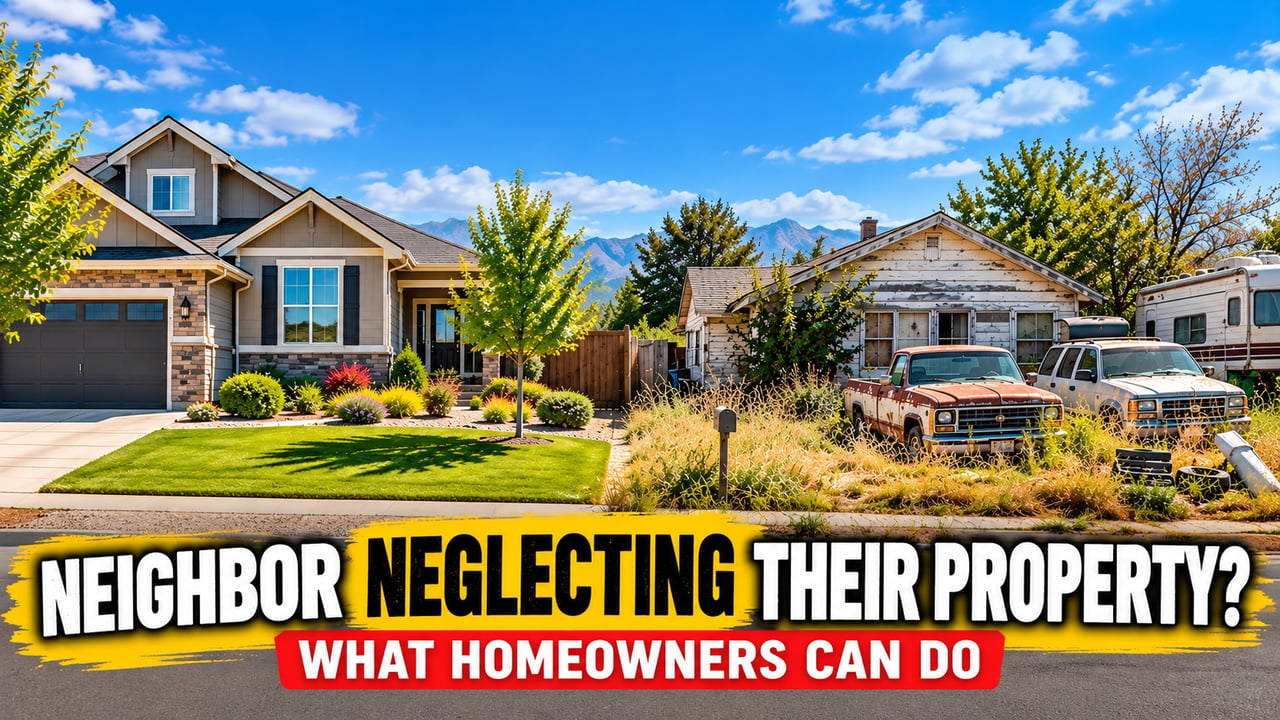
From talking with your neighbor to HOAs, covenants, and Code Enforcement, learn how to address a neglected property next door—and what it could mean when buying or sel… Read more

Fall Foliage
Best Colorado Springs Neighborhoods for Fall Colors
Homeownership
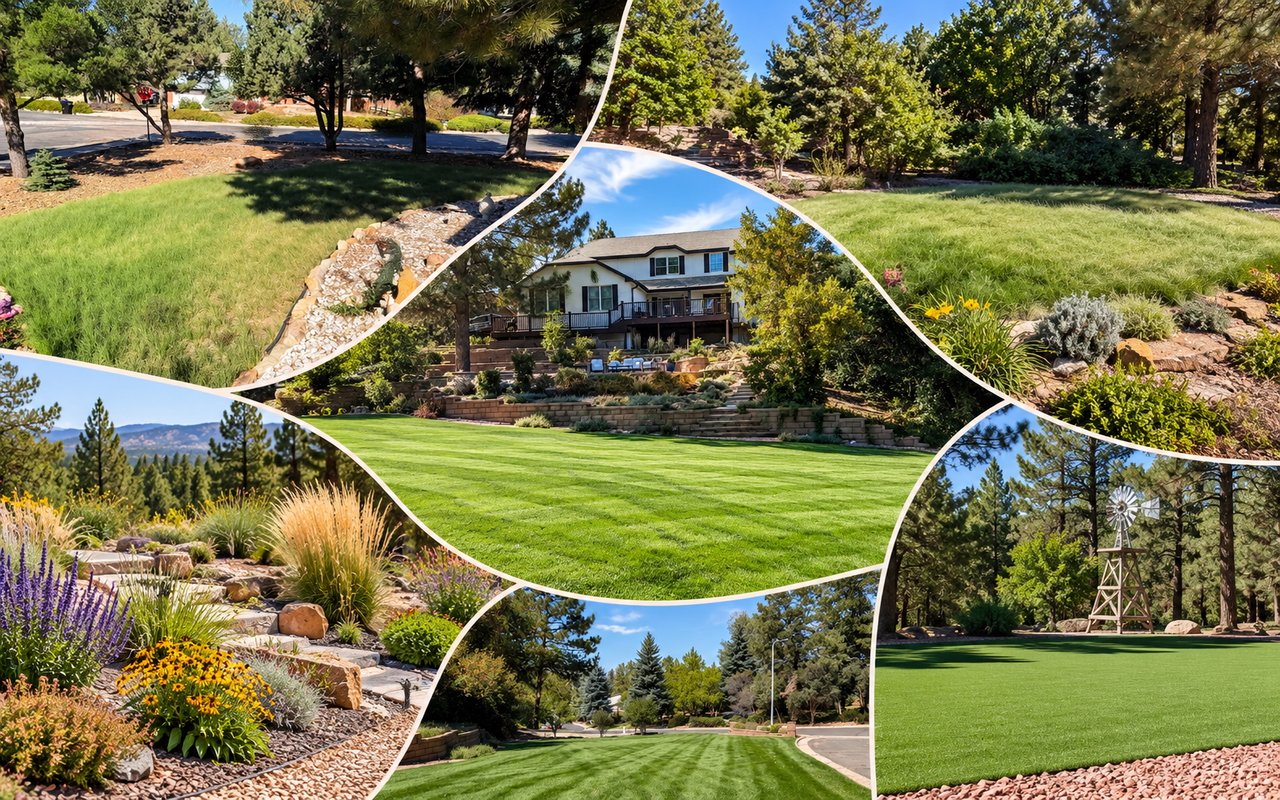
A Colorado Springs homeowner’s guide to choosing the right landscaping for your lifestyle, water use, maintenance, curb appeal, and future resale.

Buying a Home | Colorado Real Estate
Found a foreclosure on Zillow or Auction.com? Before you bid, understand how Colorado foreclosure auctions work, why you may not be able to inspect the home, and the f… Read more

2026 Relocation Guide
Everything You Need to Know About Housing, Cost of Living, Neighborhoods, Traffic, Taxes, and Life in Colorado Springs

2026 Relocation Guide
Everything You Need to Know About Housing, Cost of Living, Neighborhoods, Weather, Taxes, and Life in Colorado Springs

2026 Relocation Guide
What You Need to Know Before You Move

Southern Colorado Activities
Fall Festivals, Pumpkin Patches, Live Music, Sports & Family Events in Colorado Springs, Pueblo & Pueblo West

Haunted Houses
Haunted Houses in Colorado Springs
Serving communities from Colorado Springs through Pueblo and Denver, west into the mountains or east to the plains, our team is here to help with all your real estate needs across Colorado’s Front Range.
Pulse Real Estate Group
2316 N Wahsatch Ste 237
Colorado Springs CO 80907