Lake Pueblo's Busiest Month Isn't Its Best One
September 17, 2026
September 17, 2026
Memorial Day weekend at the North Shore Marina looks like a boat show. Trailers stack three rows deep in the gravel lot, jet skis circle the swim beach, and walleye boats jockey for a launch slot before 7 a.m. By the second week of September, that same lot has maybe a dozen trucks in it, and half of them belong to people who drove five minutes from home instead of an hour from Colorado Springs or Denver.
Ask around Pueblo West and most people will tell you the lake peaks in early summer. In raw numbers, they're not wrong. May through mid-July is when boats routinely bring in 20 to 40 walleye in a single outing, and that run is what gets talked about at the boat ramp all winter. But a big number from a crowded lake isn't the same thing as good fishing, and the six or seven weeks after Labor Day are when Lake Pueblo actually gets easier to read. The heat breaks, the boat traffic thins out, and three species that have been overlapping all summer split off into distinct, predictable patterns. That's the part the summer hype skips.
If you've fished through August and wondered why the bite went quiet, it isn't in your head. The lake's own seasonal pattern runs hot-fast-slow-good: strong in spring, peaking through early summer, then flattening out hard in August once surface temperatures climb and fish pull off structure into deeper, more sluggish holding water. September and October are where that resets, not because the lake gets restocked or the pressure changes, but because falling water temperatures push baitfish out of open water and into coves and creek arms, and everything that eats baitfish follows them in.
That's the mechanism worth knowing if you live here: the fall bite isn't a smaller version of the summer bite. It's a different lake.
What makes fall distinct at Lake Pueblo is that walleye, smallmouth bass, and wiper (hybrid striped bass) stop behaving the same way at the same time, which is what happens during the crowded summer stretch. In fall they split into three separate, almost non-overlapping patterns:
| Species | Fall pattern | Where to find them |
|---|---|---|
| Walleye | Slide off summer haunts onto structure, feed heaviest in low light | Long points, flats along river and creek channels, offshore drop-offs |
| Smallmouth bass | Follow baitfish schools into shallower cover | Coves and bays, 6 to 18 feet deep, tight to rock and boulder |
| Wiper | Push back into the shallows and upper end of the lake | Surface-feeding on shad at first light, especially near inflow |
The walleye pattern is the one most people already half-know: jigs, swimbaits, spoons, crankbaits and spinnerbaits worked slow through structure. What's less obvious is that later in fall, as the water keeps cooling, those same fish slide out slightly deeper again, and the better presentation shifts to dragging jigs, bottom bouncers, or a worm harness tipped with a nightcrawler or leech along ledge drop-offs. It's a moving target across a six-week window, not a single fall pattern.
The smallmouth bite is the one locals tend to undersell. Lake Pueblo is strewn with rock and boulder structure that makes it a genuine smallmouth fishery, good enough that it draws bass tournaments on its own merit, separate from the walleye reputation. In fall, those fish stack into the same coves and bays where the baitfish are hiding, which means an angler who's only ever chased walleye in open water is missing an entirely different, arguably easier bite happening a few hundred yards away.
Wiper are the wild card. They run in big schools and chase shad hard, and in fall they move back toward the upper end of the lake and into any inflowing water, chasing bait to the surface early in the day. When they're up and feeding, it's genuine topwater action, the kind of visible, fast bite that doesn't require electronics or precision, just being on the water at first light instead of mid-morning.
The legal limit for walleye stays the same across all of this: five fish per angler, 18 inches or larger. What changes isn't the rule, it's how much effort it takes to hit that limit. A summer trip might average 20 to 40 fish boated to find five keepers among the crowd. A fall trip covering the same water with a fraction of the boat traffic can get there faster, because the fish aren't scattered by three other boats trolling the same point.
This is the part that gets flattened in most write-ups of the lake: Lake Pueblo State Park has two separate access points, and they don't lead to the same water.
The South Shore Marina sits inside the park's main entrance, reached by taking Highway 50 to Pueblo Boulevard, then south to Thatcher Boulevard, which becomes Highway 96 at the park gate. This is the route most out-of-town visitors and most fishing guides default to.
The North Shore Marina, at 1 North Marina Road, sits on the Pueblo West side of the reservoir, closer to the coves where fall smallmouth stack up. The lake's other documented entrance, off Highway 50 via South McCulloch Boulevard and South Nichols Road, runs through Pueblo West itself before reaching a check-in point on that side of the water, which is the more direct approach for anyone already living here.
Knowing there are two separate access points, not one, saves you from defaulting to the main gate when the water you actually want is on the other shore.
Fewer boats on the water in fall means more of everything else becomes visible. The park sits on close to 10,000 acres of land around the reservoir, and the river corridor stays active with mule deer, raccoons, coyotes, and beaver dams and lodges year-round. A resident bobcat family shows up often enough that regulars know to watch for it along the shoreline breaks. Cormorants, western grebes, great blue herons, and pelicans work the water in numbers through the fall months, and anyone spooked by a bright pink streak moving fast through the grass has almost certainly just met a Red Racer, the local name for the coachwhip snakes that are common but harmless around the park's dry slopes.
None of that changes what species are biting. But it's a reminder that the emptier fall lake isn't a lesser version of the summer one, it's a version where you can actually notice what's around you instead of dodging wake from three other boats.
If there's one weekend to build a fall trip around, it's the first real cool snap after a stretch of daytime highs in the 60s, when the walleye push back onto structure and the smallmouth are still tight to the coves before winter pushes them deeper for good.
The lake doesn't get worse when the crowds leave. It gets more specific. Three species split into three patterns across two shorelines, and the marina fifteen minutes from your driveway in Pueblo West puts you closer to the north-side cove bite than the main park entrance ever will. That's not a secret held by guides or out-of-towners. It's just information that gets lost in write-ups built around the loudest month instead of the best one.
More on the Pueblo West area, including what else fills the calendar once the weather turns, is on our neighborhood page. For the park's official acreage, shoreline mileage, and current conditions, Colorado Parks and Wildlife's Lake Pueblo State Park page is the source to check before you head out.
Whether you're settled in Pueblo West already or thinking about what it would take to make this your home lake instead of your weekend drive, Pulse Real Estate Group can walk you through what's available and what it's worth. Get a Free Home Valuation to see where you stand.
Stay up to date on the latest real estate trends.

Homeownership
From talking with your neighbor to HOAs, covenants, and Code Enforcement, learn how to address a neglected property next door—and what it could mean when buying or sel… Read more

Fall Foliage
Best Colorado Springs Neighborhoods for Fall Colors
Homeownership
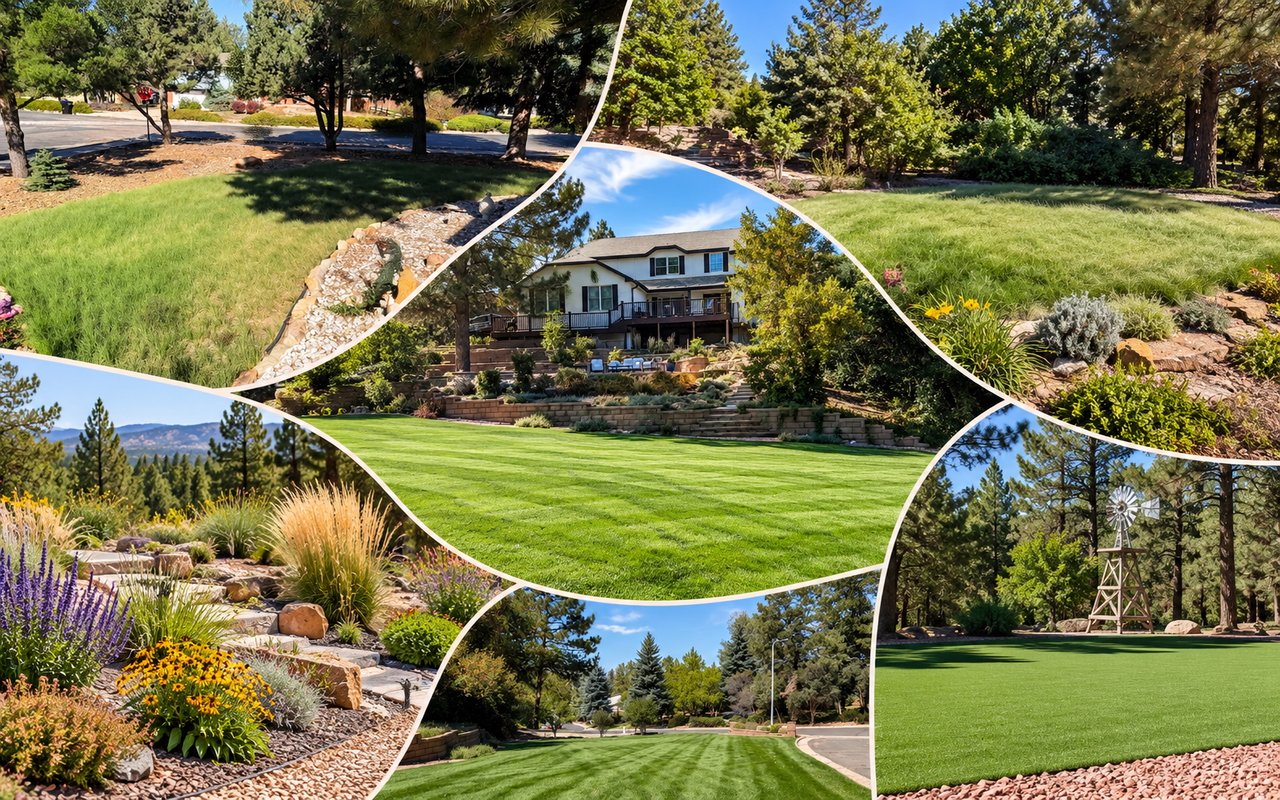
A Colorado Springs homeowner’s guide to choosing the right landscaping for your lifestyle, water use, maintenance, curb appeal, and future resale.

Buying a Home | Colorado Real Estate
Found a foreclosure on Zillow or Auction.com? Before you bid, understand how Colorado foreclosure auctions work, why you may not be able to inspect the home, and the f… Read more
2026 Relocation Guide
Everything You Need to Know About Housing, Cost of Living, Neighborhoods, Traffic, Taxes, and Life in Colorado Springs

2026 Relocation Guide
Everything You Need to Know About Housing, Cost of Living, Neighborhoods, Weather, Taxes, and Life in Colorado Springs
2026 Relocation Guide
What You Need to Know Before You Move

Southern Colorado Activities
Fall Festivals, Pumpkin Patches, Live Music, Sports & Family Events in Colorado Springs, Pueblo & Pueblo West

Haunted Houses
Haunted Houses in Colorado Springs
Serving communities from Colorado Springs through Pueblo and Denver, west into the mountains or east to the plains, our team is here to help with all your real estate needs across Colorado’s Front Range.