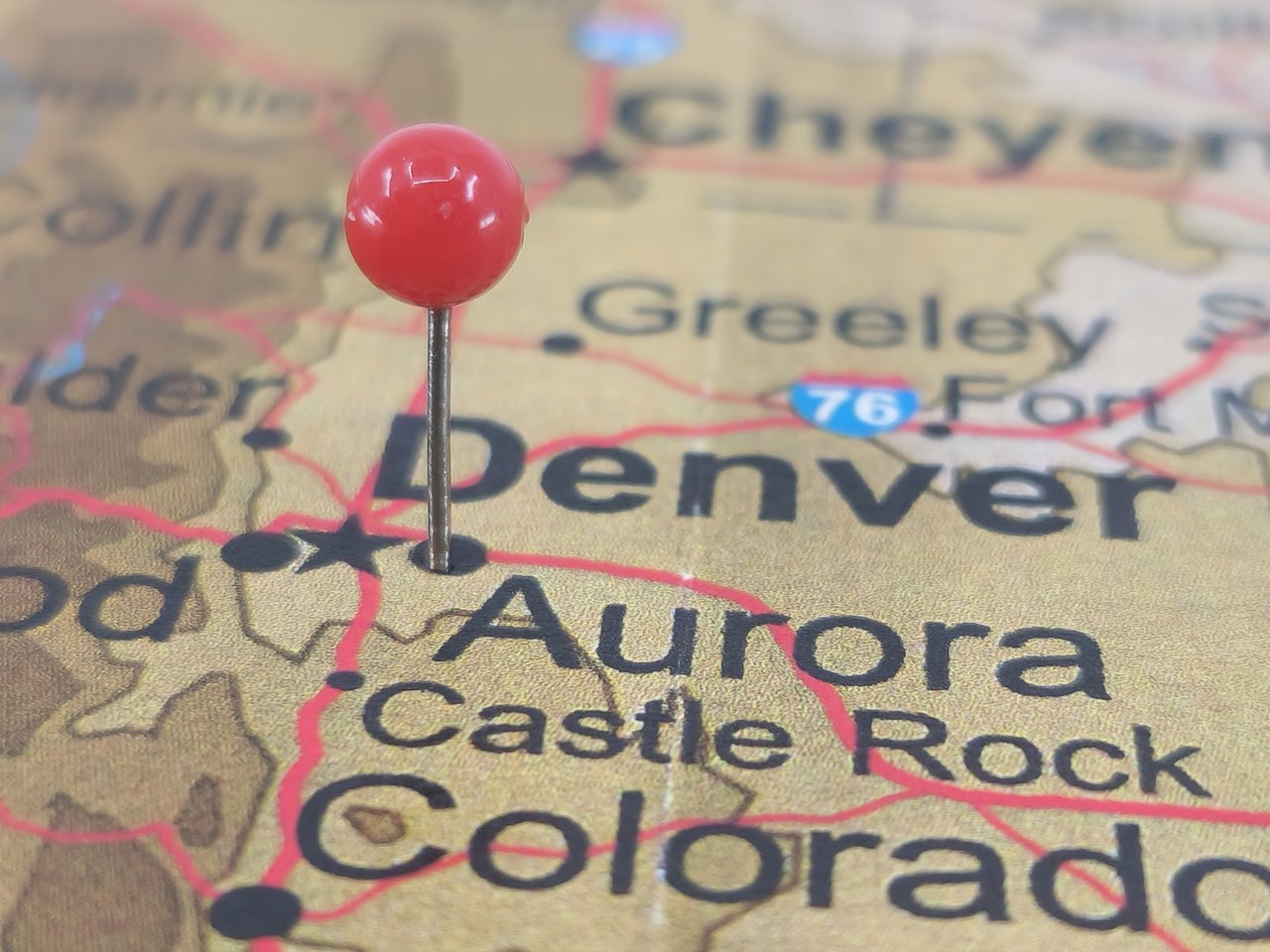
691 people live in Aurora, where the median age is 26 and the average individual income is $23,107. Data provided by the U.S. Census Bureau.
Total Population
Median Age
Population Density Population Density This is the number of people per square mile in a neighborhood.
Average individual Income
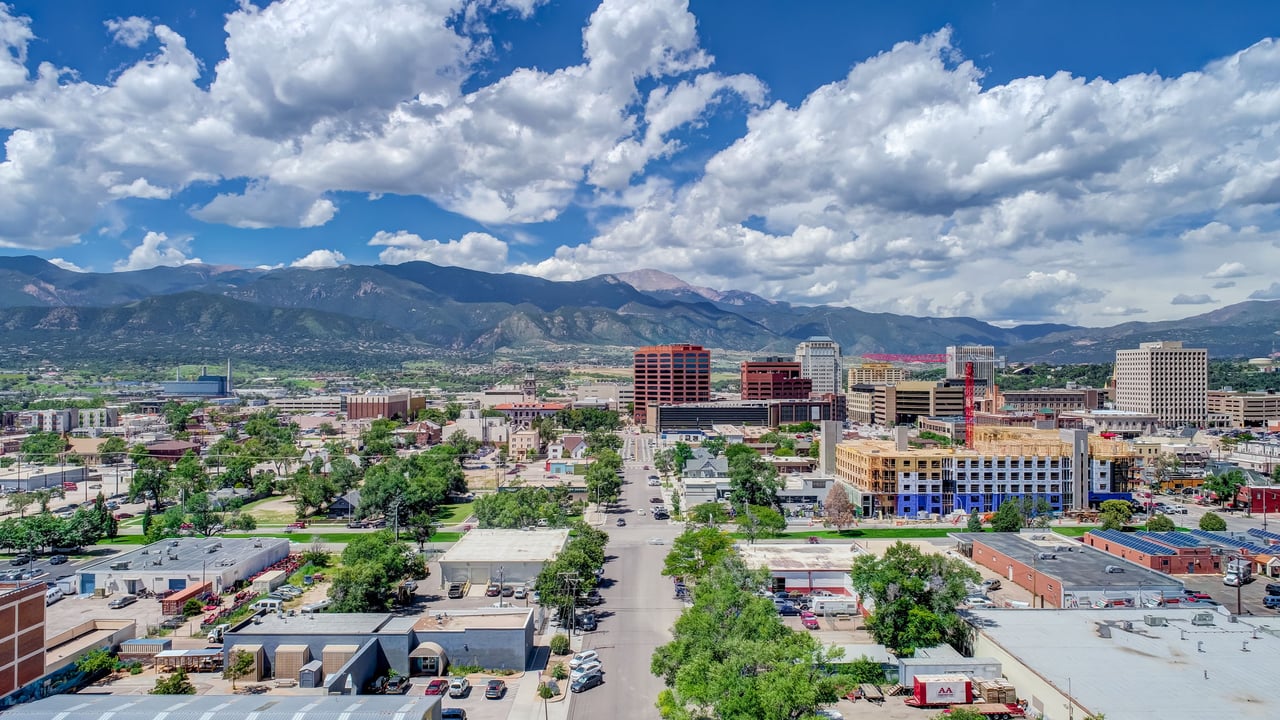
Aurora is a city that surprises people. Ask most out-of-state buyers about the Denver metro area and they'll name Denver, maybe Boulder, and rarely Aurora—yet Aurora is Colorado's third-largest city, sprawling across more than 150 square miles and three counties: Adams, Arapahoe, and Douglas. Sitting on the eastern rim of the metro area, it occupies a rare dual identity. It's a mature residential hub with neighborhoods dating back to the 1950s, and simultaneously one of the fastest-expanding growth corridors in the entire state.
What that means for you as a buyer is choice. Few Front Range cities offer this kind of range—historic brick ranches near a world-class medical campus, established suburban enclaves with mature trees and no HOA, top-school-district golf communities, and brand-new construction rising out of the eastern prairie. Aurora isn't a single neighborhood with a single price point and a single feel. It's a collection of distinct sub-markets, each with its own character, its own cost structure, and its own ideal buyer. This guide is built to help you navigate that landscape with the kind of local specificity that actually informs a decision.
Location is arguably Aurora's single greatest asset, and it's worth understanding why before you settle on a neighborhood. The city is threaded by three major corridors that shape everything from commute times to home values.
Start with the airport. Denver International sits immediately to Aurora's north and northwest, which means large portions of the city are just a 10- to 20-minute drive from the terminals. For anyone who travels for work—or works at the airport itself—this proximity is hard to overstate. The RTD A Line commuter rail reinforces that connection, running through northern Aurora along the I-70 corridor with stops like Peoria Station, linking DIA directly to Union Station downtown.
For downtown Denver access, I-70 cuts west across northern Aurora straight into the city center, while I-225 loops through the heart of Aurora and ties into I-25 down in the Tech Center. The R Line light rail traverses that same I-225 spine, connecting Aurora's commercial cores to the southeast business districts. Depending on where you live and when you travel, downtown is generally a 25- to 45-minute drive.
Then there's the piece that's reshaping the eastern half of the city: E-470. This 47-mile electronic tollway runs along Aurora's eastern flank at highway speeds, linking I-25 in Douglas County up to DIA and beyond. More than a commuting route, E-470 has become an economic engine. The corridor is now one of Colorado's fastest-growing zones for industrial, commercial, and residential development—home to logistics hubs like the DIA Logistics Park and massive master-planned communities such as The Aurora Highlands. If you're looking at newer construction, chances are it sits somewhere along this corridor, and its value is tied to that access.
Understanding Aurora means understanding that it developed in waves, rolling outward from the historic west toward the open eastern prairie. Each wave left behind a distinct kind of neighborhood, and knowing which is which will save you a great deal of time.
Northwest and Original Aurora is the city's oldest and most urban quarter, anchored by the Anschutz Medical Campus and the Arts District along Colfax. Here you'll find historic homes, mid-century ranches, and dense redevelopment—culturally diverse, increasingly walkable, and heavily revitalizing with new retail and transit-oriented housing. This is where the city's energy and its history meet.
Central and West-Central Aurora—think Aurora Hills, Utah Park, Heather Gardens, and the City Center district—is the realm of established suburbs. These are the 1970s and 1980s neighborhoods with mature trees, traditional single-family layouts, and easy I-225 access, alongside age-restricted communities like Heather Gardens. It's the city's mid-range affordability sweet spot.
Southeast Aurora is the premium suburban tier: Saddle Rock, Tallyn's Reach, Beacon Point, Wheatlands, Heritage Eagle Bend. Built largely from the late 1990s onward, this area offers modern single-family homes, golf-course subdivisions, and—critically—inclusion in the highly ranked Cherry Creek School District. Southlands Shopping Center and the reservoirs anchor daily life here. Demand is high and consistent.
The East and E-470 Growth Corridor is Aurora's new frontier. Communities like The Aurora Highlands, Painted Prairie, Harmony, and Traditions are rising fast on former prairie, offering brand-new construction, modern floor plans, fresh parks and schools, and direct access to DIA. This is the natural landing spot for airport employees, logistics professionals, and buyers who want everything new.
Aurora's central appeal in the Denver metro is value. The median home sale price sits in the range of roughly $460,000 to $485,000—well below Denver proper (north of $580,000) and a fraction of Boulder (approaching $950,000). For buyers chasing square footage per dollar within reach of metro jobs, few places compete. The market itself has settled into a balanced, stabilized zone with modest annual growth, making it one of the region's most accessible entry points to homeownership.
What you get depends heavily on property type and location, and Aurora's spectrum is unusually wide. The table below captures the practical breakdown:
Property Type | Typical Price Range | Where You'll Find It |
|---|---|---|
Condos & Townhomes | $200,000 – $420,000 | Original Aurora, City Center, Heather Ridge. Low-maintenance living popular with first-time buyers; age-restricted options in Heather Gardens run $250K–$350K. |
Mid-Century Single-Family | $380,000 – $520,000 | Del Mar Parkway, Hoffman Heights, Aurora Hills. Brick ranches and bi-levels from the 1950s–70s, larger lots, often no HOA, close to Anschutz and transit. |
New Construction / Modern Suburban | $450,000 – $700,000 | The Aurora Highlands, Painted Prairie, Murphy Creek. Open floor plans, energy-efficient builds, master-planned amenities. |
Executive & Luxury | $700,000 – $1.2M+ | Southshore, Blackstone, Saddle Rock, Tallyn's Reach. Custom estates and golf frontage, within Cherry Creek School District. |
The pattern worth internalizing: the older you go and the closer to the urban core, the more affordable and the more character-driven. The newer you go and the farther southeast or east, the higher the price—and the more likely you'll encounter metro district taxes, which I'll cover in detail below.
A neighborhood's long-term value is tied to the strength and diversity of the jobs around it, and Aurora's economy rests on three sturdy pillars—a rare kind of resilience.
The first is the Anschutz Medical Campus, a 230-acre complex in northwest Aurora that stands as the largest academic health center in the Rocky Mountain region. It generates over $14 billion in annual economic impact and employs more than 25,000 people. Within it sit UCHealth's University of Colorado Hospital, the nationally ranked Children's Hospital Colorado, the CU schools of medicine, pharmacy, nursing, and dental medicine, and the Fitzsimons Innovation Community, a bioscience park incubating dozens of life-science startups. For anyone in healthcare or biotech, the housing implications are obvious and enduring.
The second pillar is Buckley Space Force Base, in central-east Aurora. Buckley contributes over $1 billion to the local economy annually and supports more than 12,000 military, civilian, and contractor personnel. Hosted by Space Delta 4, its mission spans missile warning and space surveillance—and its presence anchors a major aerospace and defense supply chain, drawing campuses from Raytheon, Lockheed Martin, Northrop Grumman, and BAE Systems/Ball Aerospace to the area.
The third pillar is logistics, hospitality, and metro-wide access. The E-470/DIA connection has made Aurora a distribution powerhouse, with major hubs from Amazon, Shamrock Foods, Wagner Equipment, and UNFI. The Gaylord Rockies Resort & Convention Center draws hundreds of thousands of business travelers annually. And beyond Aurora's borders, the city sits within a 30-minute commute of over 300,000 corporate, finance, and IT jobs in downtown Denver and the Denver Tech Center. Three distinct economic engines mean the local market doesn't rise or fall on any single industry—a genuine strength for long-term homeowners.
If you take away one piece of local knowledge from this guide, let it be this: Aurora is split between two very different public school districts, and which one a home falls into can meaningfully affect its price and its resale demand. Two houses on opposite sides of the same street can land in different districts. Always verify boundaries before you fall in love with a listing.
Cherry Creek School District (CCSD) serves southern and southeastern Aurora and is consistently ranked among the top districts in Colorado, with strong graduation rates and extensive AP and IB offerings. Its Aurora high schools include Grandview, Cherokee Trail, Eaglecrest, and Overland. The demand for CCSD addresses is real and measurable—homes within its boundaries typically command a 10% to 20% premium over comparable properties just outside them. For families, southeast Aurora offers a way into Cherry Creek schools without paying Greenwood Village or Centennial prices.
Aurora Public Schools (APS) serves the northern, western, and central parts of the city and educates a remarkably diverse student body. While district-wide averages trail CCSD, APS is home to several standout programs worth knowing: Aurora Quest K-8 is frequently ranked among the state's top schools for gifted and talented students, Pickens Technical College offers strong career and vocational pathways, and a set of magnet schools focus on health sciences, STEM, and the arts. For the right family, these programs are a genuine draw rather than a compromise.
Aurora was built around a multi-modal transportation grid, which is part of why it works so well for such different kinds of commuters. Rather than one congested downtown funnel, the city offers several independent routes to the places people actually need to go.
I-225 is the central spine, cutting diagonally from I-70 in the north to I-25 in the south, feeding directly into the Denver Tech Center. E-470 handles the eastern edge with fast, low-congestion access to DIA and Douglas County. I-70 links northern Aurora west into downtown and east toward the airport and plains. Between them, most of the metro's job centers are reachable without ever fighting a single chokepoint.
Transit is genuinely usable here, too. The A Line commuter rail connects downtown Denver to DIA with an Aurora stop at Peoria Station—useful for both airport trips and Anschutz transfers. The R Line light rail runs the I-225 corridor through the heart of the city, serving the medical campus, Town Center, and southeast connections toward the DTC. A local and express bus network feeds into both.
In practical terms, expect roughly 10 to 20 minutes to DIA, 15 to 30 minutes to the Denver Tech Center, and 25 to 45 minutes to downtown Denver, depending on where you settle and when you travel. Where you buy within Aurora will shape which of these commutes is effortless and which is merely manageable—worth weighing carefully against where you work.
For all its size and growth, Aurora holds onto a surprising amount of open space—native shortgrass prairie, big water, and long stretches of trail that put genuine recreation within minutes of most neighborhoods.
The two crown jewels are the reservoirs, and they serve different temperaments. Cherry Creek State Park, anchoring the southwest, centers on an 880-acre reservoir and offers 35 miles of multi-use trails, a sandy swim beach, year-round camping with 130-plus sites, and—importantly for the boating crowd—permitted motorized watercraft and jet skiing. It even includes a 100-plus-acre off-leash dog park. The Aurora Reservoir, out in the southeast, takes the opposite approach: gas engines are banned, keeping the 800-acre water clean and quiet for paddleboarding, kayaking, sailing, and even SCUBA diving. Its 8.5-mile paved loop trail is a favorite among runners and cyclists, and Colorado Parks & Wildlife stocks it well enough to have produced multiple state-record fish.
Beyond the big two, the region rewards exploration. Quincy Reservoir offers peaceful fishing and non-motorized boating. The Plains Conservation Center preserves 1,100 acres of raw prairie with pronghorn, bald eagles, and homestead replicas. And Aurora ties into metro-wide paved routes including the 71-mile High Line Canal Trail and the Cherry Creek Trail, which runs all the way to downtown Denver. For an urban city, the outdoor access is genuinely uncommon.
Here is where Aurora quietly outshines its more famous neighbors. With more than 150 languages spoken across the city, Aurora has become the Denver metro's undisputed capital of authentic international cuisine—not a corridor of chains, but hundreds of independently owned ethnic restaurants and markets.
The Havana Street corridor is the heart of Colorado's Korean community and one of the best eating destinations in the state, packed with Korean BBQ, hot pot, house-made tofu spots, K-pop bakeries, and full-scale Asian supermarkets like H Mart. Over on East Colfax and in northwest Aurora, the food reflects the city's immigrant and refugee communities—African, Middle Eastern, Vietnamese, and Latin American kitchens. Mango House deserves special mention: a multicultural food hall where refugee-run stalls serve Burmese, Ethiopian, and Syrian dishes side by side. Add in standout taquerias, Salvadoran pupuserias, and Cuban bakeries, and you have a food scene that rewards the curious.
Shopping spans the same range of character. Stanley Marketplace, built into a repurposed 1950s aviation plant, is the hip, independent food-and-retail hall—home to the James Beard-recognized restaurant Annette alongside local makers and breweries. Southlands in the southeast is the open-air lifestyle center with major retail, summer concerts, and winter ice skating. And Town Center at Aurora offers the traditional enclosed-mall experience off I-225. Between them, you're rarely far from whatever kind of afternoon you're after.
Aurora's cultural life mirrors its geography—decentralized, diverse, and anchored by distinct hubs rather than a single downtown. That structure means culture tends to find you wherever you live rather than requiring a pilgrimage to one district.
The center of gravity is the Aurora Cultural Arts District (ACAD) along historic East Colfax, a 16-block certified Colorado Creative District. It's home to the Aurora Fox Arts Center—a 1940s Quonset-hut theater hosting a professional Equity company and the Aurora Symphony Orchestra—along with the Vintage Theatre's three stages, the flexible gallery space of The People's Building, and the annual Colfax Canvas Mural Festival, which turns the district's walls into large-scale public art.
Beyond the district, culture is woven into the city's fabric. The free Aurora History Museum traces the region's evolution from farmland to metro hub, and Aurora's Art in Public Places program mandates that capital projects fund public art—so sculptures and murals turn up in parks, transit stations, and even new communities like The Aurora Highlands. The community calendar is anchored by Global Fest, the flagship late-summer celebration of world music, dance, and food, and the Fourth of July Spectacular that draws tens of thousands to the Municipal Center lawn. For a city this large, the sense of community is refreshingly tangible.
This is the section where local expertise earns its keep, because these are the details that surprise unprepared buyers—sometimes expensively. If you're considering newer construction along the eastern or southern edges of Aurora, you must understand Metropolitan Districts.
A Metro District is a quasi-governmental entity that most Colorado master-planned communities built after 1990 use to finance their upfront infrastructure—roads, water mains, sewers, parks. It issues tax-exempt bonds to pay for that work, and homeowners repay those bonds through a mill levy added to their annual property tax bill. The financial impact is significant: a home in a metro district can carry an effective property tax rate of roughly 1.25% to 1.8%+ of market value annually, compared to about 0.6% to 0.8% in older, non-district neighborhoods. Before you write an offer, ask for the district's Service Plan and current mill levy rate, and fold that extra cost into your monthly budget. Aurora generally caps newer debt-service mill levies around 50 mills, but the number still matters enormously.
To complicate things slightly, in many new subdivisions you'll pay both a metro district tax and an HOA fee. The metro district covers the heavy infrastructure and major public parks; the HOA fee handles localized upkeep like neighborhood pocket parks, snow removal, trash, and covenant enforcement. They are two separate line items serving two separate purposes.
A few other local realities worth carrying into your search:
Aurora's overall cost of living runs slightly above the national average, driven mostly by regional housing and transportation—but housing is precisely where it wins against its neighbors. With a median in the $460,000s to $480,000s, it undercuts Denver and dramatically undercuts Boulder, which is the whole reason so many buyers look here first.
On the tax side, Colorado applies a flat state income tax (currently 4.25%), and Aurora's combined base sales tax is 8.0%—a blend of state, county, city, and RTD/district components. Property taxes are where the earlier metro-district discussion becomes concrete. Colorado calculates them by applying an assessment rate to a home's market value, then multiplying by the local mill levy (one mill equals $1 per $1,000 of assessed value).
The practical difference is best shown with a real example. On a $500,000 home:
That's a difference of several hundred dollars a month—enough to change what you can comfortably afford. It's the single most important number to verify before making an offer, and one that generic listing searches won't surface for you.
Aurora's greatest strength is that it isn't one thing. Its variety means different buyers thrive in different corners of the city, and matching your priorities to the right sub-market is where a knowledgeable agent makes the biggest difference. A few common profiles:
The point isn't that Aurora is perfect for everyone—it's that Aurora almost certainly has a neighborhood that's right for you, once you know what to look for.
Navigating a city as varied as Aurora—where a single street can separate two school districts and a metro district levy can add thousands to your annual costs—is exactly where local guidance pays for itself. That's where Pulse Real Estate Group, LLC comes in. Led by broker and owner Scott Coddington, a third-generation agent and Colorado native serving the Front Range since 1997, Pulse brings deep regional knowledge and a genuinely client-first approach to every transaction. Scott and his team work with first-time buyers, move-up sellers, investors, and—drawing on years of dedicated experience—military families with unique housing needs, always moving at their clients' pace and looking out for their interests rather than the quickest sale.
Serving communities across Colorado's Front Range from Colorado Springs through Denver and out to the surrounding areas, Pulse Real Estate Group is ready to help you find the right home in the right Aurora neighborhood—and to make the process straightforward from first showing to closing. Reach out to Scott directly at (719) 399-0000 or [email protected], and start your search at pulserealestategroup.com. Whether you're relocating for a job at Anschutz, buying your first condo near the Arts District, or searching for a Cherry Creek-district home in the southeast, there's a local expert ready to help you make the move with confidence.
There's plenty to do around Aurora, including shopping, dining, nightlife, parks, and more. Data provided by Walk Score and Yelp.
Explore popular things to do in the area, including Yellow Front Discount Liquors, and Easy Fashions.
| Name | Category | Distance | Reviews |
Ratings by
Yelp
|
|---|---|---|---|---|
| Dining | 0.07 miles | 0 reviews | 0/5 stars | |
| Shopping | 0.07 miles | 0 reviews | 0/5 stars | |
|
|
||||
|
|
||||
|
|
||||
|
|
||||
|
|
||||
|
|
Aurora has 190 households, with an average household size of 3. Data provided by the U.S. Census Bureau. Here’s what the people living in Aurora do for work — and how long it takes them to get there. Data provided by the U.S. Census Bureau. 691 people call Aurora home. The population density is 81,098 and the largest age group is Data provided by the U.S. Census Bureau.
Total Population
Population Density Population Density This is the number of people per square mile in a neighborhood.
Median Age
Men vs Women
Population by Age Group
0-9 Years
10-17 Years
18-24 Years
25-64 Years
65-74 Years
75+ Years
Education Level
Total Households
Average Household Size
Average individual Income
Households with Children
With Children:
Without Children:
Marital Status
Blue vs White Collar Workers
Blue Collar:
White Collar:
October 22, 2026
Fall Home Maintenance
Shannon Price | October 19, 2026

Southern Colorado Activities
Scott Coddington | October 16, 2026
Halloween Events, Fall Festivals, Family Activities & Things to Do in Colorado Springs, Pueblo & Pueblo West
September 17, 2026

September 10, 2026
September 17, 2026

Haunted Houses
Shannon Price | October 1, 2026
Haunted Houses in Colorado Springs
September 3, 2026
August 13, 2026
September 3, 2026
October 15, 2026
September 24, 2026
August 13, 2026
October 15, 2026
August 27, 2026
October 8, 2026
August 20, 2026
August 13, 2026
August 13, 2026
October 1, 2026
August 13, 2026
Pumpkin patches and fall festivals
Shannon Price | October 12, 2026
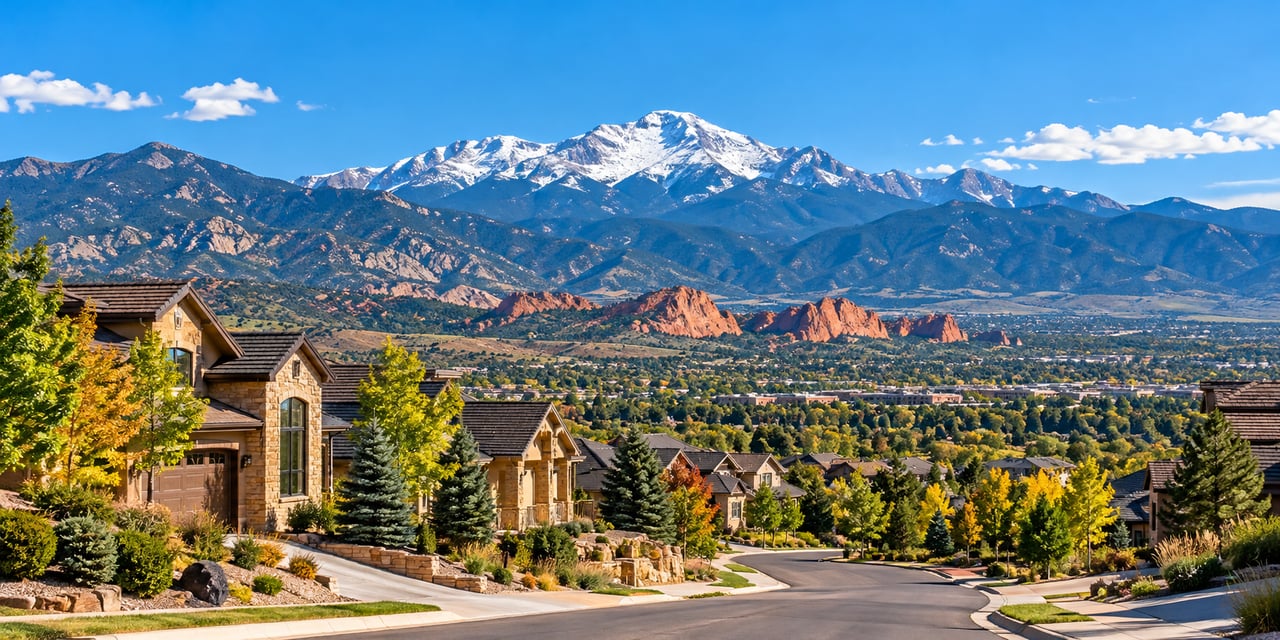
Moving to Colorado Springs
Shannon Price | October 12, 2026
Moving to Colorado Springs
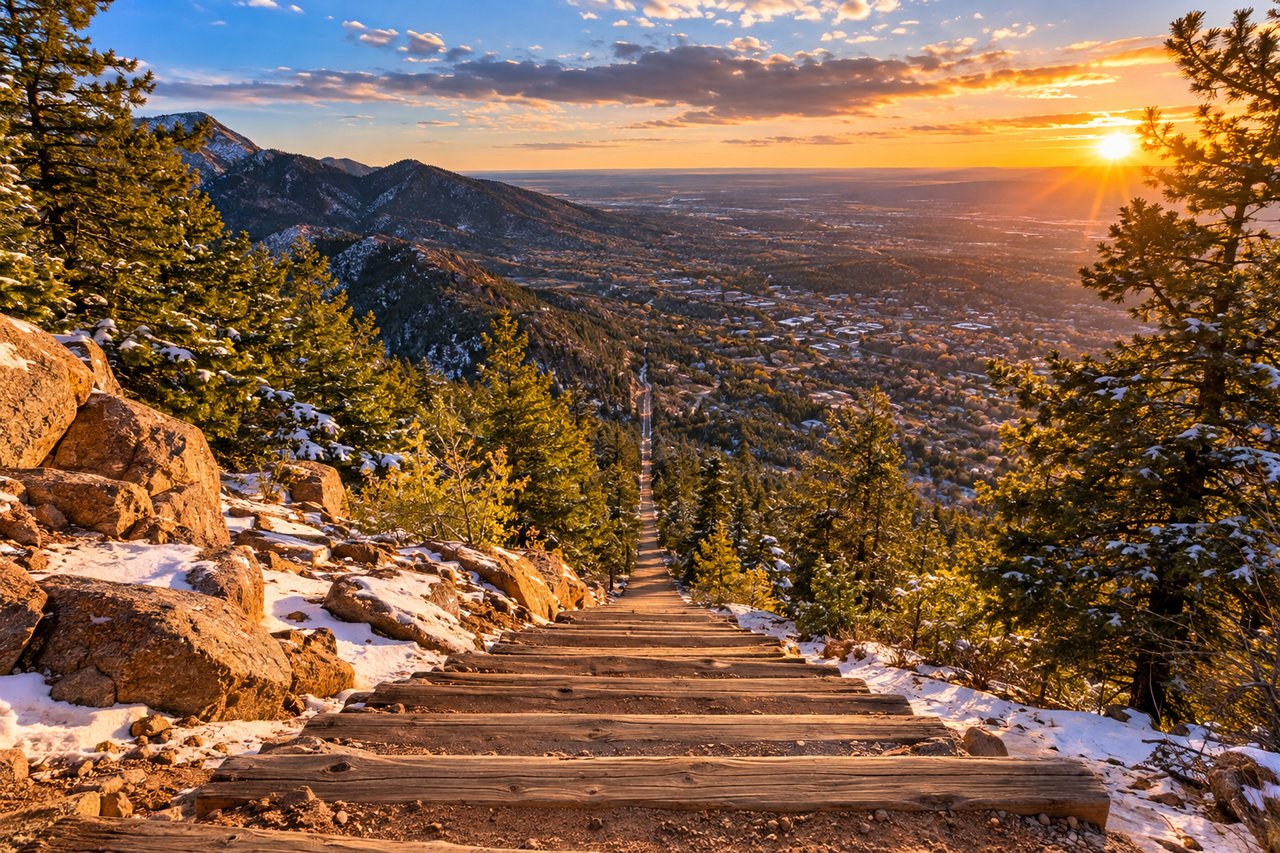
Hiking
Shannon Price | October 8, 2026
The Manitou Incline
October 8, 2026

Southern Colorado Activities
Scott Coddington | October 8, 2026
Live Music, Pumpkin Patches, Family Activities & Fall Fun in Colorado Springs, Pueblo & Pueblo West

Homeownership
Scott Coddington | October 4, 2026
From talking with your neighbor to HOAs, covenants, and Code Enforcement, learn how to address a neglected property next door—and what it could mean when buying or sel… Read more

Fall Foliage
Shannon Price | October 3, 2026
Best Colorado Springs Neighborhoods for Fall Colors
Homeownership
Scott Coddington | October 3, 2026
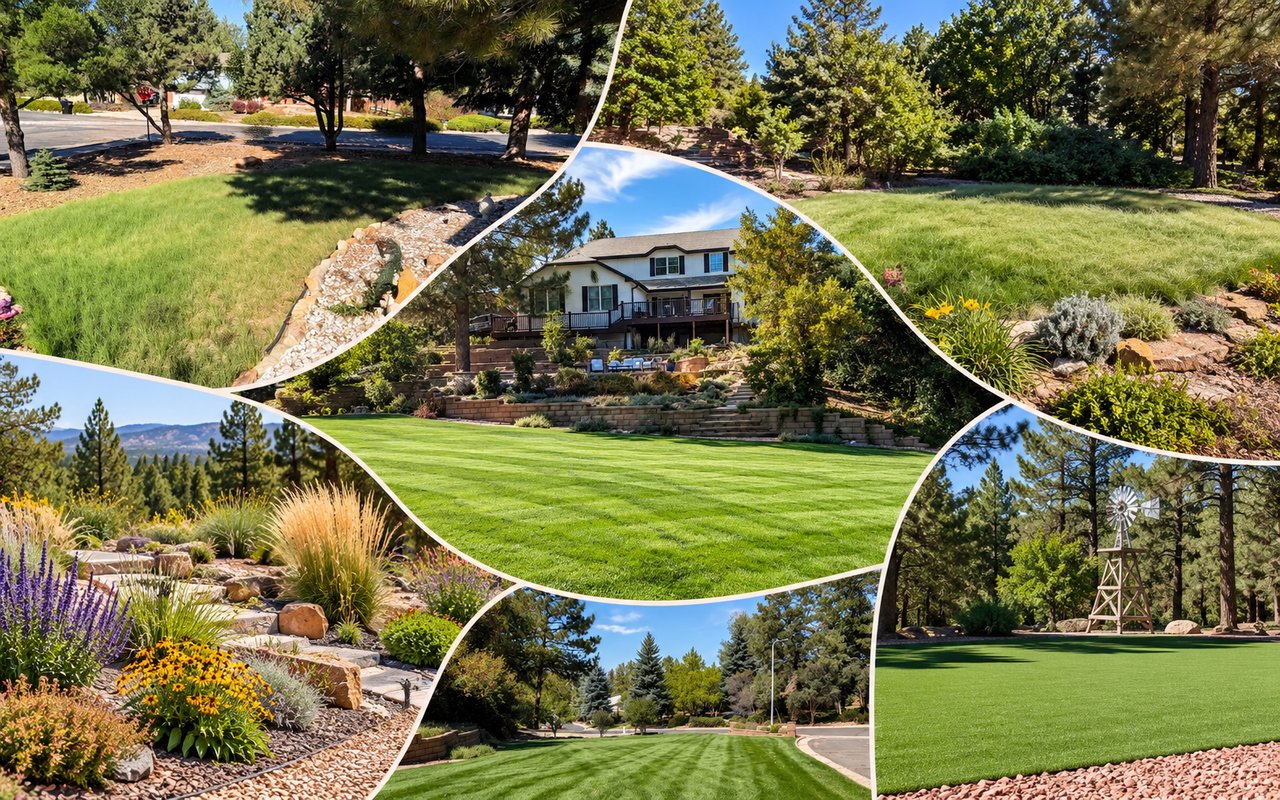
A Colorado Springs homeowner’s guide to choosing the right landscaping for your lifestyle, water use, maintenance, curb appeal, and future resale.

Buying a Home | Colorado Real Estate
Scott Coddington | October 3, 2026
Found a foreclosure on Zillow or Auction.com? Before you bid, understand how Colorado foreclosure auctions work, why you may not be able to inspect the home, and the f… Read more

2026 Relocation Guide
Scott Coddington | October 3, 2026
Everything You Need to Know About Housing, Cost of Living, Neighborhoods, Traffic, Taxes, and Life in Colorado Springs

2026 Relocation Guide
Scott Coddington | October 3, 2026
Everything You Need to Know About Housing, Cost of Living, Neighborhoods, Weather, Taxes, and Life in Colorado Springs

2026 Relocation Guide
Scott Coddington | October 2, 2026
What You Need to Know Before You Move
July 23, 2026

Southern Colorado Activities
Scott Coddington | October 2, 2026
Fall Festivals, Pumpkin Patches, Live Music, Sports & Family Events in Colorado Springs, Pueblo & Pueblo West

Buying a Home | Colorado Real Estate
Scott Coddington | September 30, 2026
Pulse Real Estate App

2026 Relocation Guide
Scott Coddington | September 30, 2026
Everything You Need to Know About Housing, Cost of Living, Neighborhoods, Weather, and Life in Colorado Springs

Buying a Home in Colorado Springs
Shannon Price | September 30, 2026
Buying in Colorado Springs
2026 Relocation Guide
Scott Coddington | September 30, 2026
Everything You Need to Know About Homes, Cost of Living, Larger Lots, Pueblo Reservoir, Commuting, and Life in Pueblo West

2026 Relocation Guide
Scott Coddington | September 30, 2026
What You Need to Know Before You Move

Hiking
Shannon Price | September 25, 2026
Hiking Spots Colorado Springs

Dining in Colorado Springs
Shannon Price | September 25, 2026
July 9, 2026

Colorado Springs Real Estate
Rachael Ian | September 17, 2026
Lower rates are a possibility and I can help you secure one!
New Construction
Scott Coddington | September 17, 2026
Builder incentives can mean lower payments, closing-cost assistance, and unique opportunities for VA buyers—but taxes, metro districts, resale value, and how long you … Read more
Moving to Colorado Springs
Scott Coddington | September 17, 2026
Everything You Need to Know About Homes, Neighborhoods, Costs, and the Colorado Springs Housing Market
Mortgage Rates above 7%
Scott Coddington | September 16, 2026
buying-home-mortgage-rates-above-7-percent

Buying a Home in Colorado Springs
Scott Coddington | September 16, 2026
Everything You Need to Know About Financing, Neighborhoods, Negotiations, and Finding the Right Home in Colorado Springs and Beyond
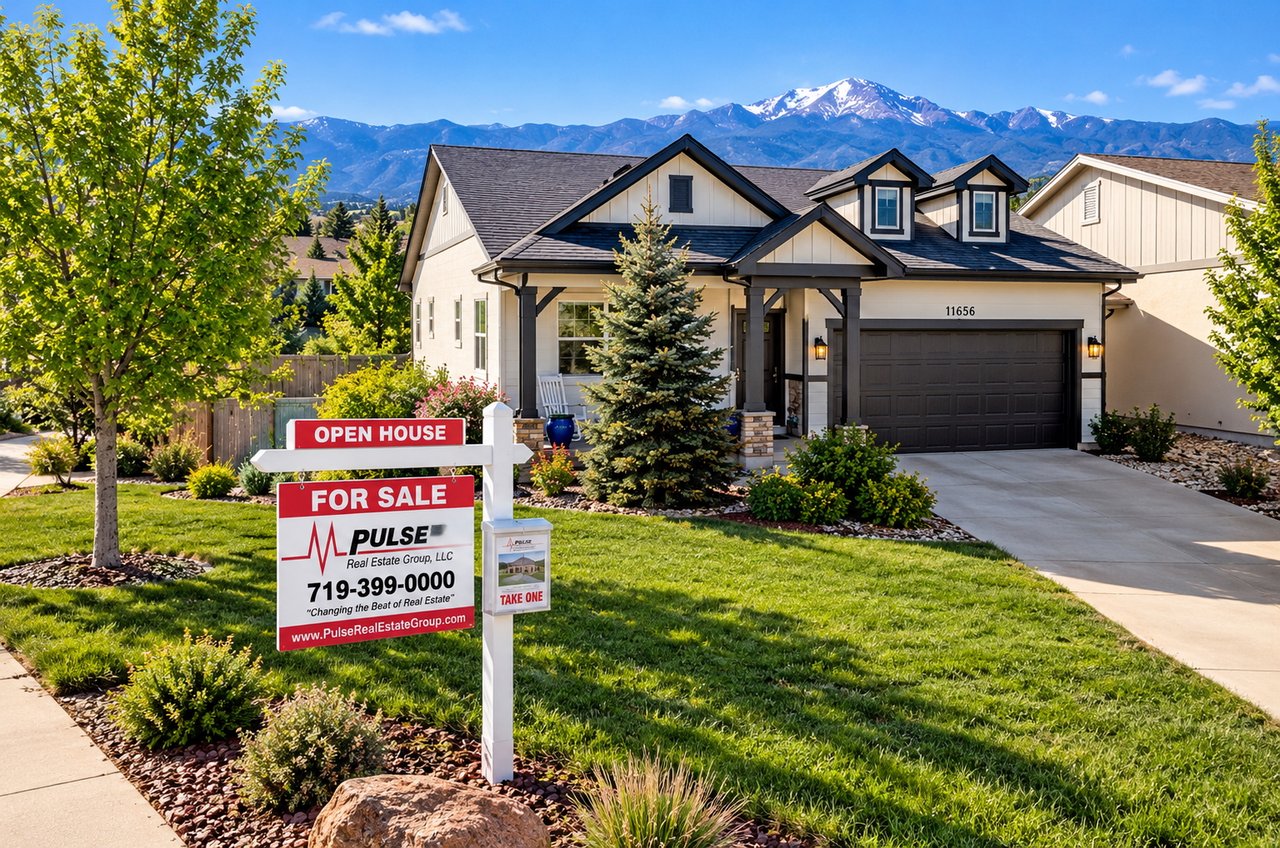
Selling a House in Colorado Springs : 2026 Seller's Guide
Scott Coddington | September 16, 2026
How to Prepare, Price, Market, Negotiate, and Successfully Sell Your Colorado Springs Home
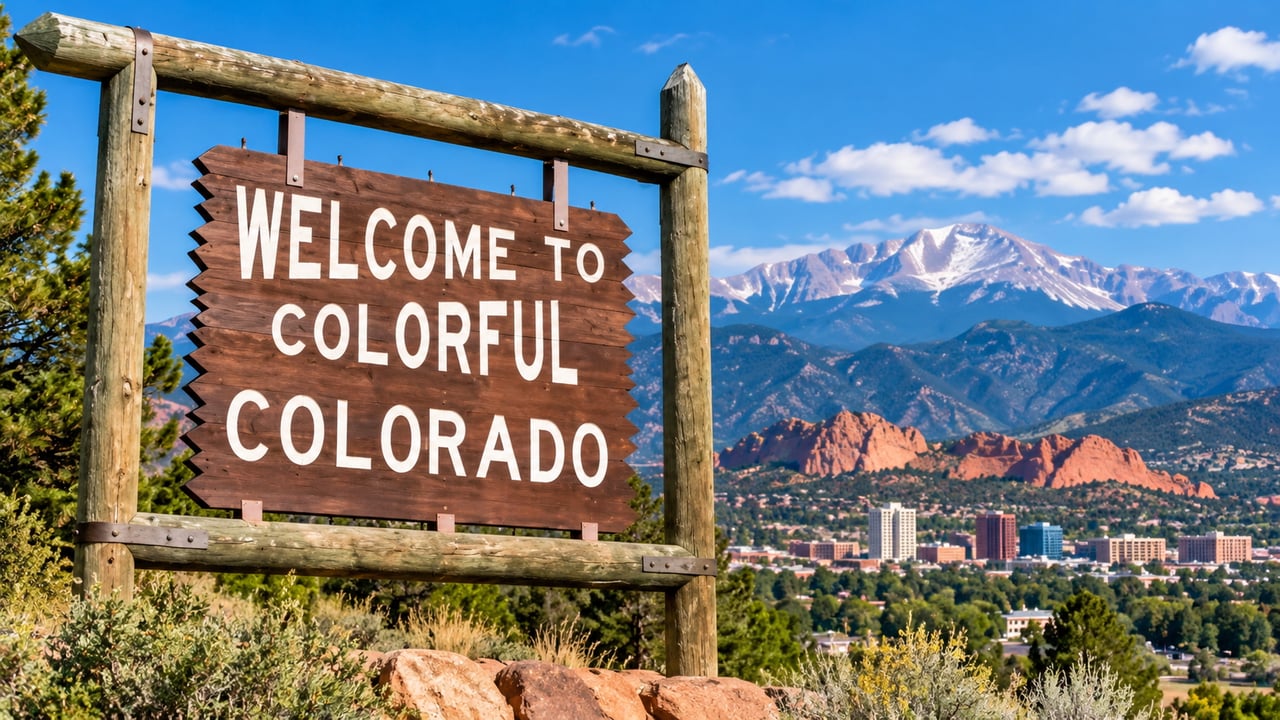
Colorado Springs Neighborhoods
Scott Coddington | September 16, 2026
Explore Briargate, Black Forest, Monument, Falcon, Fountain, Woodland Park, Pueblo West, and More to Find the Area That Fits Your Lifestyle, Budget, and Home Search

Colorado Springs Real Estate
Scott Coddington | September 16, 2026
Best Realtor in Colorado Springs: How to Choose the Right Real Estate Agent

Home Buying
Scott Coddington | September 11, 2026
What Buyers Need to Knoiw
August 6, 2026
July 16, 2026
May 21, 2026
June 18, 2026
February 12, 2026
December 11, 2025
January 22, 2026
April 2, 2026
April 9, 2026
January 15, 2026
March 26, 2026
August 6, 2026
March 24, 2026
April 23, 2026
April 16, 2026
May 14, 2026
June 11, 2026
July 2, 2026
December 25, 2025
June 25, 2026
May 7, 2026
March 5, 2026
June 4, 2026
March 12, 2026
May 28, 2026
February 26, 2026
January 1, 2026
February 19, 2026

November 27, 2025
December 4, 2025
February 5, 2026
Scott Coddington | January 14, 2026
January 8, 2026
November 27, 2025
December 18, 2025

November 21, 2025
Serving communities from Colorado Springs through Pueblo and Denver, west into the mountains or east to the plains, our team is here to help with all your real estate needs across Colorado’s Front Range.