99,741 people live in Castle Rock, where the median age is 37.8 and the average individual income is $65,502. Data provided by the U.S. Census Bureau.
Total Population
Median Age
Population Density Population Density This is the number of people per square mile in a neighborhood.
Average individual Income
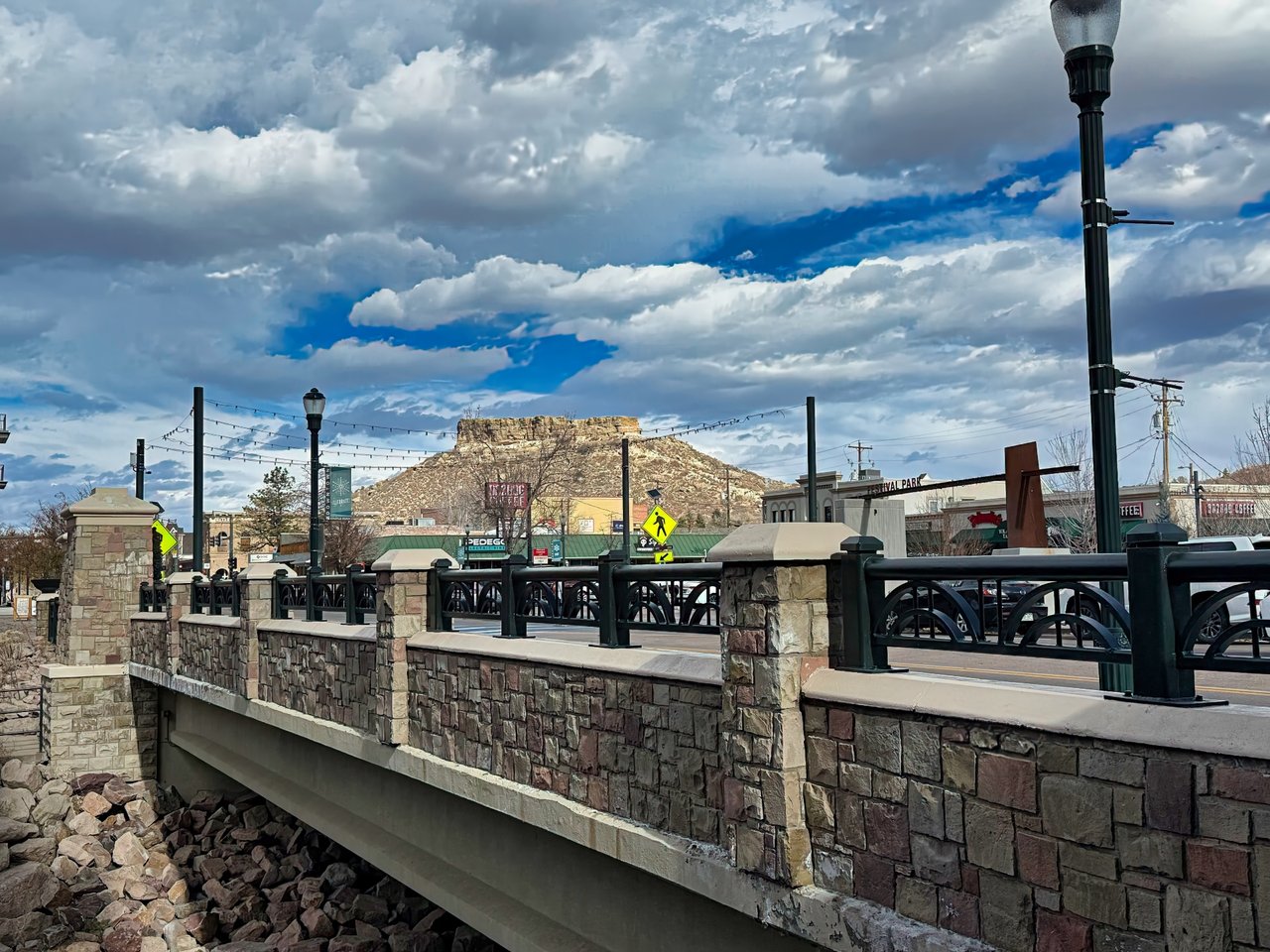
Castle Rock is the kind of place people move to once and rarely leave. Named for the castle-shaped butte that rises over the town center, it sits almost exactly halfway between Denver and Colorado Springs along the I-25 corridor — close enough to either city to commute, far enough to feel like its own world. That position is its whole identity: a town of more than 80,000 people that still behaves like a small one, anchored by a protected historic downtown, top-rated schools, and an unusual amount of open space woven directly into the neighborhoods.
The people drawn here tend to fall into a few camps. Families come for the Douglas County schools and the safe, master-planned streets. Remote and hybrid professionals come because they can keep a Denver Tech Center salary while living somewhere with mountain views and zip lines at the local park. And a steady stream of out-of-state transplants — from California, Texas, the Pacific Northwest, and the Midwest — arrive looking for that specific blend of outdoor lifestyle, newer housing stock, and community feel that's getting harder to find elsewhere. If you want walkable urban density and a late-night scene, Castle Rock isn't built for that. If you want patios, trailheads, good schools, and a garage big enough for the gear, it's hard to beat.
The Castle Rock market today is a stable, moderately active seller's market — a genuine return to normal after the pandemic-era frenzy. Sellers still have the edge because supply remains relatively tight, but buyers have clawed back real leverage on inspections, terms, and price. It's a market where good homes still move, but bad pricing gets punished.
Here's where the numbers sit in mid-2026:
Competition is steady but calculated rather than chaotic. Roughly one in five homes still sells over asking — almost always the pristine, well-staged listings in sought-after school zones — while close to half eventually see a price reduction or some negotiation below list. Overpriced homes and those needing work sit noticeably longer.
The defining word for Castle Rock's market over the past year is recalibration. The double-digit appreciation of previous years has cooled into something far more sustainable, and several distinct forces are shaping where things go next.
Rates have settled, and buyers have adjusted. Mortgage rates have stabilized in the low-to-mid 6% range, and the rate-shock that froze buyers in 2024 and 2025 has largely worn off. The flip side is a persistent "lock-in" effect: homeowners sitting on 3% and 4% mortgages are reluctant to sell and trade into a higher rate, which keeps resale inventory below historic norms.
Inventory is loosening, slowly. Supply now sits around a 3.1 to 3.5-month range. That's still technically seller's territory (anything under five months favors sellers), but it's a meaningful jump from the droughts of recent years, and it's why days-on-market have ticked up year over year.
Price tiers are behaving very differently. This is the most important trend for any buyer or seller to understand:
Rental dynamics have softened too, with average rents drifting down to roughly $2,000–$2,250 as new townhomes and multi-family units add supply. Looking ahead, most analysts expect flat-to-modest appreciation of about 1% to 3% annually — Castle Rock's schools, job access, and remote-work appeal keep it well insulated from sharp downturns.
Castle Rock is one of the most active new-build markets in the entire Denver metro. Growth is pushing south and east along the I-25 and Crowfoot Valley corridors, turning rolling foothills into amenity-rich master-planned communities almost faster than the infrastructure can keep up.
The builder landscape breaks down cleanly by buyer segment. Toll Brothers owns the high end with resort-style communities like Montaine and Toll Brothers at Crystal Valley, building large homes from the $750s past $1.3M, including 55+ active-adult enclaves like Regency at Montaine. Taylor Morrison and Lennar lead the popular mid-to-upper tier in Macanta and the emerging Dawson Trails plans, generally from the upper $600s into the $950s. Richmond American and DRB Homes serve mid-tier buyers wanting customization in Cobblestone Ranch and Crystal Valley Ranch, often starting in the $700s.
Here's something most buyers don't expect: new construction is currently pricing competitively against older resale homes. Builders are highly motivated to keep sales moving, and rather than slashing sticker prices, they're leaning hard into incentives — permanent rate buy-downs that can drop you into the 4.5%–5.5% range through their preferred lender, plus $10,000 to $30,000 in design-center credits. For the right buyer, that can make a brand-new home the better financial move.
One practical note: if you buy in the southern sectors, plan around active infrastructure work, including the Crystal Valley Interchange and the widening of Crowfoot Valley Road expected to continue through the end of the year.
Castle Rock rewards patience, not quick cash flow. It's a strong long-term wealth-building market and a tough one for monthly yield — and being clear-eyed about that distinction separates successful investors here from frustrated ones.
The cash-flow math is the hurdle. With a median single-family price around $635,000 and rents between roughly $2,000 and $2,250, the rent-to-price ratio is low. Finance a traditional single-family rental with 20% down at today's rates and you're likely looking at cash-flow-neutral or slightly negative each month. The renter pool has also gained leverage as new townhomes and multi-family product near the Promenade and Downtown have flattened rent growth. Investors chasing actual yield tend to target townhomes in The Meadows or Founders Village under $500,000, or run house-hacking strategies.
Where Castle Rock genuinely shines is appreciation and tenant quality. Even at a sustainable 1%–3% annual pace, the fundamentals protect value: a top-rated school district, low crime, and proximity to both the DTC and the Colorado Springs aerospace economy. The tenant profile is exceptional — high-earning professionals, families biding time before buying, relocating executives — which means low default rates, strong property upkeep, and minimal turnover.
Fix-and-flip is a narrow lane here. The housing stock is young; most homes were built after 1990, so heavily distressed properties are scarce. The real opportunity is a "refresh and flip" in older 1980s and 1990s pockets like Plum Creek or parts of Founders Village. Because today's buyers penalize dated homes by letting them sit, an investor with capital can negotiate a meaningful discount, execute quick cosmetic updates — paint, flooring, quartz — and sell to the roughly 20% of buyers who still pay a premium for turnkey.
Buying here still takes strategy, even with the market cooler than it was. Well-priced homes in desirable neighborhoods like The Meadows or Terrain go under contract in under a month, and the most pristine listings still trigger multiple offers — roughly one in five pushes over asking. You probably won't face a 15-offer bidding war, but you also won't win with a lowball; with homes closing near 99% of list, there's room to negotiate but not to insult.
The biggest shift from the recent past is that contingencies are fully back in the buyer's toolkit:
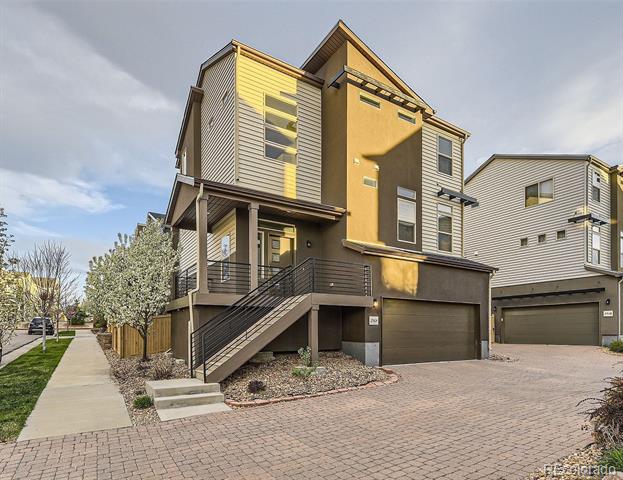
On property types, Castle Rock is dominated by single-family detached homes — modern two-stories, ranches, master-planned designs. To address affordability, developers have added low-maintenance townhomes and paired patio homes near Downtown and the Promenade, which have become excellent entry points for first-time buyers and downsizers alike.
This is the section that saves buyers from expensive surprises. Castle Rock has a few local quirks that don't show up on a listing photo.
The Metro District tax effect. This is the single most important financial detail here. Many newer master-planned communities — Crystal Valley Ranch, The Meadows, Terrain, Macanta — sit inside Metropolitan Districts: pseudo-governmental entities created by developers to fund infrastructure like roads, water lines, and parks. Instead of baking that cost into the purchase price, the debt is repaid through a higher property tax bill via an extra mill levy, sometimes for decades. Two identical $700,000 homes can carry very different annual tax bills depending on which district they fall in. Always check the specific neighborhood's mill levy before you calculate your monthly payment.
HOAs and the brown-lawn question. Castle Rock HOAs are strict about architecture, paint, and landscaping, but the semi-arid climate complicates things. The town has pushed measures preventing HOAs and Metro Districts from fining residents who let lawns go dormant during drought cycles, and Colorado law protects your right to xeriscape. Review any HOA's landscaping policies before buying — native, drought-tolerant planting is encouraged over thirsty Kentucky Bluegrass.
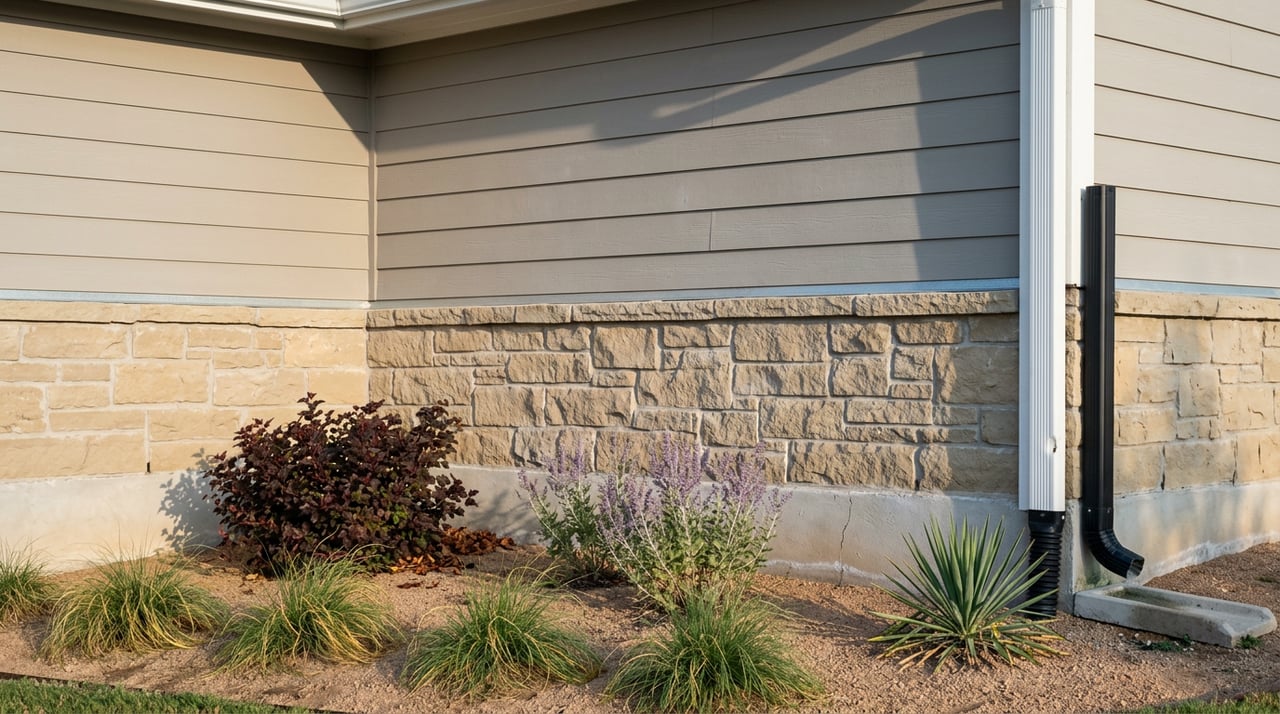
Expansive soils. The Front Range is known for bentonite clay that swells when wet and shrinks when dry, which can damage foundations. Make sure your inspection includes a structural review, look for a floating basement-wall design (standard in modern Colorado builds), and pay attention to grading and gutters that direct water away from the home.
Natural hazards. Three to keep in mind: homes on the western edge near Red Hawk, Plum Creek, or The Village at Castle Pines sit in the Wildland Urban Interface, where defensible-space rules and higher insurance premiums apply. Castle Rock also sits squarely in "Hail Alley," so roof age and condition get heavy scrutiny — full insurance-funded roof replacements before closing are common. And while coastal-style flooding isn't a concern, the dramatic topography means summer downpours can cause flash flooding down ravines like East Plum Creek, so verify whether a lower-lying property falls in a FEMA flood zone.
Moving here from out of state means shifting into a lifestyle built around the outdoors, community events, and master-planned convenience. The first thing to understand is the geography, because Castle Rock effectively has two personalities split down the middle by I-25 and the rail lines.
The West Side — The Meadows, Red Hawk — feels woven into nature, with the Ridgeline Open Space trails, the sprawling Philip S. Miller Park, and Castle Rock Adventist Hospital. It carries a more established, bustling suburban energy. The East Side — Terrain, Founders Village, Crystal Valley Ranch — feels more expansive, rolling into the mesas and scrub-oak valleys and stretching down the Crowfoot Valley corridor toward Parker, with big Front Range views and the bulk of the new residential growth.
A few things newcomers should know. At about 6,200 feet, Castle Rock sits higher than Denver, so plan to drink roughly double your usual water for the first few weeks to dodge altitude headaches. The trade-off is 300+ days of sunshine — and even though it snows often, the intense high-altitude sun usually clears the roads within a day or two. The town has worked hard to protect its small-town feel, especially the historic downtown grid around Wilcox and Perry Streets, where local coffee shops and breweries win out over national chains. And for families, Douglas County's open-enrollment policy means you can apply to schools outside your immediate boundary if space allows — useful flexibility when you're still learning the neighborhoods.
On paper, Castle Rock's Walk Score sits at a low 13 to 15 — a car-dependent town by the numbers. But that figure is misleading, because walkability here lives in deliberate pockets. The downtown core is genuinely walkable: live in the lofts or the historic grid and you can reach dozens of restaurants, Festival Park, and the library on foot. Master-planned villages like The Meadows are built for internal walkability, so you can walk or bike to the neighborhood pool, an elementary school, or the town center along connected trails without touching a major road.
The commute is really about I-25:
| Destination | Distance | Off-Peak | Rush Hour (7–9 AM / 4–6 PM) |
|---|---|---|---|
| Denver Tech Center (DTC) | 20 miles | 20–25 min | 35–55 min |
| Downtown Denver | 30 miles | 35–40 min | 55–75+ min |
| Colorado Springs | 40 miles | 40–45 min | 45–60 min |
The stretch of I-25 between South Denver and Castle Rock is notorious for bottlenecking near Lone Tree and Surrey Ridge, and a minor weather event or volume spike can double your drive time during peak hours.
For alternatives: there's no RTD light rail station inside Castle Rock — to catch the train into Denver, residents drive about 12 miles north to the RidgeGate Parkway Station in Lone Tree, which has a large Park-and-Ride. CDOT's Bustang regional bus stops in town along I-25 and is the move if you'd rather work on a laptop than drive. And while you won't realistically bike to a Denver office, the paved trail network — like the East Plum Creek Trail — lets you cross the entire town by e-bike or road bike completely separated from highway traffic.
For family buyers, schools are often the deciding factor, and this is one of Castle Rock's strongest selling points. The whole town is served by the Douglas County School District (DCSD), consistently one of the top districts in the Denver metro and nationally.
The performance numbers back up the reputation. DCSD typically ranks in the top 10% of Colorado districts, with average testing in the top 5% statewide. District-wide math proficiency runs around 50% against a state average of 33%, and reading proficiency around 62% against a state average of 45%. The graduation rate sits near 93.6%, well above Colorado's 85.6%.
The town is anchored by two competitive high schools — Castle View High School on the west side in The Meadows, and Douglas County High School, the historic anchor closer to Downtown — both with strong academics and athletics. Beyond the neighborhood schools, Colorado's open-enrollment laws let families apply outside their boundaries, and sought-after charters like Academy Charter School and DCS Montessori draw students from across town for their specialized curriculums.
About 30% of Castle Rock is permanent open space, which both supports an active lifestyle and helps insulate property values. You're never far from a trailhead.
The crown jewel is Philip S. Miller Park, a 270-acre regional park with an indoor fieldhouse and pool, a large adventure playground and splash pad, zip-line tours, and an outdoor amphitheater that hosts summer concerts. It's also home to the Challenge Hill, a 200-step timber staircase climbing 170 feet that locals treat as their own Manitou Incline.
For trails, the Ridgeline Open Space next to The Meadows offers about 13.5 miles of rolling single-track popular with mountain bikers and trail runners, while the paved East Plum Creek Trail cuts through the center of town and is ideal for strollers, cyclists, and family walks. And no list is complete without Rock Park, where a steep 1.4-mile loop climbs to the base of the namesake formation for 360-degree views of the I-25 corridor and Pikes Peak.
Castle Rock's social scene isn't about nightclubs — it's a lifestyle signal for a connected, outdoorsy community that tends to wrap up early in favor of patios, craft beverages, and family-friendly evenings.
The heart of it is historic Downtown, where landmarks have been creatively repurposed: Scileppi's serves upscale Italian out of an 1890s stone church, and the Castle Cafe — a former frontier hotel — is known for its pan-fried chicken and easygoing pub feel. Open-air spots like Courtyard Social and Wild Blue Yonder Brewing Co. fill up on weekend afternoons with hikers and families winding down around fire pits and string lights.
True to Colorado, the craft scene punches above its weight. Neighborhood anchors like 105 West Brewing Company, Burly Brewing, and Rockyard Brewing — the county's longest-running brewpub — function as community living rooms with local IPAs and rotating food trucks. For date night, boutique cocktail lounges and speakeasies like Sinners & Saints deliver real mixology without a drive into Denver.
If you're buying in Castle Rock, expect to live within an HOA — it's standard, especially in the master-planned communities, and these associations are well-organized and actively enforced.
The most important compliance topic is water and landscaping. For homes built after January 1, 2023, the town's "ColoradoScape" ordinance prohibits turf grass in the front yard and caps backyard turf at 500 square feet. Colorado law protects your right to install water-wise, drought-tolerant landscaping — HOAs cannot ban xeriscaping — but they absolutely regulate the aesthetic, typically requiring pre-approved designs, a minimum percentage of living plant coverage at maturity, and prohibiting bare rock fields or unapproved artificial turf out front.
Beyond landscaping, plan for the usual master-planned covenants. Most HOAs prohibit long-term street parking of commercial vehicles, boats, trailers, and RVs, which must be stored off-site or hidden in a garage. While the town itself doesn't heavily restrict short-term rentals, the vast majority of local HOAs ban them outright, usually requiring a 30-day minimum lease. And any exterior change — paint trim, a deck, a shed, a new fence material — has to clear an Architectural Review Committee before work begins. The upside of all that structure is the consistency and amenities that help hold neighborhood values; the question for you is simply how much regulation you're comfortable living under.
If you're weighing a move to Castle Rock — whether you're a family chasing the Douglas County schools, an investor running the long-term appreciation play, or a relocating professional trying to figure out which side of I-25 fits your commute — it helps to have someone who knows the Front Range intimately in your corner. Scott Coddington, Broker and owner of Pulse Real Estate Group, LLC, is a third-generation agent and Colorado native who has been serving communities across the region since 1997. His work spans first-time buyers, sellers chasing top dollar, military families, investors, new-construction negotiations, and VA/FHA assumable loans, with a reputation built on responsiveness, straight answers, and putting clients' interests ahead of the sale.
Reach out when you're ready to talk through neighborhoods, pricing, or strategy — no pressure, just local expertise you can use.
Pulse Real Estate Group proudly serves Colorado Springs, Pueblo, Pueblo West, Denver, Breckenridge, Canon City, Woodland Park, Buena Vista, and the surrounding Front Range and mountain communities.
There's plenty to do around Castle Rock, including shopping, dining, nightlife, parks, and more. Data provided by Walk Score and Yelp.
Explore popular things to do in the area, including 7-Eleven, Hawgs And Dawgs, and Colorado Sausage Company.
| Name | Category | Distance | Reviews |
Ratings by
Yelp
|
|---|---|---|---|---|
| Dining | 0.49 miles | 2 reviews | 3.5/5 stars | |
| Dining | 0.97 miles | 2 reviews | 1/5 stars | |
| Dining · $$$ | 1.03 miles | 1 review | 5/5 stars | |
| Dining | 1.23 miles | 0 reviews | 0/5 stars | |
| Dining | 1.24 miles | 14 reviews | 4.7/5 stars | |
| Shopping | 1.12 miles | 0 reviews | 0/5 stars | |
| Active | 0.64 miles | 1 review | 4/5 stars | |
| Active | 0.7 miles | 1 review | 5/5 stars | |
| Active | 0.78 miles | 4 reviews | 4.5/5 stars | |
| Active | 0.83 miles | 42 reviews | 3/5 stars | |
| Active | 1.04 miles | 0 reviews | 0/5 stars | |
| Active | 1.08 miles | 6 reviews | 3/5 stars | |
| Active | 1.12 miles | 1 review | 5/5 stars | |
| Active | 1.12 miles | 9 reviews | 5/5 stars | |
| Active | 1.15 miles | 3 reviews | 4.7/5 stars | |
| Active | 1.17 miles | 0 reviews | 0/5 stars | |
| Beauty | 0.81 miles | 0 reviews | 0/5 stars | |
| Beauty | 0.88 miles | 8 reviews | 5/5 stars | |
| Beauty | 1.14 miles | 0 reviews | 0/5 stars | |
| Beauty | 1.15 miles | 0 reviews | 0/5 stars | |
| Beauty | 1.18 miles | 0 reviews | 0/5 stars | |
| Beauty | 1.18 miles | 3 reviews | 5/5 stars | |
| Beauty | 1.24 miles | 24 reviews | 3.9/5 stars | |
| Beauty | 1.26 miles | 0 reviews | 0/5 stars | |
|
|
||||
|
|
||||
|
|
||||
|
|
||||
|
|
||||
|
|
Castle Rock has 35,113 households, with an average household size of 2.83. Data provided by the U.S. Census Bureau. Here’s what the people living in Castle Rock do for work — and how long it takes them to get there. Data provided by the U.S. Census Bureau. 99,741 people call Castle Rock home. The population density is 844 and the largest age group is Data provided by the U.S. Census Bureau.
Total Population
Population Density Population Density This is the number of people per square mile in a neighborhood.
Median Age
Men vs Women
Population by Age Group
0-9 Years
10-17 Years
18-24 Years
25-64 Years
65-74 Years
75+ Years
Education Level
Total Households
Average Household Size
Average individual Income
Households with Children
With Children:
Without Children:
Marital Status
Blue vs White Collar Workers
Blue Collar:
White Collar:
October 22, 2026
Fall Home Maintenance
Shannon Price | October 19, 2026

Southern Colorado Activities
Scott Coddington | October 16, 2026
Halloween Events, Fall Festivals, Family Activities & Things to Do in Colorado Springs, Pueblo & Pueblo West
September 17, 2026

September 10, 2026
September 17, 2026

Haunted Houses
Shannon Price | October 1, 2026
Haunted Houses in Colorado Springs
September 3, 2026
August 13, 2026
September 3, 2026
October 15, 2026
September 24, 2026
August 13, 2026
October 15, 2026
August 27, 2026
October 8, 2026
August 20, 2026
August 13, 2026
August 13, 2026
October 1, 2026
August 13, 2026
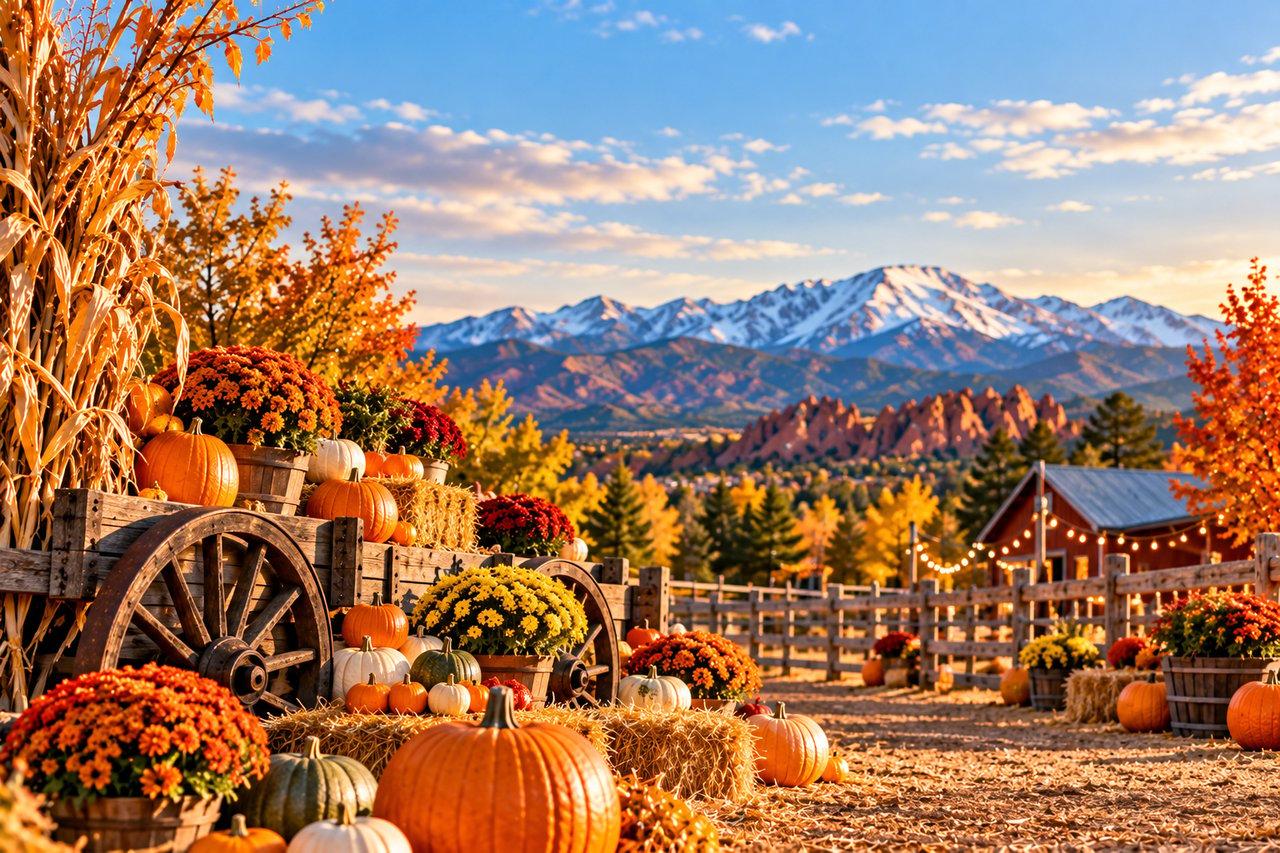
Pumpkin patches and fall festivals
Shannon Price | October 12, 2026
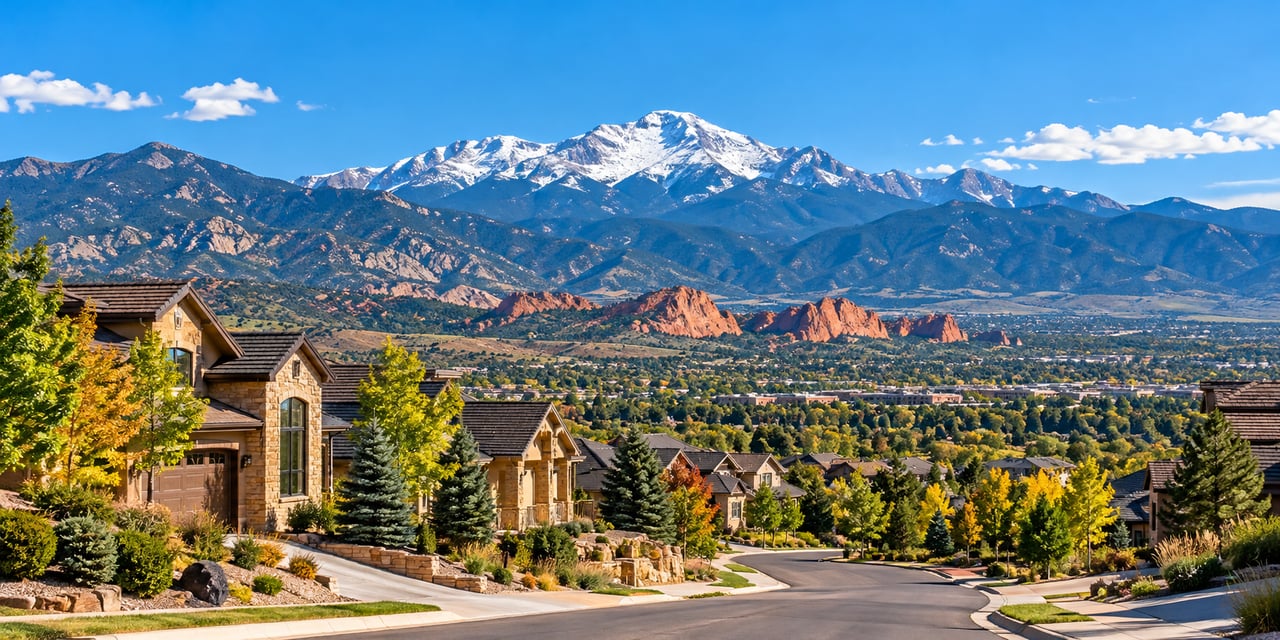
Moving to Colorado Springs
Shannon Price | October 12, 2026
Moving to Colorado Springs
Hiking
Shannon Price | October 8, 2026
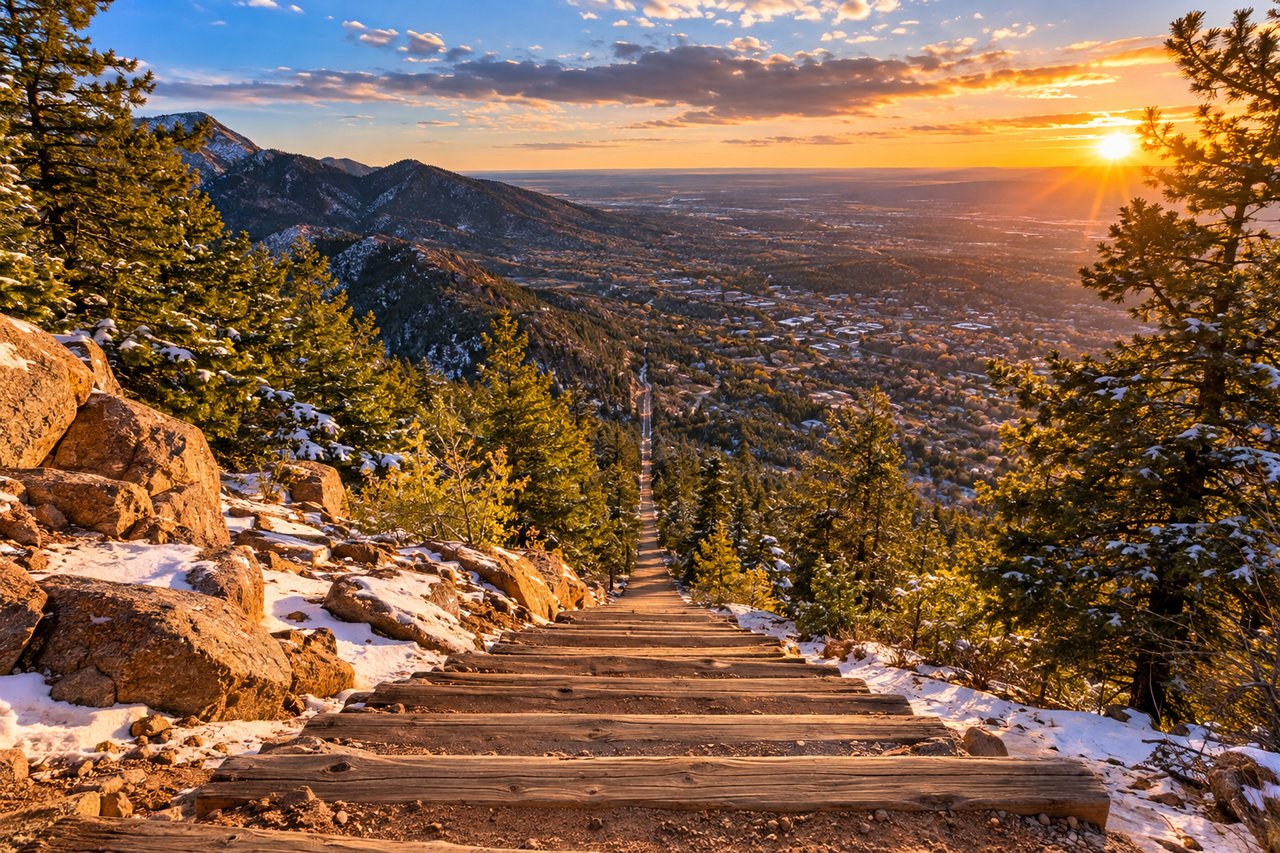
The Manitou Incline
October 8, 2026

Southern Colorado Activities
Scott Coddington | October 8, 2026
Live Music, Pumpkin Patches, Family Activities & Fall Fun in Colorado Springs, Pueblo & Pueblo West
Homeownership
Scott Coddington | October 4, 2026
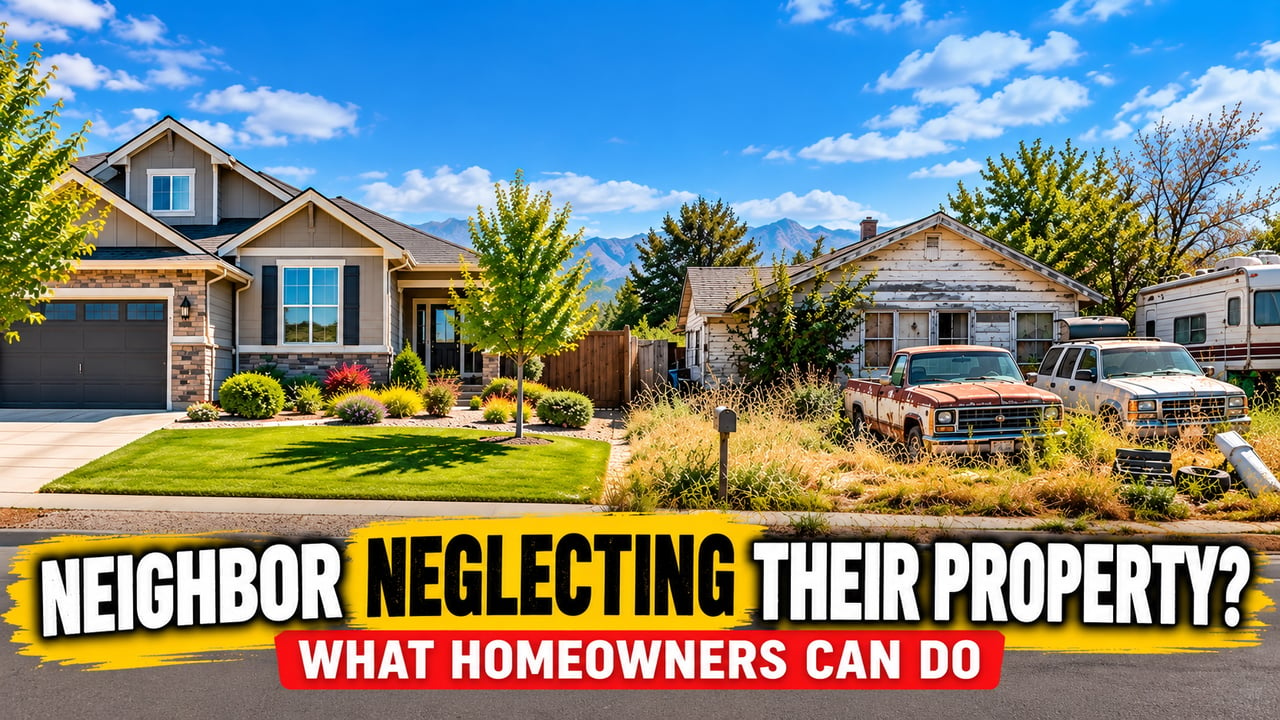
From talking with your neighbor to HOAs, covenants, and Code Enforcement, learn how to address a neglected property next door—and what it could mean when buying or sel… Read more

Fall Foliage
Shannon Price | October 3, 2026
Best Colorado Springs Neighborhoods for Fall Colors
Homeownership
Scott Coddington | October 3, 2026
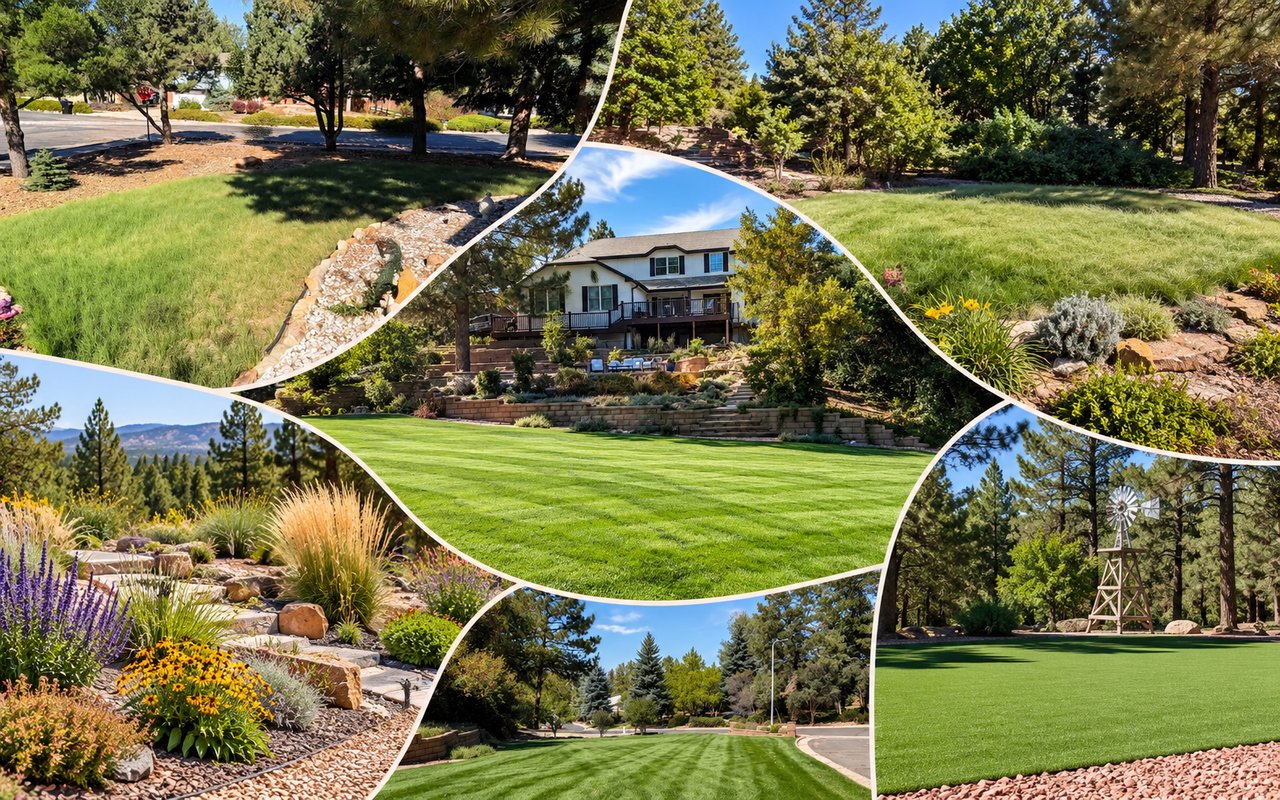
A Colorado Springs homeowner’s guide to choosing the right landscaping for your lifestyle, water use, maintenance, curb appeal, and future resale.

Buying a Home | Colorado Real Estate
Scott Coddington | October 3, 2026
Found a foreclosure on Zillow or Auction.com? Before you bid, understand how Colorado foreclosure auctions work, why you may not be able to inspect the home, and the f… Read more

2026 Relocation Guide
Scott Coddington | October 3, 2026
Everything You Need to Know About Housing, Cost of Living, Neighborhoods, Traffic, Taxes, and Life in Colorado Springs

2026 Relocation Guide
Scott Coddington | October 3, 2026
Everything You Need to Know About Housing, Cost of Living, Neighborhoods, Weather, Taxes, and Life in Colorado Springs

2026 Relocation Guide
Scott Coddington | October 2, 2026
What You Need to Know Before You Move
July 23, 2026

Southern Colorado Activities
Scott Coddington | October 2, 2026
Fall Festivals, Pumpkin Patches, Live Music, Sports & Family Events in Colorado Springs, Pueblo & Pueblo West

Buying a Home | Colorado Real Estate
Scott Coddington | September 30, 2026
Pulse Real Estate App

2026 Relocation Guide
Scott Coddington | September 30, 2026
Everything You Need to Know About Housing, Cost of Living, Neighborhoods, Weather, and Life in Colorado Springs

Buying a Home in Colorado Springs
Shannon Price | September 30, 2026
Buying in Colorado Springs
2026 Relocation Guide
Scott Coddington | September 30, 2026
Everything You Need to Know About Homes, Cost of Living, Larger Lots, Pueblo Reservoir, Commuting, and Life in Pueblo West

2026 Relocation Guide
Scott Coddington | September 30, 2026
What You Need to Know Before You Move

Hiking
Shannon Price | September 25, 2026
Hiking Spots Colorado Springs

Dining in Colorado Springs
Shannon Price | September 25, 2026
July 9, 2026

Colorado Springs Real Estate
Rachael Ian | September 17, 2026
Lower rates are a possibility and I can help you secure one!
New Construction
Scott Coddington | September 17, 2026
Builder incentives can mean lower payments, closing-cost assistance, and unique opportunities for VA buyers—but taxes, metro districts, resale value, and how long you … Read more
Moving to Colorado Springs
Scott Coddington | September 17, 2026
Everything You Need to Know About Homes, Neighborhoods, Costs, and the Colorado Springs Housing Market
Mortgage Rates above 7%
Scott Coddington | September 16, 2026
buying-home-mortgage-rates-above-7-percent

Buying a Home in Colorado Springs
Scott Coddington | September 16, 2026
Everything You Need to Know About Financing, Neighborhoods, Negotiations, and Finding the Right Home in Colorado Springs and Beyond
Selling a House in Colorado Springs : 2026 Seller's Guide
Scott Coddington | September 16, 2026
How to Prepare, Price, Market, Negotiate, and Successfully Sell Your Colorado Springs Home
Colorado Springs Neighborhoods
Scott Coddington | September 16, 2026
Explore Briargate, Black Forest, Monument, Falcon, Fountain, Woodland Park, Pueblo West, and More to Find the Area That Fits Your Lifestyle, Budget, and Home Search

Colorado Springs Real Estate
Scott Coddington | September 16, 2026
Best Realtor in Colorado Springs: How to Choose the Right Real Estate Agent

Home Buying
Scott Coddington | September 11, 2026
What Buyers Need to Knoiw
August 6, 2026
July 16, 2026
May 21, 2026
June 18, 2026
February 12, 2026
December 11, 2025
January 22, 2026
April 2, 2026
April 9, 2026
January 15, 2026
March 26, 2026
August 6, 2026
March 24, 2026
April 23, 2026
April 16, 2026
May 14, 2026
June 11, 2026
July 2, 2026
December 25, 2025
June 25, 2026
May 7, 2026
March 5, 2026
June 4, 2026
March 12, 2026
May 28, 2026
February 26, 2026
January 1, 2026
February 19, 2026

November 27, 2025
December 4, 2025
February 5, 2026
Scott Coddington | January 14, 2026
January 8, 2026
November 27, 2025
December 18, 2025

November 21, 2025
Serving communities from Colorado Springs through Pueblo and Denver, west into the mountains or east to the plains, our team is here to help with all your real estate needs across Colorado’s Front Range.