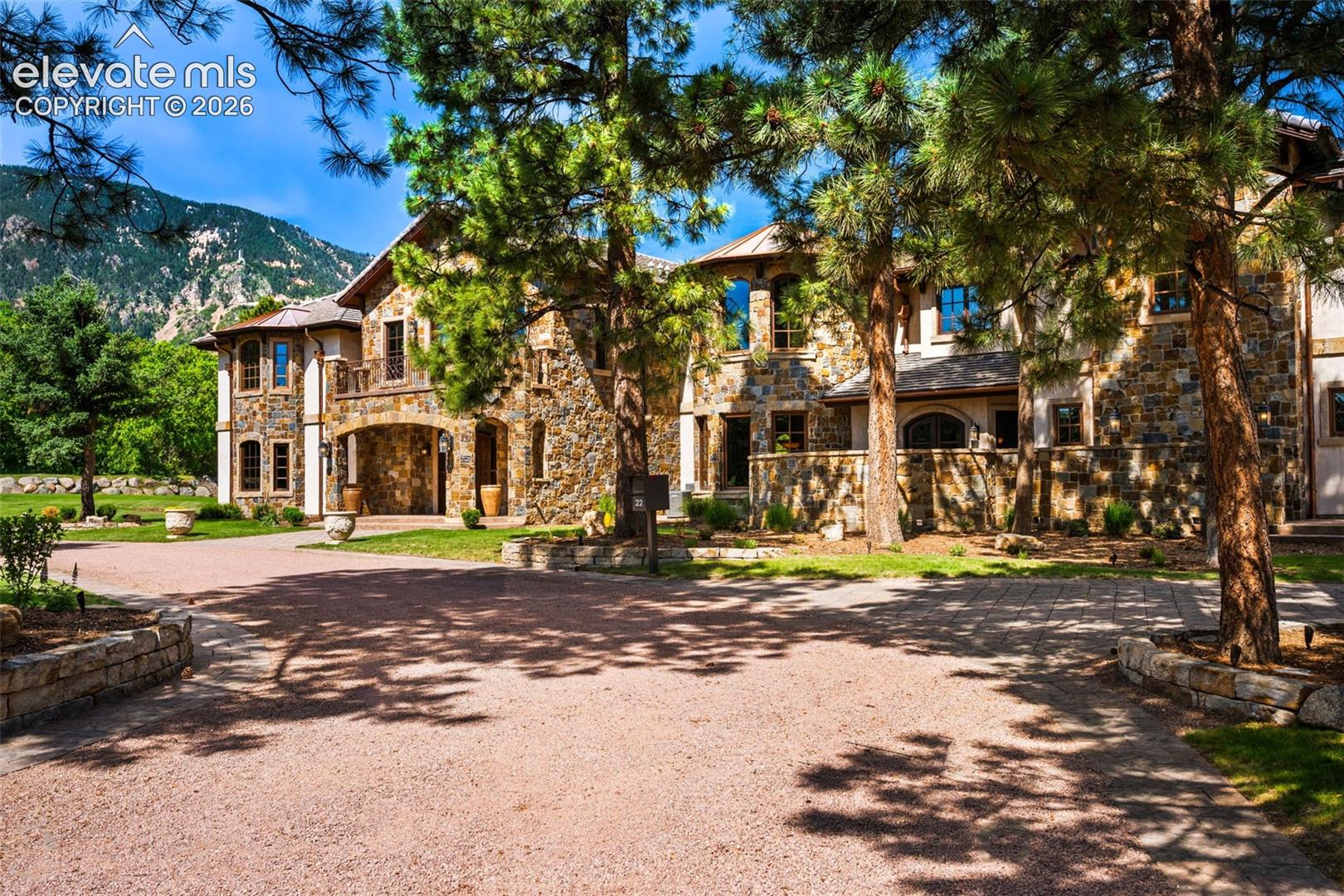
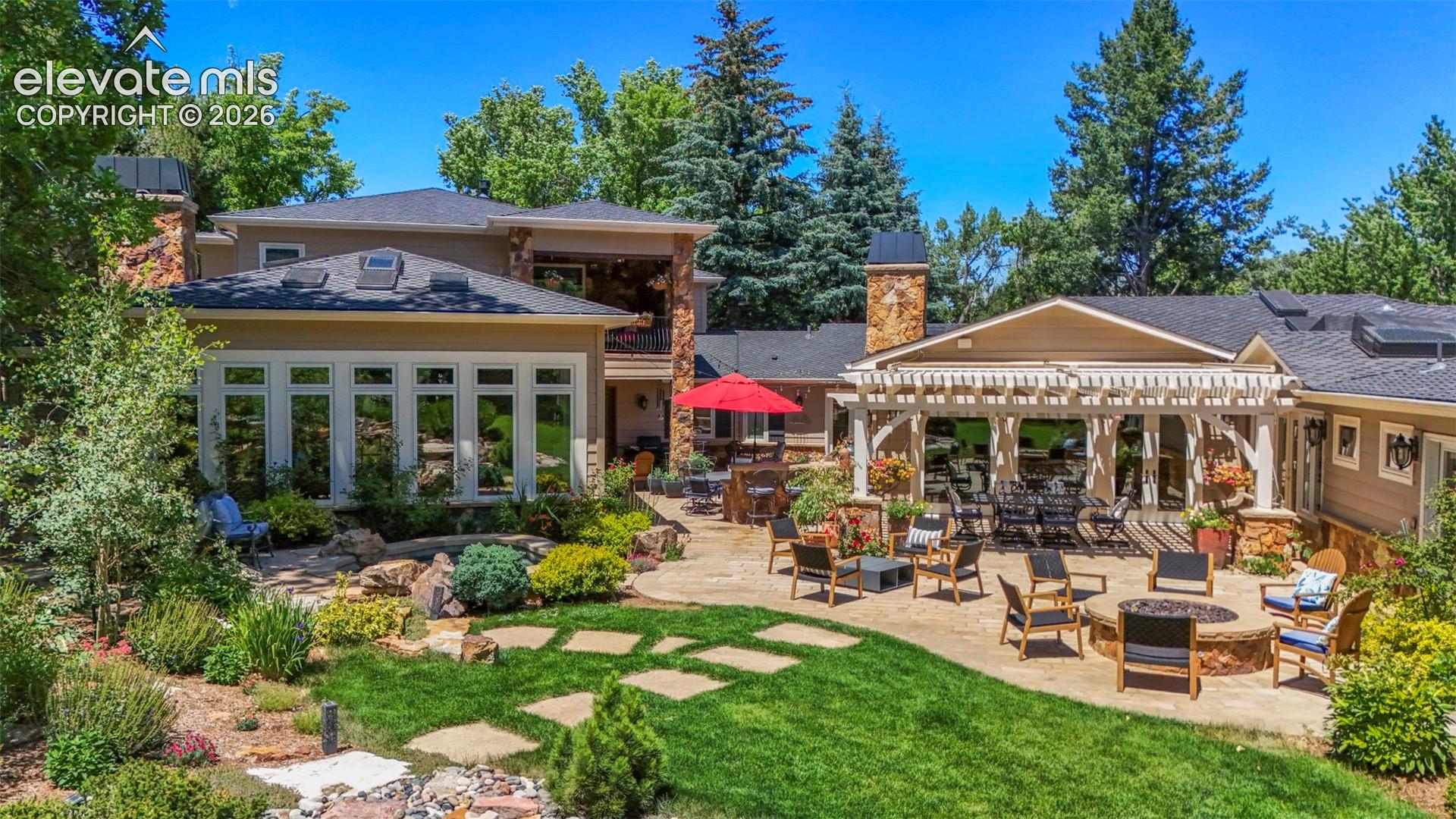
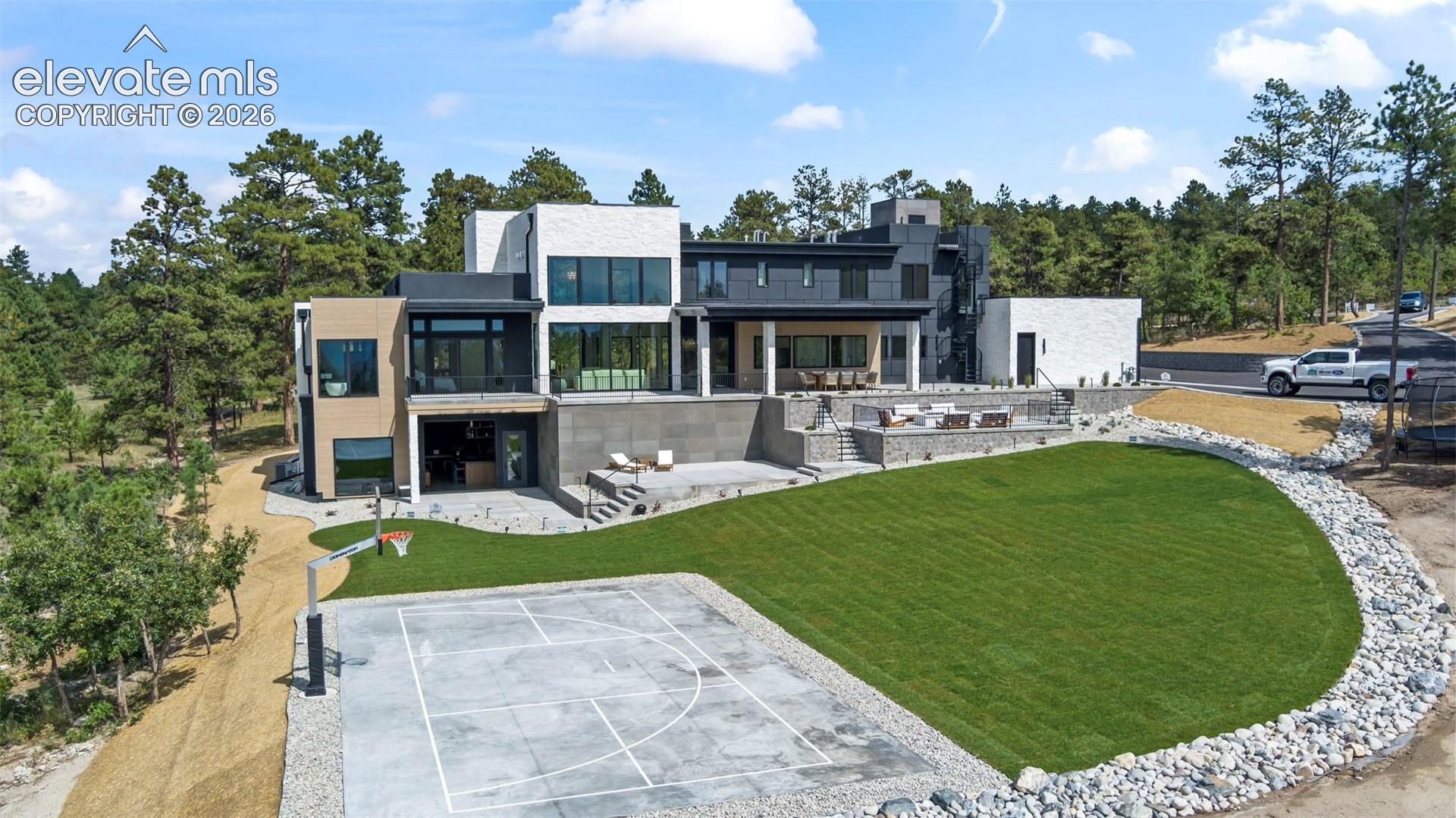
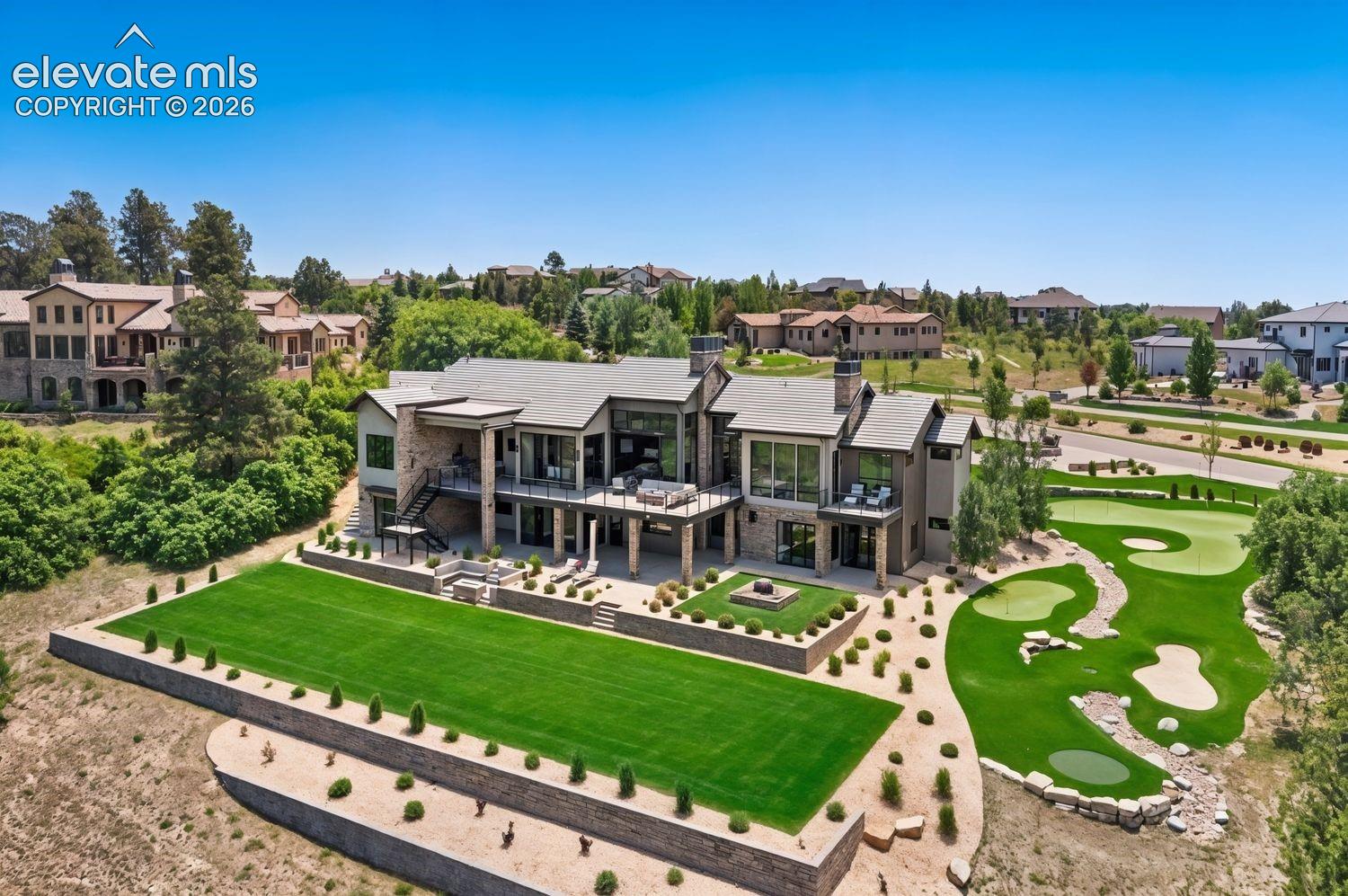
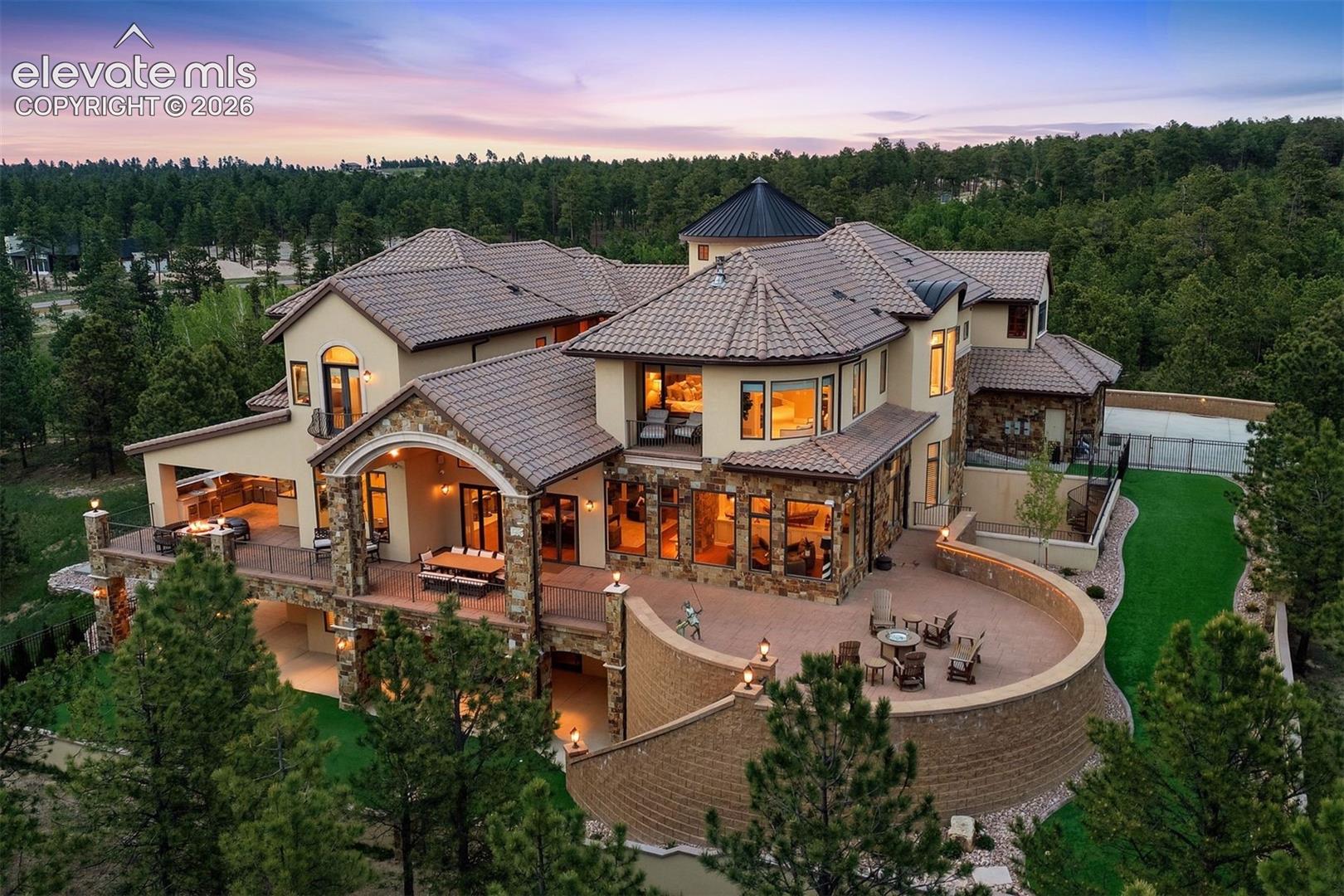
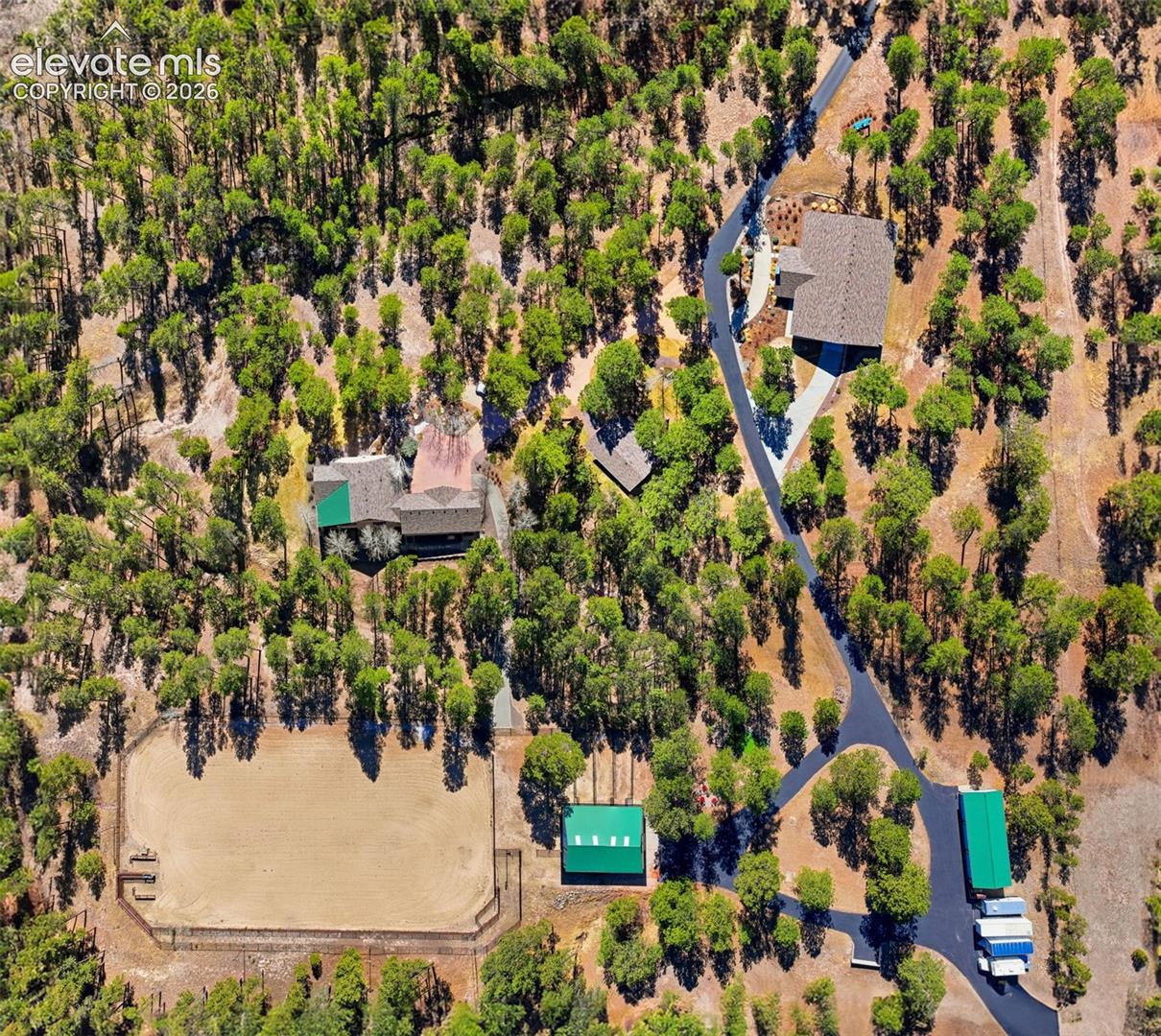
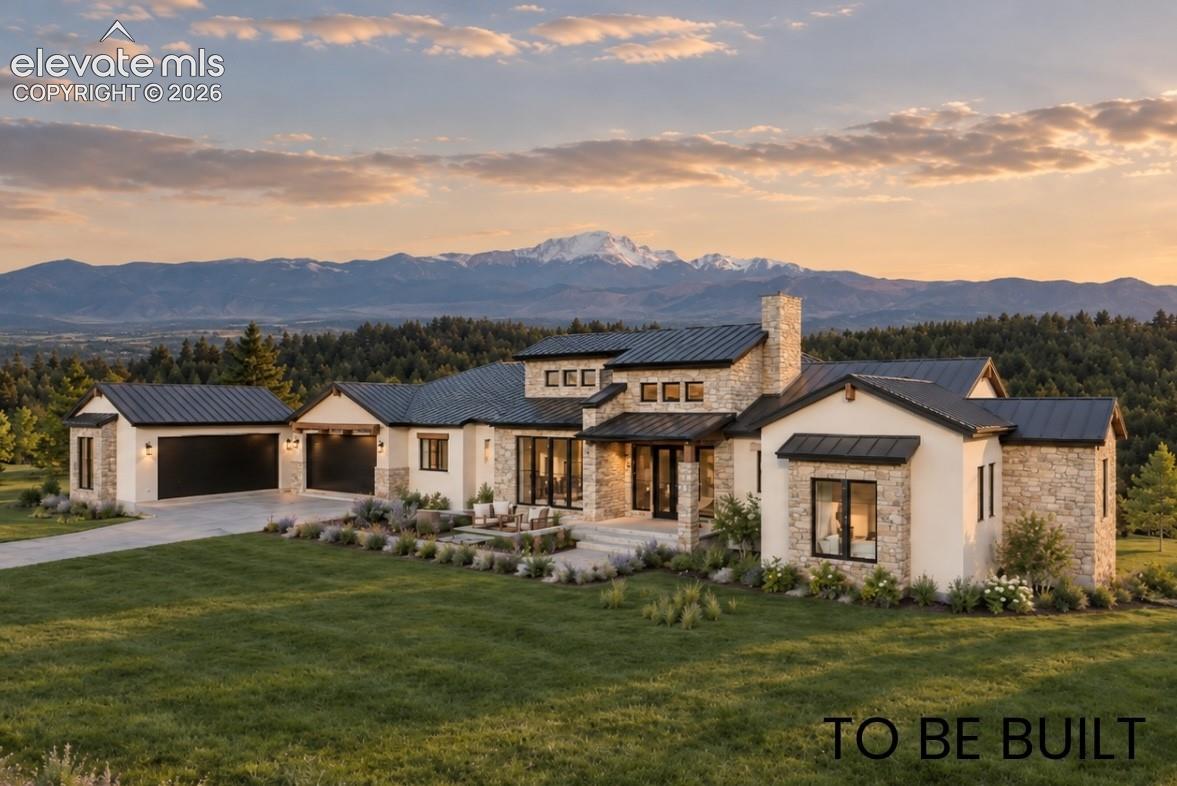
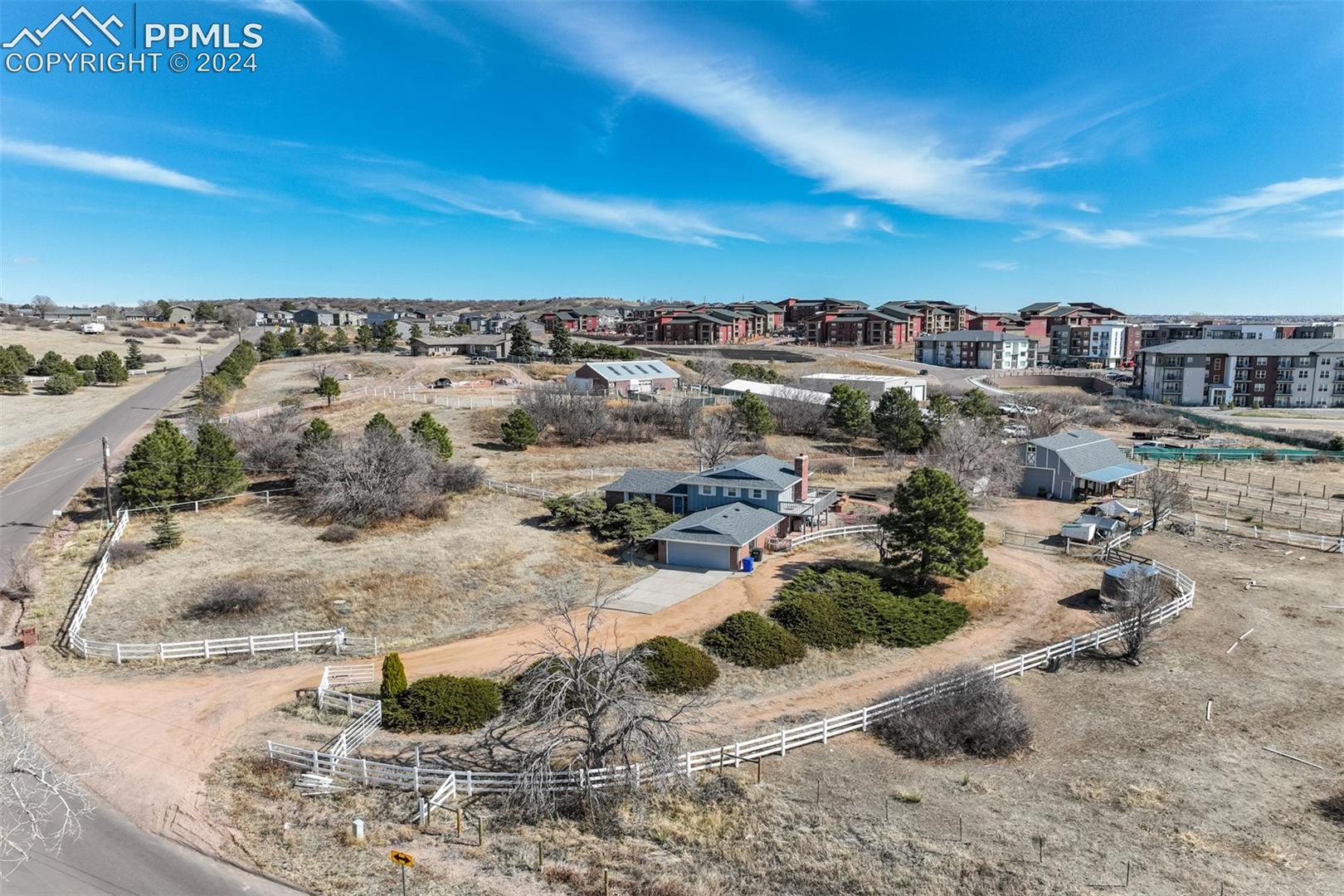
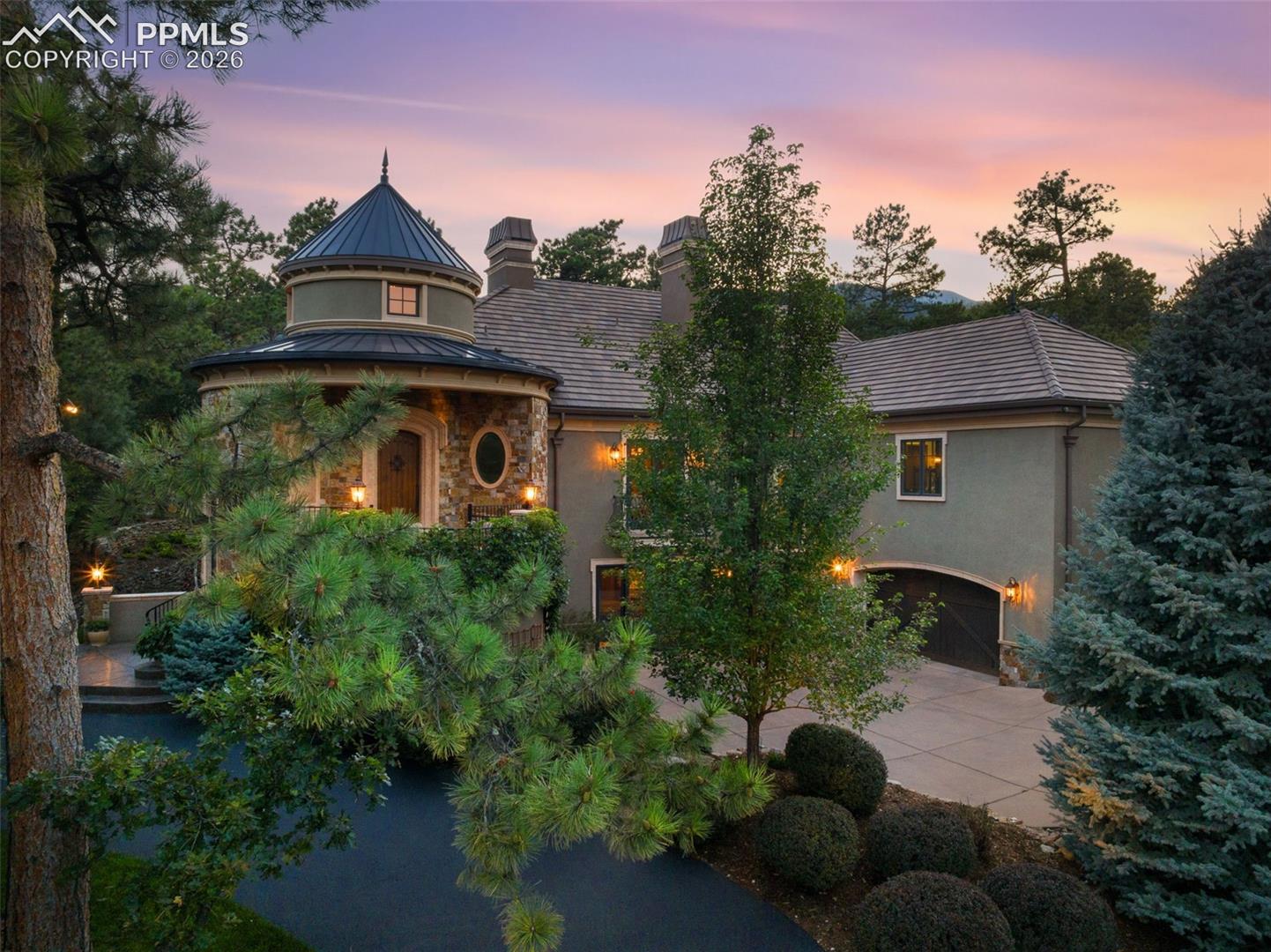
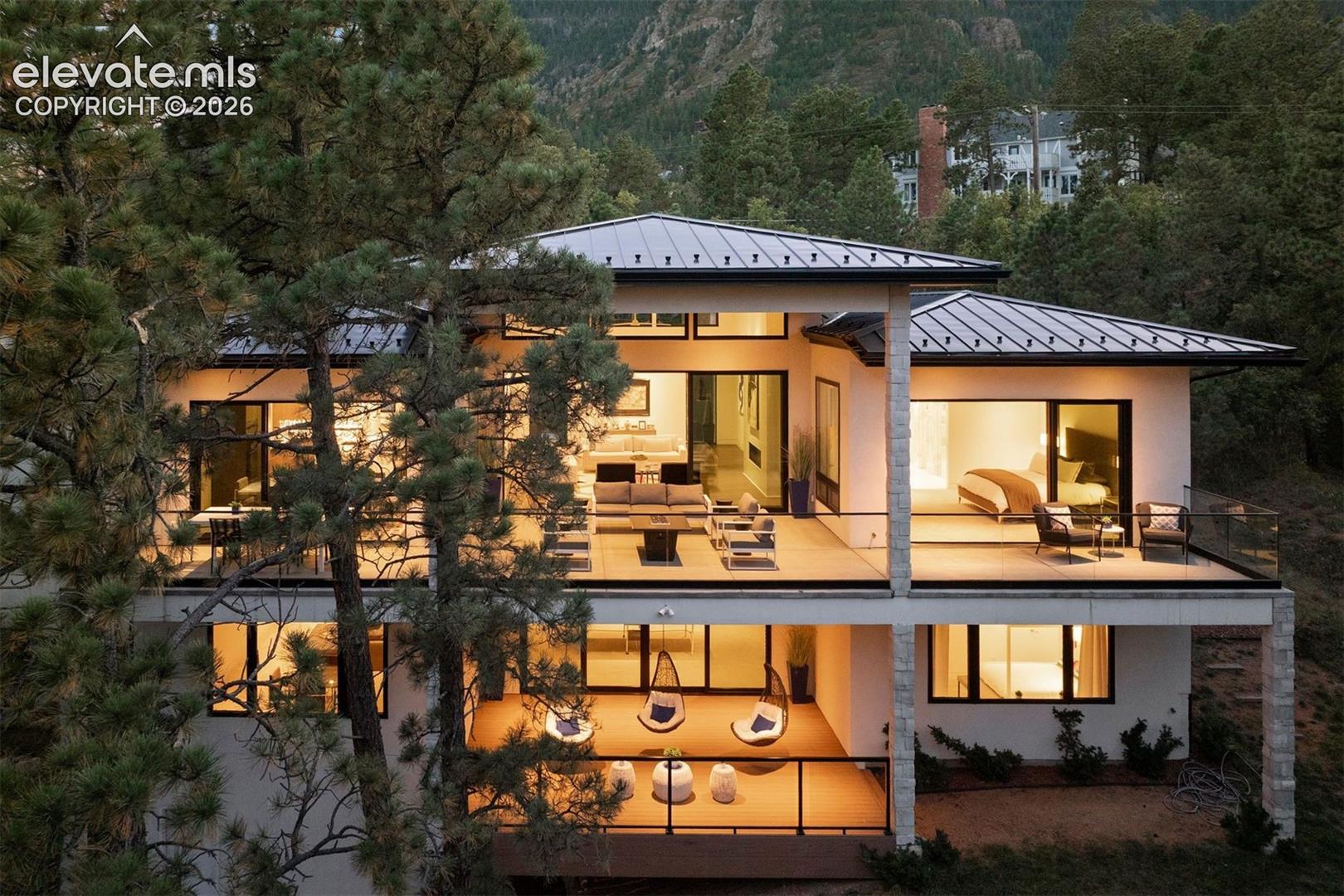
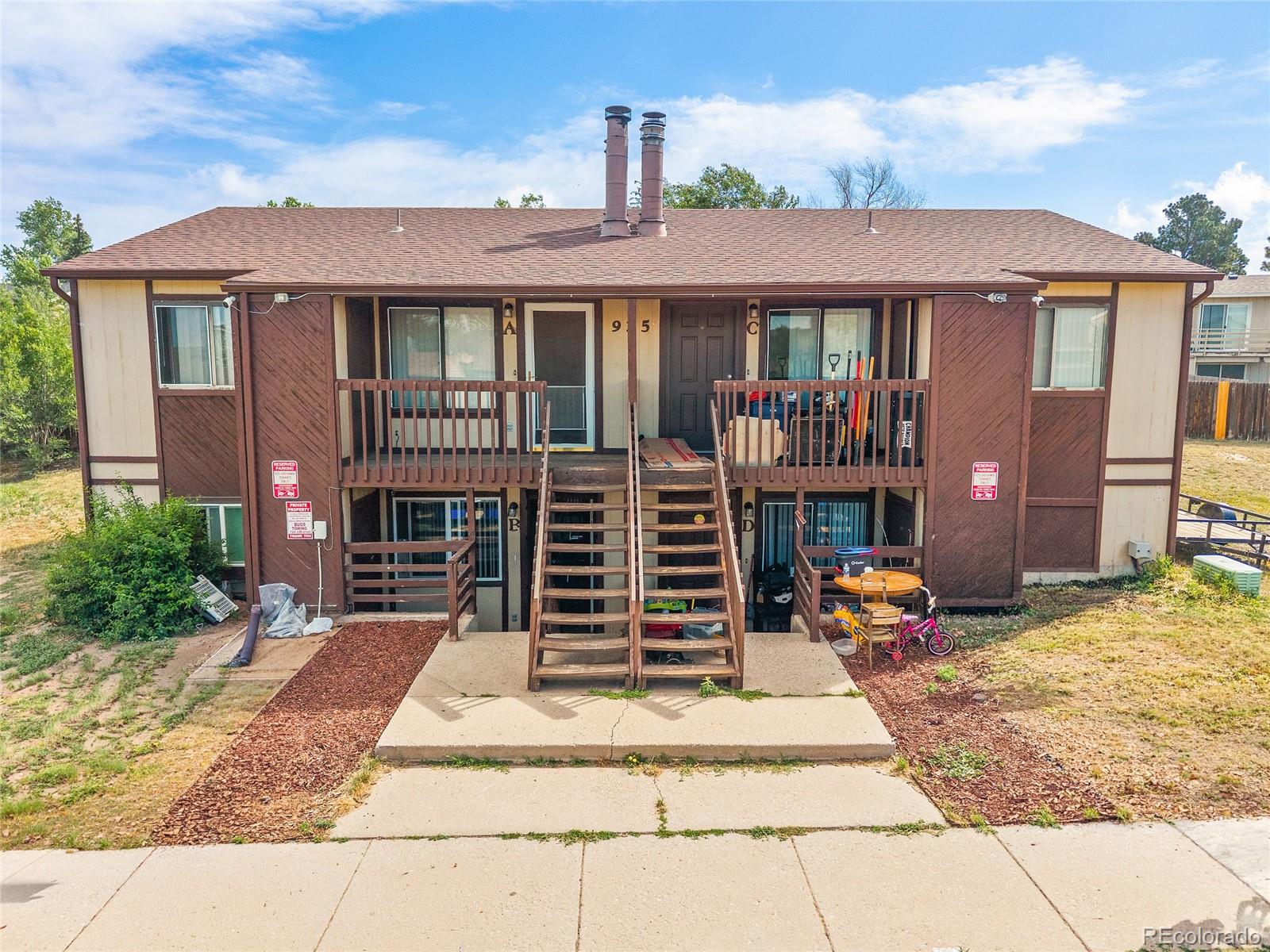
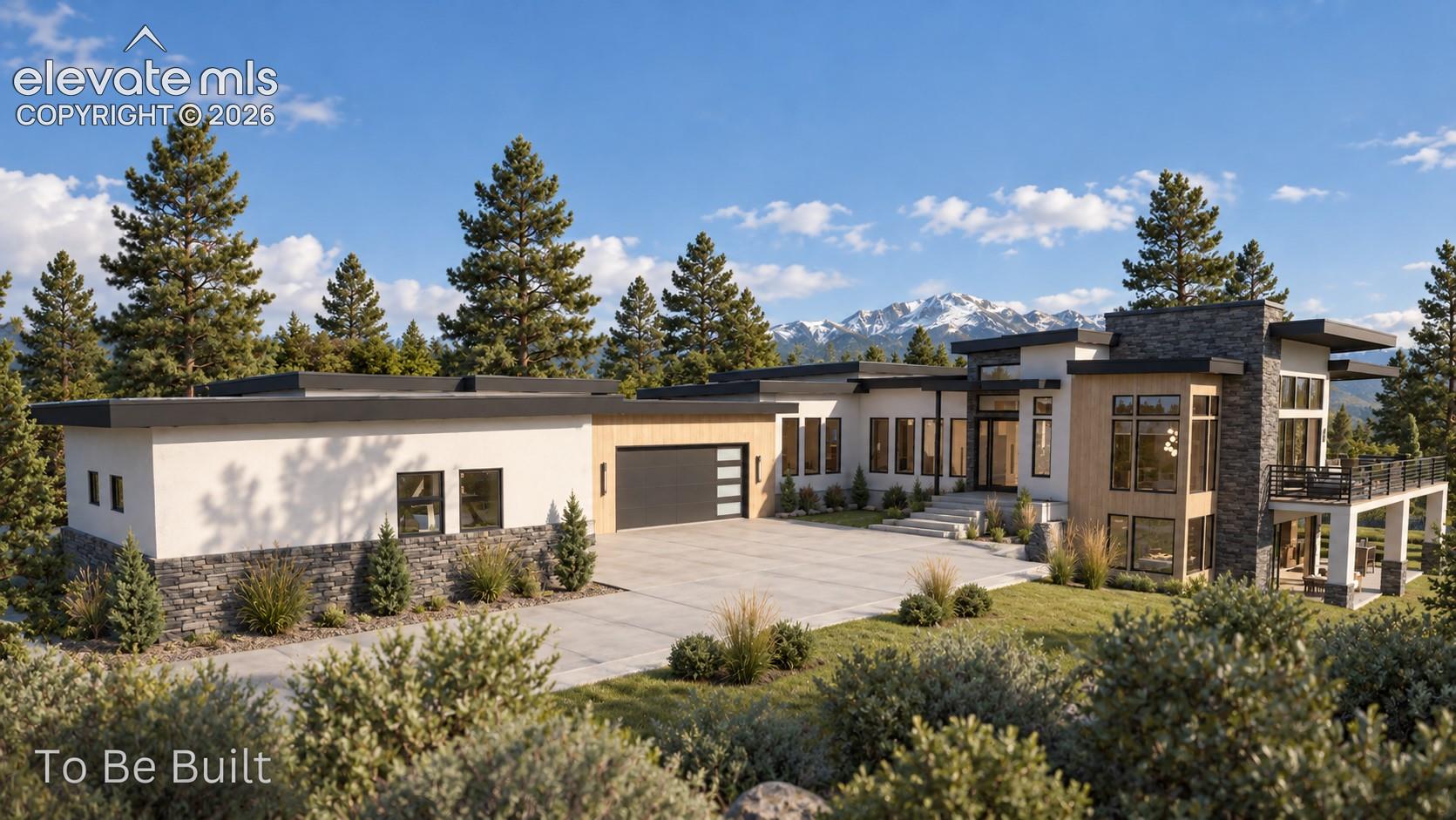
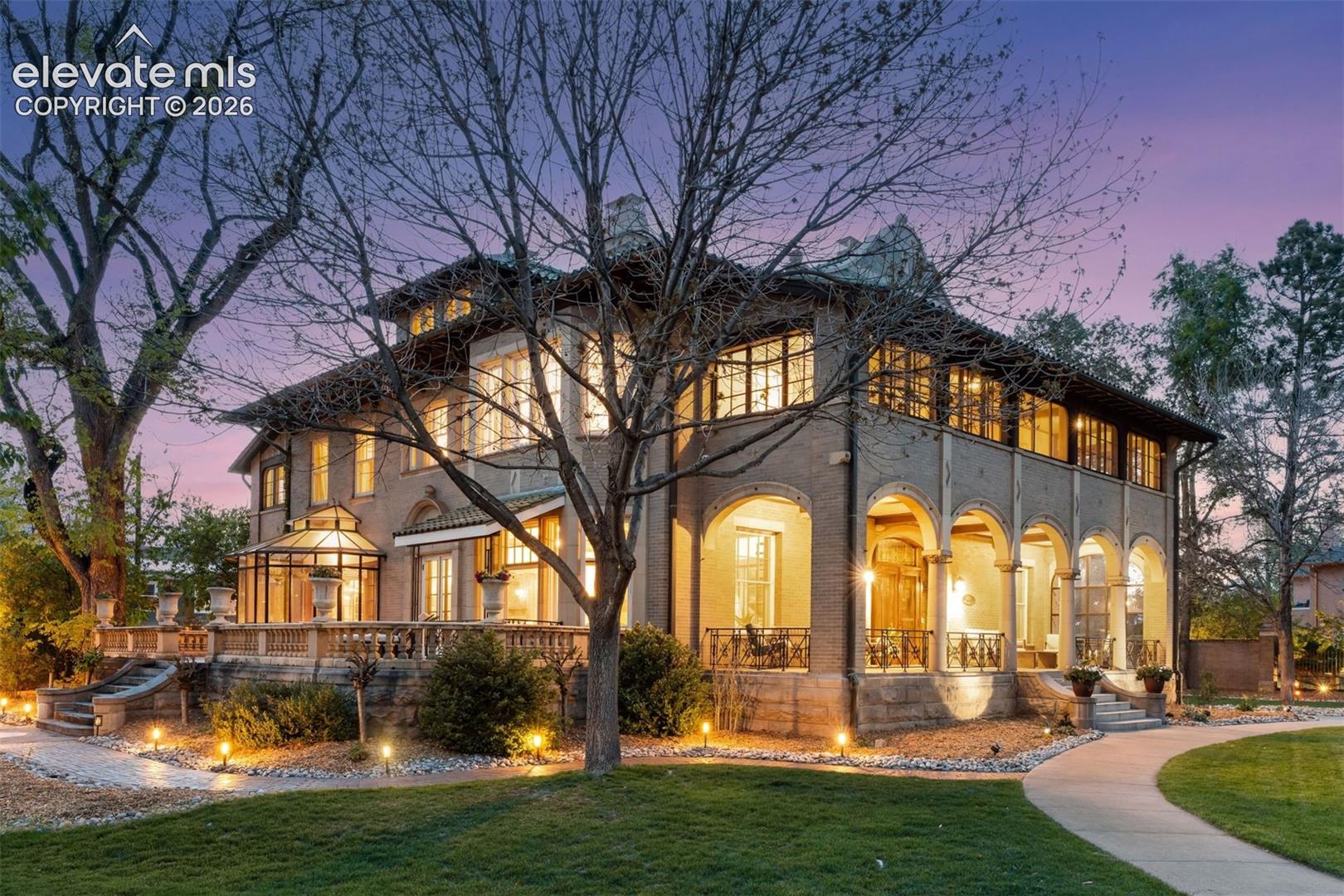
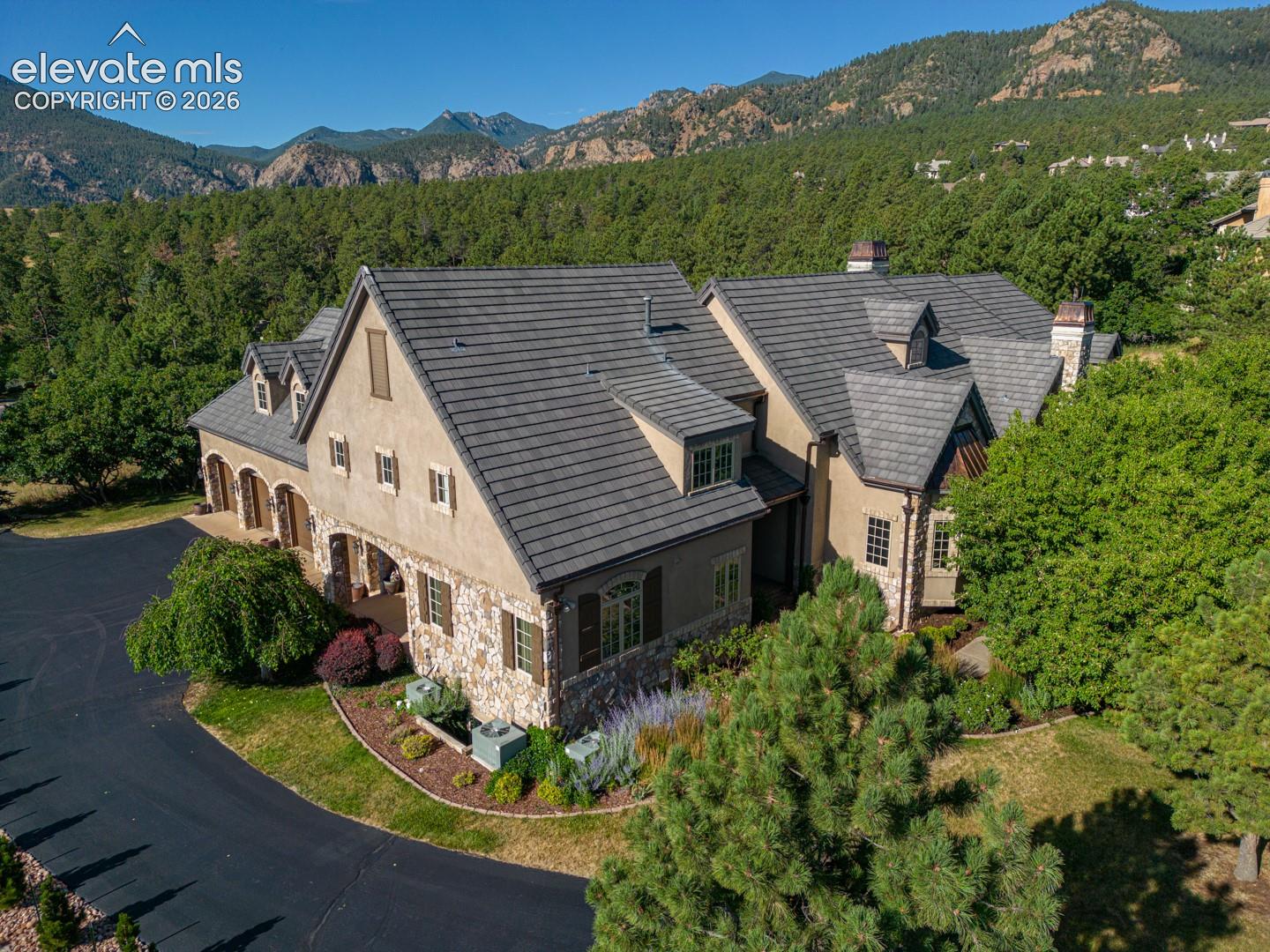
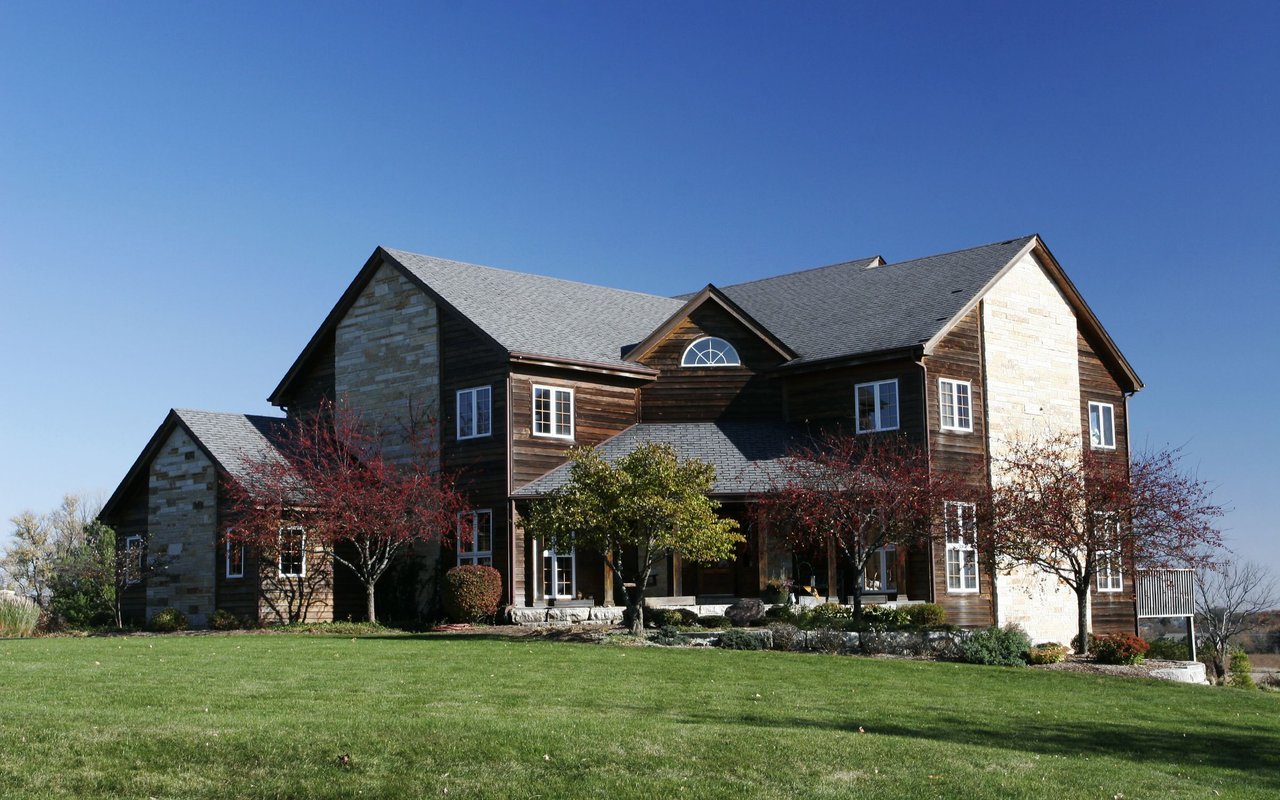
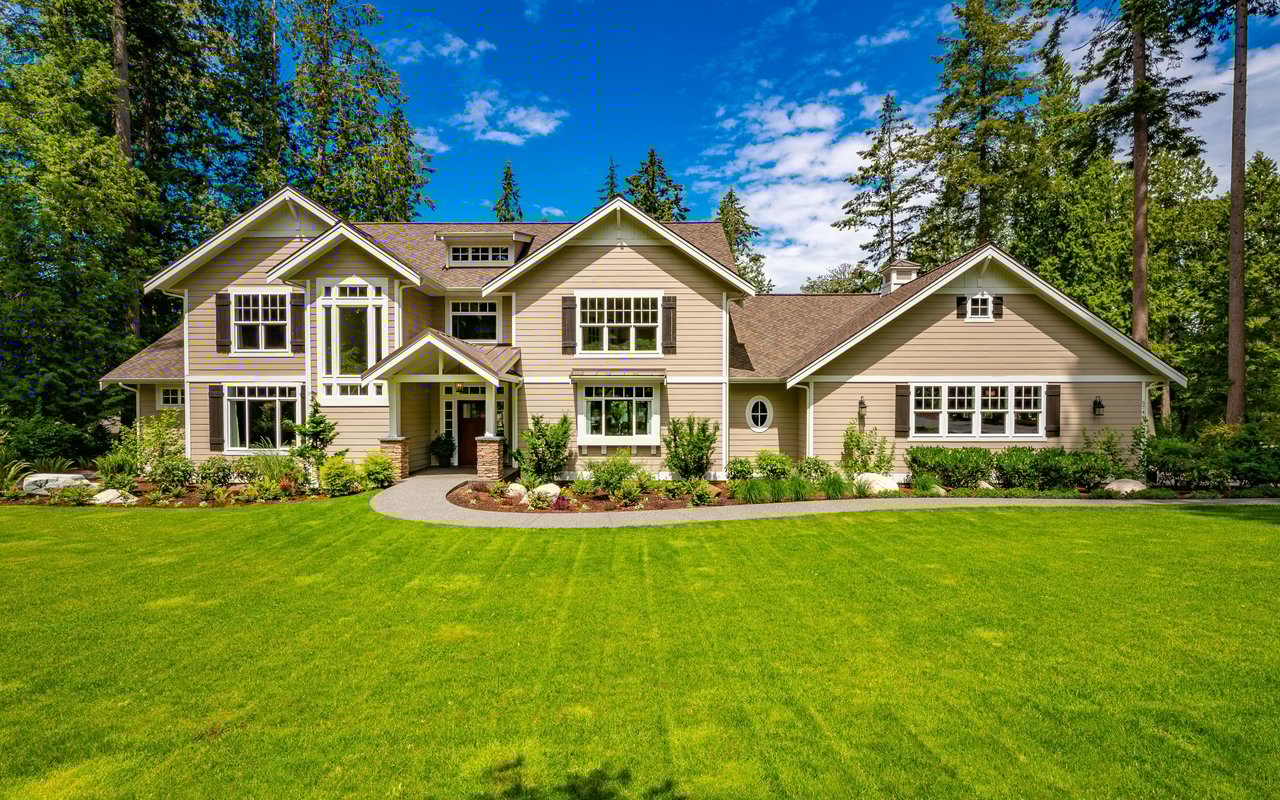
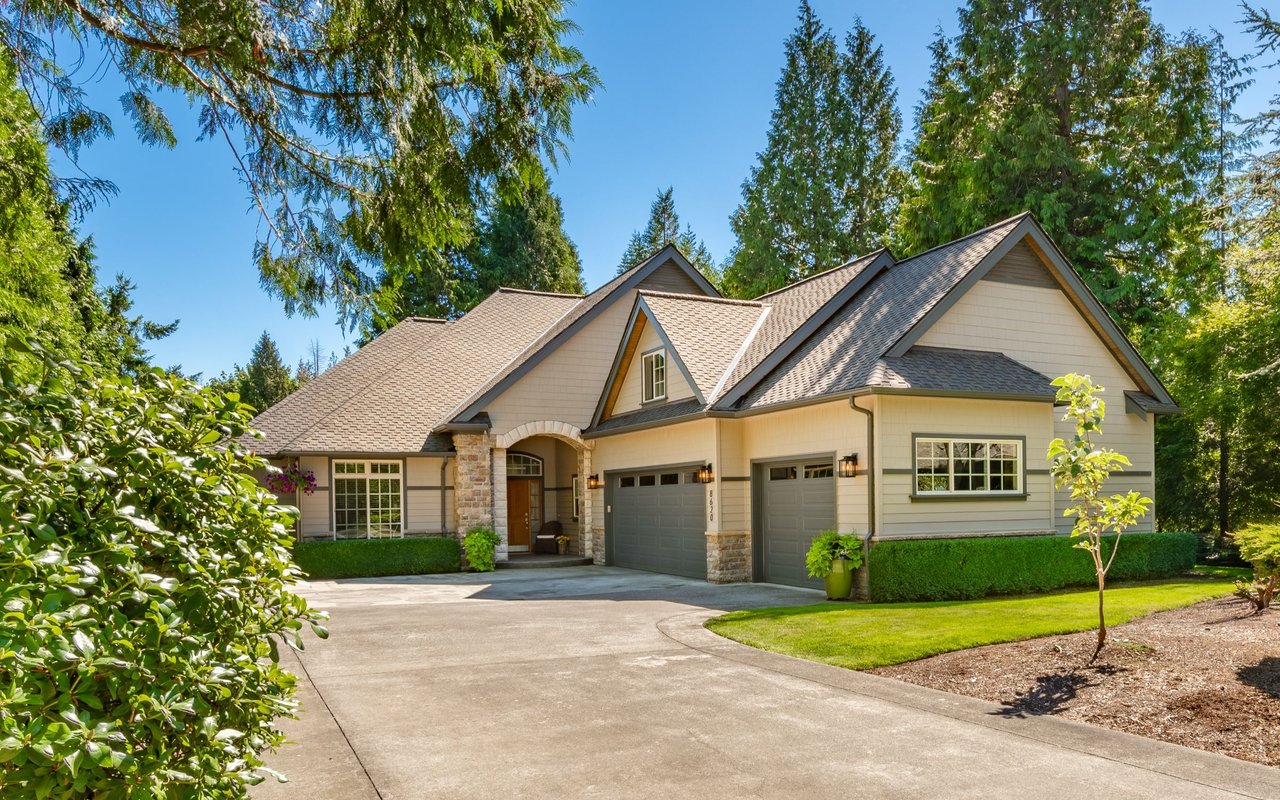
Colorado Springs offers luxury buyers expansive mountain-view estates and acreage at a notably lower price point than comparable Colorado markets like Denver or Aspen, paired with a high quality of life, strong outdoor access, and a growing high-end housing market.
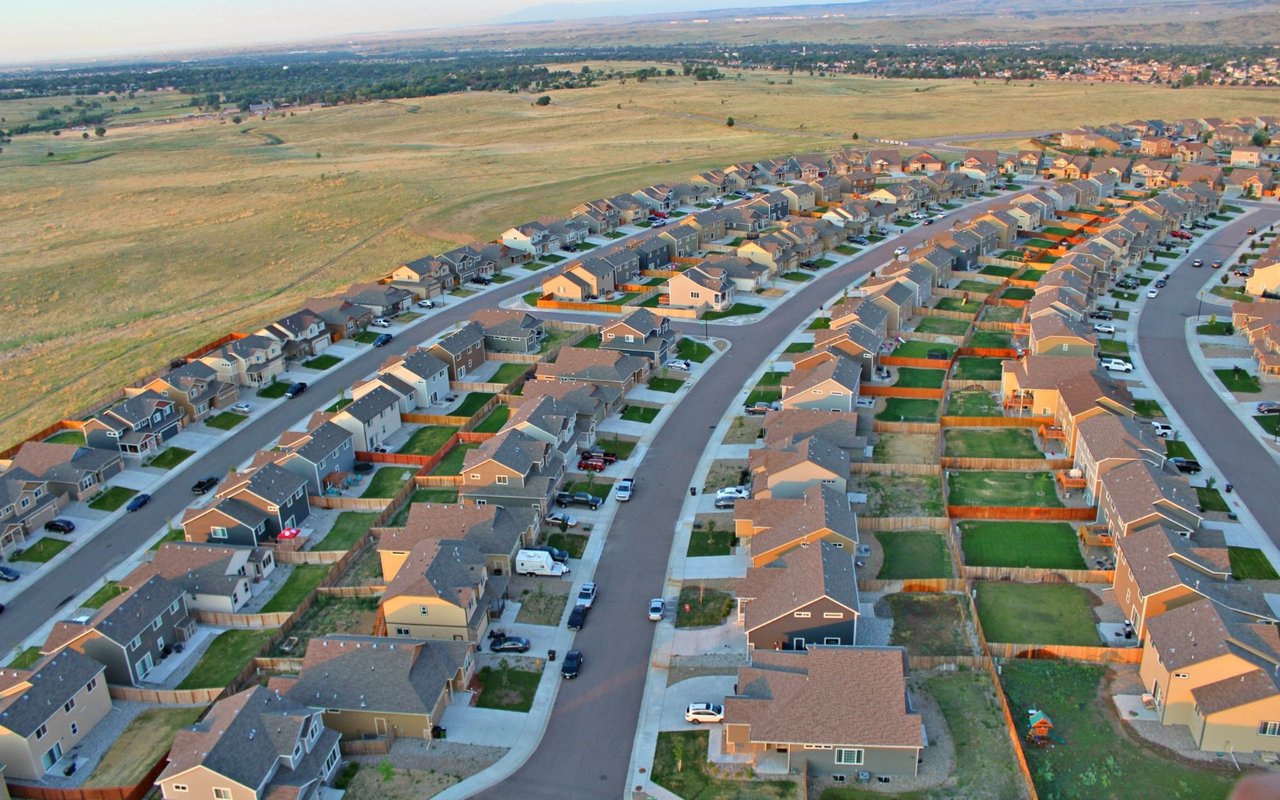
The Colorado Springs housing market is experiencing a notable shift toward seasonal momentum, characterized by a realistic alignment between buyer demand and seller expectations. While overall sales activity has seen a healthy year-over-year bump of more than 6%, a significant gap between initial luxury or aspirational asking prices and actual closing numbers has forced many sellers to adjust. Buyers are keeping a firm ceiling on prices—causing modest downward pressure on the overall median sale price and leading roughly 35% of active listings to undergo price reductions. Consequently, homes that are priced accurately out of the gate are moving relatively quickly, maintaining a balanced environment that gives buyers slightly more breathing room without triggering a dramatic drop in market competitiveness.
Median Sale Price
Median Sale Price per Sq. Ft.
Total Homes Sold
Median Days on Market
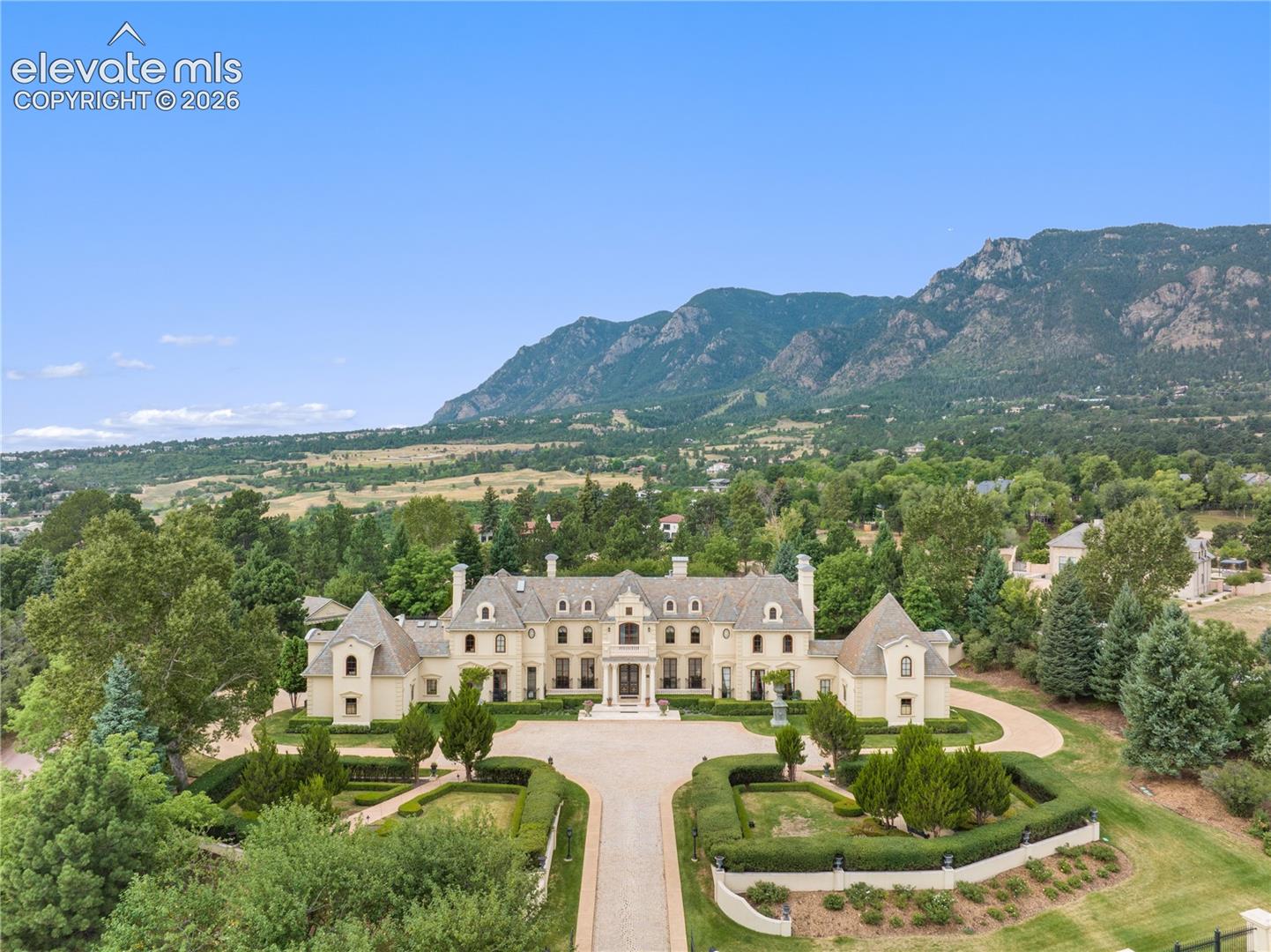
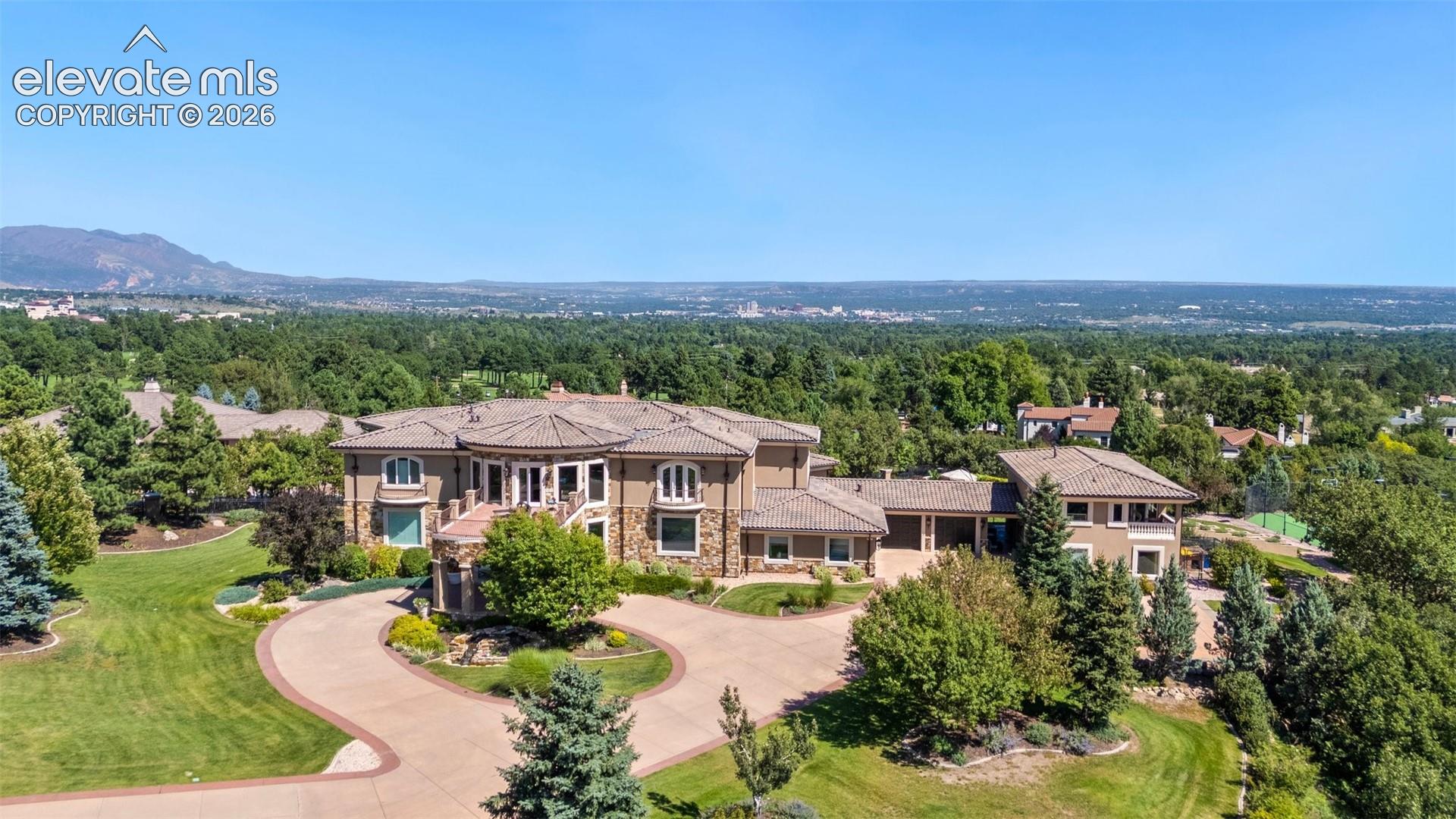
The most compelling reason to buy luxury in Colorado Springs is what your money buys compared to the rest of the state. In Aspen, Vail, or Telluride, a multi-million-dollar budget often gets you a relatively modest property inflated by resort-town scarcity, and even Denver's high-end neighborhoods command a premium driven by metro density. Colorado Springs gives you genuine estate-scale living for the same or less—larger lots, more square footage, custom builds, and acreage with privacy that simply isn't available at comparable price points along the I-70 ski corridor or in central Denver. For buyers who want the Colorado lifestyle without paying the resort or big-city tax, the Springs is the clearest value in the state.
Plenty of places offer mountain views, but Colorado Springs is built directly against the Front Range, with Pikes Peak, Garden of the Gods, and Cheyenne Mountain framing entire neighborhoods. Luxury enclaves like Broadmoor, Kissing Camels, and the foothills west of the city put you minutes from world-class hiking, climbing, and golf while still inside a real city with restaurants, healthcare, and an airport. Unlike a remote resort town where access is seasonal and isolating, or a flatter market elsewhere in the country that has to manufacture its scenery with landscaping and golf courses, here the landscape is the draw and it's available year-round at your doorstep.
Colorado Springs rests on an unusually durable economic base—a heavy concentration of military installations (Fort Carson, Peterson and Schriever Space Force Bases, the Air Force Academy), a growing aerospace and defense sector, and a healthcare and tech presence that keeps demand steady even when speculative markets cool. That diversity is something a single-industry resort town or a market tied to one volatile employer can't match, and it tends to keep high-end home values resilient. Layered on top is a tangible quality of life: a milder, sunnier climate than the high country, top-rated schools, lower overall cost of living than coastal luxury hubs, and the absence of the congestion that increasingly defines Denver. For a buyer weighing where in Colorado—or the country—to place a significant amount of capital, that combination of lifestyle and downside protection is hard to beat.
If any of these considerations raise questions about a specific home, or if you'd like to see how they play out in person, we'd be glad to help—reach out anytime for more information or to schedule a private showing.
This is the single most important—and most overlooked—consideration unique to the Colorado Springs area. Much of the Front Range, and the Springs in particular, sits on bentonite and other expansive clay soils that swell dramatically when they absorb moisture and shrink when they dry out. On a luxury home, where you may be dealing with a sprawling footprint, a finished walk-out basement, extensive hardscaping, and heavy stone or stucco exteriors, that soil movement can translate into cracked foundations, sticking doors, sloping floors, and failed structural piers if the home wasn't engineered and drained correctly. Quality luxury builds here use caissons, structural floating slabs, and engineered drainage to manage it, but not every home—even at the high end—was built or maintained to that standard. Before committing, it's worth understanding the specific soil report for the lot, the type of foundation system, the grading and drainage around the home, and whether there's a history of structural repair. This is precisely the kind of due diligence we help our clients navigate, and we're glad to walk you through what to look for on any property you're considering.
Some of the most coveted luxury settings in Colorado Springs—Cedar Heights, the foothills west of the city, and the wooded acreage of Black Forest to the north—sit squarely in the wildland-urban interface, where homes meet dense forest. The region has a real history with this; the Waldo Canyon and Black Forest fires reshaped how buyers, builders, and insurers think about these areas. For a luxury buyer, this affects far more than peace of mind: it directly impacts insurability, premiums, and sometimes whether a carrier will write a policy at all. Defensible space, fire-resistant roofing and siding, ember-resistant venting, and a property's Firewise standing all matter. It's not a reason to avoid these stunning settings—it's a reason to evaluate them with eyes open. We can help you understand a specific property's risk profile and insurance picture before you fall in love with the views.
Colorado Springs sits in the heart of "hail alley," one of the most hail-prone regions in the country. For most homes this is a nuisance; for a luxury home, it's a significant financial consideration because of the materials involved—slate, tile, cedar shake, copper accents, expansive glass, skylights, and large outdoor living spaces are all vulnerable and expensive to replace. A roof that looks fine from the curb may have storm damage, a patched insurance history, or be approaching a point where carriers want it replaced. Understanding the age and material of the roof, the claims history, whether impact-resistant materials were used, and how exterior features hold up to storms is essential to avoiding a surprise six-figure expense. We routinely help buyers interpret roof and storm history so there are no costly unknowns after closing.
Many of the area's premier estate properties—particularly the larger lots in Black Forest, the foothills, and the rural enclaves outside the city core—are not on municipal water and instead rely on private wells, cisterns, or augmentation plans governed by Colorado's complex water law. This is genuinely different from buying a luxury home in a fully serviced suburb of Denver or in most of the country. The type of well permit (household-use-only versus a permit allowing irrigation and livestock) can quietly limit how you actually live on the land—whether you can keep horses, irrigate landscaping, or fill a pool. Septic systems, propane, and private road maintenance agreements often come into play as well. These details shape both lifestyle and long-term value, and they're easy to misread without local guidance. We're happy to help you decode the water and infrastructure situation on any acreage property.
Colorado Springs doesn't have one luxury market—it has several, each with its own identity, price dynamics, and lifestyle, and knowing the differences is something unique to buying here. The Broadmoor area carries historic prestige, walkability to the resort, and mature, established estates. Kissing Camels offers gated, golf-course living close to Garden of the Gods. Flying Horse to the north is a newer, amenity-rich club community with contemporary builds. Cedar Heights provides gated foothills seclusion, while Stratton Forest and Peregrine deliver elevated, view-oriented settings. The right choice depends on whether you want history or new construction, golf or hiking, gated privacy or resort walkability—and pricing per square foot, HOA structures, and resale behavior vary meaningfully between them. Matching the right enclave to how you actually want to live is where local expertise earns its keep, and it's a conversation we'd welcome having with you.
Because so much of the area's luxury inventory is built into the hillsides and foothills, two factors that rarely matter elsewhere become important here. First is orientation: a north-facing driveway or entry can hold ice and packed snow well into spring because it gets little direct winter sun, while a south-facing exposure clears quickly—a daily quality-of-life difference on a steep luxury lot. Second is the view itself. Colorado Springs has hillside development and view-protection considerations that govern what can be built on adjacent slopes, which affects whether the Pikes Peak or city-lights view you're paying a premium for is actually protected long-term. Understanding sun exposure, slope drainage, and the zoning that safeguards your sightlines protects both your enjoyment and your investment. We can help you assess these property-specific factors that are so particular to building and buying on Colorado Springs terrain.
Whether you're drawn to a historic Broadmoor estate, a gated foothills retreat, or new construction with uninterrupted Pikes Peak views, finding the right luxury home in Colorado Springs takes local insight you can trust. We're here to answer your questions, share what makes each neighborhood unique, and guide you through every detail—from soil and views to insurance and resale. Reach out today to learn more or to schedule a private showing, and let's find the home that fits the way you want to live.
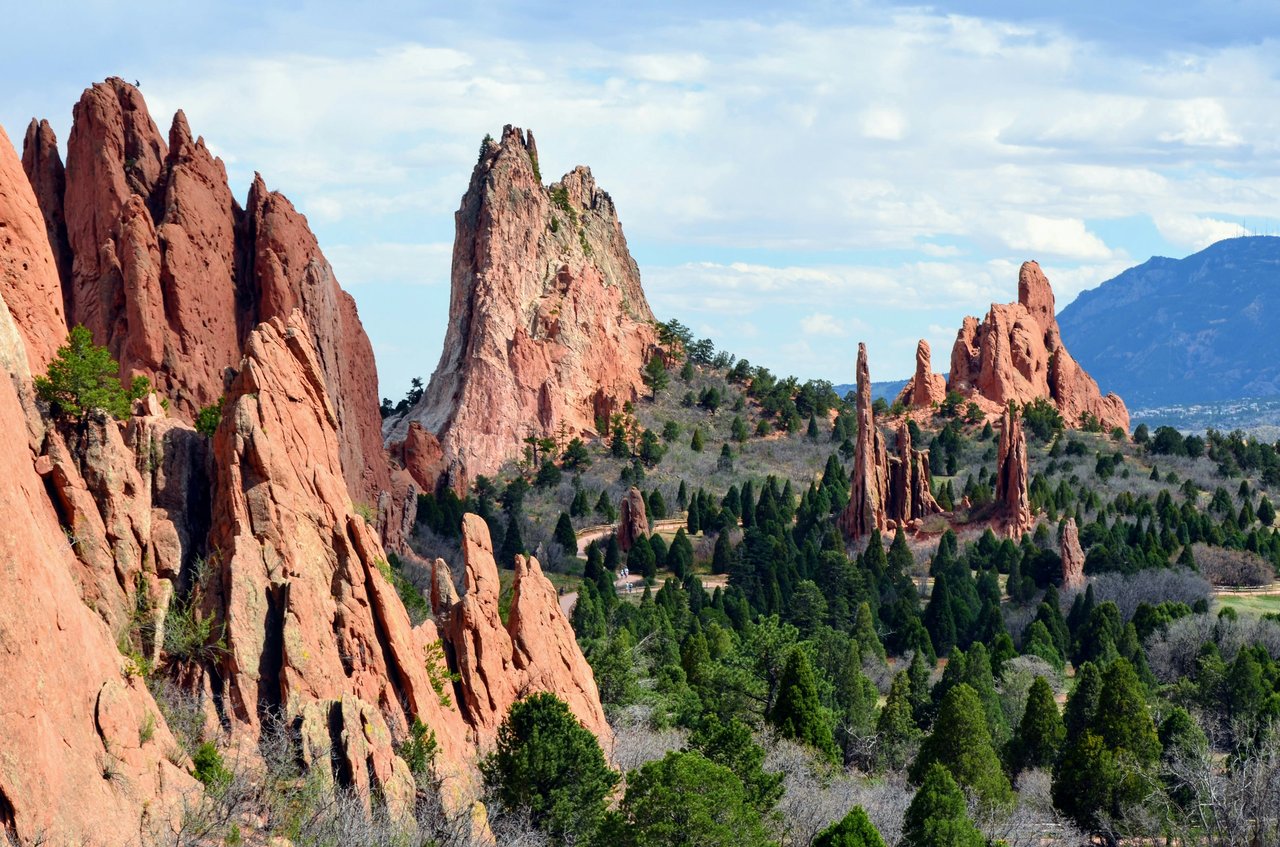
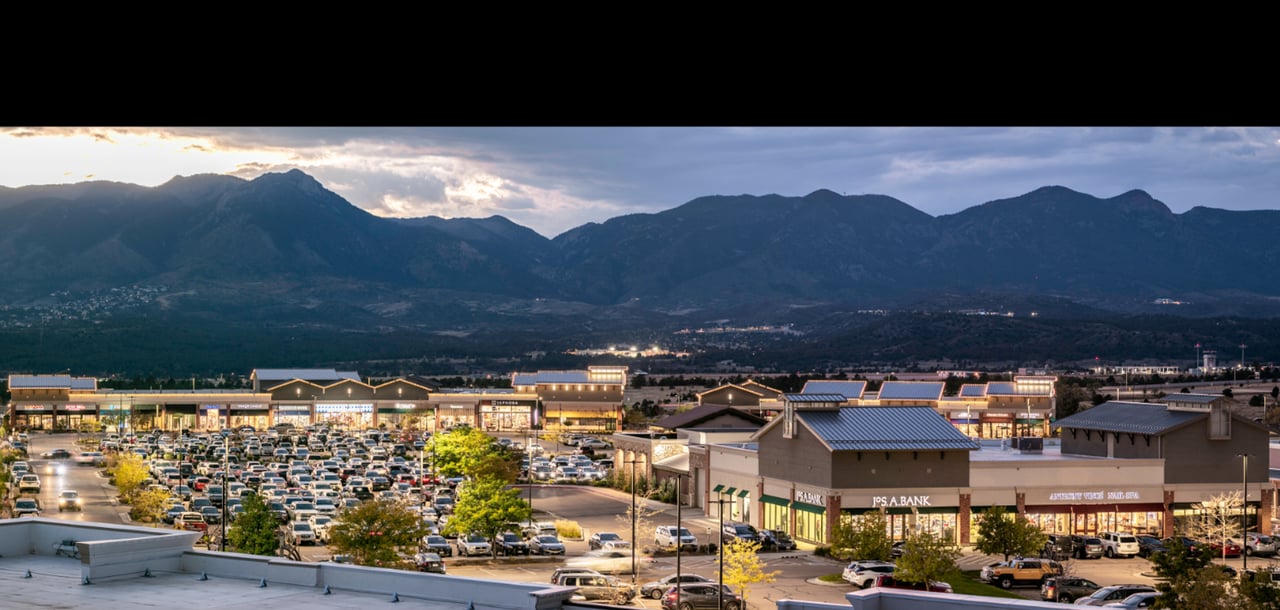
Discover everything Colorado Springs has to offer. From the historic charm of Old Colorado City to the resort luxury of Broadmoor, the family-friendly streets of Briargate, and the mountain-backed estates of the foothills, every neighborhood here has its own character, lifestyle, and appeal. Our Colorado Springs neighborhood guide breaks it all down—what makes each area distinct, who it's best suited for, and what you can expect from life there—so you can find the corner of the city that feels like home. Start browsing below to explore the neighborhoods that make Colorado Springs one of Colorado's most desirable places to live.
Serving communities from Colorado Springs through Pueblo and Denver, west into the mountains or east to the plains, our team is here to help with all your real estate needs across Colorado’s Front Range.